Girona Walking Tour: Explore Top Sights & Hidden Gems
Active
2h
For a full refund, cancel at least 24 hours before the scheduled departure time.
Instant confirmation
Mobile or paper ticket accepted
About this experience
What if I told you that most travelers never really see Girona? They walk through its medieval streets, take a few photos by the river, and move on, unaware of the stories carved into the stones and the secrets hidden behind its ancient walls.
Without a local guide, it’s easy to miss the quiet magic that makes Girona unforgettable, the traces of Roman, Jewish, and medieval life that still shape the city today. Exploring alone means you might see Girona’s beauty, but not truly feel its history.
That’s why this Girona Walking Tour exists. Your guide tailors the experience to what fascinates you most, leading you through the city’s most iconic landmarks and the hidden corners only locals know. It’s the difference between visiting Girona and actually discovering it.
Available options
Girona Walking Tour: Explore Top Sights & Hidden Gems
What's included
2-hour guided walking tour
Professional tour guide
Detailed itinerary
1
The Basilica of Sant Feliu in Girona, with its origins dating back to the early Christian era, serves as a significant religious and historical landmark. Known for its mix of Romanesque and Gothic architectural styles, the basilica houses notable artworks, including the tomb of Saint Narcissus and various medieval sculptures. The site has been a focal point for the local community for centuries, reflecting Girona's rich cultural heritage.
2
Stop 2
The Banys Àrabs in Girona are a well-preserved example of medieval public baths, inspired by Roman and Islamic bathhouses. Dating back to the 12th century, the baths feature a variety of rooms including a frigidarium, tepidarium, and caldarium, each serving different bathing purposes. The octagonal pool under the central dome is a notable highlight. The site offers insights into the historical bathing practices and architectural influences of the period.
3
The Monasterio de Sant Pere de Galligants in Girona is a former Benedictine abbey dating back to the 10th century. It features Romanesque architecture and now houses the Archaeological Museum of Catalonia, showcasing artifacts from various historical periods. The church, with its impressive bell tower and cloister, provides a glimpse into the monastic life and architectural style of medieval Catalonia.
4
Stop 4
Girona Cathedral, also known as the Cathedral of Saint Mary of Girona, is a prominent landmark featuring a blend of Romanesque, Gothic, and Baroque styles. Construction began in the 11th century, and its vast Gothic nave is one of the widest in the world. The cathedral houses the Tapestry of Creation and other significant religious artifacts. Its elevated position offers expansive views of the city and surrounding landscape.
5
Stop 5
The Call in Girona is the city's historic Jewish quarter, dating back to the 12th century. It features narrow, winding streets and well-preserved medieval buildings that reflect the rich cultural heritage of the Jewish community that once thrived there. The area is home to the Museum of Jewish History, which offers insights into the lives and traditions of Girona's medieval Jewish residents. The Call remains a significant part of Girona's historical and cultural landscape.
6
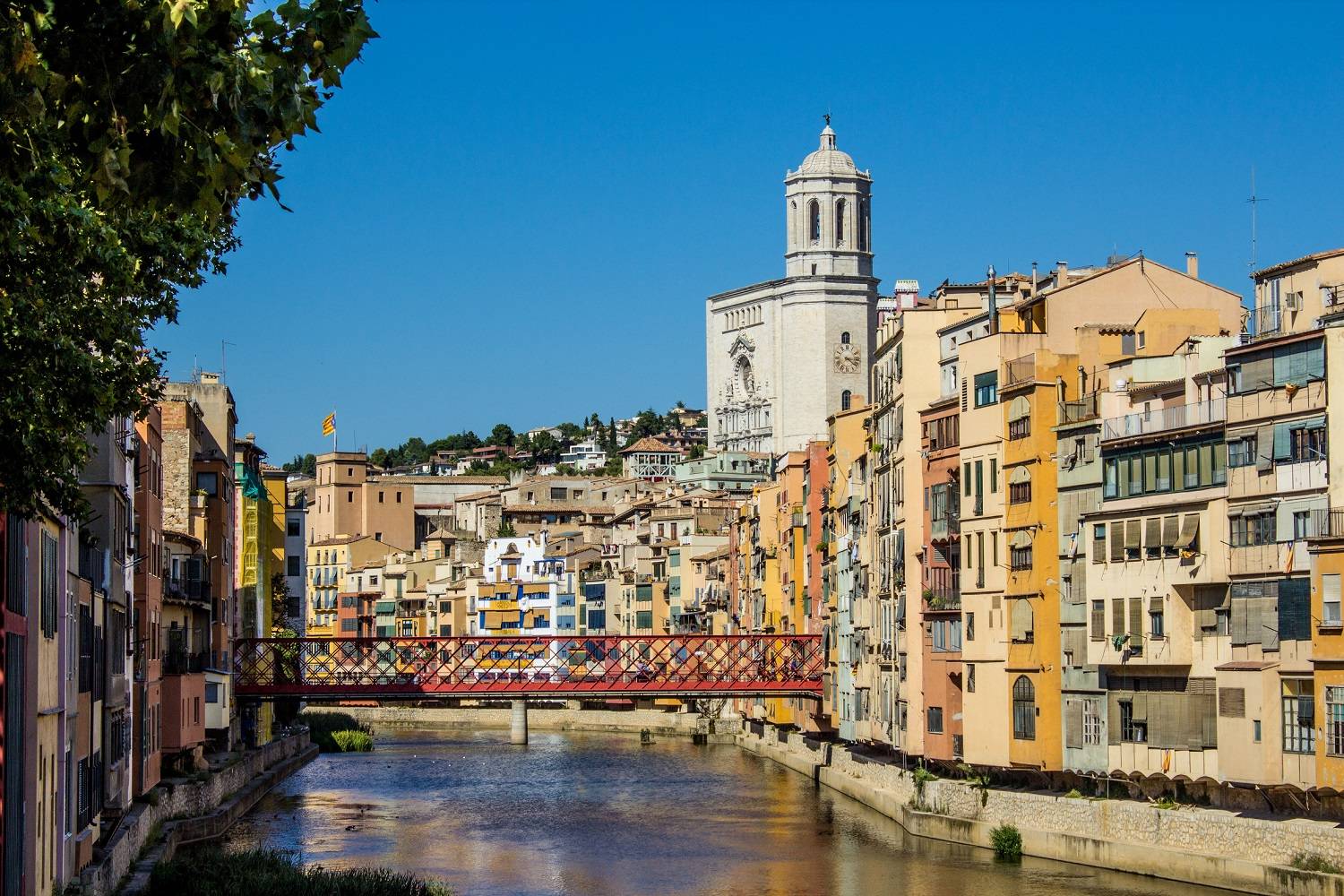
Rambla de la Llibertat in Girona is a central and historic promenade that dates back to the 13th century. Lined with shops, cafes, and notable buildings, it has long been a focal point for social and commercial activity in the city. The street is known for its arcades and the iconic iron bridge designed by Gustave Eiffel. It remains a vibrant area, popular with both locals and visitors for leisurely walks and gatherings.
7
There are a few more stops along the way, but we’ll keep those as a surprise to make your experience even more special.
What's not included
Gratuities (optional)
Available languages
Guide guide
EN
Reviews breakdown
Viator
5.0
2 reviews
5★
2
4★
0
3★
0
2★
0
1★
0
Tripadvisor
4.3
6 reviews
5★
5
4★
0
3★
0
2★
0
1★
1
Important information
Service animals allowed
Public transportation options are available nearby
Suitable for all physical fitness levels
Meeting point
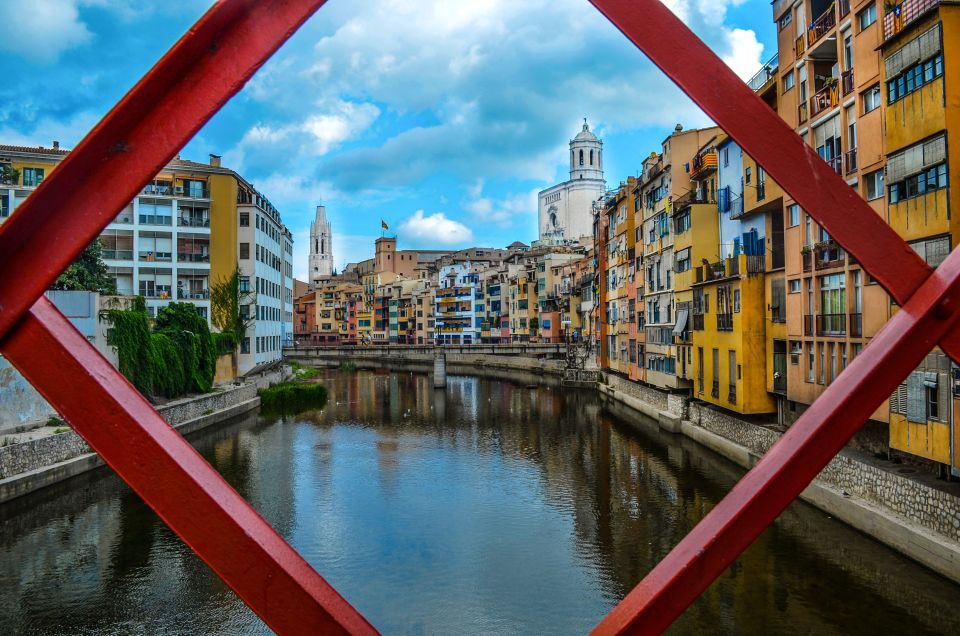
Meet your guide at the Bridge of St Feliu, a few steps along the river bank.
About Girona
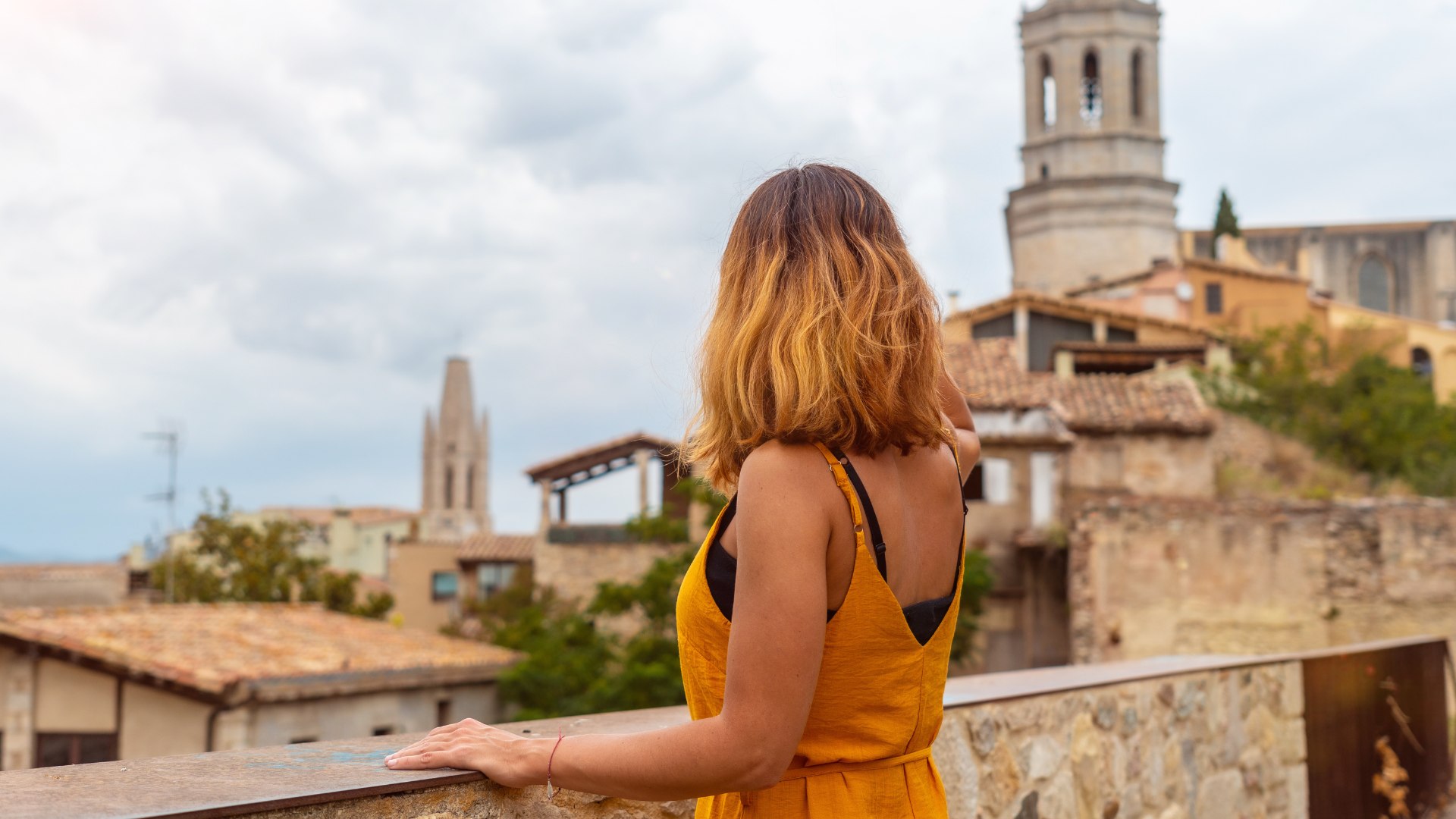
Girona is a charming medieval city in Catalonia, known for its well-preserved Jewish Quarter, stunning cathedral, and vibrant cultural scene. Its cobblestone streets, colorful houses, and rich history make it a captivating destination for travelers.
Top Attractions
Girona Cathedral
The Girona Cathedral is a stunning example of Gothic architecture, featuring a magnificent nave and a large, intricate stained-glass window.
Historical
1-2 hours
Free entry to the cathedral, €7 for the museum
Jewish Quarter (Call)
The Jewish Quarter is one of the best-preserved in Europe, featuring narrow streets, ancient houses, and a rich history.
Historical
1-2 hours
Free to explore, €7 for the museum
Arab Baths (Banys Àrabs)
These well-preserved 12th-century Arab Baths offer a glimpse into Girona's medieval past and feature beautiful architecture.
Historical
30-45 minutes
€5
Pujada de Sant Domènec
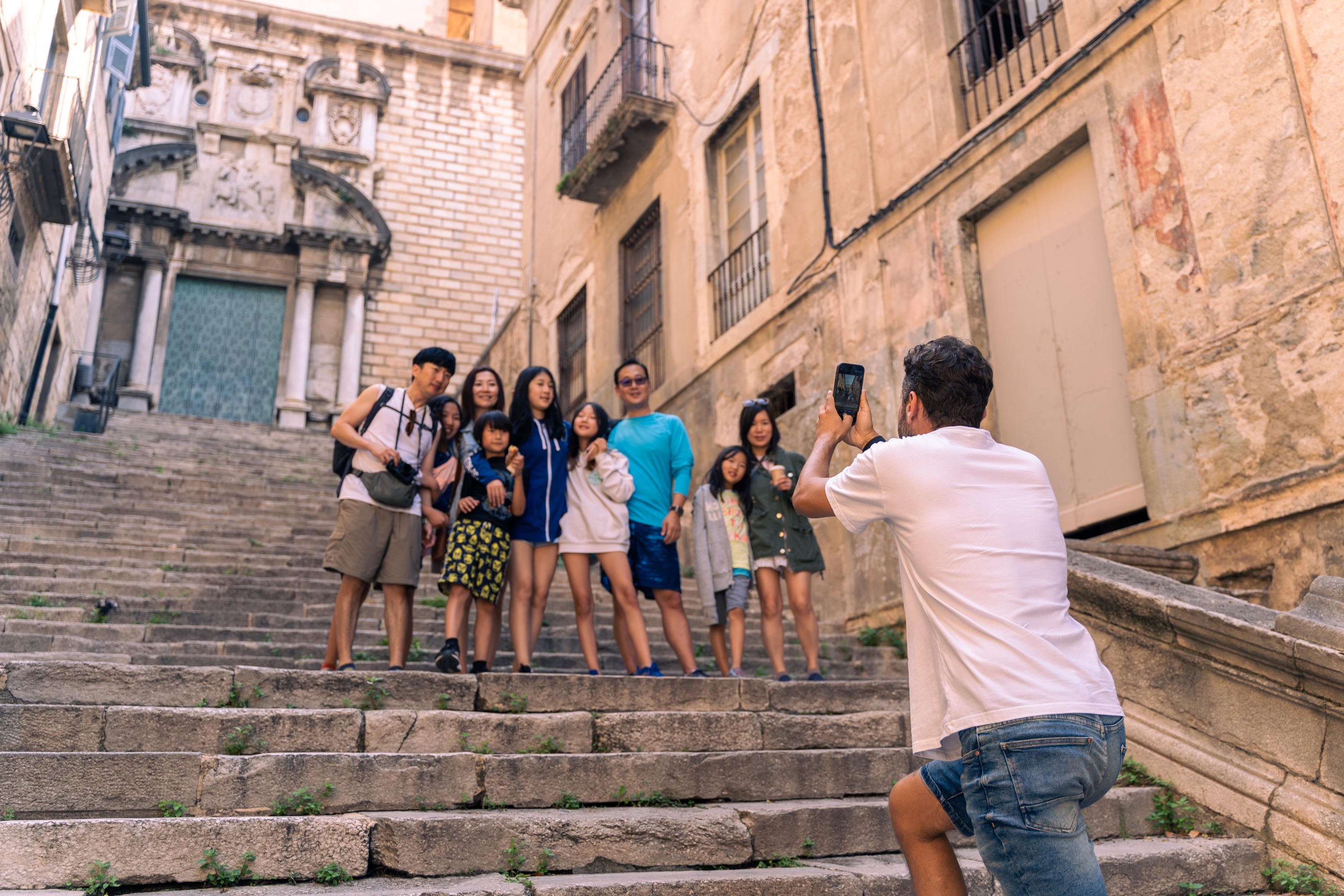
This iconic staircase, featured in Game of Thrones, offers a picturesque view of the colorful houses and the Onyar River.
Scenic
15-30 minutes
Free
Girona City Walls
The ancient city walls offer a walk through history and panoramic views of the city and surrounding countryside.
Historical
1-2 hours
Free
Must-Try Local Dishes
Pan con Tomate
Toasted bread rubbed with garlic and tomato, drizzled with olive oil and salt.
Appetizer
Vegetarian, can be made vegan
Fideuà
A traditional Catalan dish similar to paella, made with short noodles instead of rice and seafood.
Main Course
Contains seafood, can be made gluten-free
Crema Catalana
A Catalan version of crème brûlée, made with milk, egg yolks, sugar, and flavored with cinnamon and lemon zest.
Dessert
Contains dairy and eggs, can be made vegetarian
Butifarra
A traditional Catalan sausage made with pork, garlic, and spices, often served with beans or grilled.
Main Course
Contains pork, not suitable for vegetarians or vegans
Popular Activities
Hiking in the nearby mountains
Cycling along scenic routes
Strolling through the Old Town
Enjoying a wine tasting
Visiting museums and historical sites
Attending local festivals
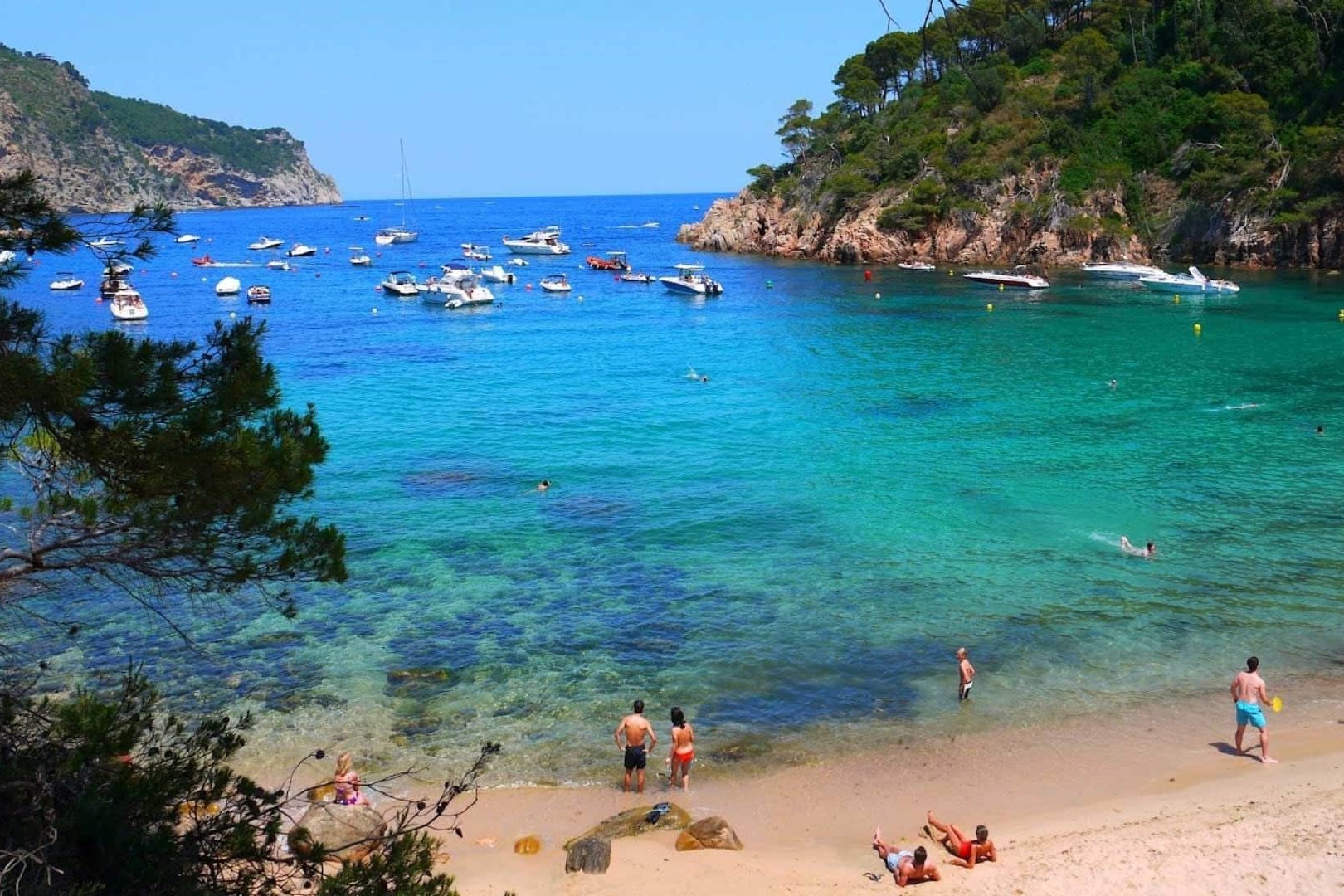
Swimming at nearby beaches
Kayaking on the Onyar River
Best Time to Visit
June to August
This is the busiest time of year with warm weather and various festivals. Expect crowded attractions and higher prices.
20-30°C
68-86°F
Practical Information
Language
- Official: Catalan, Spanish
- Widely spoken: Spanish, English
- English: Moderately spoken in tourist areas, limited in rural areas
Currency
Euro (EUR)
Time Zone
GMT+1 (CET), GMT+2 (CEST) during daylight saving time
Electricity
230VV, 50HzHz
Safety Information
Overall Safety Rating: Generally safe
Girona is generally a safe city for travelers, with low crime rates and a welcoming atmosphere. However, as with any destination, it's important to be aware of your surroundings and take basic precautions to ensure a safe and enjoyable trip.
Important Precautions:
- • Keep valuables secure and out of sight
- • Be cautious when using ATMs, especially at night
- • Use licensed taxis or ride-sharing services
Getting there
By air
- Girona-Costa Brava Airport • 12 km from city center
- Barcelona-El Prat Airport • 100 km from city center
By train
Girona Station
By bus
Girona Bus Station
Getting around
Public transport
The bus network covers the entire city and is efficient and affordable. Buses run frequently and are a convenient way to get around.
Taxis
Available • Apps: MyTaxi, Cabify
Rentals
Car, Bike, Scooter
Neighborhoods
Old Town (Barri Vell)
Eixample
Sant Daniel
Day trips
Figueres
35 km • Half day to full day
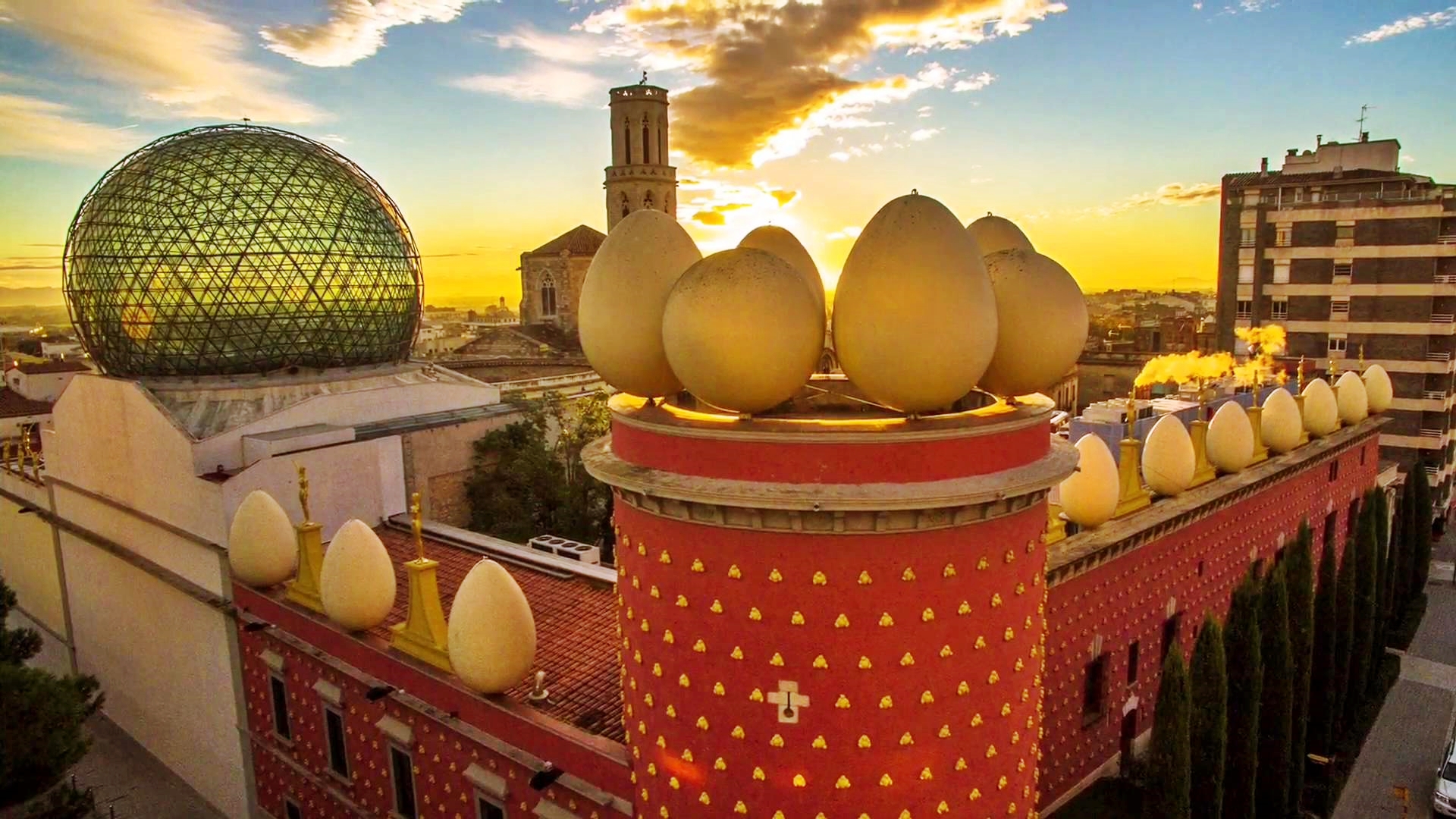
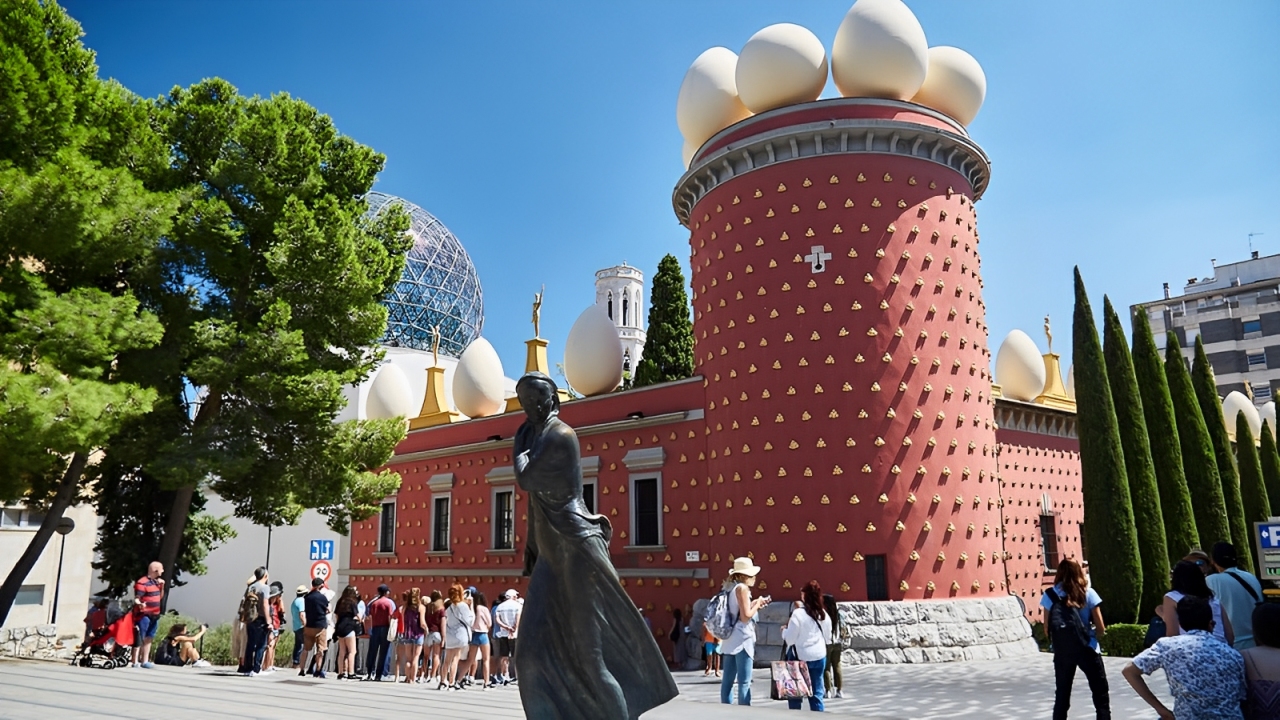
Home to the Dalí Theatre-Museum and a charming old town, Figueres offers a mix of art, history, and culture.
Costa Brava
30-50 km • Full day
The stunning coastline of Costa Brava offers beautiful beaches, charming fishing villages, and scenic hikes.
Besalú
35 km • Half day
A medieval village with a well-preserved Jewish Quarter, Romanesque bridge, and charming streets.
Festivals
Temps de Flors • May
Girona Film Festival • October
Sant Narcís Festival • October
Pro tips
- Visit the Girona Cathedral early in the morning to avoid crowds and enjoy the stunning architecture and views.
- Explore the Jewish Quarter (Call) on a weekday to avoid the busiest times and enjoy a more peaceful experience.
- Take a guided tour of the ancient city walls for a unique perspective on the city's history and architecture.
- Try the local specialty, fideuà, at a traditional restaurant for an authentic taste of Catalan cuisine.
- Visit the Mercat del Lleó for fresh produce, local specialties, and a taste of the city's vibrant food culture.
From $25
per person
Price varies by option
Secure booking
Free cancellation available
Instant confirmation