La Boca Walking Tour: Explore Top Sights & Hidden Gems
Active
2h
For a full refund, cancel at least 24 hours before the scheduled departure time.
Instant confirmation
Mobile or paper ticket accepted
About this experience
Most travelers think they’ve seen La Boca after walking through Caminito and snapping photos of its colorful houses. But what if I told you that the real spirit of this neighborhood, the one born from immigrants, artists, and the rhythm of tango, hides just beyond the main street?
Many wander on their own and see only the surface. They miss the stories painted on the walls, the echoes of football legends, and the resilience that shaped this working-class district into Buenos Aires’ most iconic neighborhood. Without a local to guide you, it’s easy to mistake La Boca’s colors for its whole story, when they’re only the beginning.
That’s why this Walking Tour in La Boca is your key to experiencing the neighborhood’s true essence. Your guide adapts the route to your interests, sharing the tales, landmarks, and hidden corners that bring La Boca to life. You’ll walk its streets not just as a visitor, but as someone who feels its heart beat beneath every step.
Available options
La Boca Walking Tour: Explore Top Sights & Hidden Gems
What's included
2.5-hour walking tour
Professional Tour Guide
Detailed itinerary
1
Located in the vibrant neighborhood of La Boca in Buenos Aires, Usina del Arte stands as a cultural hub within the city. Housed in a restored power plant, this venue offers a diverse array of artistic events and exhibitions, ranging from music concerts to visual arts showcases. Its industrial architecture juxtaposed with contemporary artistic expression creates a unique ambiance, drawing both locals and tourists alike to immerse themselves in Buenos Aires' rich cultural scene at Usina del Arte.
2
In the heart of the Barracas neighborhood in Buenos Aires, the Silos Areneros proudly display a monumental mural by Alfredo Segatori. Stretching across the towering silos, Segatori's artwork depicts vibrant scenes of Argentine culture and history, capturing the essence of the community. This striking mural not only transforms the industrial landscape but also serves as a testament to the power of art in revitalizing urban spaces, inviting visitors to admire its grandeur and immerse themselves in the stories it portrays.
3
Stretching across the Riachuelo River in Buenos Aires, the Puente Transbordador stands as a historic landmark. This iconic transporter bridge, dating back to the early 20th century, connects the neighborhoods of La Boca and Dock Sud. Its unique design, characterized by a moving platform suspended from cables, allows pedestrians and vehicles to cross while accommodating river traffic below. Serving as a reminder of Buenos Aires' industrial past, the Puente Transbordador remains a symbol of engineering ingenuity and a fascinating attraction for visitors exploring the city's heritage.
4
Nestled along the banks of the Riachuelo River in Buenos Aires, Vuelta de Rocha is a picturesque bend that holds historical significance. This meandering curve, bordered by colorful houses and bustling with activity, embodies the vibrant spirit of the La Boca neighborhood. It serves as a gathering place for locals and visitors alike, offering scenic views of the river and nearby landmarks such as the iconic Caminito street. Vuelta de Rocha is not only a scenic spot but also a cultural focal point, reflecting the dynamic charm of Buenos Aires' waterfront communities.
5
Stop 5
Caminito, nestled in the heart of Buenos Aires' La Boca neighborhood, is a vibrant street bursting with artistic flair and cultural heritage. Lined with colorful corrugated iron buildings and adorned with street art, it exudes the lively spirit of tango music and dance, inviting visitors to stroll through its cobblestone pathways. The street is adorned with various artisan stalls, cafes, and tango performers, creating a dynamic atmosphere that captures the essence of Argentine culture. Caminito stands as a testament to the neighborhood's rich history and serves as a beloved destination for tourists and locals alike to experience the soul of Buenos Aires.
6
Stop 6
There are a few more stops along the way, but we’ll keep those as a surprise to make your experience even more special.
What's not included
Gratuities (optional)
Available languages
Guide guide
EN
ES
Reviews breakdown
Viator
5.0
3 reviews
5★
3
4★
0
3★
0
2★
0
1★
0
Tripadvisor
4.1
10 reviews
5★
7
4★
0
3★
1
2★
1
1★
1
Important information
Service animals allowed
Public transportation options are available nearby
Suitable for all physical fitness levels
Meeting point
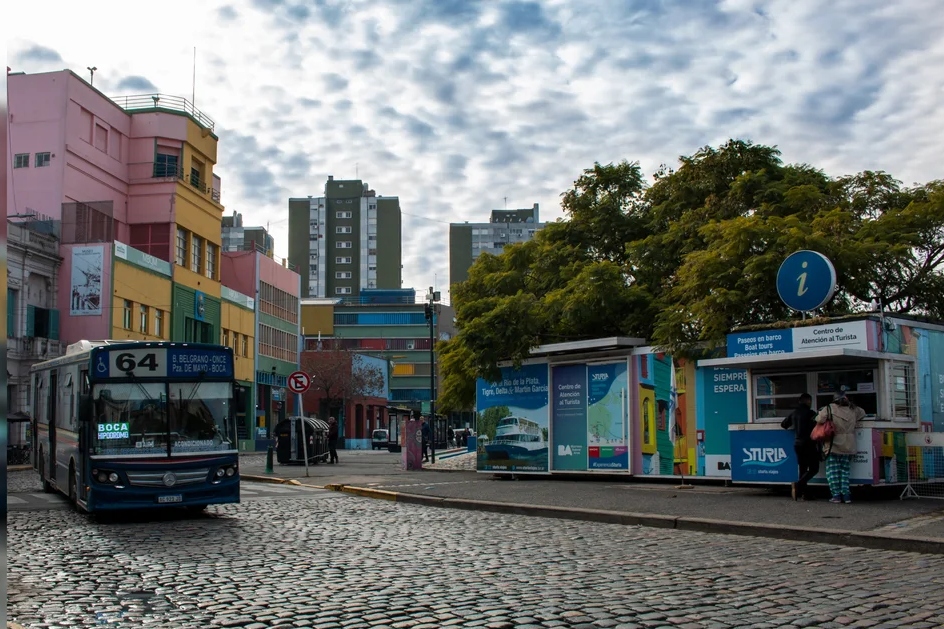
Meet your guide at the yellow house.
About Buenos Aires Province
Buenos Aires Province, surrounding the capital city of Argentina, is a vibrant blend of urban and rural landscapes. From the bustling streets of La Plata to the serene beaches of Mar del Plata, it offers a diverse range of experiences for travelers.
Top Attractions
La Plata
The capital of Buenos Aires Province, known for its beautiful architecture and urban planning. The city is a hub for culture, education, and politics.
Historical
Half day to full day
Free to Budget
Mar del Plata
A popular seaside resort city known for its beaches, nightlife, and entertainment. It's a great spot for both relaxation and adventure.
Beach
Full day to overnight
Budget to Moderate
Tigre Delta
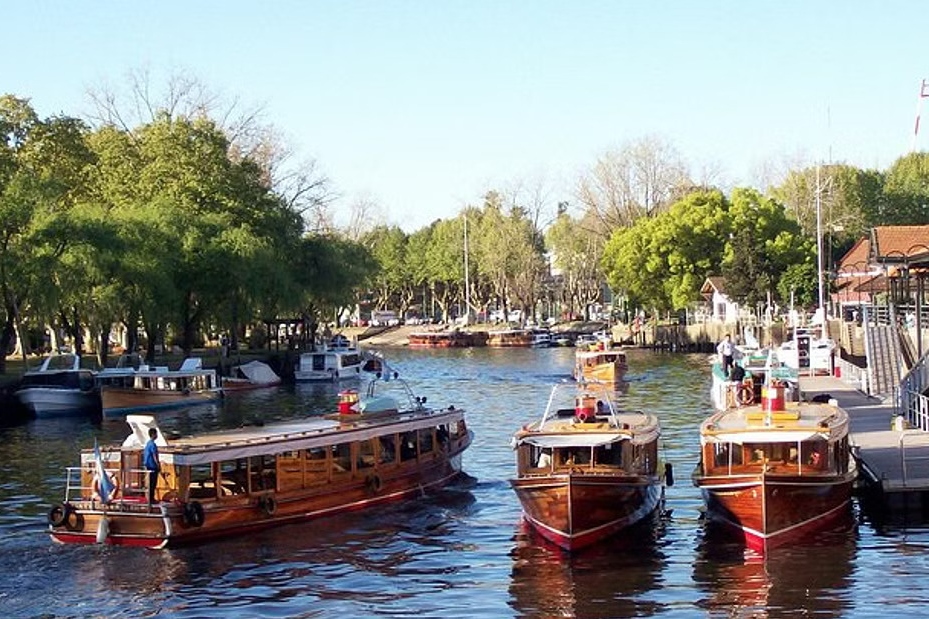
A unique network of rivers and islands, perfect for boating, kayaking, and nature walks. It's a great escape from the city bustle.
Nature
Half day to full day
Budget to Moderate
Lujan
Home to the Basilica of Luján, one of the most important pilgrimage sites in Argentina. It's a significant religious and cultural landmark.
Religious
Half day
Free to Budget
San Antonio de Areco
A traditional gaucho town known for its rich cultural heritage and equestrian traditions. It's a great place to experience authentic Argentine rural life.
Cultural
Full day
Budget to Moderate
Must-Try Local Dishes
Asado
A traditional Argentine barbecue featuring a variety of meats, including beef, pork, and sausages, grilled over an open fire.
Dinner
Contains meat, gluten-free options available
Empanadas
Savory pastries filled with various ingredients such as beef, chicken, cheese, or ham and vegetables.
Snack
Vegetarian and vegan options available
Milanesa
A breaded and fried or grilled meat cutlet, similar to schnitzel, often served with mashed potatoes or salad.
Lunch/Dinner
Contains meat, gluten (if breaded)
Dulce de Leche
A thick, sweet, caramel-like spread made from milk and sugar, used in various desserts and pastries.
Dessert
Vegetarian, contains dairy
Popular Activities
Kayaking in Tigre Delta
Hiking in Sierra de la Ventana
Beach lounging in Mar del Plata
Spa treatments in Puerto Madero
Tango shows in San Telmo
Museum visits in Recoleta
Boat tours in Tigre Delta
Swimming in Mar del Plata
Best Time to Visit
December to February
This is the summer season, perfect for beach activities and outdoor festivals. The weather is warm, and the province is lively with various cultural events.
20°C to 30°C
68°F to 86°F
Practical Information
Language
- Official: Spanish
- Widely spoken: English, Italian
- English: Moderately spoken in tourist areas, limited elsewhere
Currency
Argentine Peso (ARS)
Time Zone
GMT-3
Electricity
220VV, 50HzHz
Safety Information
Overall Safety Rating: Exercise caution
Buenos Aires Province is generally safe for travelers, but petty crime and pickpocketing can occur, especially in crowded areas. Be aware of your surroundings and take precautions to protect your belongings.
Important Precautions:
- • Keep valuables secure and out of sight
- • Use a money belt or hidden pouch for important documents and cash
- • Be cautious of strangers approaching you with questions or offers
Getting there
By air
- Ministro Pistarini International Airport • 35 km from Buenos Aires city center
- Aeroparque Jorge Newbery • 4 km from Buenos Aires city center
By train
Retiro Station
By bus
Terminal de Omnibus de Buenos Aires, Terminal de Omnibus de La Plata
Getting around
Public transport
The Subte is efficient and covers most of the city center. It's a quick and affordable way to get around.
Taxis
Available • Apps: Uber, Cabify
Rentals
Car, Bike, Scooter
Neighborhoods
Puerto Madero
Palermo
San Telmo
La Boca
Recoleta
Day trips
Colonia del Sacramento
50 km from Buenos Aires • Full day
A charming colonial town known for its well-preserved historic center, cobblestone streets, and picturesque views of the Río de la Plata.
Lujan
65 km from Buenos Aires • Half day
Home to the Basilica of Luján, a significant pilgrimage site and one of the most important religious landmarks in Argentina.
San Antonio de Areco
110 km from Buenos Aires • Full day
A traditional gaucho town known for its rich cultural heritage and equestrian traditions. It's a great place to experience authentic Argentine rural life.
Festivals
Gaucho Festival • November
Buenos Aires Tango Festival • August
Carnaval de Buenos Aires • February/March
Pro tips
- Learn a few basic Spanish phrases to enhance your experience and interact with locals
- Use the SUBE card for easy and discounted public transport fares
- Explore beyond the city to discover the province's natural beauty and cultural heritage
- Try local specialties like asado, empanadas, and dulce de leche for an authentic culinary experience
- Visit during festivals and events for a more vibrant and immersive cultural experience
From $25
per person
Price varies by option
Secure booking
Free cancellation available
Instant confirmation