2 Hour Terror and Mural History Belfast taxi Private Tour
Active
2h
For a full refund, cancel at least 24 hours before the scheduled departure time.
Instant confirmation
Mobile or paper ticket accepted
About this experience
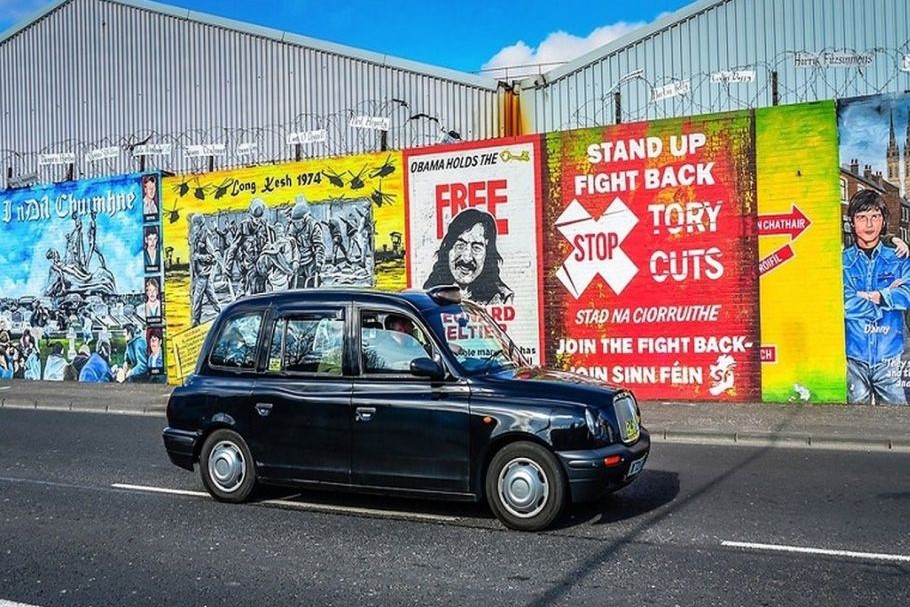
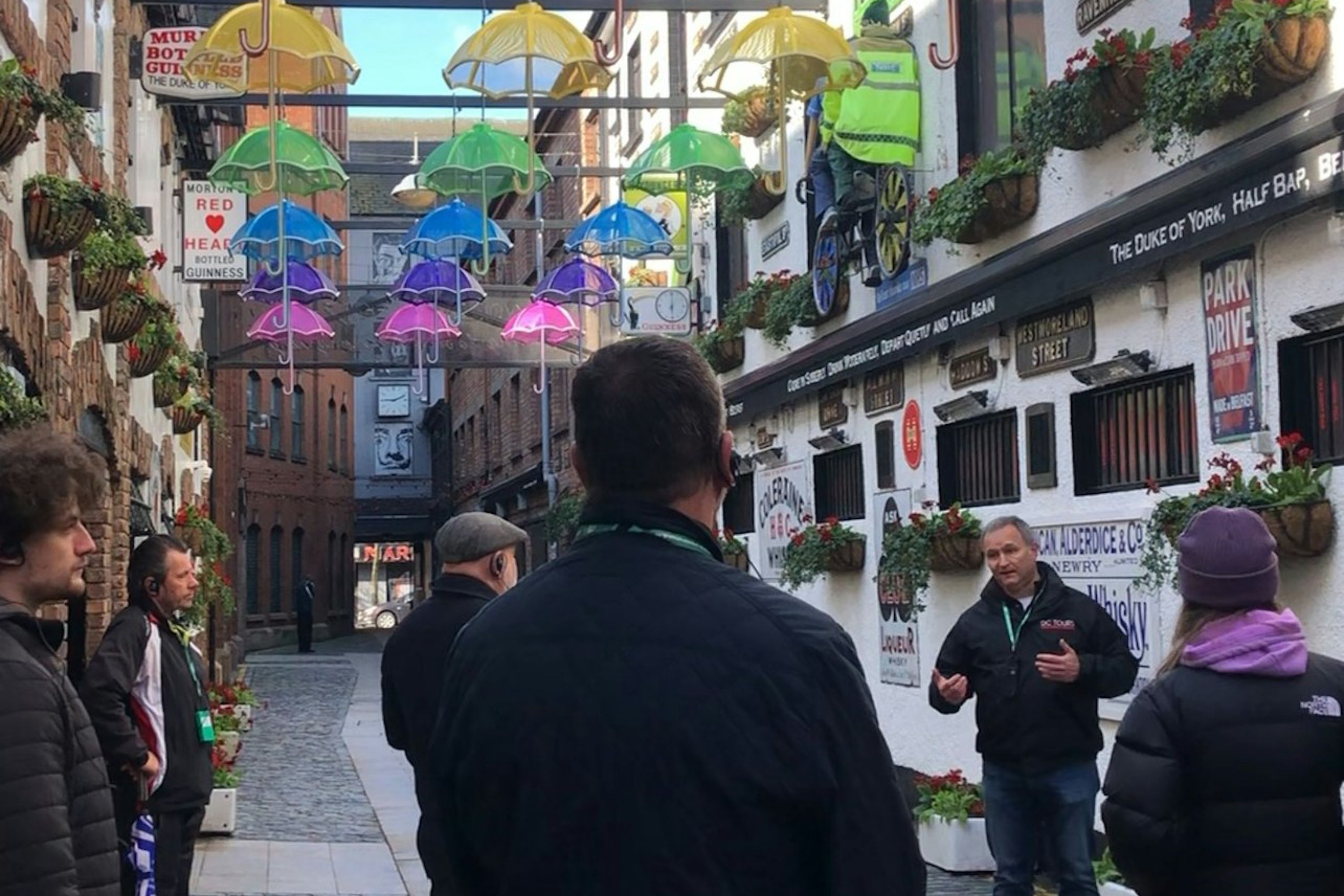
This tour of Belfast with a black taxi driver who lived through the civil rights clash of The Troubles allows you to learn loads more about the city's complicated history than you would traveling on your own. Sit back in rapt attention to your driver's narration, as you visit the famous Belfast murals on Falls Road and Shankill Road, painted by ex-prisoners on both sides of the conflict.
Hear four versions of the city's history: the British version, the Republican version, the Loyalist version, and the truth according to someone who lived through it. Listening to your guide's narrative helps you make sense of a tangled history that is complicated and difficult to understand for visitors. You'll also see photos and videos depicting the neighborhoods visited on the tour as they were at that time.
Available options
2 Hour Terror and Mural History Belfast taxi Private Tour
Pickup included
What's included
Parking Fees
Detailed itinerary
1
Stop 1
Belfast's Peace Walls, erected during the Troubles in the late 1960s, are striking symbols of Northern Ireland's complex history. These towering barriers, adorned with vivid murals and poignant graffiti, were initially built to separate Protestant and Catholic neighborhoods, aiming to reduce sectarian violence. Today, they stretch across several miles, with gates that still close nightly in some areas. While the walls reflect a turbulent past, they also represent resilience and the ongoing journey towards peace. Guided tours offer deep insights into Belfast's history, the stories behind the murals, and the community's efforts to foster reconciliation and unity
2
Divis Flats, a significant landmark in West Belfast, offers a poignant glimpse into the city's turbulent history during the Troubles. Built in the late 1960s, these high-rise flats quickly became a hotspot for sectarian violence and civil unrest. The area was predominantly Catholic and faced intense conflict with British security forces.
At the heart of Divis Flats was a British Army base, established on the rooftop of the tallest building. Known as "Fort Apache," it provided a strategic vantage point but also became a symbol of surveillance and tension. The presence of the army within a residential complex intensified hostilities, leading to numerous confrontations and a lasting impact on the local community.
Today, Divis Flats stand as a testament to the resilience of its residents. Guided tours offer a compelling narrative of life during the Troubles, showcasing personal stories, historical events, and the area's transformation towards peace.
3
The International Wall on Falls Road in Belfast is a vibrant, ever-evolving canvas that powerfully portrays the city's socio-political history and global solidarity. Located in the heart of West Belfast, this expansive mural wall was established in the 1980s and features striking artwork that addresses local and international issues, from the Troubles to global human rights struggles. Each mural is rich with symbolism and meaning, reflecting themes of resistance, peace, and community resilience. A visit to the International Wall offers tourists an immersive experience, providing deep insights into Belfast's past and present struggles, as well as its hope for a harmonious future. Guided tours are available to explore the narratives behind each mural, making it a must-see cultural landmark.
4
Stop 4
The Bobby Sands mural on Falls Road in Belfast is one of the most iconic and poignant pieces of street art in Northern Ireland. Dedicated to Bobby Sands, a member of the Provisional Irish Republican Army (IRA) who died during a hunger strike in 1981, the mural commemorates his role and sacrifice in the struggle for Irish republicanism. Sands, who was elected as a Member of Parliament during his strike, became a powerful symbol of resistance against British rule.
During the Troubles, a conflict marked by violent clashes between the IRA and British forces.
During the Troubles, the IRA was deeply active in the Falls Road area, engaging in various forms of armed resistance and political activism. Today, the Bobby Sands mural stands not only as a historical marker but also as an enduring symbol of the quest for freedom and justice. Guided tours often include this site, offering tourists a profound understanding of the local history and the intense struggles faced by the community.
5
Clonard Monastery, nestled in West Belfast, is a historic site with deep significance in the Northern Ireland peace process. Established in 1896, this stunning red-brick church became a beacon of hope during the Troubles. The monastery's priests, particularly Father Alec Reid, played a pivotal role in mediating between conflicting parties. Father Reid's behind-the-scenes efforts were crucial in initiating dialogues that eventually led to the Good Friday Agreement in 1998. Today, Clonard Monastery stands as a symbol of peace and reconciliation. Visitors can explore its beautiful architecture, serene atmosphere, and learn about its remarkable contribution to healing a divided society. Guided tours offer insights into its historical and spiritual importance, making it a must-visit landmarks.
6
The Clonard Martyrs Remembrance Garden, located adjacent to Clonard Monastery in West Belfast, is a poignant tribute to the local lives lost during the Troubles. This serene garden commemorates the martyrs, many of whom were part of the Clonard community. Established to honor their memory, the garden features plaques and memorials amidst peaceful greenery, offering a reflective space for visitors. The garden underscores the area's turbulent history and the personal cost of conflict. Guided visits to the Remembrance Garden provide a deeper understanding of the community's sacrifices and resilience. It's a solemn yet beautiful site, encouraging contemplation and appreciation of Belfast's journey towards peace and reconciliation.
7
Stop 7
Crumlin Road Gaol and Courthouse, located in North Belfast, are historic landmarks deeply intertwined with Northern Ireland's Troubles. Built in the 19th century, Crumlin Road Gaol housed both political and criminal prisoners, including members of the IRA and loyalist paramilitaries. The adjoining Courthouse saw many high-profile trials related to the conflict.
During the Troubles, the gaol was a site of significant tension, with escapes, hunger strikes, and riots highlighting the period's strife. The tunnel connecting the jail to the courthouse symbolizes the direct path many prisoners took to face justice.
Today, the restored Crumlin Road Gaol offers guided tours that delve into its grim history, providing insights into the harsh realities of life during the Troubles and the broader impact on Belfast's society
8
Birth place of The Provisional Irish Republican Army :Bombay Street in West Belfast is a pivotal site in the history of the Troubles, marking the birth of the Provisional IRA in 1969. In August of that year, intense sectarian riots erupted, leading to the widespread destruction of homes on Bombay Street. The violence displaced many Catholic families, who felt abandoned by the state and existing IRA structures.
In response, a faction broke away to form the Provisional Irish Republican Army (IRA), dedicated to defending nationalist communities and pursuing Irish reunification through armed resistance. The aftermath of the Bombay Street attacks highlighted the urgent need for organized protection and significantly influenced the Troubles' trajectory.
Today, visitors to Bombay Street can see memorials and restored homes, offering a poignant reminder of the area's turbulent past and the community's resilience in the face of adversity.
9
Stop 9
Shankill Road in Belfast is historically significant as the birthplace of the Ulster Volunteer Force (UVF) and the Ulster Freedom Fighters (UFF). These loyalist paramilitary groups emerged in response to the escalating conflict during the late 1960s and early 1970s, aiming to maintain Northern Ireland's union with Britain. The UVF, initially formed in 1966, and the UFF, established in 1973 as a cover name for the Ulster Defence Association (UDA), engaged in violent campaigns against republican targets.
The political murals along Shankill Road vividly depict this history. These murals, rich in symbolism and artistry, illustrate the loyalist perspective, commemorating key figures, events, and ideals of the loyalist cause.l narratives, gaining insights into the loyalist community's experiences and the complexities of the Troubles. Guided tours provide context and stories behind the murals, making this a deeply educational and reflective journey through Belfast's troubled past.
What's not included
Coffee and/or Tea
Alcoholic Beverages
Available languages
Guide guide
EN
Reviews breakdown
Viator
5.0
2 reviews
5★
2
4★
0
3★
0
2★
0
1★
0
Tripadvisor
5.0
5 reviews
5★
5
4★
0
3★
0
2★
0
1★
0
Important information
Infants and small children can ride in a pram or stroller
Service animals allowed
Public transportation options are available nearby
Infants are required to sit on an adult’s lap
Suitable for all physical fitness levels
Meeting point
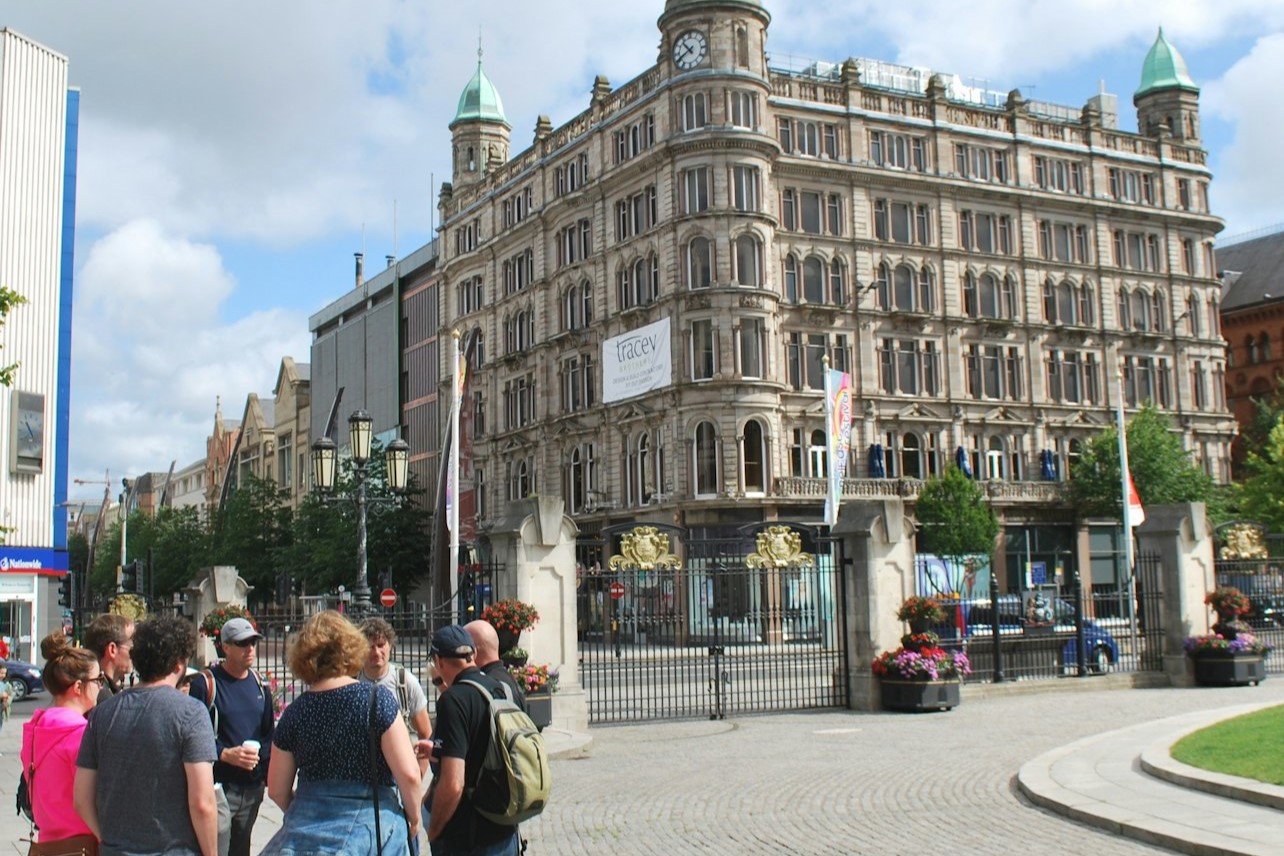
Go to front gates of Belfast City Hall. Turn right and walk to the bottom off of wellington place and cross zebra crossing and Leonard’s is on the opposite side of road.
About Belfast
Belfast, the capital of Northern Ireland, is a vibrant city with a rich maritime, industrial, and political history. Known for its Titanic heritage, friendly locals, and dynamic cultural scene, it offers a unique blend of historical sites, modern attractions, and stunning natural beauty.
Top Attractions
Titanic Belfast
A world-class museum dedicated to the Titanic, offering interactive exhibits and a fascinating insight into Belfast's shipbuilding heritage.
Historical
2-3 hours
£22-£26
Belfast Castle
A beautiful 19th-century castle set in the Cave Hill Country Park, offering stunning views of the city and surrounding countryside.
Historical
1-2 hours
Free
St. George's Market
A historic market offering a variety of food, crafts, and entertainment. It's one of the few remaining Victorian markets in the UK.
Cultural
1-2 hours
Free entry, food and crafts for purchase
Crumlin Road Gaol
A former Victorian prison that has been restored to its original condition, offering guided tours and insights into Belfast's criminal history.
Historical
1-2 hours
£12-£15
Botanic Gardens
A beautiful public park featuring a variety of plants, trees, and flowers, as well as the Palm House and Tropical Ravine House.
Nature
1-2 hours
Free
Must-Try Local Dishes
Ulster Fry
A hearty breakfast consisting of soda bread, potato bread, bacon, sausage, black and white pudding, eggs, and tomato.
Breakfast
Contains meat and gluten
Irish Stew
A traditional stew made with lamb, potatoes, carrots, and onions.
Lunch/Dinner
Contains meat and gluten
Chippey
A traditional fish and chip shop serving battered fish, chips, and various sides.
Dinner
Contains fish and gluten
Belfast Bap
A soft, white bread roll filled with a sausage, bacon, or egg.
Breakfast/Lunch
Contains meat and gluten
Popular Activities
Hiking in Cave Hill Country Park
Crossing the Carrick-a-Rede Rope Bridge
Kayaking on Lough Neagh
Strolling through Botanic Gardens
Enjoying a spa day
Sipping coffee in a trendy cafe
Exploring the Ulster Museum
Attending a performance at the Grand Opera House
Best Time to Visit
June to August
This is the warmest and sunniest time of the year, perfect for outdoor activities and festivals. However, it's also the busiest tourist season.
15°C to 20°C
59°F to 68°F
Practical Information
Language
- Official: English
- Widely spoken: Irish (Gaelic)
- English: Widely spoken
Currency
Pound Sterling (GBP)
Time Zone
GMT (UTC+0) in winter, BST (UTC+1) in summer
Electricity
230VV, 50HzHz
Safety Information
Overall Safety Rating: Generally safe
Belfast is generally safe, but like any city, it's important to be aware of your surroundings and take precautions to ensure a safe and enjoyable trip.
Important Precautions:
- • Be aware of your surroundings, especially at night.
- • Keep valuables secure and out of sight.
- • Use licensed taxis and check the fare before starting your journey.
Getting there
By air
- Belfast International Airport • 20 km (12 miles) northwest of the city center
- George Best Belfast City Airport • 3 km (2 miles) east of the city center
By train
Belfast Central Station, Belfast Lanyon Place Station
By bus
Belfast Europa Buscentre
Getting around
Public transport
Buses are the most common form of public transport in Belfast, with a comprehensive network covering the city and surrounding areas.
Taxis
Available • Apps: Free Now, Uber
Rentals
Car, Bike, Scooter
Neighborhoods
Cathedral Quarter
Titanic Quarter
Belfast City Centre
Stranmillis
The Ormeau Road
Day trips
Giant's Causeway
90 km (56 miles) • Full day
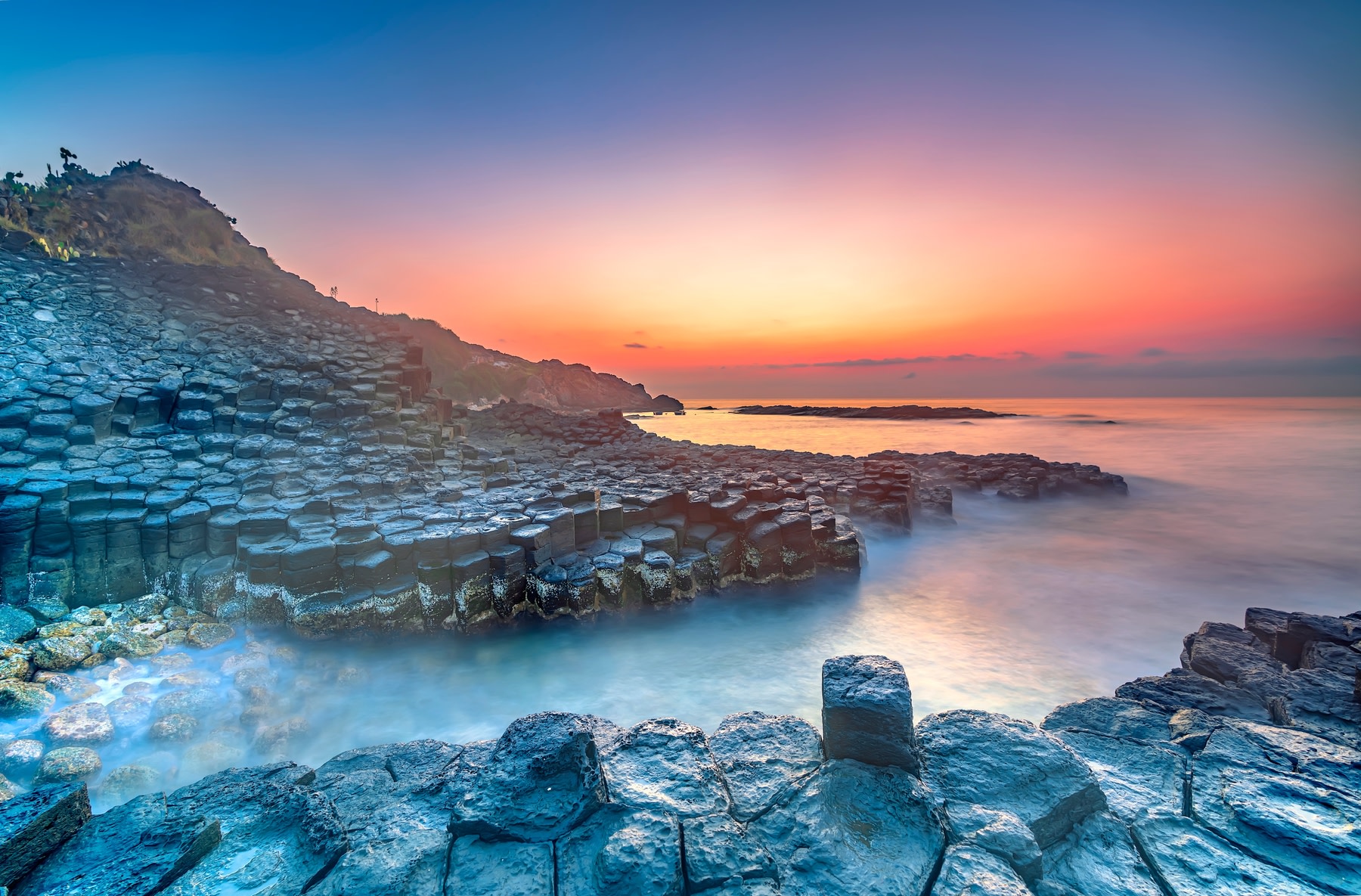
A UNESCO World Heritage Site featuring a unique natural formation of interlocking basalt columns.
Carrick-a-Rede Rope Bridge
70 km (43 miles) • Half day
A thrilling rope bridge spanning a 23-meter (75-foot) chasm, offering stunning views of the coastline.
Dunluce Castle
80 km (50 miles) • Half day
A dramatic medieval castle perched on a cliff, offering a glimpse into Northern Ireland's past.
Festivals
Belfast International Arts Festival • October
Cathedral Quarter Arts Festival • May
Belfast Mela • August
Pro tips
- Take a black cab tour to learn about Belfast's history and political landscape from a local perspective.
- Visit the Cathedral Quarter for a vibrant mix of bars, restaurants, and cultural venues.
- Explore the Titanic Quarter, home to the Titanic Belfast museum and a variety of attractions.
- Stroll through Botanic Gardens and visit the nearby Ulster Museum and Palm House.
- Try local delicacies like the Ulster Fry and Belfast Bap at St. George's Market.
From $25
per person
Price varies by option
Secure booking
Free cancellation available
Instant confirmation