Private cruise with Paris water way
Active
1h
For a full refund, cancel at least 24 hours before the scheduled departure time.
Instant confirmation
Mobile or paper ticket accepted
About this experience
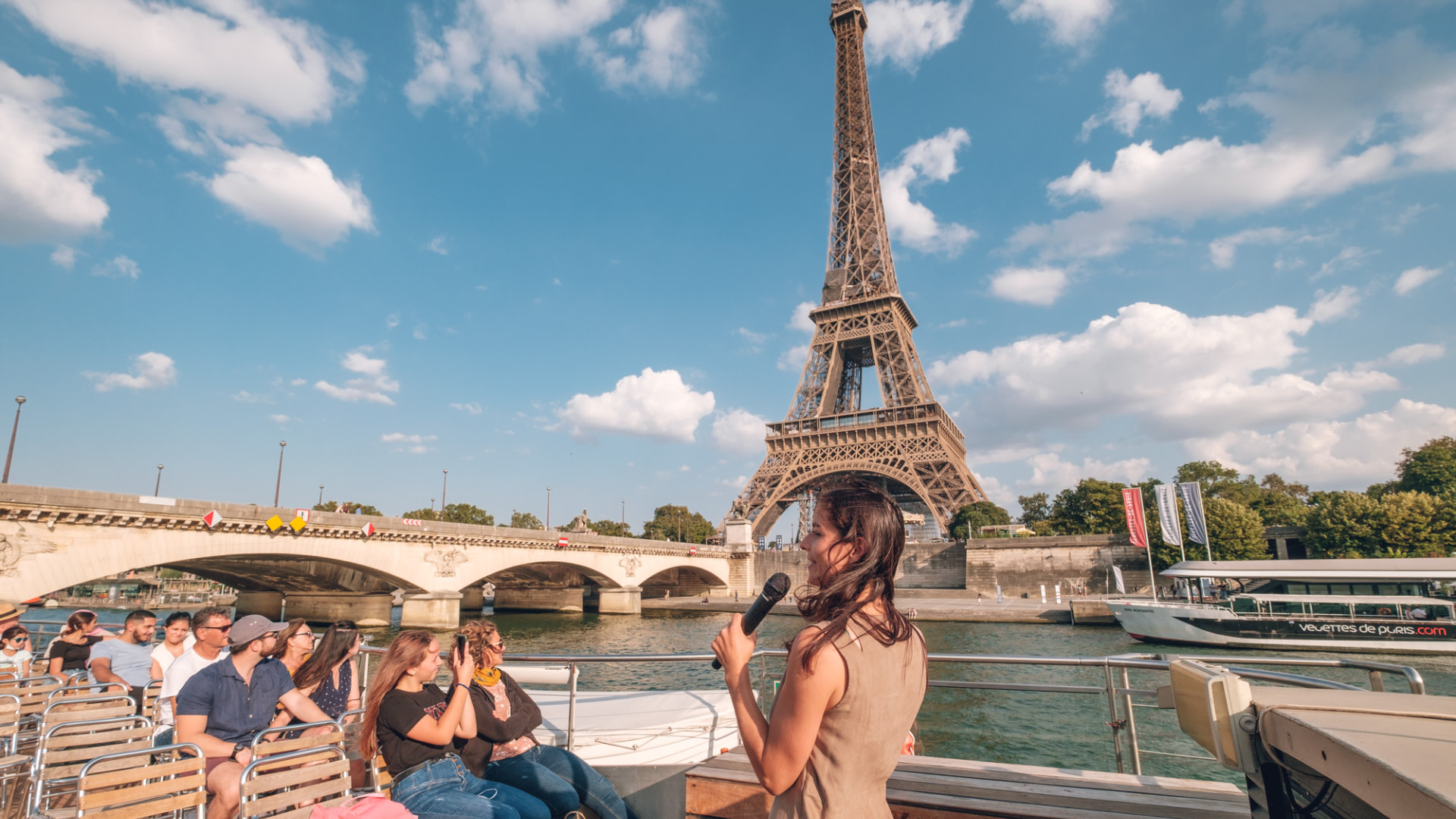
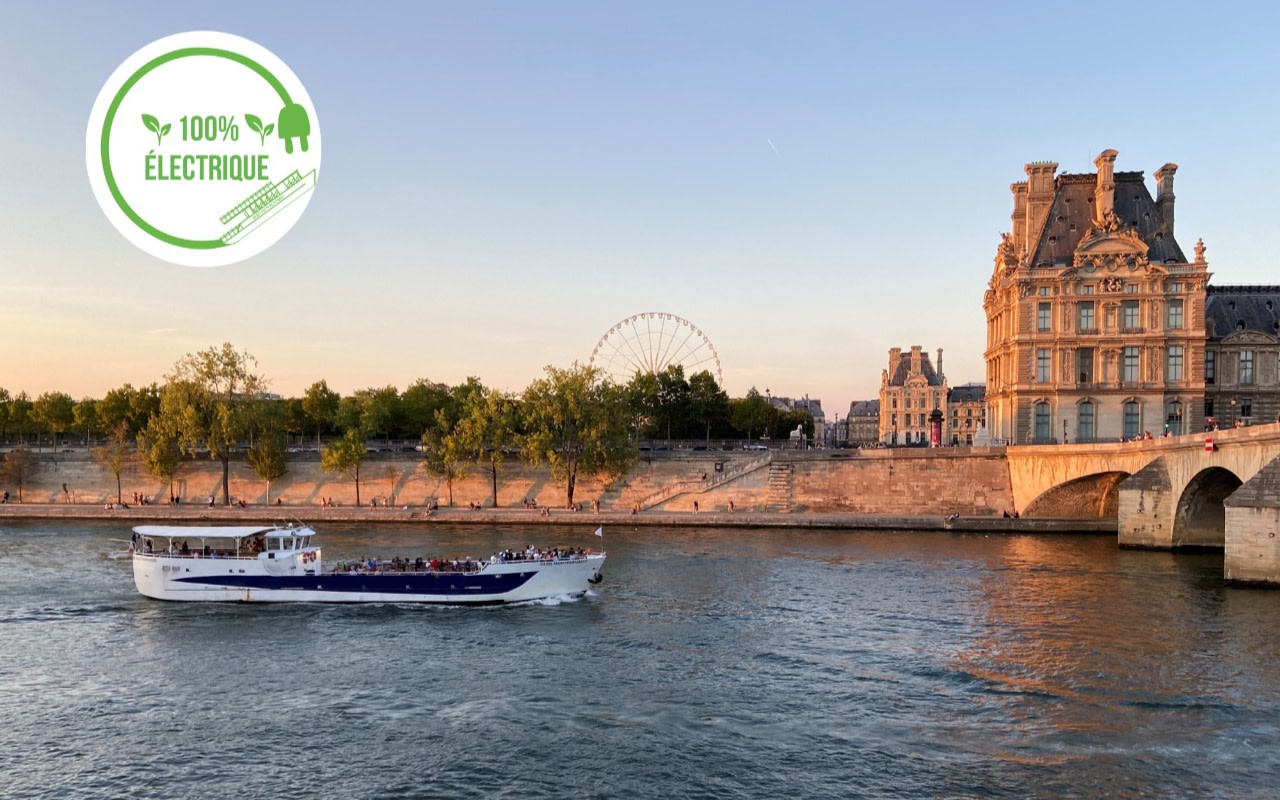
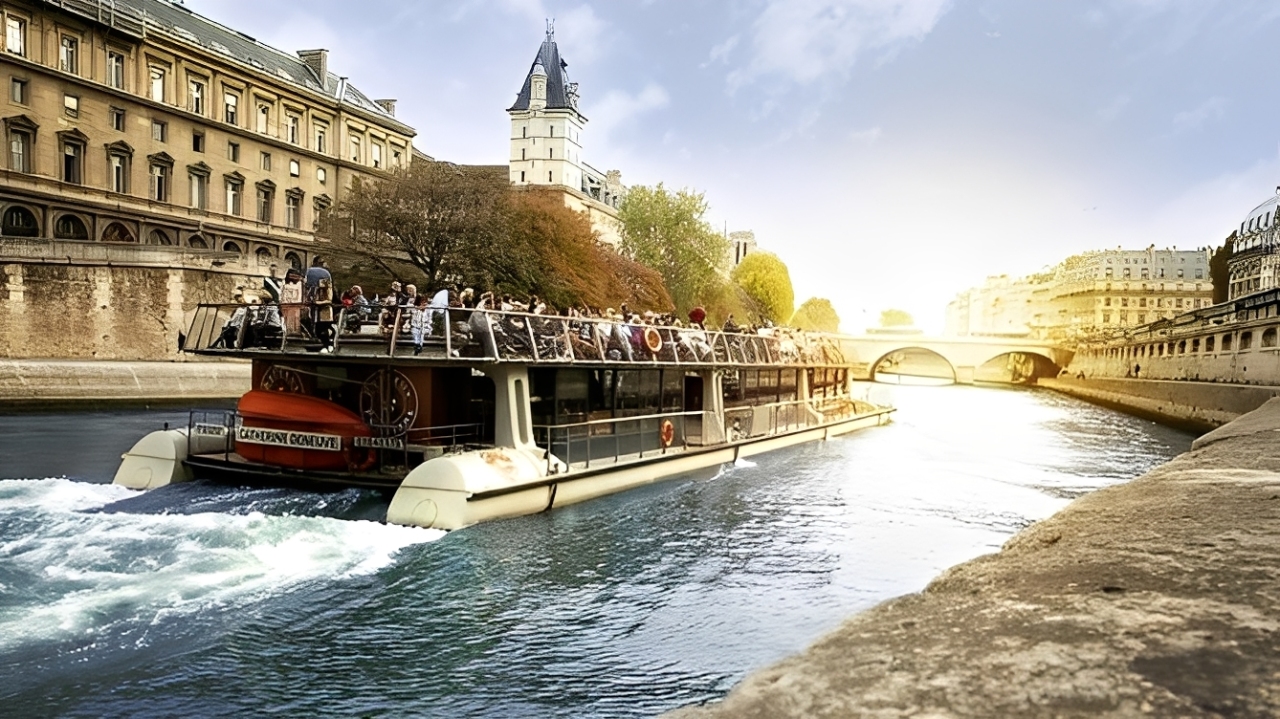
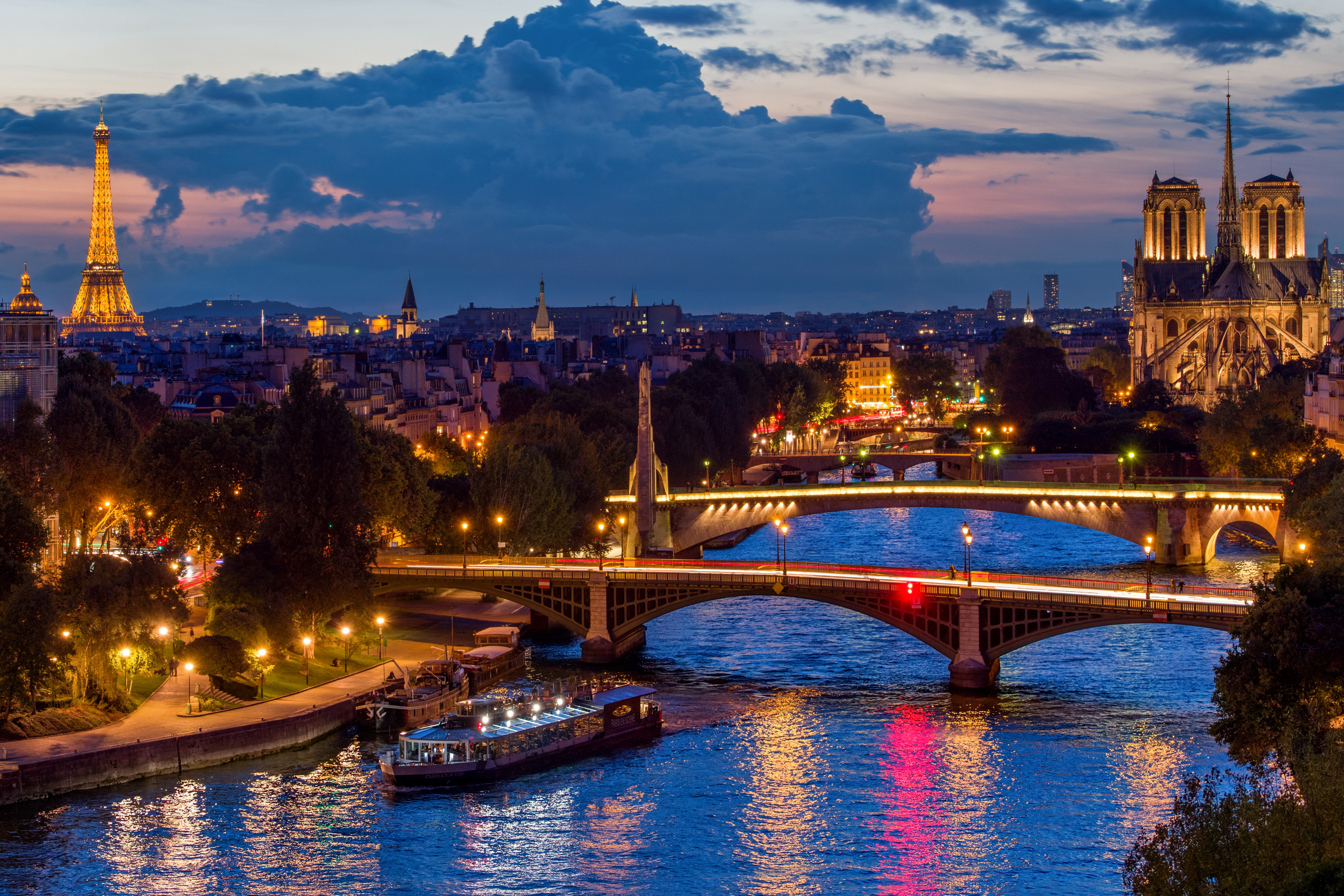
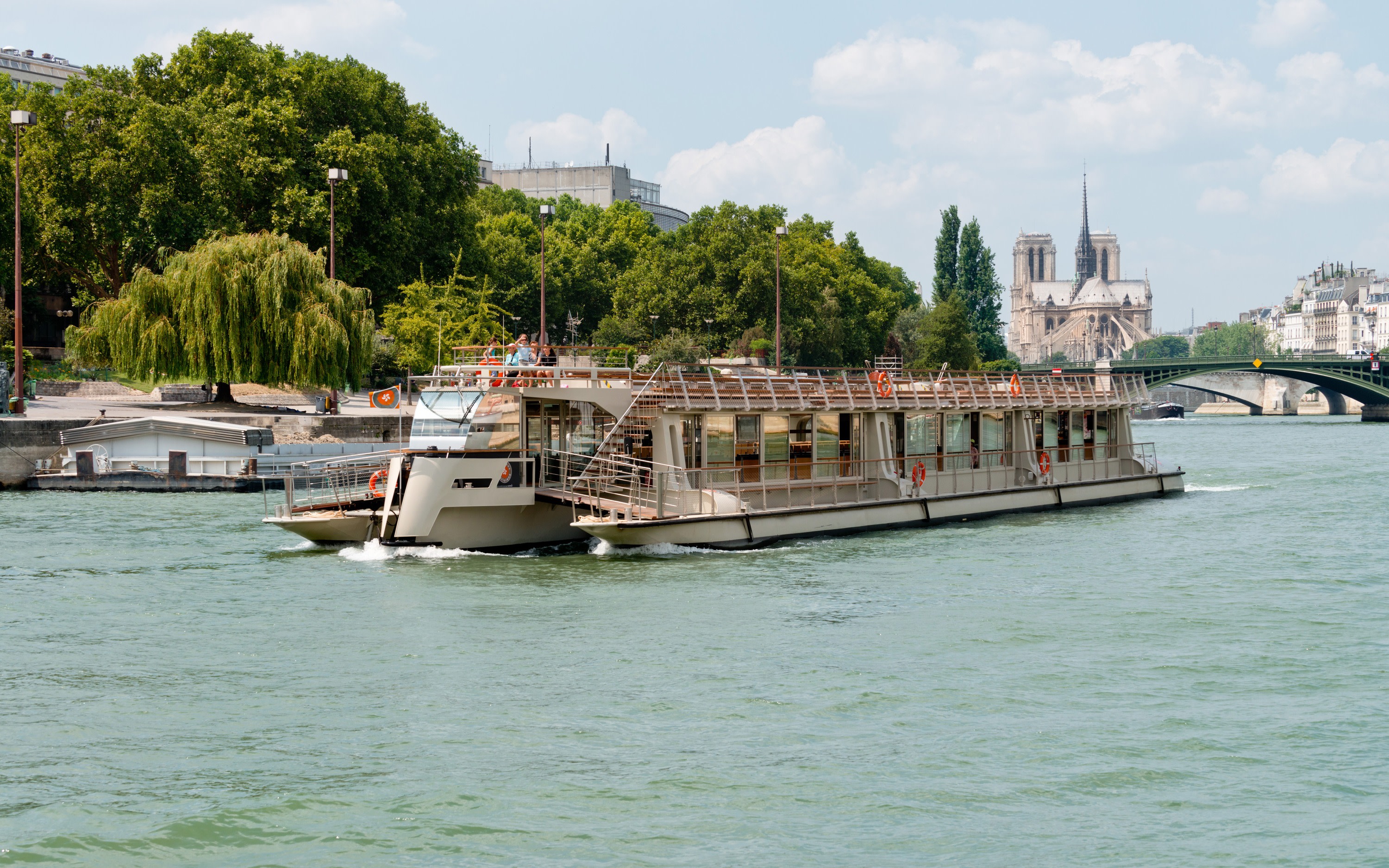
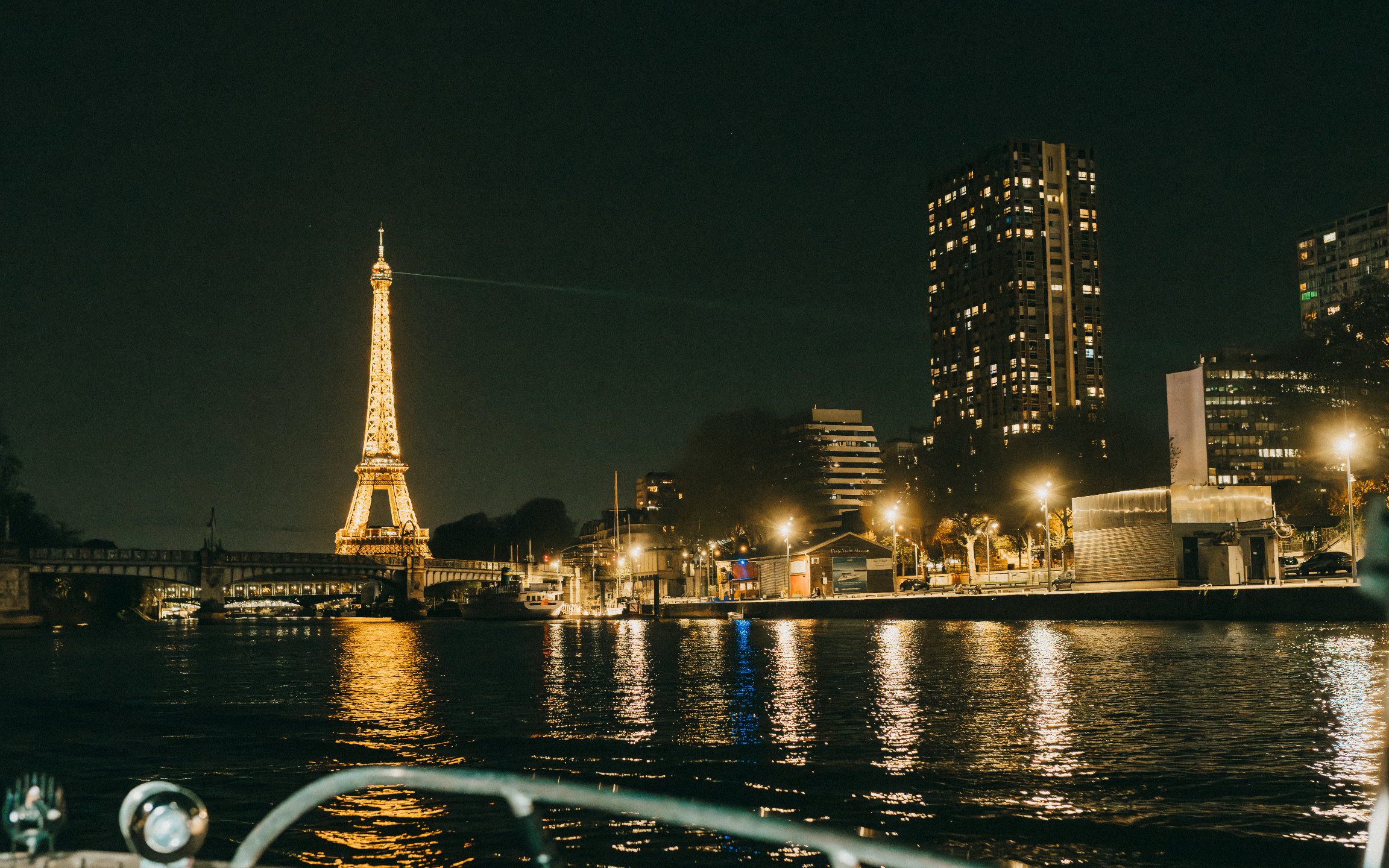
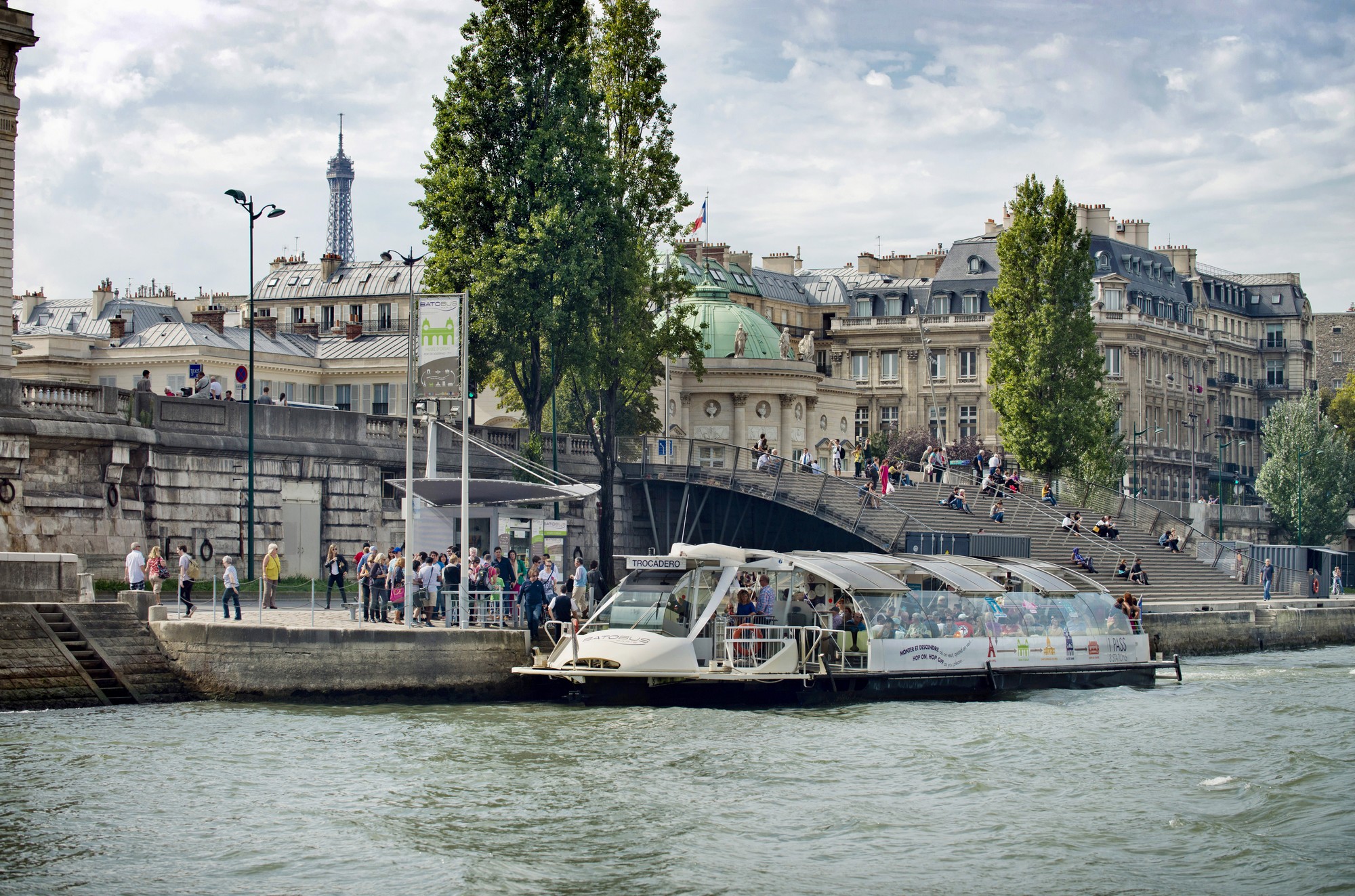
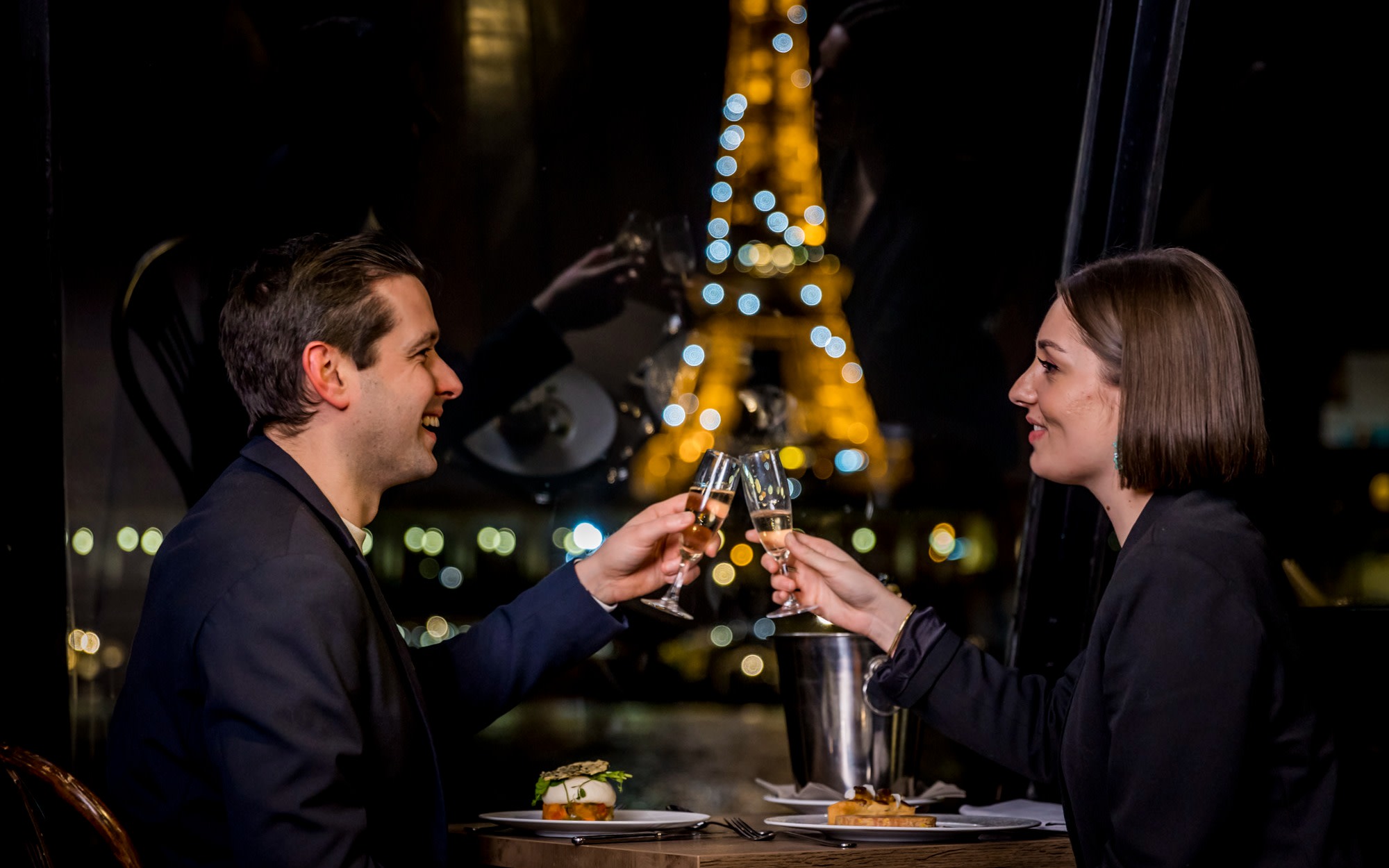
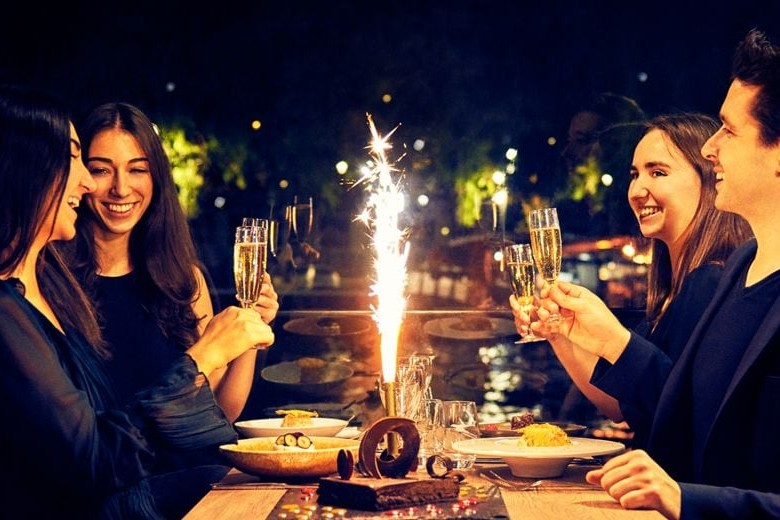
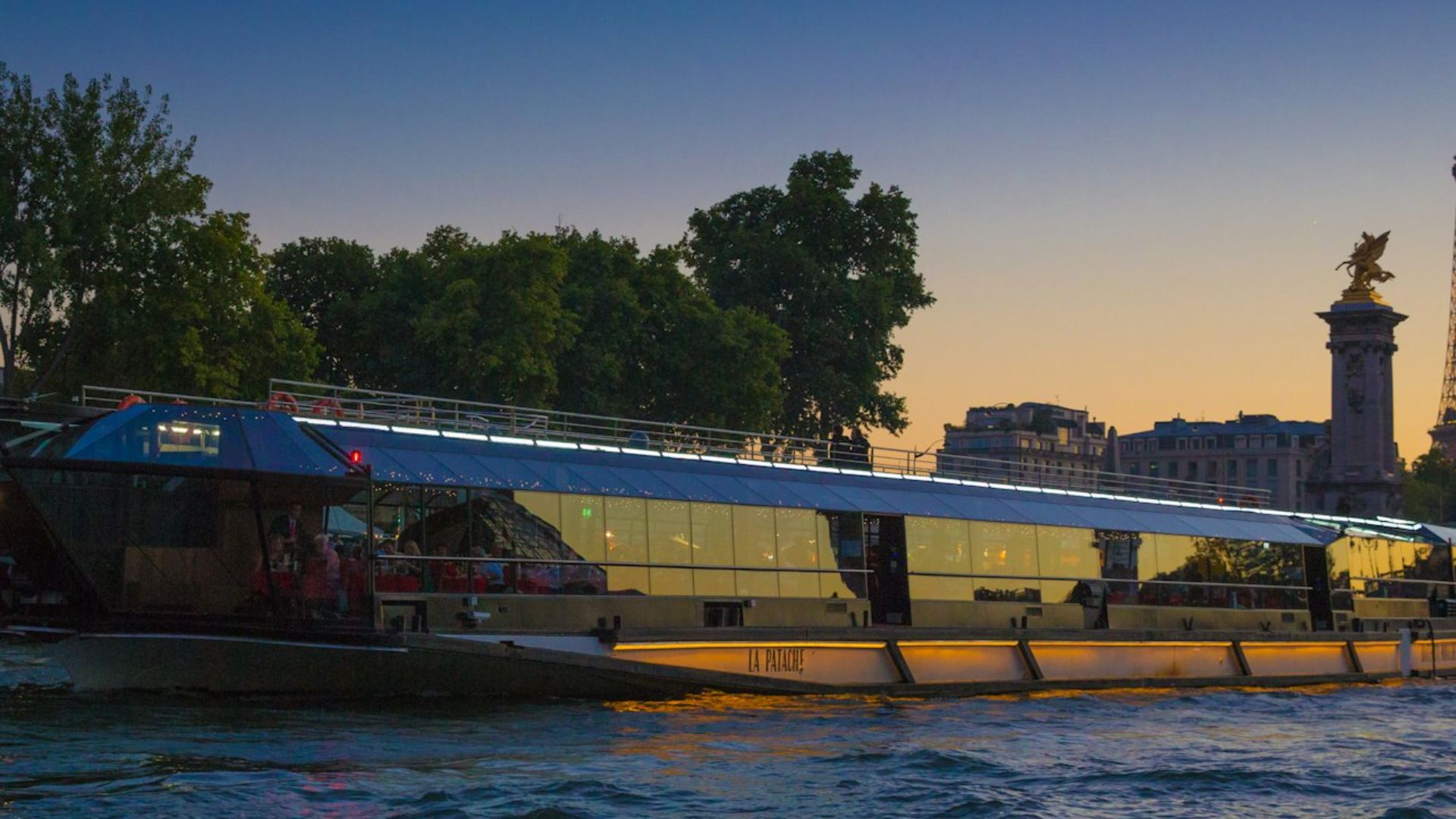
Discover Paris like you've never seen it before. We will make you discover our beautiful capital from an atypical and unique angle, that of the Seine.
During your navigation you will cross Paris and will be able to admire many famous monuments and bridges. Our team will be at your service to answer all your questions and give you explanations about the sites you will cross.
Available options
Private cruise with Paris water way
What's included
Private transportation
Detailed itinerary
1
Passage in front of the Ile Saint Louis
Île Saint-Louis is, along with Île de la Cité, one of the two natural islands of the Seine that still exist today in Paris (the current Île aux Cygnes is entirely artificial).
Located immediately upstream from Île de la Cité, it is the smaller of the two with an area of 11 ha.
Île Saint-Louis takes its current name (since 1725) from King Louis IX, nicknamed Saint Louis, patron saint and ancestor of Louis XIII. According to legend, he used to come to pray on the Île aux Vaches and would have taken the cross there with his knights in 1269 before leaving for the Eighth Crusade (an expedition which was fatal to him: Louis IX died of dysentery under the walls of Tunis a year later).
The Lambert hotel, one of the most beautiful private mansions on the island, was bought by Abdallah Ben Abdallah-Al-Thani, from the princely family of Qatar. It experienced a major fire in July 2013.
2
Stop 2
Pass by
Passage in front of the Ile de la Cité
Île de la Cité is an island located on the Seine, in the heart of Paris. It is considered to be the ancient cradle of the city of Paris, formerly Lutèce. It belongs to the 1st and 4th arrondissements. The chronicler Gui de Bazoches referred to it in 1190 as "the head, the heart and the marrow of Paris".
The name “city” designates the fortified limits of Paris as they were at the end of Antiquity, reduced to the single island, and which were the urban core of the medieval city.
3
Stop 3
Pass by
Passage in front of the concierge at the courthouse
The Palais de Justice is the former Curia Regis from which the Parliament of Paris and all the former sovereign jurisdictions (Water and Forests, Constabulary, Money, Masonry, etc.) and current ones (Council of State, Court of Cassation, Court of Accounts) come from. , Chancellery, as well as legislative and diplomatic archives). It has been located since its inception in the Palais de la Cité which was the residence and seat of power of the kings of France, from the tenth to the fourteenth century and of which there are important vestiges: the great room with its kitchen, the Conciergerie, the Sainte Chapelle, several towers and the influence of various buildings.
4
Stop 4
Pass by
passage under the Pont Neuf
The Pont Neuf or Pont-Neuf is, despite its name, the oldest existing bridge in Paris. It crosses the Seine at the western tip of the Ile de la Cité.
Built at the end of the 16th century and completed at the beginning of the 17th century, it owes its name to the novelty of a bridge devoid of houses at the time and provided with sidewalks protecting pedestrians from mud and horses. It is also the very first stone bridge in Paris to cross the Seine entirely.
This monument has been classified as a historical monument since 18895. In 1991, it was listed as a UNESCO World Heritage Site, along with all the quays of the Seine in Paris.
5
Stop 5
Pass by
passage under the Pont des Arts
The Padlocks of Love (2008-2015)
From 20088, the wire mesh parapets of the Pont des Arts became the support for many “love padlocks” hung by couples. This practice then extends to the Léopold-Sédar-Senghor footbridge, the Archbishopric Bridge and the Simone-de-Beauvoir footbridge.
Faced with the controversy over the degradation of the heritage caused by the presence of these tons of padlocks which, according to some, would weigh down the bridge and could cause its collapse, and on their aspect considered particularly unsightly by others, the mayor of Paris decides to end it in September 2014. Thus, the fences were definitively removed on June 1, 2015 and were first replaced by a temporary exhibition of street art works by Jace, eL Seed, Pantonio and Brusk9, then by panels in glass from autumn 2015
6
Stop 6
Pass by
Passage in front of the Louvre
The Louvre Museum is a museum located in the 1st arrondissement of Paris, France.
A foreshadowing was imagined in 1775-1776 by the Comte d'Angiviller, director general of the King's Buildings, as a venue for the presentation of masterpieces from the Crown collection. This museum was only inaugurated in 1793 under the name of Muséum central des arts de la République in the Louvre Palace, a former royal residence located in the center of Paris, and today it is the largest museum in art and antiques to the world. Its exhibition area is 72,735 m28.
At the end of 2019, the Louvre conserved more than 500,000 works, of which more than 36,000 were on display. They present Western art from the Middle Ages to 1848, that of the ancient civilizations which preceded and influenced it (Eastern, Egyptian, Greek, Etruscan and Roman), the arts of the first Christians and of Islam.
7
Stop 7
Pass by
Passage in front of the Musée d'Orsay
The Orsay Museum (officially a "public establishment of the Musée d'Orsay and the Musée de l'Orangerie - Valéry Giscard d'Estaing" since 2021) is a national museum inaugurated in 1986.
Located in the 7th arrondissement of Paris along the left bank of the Seine, overlooking the Édouard-Glissant promenade, it is housed in the former Orsay station, built by Victor Laloux from 1898 to 1900 and converted into a museum by decision of the President of the Republic Valéry Giscard d'Estaing. Its collections present Western art from 1848 to 1914, in all its diversity: painting, sculpture, decorative arts, graphic art, photography, architecture, etc. It is one of the largest museums in Europe for this period.
The museum has the largest collection of Impressionist and Post-Impressionist paintings in the world, with nearly 1,100 canvases in total out of more than 3,650.
8
Stop 8
Pass by
Passage in front of the National Assembly
The history of national representation for two centuries is closely linked to that of the democratic principle and the rugged path it had to travel before finding in French institutions the consecration that it deserves today.
If the French have periodically elected representatives since 1789, the method of appointment and the powers of these representatives have varied considerably from time to time, the periods of erasure of the parliamentary institution generally coinciding with a decline in public freedoms. In this regard, denominations are not innocent. That of the National Assembly, chosen in the fervor of 1789, did not reappear - except for the brief parenthesis of 1848 - until 1946. In the meantime, different names followed.
9
Stop 9
Pass by
Passage under the Alexandre III bridge
Inaugurated for the Universal Exhibition of Paris in 19002, the bridge was intended to symbolize the Franco-Russian friendship, established by the signing of the alliance concluded in 1891 between the emperor Alexander III (1845-1894) and the president of the French Republic Sadi Carnot. The first stone was laid by Tsar Nicolas II of Russia, Empress Alexandra Fedorovna and President Félix Faure on October 7, 1896. The construction of this work of art was entrusted to engineers Jean Résal and Amédée Alby, as well as to architects Cassien-Bernard and Gaston Cousin3.
Built in the axis of the Esplanade des Invalides, it leads from it to the Petit and Grand Palais also built for the Universal Exhibition.
On the column, right bank downstream, was engraved this inscription: "On April 14, 1900, Émile Loubet, President of the French Republic opened the Universal Exhibition and inaugurated the Alexandre-III bridge".
10
Stop 10
Pass by
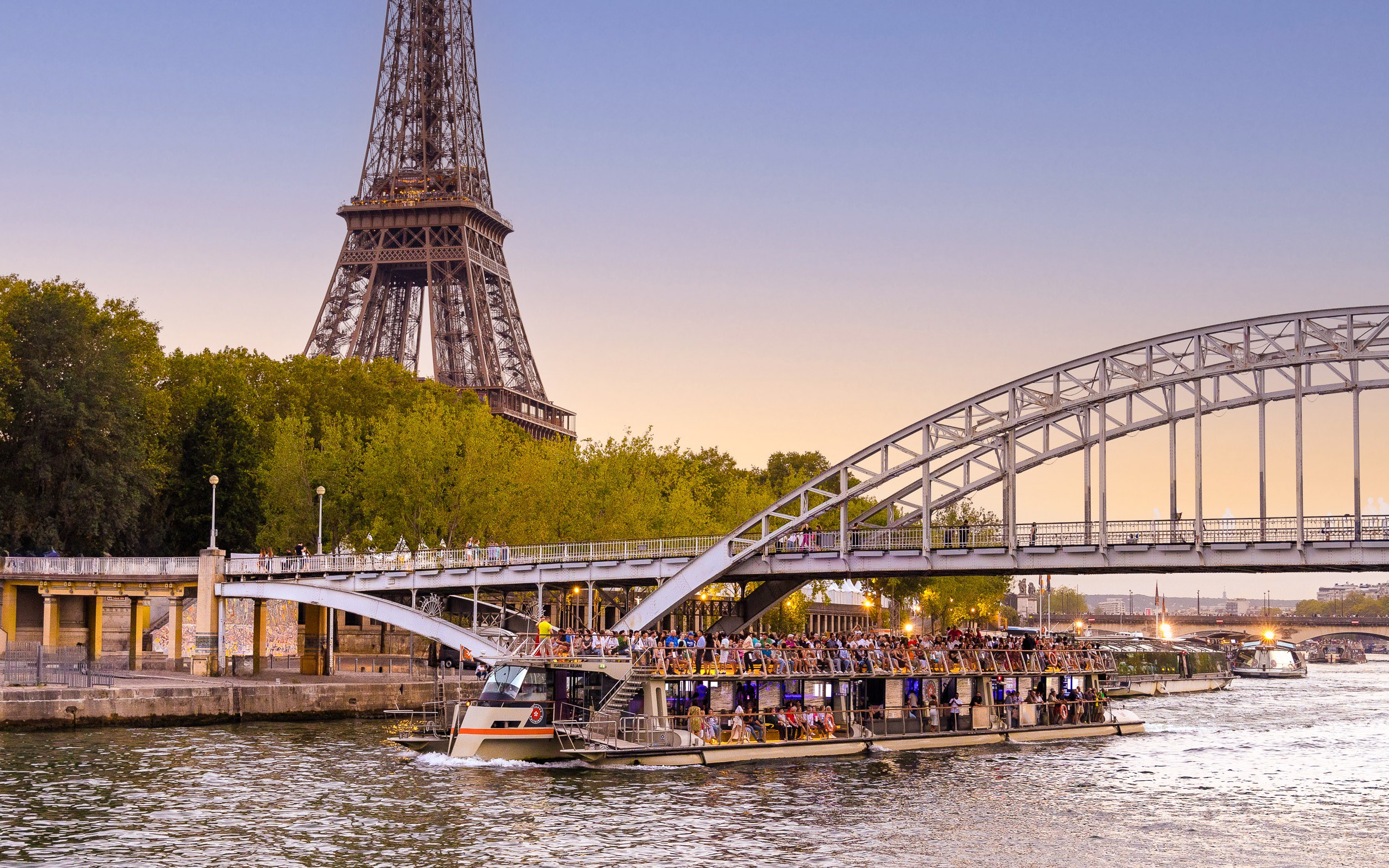
Passage in front of the Eiffel Tower
The Eiffel Tower Listen is a puddled iron tower 324 meters high located in Paris.
Built in two years by Gustave Eiffel and his collaborators for the Universal Exhibition of Paris of 1889, celebrating the centenary of the French Revolution, and initially named "tower of 300 meters", it became the symbol of the French capital and a site Leading tourism: it was the third most visited French cultural site in 2015, with 5.9 million visitors in 20162. Since its opening to the public, it has welcomed more than 300 million visitors.
Available languages
Guide guide
EN
FR
Reviews breakdown
Viator
5.0
1 reviews
5★
1
4★
0
3★
0
2★
0
1★
0
Tripadvisor
4.2
5 reviews
5★
4
4★
0
3★
0
2★
0
1★
1
Important information
Wheelchair accessible
Infants and small children can ride in a pram or stroller
Service animals allowed
Public transportation options are available nearby
Transportation options are wheelchair accessible
All areas and surfaces are wheelchair accessible
Suitable for all physical fitness levels
Meeting point
Take the stairs to access the platform
About Paris
Paris, the capital of France, is a city steeped in history, art, and romance. Known for its iconic landmarks, world-class museums, and charming neighborhoods, Paris offers a unique blend of timeless elegance and modern vibrancy. From the Eiffel Tower to the Louvre, the city is a treasure trove of cultural and historical gems.
Top Attractions
Eiffel Tower
The Eiffel Tower is Paris's most iconic landmark and a symbol of France. Built in 1889 for the World's Fair, it offers breathtaking views of the city.
Architecture
2-3 hours
€17.10-€26.80 (depending on the level)
Louvre Museum
The Louvre is the world's largest art museum and a historic monument in Paris. It houses thousands of works of art, including the Mona Lisa and the Venus de Milo.
Museum
3-4 hours
€17 (full price), free for under 18s and EU residents under 26
Notre-Dame Cathedral
Notre-Dame is a masterpiece of French Gothic architecture and one of the most famous cathedrals in the world. It has been undergoing restoration since the 2019 fire.
Historical/Religious
1-2 hours
Free (towers and crypts may have reopening fees in the future)
Montmartre
Montmartre is a historic and artistic district known for its bohemian past, charming streets, and the stunning Sacré-Cœur Basilica.
Cultural
Half-day
Free to explore (Sacré-Cœur dome visit €6)
Palace of Versailles
The Palace of Versailles is a grand royal château and garden located just outside of Paris. It was the principal royal residence of France from 1682 to 1790.
Historical
Full day
€18-€28 (depending on the pass)
Must-Try Local Dishes
Croissant
A buttery, flaky pastry made from laminated dough. Best enjoyed fresh from a local bakery.
Breakfast
Contains gluten and dairy
Baguette
A long, thin loaf of French bread with a crispy crust and soft interior. Often served with cheese or ham.
Breakfast/Lunch
Contains gluten
Steak Frites
A classic French dish consisting of steak and French fries, usually served with a side of salad and béarnaise sauce.
Lunch/Dinner
Contains gluten (if served with fries) and meat
Crêpes
Thin pancakes that can be filled with a variety of sweet or savory ingredients, such as Nutella, cheese, or ham.
Snack/Dessert
Can be made gluten-free and vegetarian/vegan options available
Popular Activities
Hot air balloon rides
Rock climbing in Fontainebleau forest
Kayaking on the Seine
Picnicking in the Luxembourg Garden
Boat tours on the Seine
Spa day at a luxury hotel
Visiting museums and galleries
Attending a cabaret show
Best Time to Visit
June to August
Summer is the peak tourist season in Paris, with warm weather and long daylight hours. This is the best time to enjoy outdoor activities and festivals. However, it's also the busiest and most expensive time to visit.
15°C to 25°C (59°F to 77°F)
59°F to 77°F
Practical Information
Language
- Official: French
- Widely spoken: English, Spanish, Arabic, Portuguese
- English: Moderately spoken
Currency
Euro (EUR)
Time Zone
GMT+1 (Central European Time, CET), GMT+2 (Central European Summer Time, CEST) during daylight saving time
Electricity
230VV, 50HzHz
Safety Information
Overall Safety Rating: Generally safe
Paris is generally safe for travelers, but pickpocketing and petty theft can be a problem in tourist areas. Be aware of your surroundings and take precautions to protect your belongings.
Important Precautions:
- • Keep valuables secure and out of sight
- • Be cautious of pickpockets in crowded areas and on public transport
- • Use licensed taxis or ride-sharing services
Getting there
By air
- Charles de Gaulle Airport • 25 km (15.5 miles) from city center
- Orly Airport • 14 km (8.7 miles) from city center
By train
Gare du Nord, Gare de Lyon
By bus
Bercy Seine, Porte Maillot
Getting around
Public transport
The Paris Metro is one of the most efficient and extensive subway systems in the world, covering all major attractions and neighborhoods.
Taxis
Available • Apps: Uber, G7
Rentals
Car, Bike, Scooter
Neighborhoods
Le Marais
Montmartre
Latin Quarter
Saint-Germain-des-Prés
Champs-Élysées
Day trips
Versailles
17 km (10.5 miles) from Paris • Full day
The Palace of Versailles is a grand royal château and garden located just outside of Paris. It was the principal royal residence of France from 1682 to 1790 and is famous for its opulent interiors and vast gardens.
Giverny
75 km (47 miles) from Paris • Half day to full day
Giverny is a charming village known as the home of the famous impressionist painter Claude Monet. The village is home to Monet's House and Gardens, which inspired many of his most famous works.
Château de Fontainebleau
55 km (34 miles) from Paris • Full day
The Château de Fontainebleau is a grand royal château and park located just outside of Paris. It was a residence of the French monarchs from Louis VII to Napoleon III and is known for its beautiful architecture and vast forests.
Festivals
Fête de la Musique • June 21st (annual)
Paris Fashion Week • February and September (annual)
Nuit Blanche • First Saturday in October (annual)
Pro tips
- Learn a few basic French phrases to enhance your experience and show respect for the local culture
- Use public transport, walk, or bike to get around the city and avoid traffic and parking issues
- Consider purchasing a Paris Museum Pass or a multi-day public transport pass to save money on attractions and transport
- Explore the city's many neighborhoods and hidden gems, not just the major tourist attractions
- Try local specialties and enjoy the dining experience slowly and leisurely
From $25
per person
Price varies by option
Secure booking
Free cancellation available
Instant confirmation