Meteora and Thermopylae Private Tour from Athens
Active
13h
For a full refund, cancel at least 24 hours before the scheduled departure time.
Instant confirmation
Mobile or paper ticket accepted
About this experience
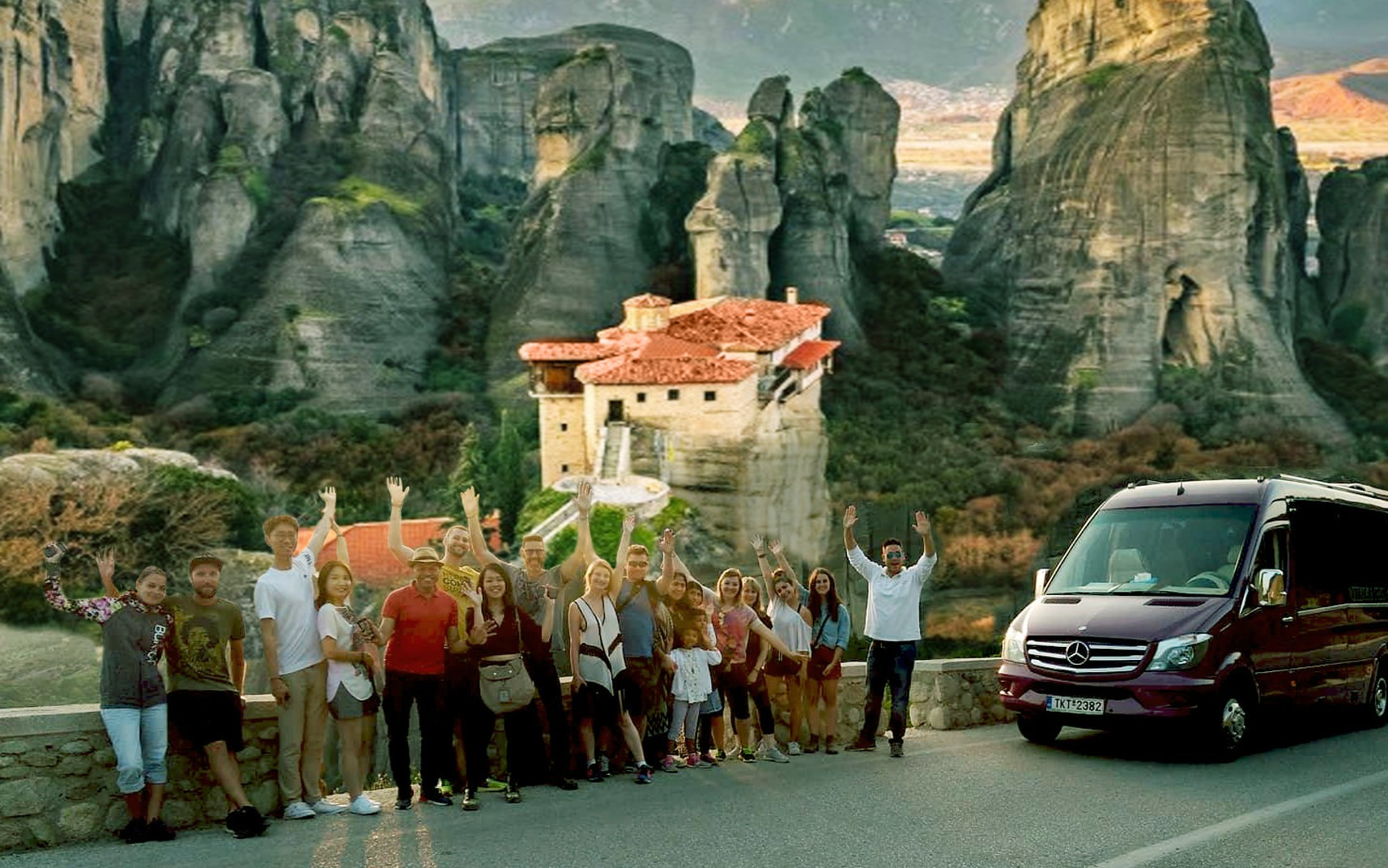
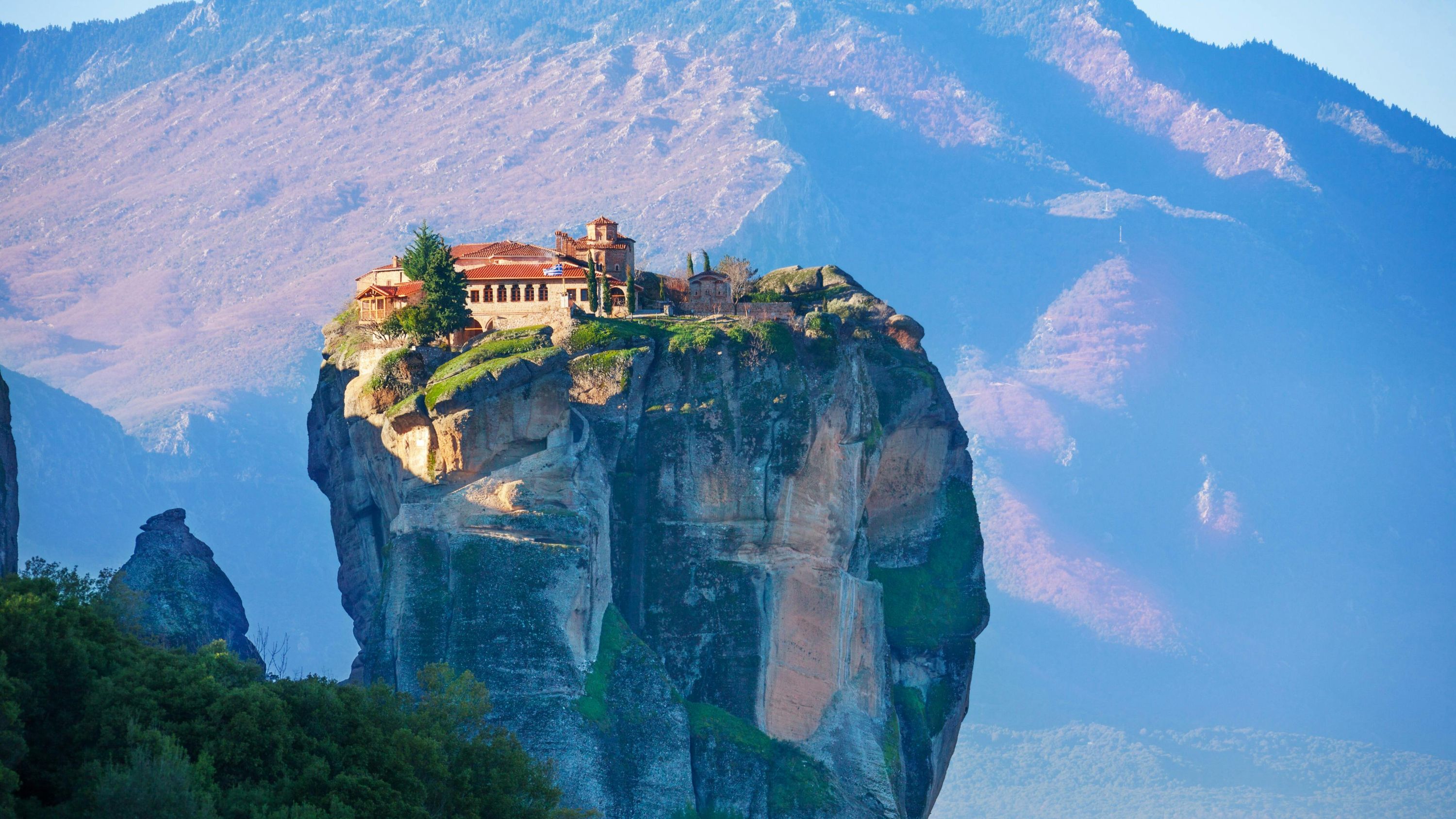
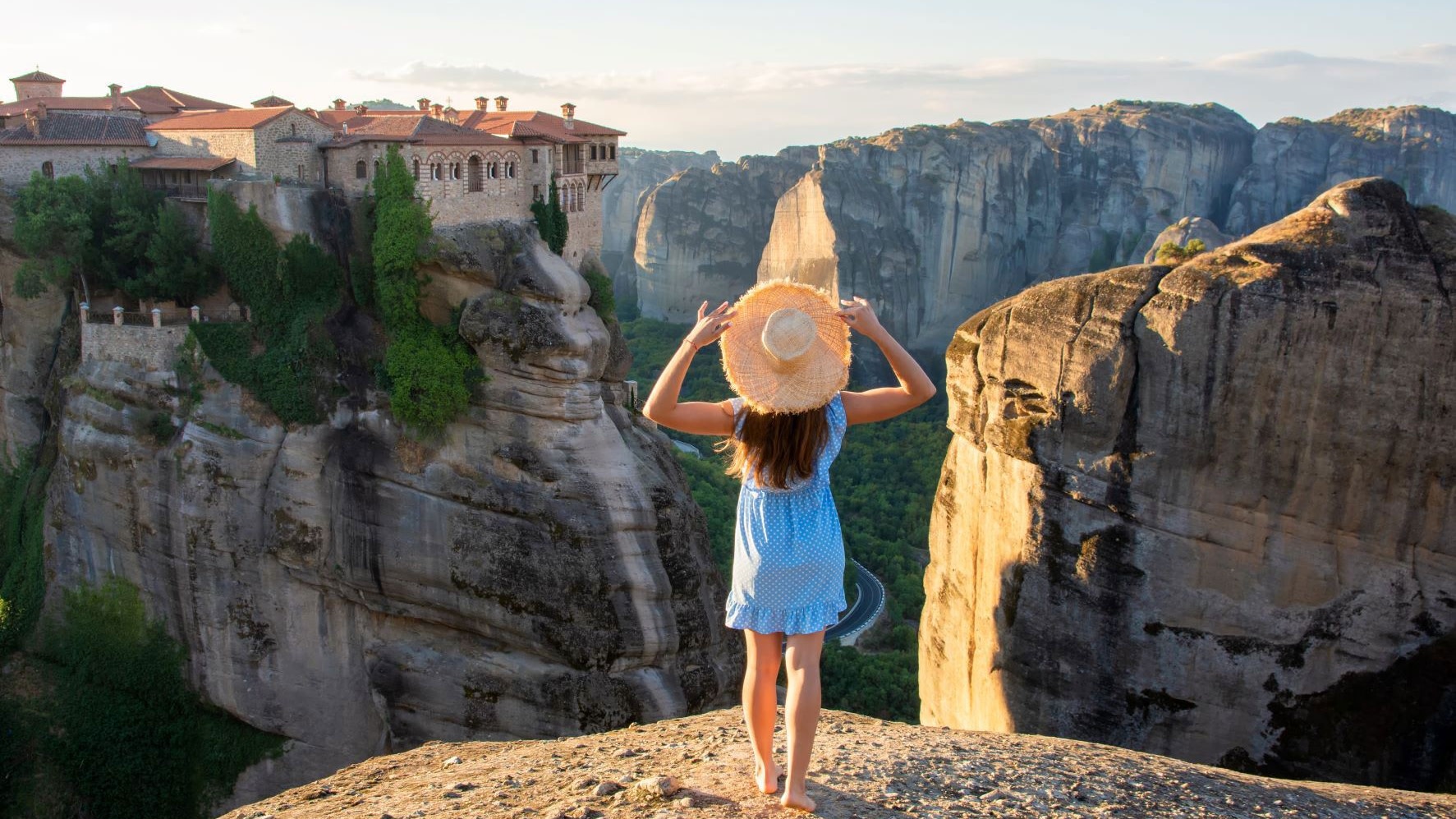
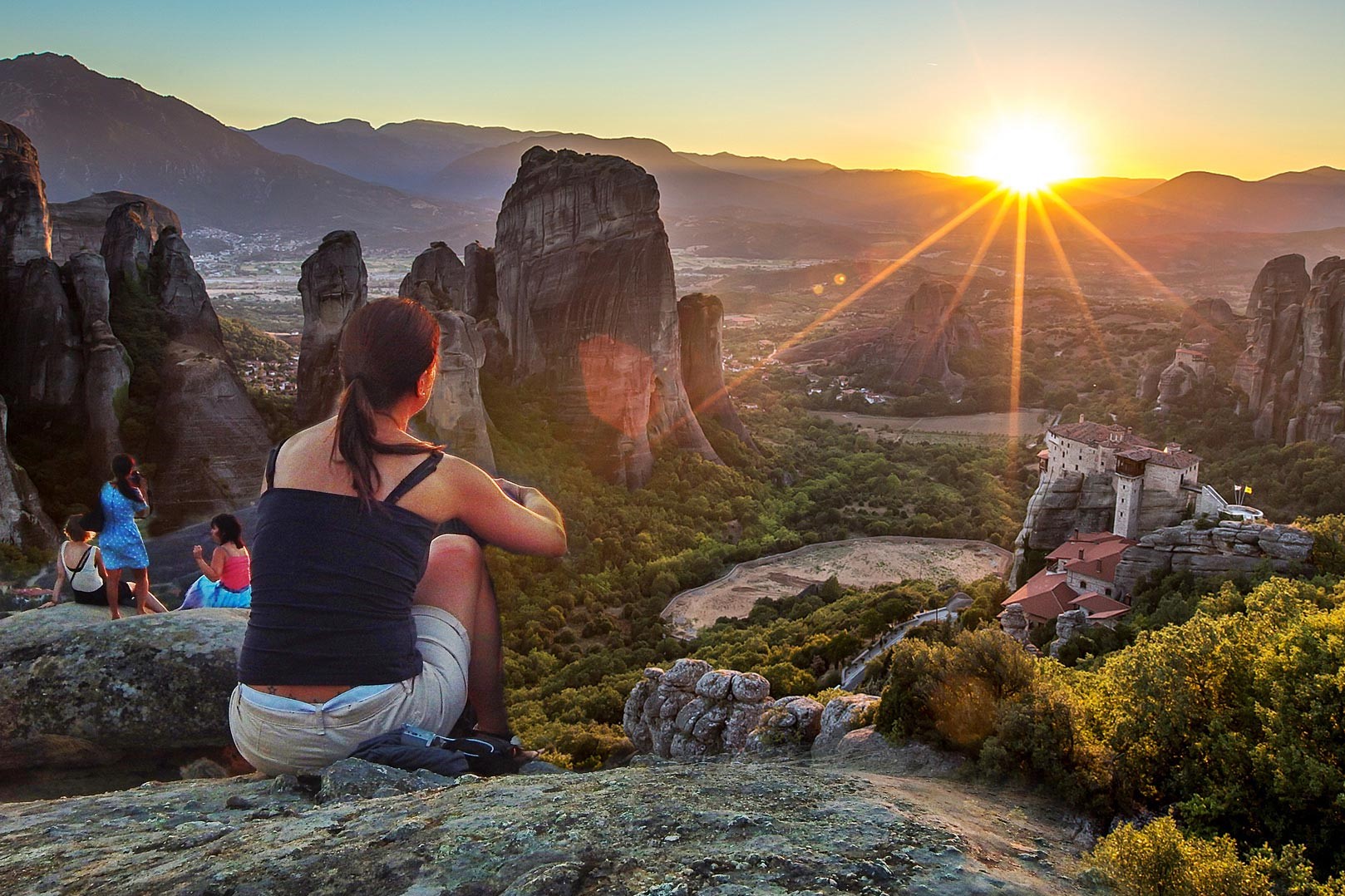
Explore the UNESCO World Heritage Site at Meteora, a rock formation in central Greece hosting one of the largest and most precipitously built complexes of Eastern Orthodox monasteries on this private full-day excursion. Departing from Athens, pass through the scenic towns of Amphissa, Lamia and Trikala before arriving at Meteora, the name Meteora is used to define any rocky plateau or steep rock formation. The monasteries were built between the 14th and 19th centuries, their location was chosen carefully so that the monks could be as close as possible to God.
Available options
Meteora and Thermopylae Private Tour from Athens
Pickup included
What's included
Private transportation
Bottled water
WiFi on board
Air-conditioned vehicle
Detailed itinerary
1
Stop 1
Your driver will pick you up from your hotel or your apartment early in the morning. The travel time is about 4,5 hours.
2
We arrive at Meteora and visit three Monasteries. Breathtaking at first site, the Monasteries are of great cultural and natural importance. Split from earthquakes, weathered from the wind and the water over millions of millions of years, these immense rocks are an authentic masterpiece of mother nature. The Meteora is a rock formation in central Greece hosting one of the largest and most precipitously built complexes of Eastern Orthodox Monasteries. The six (of an original 24) monasteries are built on immense natural pillars and hill-like rounded boulders that dominate the local area. Meteora is included on the UNESCO World Heritage List and the name means "lofty", "elevated", and is etymologically related to meteor. Please be modestly dressed. Women are suggested to wear long skirts & long sleeves. If you do not have, you will be given a skirt in your way in.
3
Stop 3
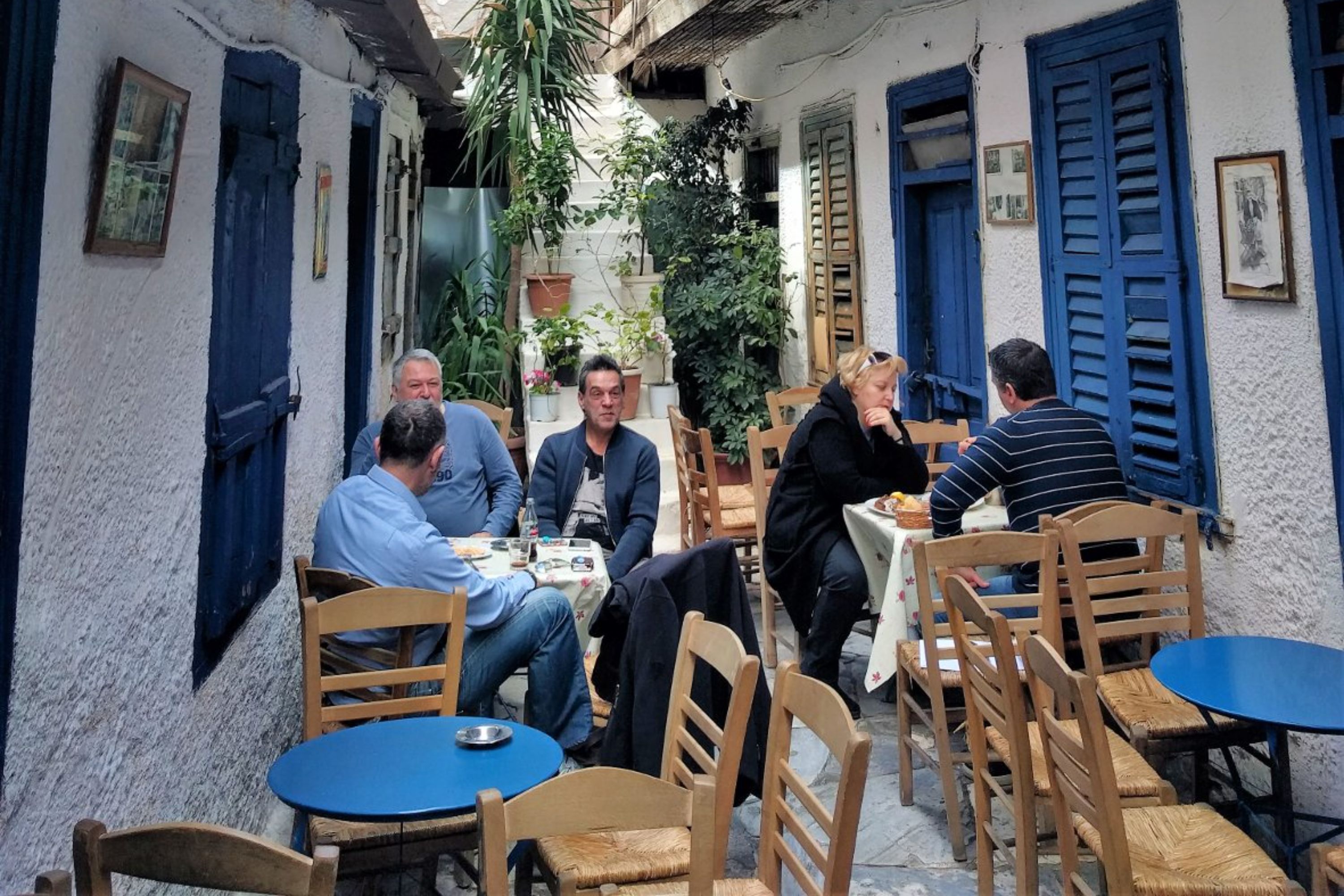
Free time for lunch at a traditional Greek tavern with your friends and family or shopping at Kastraki, a picturesque village near Meteora.
4
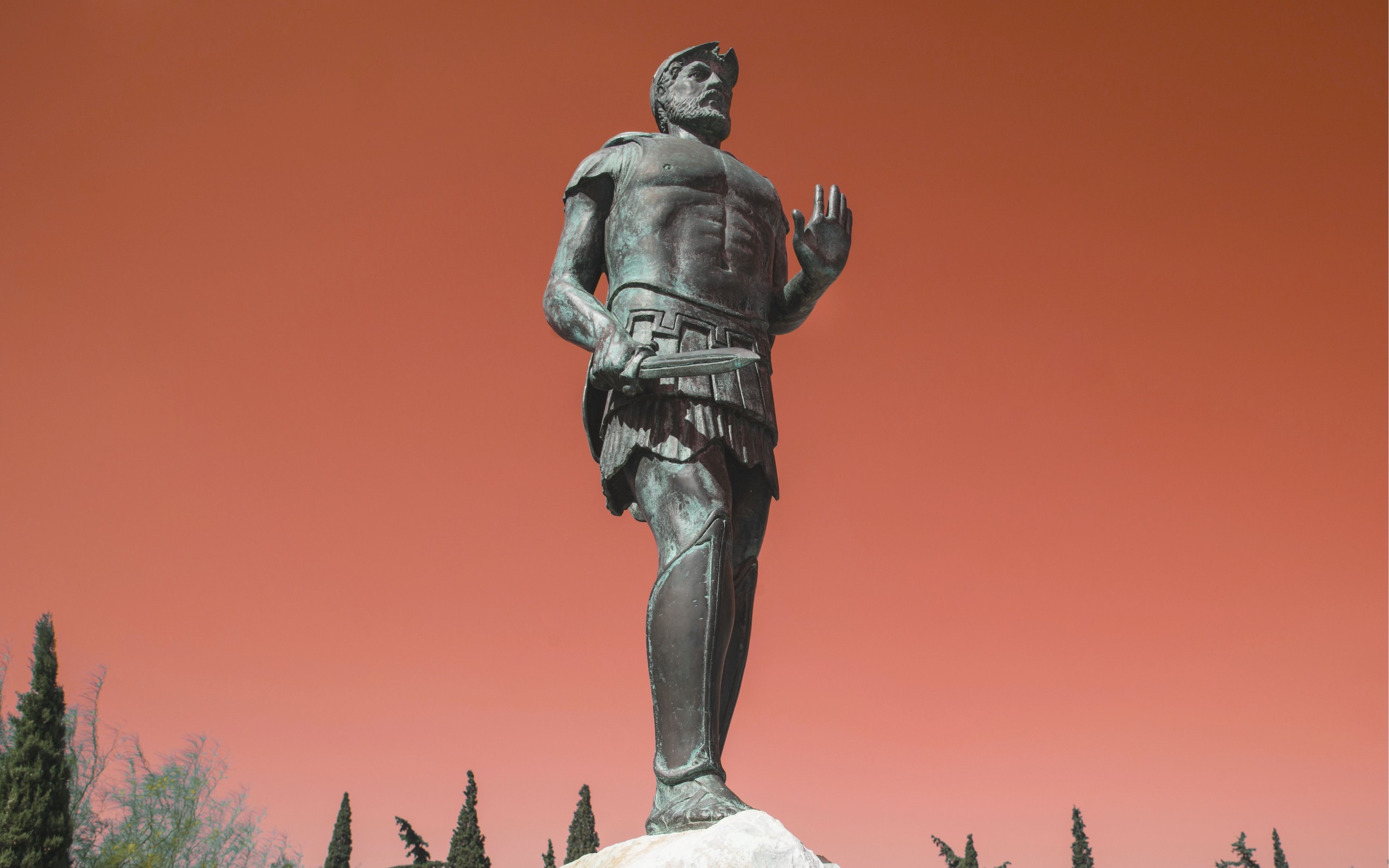
On our way back to Athens we will make a stop at the battlefield of Thermopylae to admire the statue of king Leonidas.
Leonidas was a king of the Greek city-state of Sparta and had a notable participation in the Second Persian War, where he led the allied Greek forces to a last stand at the Battle of Thermopylae (480 BC) while attempting to defend the pass from the invading Persian army; he died at the battle and entered myth as the leader of the 300 Spartans. While the Greeks lost this battle, they were able to expel the Persian invaders in the following year.
5
Stop 5
We will be back to Athens late in the afternoon. The travel time is about 4,5 hours.
What's not included
Gratuities
Licensed tour guide
Available languages
Guide guide
EN
Reviews breakdown
Viator
4.9
11 reviews
5★
10
4★
1
3★
0
2★
0
1★
0
Tripadvisor
4.8
6 reviews
5★
5
4★
1
3★
0
2★
0
1★
0
Important information
Specialized infant seats are available
Suitable for all physical fitness levels
Our drivers are not official tour guides, but they are knowledgeable and can provide fascinating commentary in fluent English. Although they will not enter the monasteries with you, they can answer all of your questions about the places you visit with this tour.
About Athens
Athens, the capital of Greece, is a city rich in history and culture, often considered the cradle of Western civilization. It is home to iconic ancient landmarks, vibrant neighborhoods, and a thriving modern scene.
Top Attractions
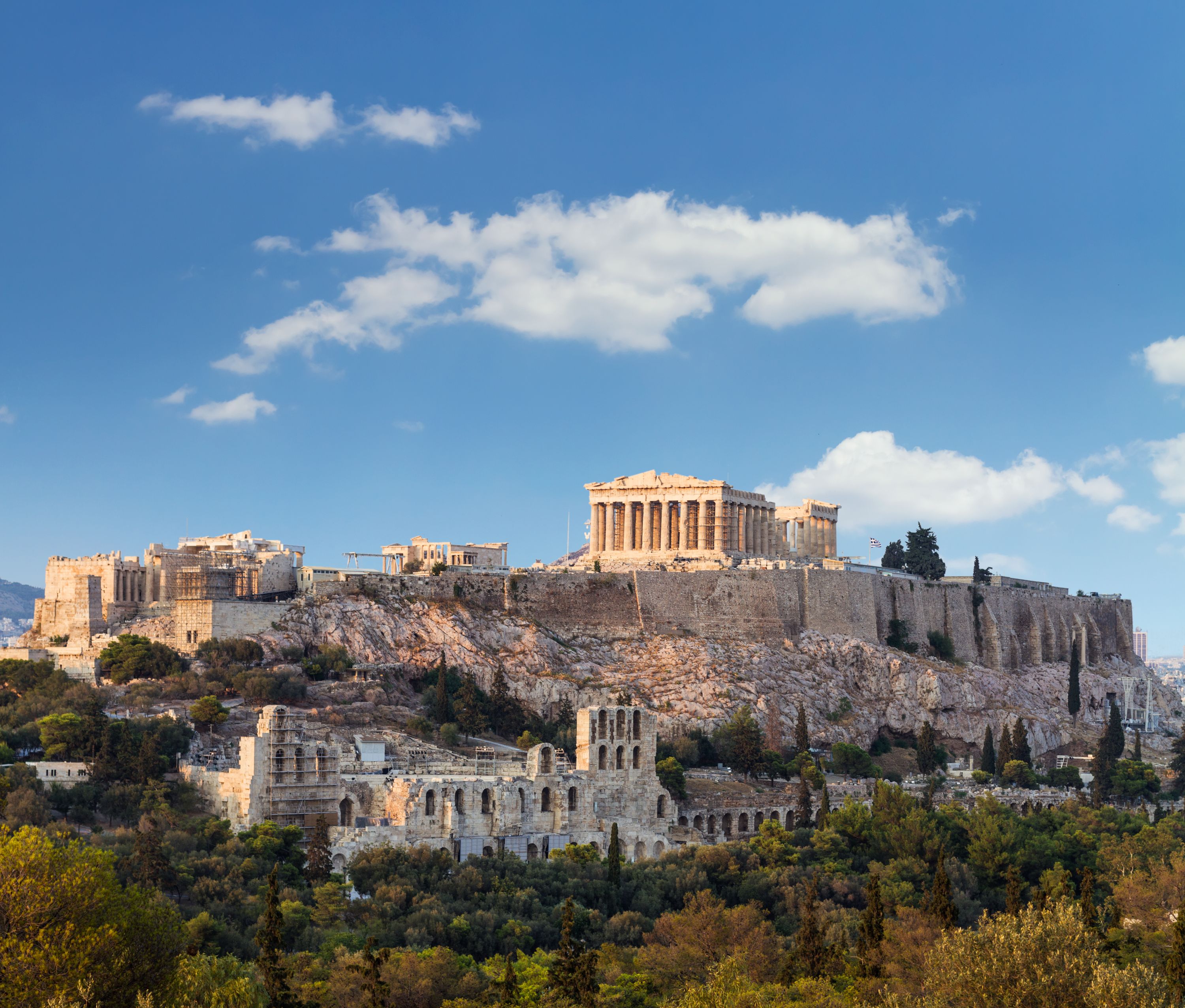
Acropolis of Athens
The Acropolis is the most iconic landmark in Athens, featuring ancient ruins and temples, including the Parthenon.
Historical
2-3 hours
€20 (combined ticket for multiple sites)
Ancient Agora of Athens
The heart of ancient Athens, featuring the Temple of Hephaestus and the Stoa of Attalos.
Historical
1-2 hours
€8 (included in the combined ticket)
Plaka
A charming, historic neighborhood with narrow streets, neoclassical houses, and vibrant nightlife.
Cultural
2-3 hours
Free to explore
Acropolis Museum
A modern museum showcasing artifacts from the Acropolis and its surroundings.
Museum
1-2 hours
€10
Temple of Olympian Zeus
An ancient temple dedicated to Zeus, once the largest temple in Greece.
Historical
30 minutes to 1 hour
€6 (included in the combined ticket)
Must-Try Local Dishes
Moussaka
A baked dish with layers of eggplant, minced meat, and béchamel sauce.
Dinner
Vegetarian versions available
Souvlaki
Grilled meat skewers, often served with pita bread and tzatziki.
Snack
Can be made with chicken, pork, or vegetarian options
Tzatziki
A yogurt-based dip with cucumber, garlic, and herbs.
Snack
Vegetarian and vegan options available
Baklava
A sweet pastry made with layers of filo, nuts, and honey syrup.
Dessert
Vegetarian
Popular Activities
Hiking in the mountains
Rock climbing
Scuba diving
Beach visits
Spa treatments
Café hopping
Museum visits
Theater performances
Best Time to Visit
April to June, September to October
The best time to visit Athens is during the spring and autumn months when the weather is pleasant and the tourist crowds are smaller.
18°C to 32°C
64°F to 90°F
Practical Information
Language
- Official: Greek
- Widely spoken: English, French, German
- English: Moderately spoken
Currency
Euro (EUR)
Time Zone
GMT+2 (EET)
Electricity
230VV, 50HzHz
Safety Information
Overall Safety Rating: Generally safe
Athens is generally safe for travelers, but petty crime and pickpocketing can occur in tourist areas. Be cautious with your belongings and avoid poorly lit areas at night.
Important Precautions:
- • Keep valuables secure
- • Use licensed taxis or ride-sharing apps
- • Be cautious with ATMs and credit cards
Getting there
By air
- Eleftherios Venizelos International Airport • 30 km from city center
By train
Athens Central Railway Station
By bus
KTEL Bus Station
Getting around
Public transport
Clean, efficient, and air-conditioned. Easy to navigate with clear signage in English.
Taxis
Available • Apps: Beat, Uber
Rentals
Car, Bike, Scooter
Neighborhoods
Plaka
Monastiraki
Psiri
Koukaki
Kolonaki
Day trips
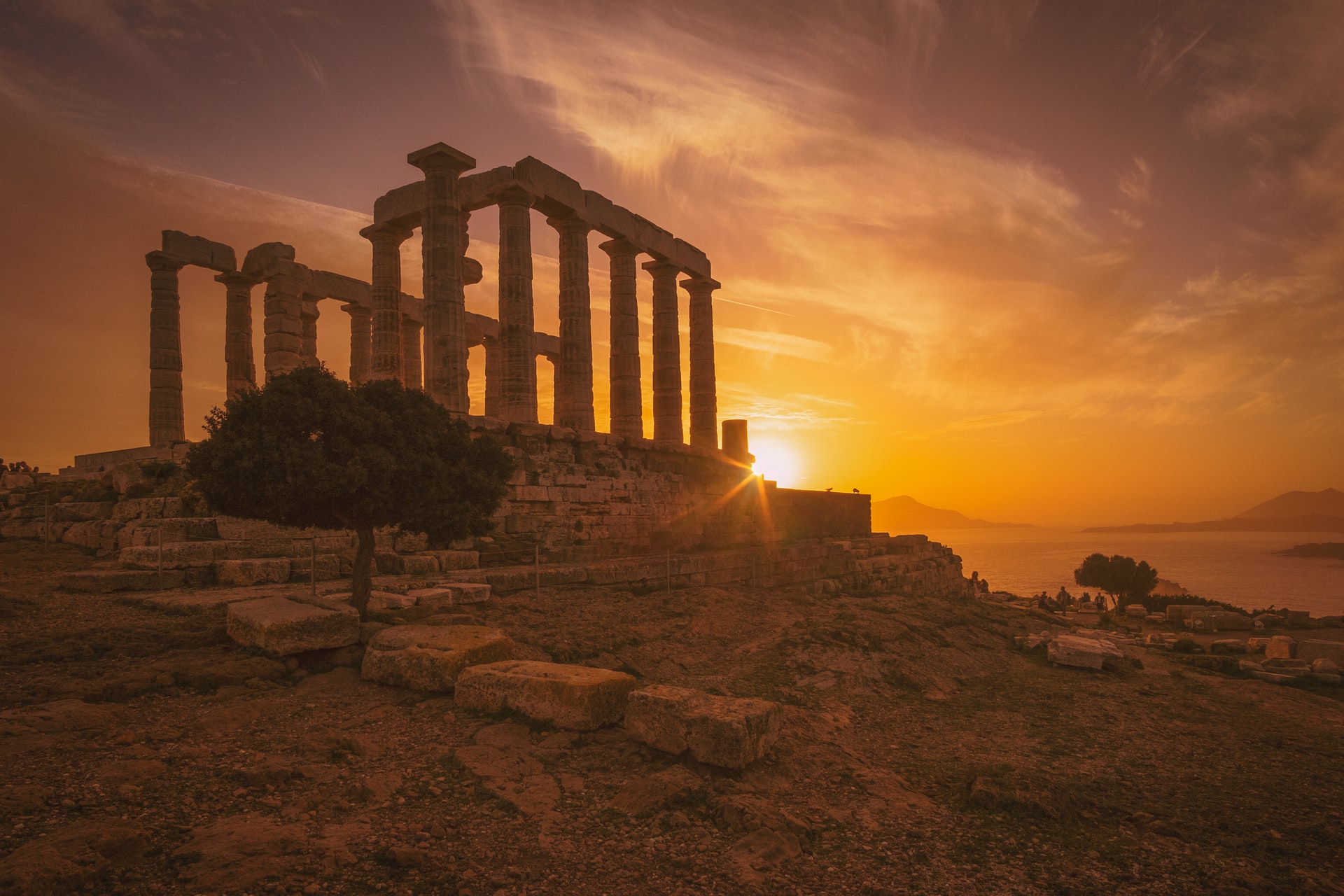
Cape Sounion
65 km from Athens • Half day to full day
A scenic coastal area featuring the Temple of Poseidon with stunning views of the Aegean Sea.
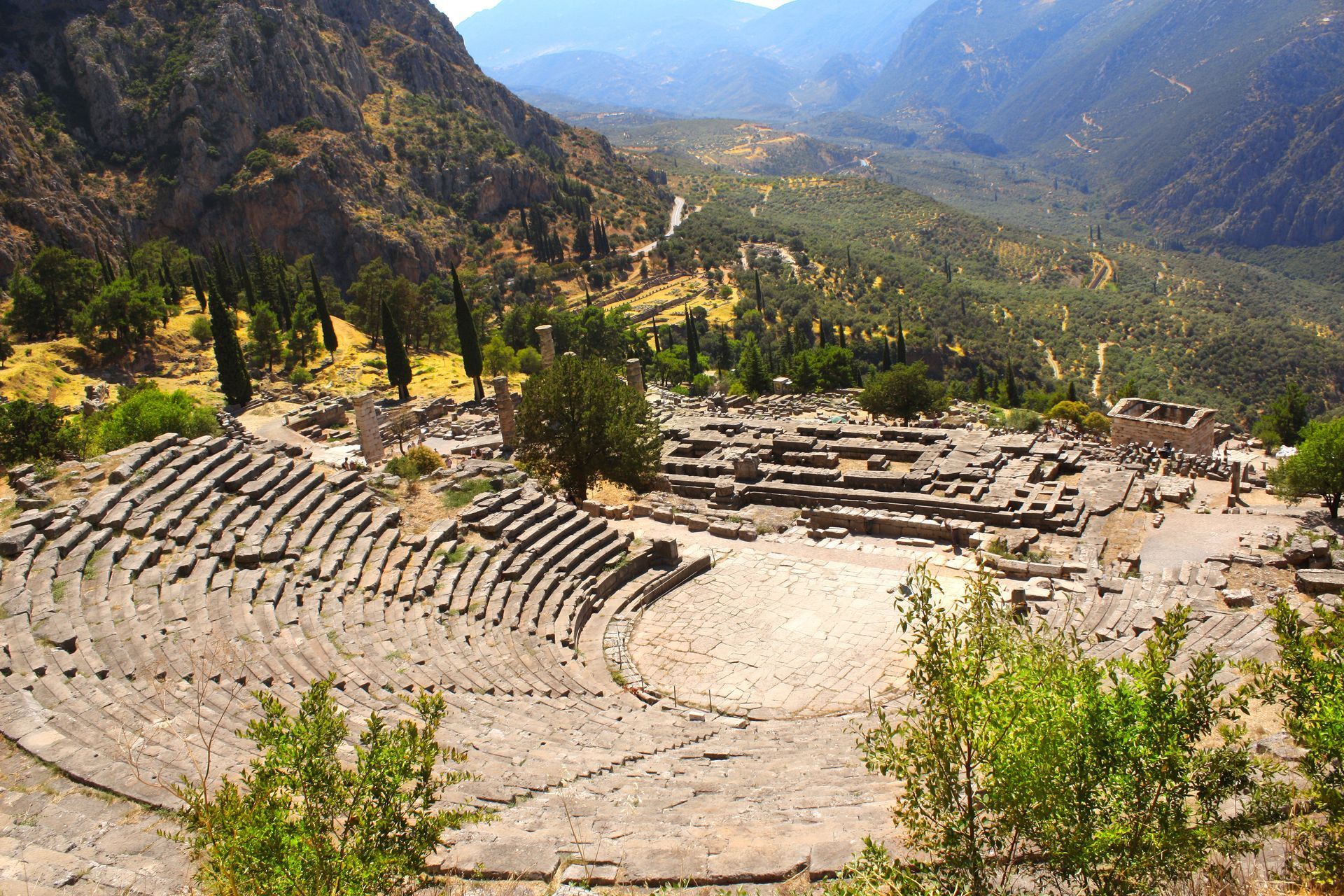
Delphi
180 km from Athens • Full day
An ancient archaeological site and home to the famous Oracle of Delphi.
Meteora
350 km from Athens • Overnight
A unique landscape featuring rock formations and medieval monasteries perched atop cliffs.
Festivals
Athens Festival • May to October
Athens Epidaurus Festival • June to August
Athens International Film Festival • October
Pro tips
- Visit major attractions early in the morning or late in the afternoon to avoid crowds and heat
- Use the metro for easy and efficient travel around the city
- Explore local neighborhoods for an authentic Greek experience
- Try local street food for a quick and delicious meal
- Learn a few basic Greek phrases to enhance your experience and connect with locals
From $25
per person
Price varies by option
Secure booking
Free cancellation available
Instant confirmation