Fujairah Khorfakan Sightseeing Private Tour
Active
8h - 9h
For a full refund, cancel at least 24 hours before the scheduled departure time.
Instant confirmation
Mobile or paper ticket accepted
About this experience
Feel the adventure of crossing borders without checkpoints — Al Nahwa is part of the UAE, but it's uniquely surrounded by Omani territory (Madha), creating a rare enclave within an enclave — a true world curiosity!
Ideal for explorers, families & photographers The trail is mild, the setting serene, and the photo opportunities are stunning.
Available options
Fujairah Khorfakan Sightseeing Private Tour
Pickup included
What's included
Fujairah Museum
Bottled water
Air-conditioned vehicle
Parking Fees
Detailed itinerary
1
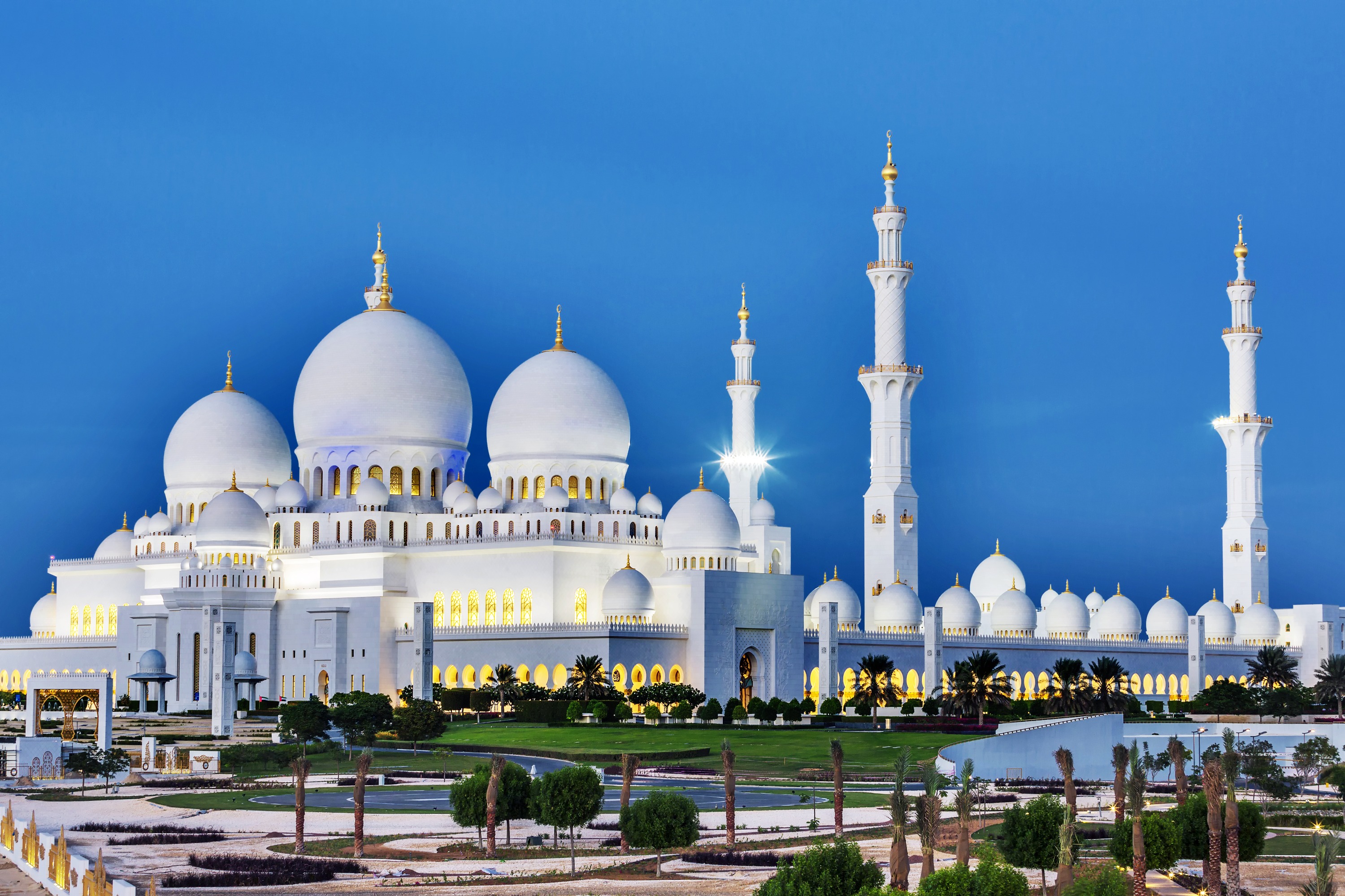
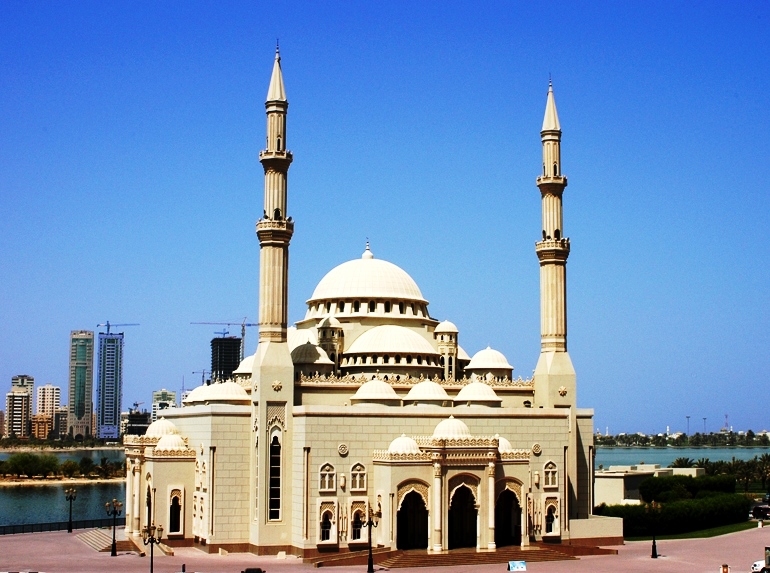
It is the second-largest mosque in the country after the Sheikh Zayed Grand Mosque in Abu Dhabi. Built in a traditional Ottoman architectural style, the mosque features six elegant minarets, a large central dome, and several smaller domes that give it a majestic appearance.
2
The fort’s original construction is dated to the 16th century (around 1500‑1550), based on radiocarbon analysis.
Through its history, the fort has had multiple functions: defensive stronghold, ruler’s court, prison, even a place used for fermenting date syrup.
It was occupied by the Wahhabists between 1808‑1810.
In 1925, the British naval forces bombarded the fort, destroying three of its towers during an action related to anti‑slavery enforcement. After that damage, the fort was more or less abandoned until restoration.
3
Stop 3
The museum has several galleries/halls, broadly divided into Heritage and Antiquities:
Heritage Halls:
Traditional occupations: agriculture, fishing, weaving, trade, pottery.
Weapons, costumes, household utensils.
A model of an old house (made with palm leaves) and a display of a spice shop / souq.
Antiquities Halls:
Artefacts from archaeological sites like Al Badiyah, Dibba,
Items such as arrowheads, vessels, beads (e.g. carnelian), tools, jewellery.
One rare piece: an ostrich egg dating back around 2,500 BC
4
Stop 4
It lies on the east coast, by the Gulf of Oman.
The mosque is believed to date from the mid‑15th century (around 1446 CE) based on archaeological studies
It’s a small, square building with an area of about 53 m².
• Built using local materials: stone, mud bricks, plaster; no wood used in the roof.
• The roof has four domes, unequal in size, supported by a single central pillar inside.
• It has a mihrab (prayer niche indicating direction of Mecca), a small minbar (pulpit), and openings/windows for light & ventilation.
• Walls are thick, with decorative carvings (dentate motif) and niches for lighting or storage of Qur’ans and books
5
Madha–Nahwa enclave complex, an exceptional border anomaly where Omani and Emirati territories intertwine in the HInside Madha lies Nahwa, a counter‑enclave belonging to the UAE (Emirate of Sharjah)—small and fully surrounded by Omani territory.
Nahwa includes Old Nahwa, New Nahwa, and Shis, and is home to about 40 houses, a clinic, school, and Sharjah police
The enclave’s small size and British-era border mapping make it one of only a couple of counter-enclave complexities worldwide Hajar Mountains.
6
Al Rafisah Dam holds the seasonal waters of Wadi Shie, which flows from the mountains down toward Khorfakkan on the Gulf of Oman. It was originally built during the 1980s as a flood-control and water storage structure
In recent years, the dam and surrounding area were transformed into a restored recreational spot featuring visitor facilities after the completion of the Sharjah–Khorfakkan highway
A 730 m long promenade, shaded by palm trees and lined with benches, winds alongside the lake and leads up toward the hilltop fortress of Al Hosn
Hiking enthusiasts can embark on the Al Rafisah Hiking Trail, which extends toward the Al Suhub Rest House at ~600 m elevation—a round trip
7
Khor Fakkan Waterfall is a striking man‑made attraction perched on the natural rock face above Khor Fakkan Corniche in Sharjah on the Gulf of Oman. Built in 2020 and inaugurated by the Ruler of Sharjah, it beautifully blends engineered design with the rugged terrain of the Hajar Mountains
8
Khorfakkan Amphitheatre is a stunning cultural landmark overlooking the Gulf of Oman.
Inspired by ancient Roman design, it features grand stone arches and tiered seating.
The amphitheater hosts cultural events, performances, and community celebrations.
Set against mountains and sea, it reflects Khorfakkan’s rich heritage and beauty.
9
Al Suhub Rest House (also known as the Cloud Lounge) is a mountain‑top rest stop perched at approximately 580–600 m above sea level on the Khorfakkan mountain range in Sharjah.
The structure is a striking circular, saucer‑shaped building with a 30 m diameter, offering full 360° panoramic views of the sea and mountains.
Built over two levels totaling 2,788 m² — the ground floor houses a restaurant and café (indoor seating for ~88 guests, outdoor balcony for ~48), while the basement offers a multipurpose hall, prayer rooms, restrooms, and service
The larger complex spans about 10,250 m² and includes lush landscaping, with around 8,700 trees planted on the site.
10
The travelling time from Dubai to Fujairah two way is approximately 4 Hours
What's not included
Lunch
Available languages
Guide guide
EN
Important information
Wheelchair accessible
Infants and small children can ride in a pram or stroller
Specialized infant seats are available
Transportation options are wheelchair accessible
All areas and surfaces are wheelchair accessible
Suitable for all physical fitness levels
About Dubai
Dubai is a city of superlatives, known for its futuristic architecture, luxury shopping, and vibrant culture. It offers a unique blend of traditional Arabic heritage and modern innovation, making it a captivating destination for travelers.
Top Attractions
Burj Khalifa
The tallest building in the world, offering breathtaking views from its observation decks.
Architecture
1-2 hours
AED 149-500 (USD 40-140)
Dubai Mall
One of the largest shopping malls in the world, featuring a vast array of retail stores, dining options, and entertainment venues.
Shopping
Half day to full day
Free entry, activities vary in cost
Palm Jumeirah
A man-made island shaped like a palm tree, featuring luxury resorts, residential areas, and the iconic Atlantis The Palm resort.
Architecture
Half day to full day
Varies by activity
Old Dubai (Al Fahidi)
The historic district of Dubai, showcasing traditional Emirati architecture, museums, and cultural experiences.
Historical
2-3 hours
Free to explore, museum entry AED 3 (USD 0.80)
Dubai Creek
A historic waterway that divides Dubai into two main sections, offering traditional abra rides and access to souks.
Cultural
2-3 hours
AED 1 (USD 0.30) for abra ride
Dubai Marina
A modern waterfront district featuring luxury yachts, high-rise buildings, and a vibrant dining and nightlife scene.
Waterfront
Half day to full day
Free to explore, activities vary in cost
Must-Try Local Dishes
Al Harees
A traditional Emirati dish made from wheat and meat, slow-cooked to a porridge-like consistency.
Main Course
Contains meat, not suitable for vegetarians.
Machboos
A spiced rice dish cooked with meat, typically chicken or lamb, and flavored with saffron and cardamom.
Main Course
Contains meat, not suitable for vegetarians.
Luqaimat
Sweet dumplings made from a batter of flour, yeast, and cardamom, deep-fried and drizzled with date syrup.
Dessert
Vegetarian, contains gluten.
Kahwa
A traditional Arabic coffee flavored with cardamom and served with dates.
Drink
Contains caffeine, can be prepared with or without sugar.
Popular Activities
Dune bashing
Skydiving
Hot air ballooning
Skiing at Ski Dubai
Beach lounging
Spa treatments
Yacht cruises
Shopping
Best Time to Visit
November to March
This is the best time to visit Dubai, with pleasant weather ideal for outdoor activities and sightseeing. The city hosts numerous events and festivals during this period.
20-30°C
68-86°F
Practical Information
Language
- Official: Arabic
- Widely spoken: English
- English: Widely spoken
Currency
United Arab Emirates Dirham (AED)
Time Zone
GMT+4
Electricity
220-240VV, 50HzHz
Safety Information
Overall Safety Rating: Very safe
Dubai is generally very safe, with low crime rates and a strong police presence. However, travelers should still exercise caution and be aware of their surroundings.
Important Precautions:
- • Use licensed taxis or ride-hailing apps
- • Be cautious when using ATMs
- • Avoid sharing personal information with strangers
Getting there
By air
- Dubai International Airport • 5 km from city center
- Al Maktoum International Airport • 50 km from city center
By bus
Al Ghubaiba Bus Station, Gold Souk Bus Station
Getting around
Public transport
Modern, efficient, and air-conditioned. Uses a contactless payment system (Nol Card).
Taxis
Available • Apps: Uber, Careem
Rentals
Car, Bike, Scooter
Neighborhoods
Downtown Dubai
Jumeirah
Deira
Dubai Marina
Day trips
Abu Dhabi
140 km from Dubai • Full day
The capital of the UAE, offering a mix of modern architecture and traditional heritage sites.
Hatta
115 km from Dubai • Half day to full day
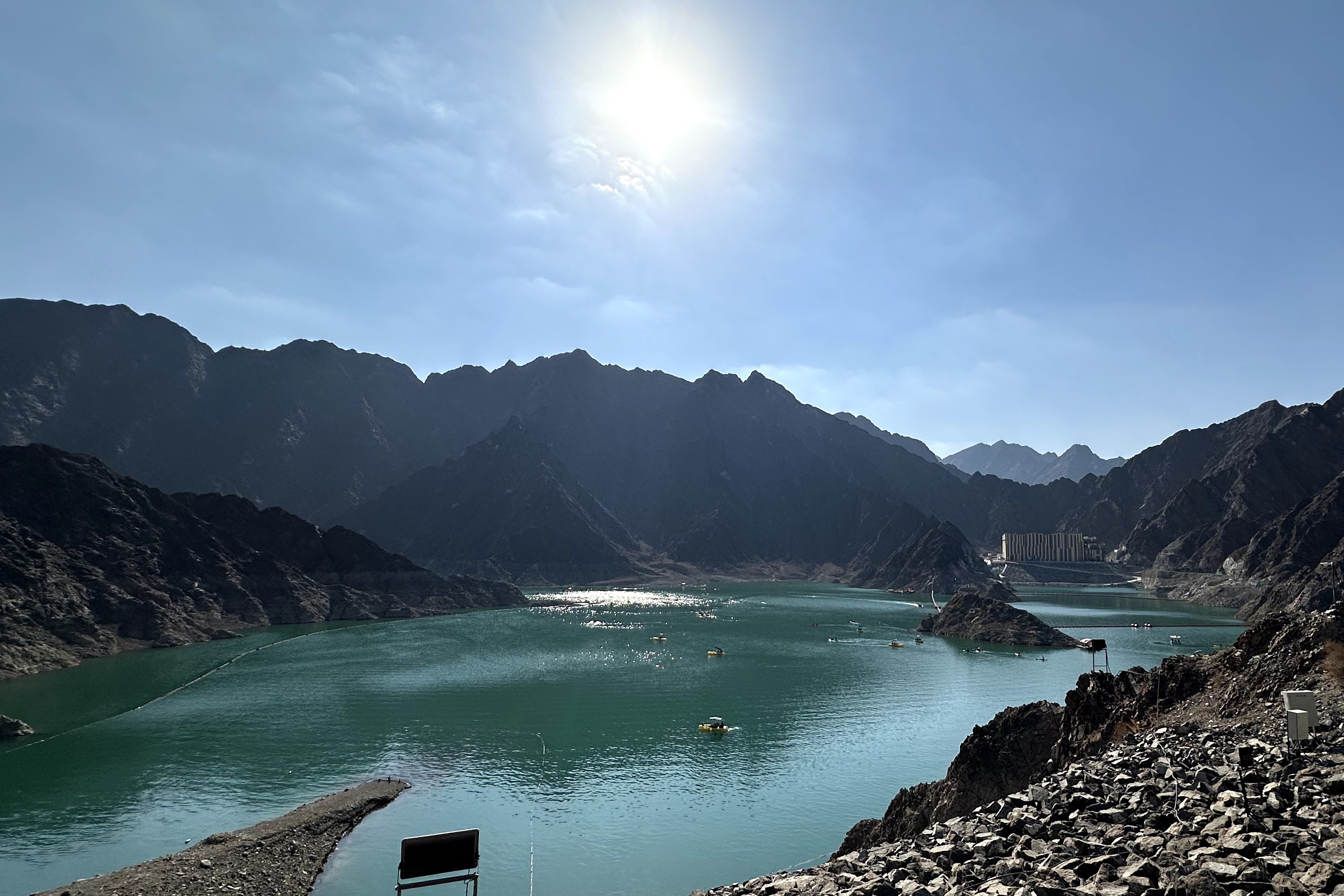
A picturesque mountain area with a dam, heritage village, and outdoor activities.
Musandam Peninsula
200 km from Dubai • Overnight
A stunning coastal area known as the 'Norway of Arabia' for its fjords and clear waters.
Festivals
Dubai Shopping Festival • January-February
Dubai World Cup • March
Dubai Food Festival • February-March
Pro tips
- Visit popular attractions early in the morning or late in the afternoon to avoid crowds and heat.
- Use the Nol Card for easy and discounted access to public transport.
- Bargain when shopping in souks, but do so politely and respectfully.
- Try traditional Emirati dishes at local restaurants for an authentic culinary experience.
- Book tickets for popular attractions, such as the Burj Khalifa, in advance to avoid long queues.
From $25
per person
Price varies by option
Secure booking
Free cancellation available
Instant confirmation