6 Emirates Tours UAE History Culture and Attractions
Active
10h - 11h
For a full refund, cancel at least 24 hours before the scheduled departure time.
Instant confirmation
Mobile or paper ticket accepted
About this experience
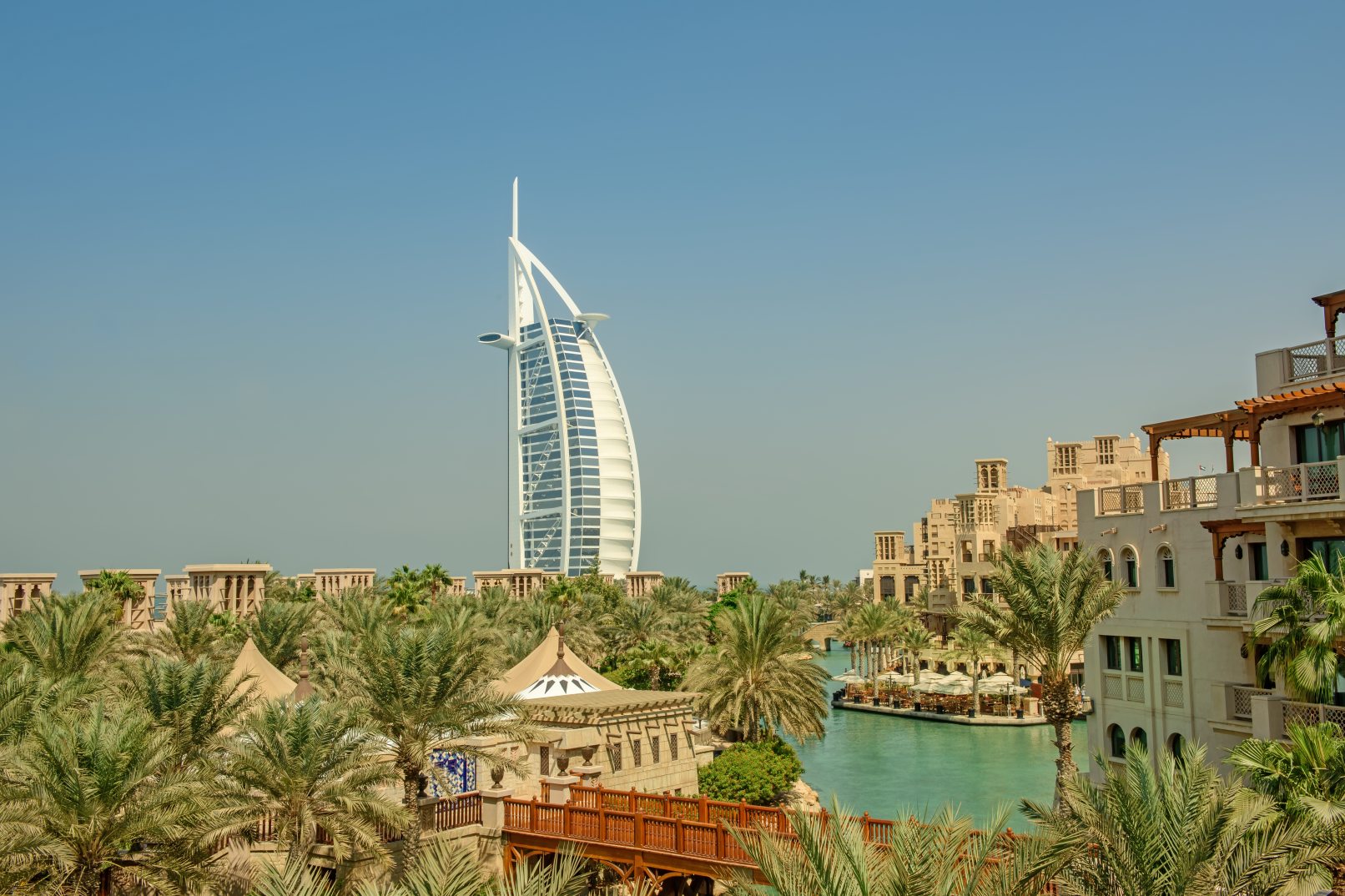
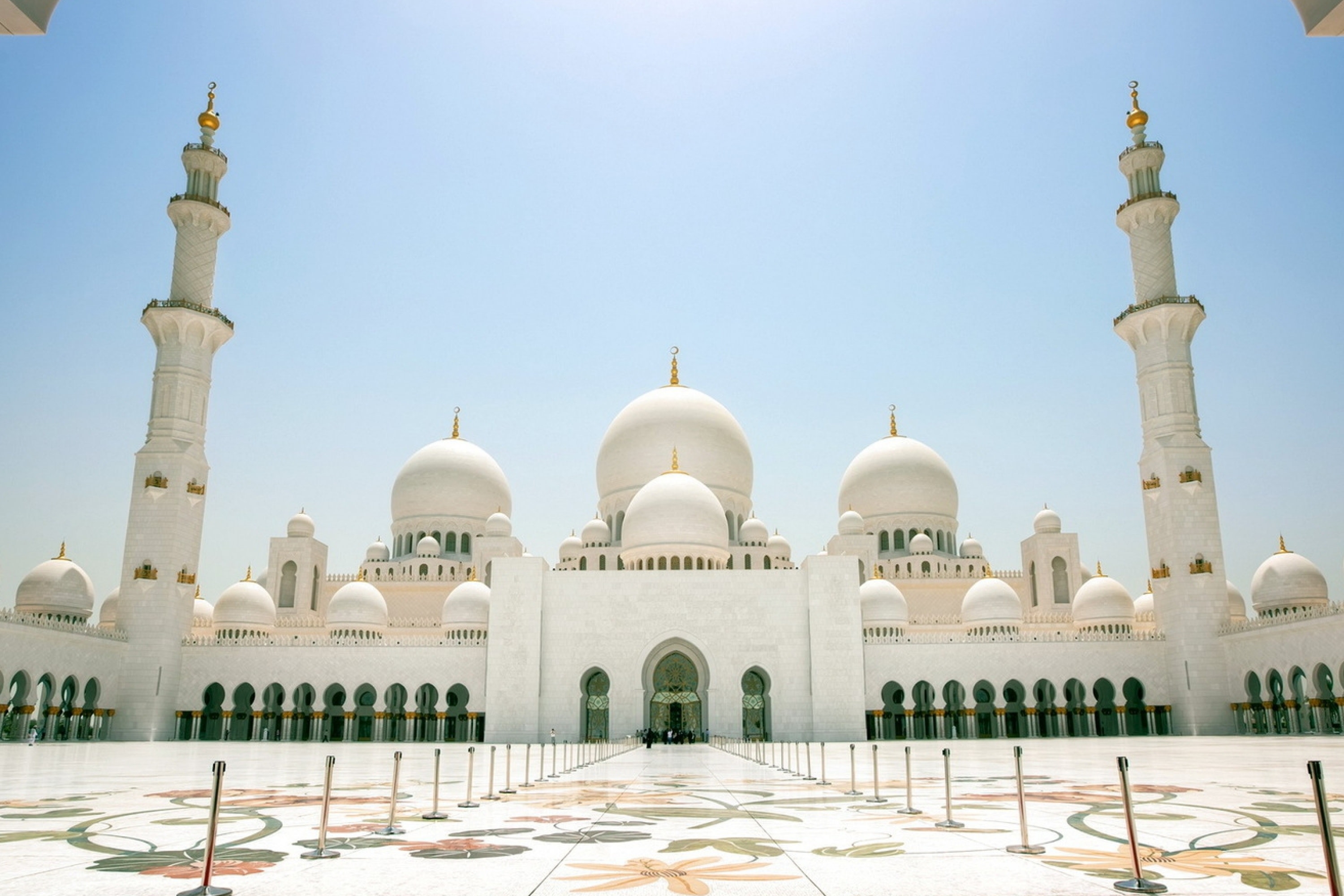
Experience the ultimate UAE adventure in one unforgettable day! This guided Six Emirates Tour takes you on a journey across the most iconic and culturally rich destinations of the United Arab Emirates — all starting from the vibrant city of Dubai.
Available options
6 Emirates Tours UAE History Culture and Attractions
Pickup included
What's included
Private transportation
Bottled water
Tickets to Enter Museum
Detailed itinerary
1
Stop 1
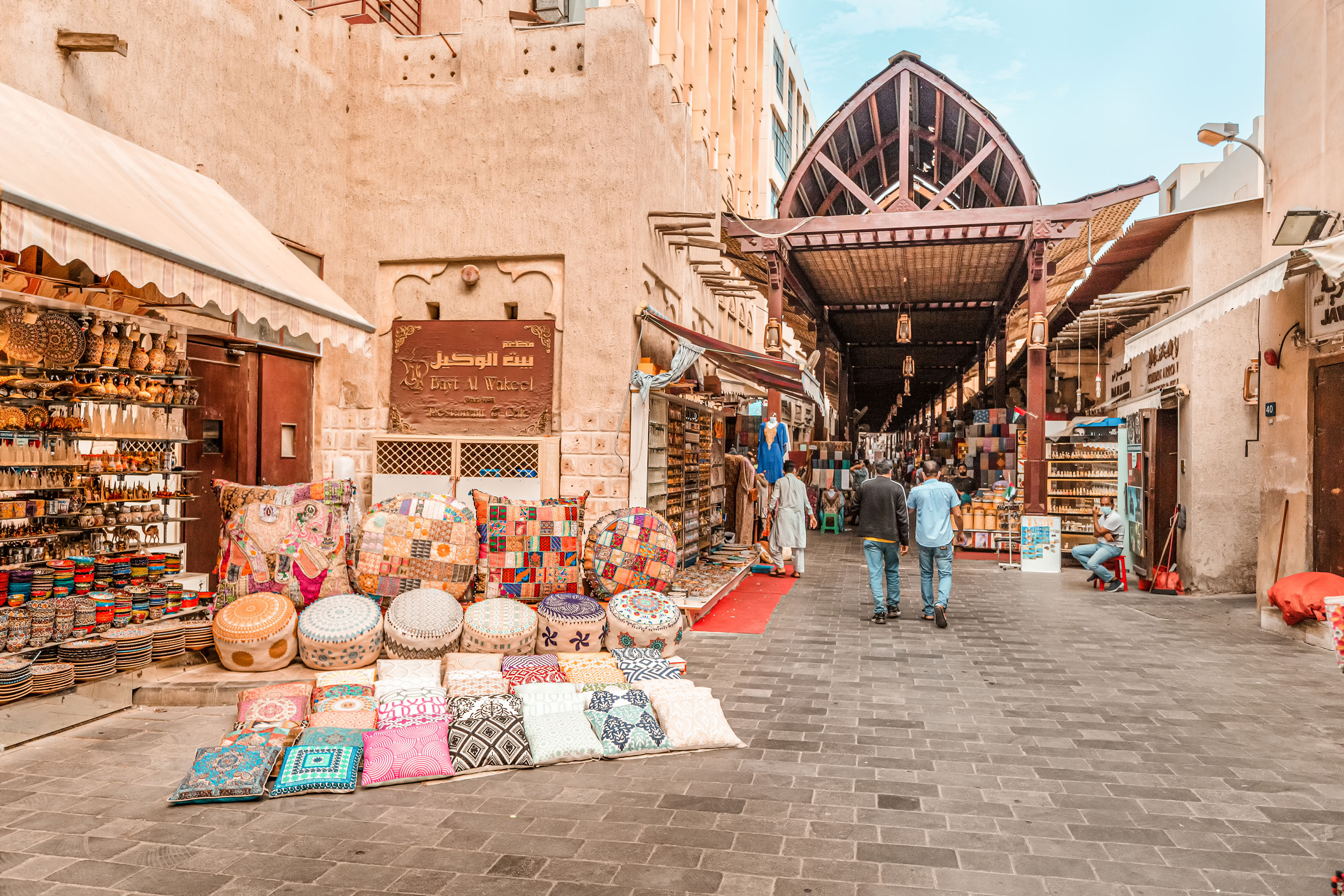
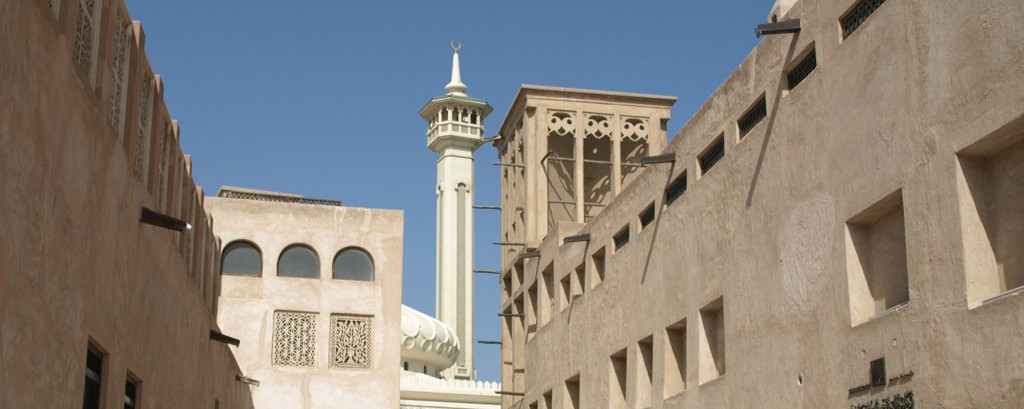
Al Fahidi Historical Neighborhood is a historic district in Dubai, United Arab Emirates. The construction of Al Fahidi Historical Neighborhood dates back to the 1890s.
2
The Blue Souk, also known as the Central Souk or Souk al-Markazi, is a prominent shopping destination in Sharjah, United Arab Emirates. Established in 1978, this architectural landmark features distinctive blue tile-trimmed facades and houses over 600 shops across two levels.
The ground floor primarily offers modern items such as watches, clothing, and electronics, while the upper level specializes in traditional goods like handmade carpets, textiles, antiques, and jewelry. The souk is also renowned for its selection of gold and precious stones.
3
Galleries: The museum is split across several galleries, covering topics like Islamic faith, the scientific contributions of Muslim scholars, and a wide range of Islamic art — ceramics, metalwork, textiles, manuscripts, and coins.
Notable Feature: The central dome is impressive, with celestial maps and zodiac signs painted in Islamic style.
Qur’an Collection: There’s an extensive and beautifully preserved collection of Qur’ans, some dating back to the 7th century.
Interactive Exhibits: Especially in the Science and Technology section — focusing on contributions to medicine, astronomy, and math.
Vibe:
It’s quiet, well-organized, and very educational. Great for both casual visitors and those doing deeper research into Islamic culture.
4
Stop 4
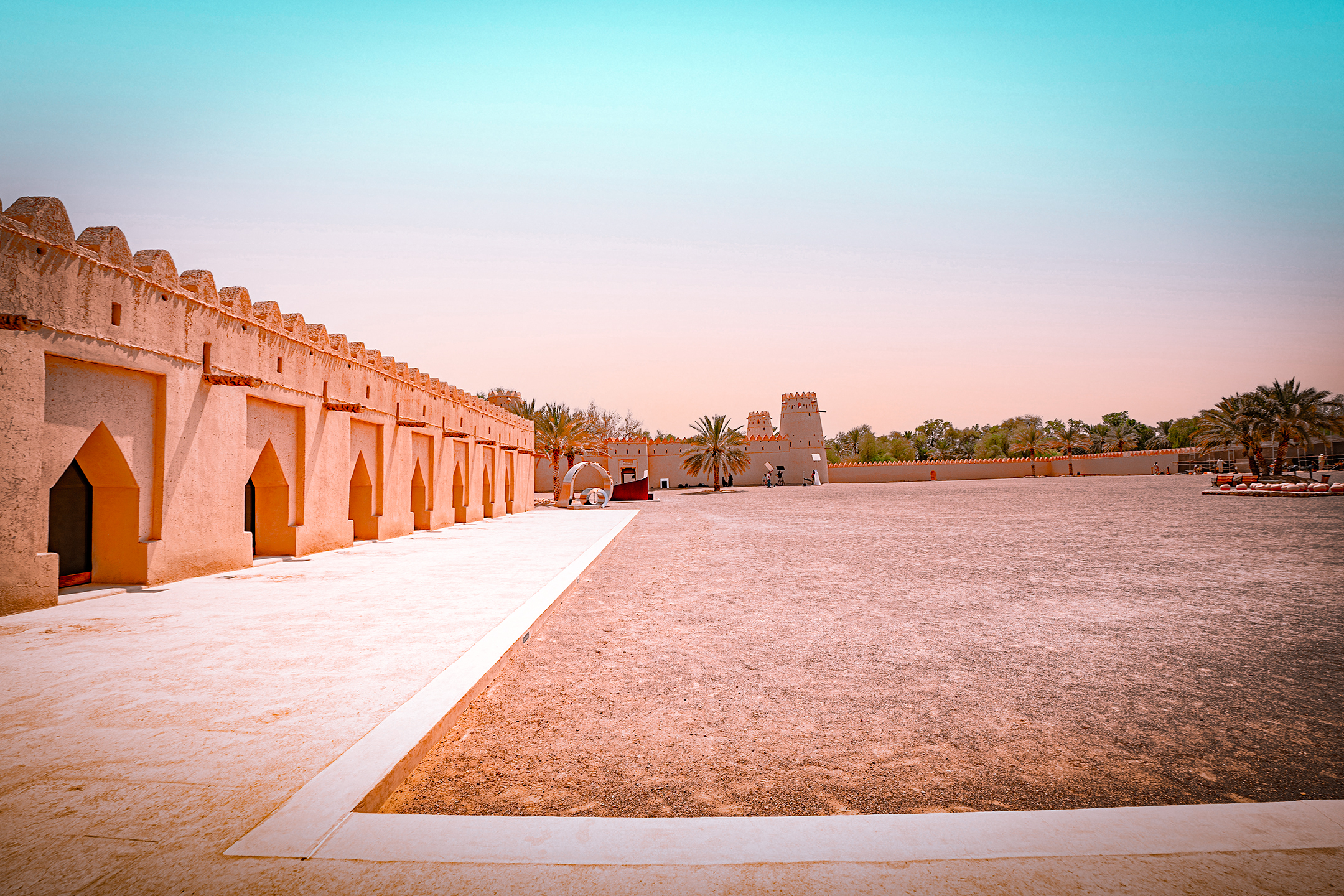
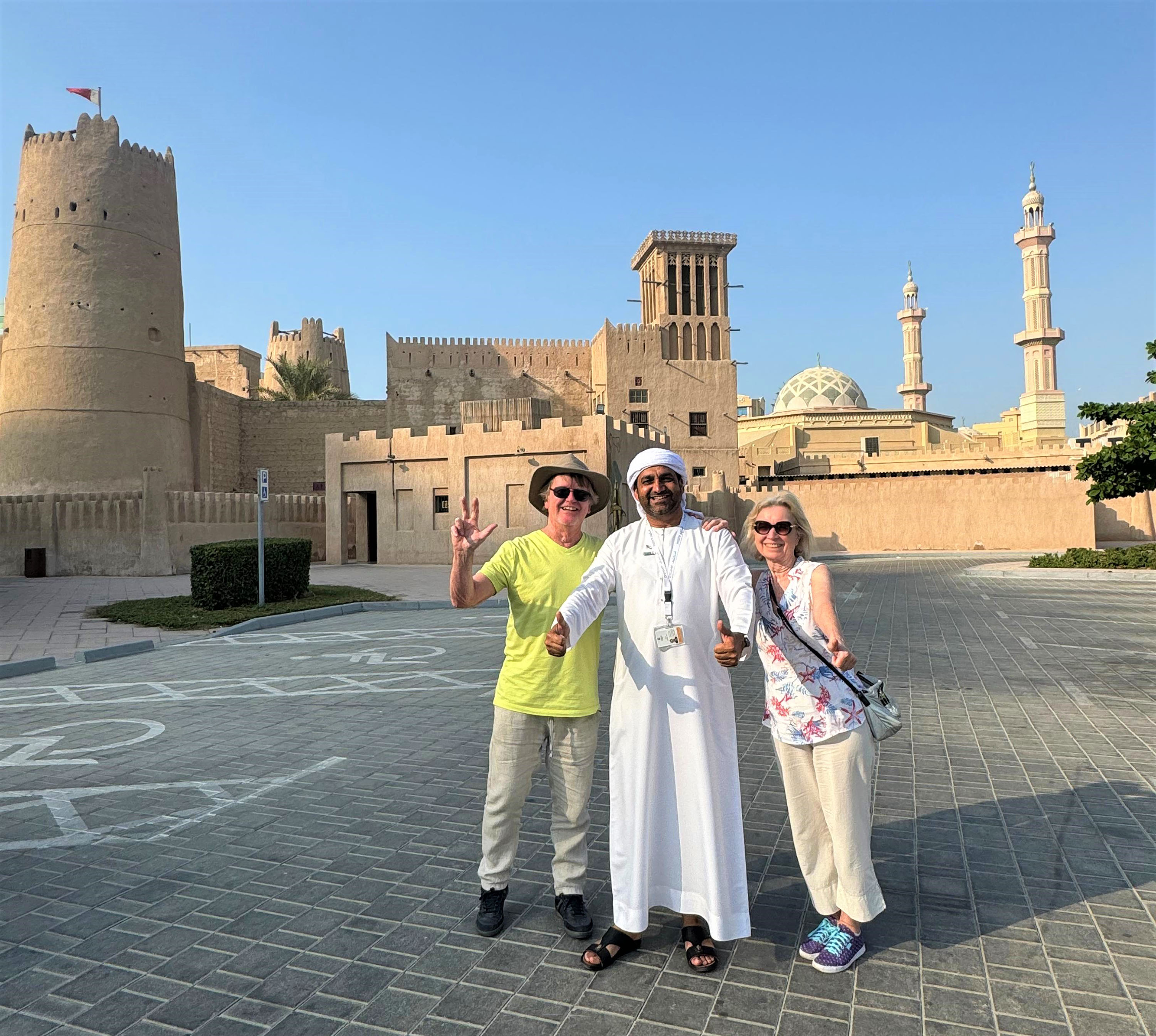
The Ajman Museum is a historical museum located in the heart of Ajman, United Arab Emirates. Housed in an 18th-century fort that once served as the ruler’s palace, it offers a look into the emirate’s past, from traditional life before the oil boom to archaeological finds dating back centuries.
Historic Building: The museum itself is a restored fort with watchtowers, wind towers, and a courtyard, giving a real sense of traditional Emirati architecture.
Exhibits: Displays cover everything from pearl diving and fishing tools to manuscripts, weapons, and costumes. There are also sections on the region’s archaeology and trade.
Cultural Insight: Visitors get a glimpse of what life was like in Ajman before modernization, including models of traditional houses, schools, and marketplaces.
5
It’s one of the seven emirates that make up the United Arab Emirates (UAE).
Known for: Quiet vibe, heritage sites, nature reserves, and coastal activities.
Size: It’s the least populous emirate, but not necessarily the smallest in land area.
Capital: Umm Al Quwain City.
Economy: Historically built on fishing, date farming, and trading. Now it includes tourism, small industries, and free zones like UAQ Free Trade Zone.
6
Perched atop a rugged ridge above the village of Shimal lies the enigmatic Queen of Sheba’s Palace, also known as Qasr al‑Zabba. This medieval fortress-palace dates from the Julfar period (13th–16th centuries AD) and is the only known medieval Islamic palace in the UAE
Defensive plateau: Built on a rocky ridge for protection and cooler mountain air, connected to the Wadi Sur fortification wall stretching ~7 km
Core structure: The main rectangular building (approx. 15 × 35 m) featured round corner towers, central southern entrance, and dual room corridors
Water systems: Three cisterns for rainwater harvesting—one with an impressive vaulted roof is still visible
7
Built from locally sourced stone, gravel, mud, hay, and plaster, with a roof supported by mangrove and palm wood
Features three round watchtowers and a square tower (Murabaa), all connected by high walls enclosing a central courtyard and living quarters
Served various roles: royal residence, military stronghold, prison, and even held by Wahhabists (1808–1810)
8
Stop 8
Established: Originated as a single-room display in 1969; officially opened on 30 November 1991 by Sheikh Hamad
Expansion: Upgraded in 1998 to five halls: three for heritage and two for archaeological antiquities
Collection Size: Houses over 2,100 artifacts ranging from ancient tools and utensils to jewelry and weaponry
First hall covers traditional livelihoods: farming, fishing, weaving, pottery, and trade.
Second hall displays costumes, utensils, and historic weapons—including the 1916 “Khedewi” rifle—and a palm‑
Third hall recreates a spice souq, offering insight into old Arabian trade
Displays artifacts from 4th millennium BC through Islamic eras, including arrowheads, carnelian beads, pottery, and tools
Highlight pieces: a 2,200–2,500 BC ostrich eggshell bowl and a U‑shaped tomb from 2000 BC
Herbs & Medicine Section: Added a unique exhibition on herbal folk-medicine in 2005
9
Nestled against the dramatic backdrop of the Hajar Mountains along the Gulf of Oman, Khorfakkan Beach in Sharjah is a spectacular 3 km crescent of soft white sand—one of the UAE’s most scenic coastal escapes
Water Sports Heaven: From kayaking, parasailing, jet-skiing, to boat rides and fishing, there's something for every thrill-seeker
Just offshore lies Sira (Shark) Island, famed for snorkeling and diving among turtles, rays, moray eels, blacktip reef sharks (harmless!), angelfish, guitarfish, and colourful reefs
The beach promenade features playgrounds, swing sets, football goalposts, picnic areas, clean restrooms, and plenty of shaded spots under palm trees
10
Stop 10
Thought to have been built in 1446 AD, recent studies suggest a wide range of possible dates between 1450–1670 based on radiocarbon analysis
The mosque sits amid ruins and Iron Age tombs, indicating human habitation in the area since around 3000 BC
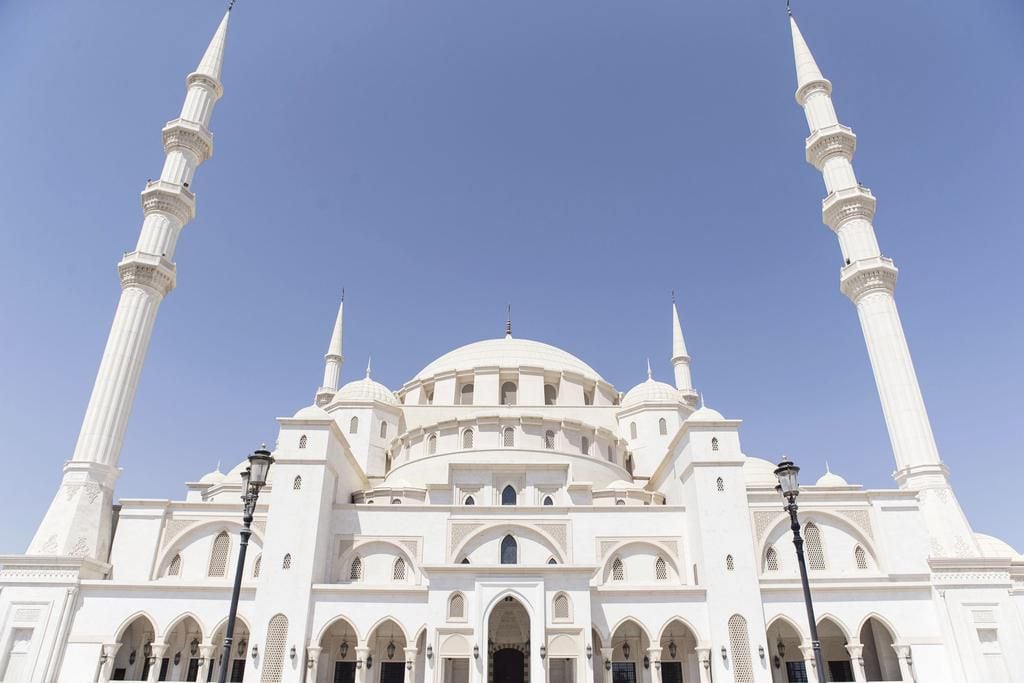
A functional house of worship for over 600 years, Al‑Bidya continues to host the five daily prayers, maintaining a sacred link between past and present
Instead of a single dome, the mosque boasts four squat, spiral domes—each layered—and all supported by a central pillar, with no timber used in the roof
Inside, light filters through small windows and air vents; you'll find a Mihrab niche, a modest Minbar, arched divisions, and carved wall niches—ingenious elements of 15th‑century craftsmanship
The square structure measures approximately 53 m², built with stone and mud-brick, coated in white plaster
11
Whether you’re visiting for architectural marvels, peaceful scenery, or family fun, Khorfakkan Waterfall offers a unique blend of engineered spectacle and natural beauty. From chilled evenings at the amphitheatre to dramatic views over the bay, this attraction is a must-see on the UAE’s East Coast.
KhorFakkan waterfalls is one the latest attraction just opposite to the Khor Fakkan Beach... The waterfall is 43 metres above sea level, 45 metres long and 11 metres wide.
What's not included
Lunch
Important information
Wheelchair accessible
Infants and small children can ride in a pram or stroller
Specialized infant seats are available
Suitable for all physical fitness levels
About Dubai
Dubai is a city of superlatives, known for its futuristic architecture, luxury shopping, and vibrant culture. It offers a unique blend of traditional Arabic heritage and modern innovation, making it a captivating destination for travelers.
Top Attractions
Burj Khalifa
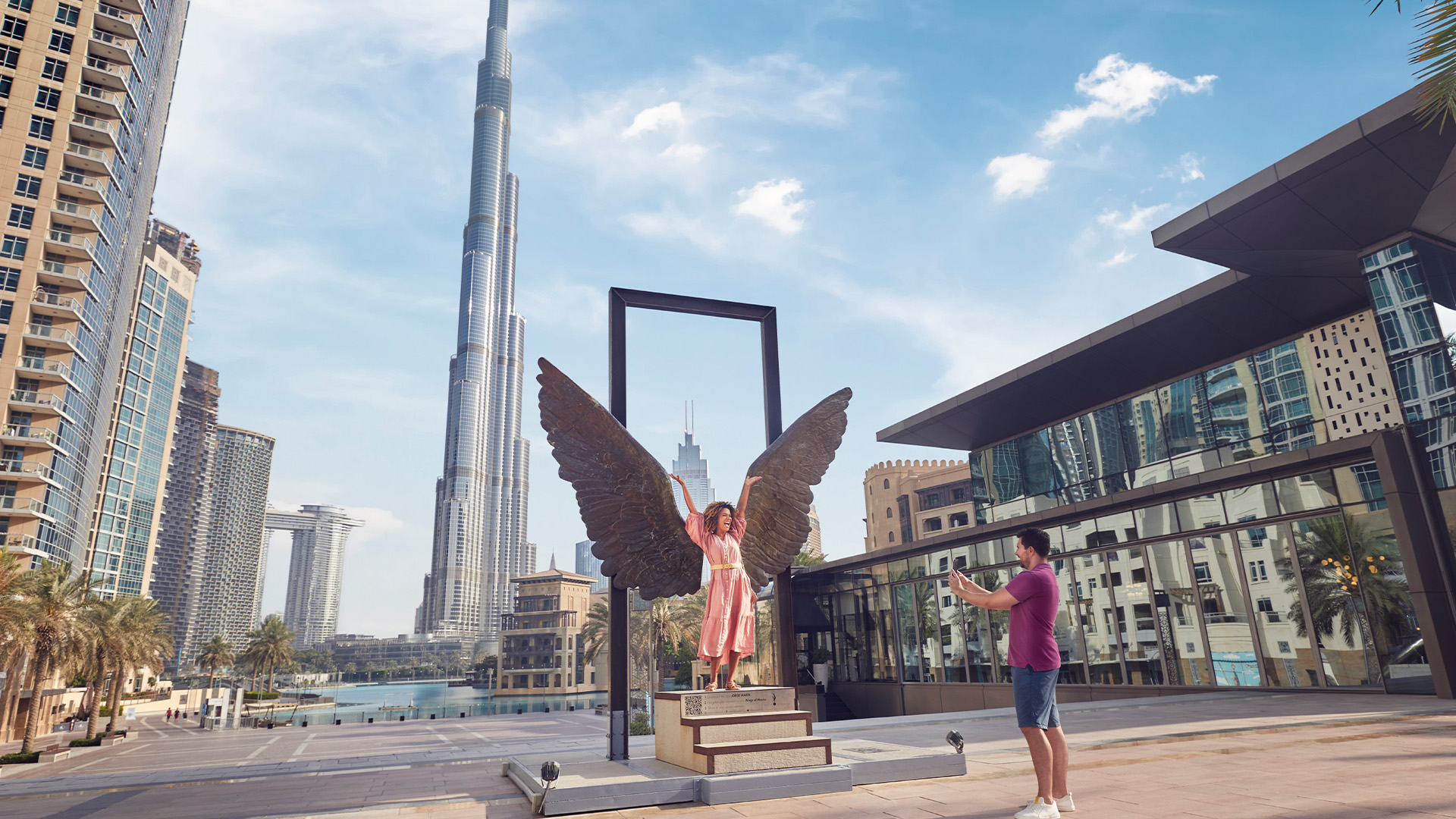
The tallest building in the world, offering breathtaking views from its observation decks.
Architecture
1-2 hours
AED 149-500 (USD 40-140)
Dubai Mall
One of the largest shopping malls in the world, featuring a vast array of retail stores, dining options, and entertainment venues.
Shopping
Half day to full day
Free entry, activities vary in cost
Palm Jumeirah
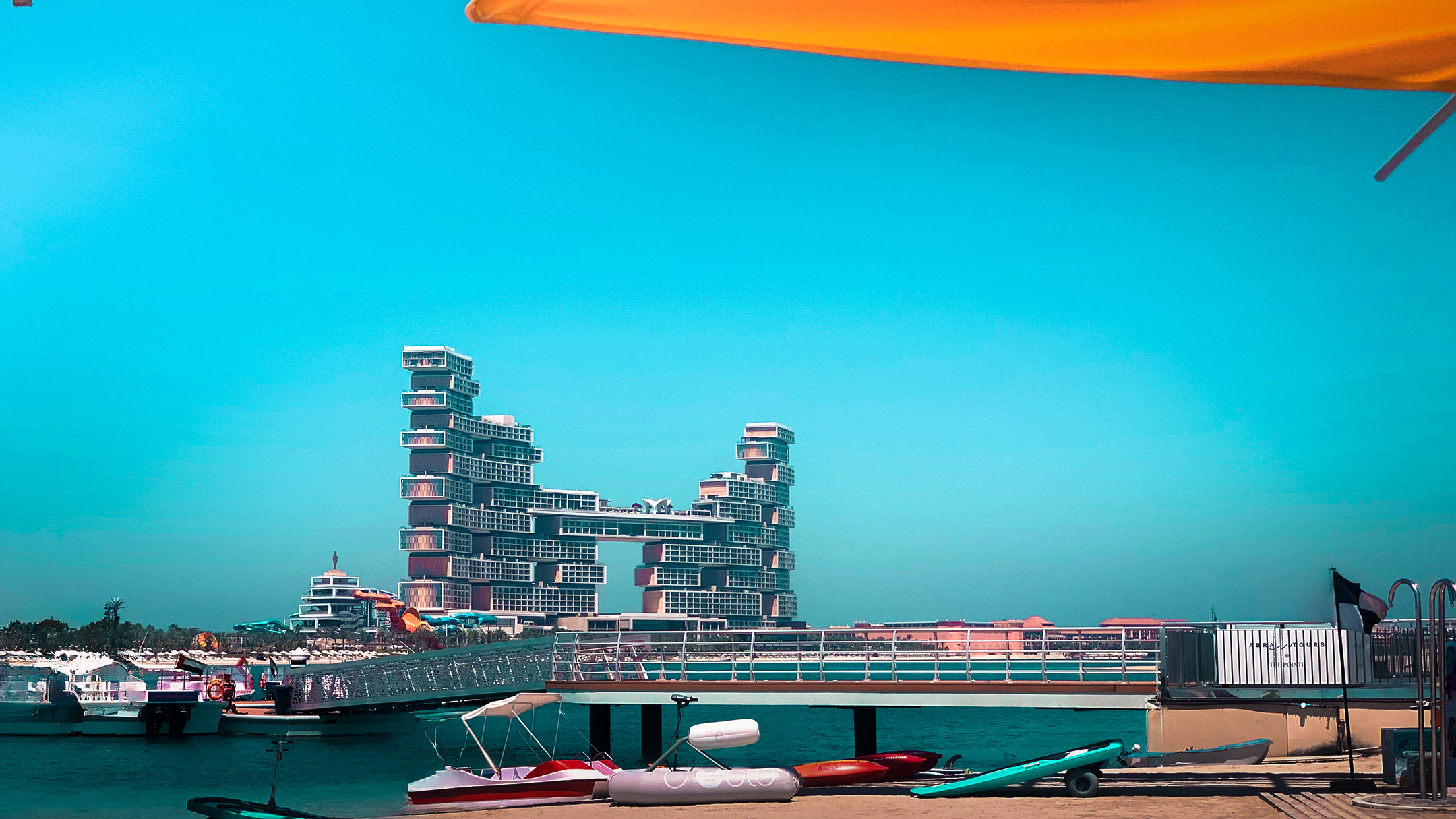
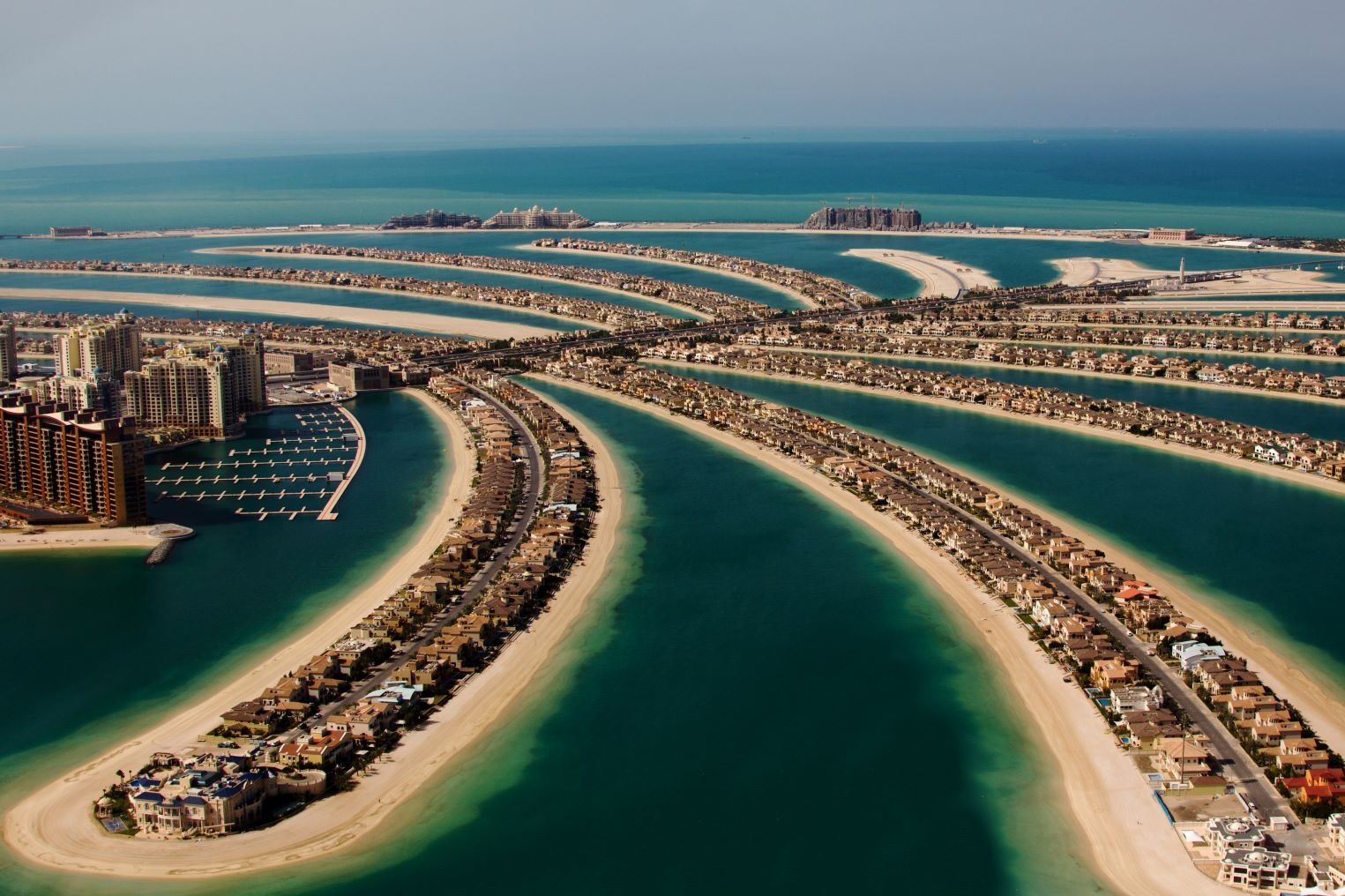
A man-made island shaped like a palm tree, featuring luxury resorts, residential areas, and the iconic Atlantis The Palm resort.
Architecture
Half day to full day
Varies by activity
Old Dubai (Al Fahidi)
The historic district of Dubai, showcasing traditional Emirati architecture, museums, and cultural experiences.
Historical
2-3 hours
Free to explore, museum entry AED 3 (USD 0.80)
Dubai Creek
A historic waterway that divides Dubai into two main sections, offering traditional abra rides and access to souks.
Cultural
2-3 hours
AED 1 (USD 0.30) for abra ride
Dubai Marina
A modern waterfront district featuring luxury yachts, high-rise buildings, and a vibrant dining and nightlife scene.
Waterfront
Half day to full day
Free to explore, activities vary in cost
Must-Try Local Dishes
Al Harees
A traditional Emirati dish made from wheat and meat, slow-cooked to a porridge-like consistency.
Main Course
Contains meat, not suitable for vegetarians.
Machboos
A spiced rice dish cooked with meat, typically chicken or lamb, and flavored with saffron and cardamom.
Main Course
Contains meat, not suitable for vegetarians.
Luqaimat
Sweet dumplings made from a batter of flour, yeast, and cardamom, deep-fried and drizzled with date syrup.
Dessert
Vegetarian, contains gluten.
Kahwa
A traditional Arabic coffee flavored with cardamom and served with dates.
Drink
Contains caffeine, can be prepared with or without sugar.
Popular Activities
Dune bashing
Skydiving
Hot air ballooning
Skiing at Ski Dubai
Beach lounging
Spa treatments
Yacht cruises
Shopping
Best Time to Visit
November to March
This is the best time to visit Dubai, with pleasant weather ideal for outdoor activities and sightseeing. The city hosts numerous events and festivals during this period.
20-30°C
68-86°F
Practical Information
Language
- Official: Arabic
- Widely spoken: English
- English: Widely spoken
Currency
United Arab Emirates Dirham (AED)
Time Zone
GMT+4
Electricity
220-240VV, 50HzHz
Safety Information
Overall Safety Rating: Very safe
Dubai is generally very safe, with low crime rates and a strong police presence. However, travelers should still exercise caution and be aware of their surroundings.
Important Precautions:
- • Use licensed taxis or ride-hailing apps
- • Be cautious when using ATMs
- • Avoid sharing personal information with strangers
Getting there
By air
- Dubai International Airport • 5 km from city center
- Al Maktoum International Airport • 50 km from city center
By bus
Al Ghubaiba Bus Station, Gold Souk Bus Station
Getting around
Public transport
Modern, efficient, and air-conditioned. Uses a contactless payment system (Nol Card).
Taxis
Available • Apps: Uber, Careem
Rentals
Car, Bike, Scooter
Neighborhoods
Downtown Dubai
Jumeirah
Deira
Dubai Marina
Day trips
Abu Dhabi
140 km from Dubai • Full day
The capital of the UAE, offering a mix of modern architecture and traditional heritage sites.
Hatta
115 km from Dubai • Half day to full day
A picturesque mountain area with a dam, heritage village, and outdoor activities.
Musandam Peninsula
200 km from Dubai • Overnight
A stunning coastal area known as the 'Norway of Arabia' for its fjords and clear waters.
Festivals
Dubai Shopping Festival • January-February
Dubai World Cup • March
Dubai Food Festival • February-March
Pro tips
- Visit popular attractions early in the morning or late in the afternoon to avoid crowds and heat.
- Use the Nol Card for easy and discounted access to public transport.
- Bargain when shopping in souks, but do so politely and respectfully.
- Try traditional Emirati dishes at local restaurants for an authentic culinary experience.
- Book tickets for popular attractions, such as the Burj Khalifa, in advance to avoid long queues.
From $25
per person
Price varies by option
Secure booking
Free cancellation available
Instant confirmation