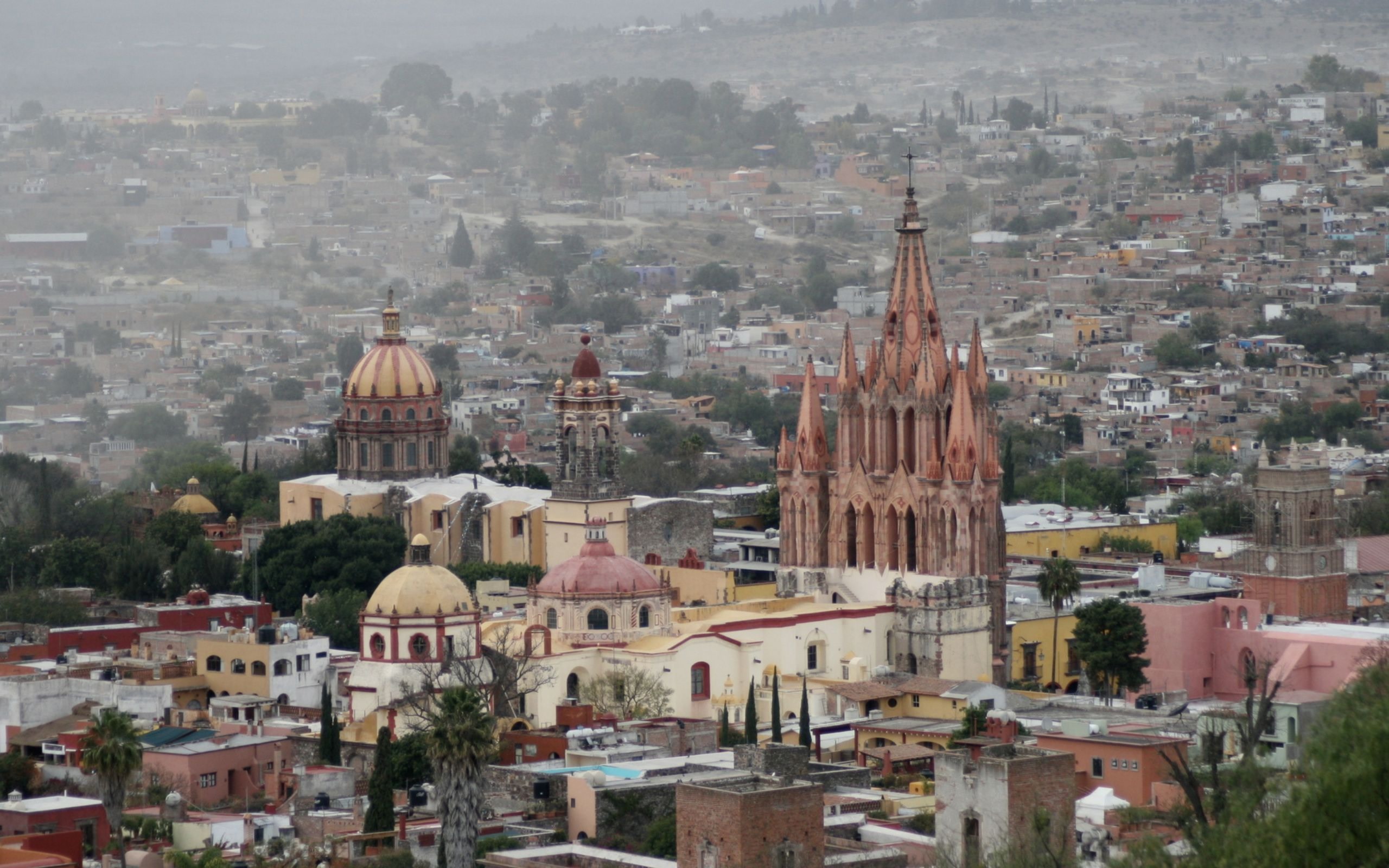
Private tour to Morelia, Pátzcuaro and Janitzio from Guanajuato
Active
13h - 14h
For a full refund, cancel at least 24 hours before the scheduled departure time.
Instant confirmation
Mobile or paper ticket accepted
About this experience
Embark on a private tour from Guanajuato to uncover the cultural treasures of Michoacán. Travel in comfort with an expert guide who will enrich your experience with fascinating insights.
Start in Morelia, a UNESCO World Heritage site known for its stunning colonial architecture. Explore landmarks like the majestic Cathedral, Aqueduct, and vibrant plazas and museums.
Continue to the Magical Town of Pátzcuaro, where you'll stroll through cobblestone streets, visit bustling markets, and admire historical sites such as the Basilica of Our Lady of Health.
Finally, take a scenic boat ride across Lake Pátzcuaro to Janitzio Island, famous for its lively atmosphere and iconic statue of José María Morelos. Enjoy breathtaking panoramic views and immerse yourself in the unique traditions of Michoacán on this exclusive tour.
Available options
Spanish
Pickup included
Japanese
Pickup included
English
Pickup included
What's included
Certified tour guide
Hotel pickup and drop-off with private transportation
Detailed itinerary
1
Built between 1785 and 1788, it was designed to supply the city with water from nearby springs. The aqueduct stretches approximately 1,700 meters (about 5,577 feet) and consists of 253 arches made from local pink quarry stone.
Starting near the Chapel of the Virgin of Guadalupe and extending towards the city center, the aqueduct is a notable example of Baroque architecture. It is a significant landmark in Morelia, reflecting the city's colonial history and cultural heritage.
Today, the Acueducto de Morelia is a protected historical monument and remains an important part of the city's landscape, often illuminated at night to highlight its structure. It is a key feature of Morelia's historical development and architectural history.
2
Installed in 1931, the fountain features a sculpture of three indigenous Purépecha women, known as Tarascas, holding a large fruit basket. The statue was crafted by artist Antonio Silva Díaz and stands as a symbol of the region's cultural heritage.
The fountain is situated in the center of a roundabout on the main avenue of Morelia, known as Avenida Francisco I. Madero, near the historic aqueduct. It has become a well-known landmark in the city, often visited by tourists and admired by locals.
3
This parish church is dedicated to the Immaculate Conception and is an important religious and historical site in the city.
The church features a neoclassical architectural style, characterized by its elegant façade, tall bell towers, and detailed ornamentation. It serves as a place of worship and community gathering, hosting various religious ceremonies and events throughout the year.
Situated in the historic center of Morelia, the Parroquia de la Inmaculada Concepción is surrounded by other significant landmarks and contributes to the city's rich architectural and cultural heritage. It remains an active parish, playing a vital role in the spiritual life of the local community and attracting visitors who appreciate its historical and architectural significance.
4
The "Museo del Dulce" in Morelia, Michoacán, Mexico, is a museum dedicated to the history and tradition of Mexican sweets, particularly those from the Michoacán region. Established to preserve and promote the cultural heritage of traditional confectionery, the museum offers visitors a glimpse into the artisanal processes and historical significance of these treats.
The museum features exhibits that showcase a wide variety of traditional sweets, such as cajeta (a type of caramel), jamoncillos (milk-based candies), and ate (fruit paste). Visitors can learn about the ingredients, techniques, and historical context of these confections through interactive displays, demonstrations, and guided tours.
5
Constructed between 1660 and 1744, the cathedral is an excellent example of Baroque architecture, with elements of Neoclassical and Herrerian styles. The building is made from the city's characteristic pink quarry stone, giving it a distinctive appearance.
The cathedral's impressive façade features two tall towers, each standing 66.8 meters (about 219 feet) high, making them some of the tallest in Mexico. The interior is equally grand, with a large nave, intricate altars, and beautiful stained-glass windows. One of the most notable features is the 18th-century organ, which is still used for concerts and religious services.
Located in the Centro Histórico de Morelia, the cathedral faces the Plaza de Armas, a central square that serves as a gathering place for locals and tourists. The cathedral is not only a place of worship but also a cultural and historical symbol of the city, hosting various religious and civic events throughout the year.
6
Constructed in the late 18th century, the palace originally served as a seminary before being repurposed as the seat of the state government.
The building showcases a blend of Baroque and Neoclassical architectural styles, with its facade made from the iconic pink quarry stone typical of Morelia's historic structures. The interior features elegant courtyards, grand staircases, and intricate details that reflect the building's historical and cultural importance.
One of the highlights of the Palacio de Gobierno is the series of murals by artist Alfredo Zalce, depicting significant events in the history of Michoacán and Mexico. These murals offer visitors a visual narrative of the region's past, including scenes from the Mexican War of Independence and the Mexican Revolution.
7
This building serves as the courthouse for the state of Michoacán and plays a key role in the region's judicial system.
Constructed in the late 19th to early 20th century, the Palacio de Justicia features a blend of neoclassical and historicist architectural styles. Its façade is characterized by clean lines, symmetrical proportions, and decorative elements that reflect the formal and dignified nature of its function.
The building includes several courtrooms, administrative offices, and spaces for legal proceedings. Its design emphasizes functionality while maintaining a connection to the architectural traditions of the era in which it was built.
8
Founded in 1540, it is one of the oldest higher education institutions in Mexico and has a long history of academic and cultural influence.
The university is named after Saint Nicholas of Tolentino, and its founding was part of the broader educational efforts by the Spanish Crown in colonial Mexico. Initially established as a Jesuit school, it evolved into a significant center of learning and research over the centuries.
The main campus, situated in Morelia, features a mix of historic and modern buildings. The historic campus includes the former Jesuit College of San Nicolás, which is a notable example of colonial architecture and houses some of the university's key departments and administrative offices.
UMSNH offers a wide range of undergraduate and graduate programs across various fields, including humanities, sciences, engineering, social sciences, and health sciences. It is known for its strong emphasis on research, cultural activities, and community engagement.
9
Established to provide access to a wide range of reading materials and information resources, it plays a key role in promoting literacy and lifelong learning in Michoacán.
The library features a diverse collection of books, periodicals, and digital resources across various subjects, including literature, history, science, and the arts. It also offers reading spaces, study areas, and facilities for research and community events.
Located in the Centro Histórico de Morelia, the Biblioteca Pública del Estado de Michoacán is housed in a building that combines historical and modern architectural elements. This setting reflects the library's role as both a cultural heritage site and a contemporary information center.
In addition to its primary function as a library, the institution organizes cultural activities, workshops, and educational programs for people of all ages. These events contribute to the intellectual and cultural enrichment of the community.
10
The market specializes in artisanal sweets, including traditional Mexican candies such as cajeta, jamoncillos, and ate, made from regional ingredients and crafted using traditional methods. It also features a range of handcrafted items, including textiles, pottery, and souvenirs that reflect the rich cultural heritage of Michoacán.
In addition to its diverse offerings, the Mercado de Dulces y Artesanías provides a lively and colorful atmosphere, with vendors displaying their products in a traditional market setting. Visitors can experience the flavors and craftsmanship of the region while supporting local artisans and producers.
11
Pátzcuaro, a Pueblo Mágico in Michoacán, is renowned for its rich Purépecha heritage and colonial charm. Founded by Vasco de Quiroga in the 16th century, its cobblestone streets, adobe buildings, and historic landmarks like the Basilica of Our Lady of Health reflect its deep cultural roots. Pátzcuaro is especially famous for its Day of the Dead celebrations, with candle-lit ceremonies on Lake Pátzcuaro, particularly on Janitzio Island, creating a mystical atmosphere. The town is a hub for traditional crafts such as textiles, lacquerware, and copperwork. Local cuisine features dishes like corundas, uchepos, and sopa tarasca. Pátzcuaro offers a vibrant blend of indigenous traditions, colonial history, artisanal crafts, and scenic beauty, making it a must-visit cultural destination in Mexico.
12
Janitzio, the most famous island on Lake Pátzcuaro, Michoacán, is a cultural icon known for its stunning Day of the Dead celebrations. The island is home to the Purépecha people, who maintain traditional customs and crafts. During Día de Muertos, the island's cemetery is illuminated by thousands of candles as locals honor their deceased with altars, marigold flowers, and offerings. The 40-meter statue of José María Morelos, a hero of Mexico's independence, towers over the island, offering panoramic views. Janitzio is also known for its butterfly fishermen, who use distinctive butterfly-shaped nets in traditional fishing techniques.
What's not included
Food
Tips
Available languages
Guide guide
JA
EN
ES
Reviews breakdown
Viator
3.0
2 reviews
5★
1
4★
0
3★
0
2★
0
1★
1
Important information
Public transportation options are available nearby
Infants are required to sit on an adult’s lap
Not recommended for travelers with spinal injuries
Not recommended for travelers with poor cardiovascular health
Suitable for all physical fitness levels
Important notes
Before picking you up at the location you provided in the reservation our co-worker will contact you at the phone number we have registered, if there are 10 minutes to the start time and my co-worker has not written to your WhatsApp, called or picked up please can you write to my coordinator? To support you in knowing where the van is, his name is Javier, just mention your name and which tour you have, his WhatsApp is: +52 4731063107.
Anything you need I am at your service on my WhatsApp: +52 4731810525. If the phone number I have in your reservation can not receive calls please provide me one that can, it is important for the start of the tour.
About Guanajuato City
Guanajuato City, a UNESCO World Heritage Site, is a colonial gem nestled in the heart of Mexico. Known for its winding alleys, colorful buildings, and rich cultural heritage, it's a city that seamlessly blends history, art, and vibrant street life. The city is also famous for hosting the annual Cervantino Festival, one of Latin America's most important cultural events.
Top Attractions
Alley of the Kiss (Callejón del Beso)
This famous alley is known for its romantic legend and narrow passage where lovers can kiss through open windows. The alley is lined with colorful buildings and is a popular spot for tourists.
Historical
30 minutes
Free (small fee to enter the museum inside)
Mummy Museum (Museo de las Momias)
This unique museum houses naturally mummified bodies found in the local cemeteries. The museum provides a fascinating and somewhat eerie glimpse into the past.
Museum
1 hour
Moderate ($3-$5 USD)
Guanajuato University (Universidad de Guanajuato)
Founded in 1733, this historic university is one of the oldest in Mexico. The campus features beautiful colonial architecture and is a significant cultural and educational landmark.
Historical
1 hour
Free to explore the grounds
Díaz Ordaz Theater (Teatro Díaz Ordaz)
This stunning theater is a prime example of neoclassical architecture and hosts a variety of performances, including plays, concerts, and ballet. It's a must-visit for culture enthusiasts.
Cultural
1-2 hours (depending on the performance)
Varies by performance (Moderate to Expensive)
Calvary Hill (Cerro del Cubilete)
This hill offers panoramic views of the city and is home to a large statue of Christ. It's a popular spot for hiking and enjoying the scenic beauty of Guanajuato.
Nature
2-3 hours (including travel time)
Free
Must-Try Local Dishes
Enchiladas Mineras
A traditional dish from Guanajuato, these enchiladas are made with corn tortillas filled with shredded chicken or cheese, covered in a tomato-based sauce, and topped with cheese and onions.
Main dish
Contains gluten (corn tortillas) and dairy
Churros con Chocolate
A popular Mexican treat, churros are fried dough pastries dusted with sugar, often served with a rich, thick hot chocolate for dipping.
Dessert
Contains gluten and dairy (in the chocolate)
Guanajuato-Style Ice Cream (Nieve de Guanajuato)
A local specialty, this ice cream is made with natural flavors and comes in unique varieties like avocado, tamarind, and quesillo (a local cheese).
Dessert
Varies by flavor (some may contain dairy or nuts)
Pozole
A traditional Mexican soup made with hominy, meat (usually pork), and spices. It's often served with toppings like lettuce, radish, and lime.
Main dish
Contains gluten (hominy) and meat (unless vegetarian version is available)
Popular Activities
Hiking
Horseback riding
Caving
Mountain biking
Shopping
Dining
Wine and beer tasting
Spa treatments
Best Time to Visit
October to April
This is the most popular time to visit Guanajuato, with warm days and cool nights. The weather is ideal for exploring the city's attractions and enjoying outdoor activities.
15-25°C
59-77°F
Practical Information
Language
- Official: Spanish
- Widely spoken: English (in tourist areas and by younger people)
- English: Moderately spoken in tourist areas, limited elsewhere
Currency
Mexican Peso (MXN)
Time Zone
CST (GMT-6)
Electricity
127VV, 60HzHz
Safety Information
Overall Safety Rating: Generally safe, but exercise caution
Guanajuato City is generally safe for tourists, but petty crime can occur, especially in crowded areas and on public transportation. Be aware of your surroundings and take precautions to protect your belongings.
Important Precautions:
- • Keep valuables secure and out of sight
- • Use trusted transportation methods, such as app-based taxis or reputable tour companies
- • Be cautious when using ATMs, especially at night
Getting there
By air
- Del Bajío International Airport • 35 km from city center
By bus
Terminal de Autobuses de Guanajuato
Getting around
Public transport
Guanajuato's public bus system, known as 'camionetas,' is the primary means of public transport. These small, colorful buses cover most of the city and are very affordable.
Taxis
Available • Apps: Uber, Didi
Rentals
Car, Bike, Scooter
Neighborhoods
Historic Center
San Javier
Guadiana
Day trips
San Miguel de Allende
100 km (62 miles) • Full day
A UNESCO World Heritage Site, San Miguel de Allende is a charming colonial town known for its well-preserved architecture, vibrant arts scene, and rich history. It's a popular day trip from Guanajuato City.
Dolores Hidalgo
40 km (25 miles) • Half day
This small town is known as the 'Cradle of Mexican Independence' and is famous for its role in the Mexican War of Independence. It's also a center for talavera pottery, a traditional Mexican craft.
Mineral de Pozos
60 km (37 miles) • Full day
Once a thriving mining town, Mineral de Pozos is now a charming, semi-abandoned pueblo mágico (magical town) known for its rich history, unique architecture, and outdoor activities.
Festivals
Cervantino Festival (Festival Internacional Cervantino) • October (dates vary each year)
Guanajuato International Film Festival (Festival Internacional de Cine de Guanajuato, GIFF) • July (dates vary each year)
Day of the Dead (Día de los Muertos) • November 1-2
Pro tips
- Explore the city's underground tunnels for a unique and interesting perspective on Guanajuato's history and architecture
- Visit the Alley of the Kiss (Callejón del Beso) in the evening for a more romantic atmosphere, and to see the alley beautifully lit up
- Try the famous Guanajuato-style ice cream (nieve de Guanajuato) at El Jardin or other local ice cream shops
- Attend a performance at the Díaz Ordaz Theater or another cultural venue to experience the city's rich arts and music scene
- Take a day trip to nearby destinations like San Miguel de Allende, Dolores Hidalgo, or Mineral de Pozos to explore the region's history, culture, and natural beauty
From $25
per person
Price varies by option
Secure booking
Free cancellation available
Instant confirmation