Guanajuato Private Walking Tour
Active
2h
For a full refund, cancel at least 24 hours before the scheduled departure time.
Instant confirmation
Mobile or paper ticket accepted
About this experience
A private walking tour in Guanajuato is the perfect way for visitors to immerse themselves in the rich history and culture of this vibrant city. The tour includes visits to some of the city's most popular tourist attractions.
Beyond these landmarks, the tour also allows visitors to stroll through the colorful and picturesque streets of Guanajuato. Along the way, they can take in the stunning architecture, admire the beauty of the city's plazas, fountains, and historic buildings, and soak up the lively atmosphere of this charming Mexican city.
With knowledgeable guides on hand to provide historical and cultural context, visitors will gain a deeper understanding of the city's past and present, making this private walking tour a truly immersive and enriching experience. Whether you're a first-time visitor or a returning traveler, a private walking tour of Guanajuato is an excellent way to discover all the wonders this beautiful city has to offer.
Available options
Spanish
English
Japanese
What's included
Certified tour guide
Detailed itinerary
1
The Teatro Juárez was built in the late 19th century during the presidency of Porfirio Díaz and named after President Benito Juárez. The theater was designed in the neoclassical style by the Italian architect Francisco Eduardo Tresguerras and features ornate decorations, including sculptures, frescoes, and murals.
The Teatro Juárez has been an important cultural center in Guanajuato for over a century and has hosted a variety of performances, including plays, operas, ballets, and concerts. It has also been the venue for important national and international cultural events, such as the Festival Internacional Cervantino, which is one of the most important cultural festivals in Mexico.
In addition to its cultural significance, the Teatro Juárez is also an architectural gem and a popular tourist attraction in Guanajuato.
2
The Central Building of the University of Guanajuato was originally built in the 18th century as the Hospital de San Juan de Dios, a hospital run by the Hospitaller Order of St. John of God.
In the mid-20th century, the building was renovated and converted into the central building of the University of Guanajuato, which is one of the oldest and most prestigious universities in Mexico. The building now houses administrative offices, classrooms, and lecture halls for various faculties of the university.
The Edificio Central de la Universidad de Guanajuato is a beautiful example of colonial architecture, with its Baroque facade and intricate details, such as the ornate entrance and the elegant bell tower. It is also an important cultural landmark in Guanajuato and a popular tourist attraction, with visitors coming to admire its architecture and learn about its history and significance as a symbol of education and knowledge.
3
Alley of the Kiss is a narrow alleyway located in the historic center of Guanajuato, Mexico. The alley is famous for its romantic legend, which tells the story of two young lovers, Carmen and Carlos, who lived in houses across the alley from each other. Their families were feuding, so they would meet secretly on their balconies and exchange kisses across the narrow gap between their homes.
According to the legend, one day Carmen's father caught her kissing Carlos, and in a fit of rage, he stabbed her. She died in Carlos's arms, and he jumped off his balcony to join her in death. The alley is now a popular tourist attraction, and visitors come to see the balconies where the tragic lovers used to meet and exchange kisses.
It is said that if you stand on the third step of the staircase in front of Carmen's house and kiss your partner, you will have seven years of good luck in love.
4
The Alhóndiga de Granaditas was originally built in the late 18th century as a grain storage facility, or alhóndiga, for the Spanish colonial government. However, it became a symbol of Mexican independence when it was the site of a key battle during the Mexican War of Independence.
In 1810, Miguel Hidalgo, a Catholic priest and revolutionary leader, led an attack on the Alhóndiga de Granaditas, which was being used as a stronghold by the Spanish colonial forces. Hidalgo's forces eventually breached the building and killed many of the Spanish defenders, which became a turning point in the war for Mexican independence.
Today, the Alhóndiga de Granaditas is a museum and cultural center, and it is considered one of the most important historical sites in Mexico.
Available languages
Guide guide
JA
EN
ES
Reviews breakdown
Viator
3.5
2 reviews
5★
0
4★
1
3★
1
2★
0
1★
0
Tripadvisor
5.0
1 reviews
5★
1
4★
0
3★
0
2★
0
1★
0
Important information
Service animals allowed
Public transportation options are available nearby
Not recommended for travelers with spinal injuries
Travelers should have a high level of physical fitness
About Guanajuato City
Guanajuato City, a UNESCO World Heritage Site, is a colonial gem nestled in the heart of Mexico. Known for its winding alleys, colorful buildings, and rich cultural heritage, it's a city that seamlessly blends history, art, and vibrant street life. The city is also famous for hosting the annual Cervantino Festival, one of Latin America's most important cultural events.
Top Attractions
Alley of the Kiss (Callejón del Beso)
This famous alley is known for its romantic legend and narrow passage where lovers can kiss through open windows. The alley is lined with colorful buildings and is a popular spot for tourists.
Historical
30 minutes
Free (small fee to enter the museum inside)
Mummy Museum (Museo de las Momias)
This unique museum houses naturally mummified bodies found in the local cemeteries. The museum provides a fascinating and somewhat eerie glimpse into the past.
Museum
1 hour
Moderate ($3-$5 USD)
Guanajuato University (Universidad de Guanajuato)
Founded in 1733, this historic university is one of the oldest in Mexico. The campus features beautiful colonial architecture and is a significant cultural and educational landmark.
Historical
1 hour
Free to explore the grounds
Díaz Ordaz Theater (Teatro Díaz Ordaz)
This stunning theater is a prime example of neoclassical architecture and hosts a variety of performances, including plays, concerts, and ballet. It's a must-visit for culture enthusiasts.
Cultural
1-2 hours (depending on the performance)
Varies by performance (Moderate to Expensive)
Calvary Hill (Cerro del Cubilete)
This hill offers panoramic views of the city and is home to a large statue of Christ. It's a popular spot for hiking and enjoying the scenic beauty of Guanajuato.
Nature
2-3 hours (including travel time)
Free
Must-Try Local Dishes
Enchiladas Mineras
A traditional dish from Guanajuato, these enchiladas are made with corn tortillas filled with shredded chicken or cheese, covered in a tomato-based sauce, and topped with cheese and onions.
Main dish
Contains gluten (corn tortillas) and dairy
Churros con Chocolate
A popular Mexican treat, churros are fried dough pastries dusted with sugar, often served with a rich, thick hot chocolate for dipping.
Dessert
Contains gluten and dairy (in the chocolate)
Guanajuato-Style Ice Cream (Nieve de Guanajuato)
A local specialty, this ice cream is made with natural flavors and comes in unique varieties like avocado, tamarind, and quesillo (a local cheese).
Dessert
Varies by flavor (some may contain dairy or nuts)
Pozole
A traditional Mexican soup made with hominy, meat (usually pork), and spices. It's often served with toppings like lettuce, radish, and lime.
Main dish
Contains gluten (hominy) and meat (unless vegetarian version is available)
Popular Activities
Hiking
Horseback riding
Caving
Mountain biking
Shopping
Dining
Wine and beer tasting
Spa treatments
Best Time to Visit
October to April
This is the most popular time to visit Guanajuato, with warm days and cool nights. The weather is ideal for exploring the city's attractions and enjoying outdoor activities.
15-25°C
59-77°F
Practical Information
Language
- Official: Spanish
- Widely spoken: English (in tourist areas and by younger people)
- English: Moderately spoken in tourist areas, limited elsewhere
Currency
Mexican Peso (MXN)
Time Zone
CST (GMT-6)
Electricity
127VV, 60HzHz
Safety Information
Overall Safety Rating: Generally safe, but exercise caution
Guanajuato City is generally safe for tourists, but petty crime can occur, especially in crowded areas and on public transportation. Be aware of your surroundings and take precautions to protect your belongings.
Important Precautions:
- • Keep valuables secure and out of sight
- • Use trusted transportation methods, such as app-based taxis or reputable tour companies
- • Be cautious when using ATMs, especially at night
Getting there
By air
- Del Bajío International Airport • 35 km from city center
By bus
Terminal de Autobuses de Guanajuato
Getting around
Public transport
Guanajuato's public bus system, known as 'camionetas,' is the primary means of public transport. These small, colorful buses cover most of the city and are very affordable.
Taxis
Available • Apps: Uber, Didi
Rentals
Car, Bike, Scooter
Neighborhoods
Historic Center
San Javier
Guadiana
Day trips
San Miguel de Allende
100 km (62 miles) • Full day
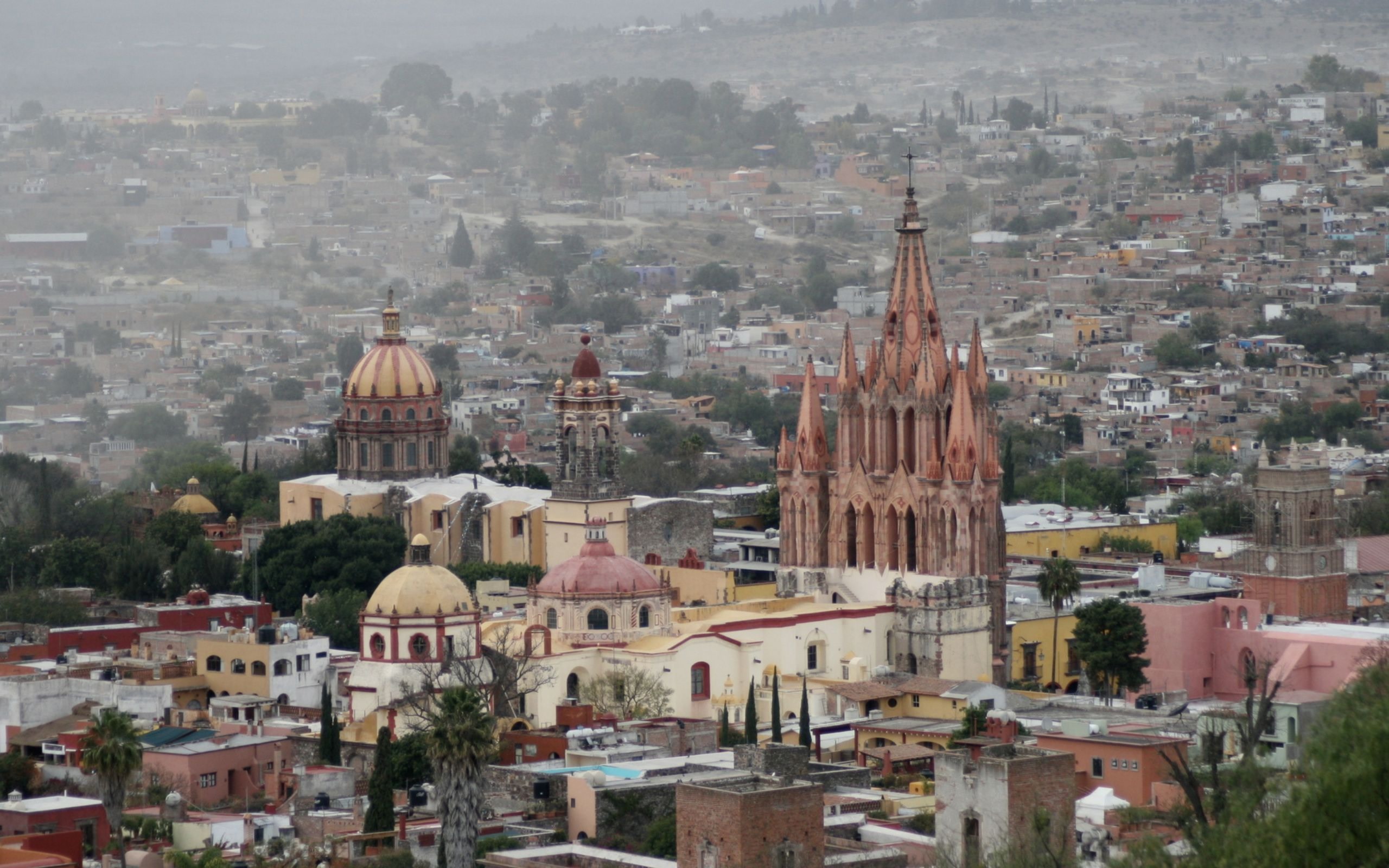
A UNESCO World Heritage Site, San Miguel de Allende is a charming colonial town known for its well-preserved architecture, vibrant arts scene, and rich history. It's a popular day trip from Guanajuato City.
Dolores Hidalgo
40 km (25 miles) • Half day
This small town is known as the 'Cradle of Mexican Independence' and is famous for its role in the Mexican War of Independence. It's also a center for talavera pottery, a traditional Mexican craft.
Mineral de Pozos
60 km (37 miles) • Full day
Once a thriving mining town, Mineral de Pozos is now a charming, semi-abandoned pueblo mágico (magical town) known for its rich history, unique architecture, and outdoor activities.
Festivals
Cervantino Festival (Festival Internacional Cervantino) • October (dates vary each year)
Guanajuato International Film Festival (Festival Internacional de Cine de Guanajuato, GIFF) • July (dates vary each year)
Day of the Dead (Día de los Muertos) • November 1-2
Pro tips
- Explore the city's underground tunnels for a unique and interesting perspective on Guanajuato's history and architecture
- Visit the Alley of the Kiss (Callejón del Beso) in the evening for a more romantic atmosphere, and to see the alley beautifully lit up
- Try the famous Guanajuato-style ice cream (nieve de Guanajuato) at El Jardin or other local ice cream shops
- Attend a performance at the Díaz Ordaz Theater or another cultural venue to experience the city's rich arts and music scene
- Take a day trip to nearby destinations like San Miguel de Allende, Dolores Hidalgo, or Mineral de Pozos to explore the region's history, culture, and natural beauty
From $25
per person
Price varies by option
Secure booking
Free cancellation available
Instant confirmation