Mosaic Masterpieces of Rome Sacred Stories in the Eternal City
Active
2h
For a full refund, cancel at least 24 hours before the scheduled departure time.
Instant confirmation
Mobile or paper ticket accepted
About this experience
Beyond Rome’s iconic monuments lies a rich world of hidden masterpieces that few visitors get to see. Escape the crowds with us and take a deep dive to discover the city’s finest mosaics, from mysterious early-Christian masterpieces to glittering pieces of medieval craftsmanship. Along the way we’ll learn about the intricate techniques of the mosaicist’s art, as well as the ambitious patrons and artists who brought them to life. Join us to explore this world of mesmerizing mosaics!
Available options
Mosaic Masterpieces of Rome Sacred Stories in the Eternal City
What's included
Expert, fluent English-speaking guide
Rome's most amazing mosaics
Small group size
Detailed itinerary
1
Our mosaic masterpieces tour begins in the spectacular ancient church of Santi Cosma and Damiano. Originally built in honor of Valerius Romulus, son of the Emperor Maxentius, this one-time pagan temple is built right into the fabric of the ancient Roman Forum, and was transformed into a Christian church in the year 527 by Pope Felix IV. Dedicated to the Greek doctor brothers Cosmas and Damian, the church boasts amazing sixth-century mosaics depicting some pretty wacky apocalyptic imagery.
At the center Christ descends to earth in a kaleidoscope of vibrant color, while saints and prelates are busy in conversation all around him. Pope Felix himself, meanwhile, humbly presents a model of the church for Christ’s approval. On our tour we’ll learn about the mosaic’s fascinating and complex iconography, featuring a series of beautifully portrayed sheep, a phoenix, and even palm trees.
2
Next we’re heading into the heart of one of Rome’s most beautiful neighborhoods. The narrow streets of chic Monti are home to buzzing wine bars and boutiques, but things weren’t always so salubrious around here. Thousands of years ago this was ancient Rome’s most notorious slum, a vast area that extended from near the Imperial Fora all the way to the Esquiline Hill. Home to a large population of prostitutes and ne’er do wells, The creaking tenements of the Suburra were extremely unsafe, and fire ripped through the cramped dwellings with alarming regularity.
Exploring Monti today, you’d never guess the dark history of one of Rome’s most glamorous quarters! We’ll be taking a stroll up the neighborhood’s major thoroughfare, Via Urbana to the next stop on our tour, the extraordinary but out-of-the-way church of Santa Pudenziana.
3
Despite the fact that you won’t see Santa Pudenziana on most tourist itineraries in Rome, this venerable basilica is home to an extraordinary hidden treasure inside. The church itself is one of the very oldest in Rome, with origins dating all the way back to the second century AD. The real highlight here is the apse mosaic, a stunning example of early-Christian art.
Commissioned by Pope Innocent I in the wake of the Gothic sack of Rome in 410 AD, the mosaic portrays Christ seated on an emperor's throne, flanked by apostles dressed in the distinctive togas of Roman senators - this fascinating fusion of Roman imperial iconography and classical style with Christian themes showcases the pivotal transformation of ancient Roman civilization into a new Christian era. This beautiful mosaic was to have a seismic impact on the history of western art, and established many aspects of Christian iconography that you’ll see repeated all across Rome and beyond.
4
Stop 4
The 9th-century reign of Pope Paschal 1st ushered in a great golden age of art in Rome, revitalizing the battered Dark-Age city in the process. As a wave of iconoclasm devastated the prospects of artists and mosaicists in contemporary Constantinople, the enterprising pontiff invited the newly unemployed craftsmen to Rome with open arms and had them set about beautifying the city’s churches - and burnishing his own family’s legacy.
Perhaps the most spectacular result of this happy coming together is the marvelous church of Santa Prassede. A series of glittering mosaics decorate the church’s sanctuary, featuring an array of apostles and angels, as well the pious sisters Prassede and Pudenziana themselves, dressed in the opulent outfits of Byzantine princesses.
5
Our tour concludes in one of the most important churches in Rome. Dedicated to the Virgin Mary and founded, according to tradition, in the wake of a miraculous 5th-century snowfall, Santa Maria Maggiore has been a pilgrimage destination for the faithful and art lovers alike for over 1,500 years. First amongst equals in the church’s stunning array of artistic masterpieces is the mosaic cycle portraying key events from the Old Testament that adorn its nave.
These 5th-century artworks seem to offer a fusion of classical style with Christian subject matter: a highly realistic style showcases the fabulous skill of ancient Roman artists, turned towards a new goal of immortalizing the heroes of Christian doctrine like Abraham and Isaac, Joshua, and Moses. On our tour your expert art-historian guide will point out fascinating scenes like the Parting of the Red Sea, the Hospitality of Abraham, and sparkling depictions of Jerusalem and Bethlehem - fascinating time-capsules into a distant age.
What's not included
Gratuities
Transportation
Reviews breakdown
Tripadvisor
5.0
2 reviews
5★
2
4★
0
3★
0
2★
0
1★
0
Important information
Public transportation options are available nearby
Suitable for all physical fitness levels
Not recommended for travelers with mobility issues
Meeting point
You will meet your guide in front of the Cafe/Restaurant Angelino ai Fori, Largo Corrado Ricci, 43a. They will have a Through Eternity sign or flag.
About Rome
Rome, the capital of Italy, is a city of ancient ruins, artistic masterpieces, and vibrant culture. Known as the Eternal City, it is a living museum where every corner tells a story of its rich history spanning over 2,500 years.
Top Attractions
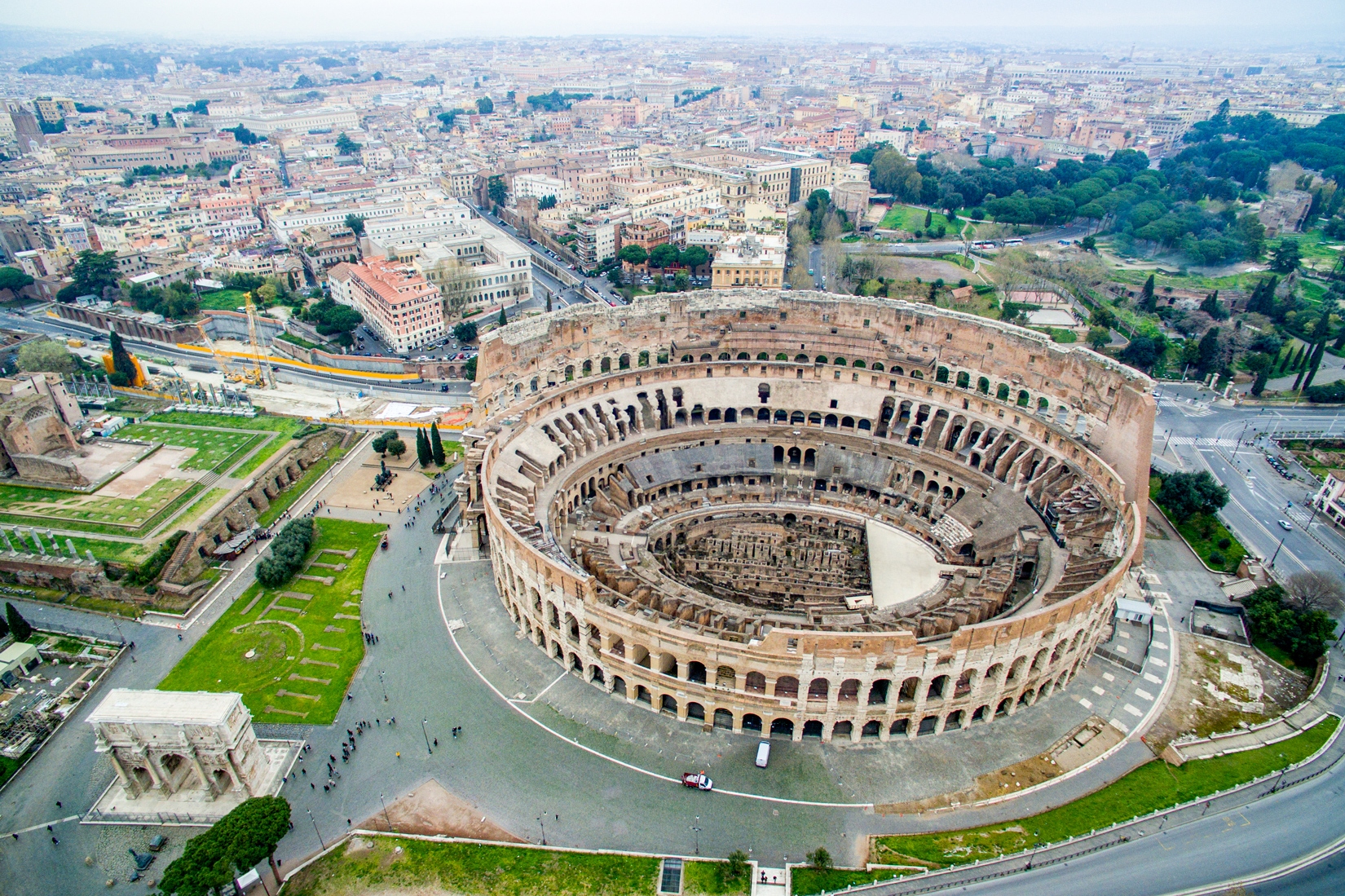
Colosseum
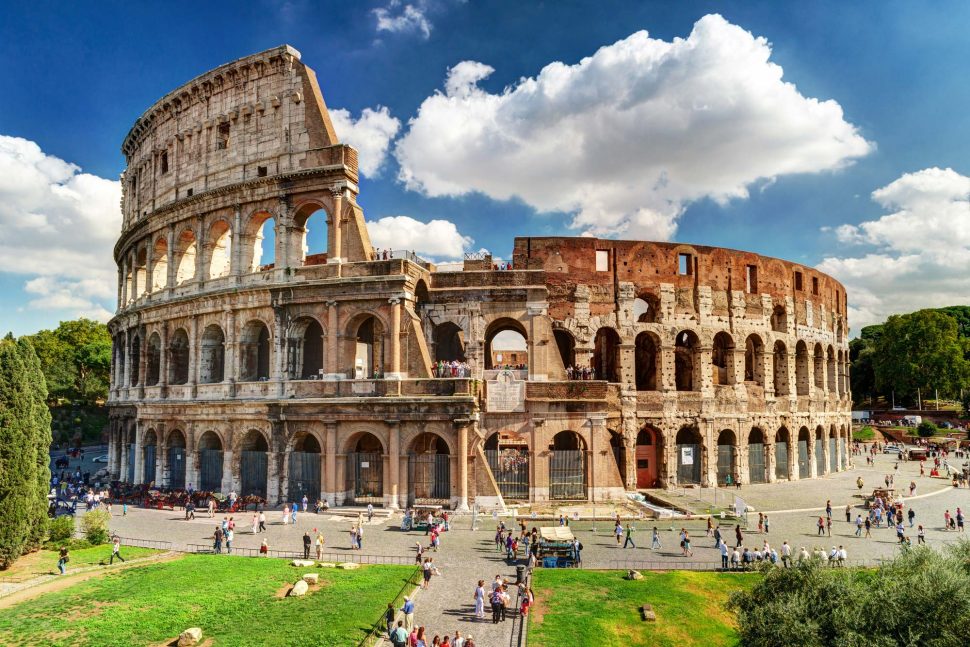
The Colosseum is an iconic symbol of Rome and one of the most famous ancient amphitheaters in the world. It was used for gladiatorial contests and public spectacles.
Historical
1-2 hours
€16 (combined ticket with Roman Forum and Palatine Hill)
Vatican City
Vatican City is an independent city-state enclaved within Rome. It is the spiritual and administrative center of the Roman Catholic Church.
Religious
Half day
€17 (Vatican Museums and Sistine Chapel), Free (St. Peter's Basilica)
Roman Forum
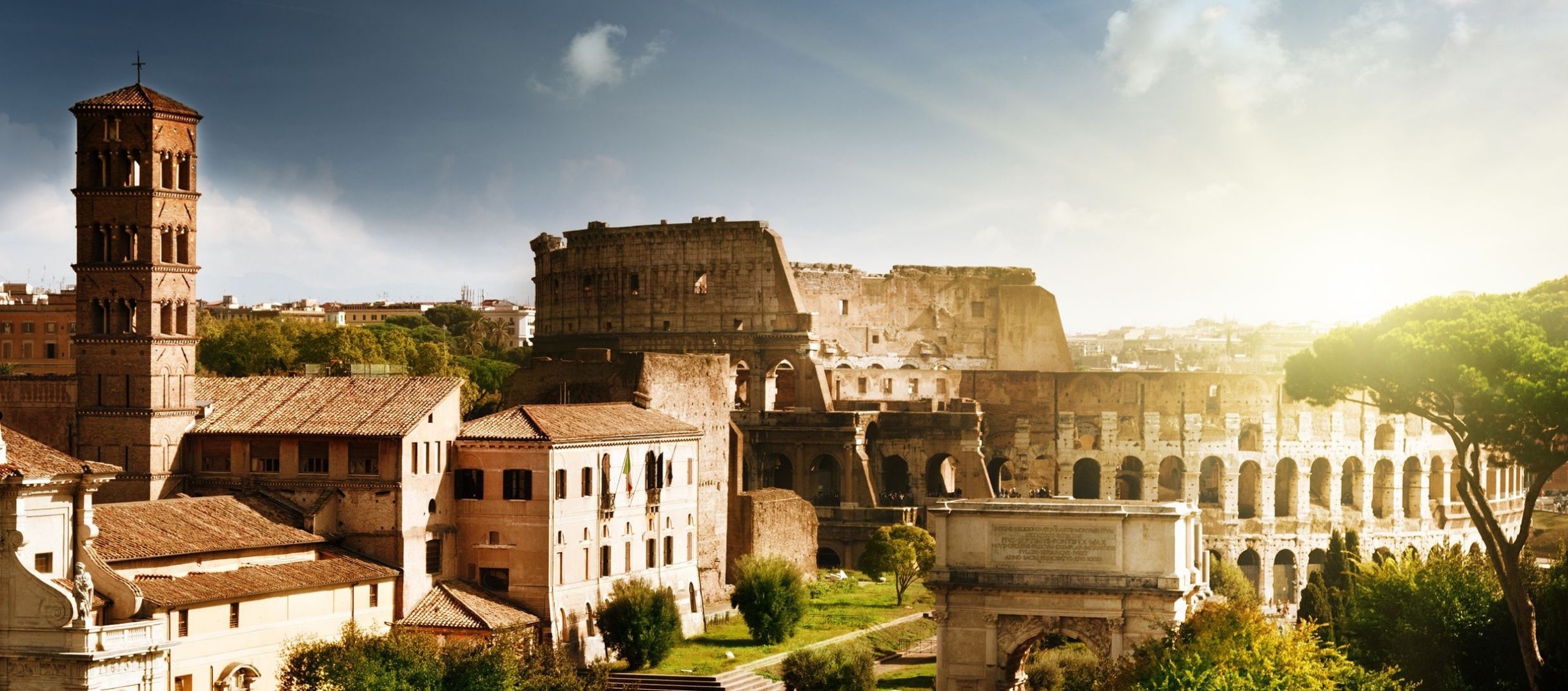
The Roman Forum was the political, commercial, and legal hub of the Roman Republic and Empire. It is a sprawling ruin of temples, basilicas, and arches.
Historical
1-2 hours
€16 (combined ticket with Colosseum and Palatine Hill)
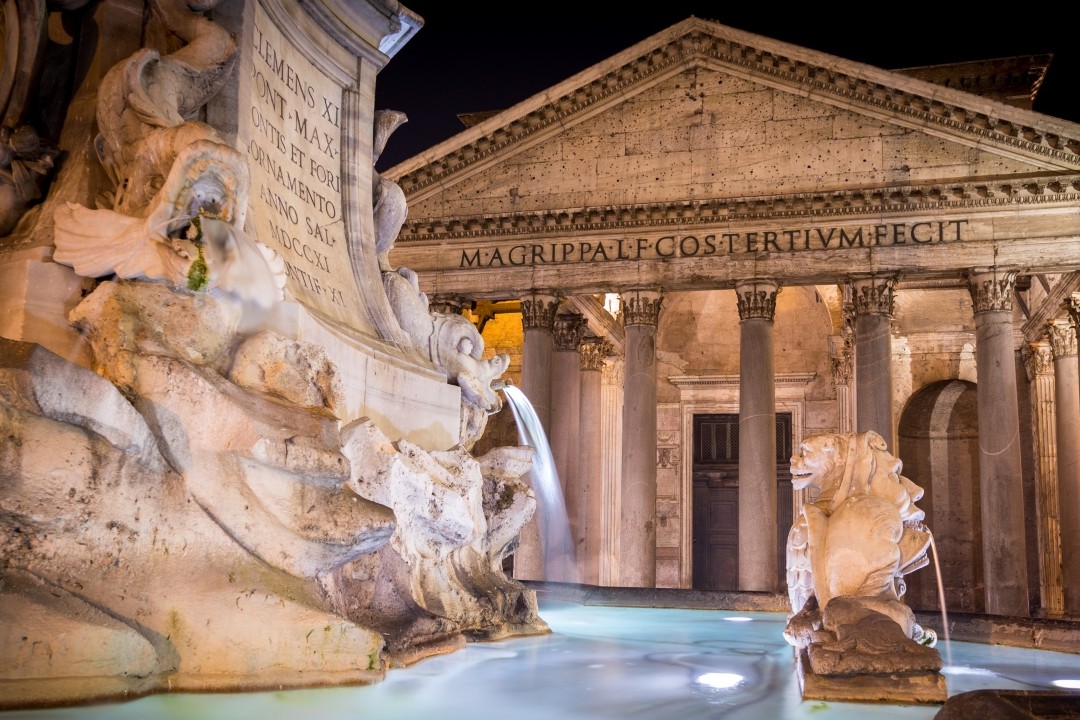
Pantheon
The Pantheon is a former Roman temple, now a church, known for its large dome and oculus. It is one of the best-preserved ancient buildings in Rome.
Historical
30 minutes to 1 hour
Free
Trevi Fountain
The Trevi Fountain is a Baroque masterpiece and the largest fountain in Rome. It is a popular spot for visitors to throw coins and make wishes.
Architecture
15-30 minutes
Free
Must-Try Local Dishes
Cacio e Pepe
A simple yet delicious pasta dish made with Pecorino Romano cheese and black pepper.
Pasta
Vegetarian
Carbonara
A rich pasta dish made with eggs, Pecorino Romano, guanciale (cured pork cheek), and black pepper.
Pasta
Contains pork and eggs
Supplì
Fried rice balls filled with mozzarella and tomato sauce.
Snack
Vegetarian (some variations may contain meat)
Carciofi alla Romana
Artichokes braised with garlic, mint, and olive oil.
Vegetable
Vegetarian
Popular Activities
Hiking in the Appian Way Regional Park
Biking along the Tiber River
Rock climbing in the nearby mountains
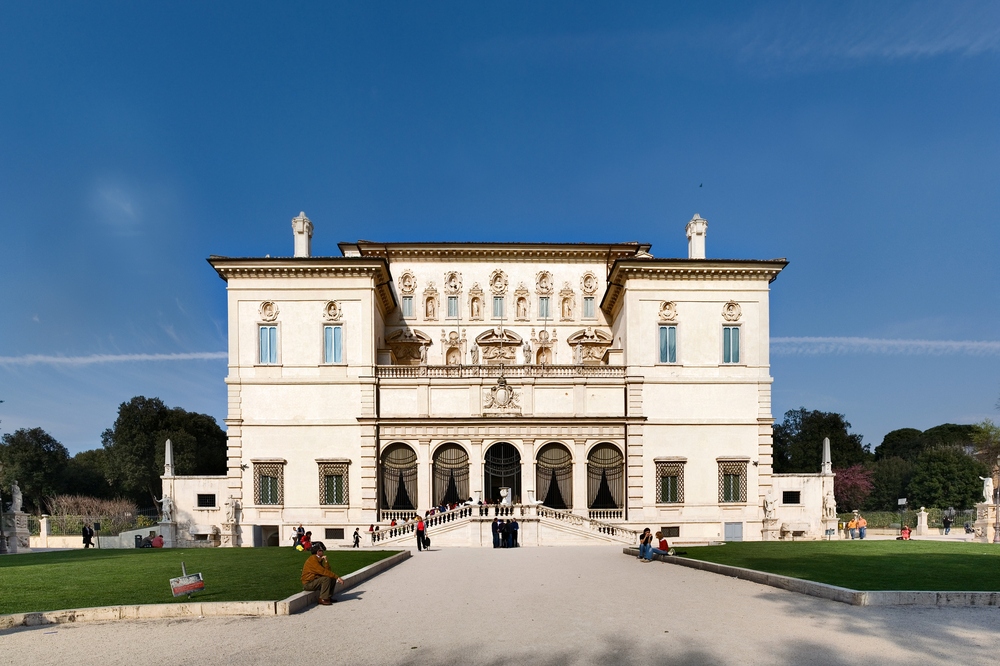
Picnicking in Villa Borghese Gardens
Boating on Lake Albano
Enjoying a spa day at a luxury hotel
Visiting the Vatican Museums
Attending an opera at the Teatro dell'Opera di Roma
Best Time to Visit
April to June, September to October
Spring and fall offer pleasant weather and fewer crowds compared to the summer peak. Ideal for sightseeing and outdoor activities.
15-30°C
59-86°F
Practical Information
Language
- Official: Italian
- Widely spoken: English, Spanish, French
- English: Moderately spoken
Currency
Euro (EUR)
Time Zone
GMT+1 (CET), GMT+2 (CEST during daylight saving time)
Electricity
230VV, 50HzHz
Safety Information
Overall Safety Rating: Generally safe
Rome is generally safe for tourists, but pickpocketing and scams can be a problem in crowded areas. Be aware of your surroundings and take precautions to protect your belongings.
Important Precautions:
- • Keep valuables secure and out of sight
- • Use official taxis or ride-sharing services
- • Be cautious of strangers approaching you with petitions or bracelets
Getting there
By air
- Leonardo da Vinci International Airport • 35 km from city center
- Ciampino Airport • 15 km from city center
By train
Roma Termini, Roma Tiburtina
By bus
Tiburtina Bus Station, Roma Termini
Getting around
Public transport
The metro system is efficient and covers major tourist areas. It operates from 5:30 AM to 11:30 PM.
Taxis
Available • Apps: Uber, FreeNow
Rentals
Car, Bike, Scooter
Neighborhoods
Trastevere
Monti
Prancipio
Testaccio
Day trips
Ostia Antica
30 km from Rome • Half day
An ancient Roman port city with well-preserved ruins, including a theater, baths, and mosaics. It offers a glimpse into daily life in ancient Rome.
Tivoli
30 km from Rome • Full day
A picturesque town known for its stunning villas and gardens, including the famous Villa d'Este with its elaborate fountains and gardens.
Orvieto
120 km from Rome • Full day
A charming hilltop town known for its stunning cathedral, underground caves, and local wine. It offers a mix of history, culture, and scenic views.
Festivals
Natale di Roma • April 21
Festa de' Noantri • July
Rome Film Festival • October
Pro tips
- Visit major attractions early in the morning or late in the afternoon to avoid crowds
- Use public transport or walk instead of taking taxis to save money and experience the city like a local
- Try local specialties and ask for recommendations from locals and restaurant staff
- Dress modestly when visiting religious sites and be respectful of local customs and traditions
- Be aware of pickpockets and scams, especially in crowded areas and tourist hotspots
From $25
per person
Price varies by option
Secure booking
Free cancellation available
Instant confirmation