"Prizren, Kosovo Highlights: Day Tour from Tirana"
Active
9h - 10h
For a full refund, cancel at least 24 hours before the scheduled departure time.
Instant confirmation
Mobile or paper ticket accepted
About this experience
This Prizren Day Tour from Tirana offers a unique blend of historical, cultural, and scenic experiences that make it stand out as a must-do excursion:
1. Rich History and Diverse Cultural Heritage- Prizren is a melting pot of Byzantine, Ottoman, and Serbian influences.
2. Visit to Historic Sites- -The tour explores Prizren Fortress, Our Lady of Ljeviš, a UNESCO World Heritage site, the Albanian League of Prizren Museum.
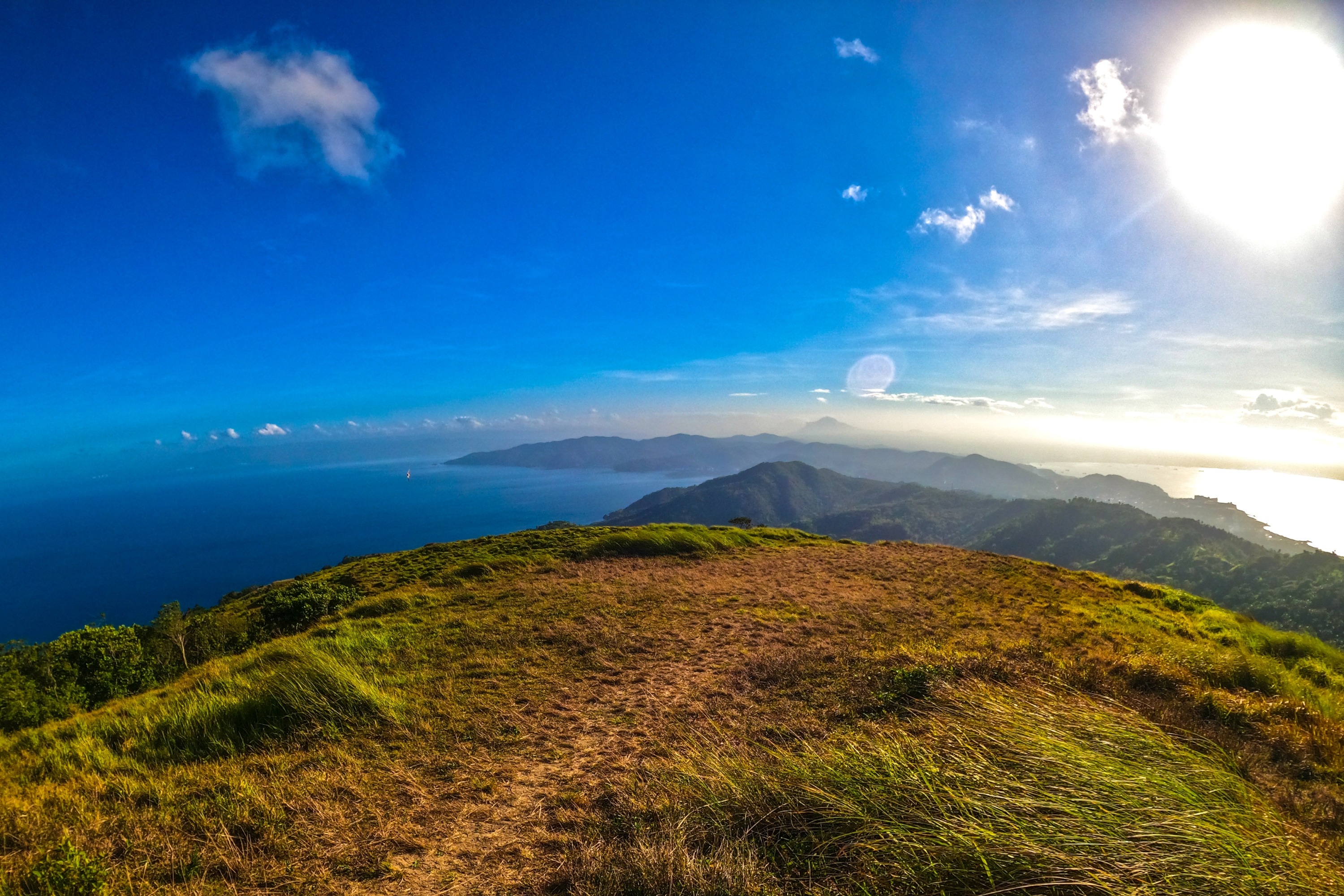
3. Scenic and Serene Landscapes- Kosovo’s countryside offers breathtaking views of Sharr Mountains
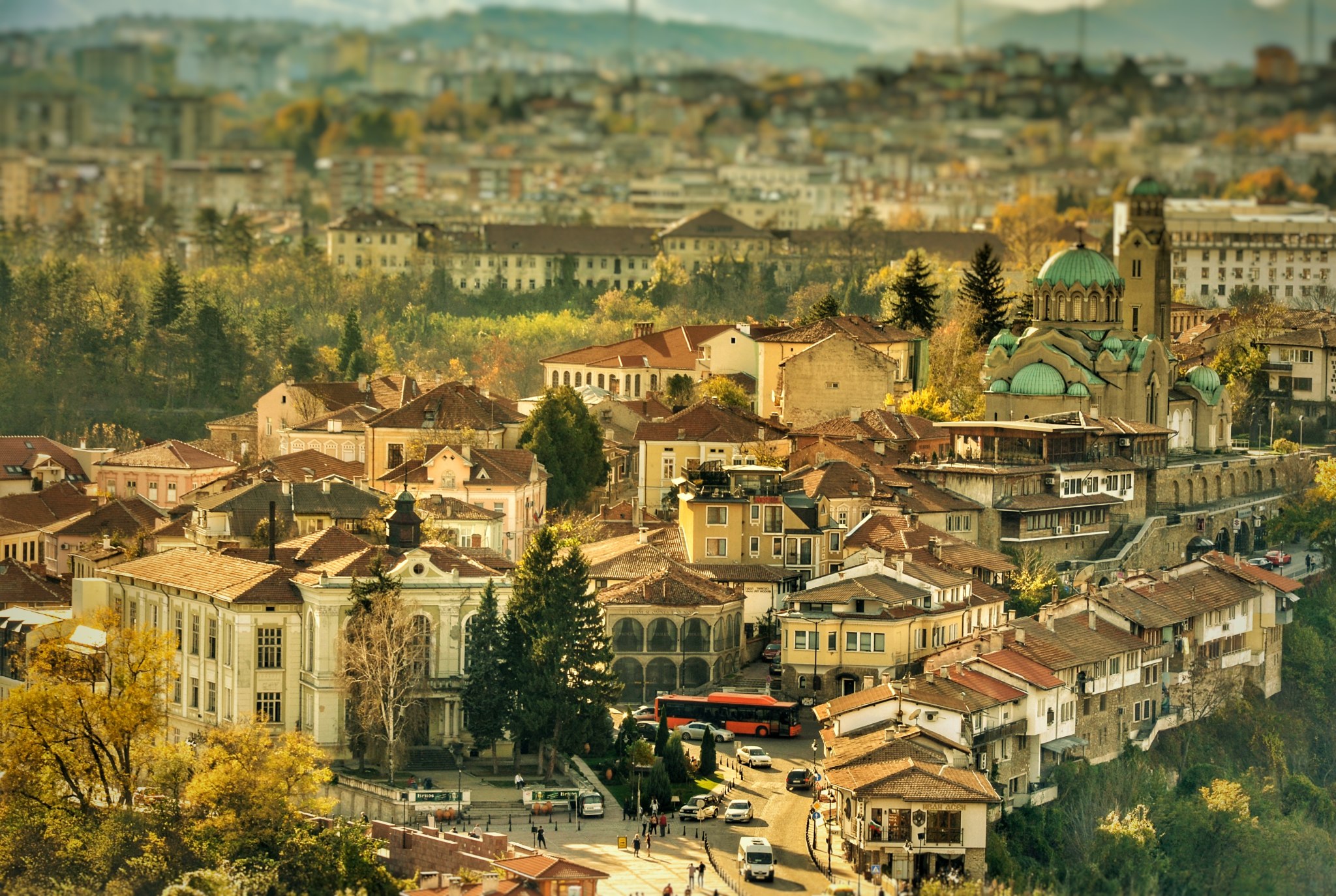
4. Cultural Immersion- its charming old town with traditional Ottoman architecture, cobblestone streets, and the vibrant Shadervan Square.
5. Personal and Guided Experience
6. A Journey Through Time-it’s a time-traveling journey through centuries of history.
This unique combination of history, art, scenic views, and local culture sets this tour apart, making it a truly enriching experience for travelers looking to explore the heart of Kosovo and Albania's shared past.
Available options
Prizren and Kosovo.Day tour from Tirana
Pickup included
Two days Prizren and Valbona
Hotel in Tropoja: After Prizren you will continue to the town of Tropoja. Accommodation at a Hotel in Tropoja.
<br/>Visit Valbona River : - We continue the journey along the Valbona River. The(Miracle of nature, with crystal water). 3h
Lunch nearby the river. 1h <br/>Duration: 2 days: The tour lasts 2 days and 1 night.
Day 1 : Tirane-Prizren-Tropoje
Day 2: Tropoje-Valbona -Fierze-Koman-Tirane
<br/>Breakfast <br/>Tirane~Prizren~Koman Lake.: Tirana-Prizren, Kosove-Tropoje-Valbone-Fierze-Koman Lake-Vau i Dejes (North Albania)-Tirane<br/>Car, minivan, boat<br/>Boat Trip: The return to Tirana will be made from Lake Koman
-Valbone-Fierz 1h
- Fierz - Koman 40’
Journey will continue by boat<br/>Pickup included
What's included
1.Professional English ,Spanish,Italian speaking guide
3.Hotel pickup and drop-off.
2.Transport with car, minivan
5.Fees and Road Taxes
4.Entry ticket for all the places (will be visited)
Detailed itinerary
1
1. Departure from Tirana
Meeting point: Hotel in Tirana
Begin the journey to Kosovo, passing through scenic landscapes.
Stop at the border for passport control.
Travel time: ~3 hours
Explore Prizren with a Local Guide
2. Discover Prizren, an ancient city nestled along the Lumëbardh River and beneath the stunning slopes of the Sharr Mountains.
With a rich history dating back to Roman times (Theranda) and the Byzantine period (Prizdrijana), it was a key trade hub in the 19th century.
2
Prizren Fortress, also known as Kalaja e Prizrenit, is a medieval stronghold that sits atop a hill overlooking the city. It offers breathtaking panoramic views of Prizren, the Lumëbardh River, and the surrounding Sharr Mountains.
History:
The fortress dates back to the 6th century, built during the Byzantine era under Emperor Justinian I as part of the empire's defensive system.
It played a crucial role in the medieval Serbian Kingdom, especially during the 14th century when it became a strategic stronghold.
The Ottomans later expanded and reinforced the fortress in the 15th and 16th centuries, adding new walls, towers, and military barracks.
By the 19th century, the fortress lost its military importance and was gradually abandoned.
️ Architecture & Features:
The fortress complex consists of high stone walls, watchtowers, and underground tunnels used for defense.
Gates and Bastions –
Ruins of Ottoman Military Barracks –
Viewing Platforms – Perfect spots for photography .
3
️ Overview:
The Albanian League of Prizren Museum is one of the most significant historical and cultural sites in Kosovo. It commemorates the Albanian League of Prizren, a political and military organization founded on June 10, 1878, that aimed to protect Albanian lands from being divided among neighboring countries during the Ottoman Empire's decline.
Historical Significance:
The Albanian League of Prizren was a major movement advocating for the territorial unity and autonomy of Albanian-inhabited regions within the Ottoman Empire.
The League gathered prominent Albanian intellectuals, leaders, and nationalists who laid the foundation for Albania’s independence movement, which was achieved in 1912.
The original building was destroyed in 1999 during the Kosovo War but was later rebuilt and restored as a museum.
️ What to See Inside:
Historical Documents & Maps
Traditional Albanian Costumes & Artifacts
Portraits of Key Figures – Including Abdyl Frashëri
Reconstructed Meeting Hall
4
Overview:
The Sinan Pasha Mosque is one of the most beautiful and historically significant mosques in Prizren. Built in 1615 during the Ottoman period, it remains an important symbol of the city’s Islamic heritage and architectural brilliance.
History & Significance:
Constructed by Sofi Sinan Pasha, a high-ranking Ottoman administrator.
Built using stones from the ruins of nearby Serbian Orthodox monasteries, giving it a unique historical character.
The mosque played a key role in Prizren’s religious and cultural life and remains an active place of worship today.
️ Architectural Features:
Large Dome & Elegant Minaret – Classic Ottoman architectural style.
Interior Frescoes & Calligraphy – Beautifully preserved Islamic art and Arabic inscriptions.
Spacious Prayer Hall – A stunning example of Ottoman-era mosque design.
Panoramic Views – Located in Shadervan Square, the heart of Prizren, making it a spot for sightseeing.
Open to visitors, but modest dress is required for entry.
5
1.OUR LADY OF LJEVIŠ IS a medieval Serbian Orthodox church located in Prizren. The building is not only a place of worship but a symbol of national and cultural identity for the Serbian Orthodox community. Its inclusion as a UNESCO World Heritage site recognizes its importance as a testament to the region’s medieval heritage and artistic legacy.
The church was constructed at the beginning of the 14th century, during the Serbian medieval period, and is renowned for its Byzantine-influenced architecture.1h
2.Then we leave the city of Prizren and return to Tirana.4h
Available languages
Guide guide
EN
Important information
Not recommended for pregnant travelers
Not recommended for travelers with poor cardiovascular health
Travelers should have at least a moderate level of physical fitness
About Tirana
Tirana, Albania's vibrant capital, is a city where Ottoman, Italian, and communist influences blend to create a unique urban tapestry. Known for its colorful buildings, lively cafes, and rich history, Tirana offers a dynamic mix of old and new that captivates visitors.
Top Attractions
Bunk'Art 2
A Cold War-era bunker turned museum, Bunk'Art 2 offers a fascinating look into Albania's communist past. The museum features exhibits on the history of communism, the secret police, and the Cold War.
Historical
1-2 hours
€5
Blloku
Blloku is Tirana's most vibrant district, known for its lively nightlife, restaurants, and cafes. Once the exclusive residential area of communist leaders, it has transformed into the city's entertainment hub.
Entertainment
Evening or full day
Free to explore, varies by venue
Dajti National Park
Dajti National Park offers stunning views of Tirana and the surrounding mountains. Visitors can hike, enjoy nature, or take the cable car for panoramic views.
Nature
Half day or full day
€5 for cable car, free for hiking
Must-Try Local Dishes
Tavë Kosi
A traditional Albanian dish made with baked lamb and rice, topped with a yogurt and egg sauce.
Main Dish
Contains dairy and meat
Byrek
A savory pastry filled with cheese, spinach, or meat, baked until golden and flaky.
Snack
Vegetarian options available
Fërgesë
A hearty dish made with peppers, tomatoes, onions, and cheese, often served with bread.
Main Dish
Vegetarian
Popular Activities
Hiking in Dajti National Park
Mountain biking in the surrounding hills
Paragliding near Tirana
Visiting Blloku for cafes and people-watching
Enjoying a spa day at a local wellness center
Relaxing at a traditional hammam (Turkish bath)
Exploring Bunk'Art 2 and other museums
Attending a performance at the National Opera and Ballet Theatre
Best Time to Visit
April to June, September to October
Spring and fall offer the best weather for exploring Tirana, with comfortable temperatures and fewer tourists. The city is in full bloom during spring, while autumn provides a warm, pleasant climate.
15°C to 30°C
59°F to 86°F
Practical Information
Language
- Official: Albanian
- Widely spoken: English, Italian
- English: Moderately spoken in tourist areas, limited elsewhere
Currency
Albanian Lek (ALL)
Time Zone
CET (GMT+1), CST (GMT+2) during daylight saving time
Electricity
220VV, 50HzHz
Safety Information
Overall Safety Rating: Generally safe
Tirana is generally safe for travelers, with low crime rates and a welcoming atmosphere. However, petty crime and pickpocketing can occur in crowded areas and tourist spots.
Important Precautions:
- • Be cautious with valuables, especially in crowded areas and on public transport.
- • Use reputable taxi services or ride-sharing apps to avoid overcharging.
- • Be aware of your surroundings, especially at night, and stick to well-lit and populated areas.
Getting there
By air
- Tirana International Airport Nënë Tereza • 20 km from city center
By bus
Tirana Bus Station
Getting around
Public transport
Buses are the primary mode of public transport in Tirana. The system is affordable and covers most major areas, though it can be crowded during peak hours.
Taxis
Available • Apps: TaksiTirana, Uber
Rentals
Car, Bike, Scooter
Neighborhoods
Blloku
Pazari i Ri
Kamza
Day trips
Berat
120 km from Tirana • Full day
Berat, known as the 'Town of a Thousand Windows,' is a UNESCO World Heritage site with a rich history and stunning architecture. Visitors can explore Ottoman-era houses, churches, and the Berat Castle.
Durrës
35 km from Tirana • Half day or full day
Durrës is Albania's largest beach resort, offering a mix of relaxation and history. Visitors can enjoy the beach, explore the Roman amphitheater, and visit the Archaeological Museum.
Krujë
30 km from Tirana • Half day or full day
Krujë is a historic town known for its medieval castle, bazaar, and the Ethnographic Museum. It's a popular day trip from Tirana, offering a glimpse into Albania's medieval past.
Festivals
Tirana International Film Festival • November
Tirana Jazz Festival • November
Tirana Summer Festival • July to August
Pro tips
- Visit Bunk'Art 2 for a fascinating look into Albania's communist past.
- Explore the vibrant Blloku district for nightlife, dining, and shopping.
- Take a day trip to Berat or Durrës for a mix of history, culture, and beach relaxation.
- Try local dishes like Tavë Kosi and Byrek at traditional restaurants and cafes.
- Use public transport or rent a bike to get around the city and reduce your carbon footprint.
From $25
per person
Price varies by option
Secure booking
Free cancellation available
Instant confirmation