Cuenca electric scooter tour
Active
1h - 2h
For a full refund, cancel at least 24 hours before the scheduled departure time.
Instant confirmation
Mobile or paper ticket accepted
About this experience
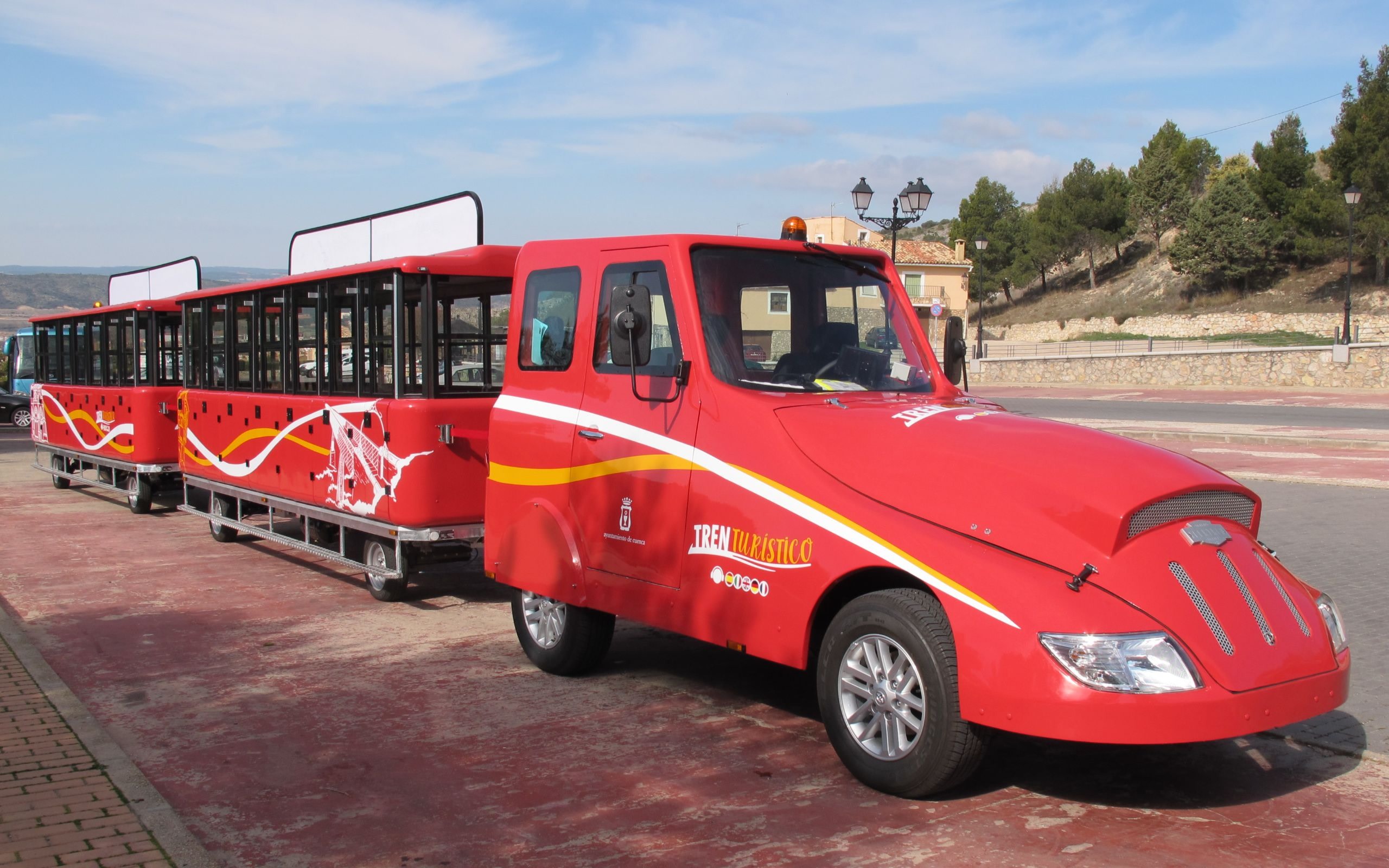
The tour is a new way of getting to know a city, during the tour the history of Cuenca and its culture are known. We ride an electric scooter through the bicycle lanes of the city, discovering its architecture, its most emblematic squares and buildings and enjoying a tour in a silent and environmentally friendly vehicle. The tour starts and ends in the central square, Parque Calderón.
Available options
Cuenca electric scooter tour
What's included
Electric scooter and helmet
Detailed itinerary
1
This square is the oldest urban landmark in the city, because around it “Santa Ana de los Ríos de Cuenca” was founded in 1557 by Gil Ramírez Davalos.
2
This is one of the most picturesque public spaces in the city and constitutes the atrium of the church of El Carmen- Santuario Mariano. It is used for the sale of plants and flowers; hence its name derives. Objects related to the Catholic religious cult are also offered in this place.
3
This recently opened space is as narrow as it is beautiful and divides the cathedral from the San Luis seminary, this is a sample of the passage of the Cañari culture in our city.
4
This construction brings together three styles, leading the influence of the Neo-Gothic style, the domes; Renaissance and Roman-style arches, through these the cathedral is supported as it has only been built with bricks and using the mortar technique that is lime and sand to glue the bricks. This great work is 106 meters long and almost 50 wide and the central dome is more than 50 meters high.
5
This building for many years was considered the Main Church, thus being the oldest in the city.
6
In 1960, the congregation of Oblates decided to renovate the convent; however, the image of the church has remained quite faithful over time and has not undergone many transformations.
7
Todos Santos neighborhood: this neighborhood is popularly known as the bakery neighborhood because the traditional way of making bread in wood-fired ovens is still preserved, these bakeries were originally located in the Vado neighborhood.
8
This was the first bridge in this neighborhood, which was destroyed by the Tomebamba river when it overflowed one morning on April 3, 1950, that day this river destroyed 12 of the 14 bridges, in addition to the slaughterhouse.
9
The Tomebamba river divides the city in two on one side in the historical one to the other in the modern one, it also bears the name that the city had in the time of the Incas, it is said that people tired of the damage that this river caused asked That he was baptized, that is how the Spaniards came down here and baptized him with the name of Julián Matadero, this as a plea to the river to calm its fury.
10
This property is located in the old southern limit of the city, in the area known as the Tomebamba ravine, this was the home of Remigio Crespo Toral, politician, man of letters, teacher and university rector who is said to have city owes him a lot.
11
At the time this building was built, the city did not have sewerage services, potable water and its streets were not paved; However, this college was built with sophisticated facilities and refined style.
12
The green area was recovered, maintaining the existing trees and implementing low ornamental vegetation. The athletic track was rebuilt with a suitable platform. New buildings were built for the Municipal Planetarium and the Marching school.
13
Like the church, the San Francisco square was incorporated into the urban layout in 1558, just one year after the Spanish founding of the city. This is due to the fact that the owner of this land dies a few months after buying it, which is why this lot becomes municipal property.
14
In this establishment, in addition to theological doctrine, classes in law and medicine were taught. It was the only secondary and higher education establishment for all the youth of the Austro, prior to the institution of the universities.
What's not included
Snacks
Available languages
Guide guide
EN
ES
Reviews breakdown
Viator
1.0
1 reviews
5★
0
4★
0
3★
0
2★
0
1★
1
Tripadvisor
3.7
3 reviews
5★
2
4★
0
3★
0
2★
0
1★
1
Important information
Public transportation options are available nearby
Not recommended for travelers with spinal injuries
Not recommended for pregnant travelers
Travelers should have at least a moderate level of physical fitness
Meeting point
We share the stop with the double-decker buses, next to the Old Cathedral in Calderón Park, the central square of the city.
Important notes
Come to the Travelísima office located at the indicated address and exchange the physical ticket.
About Cuenca
Cuenca, a UNESCO World Heritage Site, is a charming colonial city nestled in the Andes mountains. Known for its well-preserved historic center, vibrant cultural scene, and proximity to natural wonders, Cuenca offers a unique blend of history, culture, and outdoor adventure. The city's Spanish colonial architecture, cobblestone streets, and friendly atmosphere make it a must-visit destination in Ecuador.
Top Attractions
Historic Center of Cuenca
The Historic Center of Cuenca is a UNESCO World Heritage Site featuring well-preserved colonial architecture, cobblestone streets, and numerous churches and plazas. It's the heart of the city and a must-visit for its cultural and historical significance.
Historical/Architecture
Half day to full day
Free to explore, individual attractions may have entry fees
Pumapungo Museum and Archaeological Park
This museum and archaeological park showcase the history of Cuenca and the Cañari culture. It features pre-Incan ruins, a reconstructed house, and a variety of artifacts.
Historical/Museum
1-2 hours
Moderate
El Cajas National Park
El Cajas National Park is a stunning natural reserve featuring high-altitude lakes, lagoons, and diverse wildlife. It's a paradise for hikers and nature lovers.
Nature/Adventure
Full day
Free entry, guided tours may have fees
Must-Try Local Dishes
Cuy Asado
Roasted guinea pig, a traditional Andean dish, typically served with potatoes and peas.
Main Course
Not vegetarian or vegan, contains meat
Locro de Papa
A hearty potato soup made with cheese, avocado, and sometimes meat, often served for breakfast.
Soup
Can be vegetarian, but often contains cheese and sometimes meat
Encebollado
A flavorful fish soup with yuca, pickled onions, and cilantro, often enjoyed as a hangover cure.
Soup
Contains fish, not vegetarian or vegan
Popular Activities
Hiking in El Cajas National Park
Mountain biking in the surrounding countryside
Visiting local spas and hot springs
Enjoying a coffee at a local café
Exploring the historic center and its museums
Attending local festivals and events
Fishing in the nearby lakes and rivers
Experiencing a traditional Andean ceremony or ritual
Best Time to Visit
June to September
The dry season offers pleasant weather with sunny days and cool nights. It's the best time for outdoor activities and exploring the city's attractions.
12°C to 22°C
54°F to 72°F
Practical Information
Language
- Official: Spanish
- Widely spoken: English (limited)
- English: Limited
Currency
United States Dollar (USD)
Time Zone
GMT-5
Electricity
120VV, 60HzHz
Safety Information
Overall Safety Rating: Generally safe
Cuenca is generally a safe city, but like any destination, it's important to take precautions to protect yourself and your belongings. Petty crime, such as pickpocketing and bag snatching, can occur in crowded areas and on public transportation. Be aware of your surroundings and keep your valuables secure.
Important Precautions:
- • Keep your valuables secure and be aware of your surroundings, especially in crowded areas and on public transportation.
- • Use reputable tour operators and taxis, and agree on the fare before starting your journey.
- • Avoid walking alone at night, especially in poorly lit or isolated areas.
Getting there
By air
- Mariscal Lamar International Airport • 6 km from city center
By bus
Terminal Terrestre de Cuenca
Getting around
Public transport
Cuenca has an efficient and affordable bus system that covers the entire city. Buses are the primary mode of public transportation.
Taxis
Available • Apps: InDriver, Taxi App
Rentals
Car, Bike, Scooter
Neighborhoods
Historic Center
San Sebastián
El Vado
Day trips
Ingapirca
50 km from Cuenca • Full day
Ingapirca is a significant Inca archaeological site featuring well-preserved ruins and a museum showcasing the history of the Inca civilization.
Cajas National Park
33 km from Cuenca • Full day
Cajas National Park offers stunning landscapes, hiking trails, and diverse wildlife. It's a paradise for nature lovers and outdoor enthusiasts.
Girón
25 km from Cuenca • Half day
Girón is a charming colonial town known for its well-preserved architecture, museums, and local crafts. It's a great place to experience the local culture and history.
Festivals
Fiesta de Cuenca • November 3-13
Carnaval de Cuenca • February/March (dates vary)
Pro tips
- Learn a few basic Spanish phrases to enhance your interactions with locals and gain a deeper understanding of the culture.
- Visit the historic center early in the morning or late in the afternoon to avoid crowds and enjoy the beauty of the city at a leisurely pace.
- Take advantage of the city's vibrant arts and dining scene by exploring local galleries, museums, and restaurants.
- Pack layers and comfortable shoes, as temperatures can vary significantly and the city's cobblestone streets can be challenging to navigate.
- Stay informed about local customs and laws, and respect them to avoid offending locals or drawing unwanted attention.
From $25
per person
Price varies by option
Secure booking
Free cancellation available
Instant confirmation