VIP Alexandria Day Trip from Cairo with Expert Egyptologist Guide
Active
10h
For a full refund, cancel at least 24 hours before the scheduled departure time.
Instant confirmation
Mobile or paper ticket accepted
About this experience
Discover Alexandria’s rich history, stunning landmarks, and hidden gems on an unforgettable guided tour!
Perfect for couples, families, and solo travelers alike. With flexible pacing and engaging storytelling, this tour suits both curious adults and families with children.
Available options
French, Spanish, Italian…etc
Languages Besides English<br/>Pickup included
VIP Alexandria Day Trip from Cairo with Expert Egyptologist Guide
English language only<br/>Pickup included
What's included
Hotel Pickup & Drop-off
Entrance fees
Lunch
Snacks
Bottled water
Pre-booked tickets
An expert Egyptologist Guide
Detailed itinerary
1
Stop 1
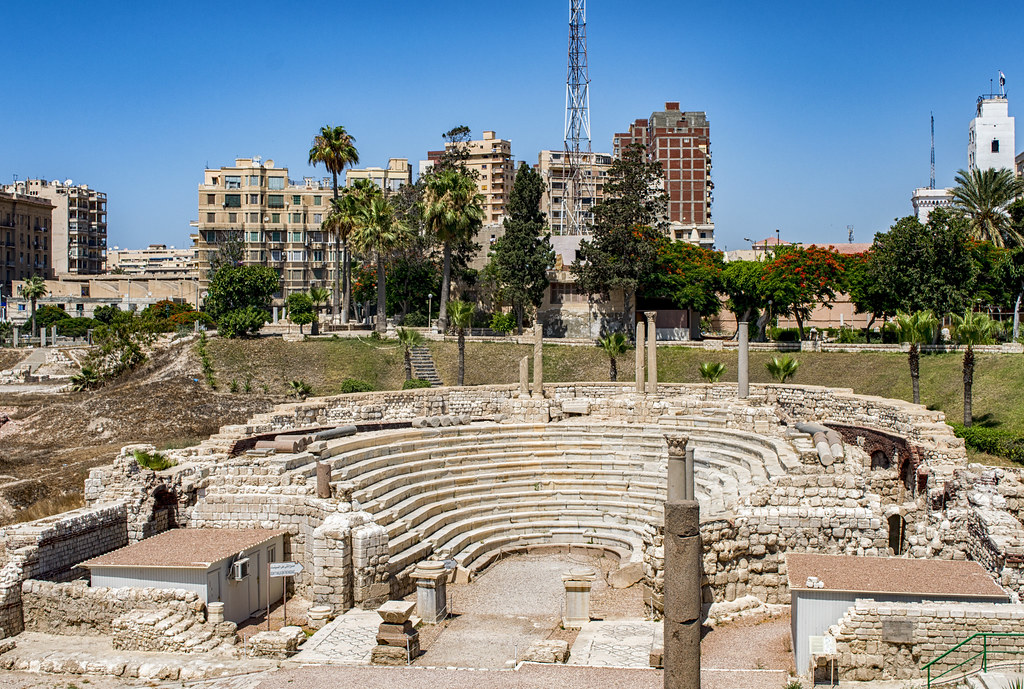
The Catacombs of Kom el-Shoqafa, located in Alexandria, Egypt, are a remarkable blend of Egyptian, Greek, and Roman cultures from the 2nd century AD. Discovered in 1900, they served as a communal burial site and consist of three levels carved into rock, though the lowest is often submerged. A spiral staircase leads to chambers featuring sarcophagi, loculi (burial niches), and intricate carvings that merge Egyptian motifs with Greco-Roman styles. Key areas include the Rotunda and Triclinium, where feasts were held in honor of the dead. Known as “Mound of Shards” for the broken pottery left by mourners, the catacombs reflect Alexandria’s multicultural history and offer unique insights into ancient funerary practices.
2
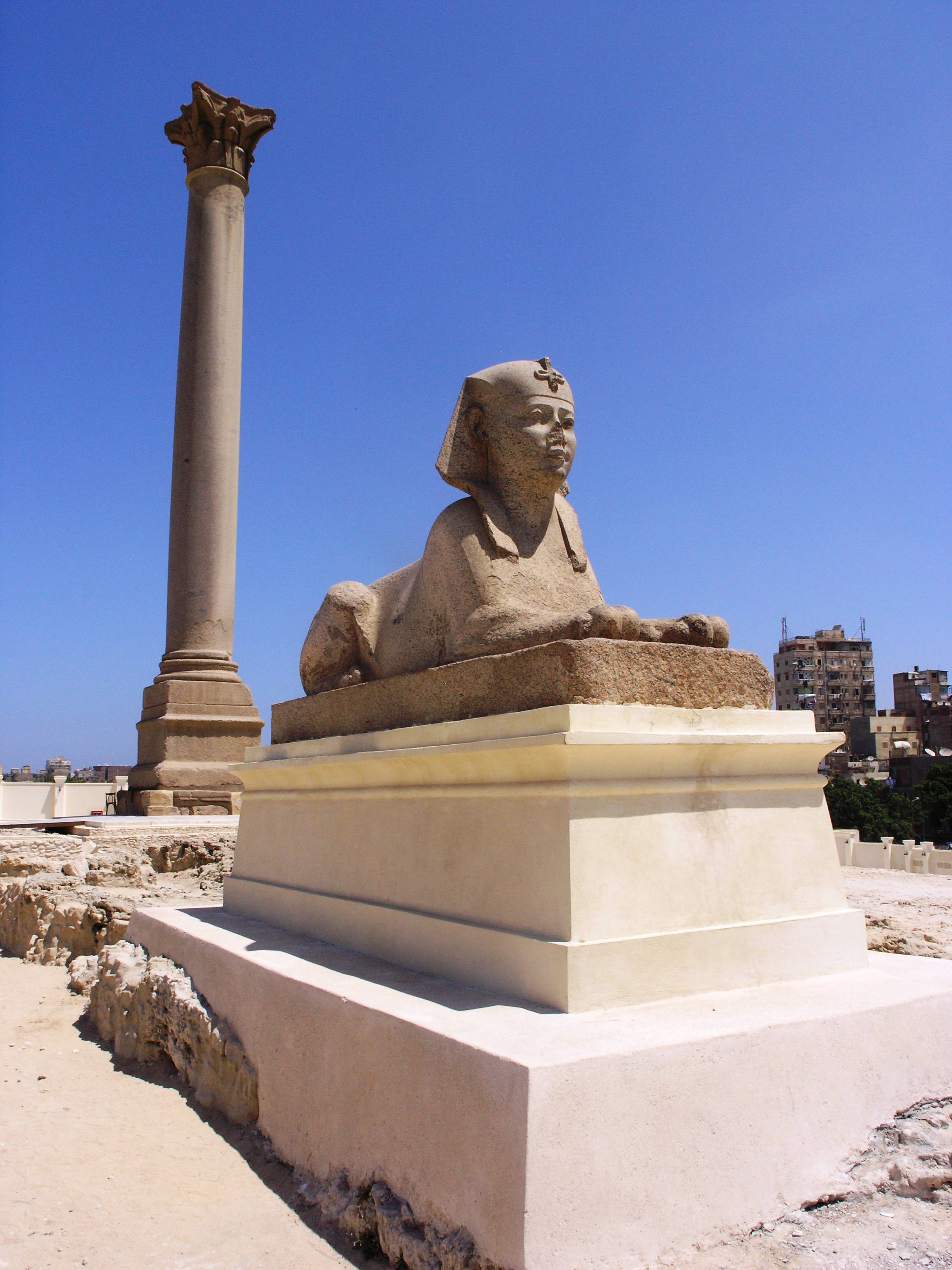
Pompey’s Pillar is a massive Roman triumphal column in Alexandria, Egypt, and one of the city’s most iconic landmarks. Standing 26.85 meters (88 feet) tall and made of red granite, it was erected in 297 AD to honor Emperor Diocletian for saving the city during a famine. Despite its name, it has no connection to Pompey the Great; the name likely arose from medieval misinterpretations. The column is the largest of its kind outside Rome and sits atop the ruins of the Serapeum, a grand temple dedicated to the Greco-Egyptian god Serapis. Surrounded by sphinxes and other artifacts, it is a testament to Alexandria’s Roman heritage and remains a significant historical and architectural site.
3
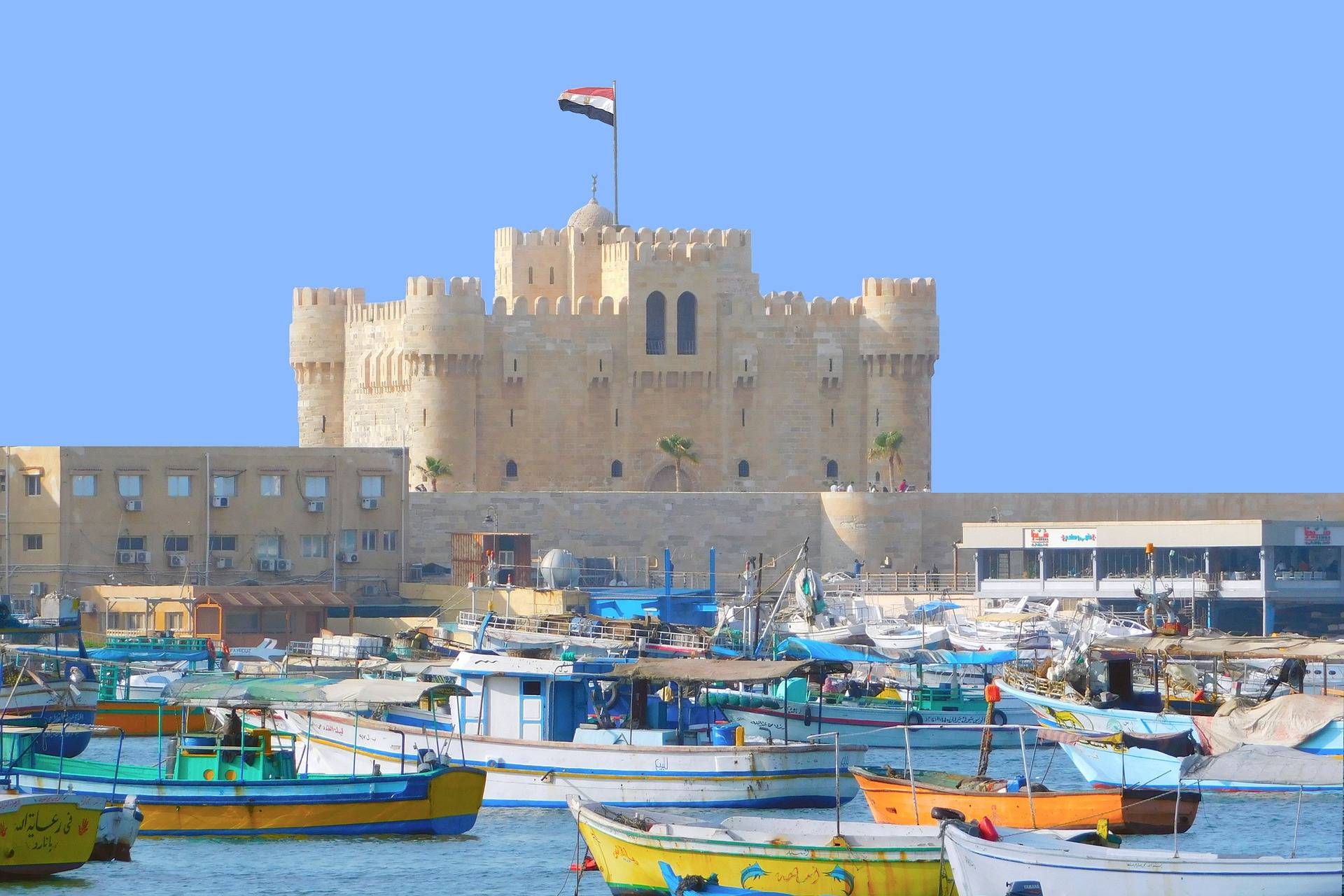
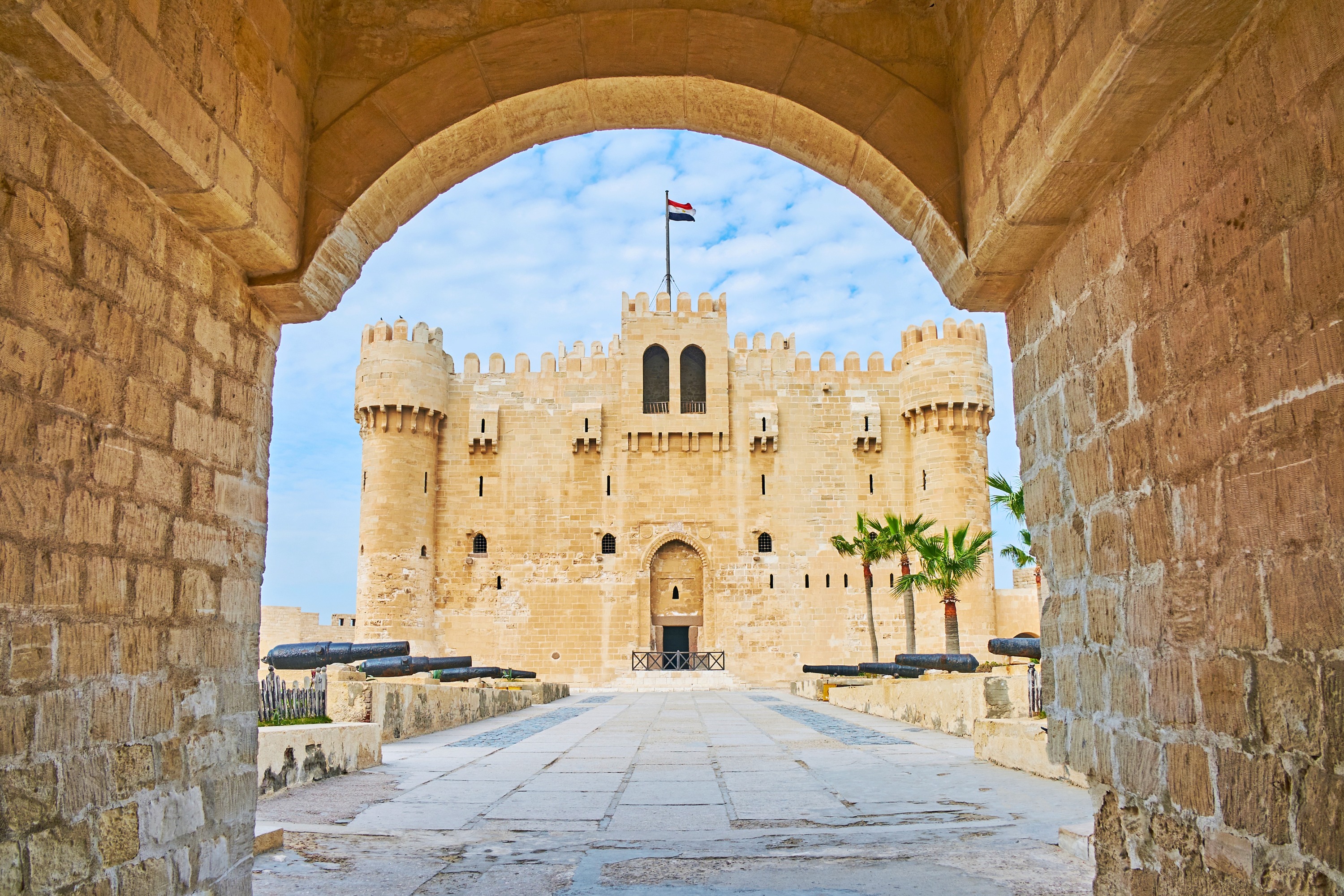
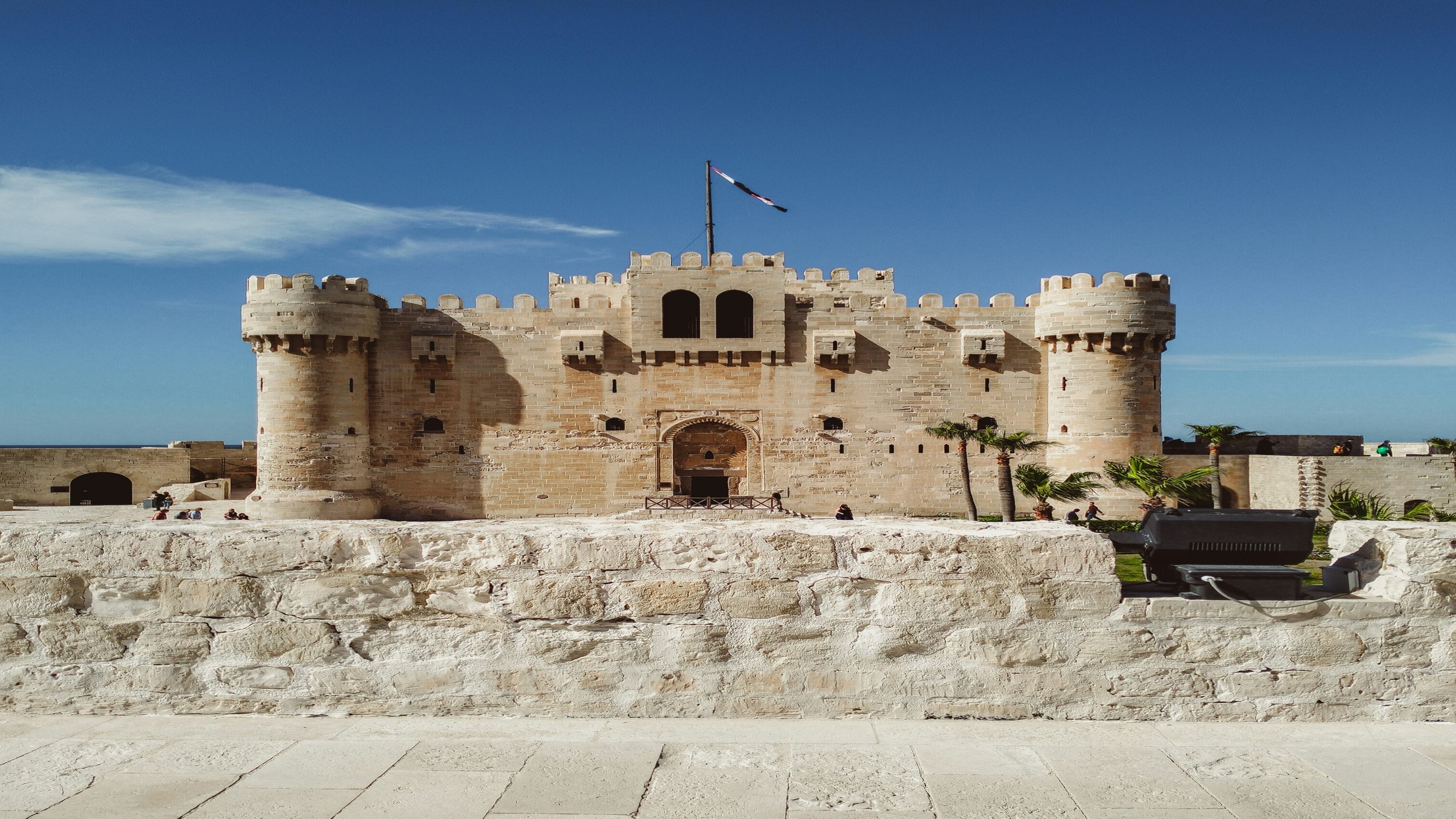
The Citadel of Qaitbay, located on the Mediterranean coast of Alexandria, Egypt, is a stunning 15th-century fortress built by Sultan Al-Ashraf Qaitbay in 1477 AD. It was constructed on the site of the legendary Lighthouse of Alexandria, one of the Seven Wonders of the Ancient World, which had been destroyed by earthquakes. The citadel served as a defensive stronghold to protect the city from naval attacks. Its Mamluk architecture features thick walls, towering battlements, and a central square keep. Overlooking the harbor, it offers panoramic views of the sea and the city. Today, it stands as a symbol of Alexandria’s rich history and a popular tourist destination.
4
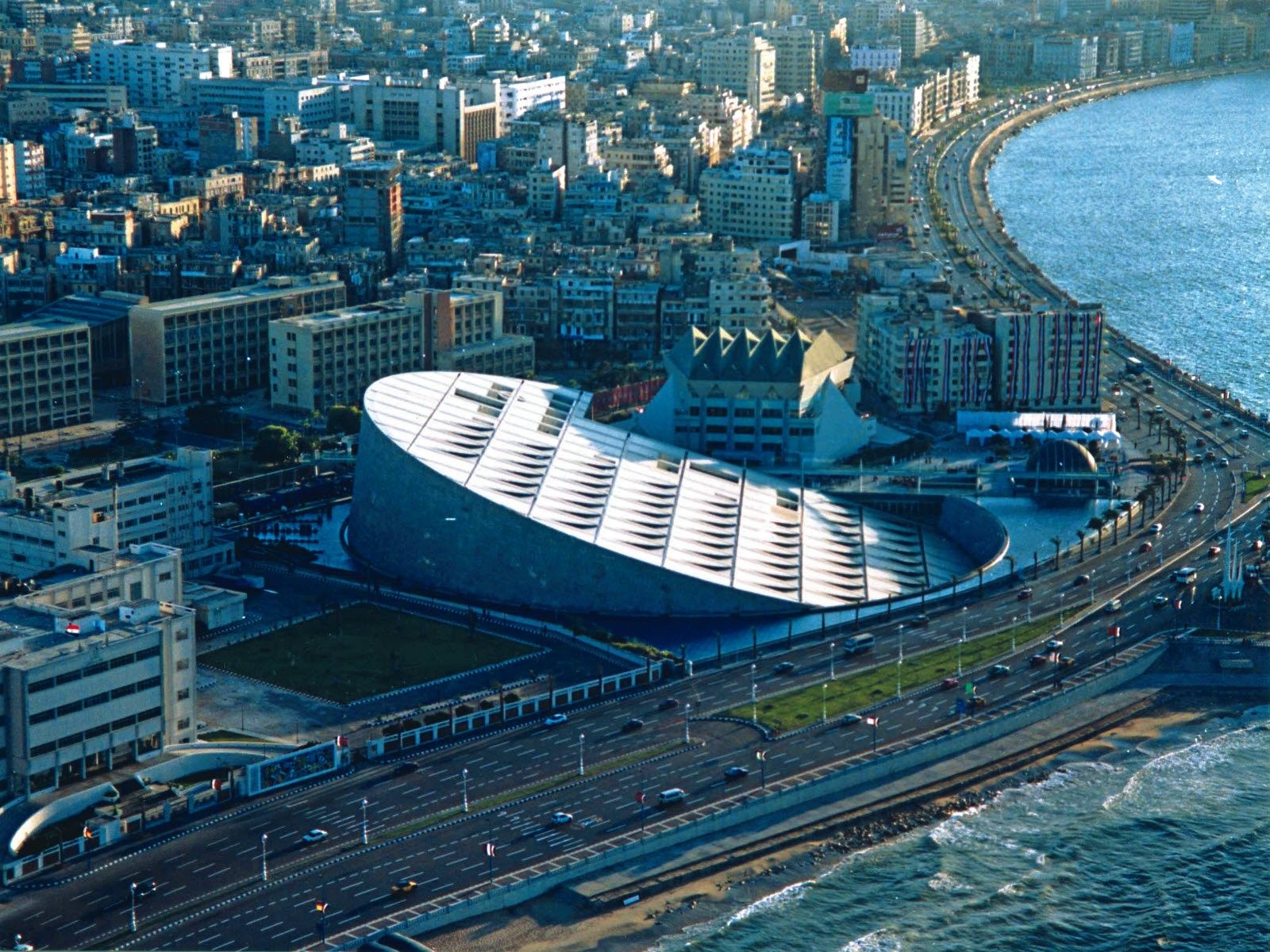
The Library of Alexandria, founded in the 3rd century BCE during the reign of Egypt’s Ptolemaic dynasty, was one of the greatest centers of learning in the ancient world. Located in Alexandria, it aimed to collect all human knowledge and housed hundreds of thousands of scrolls covering literature, science, philosophy, and more. Scholars from various cultures gathered there, contributing to advancements in multiple fields. The library’s destruction, attributed to various events over centuries, remains a topic of debate. Its legacy lives on in the Bibliotheca Alexandrina, a modern cultural center and library built in 2002 to honor its historical predecessor.
What's not included
Tipping
Available languages
Guide guide
DE
EN
IT
FR
ES
Reviews breakdown
Tripadvisor
5.0
3 reviews
5★
3
4★
0
3★
0
2★
0
1★
0
Important information
Infants and small children can ride in a pram or stroller
Infants are required to sit on an adult’s lap
Specialized infant seats are available
Suitable for all physical fitness levels
About Giza
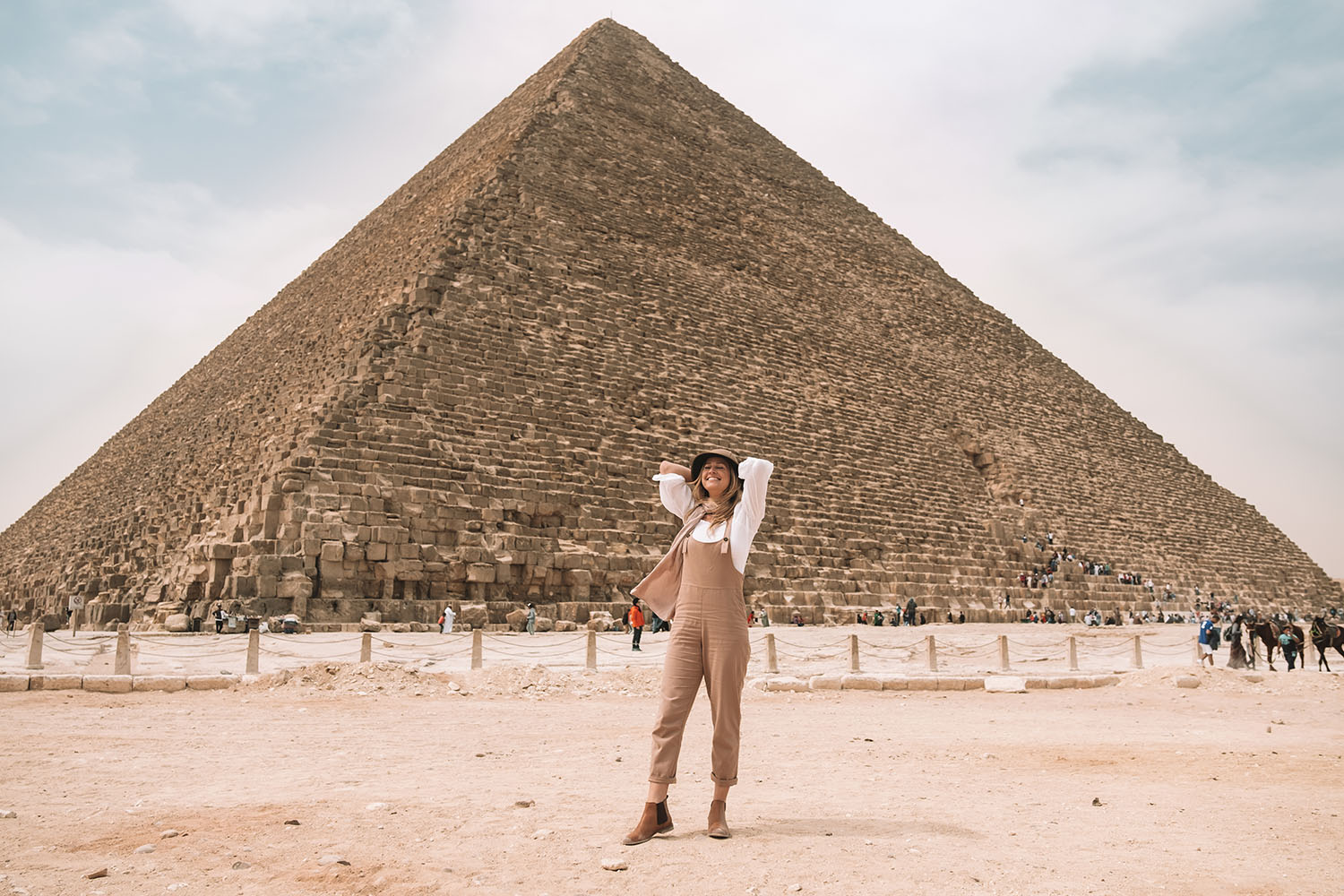
Giza, home to the iconic Great Pyramids and the enigmatic Sphinx, is a city steeped in ancient history and modern intrigue. Just a short distance from Cairo, Giza offers a blend of ancient wonders and bustling urban life, making it a must-visit destination for history buffs and adventure seekers alike.
Top Attractions
Great Pyramids of Giza
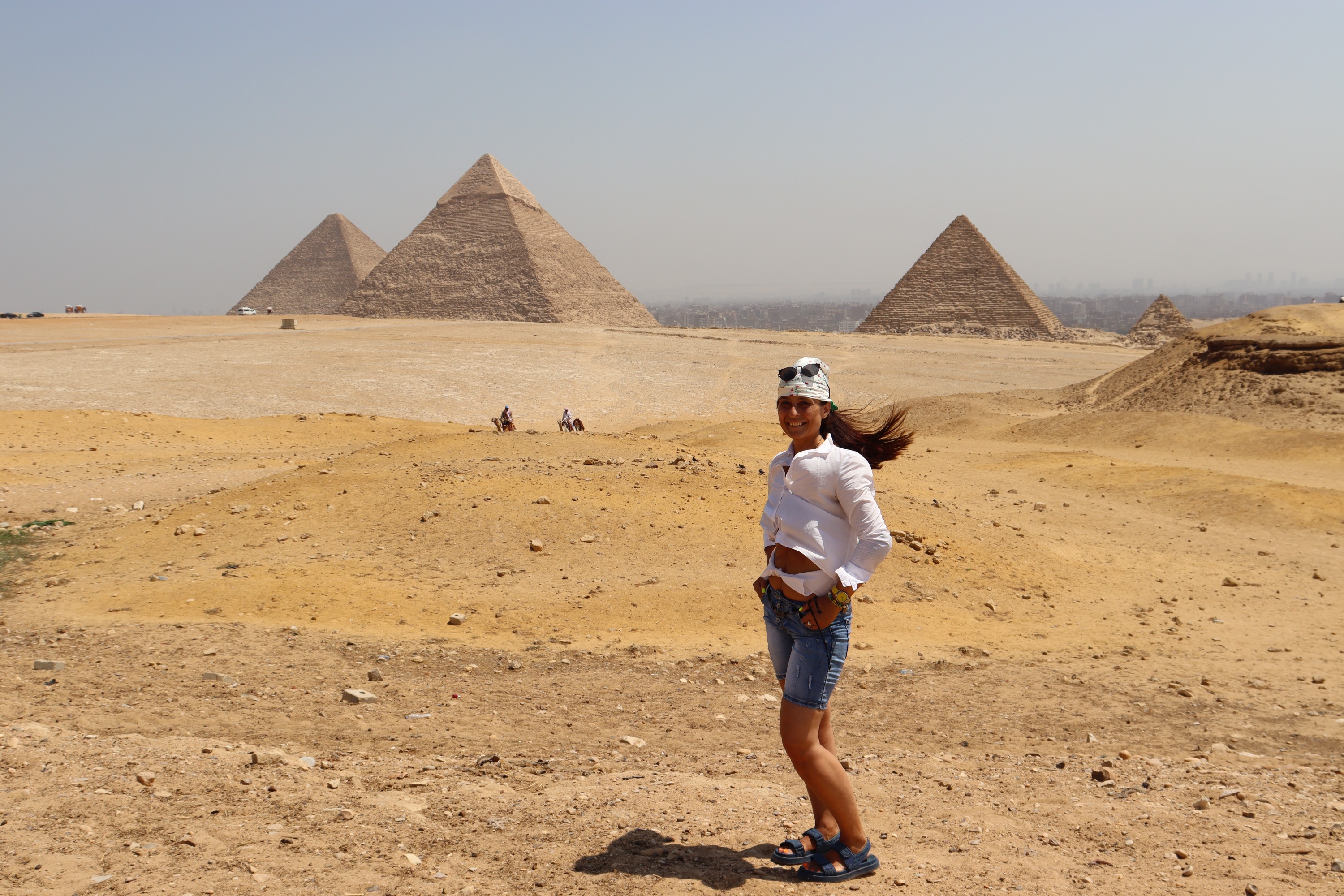
The iconic Great Pyramids, including the Pyramid of Khufu, Pyramid of Khafre, and Pyramid of Menkaure, are the last standing wonders of the ancient world.
Historical
Half day to full day
Moderate (Entrance fees apply)
Great Sphinx of Giza
The enigmatic Sphinx, with the body of a lion and the head of a pharaoh, is a symbol of ancient Egypt and a must-see attraction.
Historical
1-2 hours
Moderate (Entrance fees apply)
Solar Boat Museum
This museum houses the reconstructed solar boat of Pharaoh Khufu, discovered near the Great Pyramid.
Historical
1 hour
Moderate (Entrance fees apply)
Saqqara
Saqqara is an ancient burial ground and home to the Step Pyramid of Djoser, the oldest stone pyramid in Egypt.
Historical
Half day to full day
Moderate (Entrance fees apply)
Dahshur
Dahshur is an ancient royal necropolis featuring the Bent Pyramid and the Red Pyramid, both built by Pharaoh Sneferu.
Historical
Half day to full day
Moderate (Entrance fees apply)
Camel Market
The Camel Market is a unique and bustling market where you can see and buy camels, as well as experience traditional Egyptian commerce.
Cultural
1-2 hours
Free (Purchases extra)
Must-Try Local Dishes
Koshari
A hearty dish made with lentils, rice, pasta, chickpeas, and fried onions, topped with a spicy tomato sauce and garlic vinegar.
Dinner
Vegetarian
Ful Medames
A traditional breakfast dish made from slow-cooked fava beans, often served with tahini, lemon juice, and olive oil.
Breakfast
Vegan
Grilled Kofta
Spiced minced meat (usually lamb or beef) shaped into sausages and grilled to perfection.
Lunch/Dinner
Contains meat
Molokhia
A green leafy vegetable soup, often served with chicken or rabbit and eaten with bread.
Lunch/Dinner
Vegetarian (if made without meat)
Popular Activities
Hot air balloon rides over the pyramids
Quad biking in the desert
Spa treatments
Beach visits in Alexandria
Visiting museums and historical sites
Attending traditional Egyptian performances
Boat tours on the Nile
Visiting historical sites during the cooler months
Best Time to Visit
October to April
This period offers the most comfortable weather for sightseeing and outdoor activities. The temperatures are mild, making it ideal for exploring the ancient sites.
15-28°C
59-82°F
Practical Information
Language
- Official: Arabic
- Widely spoken: English, French
- English: Moderately spoken in tourist areas, limited elsewhere
Currency
Egyptian Pound (EGP)
Time Zone
GMT+2
Electricity
220VV, 50HzHz
Safety Information
Overall Safety Rating: Exercise caution
Giza is generally safe for tourists, but petty crime and scams can occur. Be cautious of your surroundings, especially in crowded areas and at night.
Important Precautions:
- • Be cautious of your belongings in crowded areas.
- • Avoid accepting help from strangers, especially at tourist sites.
- • Use reputable tour companies and guides.
Getting there
By air
- Cairo International Airport • 25 km from Giza
By train
Giza Station
By bus
Giza Bus Station, Downtown Cairo Terminals
Getting around
Public transport
Buses are the most common form of public transport in Giza. They are affordable but can be crowded.
Taxis
Available • Apps: Uber, Careem
Rentals
Car, Bike, Scooter
Neighborhoods
Pyramids Road
Downtown Giza
Haram
Day trips
Cairo
20 km • Half day to full day
Cairo, the capital of Egypt, is a vibrant city with a rich history and numerous attractions, including the Egyptian Museum, Islamic Cairo, and Coptic Cairo.
Saqqara
20 km • Half day to full day
Saqqara is an ancient burial ground and home to the Step Pyramid of Djoser, the oldest stone pyramid in Egypt.
Dahshur
30 km • Half day to full day
Dahshur is an ancient royal necropolis featuring the Bent Pyramid and the Red Pyramid, both built by Pharaoh Sneferu.
Festivals
Cairo International Film Festival • November (dates vary)
Eid al-Fitr • End of Ramadan (dates vary)
Coptic Christmas • January 7
Pro tips
- Hire a local guide for a more in-depth understanding of the ancient sites and their significance.
- Visit the pyramids early in the morning or late in the afternoon to avoid crowds and the intense heat.
- Bargain politely but firmly when shopping at markets and souks.
- Carry small bills and coins for easier transactions, as change can be hard to come by.
- Learn a few basic Arabic phrases to enhance your interaction with locals and show respect for their culture.
From $25
per person
Price varies by option
Secure booking
Free cancellation available
Instant confirmation