Full-Day Tour to Zaghouan from Tunis
Active
8h
For a full refund, cancel at least 24 hours before the scheduled departure time.
Instant confirmation
Mobile or paper ticket accepted
About this experience
Depart from Tunis and visit the aqueduct (13 mi/22 km from Tunis). Sitting at a height of 984 ft/300 m on Jebel Zaghouan,
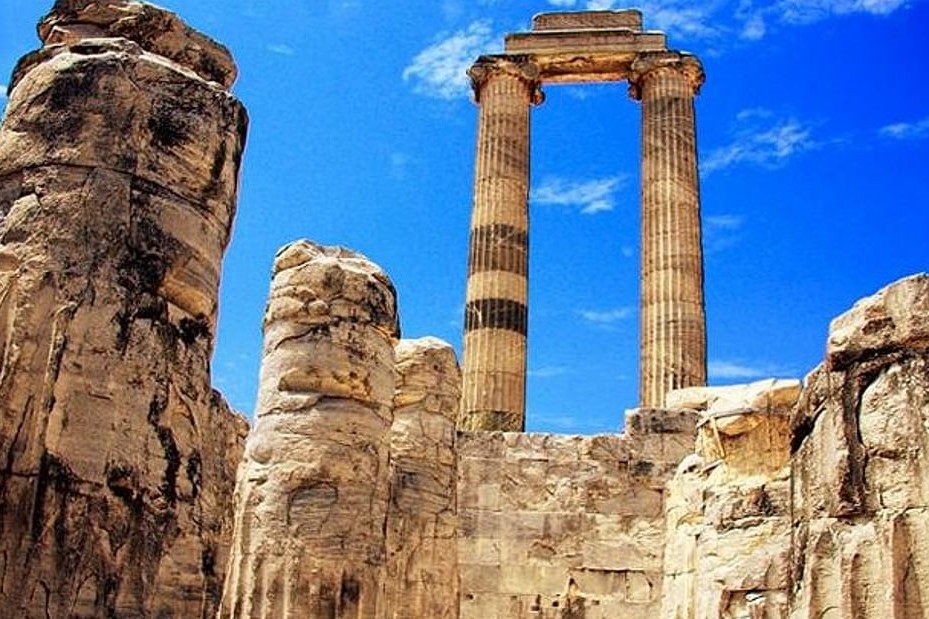
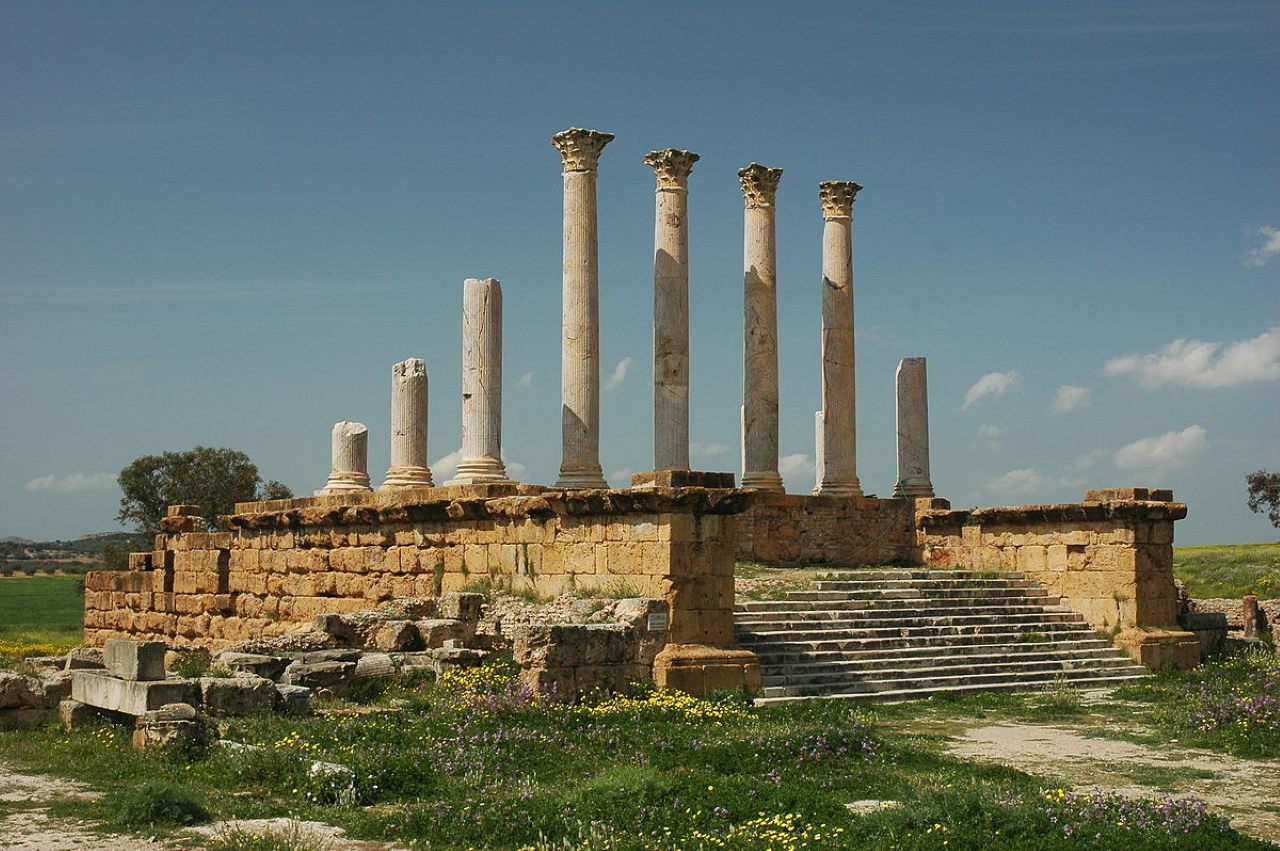
Proceed to Zaghouan, the site where Hamilcar (father of Hannibal) defeated the mercenaries rebelling against Carthage after the first Punic war. Carthage was defeated by the Romans in 241 B.C. and was forced to pay a heavy war tribute to Rome. Visit the Temple des Eaux. This once grand semi-round temple is built close to the city, over the springs of Zaghouan. It might have been constructed around the time when the Emperor Hadrian ordered the building of the aqueducts to Carthage. Its main room above the spring was, without doubt, dedicated to one of the many gods of water.
After Lunch, departure for a stroll through Zaghouan’s charming old quarter. The narrow streets and the architecture testify to the Andalucian influence on the city.
Available options
Full-Day Tour to Zaghouan from Tunis
What's included
Professional guide
Lunch
Transport by air-conditioned minivan
Detailed itinerary
1
The aqueduct (13 mi/22 km from Tunis). Sitting at a height of 984 ft/300 m on Jebel Zaghouan, a subterranean spring burst from the rock into the aqueduct originating here. Later this section converges with another aqueduct coming from Jougar. Together they flow 76 mi/123 km to the immense cisterns of Maalga in Carthage.
What's not included
Gratuities
Available languages
Guide guide
AR
DE
PT
JA
EN
IT
FR
NL
ES
Important information
Not recommended for travelers with spinal injuries
Not recommended for pregnant travelers
Travelers should have at least a moderate level of physical fitness
Children must be accompanied by an adult
A minimum of 2 people per booking is required
Meeting point
Le rendez vous avec les clients est en face de la porte principale de l'hôtel El Hana International, avenue Habib Bourguiba.
About Tunis
Tunis, the capital of Tunisia, is a vibrant city where ancient history meets modern life. Known for its rich cultural heritage, bustling medinas, and Mediterranean charm, it offers a unique blend of Arab, African, and European influences. The city is a gateway to Tunisia's diverse landscapes, from the Sahara Desert to the coastal resorts of the Mediterranean.
Top Attractions
Medina of Tunis
The Medina of Tunis is a UNESCO World Heritage Site and one of the best-preserved medieval cities in the Arab world. It's a labyrinth of narrow streets filled with shops, mosques, and historic buildings.
Historical
Half day to full day
Free to explore, but entry fees for specific sites
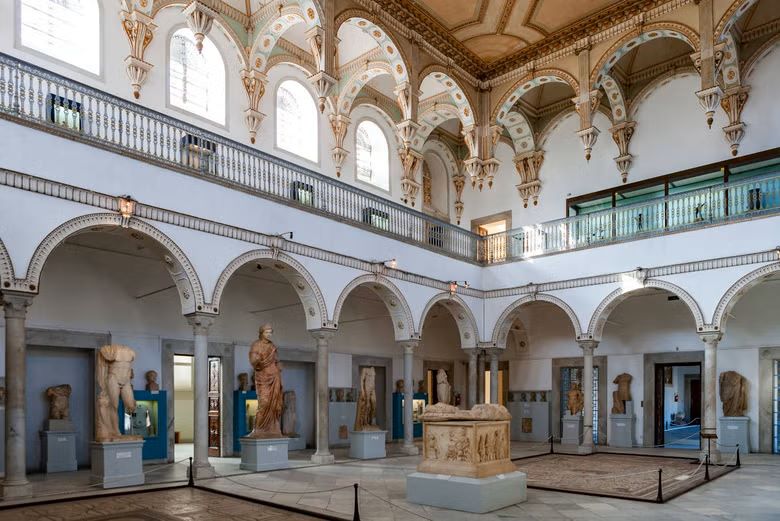
Bardo National Museum
One of the most important museums in the Islamic world, the Bardo Museum houses an extensive collection of mosaics, artifacts, and historical exhibits.
Museum
2-3 hours
Moderate (around 10 TND or 3.50 USD)
Carthage
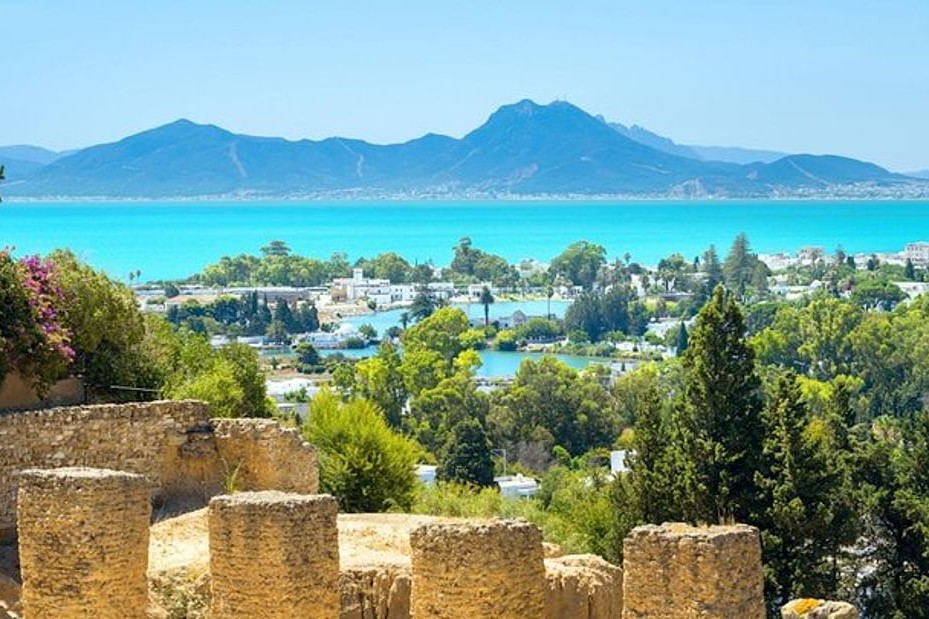
The ancient city of Carthage, founded by the Phoenicians, is a UNESCO World Heritage Site with ruins dating back to the 9th century BC.
Historical
Half day
Moderate (entry fees for specific sites)
Sidi Bou Said
A picturesque hilltop village known for its blue and white architecture, narrow streets, and stunning views of the Mediterranean Sea.
Cultural
Half day
Free to explore, but costs for cafes and shops
Must-Try Local Dishes
Brik
A crispy fried pastry filled with egg, tuna, parsley, and sometimes cheese.
Appetizer
Contains egg and seafood.
Lablabi
A traditional chickpea soup flavored with garlic, cumin, and harissa, often served with bread and a poached egg.
Soup
Vegetarian option available.
Tajine
A slow-cooked stew made with meat (chicken, lamb, or fish) and vegetables, seasoned with spices and served with bread.
Main Course
Vegetarian options available.
Makroudh
A sweet pastry made from semolina, filled with dates or almonds, and fried or baked, then soaked in honey syrup.
Dessert
Contains nuts and honey.
Popular Activities
Hiking in the surrounding hills and nature reserves
Water sports in the coastal areas
Spa treatments and hammams
Beach lounging
Exploring the medina and historic sites
Visiting museums and art galleries
Swimming and snorkeling in the Mediterranean Sea
Boat trips to nearby islands
Best Time to Visit
Spring (March to May) and Autumn (September to November)
These seasons offer the most comfortable weather for sightseeing and outdoor activities. The city is lively with cultural events and festivals.
15°C to 25°C
59°F to 77°F
Practical Information
Language
- Official: Arabic
- Widely spoken: French, English (in tourist areas)
- English: Moderately spoken in tourist areas, limited elsewhere
Currency
Tunisian Dinar (TND)
Time Zone
GMT+1 (Central European Time, CET)
Electricity
230VV, 50HzHz
Safety Information
Overall Safety Rating: Exercise caution
Tunis is generally safe for tourists, but petty crime and scams can occur, especially in crowded areas and tourist spots.
Important Precautions:
- • Be cautious of your surroundings, especially in crowded areas.
- • Use official taxis or reputable ride-hailing apps.
- • Keep valuables secure and out of sight.
Getting there
By air
- Tunis-Carthage International Airport • 8 km from city center
By train
Tunis Ville
By bus
Tunis City Bus Terminal, Tunis South Bus Terminal
Getting around
Public transport
The metro is efficient and air-conditioned, making it a comfortable option for travelers.
Taxis
Available • Apps: InDrive
Rentals
Car, Bike, Scooter
Neighborhoods
Bab El Bahr
La Marsa
Day trips
Sousse
140 km from Tunis • Full day
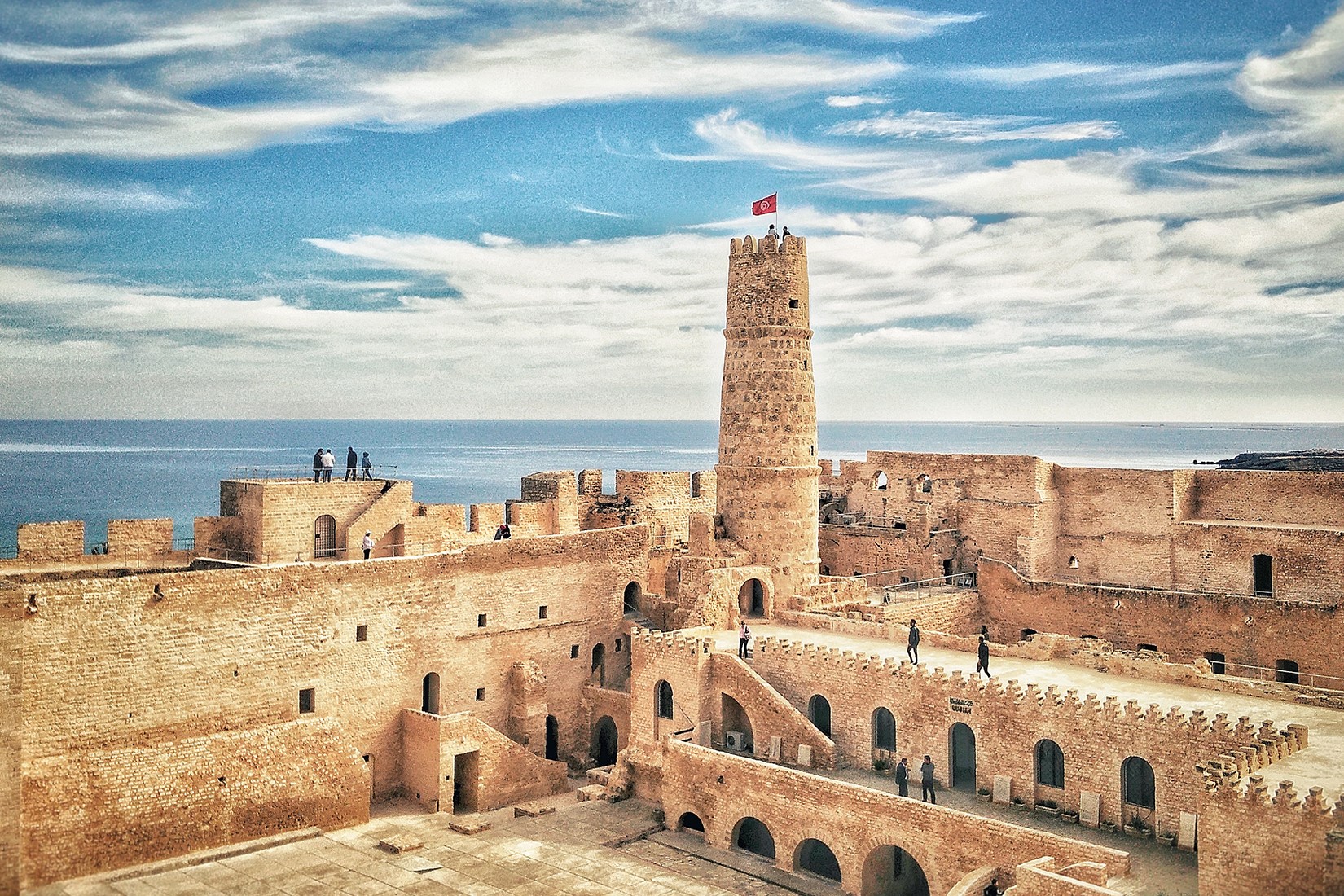
A coastal city known for its historic medina, beautiful beaches, and the impressive Ribat of Sousse.
Hammamet
60 km from Tunis • Full day
A popular resort town known for its beautiful beaches, luxury hotels, and the picturesque Medina of Hammamet.
El Djem
200 km from Tunis • Full day
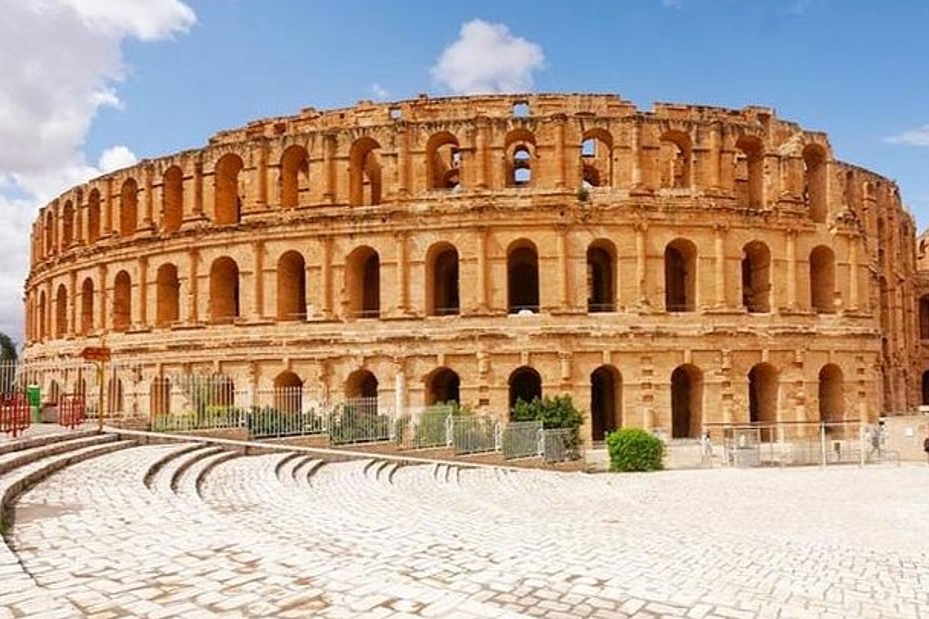
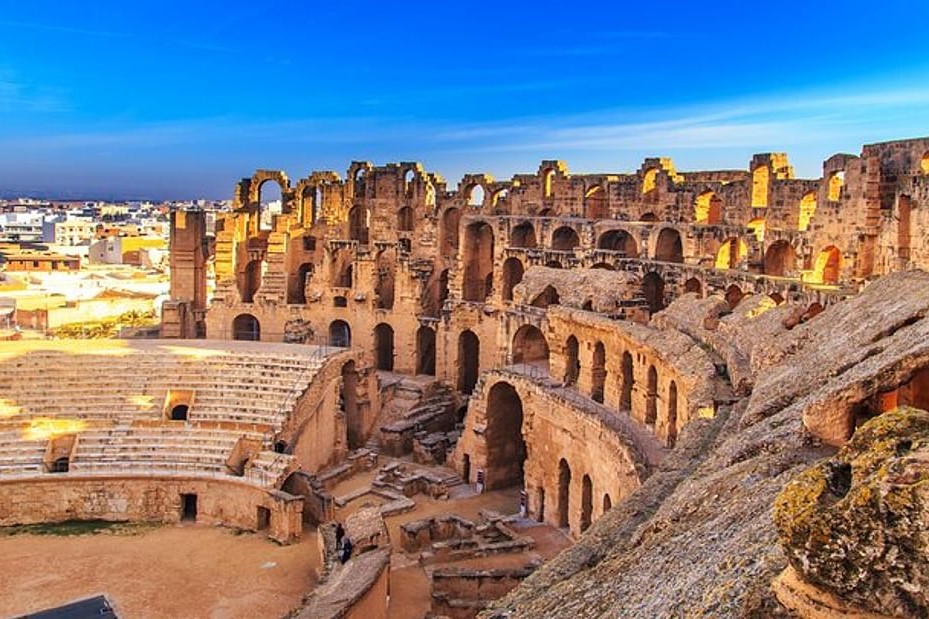
Home to the impressive Roman amphitheater, El Djem is a UNESCO World Heritage Site offering a glimpse into Tunisia's Roman past.
Festivals
Tunis International Festival • July
Carthage International Film Festival • October
Pro tips
- Learn a few basic Arabic phrases to enhance your interaction with locals.
- Visit the medina early in the morning or late in the afternoon to avoid the heat and crowds.
- Try local street food for an authentic and affordable culinary experience.
- Bargain politely when shopping in the souks, but always be respectful and friendly.
- Use official taxis or reputable ride-hailing apps for safe and reliable transportation.
From $25
per person
Price varies by option
Secure booking
Free cancellation available
Instant confirmation