Private Tuk Tuk Tour in Chianti from Florence
Active
6h
For a full refund, cancel at least 24 hours before the scheduled departure time.
Instant confirmation
Mobile or paper ticket accepted
About this experience
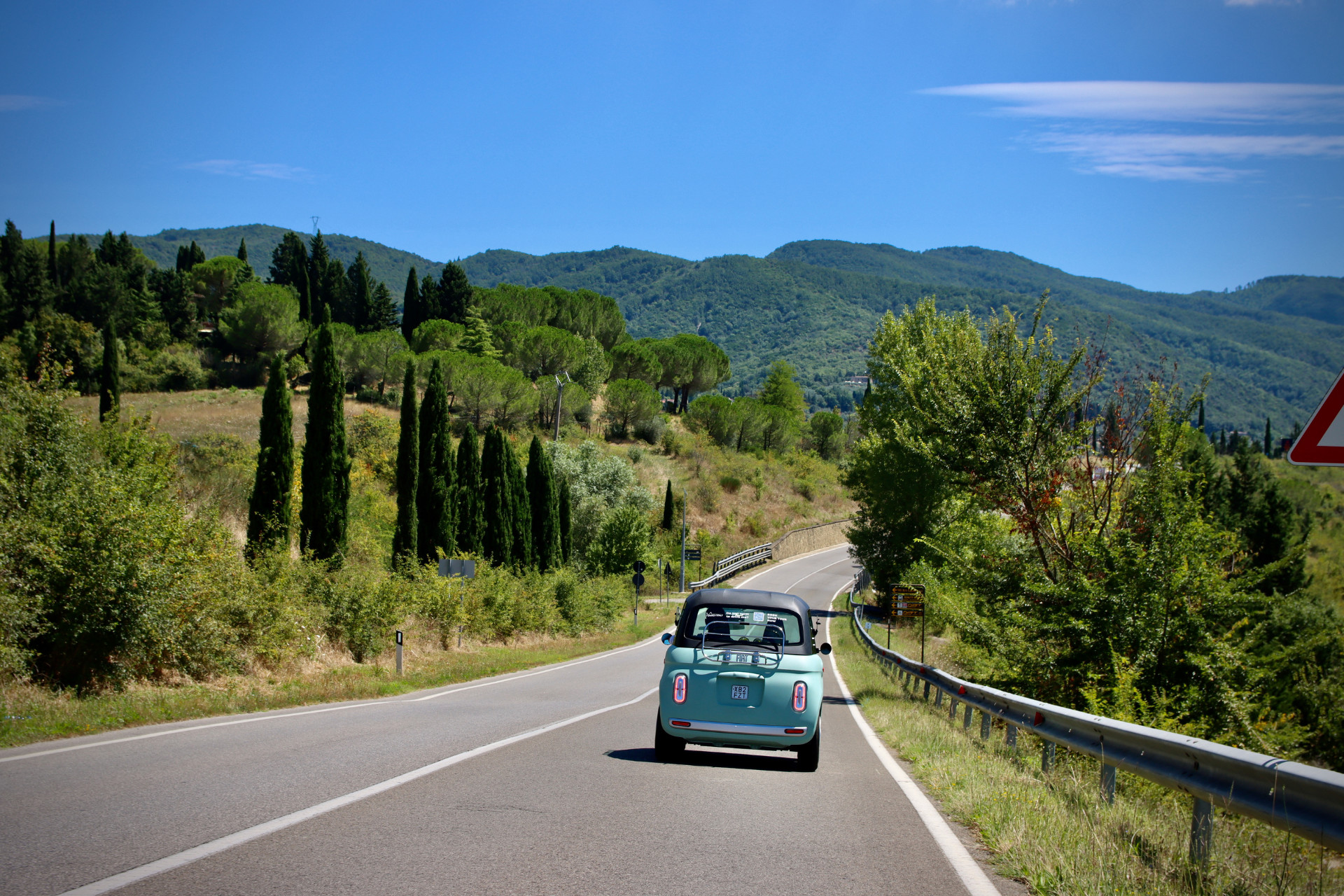
The perfect mix of modern design and classic Italian style has made the Ape Tuk Tuk an icon worldwide. For over sixty years, this three-wheeler has been the choice for Tuscans navigating narrow, steep village streets. Today’s version features a cozy portable couch and a white removable rooftop, making it fun, unique, and comfortable.
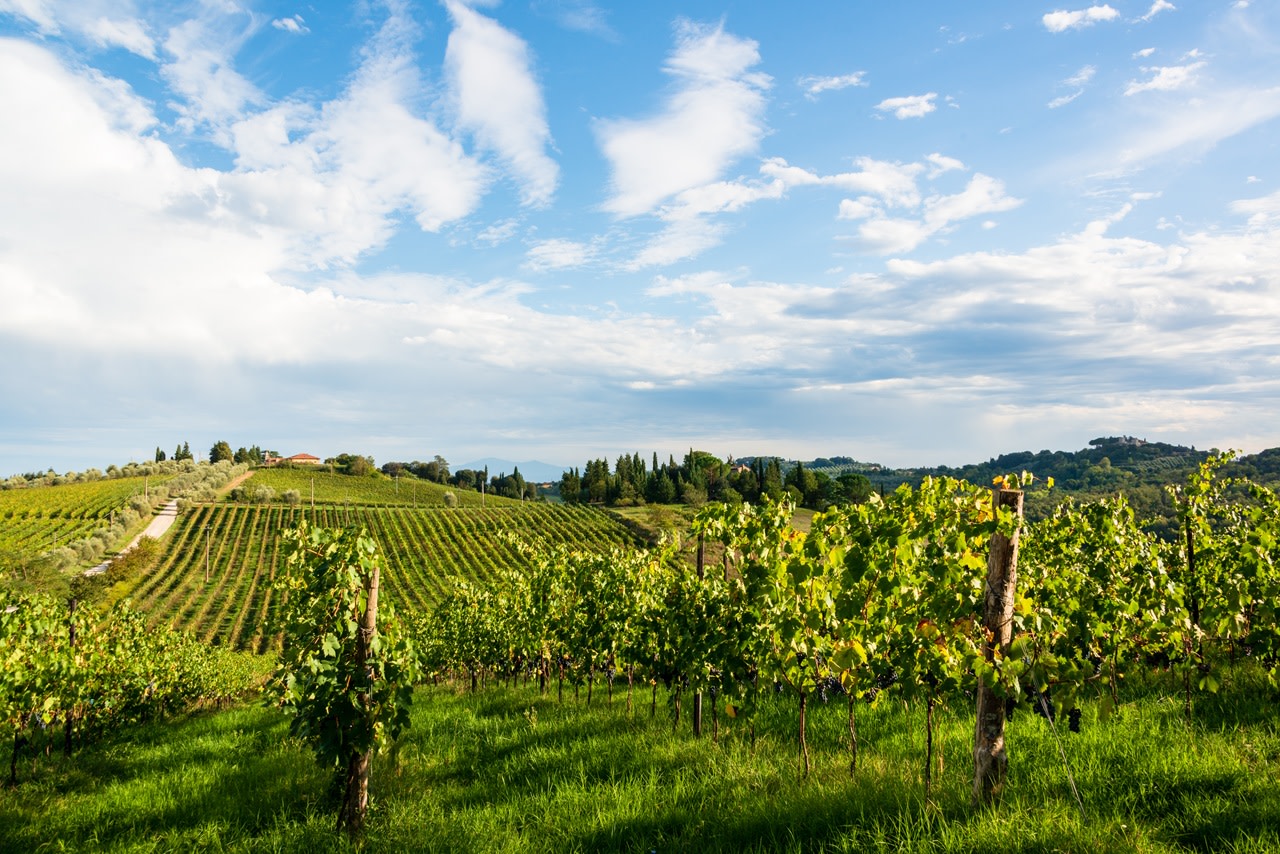
We will pick you up and bring you back to your hotel or apartment in Florence in our minivan. Ideal for exploring the magical Chianti countryside, the Tuk Tuk glides through rolling hills, vineyards, and olive groves, with plenty of stops for photos and videos.
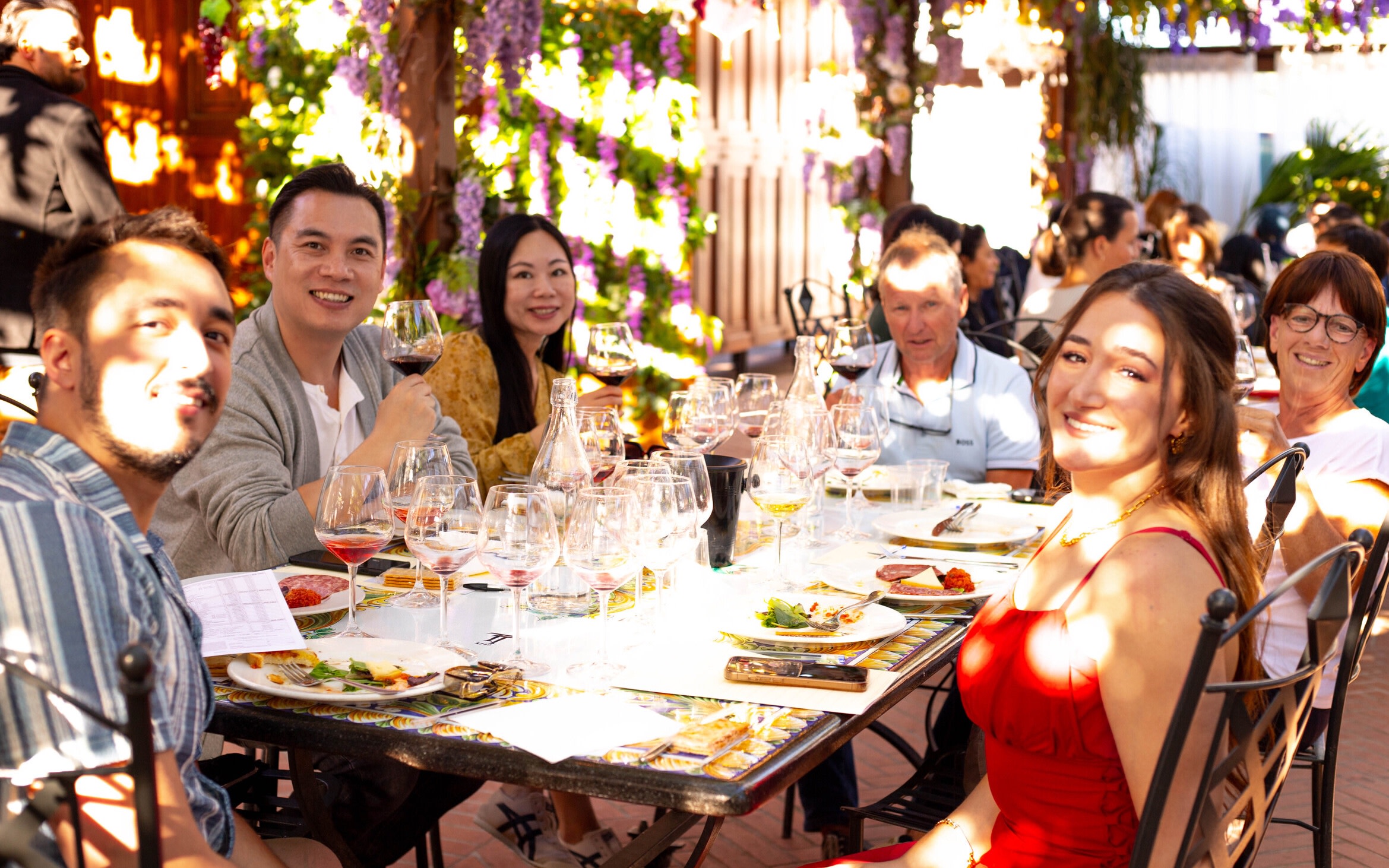
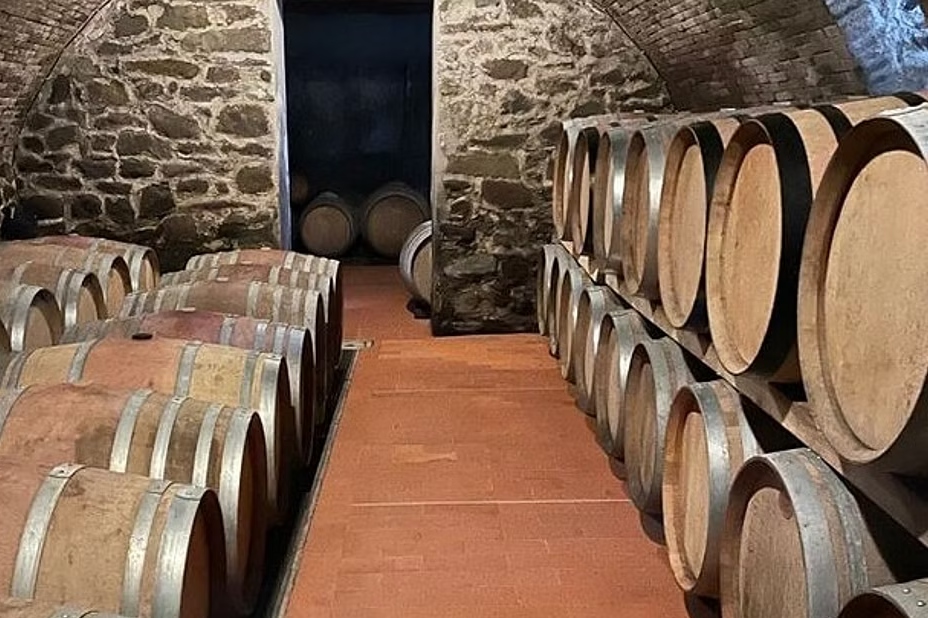
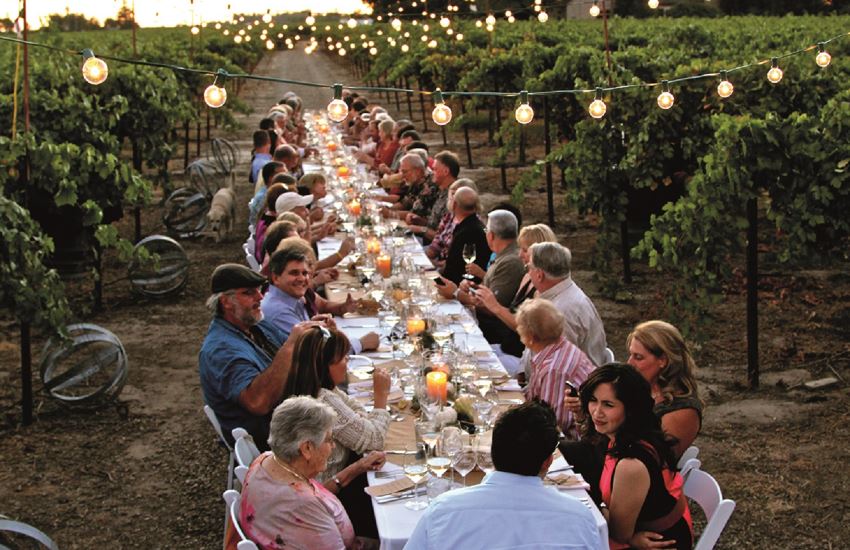
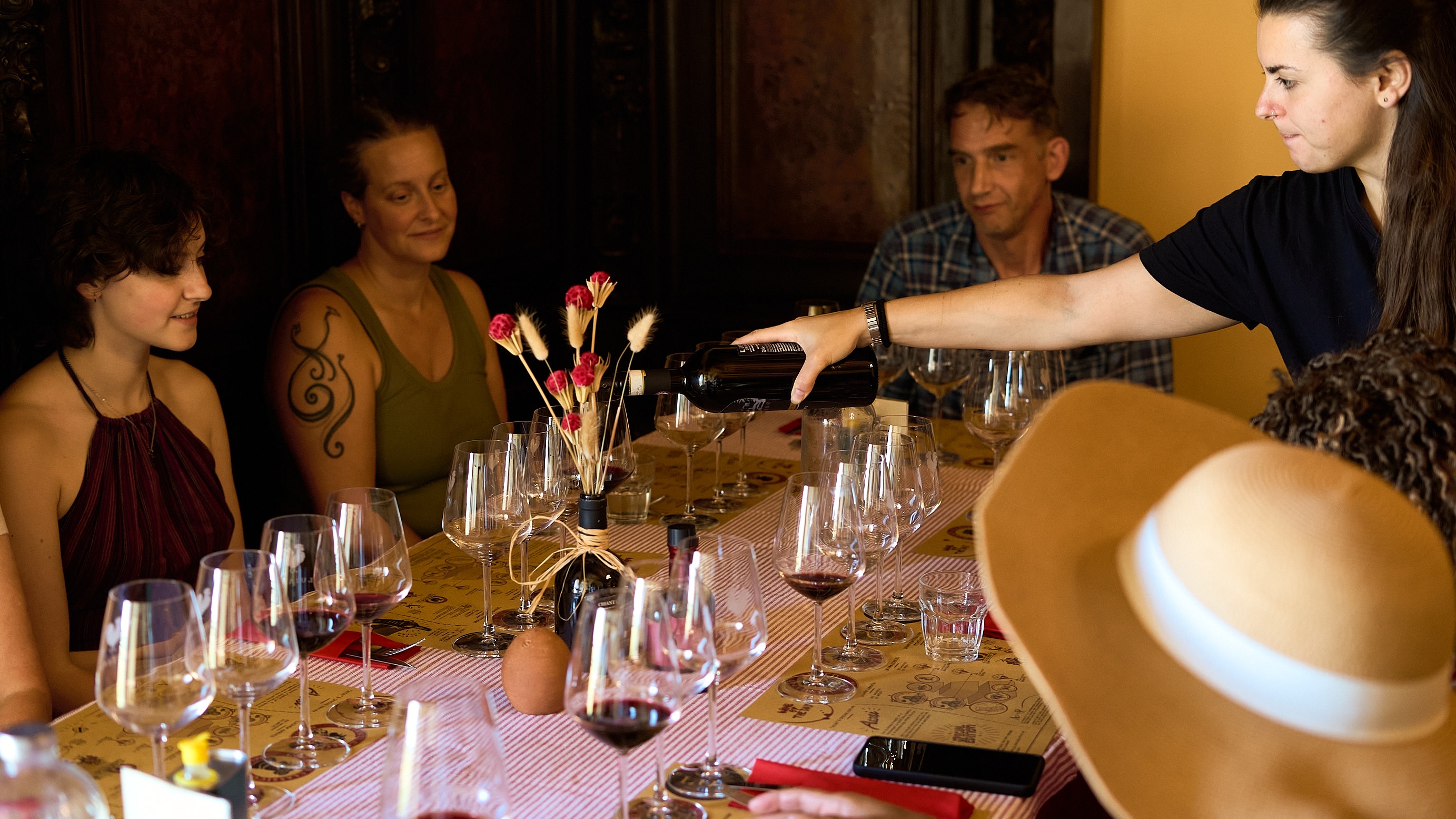
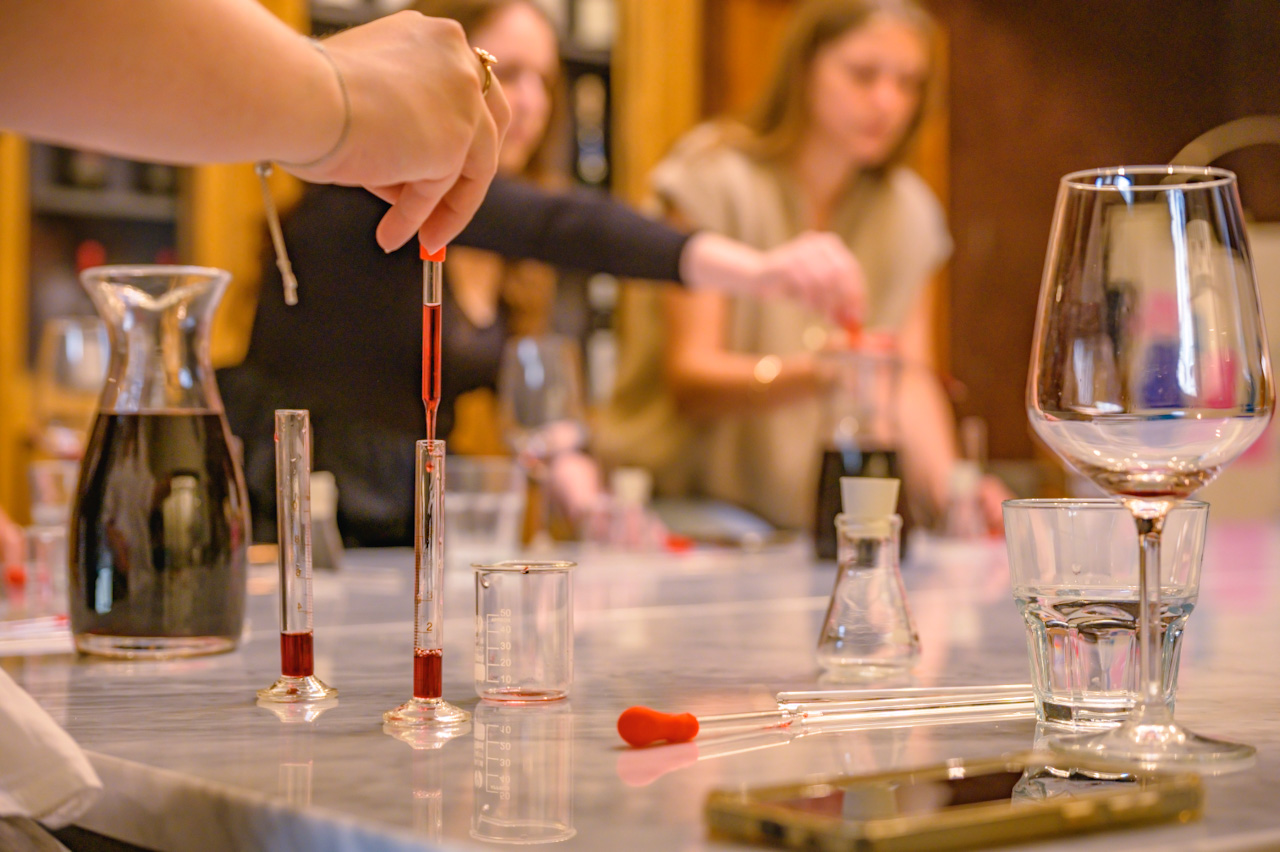
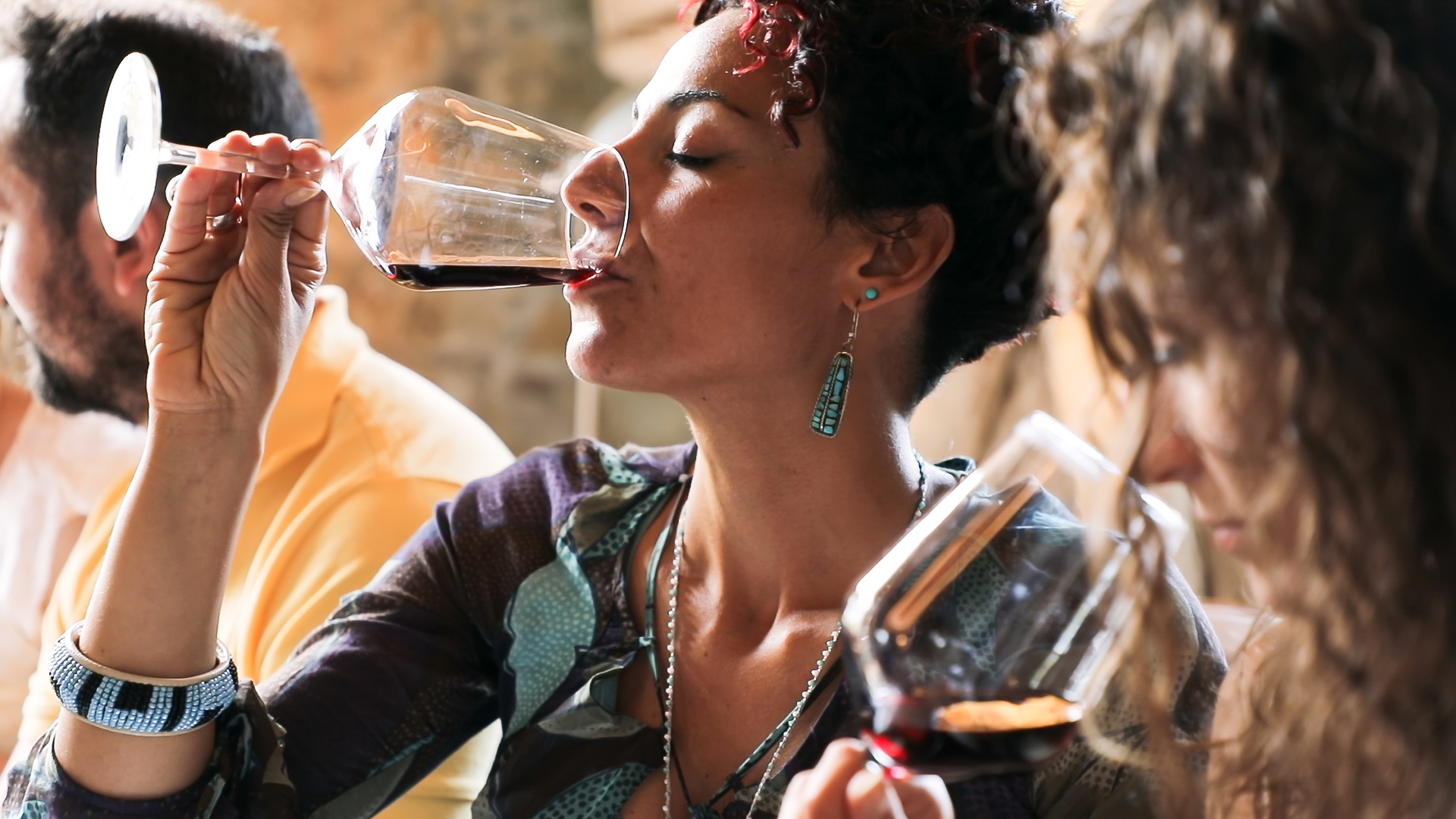
The experience concludes with a traditional Tuscan lunch at a local farm, including a tour of the property, cellar, and olive groves, paired with prestigious wines and local specialties. Don’t miss the chance to enjoy this charming little buggy and the joy it brings!
Available options
TUK TUK Tour from SanGimignano
Tour from San Gimignano area from your accommodation<br/>Pickup included
TUK TUK Tour form Florence
TUK TUK form Florence : Tour from San Gimignano area from your accommodation<br/>Pickup included
TUK TUK Tour from Castellina
Tour From Castellina in Chianti - Via 4 Novembre n° 35 (no pick up and drop off service included)<br/>Pickup included
TUK TUK Tour from Siena
TUK TUK Tour departing from Siena area from your accommodation. <br/>Pickup included
What's included
Visit of 3 typical villages in Chianti
Tour escort/host
Wine tasting
Driver/guide
Lunch
Ape Tour
Detailed itinerary
1
Castellina in Chianti is a lovely and romantic village. You will notice how full of history is. In fact Castellina in Chianti was built during Etruscan era
2
Radda in Chianti is a comune (municipality) in the Province of Siena in the Italian region Tuscany, located about 35 kilometres (22 miles) southeast of Florence and about 15 km (9 miles) north of Siena.
The area around the capital has been inhabited since 2000 BC, as evidenced by the archaeological area of Poggio la Croce where the remains of an ancient village emerged and where, during the excavations carried out in the last decade, they were brought to light many exhibits. Later, even if very few traces have emerged, the presence of an Etruscan village can be assumed. By the fall of the Western Roman Empire, in the 5th century, small agglomerations of a rural nature had already formed in the area, which still exist today; these villages were Castelvecchi, Monterinaldi, Volpaia and Radda itself.
Between the 9th and 10th centuries the area of Radda saw the birth of the feudal society which involved the building of the villages. The first certain document in which Radda is mentioned is a diploma from 1002 in which Emperor Otto III confirmed the donation made by Countess Willa in favor of Badia Fiorentina. The locality Radda appears in many documents of the Badia Fiorentina until the XII century. Ramda judicaria fiorentina et fesulana is reported in a document of the Badia a Coltibuono of 1041.
On May 25, 1191 the emperor Henry VI granted the castle of Radda and its court in fiefdom to the Counts Guidi, the same fiefdom was again confirmed by the emperor Frederick II, even if already in the thirteenth century the territory of Radda was dependent on Florence . The castle was sacked by the Sienese in a raid in 1230 while in 1268 it was occupied, together with other localities in the Chianti region, by French troops led by Carlo I d'Angiò. A new occupation and a new heavy looting Radda suffered it during the second Aragonese invasion in 1478.
Administratively Radda was the capital of the Chianti League, comprising the territories of Radda, Gaiole and Castellina. From the end of the thirteenth century it became the seat of a podestà appointed by the Florentines and in the municipal statute of 1415 Radda was confirmed as the capital of the League. Among the podestàs of Radda is Francesco Ferrucci.
In the seventeenth century, after the conflicts ended, the castles were transformed into stately villas in which the owners dedicated themselves to the production of wine. Radda in Chianti was visited in 1773 by the Grand Duke Pietro Leopoldo who found it far from everything. As a consequence of the visit, the roads were improved but the territory of Radda was always poor and isolated. The affection for the Habsburg-Lorraine dynasty remained strong for much longer, if we consider the fact that at the plebiscite of 1860 for the annexation of Tuscany to Sardinia, Radda voted against (281 yes out of 581 voters, out of 879 entitled [4 ]).
This situation reached its climax in the 1950s when the depopulation of the countryside, a phenomenon common to many areas of Chianti, reached its peak. In the seventies the rediscovery of these places began and slowly all the castles, villas and individual farmhouses were restored and farmhouses and farms were planted there.
3
After your tour in the previous villages, you will reach this organic farm where you will have a typical tuscan lunch and wine tasting with their products
4
Panzano in Chianti
Available languages
Guide guide
EN
IT
ES
Important information
Public transportation options are available nearby
Specialized infant seats are available
Suitable for all physical fitness levels
Please advise any specific dietary requirements at time of booking
Vegetarian option is available, please advise at time of booking if required
Important notes
Minimum drinking age is 18 years
Comfortable Shoes are required
About Florence
Florence, the capital of Italy's Tuscany region, is a treasure trove of art, architecture, and history. Known as the birthplace of the Renaissance, it's home to iconic masterpieces, stunning cathedrals, and a rich cultural heritage that continues to captivate visitors from around the world.
Top Attractions
Duomo
The Florence Cathedral, known as the Duomo, is a masterpiece of Renaissance architecture. Its iconic dome, designed by Brunelleschi, offers panoramic views of the city.
Architecture/Religious
2-3 hours
Free to enter the cathedral, €18 for the climb to the dome
Uffizi Gallery
One of the world's most famous art museums, the Uffizi Gallery houses works by Botticelli, Michelangelo, and Leonardo da Vinci.
Museum/Art
2-3 hours
€20
Ponte Vecchio
A medieval stone bridge famous for its jewelry shops. It's one of the most iconic landmarks in Florence.
Architecture
30 minutes to 1 hour
Free
Piazzale Michelangelo
A panoramic terrace offering breathtaking views of Florence. It's a perfect spot for sunset and photography.
Scenic Viewpoint
1-2 hours
Free
Accademia Gallery
Home to Michelangelo's famous statue of David, the Accademia Gallery is a must-visit for art lovers.
Museum/Art
1-2 hours
€16
Must-Try Local Dishes
Bistecca alla Fiorentina
A thick-cut, grilled T-bone steak, seasoned simply with salt and pepper. It's a must-try for meat lovers.
Dinner
Contains beef, not suitable for vegetarians or vegans
Ribollita
A hearty vegetable and bread soup, traditionally made with leftover bread and vegetables. It's a classic Florentine dish.
Lunch/Dinner
Vegetarian, can be made vegan
Lampredotto
A Florentine street food made from the fourth and final stomach of a cow. It's typically served in a sandwich.
Lunch
Contains beef, not suitable for vegetarians or vegans
Cantucci
Almond biscotti traditionally served with Vin Santo, a sweet Tuscan wine. They are crunchy and perfect for dipping.
Dessert
Contains almonds, can be made gluten-free
Popular Activities
Hiking in the Tuscan countryside
Cycling tours
Hot air balloon rides
Wine tasting tours
Spa day at a luxury hotel
Strolling through the gardens of Villa medici
Visiting museums and art galleries
Attending opera or concerts
Best Time to Visit
April to June, September to October
These months offer pleasant weather and fewer crowds compared to the summer peak. Ideal for sightseeing and outdoor activities.
15-28°C
59-82°F
Practical Information
Language
- Official: Italian
- Widely spoken: English, French, Spanish
- English: Moderately spoken
Currency
Euro (EUR)
Time Zone
GMT+1 (CET), GMT+2 (CEST during daylight saving time)
Electricity
230VV, 50HzHz
Safety Information
Overall Safety Rating: Generally safe
Florence is generally safe for tourists, but pickpocketing and petty theft can occur, especially in crowded areas. Be aware of your surroundings and take precautions to protect your belongings.
Important Precautions:
- • Keep valuables secure and out of sight
- • Be cautious of your surroundings, especially in crowded areas
- • Use licensed taxis or ride-sharing apps
Getting there
By air
- Florence Airport • 5 km from city center
- Pisa International Airport • 85 km from city center
By train
Santa Maria Novella Station
By bus
Villa Costanza Bus Station, Florence Airport Bus Terminal
Getting around
Public transport
The bus network covers the entire city and is the primary mode of public transport. Buses are frequent and reliable.
Taxis
Available • Apps: MyTaxi, FreeNow
Rentals
Car, Bike, Scooter
Neighborhoods
Santa Maria Novella
Oltrarno
San Lorenzo
Santa Croce
Day trips
Siena
70 km from Florence • Half day to full day
A medieval city known for its stunning Piazza del Campo and the Palio, a traditional horse race held twice a year.
Pisa
85 km from Florence • Half day
Home to the iconic Leaning Tower of Pisa, this city offers a mix of historic sites and scenic views.
Chianti Wine Region
30-50 km from Florence • Full day
A picturesque wine region known for its rolling hills, vineyards, and charming villages.
Festivals
Festa di San Giovanni • June 24
Calcio Storico Fiorentino • June (dates vary)
Firenze dei Fiori • April to June
Pro tips
- Visit major attractions early in the morning or late in the afternoon to avoid crowds
- Book tickets for popular attractions in advance to save time and avoid long queues
- Explore the city's hidden gems, such as the Oltrarno neighborhood and the secret passages of the Palazzo Vecchio
- Try local specialties like Bistecca alla Fiorentina, Ribollita, and Lampredotto
- Learn a few basic Italian phrases to enhance your experience and connect with locals
From $25
per person
Price varies by option
Secure booking
Free cancellation available
Instant confirmation