All-inclusive Private Guided Tour of Diyarbakir City
Active
8h
For a full refund, cancel at least 24 hours before the scheduled departure time.
Instant confirmation
Mobile or paper ticket accepted
About this experience
This all-inclusive, private, guided tour is an easy add-on to any vacation in Turkey! We will pick you up from your hotel - no worries, no stress, with a knowledgeable guide that speaks your language. Don't visit the area without experiencing the local sights and sounds of historic Diyarbakir. See the following incredible sites: Diyarbakir Fortress, the Tigris River, Diyarbakir Archeological Museum, a beautiful and historical Caravan Saray, the UNESCO World Heritage Site of the Diyarbakir City Walls, the Grand Mosque of Mardin, and the Silk Road 10 Arches Bridge.
Available options
All-inclusive Private Guided Tour of Diyarbakir City
Pickup included
What's included
Entrance fees
Lunch
Air-conditioned vehicle
Bottled water
Private transportation
Coffee and/or tea
Detailed itinerary
1
This historical river mentioned in the Book of Genesis is a must-see place with its natural beauty. Its length is 1900 km, with 523 km of it in Turkey. Surrounded by four countries (Iran, Iraq, Turkey, and Syria), the Tigris River is the second largest river in western Asia. With the Euphrates, it makes up a river system that borders Mesopotamia in the area known as the Fertile Crescent. An important source of both travel and irrigation, the Tigris also has a rich history that dates back to the earliest known civilizations because of its importance to a largely arid region.
2
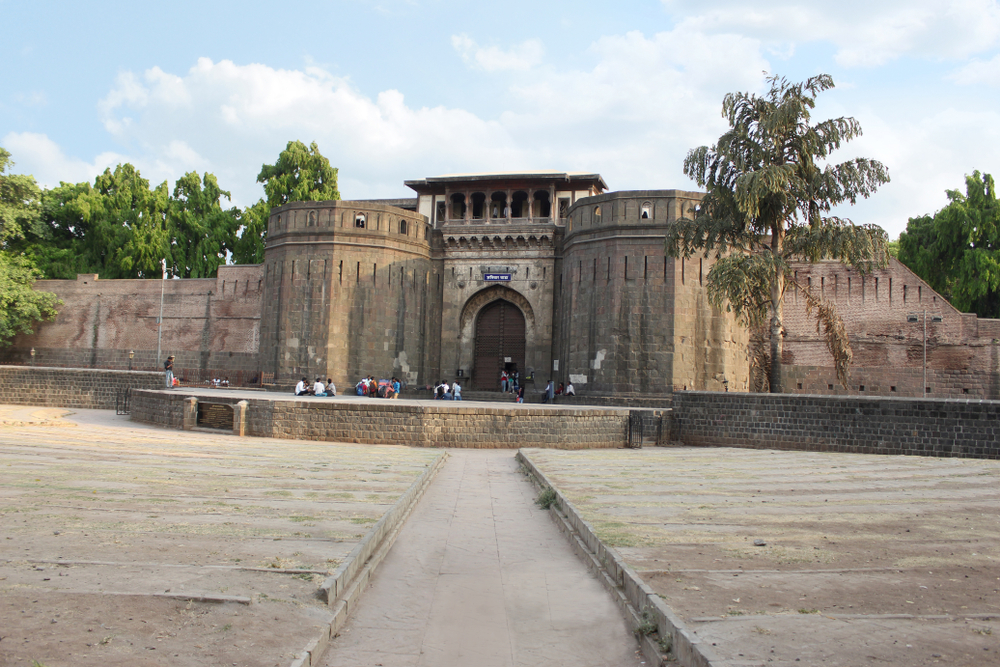
The fortress is a historical one. It consists of an inner fortress and an outer fortress. It has four main gates that are called Dag gate, Urfa gate, Mardin gate and Yeni gate. The walls come from the old Roman city of Amida and were constructed in their present form in the mid-fourth century AD by the emperor Constantius II.
3
Diyarbakir Archeology Museum has been serving since 1934. It exhibits priceless historical artifacts which were obtained from excavations in the Mesopotamian plain.
4
The caravan saray was built between 1572 and 1575 by Vezirzade Hasan Pasha, the son of Sokollu Mehmet Pasha, the Governor of Diyarbakir. Its architecture is beautiful, and it has many places inside to have a cup of tea, meals and souvenirs.
5
With its length of 6 kilometers, the City Walls of Diyarbakir are the second largest in the world after the Great Wall of China. It is situated 100 meters above the valley of the Tigris River. Diyarbakir still carries a medieval atmosphere with its walls encircling the city with its almost intact and impressive, 10-12 meters high and 3-5 meters thick walls.
6
The Grand Mosque of Diyarbakir is the oldest and one of the most significant mosques in Mesopotamia. Various sources stated that the structure was transformed from the Mar Toma church upon the entry of Islam into the city in the year of 639. The plan and dimensions of Mar Toma church are not known today. After the city passed into the rule of the Seljuks in 1085, the building underwent comprehensive repair. Completed in 1092, the mosque is similar to and heavily influenced by the Umayyad Great Mosque in Damascus (which was repaired under the same Sultan Malik Shah in the twelfth century prior to work in Diyarbakir). The influence of the Damascus mosque brought Syrian architecture and decoration to Anatolia. The many inscriptions on the building show that in the following periods, it was restored by many different civilizations, with multiple additions made.
7
This unique minaret is square instead of round and stands on 4 legs. Some believe it represents 4 different sects of Islam.
8
The 10 Arches Bridge (also known as the Tigris Bridge) is a historic bridge in Diyarbakir over the Tigris River in southeastern Turkey. Completed in 1065 during the Marwanid dynasty, it numbers ten arches with a total length of 178 m. Hence, it is locally called the 10 Arches Bridge (On Gözlü Köprü / Pira Dehderî).
Available languages
Guide guide
RU
EN
KU
TR
Reviews breakdown
Tripadvisor
5.0
1 reviews
5★
1
4★
0
3★
0
2★
0
1★
0
Important information
Wheelchair accessible
Infants and small children can ride in a pram or stroller
Service animals allowed
Public transportation options are available nearby
Infants are required to sit on an adult’s lap
Transportation options are wheelchair accessible
All areas and surfaces are wheelchair accessible
Suitable for all physical fitness levels
Important notes
Show your ticket to your tour guide. Then, your tour guide will purchase all expenses on your behalf.
About Diyarbakir
Diyarbakir is a historic city in southeastern Turkey, known for its ancient city walls, rich cultural heritage, and strategic location. It offers a unique blend of ancient history, vibrant bazaars, and stunning natural landscapes, making it a fascinating destination for travelers.
Top Attractions
Diyarbakir City Walls
These ancient walls are some of the longest and best-preserved in the world, dating back to the Roman and Byzantine periods.
Historical
2-3 hours
Free
Dicle Bridge (Diyarbakir Bridge)
A historic bridge built by the Roman Emperor Justinian, spanning the Tigris River.
Historical
30-45 minutes
Free
Hevsel Gardens
A UNESCO-listed cultural landscape with lush gardens and terraces along the Tigris River.
Nature
1-2 hours
Free
Grand Mosque of Diyarbakir
One of the oldest and largest mosques in the region, featuring impressive architecture and historical significance.
Religious
1 hour
Free
Diyarbakir Archeology Museum
A museum showcasing the rich history and artifacts of the region, from ancient times to the present.
Museum
1-2 hours
Budget
Must-Try Local Dishes
Diyarbakir Kebab
A delicious kebab made with tender meat, usually lamb or chicken, marinated in spices and grilled to perfection.
Dinner
Contains meat, can be made with chicken or lamb
Mengeç Kebab
A unique kebab made with liver and intestines, wrapped in caul fat and grilled.
Dinner
Contains offal, not suitable for vegetarians
Lahoh
A type of flatbread that is a staple in Diyarbakir, often served with eggs and cheese.
Breakfast
Vegetarian, can be made vegan
Diyarbakir Ice Cream
A unique and creamy ice cream with a texture similar to gelato, often served with a variety of toppings.
Dessert
Contains dairy, can be made with various flavors
Popular Activities
Hiking in the surrounding mountains
Boat trips on the Tigris River
Tea houses and cafes
Spas and hammams
Visiting ancient sites and museums
Attending local festivals and events
Swimming in nearby lakes
Skiing in nearby mountains
Best Time to Visit
April to June, September to November
Spring and autumn offer pleasant weather with mild temperatures, making it ideal for sightseeing and outdoor activities.
20°C to 35°C
68°F to 95°F
Practical Information
Language
- Official: Turkish
- Widely spoken: Kurdish, Arabic
- English: Limited
Currency
Turkish Lira (TRY)
Time Zone
GMT+3
Electricity
220VV, 50HzHz
Safety Information
Overall Safety Rating: Exercise caution
Diyarbakir is generally safe for tourists, but visitors should be aware of potential risks and take necessary precautions.
Important Precautions:
- • Be cautious of your surroundings, especially at night.
- • Use reputable taxi services and insist on using the meter.
- • Keep valuables secure and be aware of pickpockets in crowded areas.
Getting there
By air
- Diyarbakir Airport • 5 km from city center
By train
Diyarbakir Railway Station
By bus
Diyarbakir Bus Terminal
Getting around
Public transport
Buses are the primary mode of public transport and cover most of the city.
Taxis
Available • Apps:
Rentals
Car, Bike, Scooter
Neighborhoods
Sur District
Baglar District
Yenişehir District
Day trips
Mount Nemrut
100 km • Full day
A UNESCO-listed archaeological site featuring ancient tombs and statues.
Hasankeyf
50 km • Full day
An ancient town with a rich history and stunning natural landscapes.
Mardin
80 km • Full day
A historic city known for its unique architecture and rich cultural heritage.
Festivals
Diyarbakir Theatre Festival • June
Diyarbakir International Music Festival • September
Pro tips
- Visit the city walls early in the morning or late in the afternoon to avoid the heat and crowds.
- Try local dishes like Diyarbakir kebab and lahoh for an authentic culinary experience.
- Explore the bazaars for unique souvenirs and handmade crafts.
- Take a boat trip on the Tigris River for a relaxing and scenic experience.
- Visit the Hevsel Gardens for a peaceful escape from the bustling city.
From $25
per person
Price varies by option
Secure booking
Free cancellation available
Instant confirmation