Private Half-Day Tour to Marathon from Athens
Active
4h
For a full refund, cancel at least 24 hours before the scheduled departure time.
Instant confirmation
Mobile or paper ticket accepted
About this experience
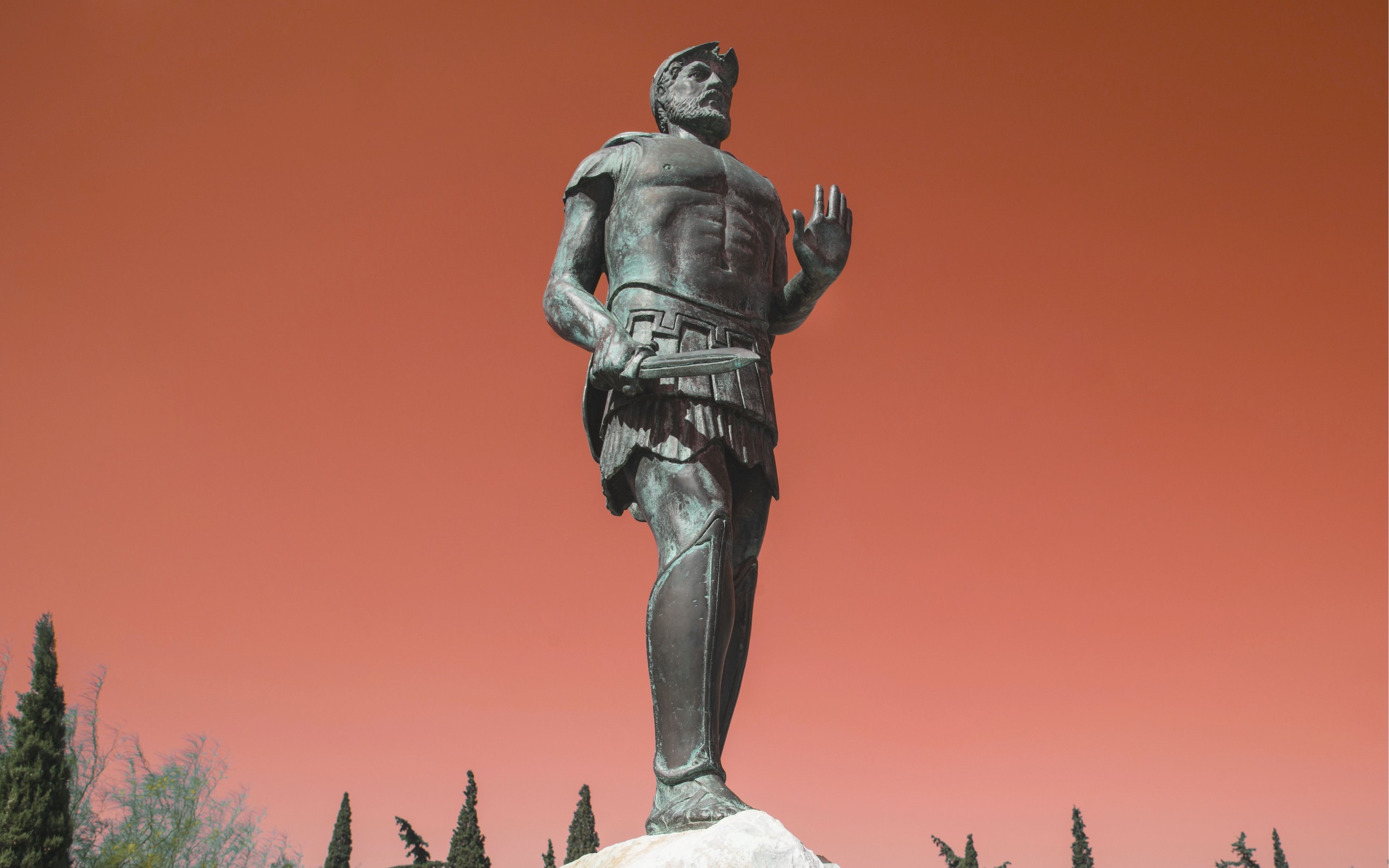
Marathon is globally known for the starting point of the yearly Marathon run and a region where one of the most historical ancient Greek battles took place 2500 years ago, the significance of which is still being taught in educational institutions worldwide. This tour is family friendly, since it combines the historical & archaeological interest with the beautiful scenery of an artificial lake with the impressive marble dam, which was constructed in 1929 and served as the main supplier of water for the Athenian citizens until 1959.
Available options
Group up to 10 people
Minibus<br/>Pickup included
Group up to 3 people
Sedan Car<br/>Pickup included
Group up to 6 people
Mini Van<br/>Pickup included
What's included
Luxury Vehicle
Baby seat or booster up on request without extra charge (compulsory to be requested in advance)
Mineral water, wet & dry tissues
English Speaking Driver (Not authorized to enter into the sites & museums as per the Greek Law)
Free Wi-Fi
All vehicles are thoroughly disinfected after each ride.
Private Tour
Wheel chair up on request without extra charge (compulsory to be requested in advance)
Detailed itinerary
1
Start your day with a drive towards the area of Marathon, reputed for the starting point of the yearly Marathon run and a region where one the most historical ancient Greek battles took place 2500 years ago. You will cover a distance of approximately 30 km (19 miles) to the northeast of Athens, an area that borders the Aegean Sea. Visit the Marathon battle tomb site, where you will be guided around the tumulus of the Greek soldiers who were buried there after the end of the successful battle of the Greeks against the Persian troops that attempted invasion of the Greek continent in 490 B.C. Find out more about the details of one of history’s most crucial battles, the significance of which is still being taught in educational institutions worldwide.
2
Complete the morning tour by heading towards the reputed local lake of Marathon, with an impressive marble dam constructed in 1929. The lake served as the main supplier of water for Athenian citizens until 1959. You may walk along the dam for a majestic view and enjoy a lunch break at the local café by the lake. Head back to Athens while following a road through green landscapes till you reach the city again.
What's not included
Entrance Fees
Food & drinks, unless specified
Gratuities (optional)
Airport pick up & drop off (On request with additional cost)
Licensed Tour Guide for escorting you into the sights (on request with additional cost)
Available languages
Guide guide
EN
Important information
Specialized infant seats are available
Infants and small children can ride in a pram or stroller
Transportation options are wheelchair accessible
Wheelchair accessible
Suitable for all physical fitness levels
About Athens
Athens, the capital of Greece, is a city rich in history and culture, often considered the cradle of Western civilization. It is home to iconic ancient landmarks, vibrant neighborhoods, and a thriving modern scene.
Top Attractions
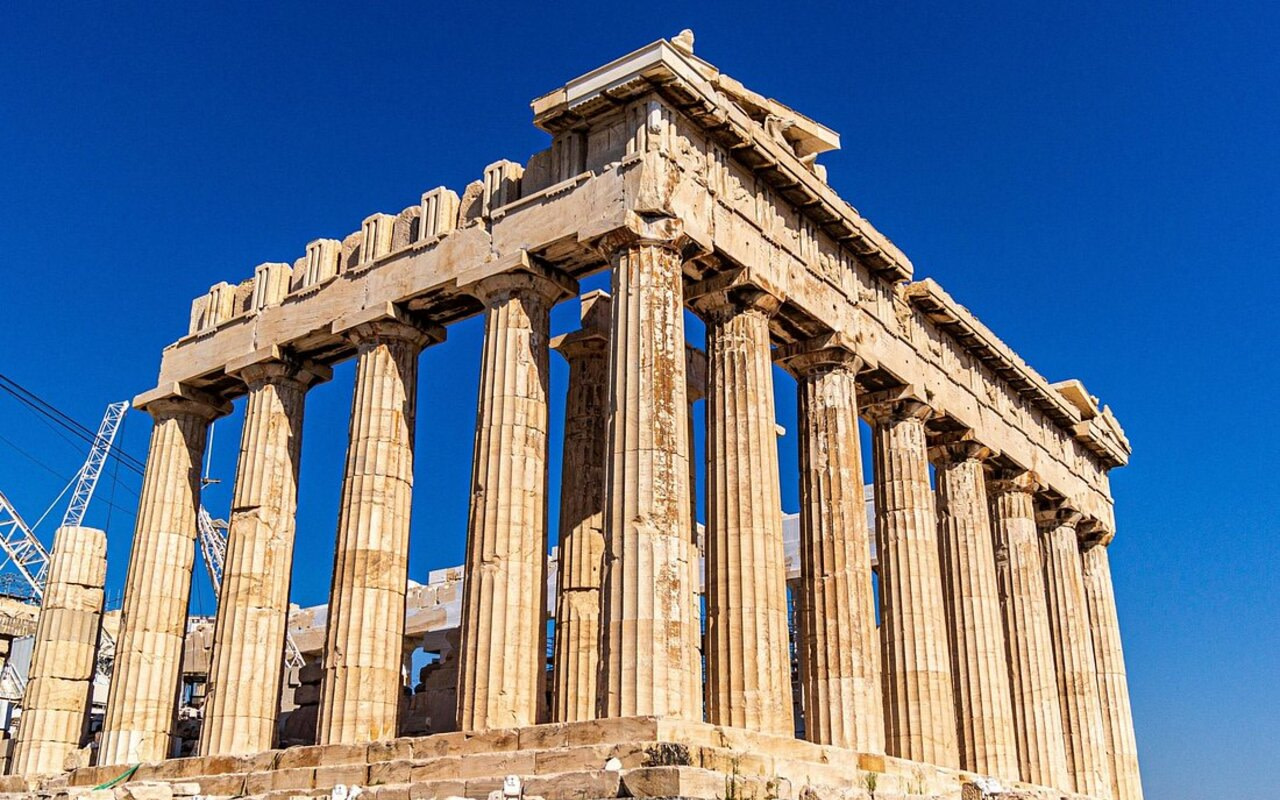
Acropolis of Athens
The Acropolis is the most iconic landmark in Athens, featuring ancient ruins and temples, including the Parthenon.
Historical
2-3 hours
€20 (combined ticket for multiple sites)
Ancient Agora of Athens
The heart of ancient Athens, featuring the Temple of Hephaestus and the Stoa of Attalos.
Historical
1-2 hours
€8 (included in the combined ticket)
Plaka
A charming, historic neighborhood with narrow streets, neoclassical houses, and vibrant nightlife.
Cultural
2-3 hours
Free to explore
Acropolis Museum
A modern museum showcasing artifacts from the Acropolis and its surroundings.
Museum
1-2 hours
€10
Temple of Olympian Zeus
An ancient temple dedicated to Zeus, once the largest temple in Greece.
Historical
30 minutes to 1 hour
€6 (included in the combined ticket)
Must-Try Local Dishes
Moussaka
A baked dish with layers of eggplant, minced meat, and béchamel sauce.
Dinner
Vegetarian versions available
Souvlaki
Grilled meat skewers, often served with pita bread and tzatziki.
Snack
Can be made with chicken, pork, or vegetarian options
Tzatziki
A yogurt-based dip with cucumber, garlic, and herbs.
Snack
Vegetarian and vegan options available
Baklava
A sweet pastry made with layers of filo, nuts, and honey syrup.
Dessert
Vegetarian
Popular Activities
Hiking in the mountains
Rock climbing
Scuba diving
Beach visits
Spa treatments
Café hopping
Museum visits
Theater performances
Best Time to Visit
April to June, September to October
The best time to visit Athens is during the spring and autumn months when the weather is pleasant and the tourist crowds are smaller.
18°C to 32°C
64°F to 90°F
Practical Information
Language
- Official: Greek
- Widely spoken: English, French, German
- English: Moderately spoken
Currency
Euro (EUR)
Time Zone
GMT+2 (EET)
Electricity
230VV, 50HzHz
Safety Information
Overall Safety Rating: Generally safe
Athens is generally safe for travelers, but petty crime and pickpocketing can occur in tourist areas. Be cautious with your belongings and avoid poorly lit areas at night.
Important Precautions:
- • Keep valuables secure
- • Use licensed taxis or ride-sharing apps
- • Be cautious with ATMs and credit cards
Getting there
By air
- Eleftherios Venizelos International Airport • 30 km from city center
By train
Athens Central Railway Station
By bus
KTEL Bus Station
Getting around
Public transport
Clean, efficient, and air-conditioned. Easy to navigate with clear signage in English.
Taxis
Available • Apps: Beat, Uber
Rentals
Car, Bike, Scooter
Neighborhoods
Plaka
Monastiraki
Psiri
Koukaki
Kolonaki
Day trips
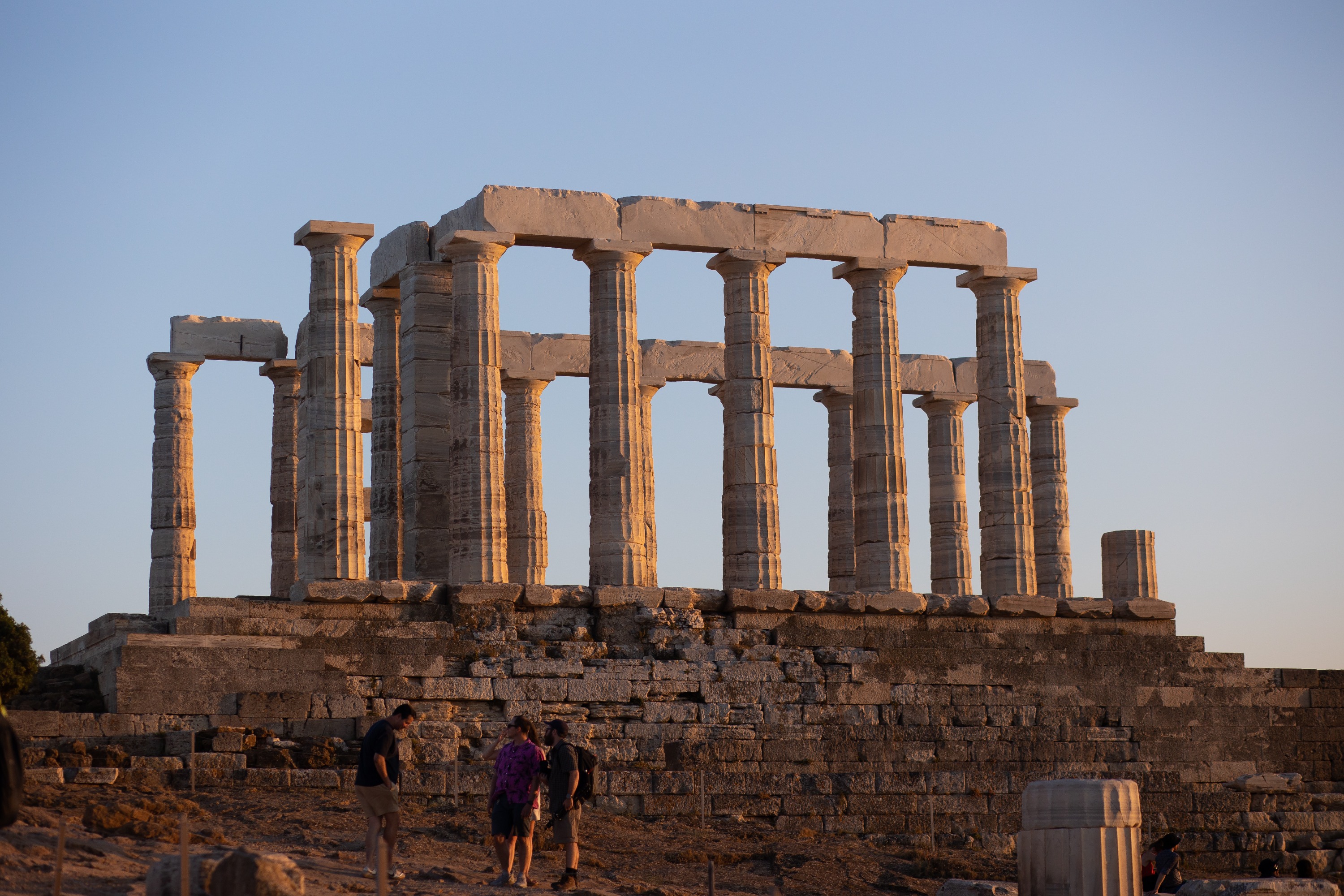
Cape Sounion
65 km from Athens • Half day to full day
A scenic coastal area featuring the Temple of Poseidon with stunning views of the Aegean Sea.
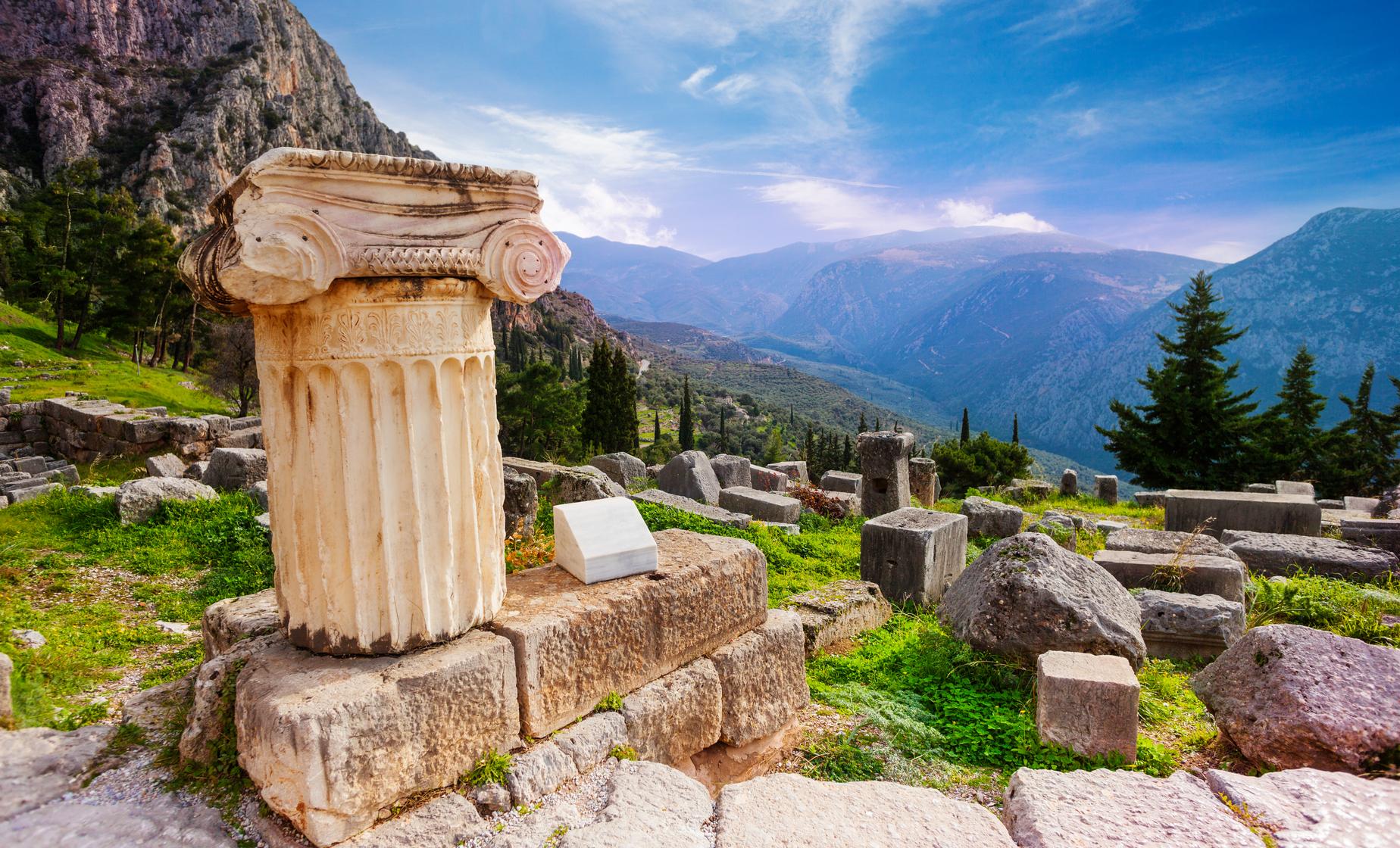
Delphi
180 km from Athens • Full day
An ancient archaeological site and home to the famous Oracle of Delphi.
Meteora
350 km from Athens • Overnight
A unique landscape featuring rock formations and medieval monasteries perched atop cliffs.
Festivals
Athens Festival • May to October
Athens Epidaurus Festival • June to August
Athens International Film Festival • October
Pro tips
- Visit major attractions early in the morning or late in the afternoon to avoid crowds and heat
- Use the metro for easy and efficient travel around the city
- Explore local neighborhoods for an authentic Greek experience
- Try local street food for a quick and delicious meal
- Learn a few basic Greek phrases to enhance your experience and connect with locals
From $25
per person
Price varies by option
Secure booking
Free cancellation available
Instant confirmation