Best Korea DMZ Tour Year-Round
Active
9h
For a full refund, cancel at least 24 hours before the scheduled departure time.
Instant confirmation
Mobile or paper ticket accepted
About this experience
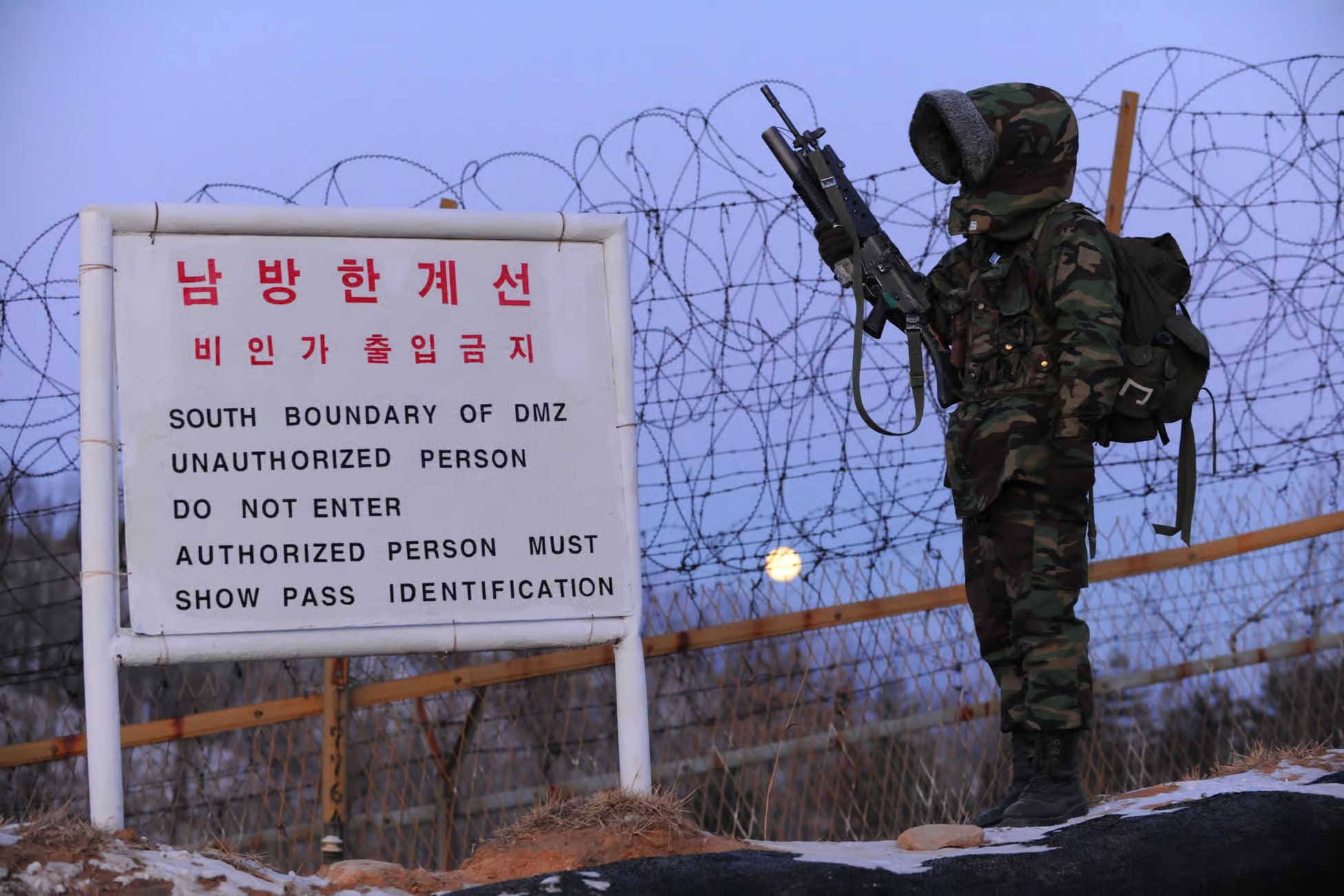
This 7-8hour tour which is operating in 365-day including Mondays & National Holidays, take you to the Korean DMZ which is located about an hour away from Seoul.
You will see the Third Tunnel, the DMZ Exhibition Hall, the Dora Observatory and pass by the Unification Village on the way back to Seoul. It will be an educational experience to learn about the Korean War and its history.
The Third Tunnel, Dora Observatory and Unification Village are closed every Mondays & National Holidays.
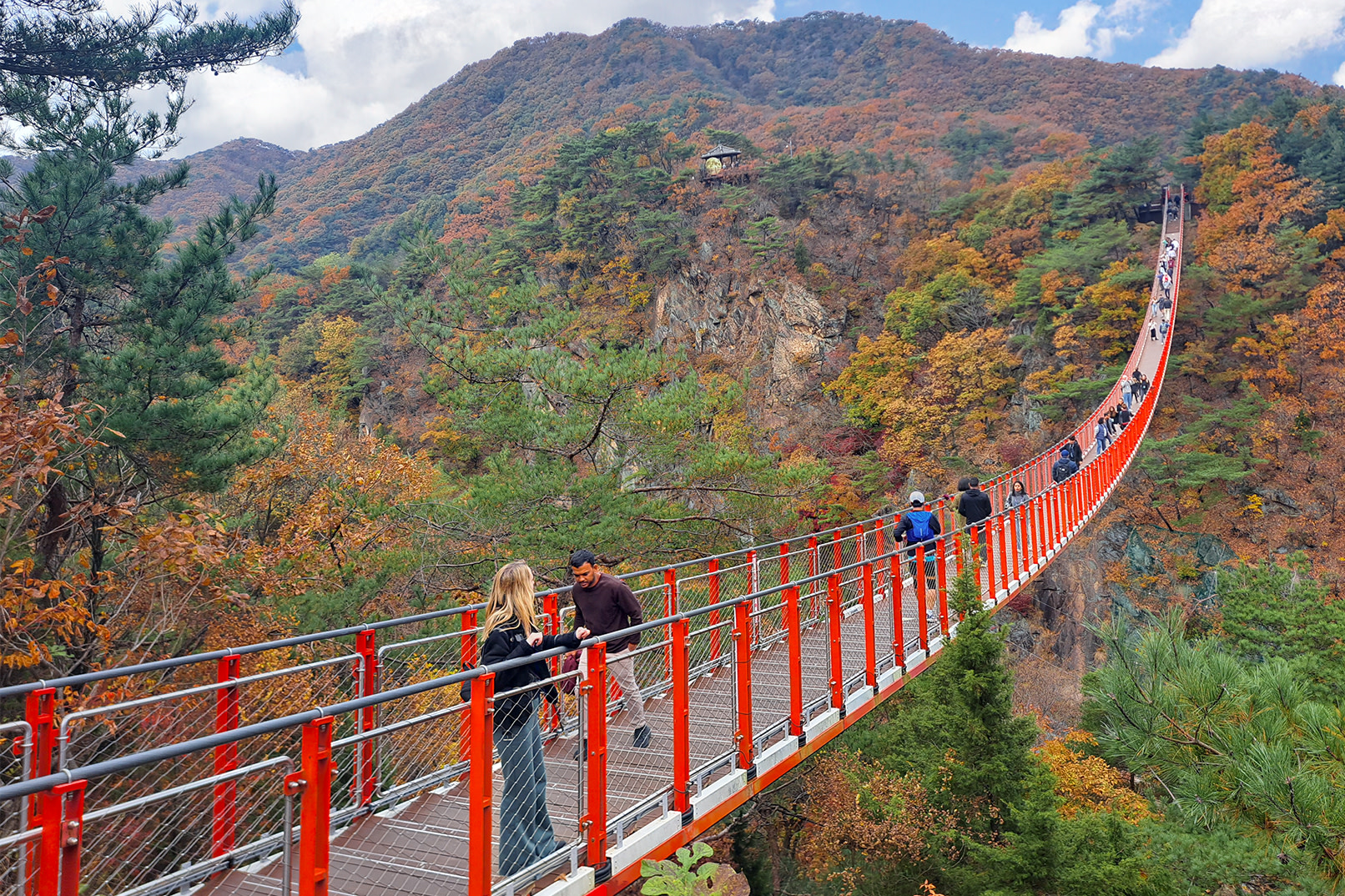
But you can join the Monday & National Holiday or if the Third Tunnel is closed, you will visit another places instead such as DMZ Peace Gondola, Jangsan Natural Observatory, Gamaksan Chulleong Bridge (Suspension Bridge).
Available options
Meeting at Myeongdong
Exit 10 of Myeongdong Station: Meeting time (Peak Season: 06:25am / Low Season: 07:20am) It is nearby Sejong Hotel.
Meeting at Hongik Univ.
Exit 3 of Hongik Univ. Station: Meeting time (Peak Season: 06:50am / Low Season: 07:50am) It is nearby "Olive Young" store
Meeting at City Hall
Exit 6 of City Hall Station: Meeting time (Peak Season: 06:35am / Low Season: 07:30am) It is nearby the Plaza Hotel.
What's included
Professional English-speaking guide
Pickup (at limit places on the list)
Detailed itinerary
1
Pickup Location: Varies based on the selected option. (3 meeting points only)
>>06:00am~06:50am - Peak season (Beg. of Mar. ~ End of Jun / Beg. of Sep. ~ Beg. of Jan.)
>>07:00am~07:50am - Low season (Mondays & National Holiday / End of Jun. ~ End of Aug. / Beg. of Jan. ~ Beg. of Mar.)
**Passport Requirement: A valid original passport is required. (Copies are not accepted)
Meet your guide at the designated meeting point. Once all guests have arrived, we will move on.
All of the tour attractions listed below are places you shouldn't miss on your DMZ itinerary in Korea.
2
Stop 2
Imjingak Park, originally established as a place of solace for refugees from North Korea during the Korean War, features several symbolic monuments such as the Freedom Bridge, the Soldiers’ Memorial, and the Peace Bell.
Adjacent to it, Imjingak Pyeonghoa-Nuri Park offers visitors a chance to reflect on Korea’s history, the ongoing tensions, and hopes for peace.
With monuments like the Mangbaedan, a war-damaged steam locomotive, and open spaces dedicated to remembrance and harmony, the area holds strong potential to be designated as an international peace park.
3
[North Korea Experience Hall] The North Korea Experience Hall is a newly popular attraction in the DMZ tour, offering a deeper and more educational way to satisfy curiosity about North Korea.
Beyond a simple exhibition of the division, it provides an immersive experience that presents North Korea, a mysterious space, in a fact-based educational manner.
The hall features fact-driven content, including real testimonies from defectors and audiovisual documentaries, to help visitors gain a serious understanding of North Korea.
This attraction creates a strong synergy with the DMZ tour by offering Q&A sessions with defectors, allowing visitors to experience content that naturally leads to a deeper understanding of North Korean society.
4
[Visit on Monday, National Holidays, in case the 3rd Tunnel is closed only]
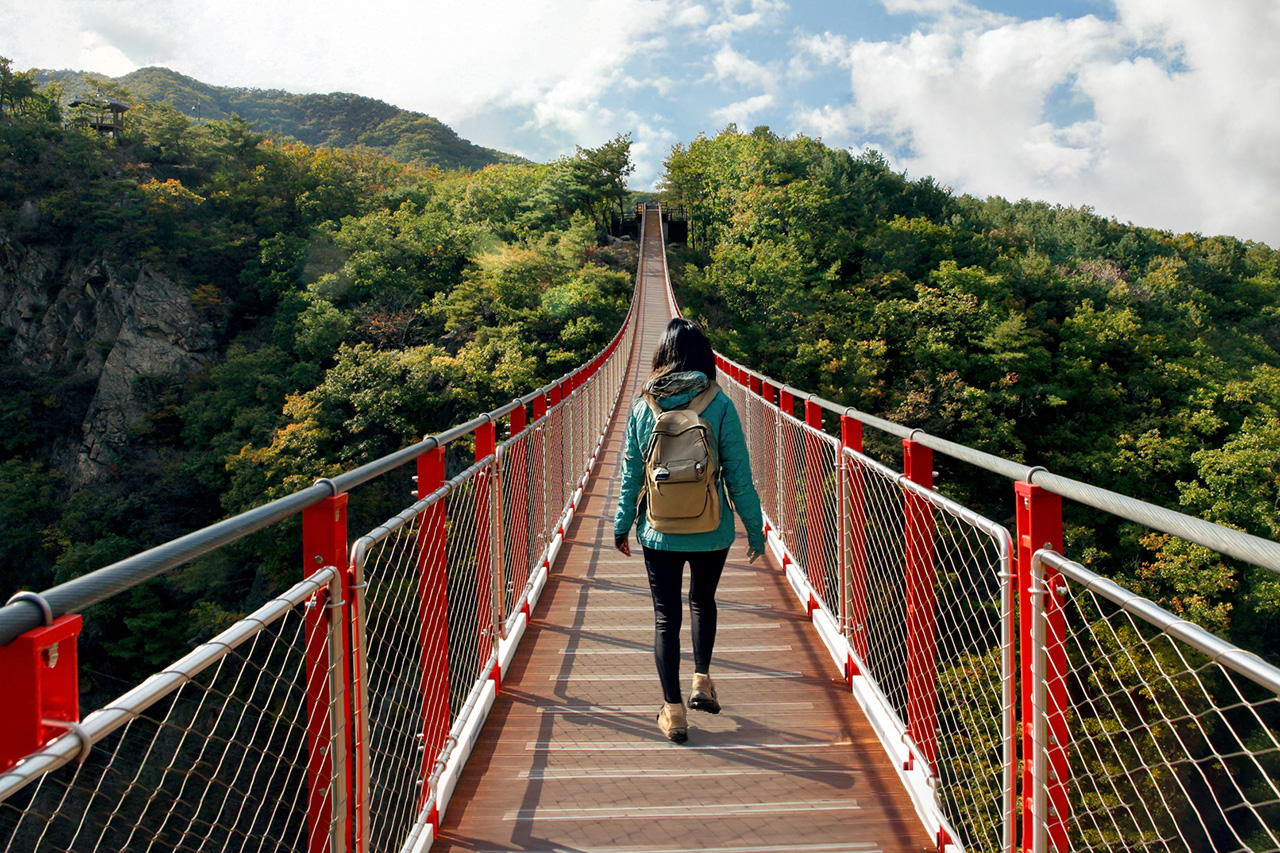
Opened in 2016, this bridge — the longest mountain suspension bridge in South Korea — offers a thrilling experience, as if walking above the clouds.
The bridge is named The Gloucester Heroes Bridge in honour of the heroic achievement of the
soldiers of the Gloucestershire Regiment who fought against the Chinese Communist Army
during the Korean War in order to defend Seolmari to the last and block the Chinese advance
on Seoul for three days.
5
Stop 5
[Visit on Tuesday ~ Sunday]
The Third Tunnel, discovered in 1978, is a secret infiltration tunnel built by North Korea in the 1970s as part of its military strategy to invade the South.
Located just 52 kilometers from Seoul, the tunnel measures 1,635 meters in length, approximately 1.95 meters in height, and 2.1 meters in width—large enough to allow the passage of armed troops.
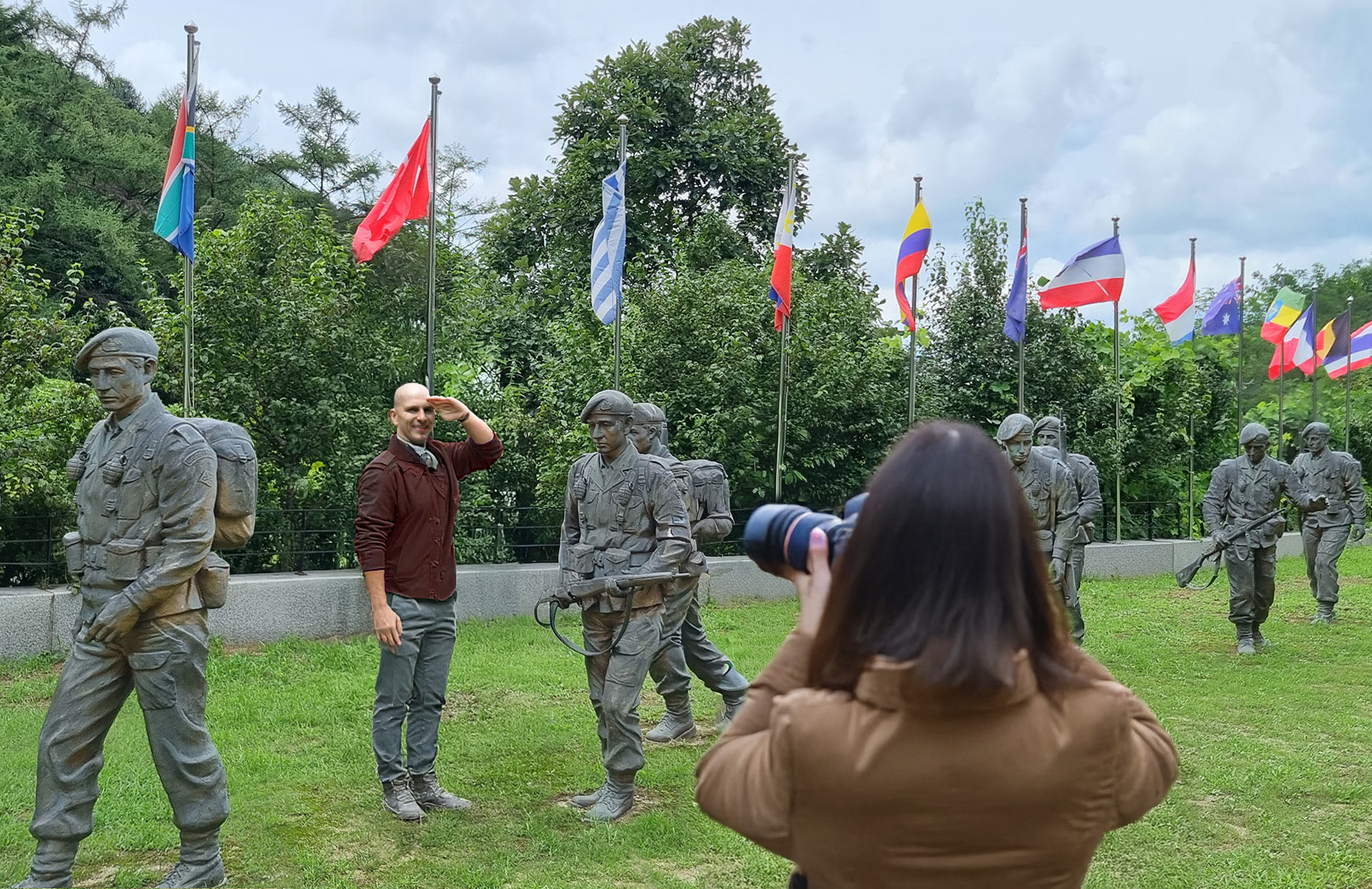
Dora Park features sculptures that convey historical significance and a message of peace to visitors.
6
[Visit on Monday, National Holidays, in case the 3rd Tunnel is closed only]
The Imjin River carries the sorrow of division while symbolizing hope for reunification. It is also home to Korea’s first and only gondola system that crosses the Imjin River, spanning 850 meters and connecting Camp Greaves, located within the Civilian Control Line (CCL) area.
Starting from the lower station at Imjingak, the gondola takes you across the Imjin River to the upper station, where you’ll find small observatories. From this point, you can enjoy a panoramic view of the Jangdan Peninsula, Freedom Bridge, Dokgae Bridge, and Imjingak, all visible at once.
7
Stop 7
[Visit on Tuesday ~ Sunday]
Dora Observatory is one of the few places where you can directly witness the reality of Korea’s division.
On clear days, the flagpole in Kijŏng-dong, the southernmost village in North Korea, can be seen from Dora Observatory with the naked eye, and even more clearly through a telescope.
Dora Observatory has indoor and outdoor areas. Depending on the weather or security situation, the outdoor area may be closed, allowing observation of North Korea only from indoors.
8
[Visit on Monday, National Holidays, and when the 3rd Tunnel is closed only]
Jangsan Natural Observatory, located along the Best Course of Pyeonghwa Nuri-gil in Paju, offers a stunning panoramic view that stretches from the Imjin River to various mountain ranges in North Korea. On clear days, you can even catch a glimpse of Gaeseong, North Korea. Originally a military protection area off-limits to the public, access has recently been granted. The observatory is located about a 10-minute walk from the parking lot.
If the visit is not possible due to weather conditions, we will visit the Odusan Unification Observatory instead.
9
[Visit on Tuesday ~ Sunday]
Tongilchon Village is a settlement located within the Civilian Control Zone (CCZ) on the western front of the DMZ and is not shown on most maps. The Jangdan soybeans grown here, nurtured by the fertile soil of the DMZ border region, are renowned for their exceptional quality, thanks to the clean waters of the Imjin River and the ideal growing conditions. The village is also self-sufficient, supporting itself by producing and selling various processed specialties.
10
[Visit on Monday, National Holiday & in case the 3rd tunnel is closed only]
The British Army Seolmari Battle Memorial Park was built at the Seolmari site to honor the soldiers of the British Army Gloucester Regiment who died during the Battle of Imjin River in Seolmari, Jeokseong-myeon, Paju-si, Gyeonggi-do, from April 22 to 25, 1951. This battle was one of the fiercest during the Korean War.
The sacrifices made by the British Army were immense. In particular, the Gloucester Battalion held out until the end, despite being completely surrounded by 42,000 soldiers from three divisions of the Chinese Army. Out of 652 soldiers, only 67 survived and managed to escape. This earned them the title of the "Glorious Gloucester."
The British government also visited the site in November 1992, when Prince Charles (now King Charles III) visited, and in April 1999, when Queen Elizabeth II visited.
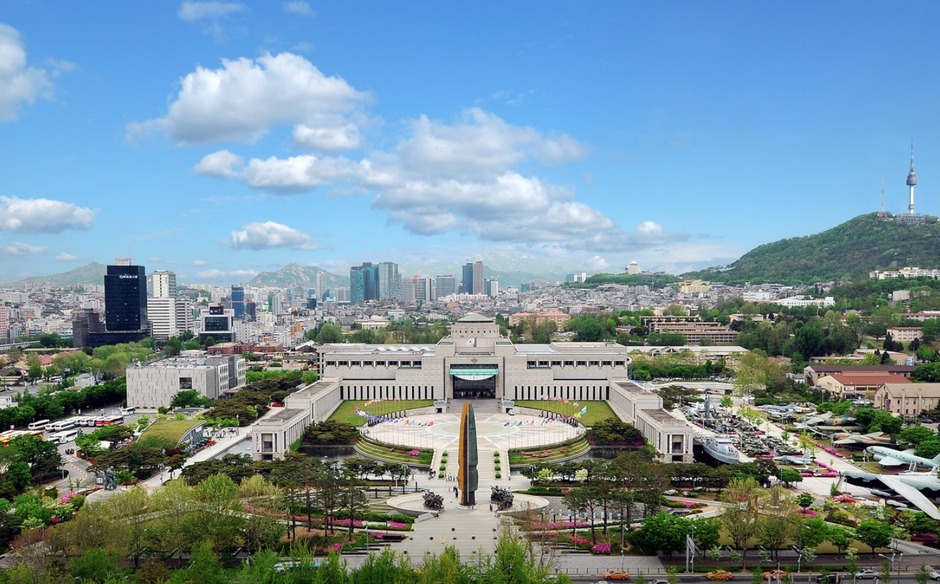
[If the visit is not possible due to weather, we will visit War Memorial of Korea instead.]
11
Stop 11
Due to large events, gatherings, and traffic congestion around City Hall Station on the day of the tour, if entry to City Hall becomes difficult, the tour will conclude at Hongik Univ. Station(Hongdae). Please remember to gather all personal belongings when exiting the vehicle.
12
[Visit on Tuesday ~ Sunday]
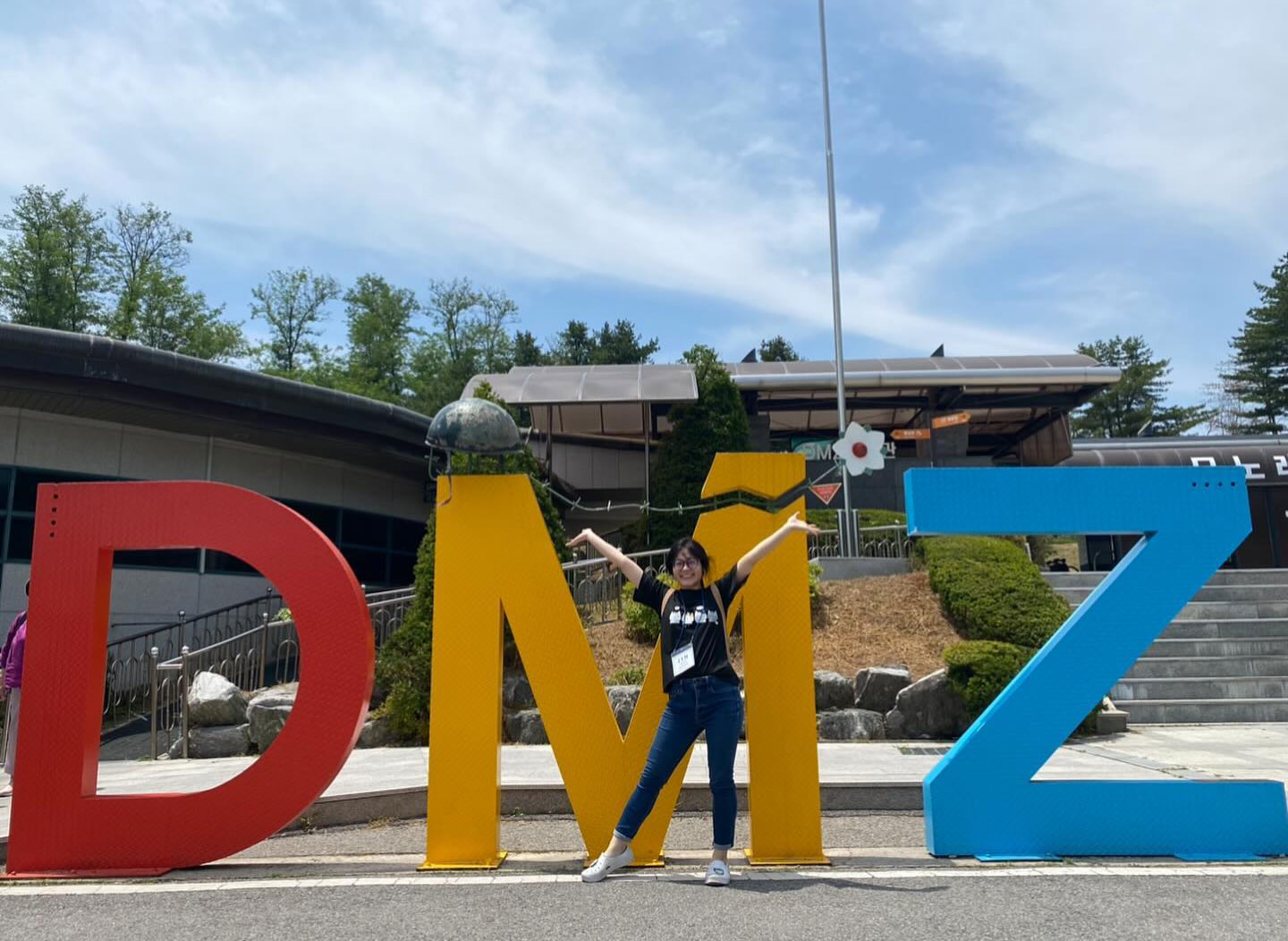
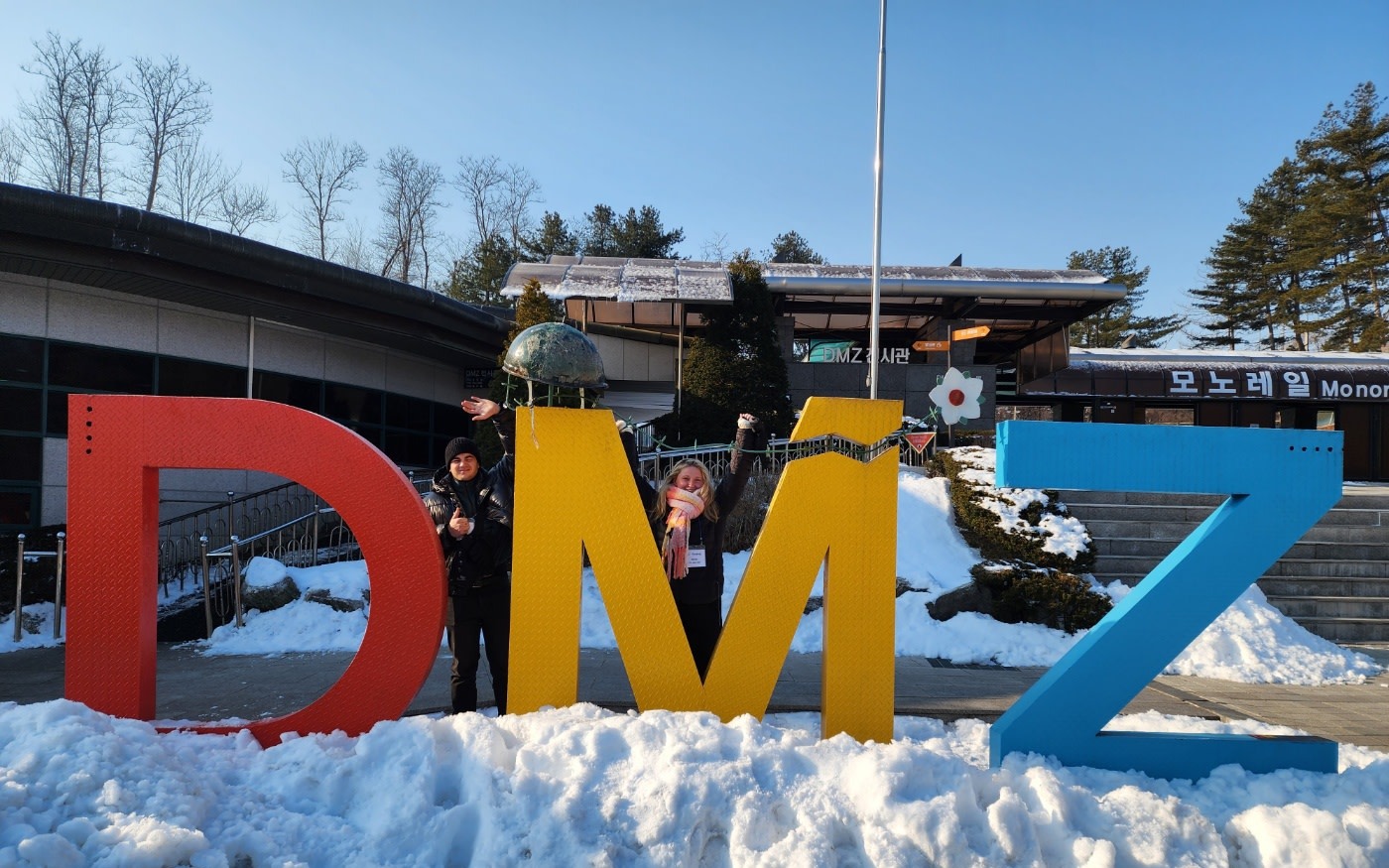
Theater & Exhibition Hall: At the DMZ Theater, you can watch an 8-minute short film about the Korean conflict. This video provides South Korea’s perspective on the Korean War, the origins of the DMZ, and the current situation, along with background information on the infiltration tunnels dug by North Korea.
Right next to the theater, the DMZ Exhibition Hall offers a deeper understanding of Korea’s painful history. The exhibition showcases key artifacts, including photographs, documents, and historical relics. As you walk through the displays, you’ll gain a more profound and visual insight into the conflict.
What's not included
Lunch
Individual hotel pick-up & drop-off
Food and drinks
Gratuities
Available languages
Guide guide
EN
Reviews breakdown
Tripadvisor
5.0
2 reviews
5★
2
4★
0
3★
0
2★
0
1★
0
Important information
Infants are required to sit on an adult’s lap
Public transportation options are available nearby
Travelers should have at least a moderate level of physical fitness
The tour departs in time at every meeting point. Please be ready in 10 minutes before.
Visiting the 3rd Tunnel and Gamaksan Heroes Bridge is physically demanding, so it is not recommended for individuals with heart conditions, other serious medical issues, or pregnant women.
This tour does not operate on regular safety inspection days(On the first Monday of March, June, September, and December)
**Mondays and National Holidays Itinerary : Depart from Meeting points - Imjingak Peace Nuri Park - DMZ Peace Gondola - Jangsan Natural Observatory or Odusan Unification Observatory - Gloster Hill Memorial Park – Heroes Suspension Bridge - Drop off at City Hall Station
**Tuesday to Sunday Itinerary : Depart from Meeting points - Imjingak Peace Nuri Park - The 3rd Infiltration Tunnel. - Theater or Exhibition Hall - Dorasan Observatory. –Unification Village - Drop off at City Hall Station
This tour requires a minimum of 5 participants to operate. If the minimum is not met, the tour may be revised, modified, or canceled.
In case of heavy rain, snow, or security restrictions, Gloster Hill Memorial Park and the Heroes' Suspension Bridge may be closed. If this happens, you will visit the Odusan Unification Observatory or the War Memorial of Korea instead.
The itinerary and details may be adjusted due to unforeseen circumstances, such as DMZ military schedules, traffic, or weather conditions.
The DMZ is a military zone and may be suddenly closed without prior notice. In such cases, the tour will be adjusted to visit a similar site without prior notification, and refunds will not be provided.
Meeting point
- Exit 3 of Hongik univ. station - last departure point (next to “Olive Young” store / 183 YangHwa-ro, Mapo-gu)
Pick up time will be informed on 1 day before tour day via e-mail or whatsapp.
(The pick up time can be earlier or later than showed time by DMZ situation.)
Important notes
• There is no specific dress code (not recommend to wear sandal or heels)
• A current valid passport is required on the day of travel
• Not recommended for participants with back problems
• Not recommended for participants with heart complaints or other serious medical conditions
• Not recommended for pregnant women or elderly who have problem to walk
About Seoul
Seoul, the capital of South Korea, is a dynamic metropolis where ancient palaces stand alongside futuristic skyscrapers. Known for its vibrant street life, cutting-edge technology, and rich cultural heritage, Seoul offers a unique blend of tradition and modernity that captivates every traveler.
Top Attractions
Gyeongbokgung Palace
The largest of the Five Grand Palaces built during the Joseon Dynasty, Gyeongbokgung is a must-visit for its historical significance and beautiful architecture.
Historical
2-3 hours
3,000 KRW (free for those wearing hanbok)
Bukchon Hanok Village
A traditional Korean village nestled between Gyeongbokgung Palace and Changdeokgung Palace, offering a glimpse into traditional Korean life.
Cultural
1-2 hours
Free (some cultural experiences may have fees)
Namsan Seoul Tower
Located atop Namsan Mountain, this iconic tower offers panoramic views of Seoul and is a popular spot for couples to lock love locks.
Viewpoint
2-3 hours
10,000 KRW (observatory), 1,500 KRW (cable car)
Myeongdong
A bustling shopping district known for its street food, fashion, and beauty products, offering a vibrant and energetic atmosphere.
Shopping
Half-day
Varies widely, from budget to luxury
Hongdae
A lively and youthful neighborhood near Hongik University, famous for its nightlife, street performances, and trendy cafes.
Entertainment
Evening or night
Varies widely, from budget to upscale
Must-Try Local Dishes
Kimchi
Fermented spicy cabbage, a staple in Korean cuisine, often served with every meal.
Side dish
Vegetarian (check for seafood in some varieties)
Bibimbap
A mixed rice bowl with vegetables, meat, and gochujang (spicy paste), often served with a fried egg.
Main dish
Can be made vegetarian or vegan
Bulgogi
Marinated grilled beef, often served with rice and side dishes.
Main dish
Contains meat
Tteokbokki
Spicy stir-fried rice cakes, a popular street food often served with fish cakes and boiled eggs.
Snack
Vegetarian (check for seafood in some varieties)
Popular Activities
Hiking in Bukhansan National Park
Biking along the Han River
Water sports at Seokchon Lake
Visiting traditional tea houses
Enjoying a jjimjilbang (Korean spa) experience
Strolling through scenic gardens and parks
Participating in a traditional hanbok photo shoot
Attending a traditional Korean performance
Best Time to Visit
April to June, September to November
Spring and autumn offer comfortable temperatures and beautiful scenery, with cherry blossoms in spring and vibrant foliage in autumn. These are the busiest times with higher tourist volumes.
10°C to 25°C
50°F to 77°F
Practical Information
Language
- Official: Korean
- Widely spoken: English (in tourist areas and by younger generations)
- English: Moderately spoken in tourist areas, limited in other places
Currency
South Korean Won (KRW)
Time Zone
Korea Standard Time (KST, GMT+9)
Electricity
220VV, 60HzHz
Safety Information
Overall Safety Rating: Generally safe
Seoul is generally a safe city for travelers, with low crime rates and a strong police presence. However, as with any major city, it is important to be aware of your surroundings and take precautions to ensure a safe and enjoyable trip.
Important Precautions:
- • Be cautious of your surroundings and belongings, especially in crowded areas
- • Use reputable transportation services and avoid unlicensed taxis
- • Be wary of strangers offering help or assistance, as they may be trying to scam you
Getting there
By air
- Incheon International Airport • 52 km from city center
- Gimpo International Airport • 15 km from city center
By train
Seoul Station, Yongsan Station
By bus
Seoul Express Bus Terminal, Central City Bus Terminal, East Seoul Bus Terminal
Getting around
Public transport
The subway system is efficient, clean, and easy to navigate. It operates from 5:30 AM to 12:00 AM, with frequent trains.
Taxis
Available • Apps: KakaoTaxi, T-money
Rentals
Car, Bike, Scooter
Neighborhoods
Jongno
Gangnam
Hongdae
Itaewon
Insadong
Day trips
DMZ (Korean Demilitarized Zone)
50 km from Seoul • Half day to full day
A unique and fascinating day trip, the DMZ offers a glimpse into the history and current status of the Korean Peninsula, with tours visiting various historical sites and observation points.
Nami Island
56 km from Seoul • Half day to full day
A picturesque island known for its beautiful landscapes, walking trails, and filming locations for popular K-dramas like 'Winter Sonata'.
Suwon
30 km from Seoul • Full day
A historic city known for its well-preserved fortress, traditional markets, and cultural attractions, offering a mix of history, culture, and local cuisine.
Festivals
Seoul International Fireworks Festival • Mid-October (annual)
Seoul Lantern Festival • Late November to early December (annual)
Cherry Blossom Festival • Late March to early April (annual)
Pro tips
- Learn a few basic Korean phrases to enhance your experience and show respect for the local culture
- Use a T-money card for convenient and discounted public transportation
- Try street food and local specialties for an authentic and delicious culinary experience
- Visit popular attractions early in the morning or late in the afternoon to avoid crowds
- Explore Seoul's diverse neighborhoods and hidden gems for a more unique and immersive experience
From $25
per person
Price varies by option
Secure booking
Free cancellation available
Instant confirmation






![[Paju DMZ Private Guided Tour] 3rd Tunnel & Camp Greaves and more](https://res.klook.com/image/upload/activities/gggvsx4xkuach09dhyiu.jpg)