Day Trip to El Fayoum Oasis from Cairo and Giza
Active
10h - 12h
For a full refund, cancel at least 24 hours before the scheduled departure time.
Instant confirmation
Mobile or paper ticket accepted
About this experience
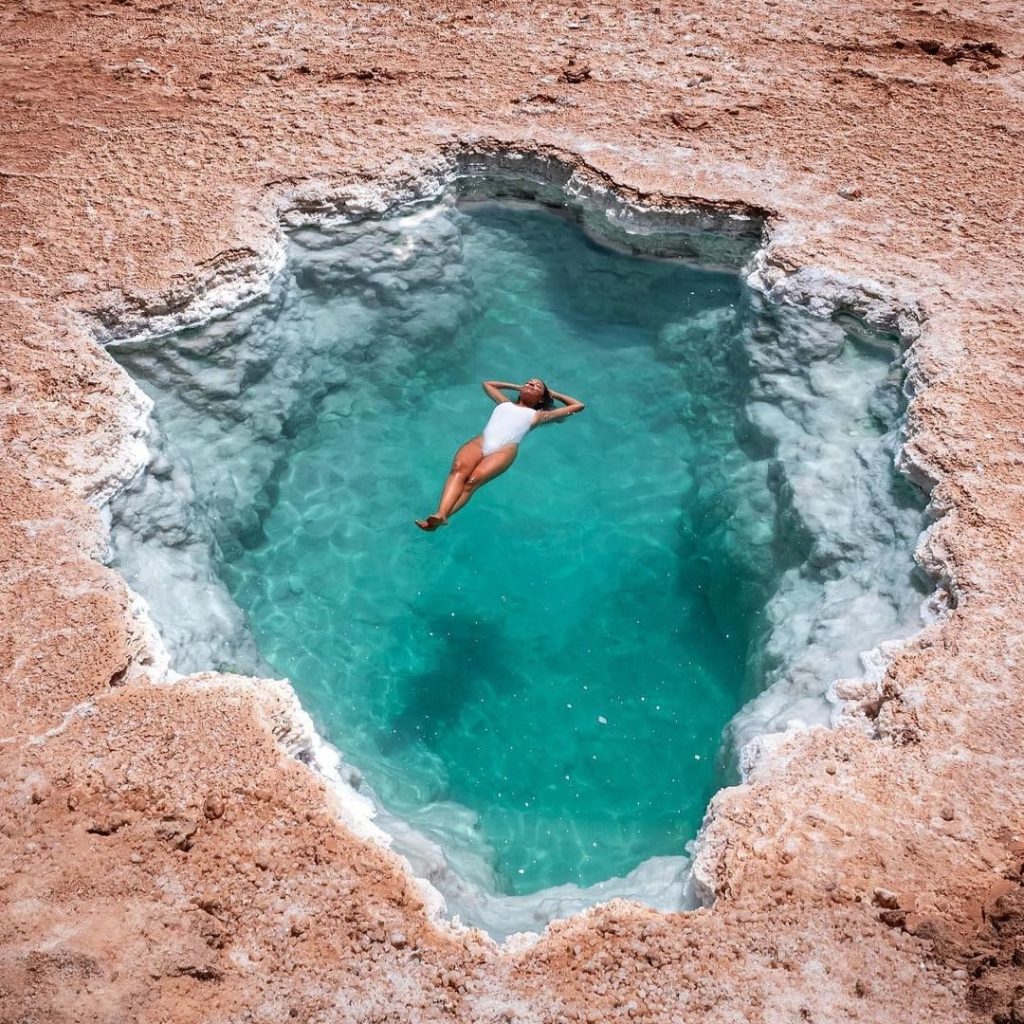
A fascinating exploration awaits you on this day trip to El Fayoum Oasis Wadi El-Rayan and the Valley of the Whales from Cairo and Giza. The historic and natural beauty of Egypt is perfectly encapsulated on this comprehensive journey. Cutting across vibrant city landscapes and the serene desert, you'll venture to the oasis of El Fayoum, a hidden gem where the desert meets the water. The splendid Wadi El-Rayan follows next, with its beautiful cascading waterfalls and emerald-green lakes. Wrapping up the day is a step back in time in the Valley of the Whales, home to prehistoric fossils and serene desert expanses. Allow Egypt's timeless landscapes to reveal their secrets to you on this unforgettable journey.
Available options
Day Trip to El Fayoum Oasis
Duration: 10 hours<br/>Lunch<br/>Pickup included
What's included
Entry fees
Lunch
All Transfers in Private AC latest model Vehicle
Driver
bottled water
Jeep Safari included
Detailed itinerary
1
The valley of Wadi El-Rayan is an area of 1759 km2, 113 km2 of which are the dominating water body of the Wadi El Rayan lakes. It is located about 65 km southwest of Faiyum city and 80 km west of the Nile River. The Wadi has been used for man-made lakes from agricultural drainage which has made a reserve of the two separate Wadi El Rayan Lakes. The reserve is composed of a 50.90 km2 upper lake and a 62.00 km2 lower lake, with waterfalls between the two. Among the springs, there are three sulphur springs at the southern side of the lower lake, with extensive mobile sand dunes. Wadi El Rayan Waterfalls are considered to be the largest waterfalls in Egypt.
At the south and southeast of the springs is Gabal Manqueer Al Rayan, where marine fossils and archeological remains are found. Gabal Madwera, near the lower lake, is known for its extensive dune formations.
In the northwest is Wadi El Hitan, a protectorate containing fossils of extinct whales
2
Stop 2
Valley of the Whales is a paleontological site in the Faiyum Governorate of Egypt, some 150 kilometres (93 mi) south-west of Cairo. It was designated a UNESCO World Heritage Site. in July 2005.for its hundreds of fossils of some of the earliest forms of whale, the archaeoceti (a now extinct sub-order of whales). The site reveals evidence for the explanation of one of the greatest mysteries of the evolution of whales: the emergence of the whale as an ocean-going mammal from a previous life as a land-based animal. No other place in the world yields the number, concentration and quality of such fossils, as is their accessibility and setting in an attractive and protected landscape. This is why it was added by the UNESCO to the list of protected World Heritage Sites
3
Stop 3
The Faiyum Oasis is a depression or basin in the desert immediately to the west of the Nile south of Cairo in Egypt. The extent of the basin area is estimated at between 1,270 km2 (490 mi2) and 1700 km2 (656 mi2). The basin floor comprises fields watered by a channel of the Nile, the Bahr Yussef, as it drains into a desert hollow to the west of the Nile Valley. The Bahr Yussef veers west through a narrow neck of land north of Ihnasya, between the archaeological sites of El Lahun and Gurob near Hawara; it then branches out, providing rich agricultural land in the Faiyum basin, draining into the large saltwater Lake Moeris (Birket Qarun). The lake was freshwater in prehistory but is today a saltwater lake.It is a source for tilapia and other fish for the local area.
What's not included
Tipping
personal expenses
Tour guide
Available languages
Audio guide
AR
DE
EN
IT
FR
ES
Guide guide
AR
DE
EN
IT
ES
Reviews breakdown
Viator
5.0
2 reviews
5★
2
4★
0
3★
0
2★
0
1★
0
Important information
Public transportation options are available nearby
Specialized infant seats are available
Not recommended for travelers with spinal injuries
Not recommended for pregnant travelers
Not recommended for travelers with poor cardiovascular health
Suitable for all physical fitness levels
Entrance fees -Depending on the Tour Options Chosen
Jeep Safari included if selected entry fees option
About Cairo
Cairo, the capital of Egypt, is a vibrant metropolis where ancient history and modern life intertwine. As one of the largest cities in Africa, it offers a wealth of historical landmarks, bustling markets, and rich cultural experiences that attract millions of visitors each year.
Top Attractions
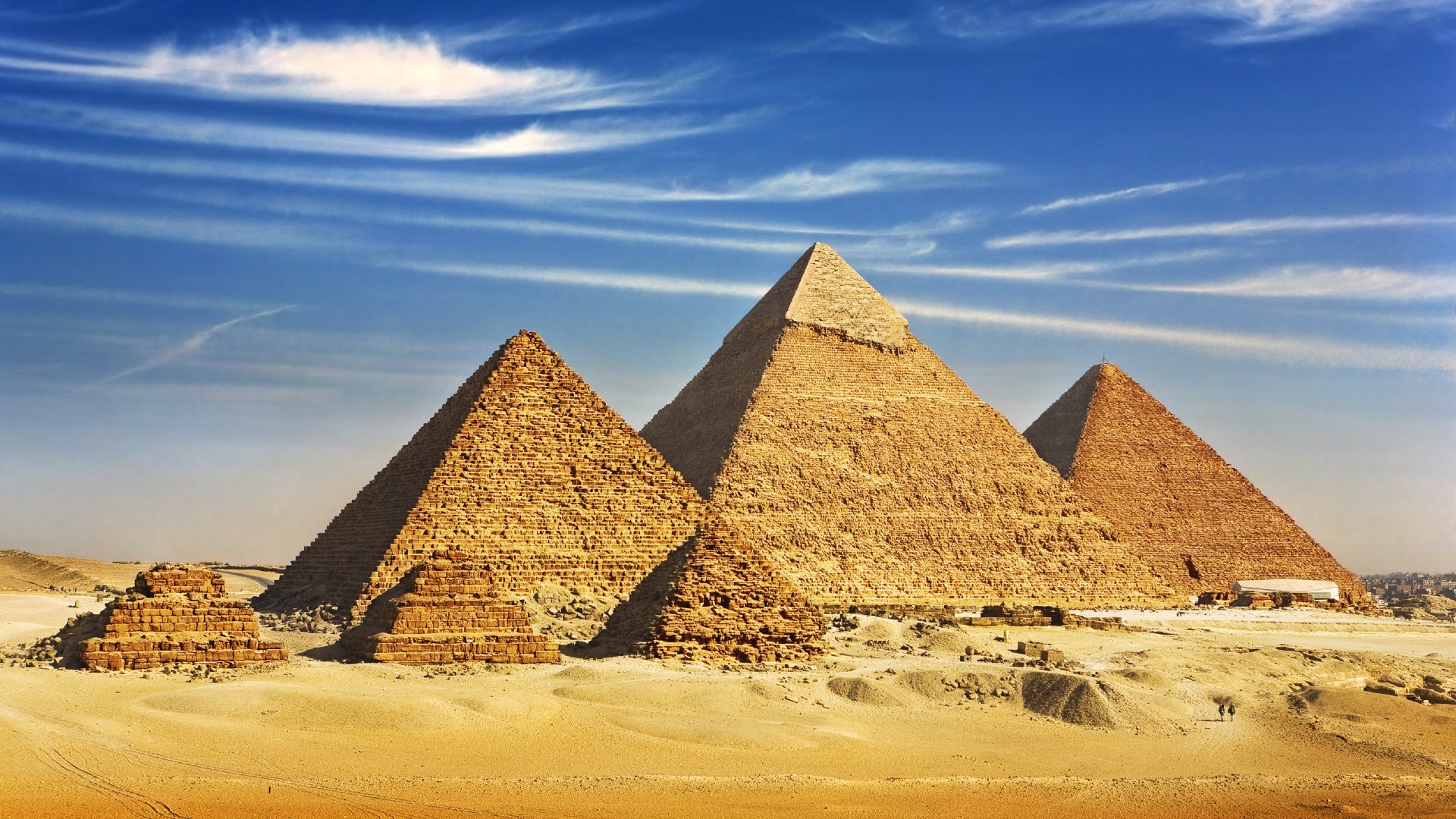
The Great Pyramids of Giza
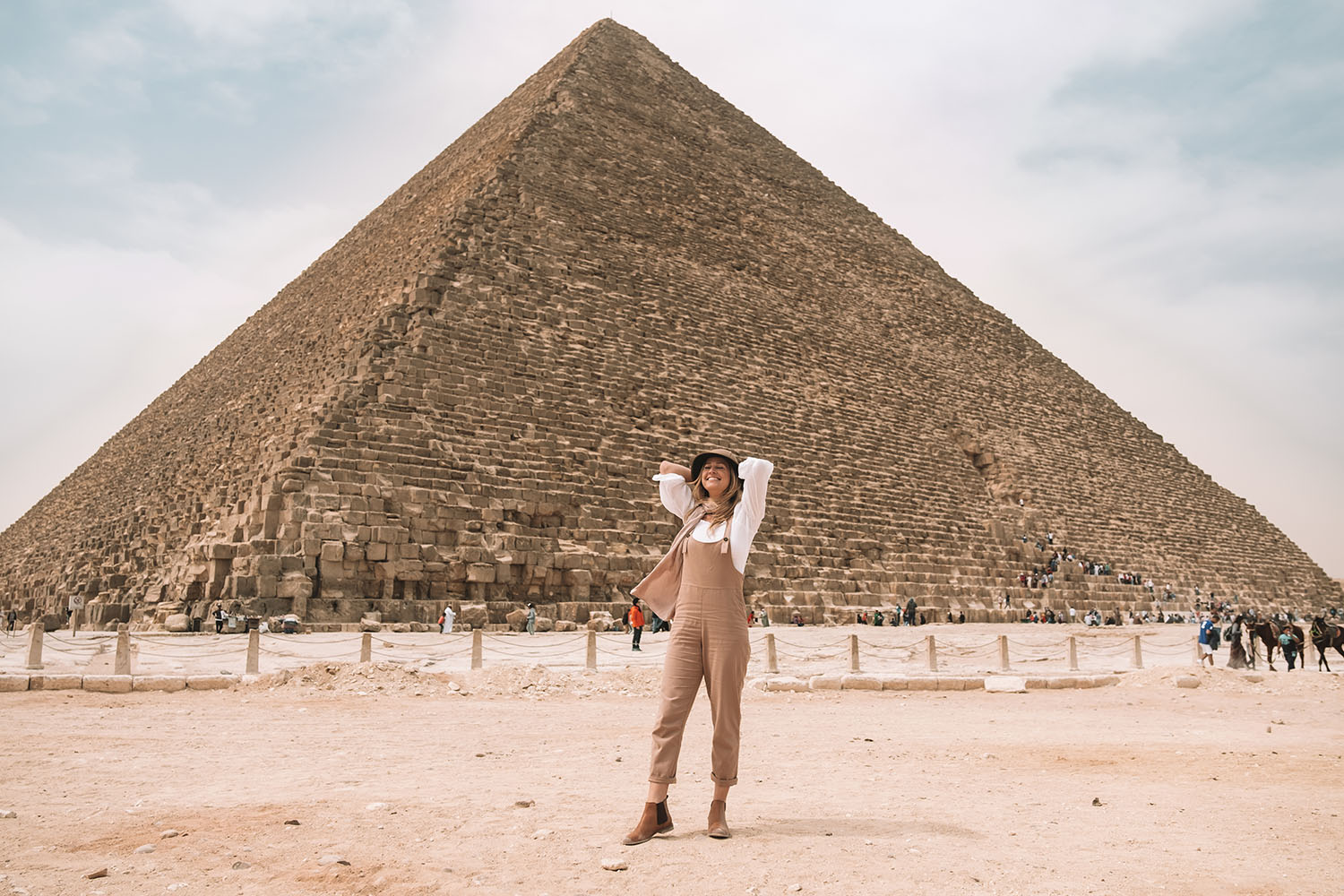
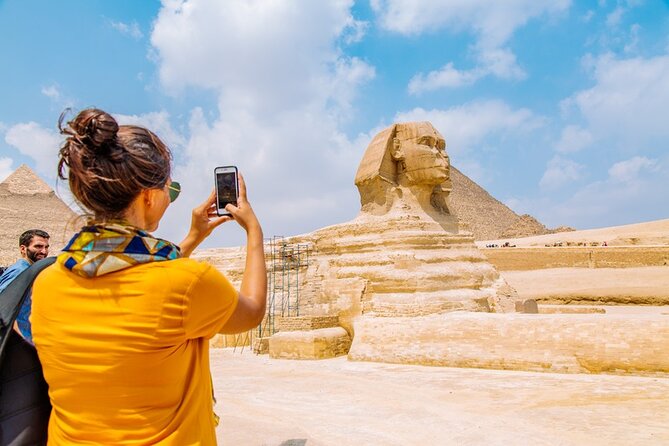
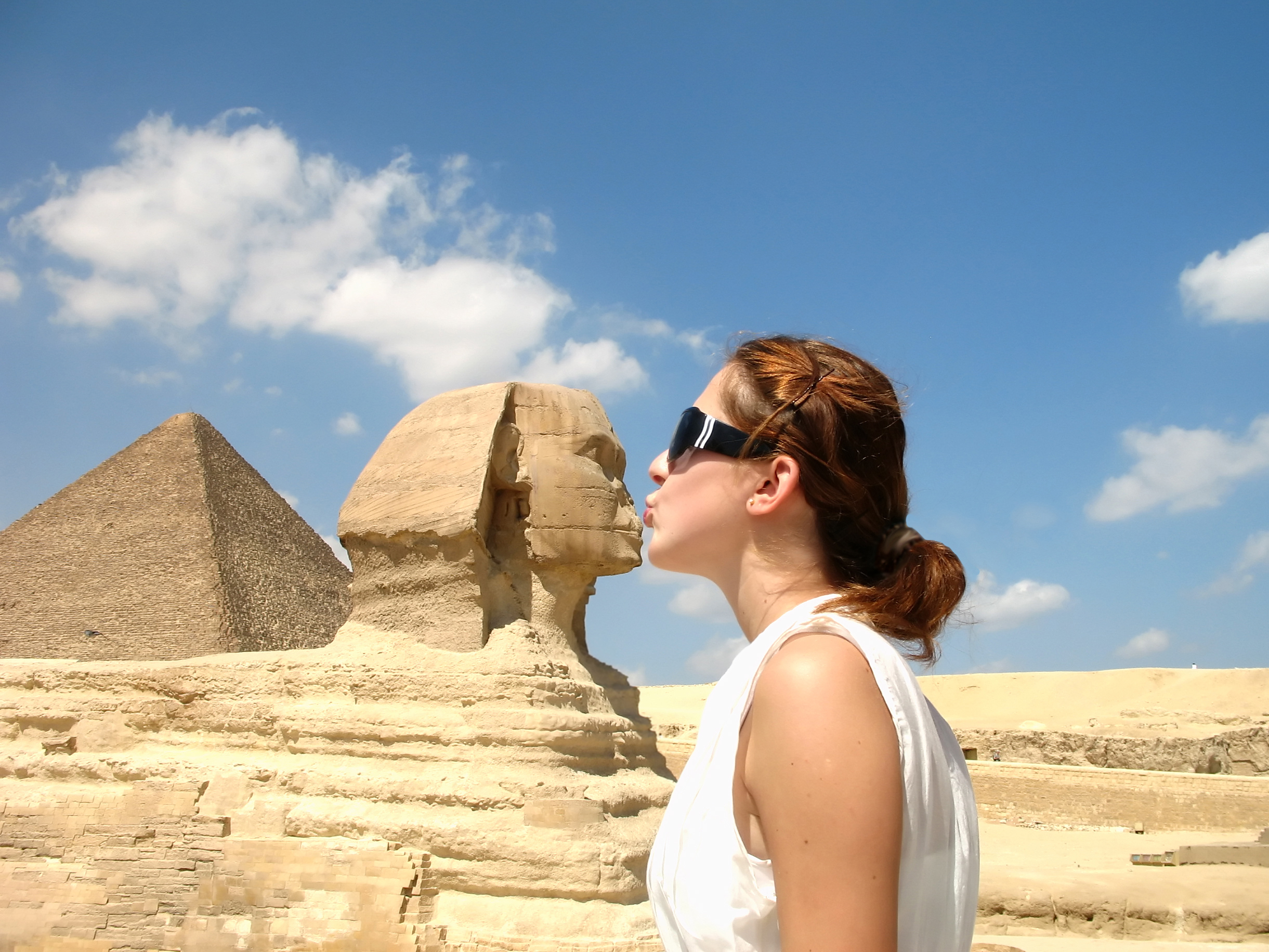
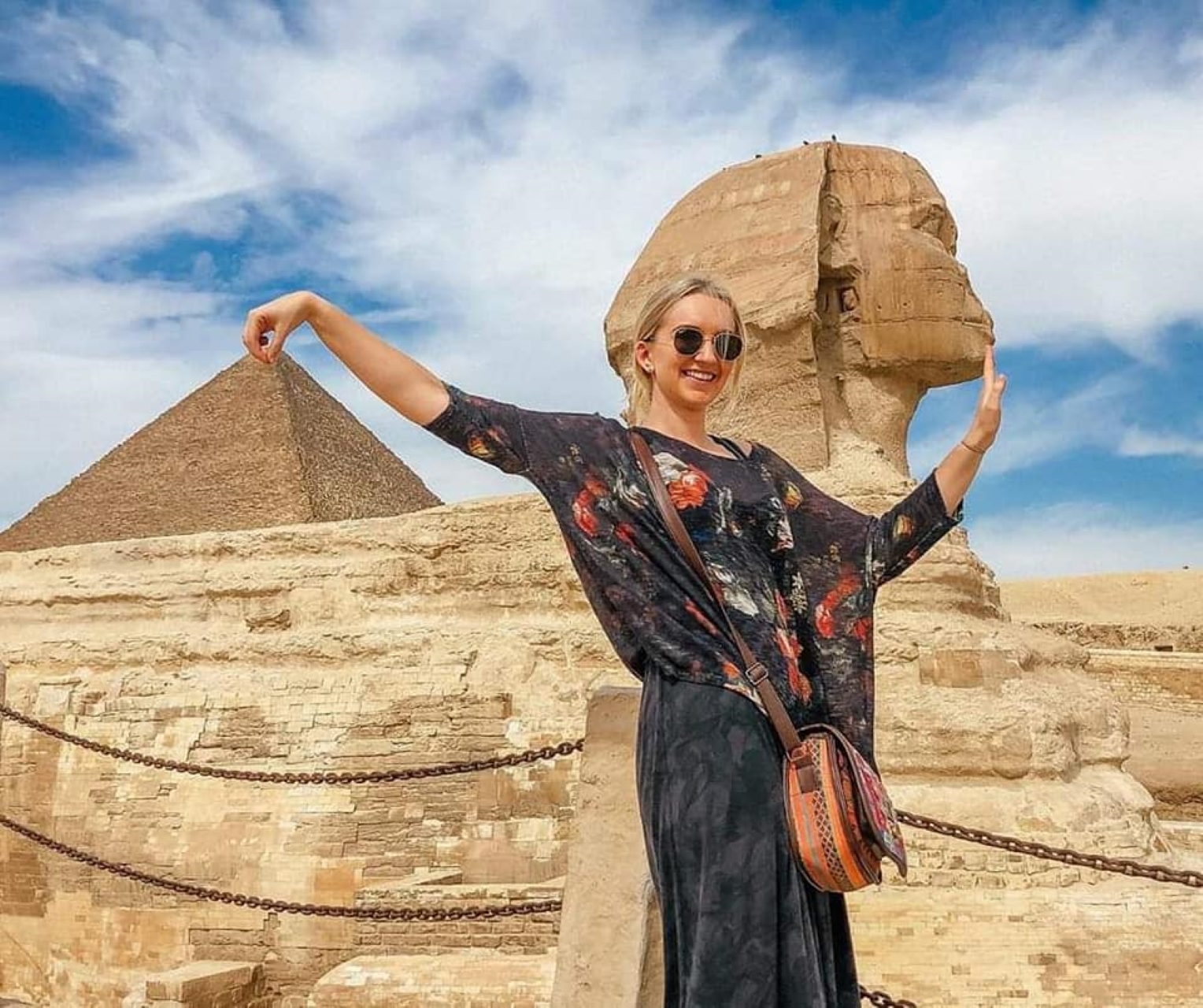
The iconic pyramids are one of the most famous landmarks in the world and a must-visit for any traveler to Cairo. They are part of the Giza Necropolis, which also includes the Great Sphinx.
Historical
Half day to full day
Moderate (around $10-20 for entrance fees)
Egyptian Museum
This museum houses the largest collection of ancient Egyptian artifacts in the world, including the treasures of Tutankhamun. It's a must-visit for anyone interested in Egypt's rich history.
Museum
2-3 hours
Moderate (around $10-15 for entrance fees)
Khan el-Khalili Bazaar
One of the oldest and most famous markets in the Middle East, Khan el-Khalili offers a vibrant shopping experience with a wide range of goods, from spices and perfumes to jewelry and souvenirs.
Cultural
1-2 hours
Moderate (prices vary depending on items)
Coptic Cairo
This area is home to some of the oldest Christian churches in Egypt, including the Hanging Church and the Church of St. Sergius and Bacchus. It's a fascinating place to explore for those interested in the history of Christianity in Egypt.
Historical
1-2 hours
Low (around $5-10 for entrance fees)
Nile River Cruise
A Nile River cruise offers a unique way to see Cairo from a different perspective. Many cruises include dinner and entertainment, making it a memorable experience.
Cultural
2-3 hours
Moderate to Expensive (depending on the cruise package)
Must-Try Local Dishes
Koshari
A popular street food made with a mix of rice, lentils, chickpeas, pasta, and fried onions, topped with a spicy tomato sauce.
Main Dish
Vegetarian
Ful Medames
A traditional breakfast dish made with mashed fava beans, garlic, lemon juice, and olive oil, often served with bread.
Breakfast
Vegetarian, Vegan
Molokhia
A green leafy vegetable soup made with jute leaves, garlic, and coriander, often served with rice or bread.
Main Dish
Vegetarian, Vegan
Kofta
Grilled minced meat skewers made with a mix of ground beef, lamb, or chicken, seasoned with spices and herbs.
Main Dish
Contains meat
Popular Activities
Desert safaris
Quad biking in the desert
Hot air balloon rides over the Nile
Nile River cruises
Beach relaxation in Alexandria or Hurghada
Spa and wellness treatments
Exploring ancient temples and ruins
Visiting museums and galleries
Best Time to Visit
October to April
This period offers the most pleasant weather for sightseeing and outdoor activities. The temperatures are mild, making it ideal for exploring the city's historical sites.
15-28°C
59-82°F
Practical Information
Language
- Official: Arabic
- Widely spoken: English, French
- English: Moderately spoken in tourist areas, limited in other parts of the city
Currency
Egyptian Pound (EGP)
Time Zone
EET (GMT+2)
Electricity
220VV, 50HzHz
Safety Information
Overall Safety Rating: Exercise caution
Cairo is generally safe for tourists, but pickpocketing, scams, and harassment can occur, especially in crowded areas. It's important to stay vigilant, be aware of your surroundings, and take precautions to protect yourself and your belongings.
Important Precautions:
- • Be aware of your surroundings and keep your belongings secure, especially in crowded areas.
- • Avoid walking alone at night, especially in poorly lit or deserted areas.
- • Be cautious when using taxis, and always agree on a fare or use the meter before starting your journey.
Getting there
By air
- Cairo International Airport • 20 km from city center
By train
Ramses Station
By bus
Cairo Bus Station, Turgoman Bus Station
Getting around
Public transport
The metro is the fastest and most efficient way to get around Cairo. It has three lines and is relatively affordable.
Taxis
Available • Apps: Uber, Careem
Rentals
Car, Bike, Scooter
Neighborhoods
Downtown Cairo
Islamic Cairo
Zamalek
Giza
Day trips
Alexandria
220 km from Cairo • Full day
Alexandria is a beautiful coastal city with a rich history, offering a mix of ancient landmarks, beaches, and vibrant culture.
Luxor
670 km from Cairo • Overnight
Luxor is often referred to as the world's greatest open-air museum, offering a wealth of ancient Egyptian landmarks and temples.
Aswan
870 km from Cairo • Overnight
Aswan is a charming city on the Nile, known for its beautiful landscapes, ancient temples, and relaxing atmosphere.
Festivals
Cairo International Film Festival • Late November to early December
Cairo Jazz Festival • Late January to early February
Cairo Fashion Festival • April
Pro tips
- Learn a few basic Arabic phrases to enhance your experience and connect with locals.
- Hire a guide for major attractions, such as the Great Pyramids of Giza and the Egyptian Museum, to gain a deeper understanding of their history and significance.
- Bargain when shopping at markets and bazaars, as it's expected and can help you get a better deal.
- Dress modestly and respectfully, especially when visiting religious sites, to show respect for local customs and traditions.
- Be prepared for heavy traffic and crowded streets, especially during peak hours and in popular tourist areas.
From $25
per person
Price varies by option
Secure booking
Free cancellation available
Instant confirmation