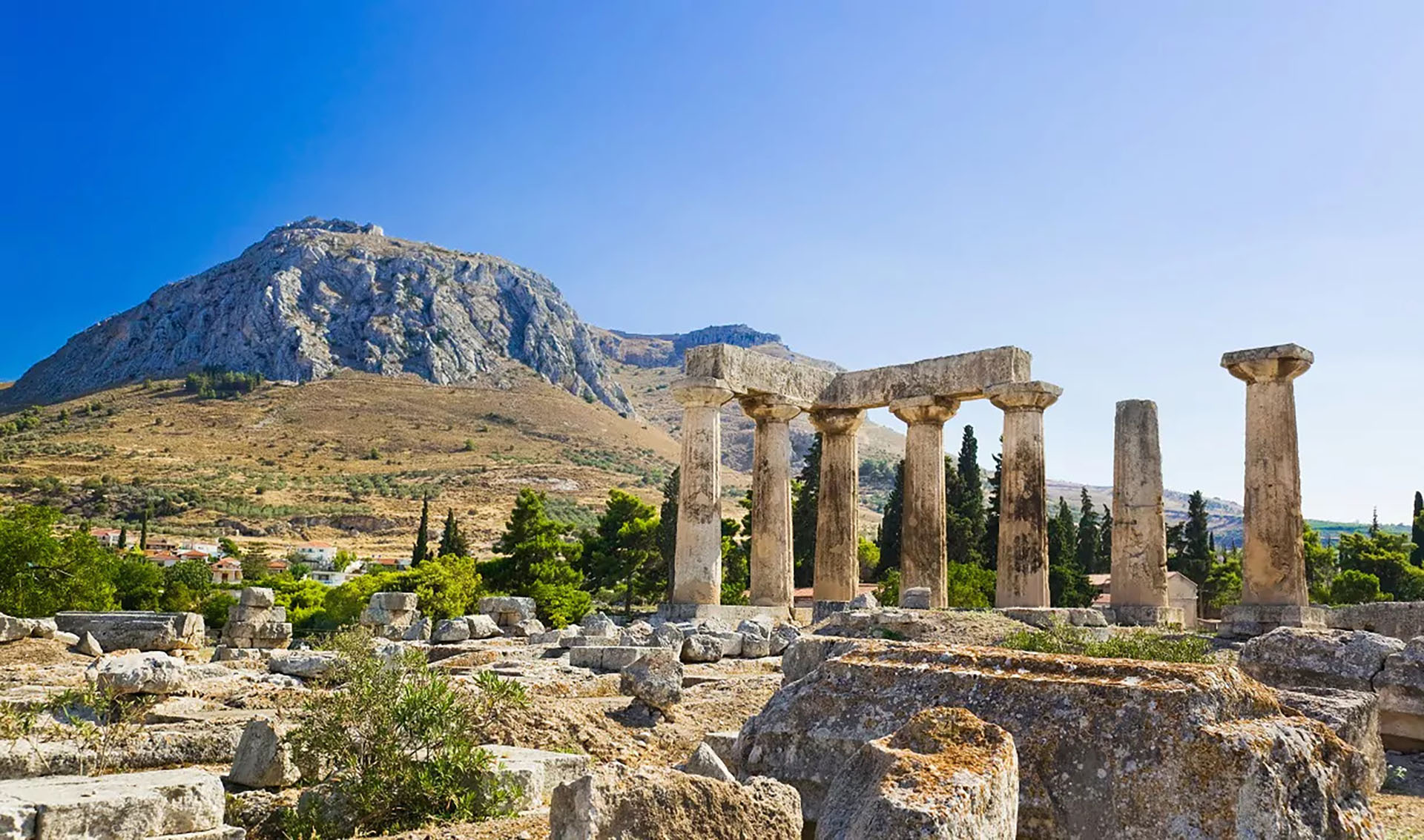
Private Biblical Τour Apostle Paul and Ancient Corinth
Active
6h
For a full refund, cancel at least 24 hours before the scheduled departure time.
Instant confirmation
Mobile or paper ticket accepted
About this experience
Imagine walking the same ancient streets once traversed by Apostle Paul, feeling the pulse of history beneath your feet. From the vibrant marketplaces of Corinth to sacred sanctuaries and quiet coastal harbors, every step tells a story of faith, courage, and transformation.
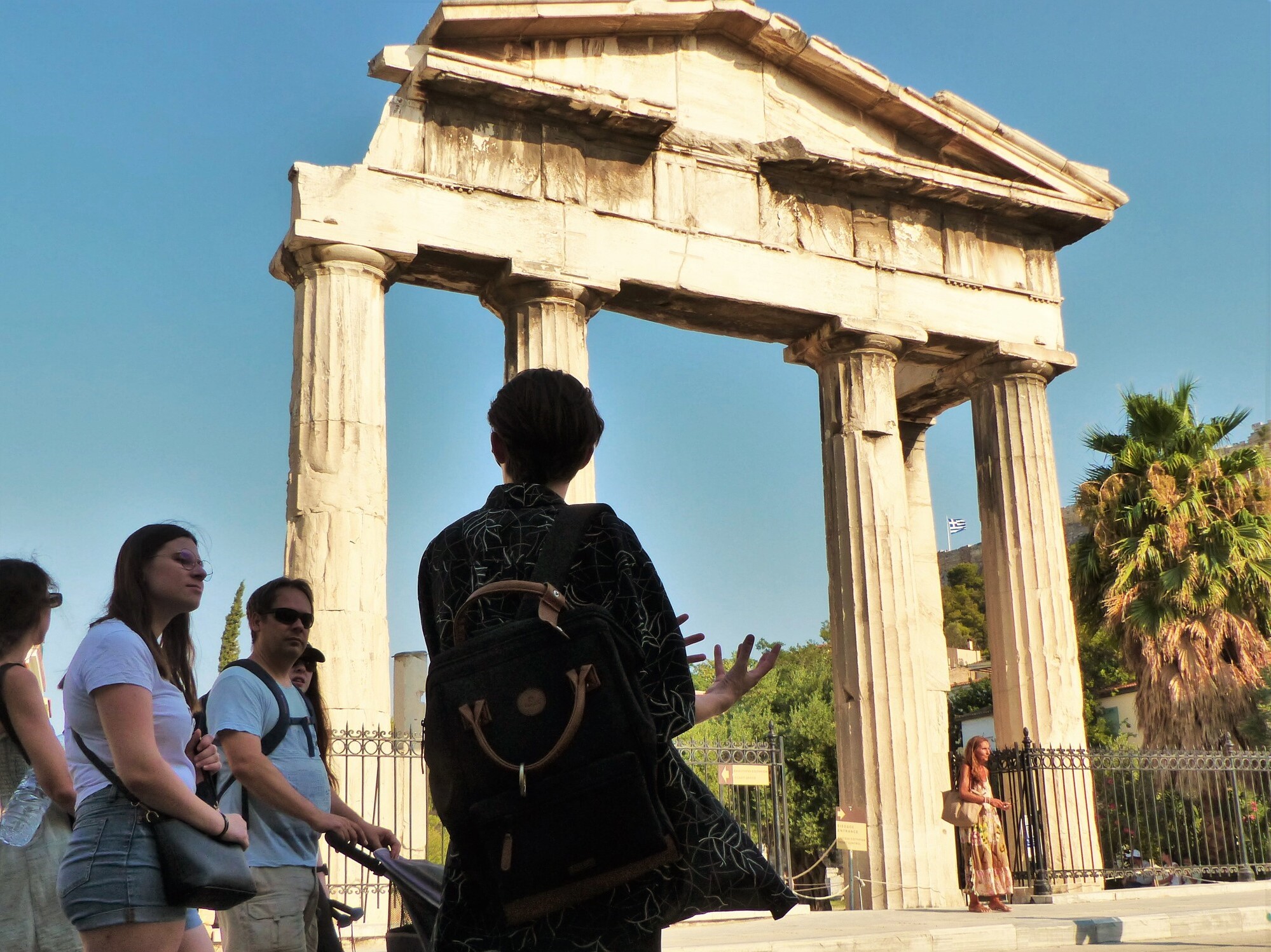
Your English-speaking guide, an expert in both ancient Greek history and Paul’s missionary journeys, will bring the past to life with captivating tales, surprising insights, and little-known details. Stand where Paul preached to the Athenians, trace the paths of his epic travels, and explore archaeological sites that whisper secrets of a world long past.
This isn’t just sightseeing—it’s a journey through time, culture, and spirituality. Every moment is designed to inspire, enlighten, and leave you with memories that last a lifetime. Step into history, experience the legacy, and walk in the footsteps of one of Christianity’s most remarkable figures.
Available options
Tickets Included
Luxury Private Transportation: Private Transportation via high-end vehicles, including modern Sedans and spacious Minivans.<br/>Pickup included
Tickets Not Included
Luxury Private Transportation: Private Transportation via high-end vehicles, including modern Sedans and spacious Minivans.<br/>Pickup included
What's included
Pick-up & drop-off services: Athens Hotel/ Airbnb residence/Piraeus Port
Expert English-speaking Tour Drivers with extensive historical knowledge (not licensed to accompany you in any site)
Corinth Canal
This is a private tour, you can customize the program according to your needs
Entrance Tickets (If you choose the option Admission tickets included)
Groups of 1-3 people are transported in luxurious Sedan vehicles.
All vehicles with WiFi, A/C, Bottled Water
Groups of 4-7 people are transported by Spacious Minivans.
Detailed itinerary
1
Stop 1
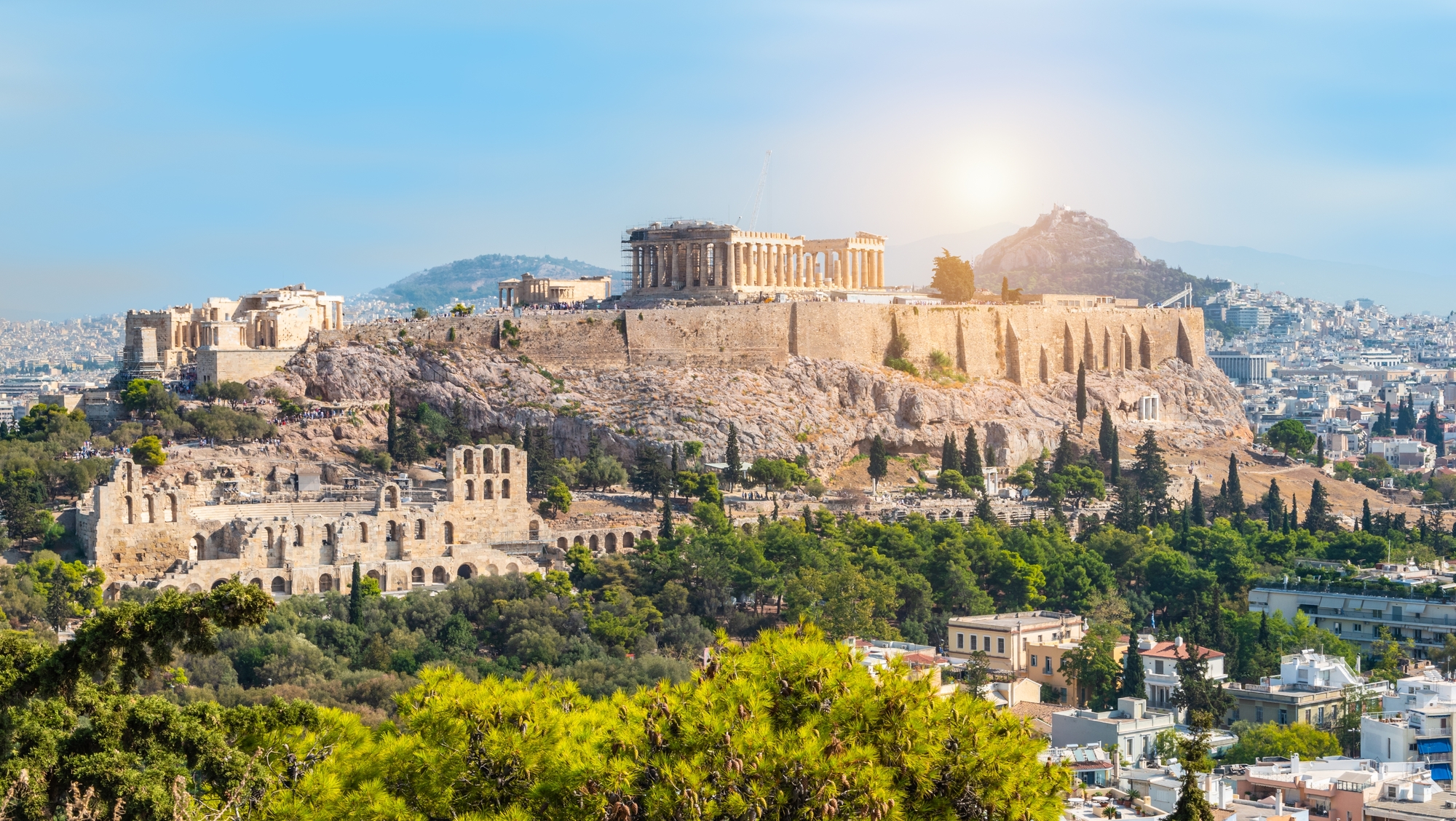
Located at Theorias 21, Athina 105 55, Greece, Areopagus Hill is a historic landmark in Athens overlooking the Acropolis. This rocky outcrop, also known as the “Hill of Ares,” was an important meeting place in ancient times, serving as the site of the city’s council and court for trials, particularly those involving serious crimes.
Areopagus is famously connected to Apostle Paul, who addressed the Athenians here, sharing his teachings and introducing the concept of the “unknown god” to the people of the city. Today, the hill offers panoramic views of Athens and the Acropolis, making it both a site of historical significance and a must-visit destination for travelers interested in ancient history and biblical heritage.
2
The Isthmus of Corinth is a narrow land bridge linking the Peloponnese with mainland Greece. Famous for the Corinth Canal, it has been a crucial passage for trade and travel since ancient times.
In antiquity, it hosted the prestigious Isthmian Games and featured the diolkos, a trackway for transporting ships overland. Today, it stands as both an engineering marvel and a window into Greece’s rich history, offering stunning views and a glimpse of the past.
3
The Archaeological Museum of Isthmia houses artifacts from the ancient sanctuary of Poseidon and surrounding areas, dating from the Geometric to the Roman period. Visitors can explore statues, pottery, inscriptions, and other relics that reveal the religious, cultural, and daily life of the region. The museum offers a fascinating insight into Isthmia’s historical significance, particularly as the site of the Isthmian Games.
4
The Diolkos was an ancient paved trackway across the Isthmus of Corinth, used to transport ships overland between the Aegean and Ionian Seas. This ingenious system allowed vessels to avoid the long and dangerous sea route around the Peloponnese.
Dating back to the 6th century BCE, the Diolkos is considered a remarkable feat of engineering in the ancient world. Today, its remains offer a fascinating glimpse into the ingenuity and resourcefulness of ancient Greek civilization.
5
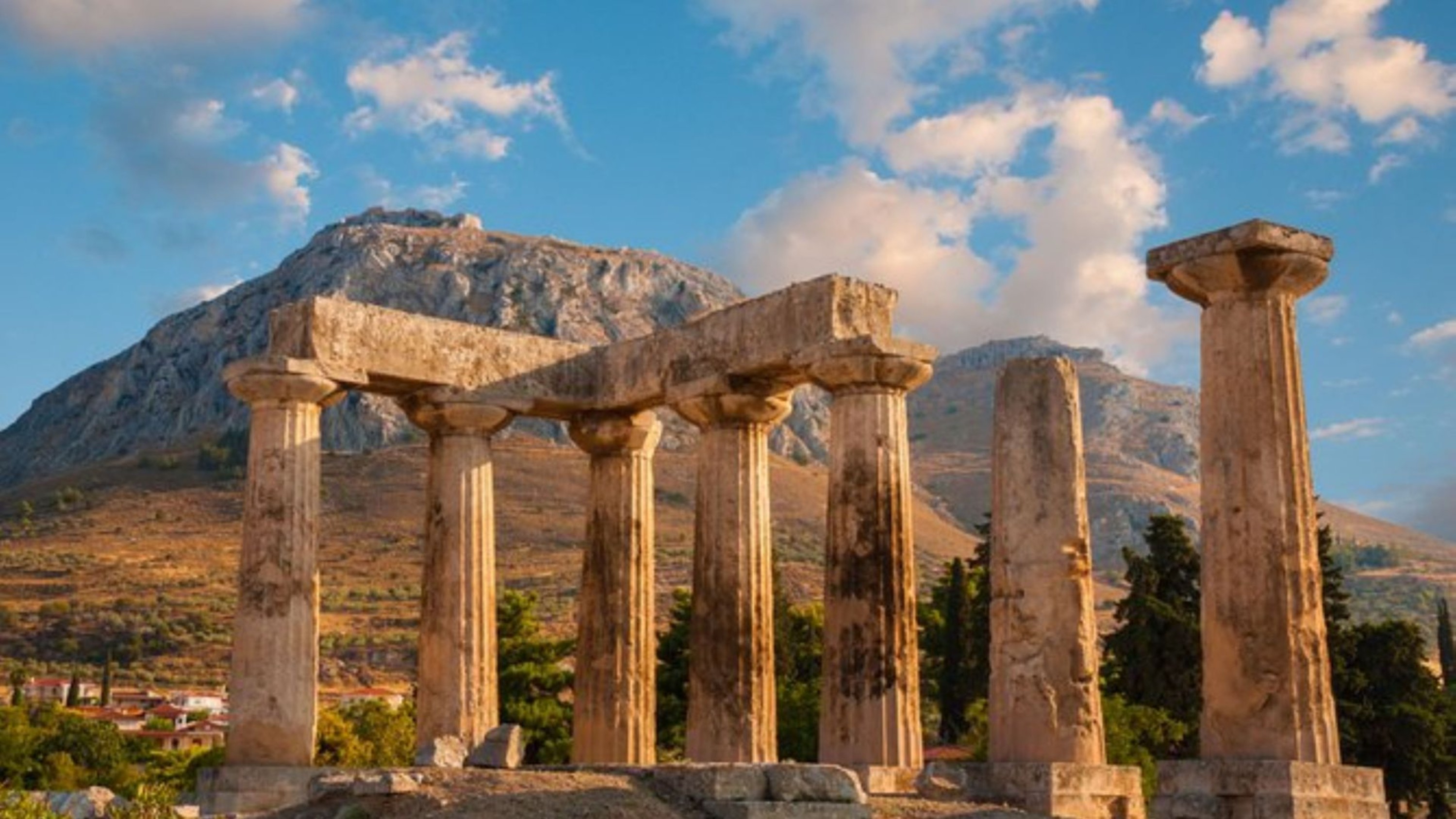
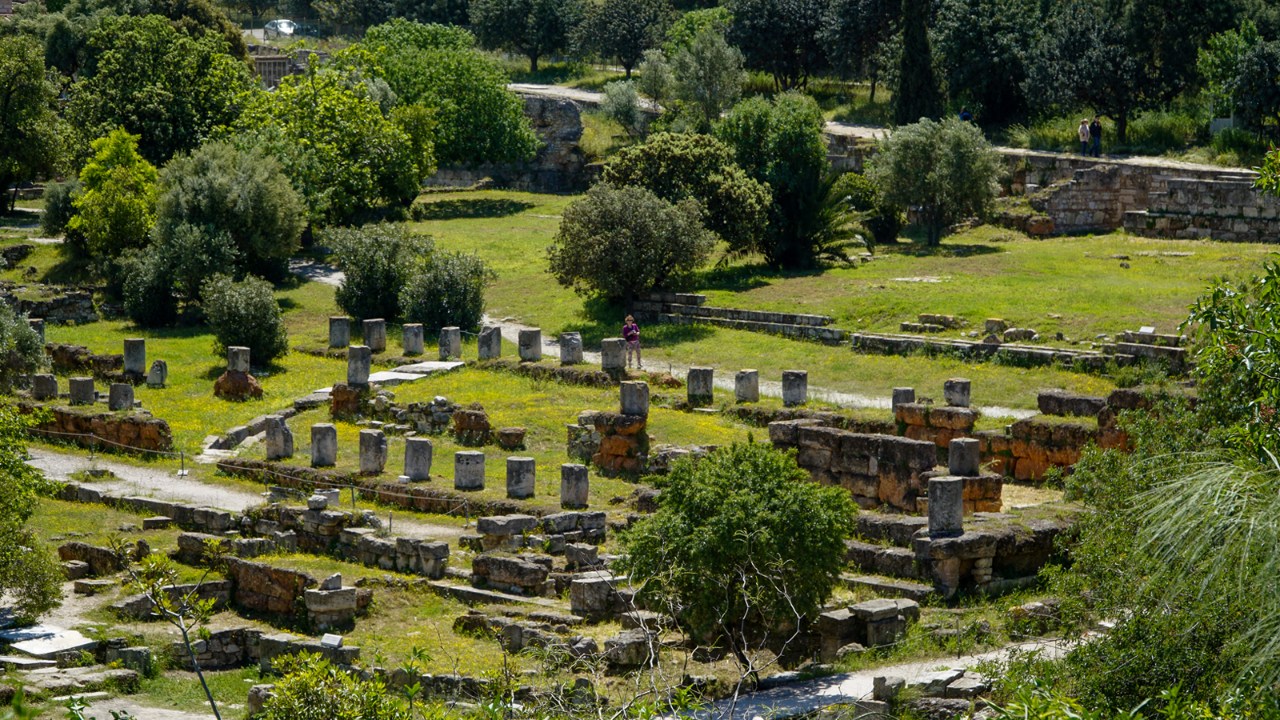
Ancient Corinth was one of Greece’s most powerful city-states, renowned for its wealth, trade, and cultural influence. Visitors can explore impressive ruins, including the Temple of Apollo, ancient marketplaces, fountains, and city streets. The site also holds deep historical and biblical significance, as Apostle Paul visited and preached here, leaving a lasting mark on Christian history.
6
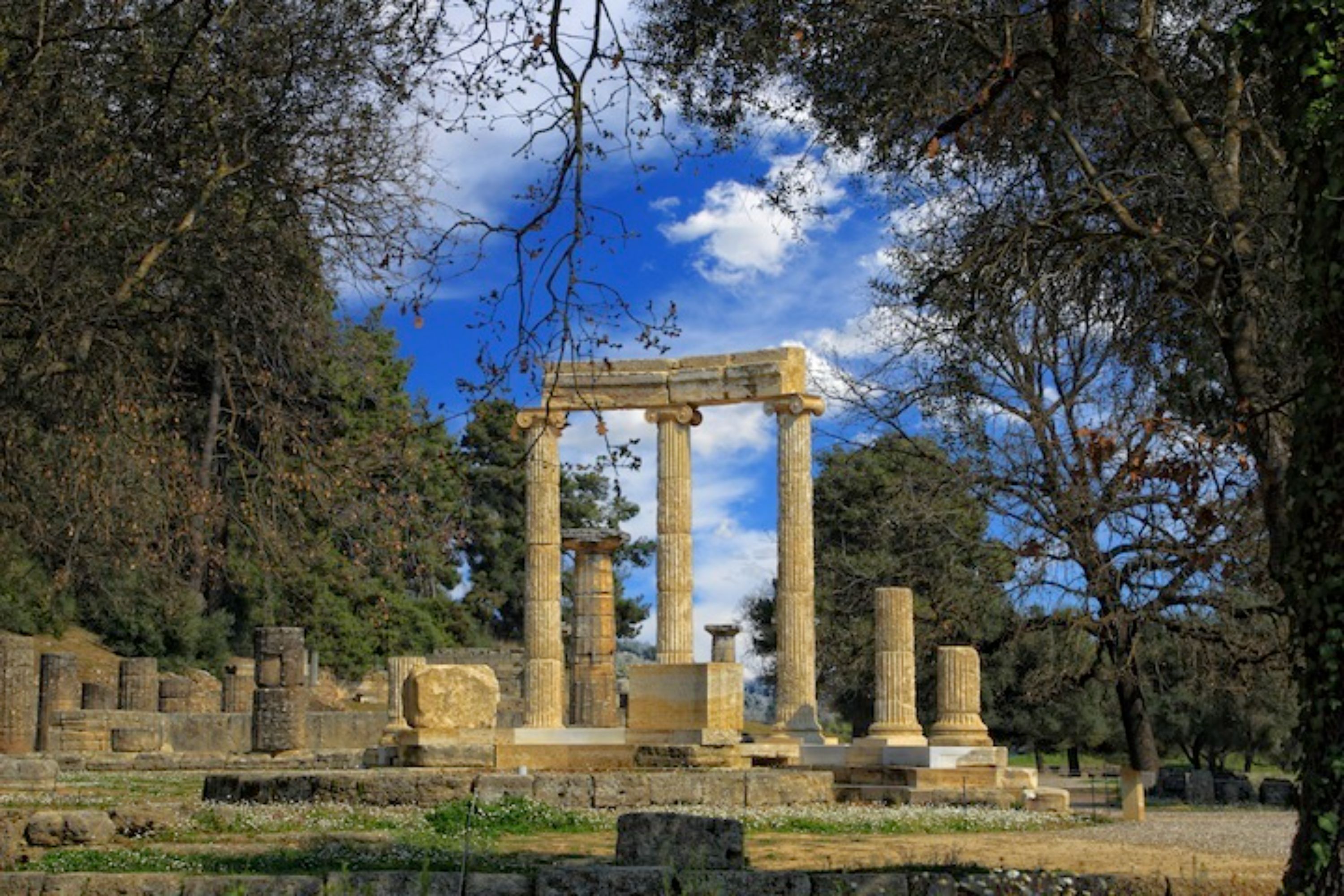
The Archaeological Site of Isthmia is one of ancient Greece’s most significant sanctuaries, dedicated to Poseidon, god of the sea. Visitors can explore the ruins of temples, fountains, and athletic facilities that once hosted the Isthmian Games, held in honor of Poseidon. The site offers a fascinating glimpse into ancient religious practices, sports, and daily life, set against the scenic backdrop of the Corinthian Gulf.
7
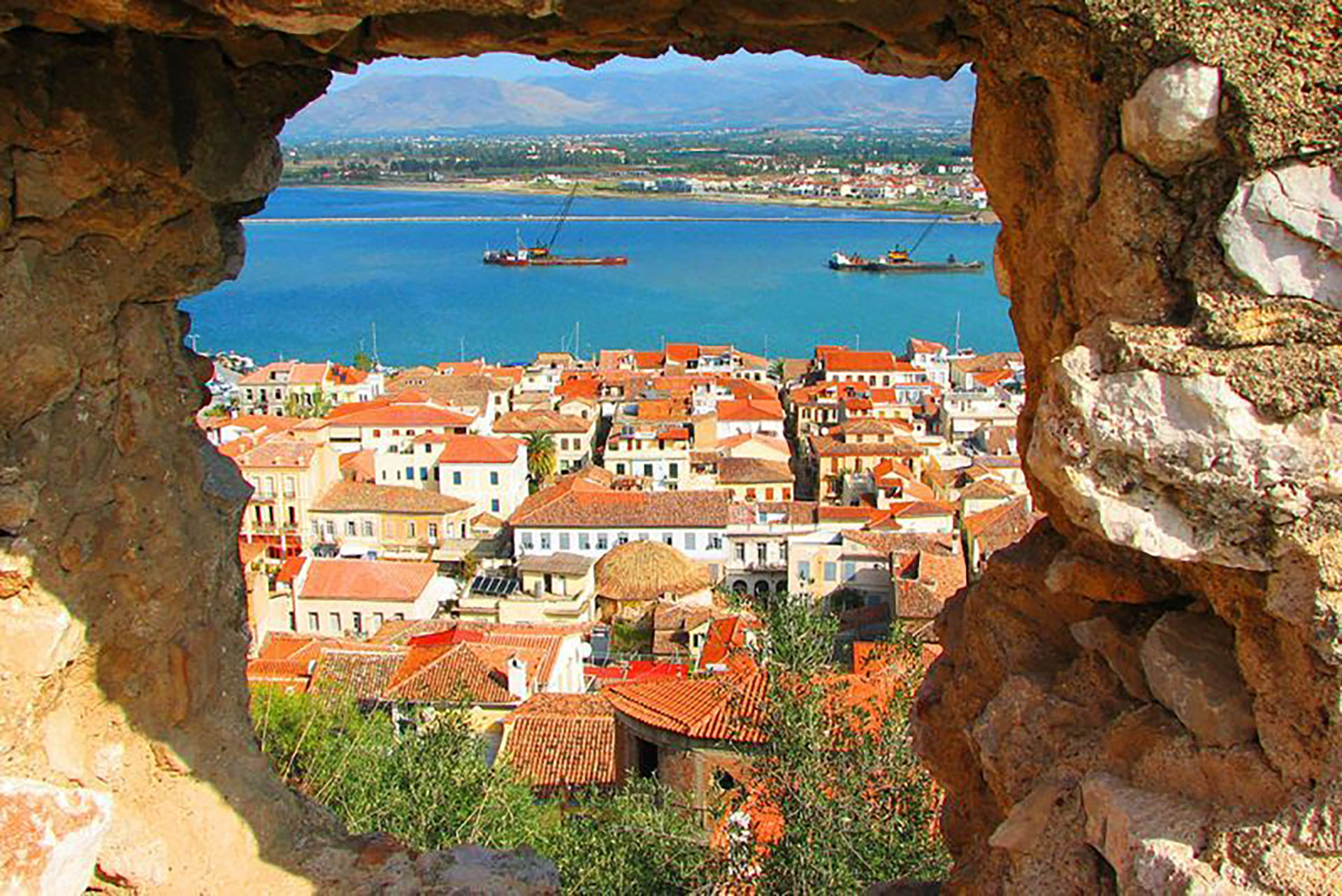
Kechries, located near the eastern coast of the Corinthia region, was an important ancient harbor that facilitated trade and travel across the Peloponnese. It is historically significant for its connection to Apostle Paul, who would have traveled through this area during his missionary journeys, spreading his teachings and strengthening early Christian communities.
8
The Temple of Apollo is one of Ancient Corinth’s most iconic landmarks, dating back to the 6th century BCE. This Doric temple, dedicated to the god Apollo, was a centerpiece of religious life and civic pride. Its striking columns, partially preserved today, offer a vivid glimpse into ancient Greek architecture and the spiritual heritage of the city.
9
The Apostolou Pavlou Church is dedicated to Apostle Paul, honoring his missionary work in Corinth. The church stands as a spiritual landmark, offering visitors a chance to reflect on Paul’s teachings and the early Christian heritage of the city. Its serene architecture and historical significance make it an important stop for those exploring Corinth’s religious history.
What's not included
Ancient Corinth & Archaeological Museum of Isthmia (Must be purchased and paid directly on site on the day of the tour)
Archaeological Site of Isthmia (Must be purchased and paid directly on site on the day of the tour)
Lunch stops are included, but meals are at your own expense—enjoy local flavors at your leisure!
Kindly note that gratuities and tips are not included in the price and are left to your discretion.
Important information
Infants and small children can ride in a pram or stroller
Service animals allowed
Specialized infant seats are available
Suitable for all physical fitness levels
Please notify us in advance if you require a child seat so we can ensure the appropriate equipment is secured for your vehicle.
About Athens
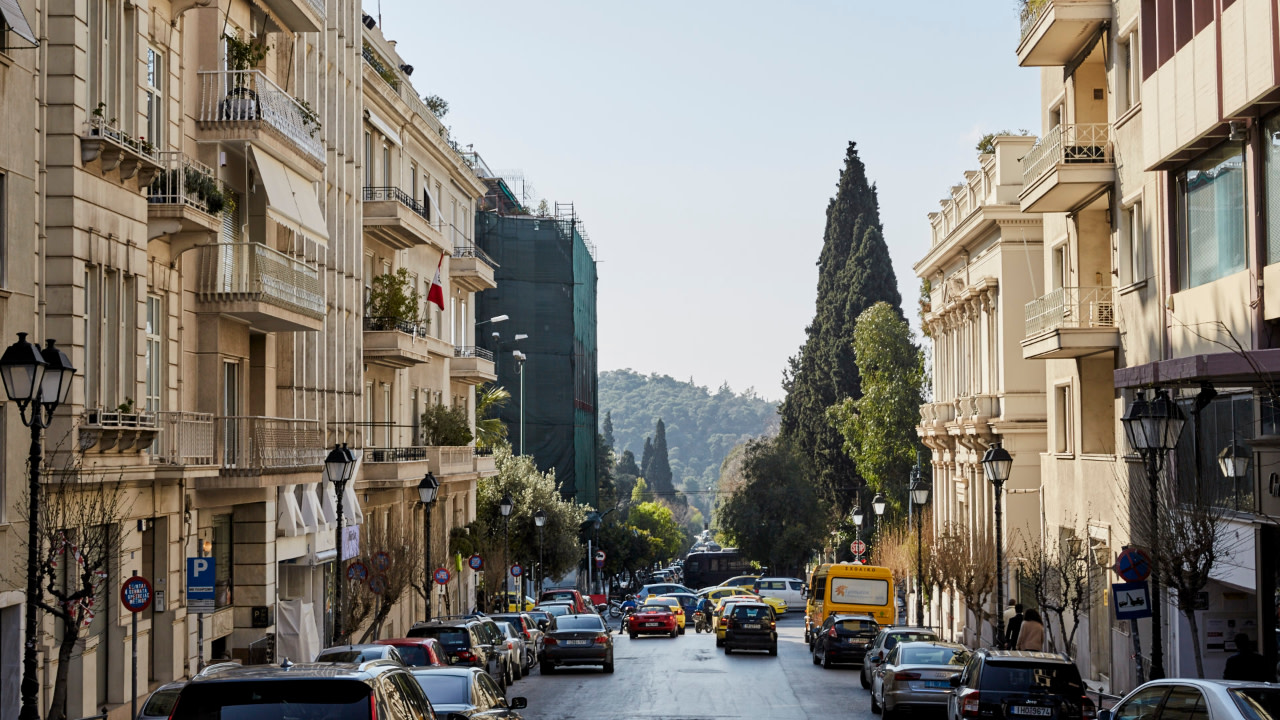
Athens, the capital of Greece, is a city rich in history and culture, often considered the cradle of Western civilization. It is home to iconic ancient landmarks, vibrant neighborhoods, and a thriving modern scene.
Top Attractions
Acropolis of Athens
The Acropolis is the most iconic landmark in Athens, featuring ancient ruins and temples, including the Parthenon.
Historical
2-3 hours
€20 (combined ticket for multiple sites)
Ancient Agora of Athens
The heart of ancient Athens, featuring the Temple of Hephaestus and the Stoa of Attalos.
Historical
1-2 hours
€8 (included in the combined ticket)
Plaka
A charming, historic neighborhood with narrow streets, neoclassical houses, and vibrant nightlife.
Cultural
2-3 hours
Free to explore
Acropolis Museum
A modern museum showcasing artifacts from the Acropolis and its surroundings.
Museum
1-2 hours
€10
Temple of Olympian Zeus
An ancient temple dedicated to Zeus, once the largest temple in Greece.
Historical
30 minutes to 1 hour
€6 (included in the combined ticket)
Must-Try Local Dishes
Moussaka
A baked dish with layers of eggplant, minced meat, and béchamel sauce.
Dinner
Vegetarian versions available
Souvlaki
Grilled meat skewers, often served with pita bread and tzatziki.
Snack
Can be made with chicken, pork, or vegetarian options
Tzatziki
A yogurt-based dip with cucumber, garlic, and herbs.
Snack
Vegetarian and vegan options available
Baklava
A sweet pastry made with layers of filo, nuts, and honey syrup.
Dessert
Vegetarian
Popular Activities
Hiking in the mountains
Rock climbing
Scuba diving
Beach visits
Spa treatments
Café hopping
Museum visits
Theater performances
Best Time to Visit
April to June, September to October
The best time to visit Athens is during the spring and autumn months when the weather is pleasant and the tourist crowds are smaller.
18°C to 32°C
64°F to 90°F
Practical Information
Language
- Official: Greek
- Widely spoken: English, French, German
- English: Moderately spoken
Currency
Euro (EUR)
Time Zone
GMT+2 (EET)
Electricity
230VV, 50HzHz
Safety Information
Overall Safety Rating: Generally safe
Athens is generally safe for travelers, but petty crime and pickpocketing can occur in tourist areas. Be cautious with your belongings and avoid poorly lit areas at night.
Important Precautions:
- • Keep valuables secure
- • Use licensed taxis or ride-sharing apps
- • Be cautious with ATMs and credit cards
Getting there
By air
- Eleftherios Venizelos International Airport • 30 km from city center
By train
Athens Central Railway Station
By bus
KTEL Bus Station
Getting around
Public transport
Clean, efficient, and air-conditioned. Easy to navigate with clear signage in English.
Taxis
Available • Apps: Beat, Uber
Rentals
Car, Bike, Scooter
Neighborhoods
Plaka
Monastiraki
Psiri
Koukaki
Kolonaki
Day trips
Cape Sounion
65 km from Athens • Half day to full day
A scenic coastal area featuring the Temple of Poseidon with stunning views of the Aegean Sea.
Delphi
180 km from Athens • Full day
An ancient archaeological site and home to the famous Oracle of Delphi.
Meteora
350 km from Athens • Overnight
A unique landscape featuring rock formations and medieval monasteries perched atop cliffs.
Festivals
Athens Festival • May to October
Athens Epidaurus Festival • June to August
Athens International Film Festival • October
Pro tips
- Visit major attractions early in the morning or late in the afternoon to avoid crowds and heat
- Use the metro for easy and efficient travel around the city
- Explore local neighborhoods for an authentic Greek experience
- Try local street food for a quick and delicious meal
- Learn a few basic Greek phrases to enhance your experience and connect with locals
From $25
per person
Price varies by option
Secure booking
Free cancellation available
Instant confirmation