Day Tour to Luxor from Cairo with airfare included
Active
10h - 12h
All sales are final. No refund is available for cancellations.
Instant_then_manual confirmation
Mobile or paper ticket accepted
About this experience
Enjoy door-to-door transportation from your Cairo or Giza hotel to the airport to get your action-packed day started.
Then, catch a flight to Luxor, cutting down on the length of your journey and increasing the amount of time you have to explore.
Once you arrive, allow your guide to lead you on a whirlwind tour of Luxor's millennia-old temples, including a glimpse of the statue of Ramses the Great.
Take the opportunity to grab lunch at a local restaurant of your choice, and then continue soaking up the atmosphere of the city. Continue making the most of every minute in Luxor until it is time to head back.
After a full day, relax on your transfer to the airport for your flight back to Cairo.
During this fast-paced, all-inclusive excursion, you’ll hop on a domestic flight to cover the highlights of the southern city in a single day.
Available options
Day Trip To Luxor From Cairo
Pickup included
What's included
Private transportation
A professional Egyptologist guide
Bottled water
Entry Fees
Lunch
Hotel Pick up and Drop off in Cairo or Giza
Round-trip flights Cairo/Luxor/Cairo
Detailed itinerary
1
Starts at 3:30 am with Pickup from your hotel in Cairo by Representative and Transfer to the domestic airport to take your flight to Luxor. Arrival Luxor, Our expert tour guide will greet you with a sign shows your name on it then you will be transferred by Private A/C Vehicle (Latest Model) to start your Full Day Tour around 22:00 pm Transfer to the domestic airport to take your flight Back to Cairo. Arrival, meet & assist by our local representative then transfer to your hotel in Cairo.
2
Stop 2
the Temple of Queen Hatshepsut that known as El Dir El Bahari which was built by Queen Hatshepsut the daughter of Thutmosis I, who ruled Egypt about 20 years during the 18th Dynasty (approximately 1490-1469 B.C), the only pharaonic woman who reigned ancient Egypt.
The Mortuary Temple of Hatshepsut, also known as the Djeser-Djeseru (Ancient Egyptian: ḏsr ḏsrw "Holy of Holies"), is a mortuary temple of Ancient Egypt located in Upper Egypt. Built for the Eighteenth Dynasty pharaoh Hatshepsut, who died in 1458 BC, the temple is located beneath the cliffs at Deir el-Bahari on the west bank of the Nile near the Valley of the Kings. This mortuary temple is dedicated to Amun and Hatshepsut and is situated next to the mortuary temple of Mentuhotep II, which served both as an inspiration and, later, a quarry. It is considered one of the "incomparable monuments of ancient Egypt
3
Stop 3
The Colossi of Memnon which is remains of the mortuary temple of Amenhotep III.
4
Stop 4
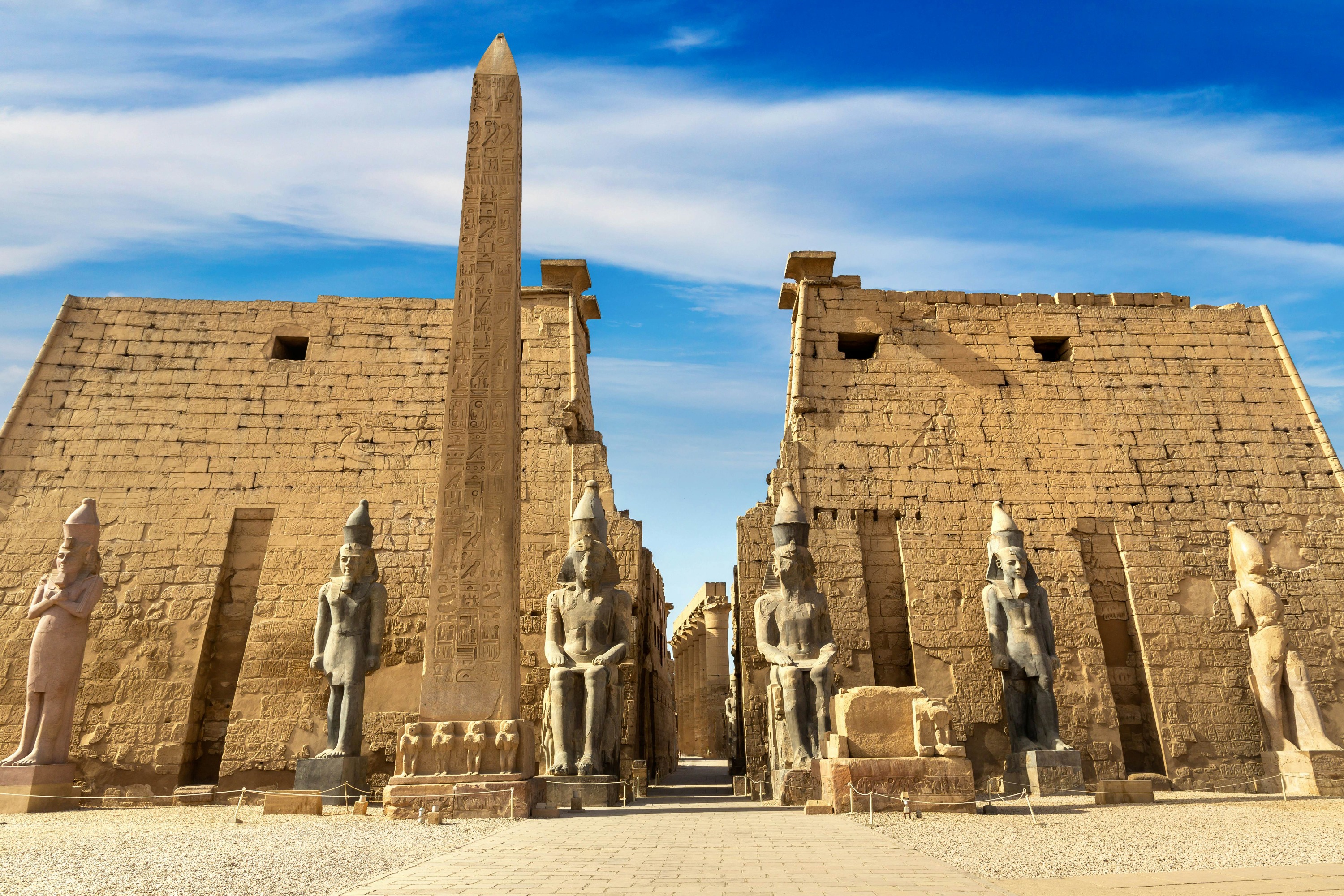
The Temple Of Luxor, it was built by Amunhotep III in 18th Dynasty in the New Kingdom and it was completed by Ramses' II during the 19th Dynasty.
The Luxor Temple is a large Ancient Egyptian temple complex located on the east bank of the Nile River in the city today known as Luxor (ancient Thebes) and was constructed approximately 1400 BCE. In the Egyptian language it is known as ipet resyt, "the southern sanctuary".
The two primary cults' temples on the east bank are known as the Karnak and Luxor.[1] Unlike the other temples in Thebes, Luxor temple is not dedicated to a cult god or a deified version of the pharaoh in death. Instead, Luxor temple is dedicated to the rejuvenation of kingship; it may have been where many of the pharaohs of Egypt were crowned in reality or conceptually
5
Stop 5
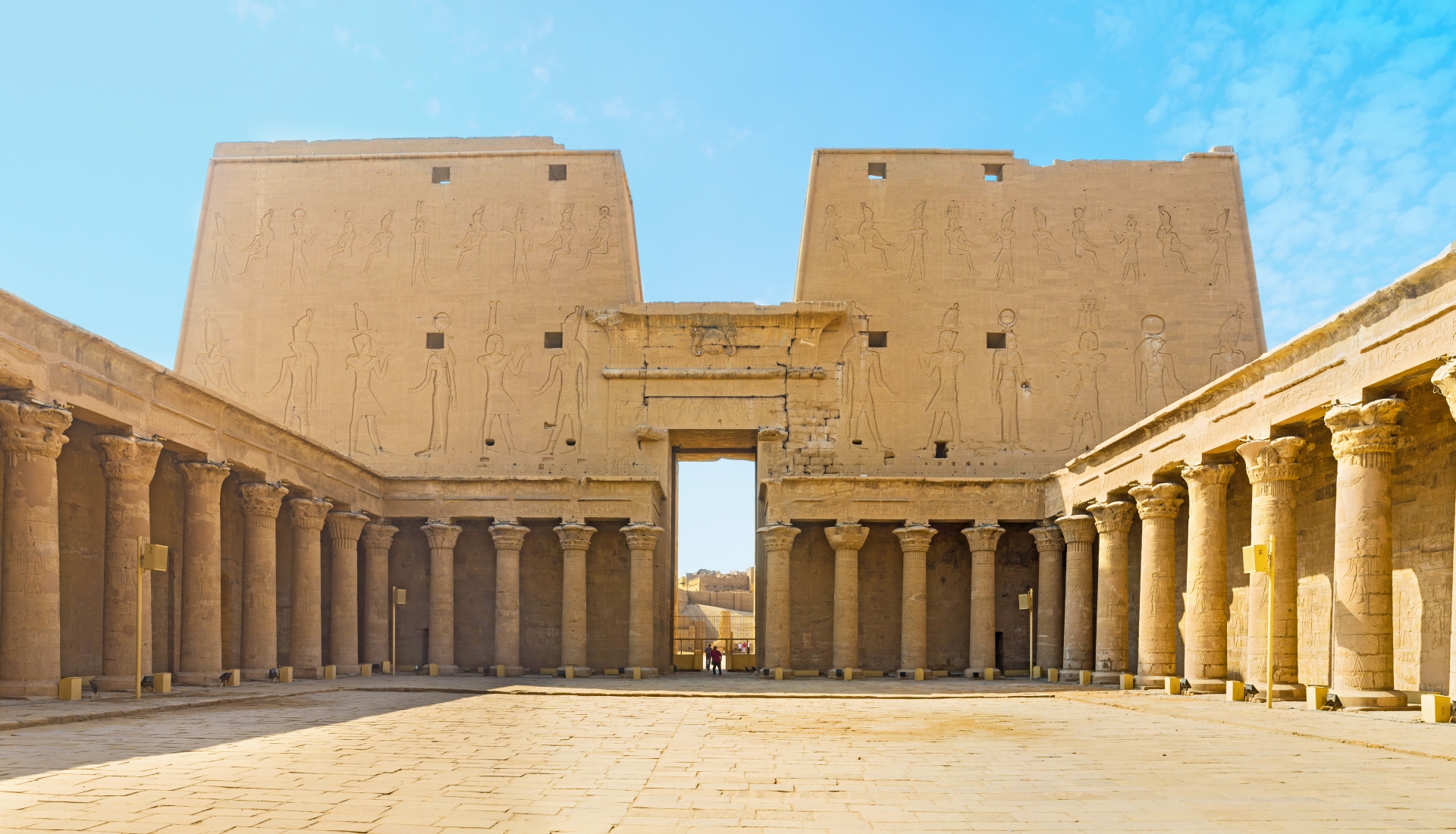
Karnak Temple, the greatest example of worship in the history, dedicated to the God Amon, his wife Mut and their son Khonsu.
The Karnak Temple Complex, commonly known as Karnak (/ˈkɑːr.næk/,[1] from Arabic Khurnak meaning "fortified village"), comprises a vast mix of decayed temples, chapels, pylons, and other buildings near Luxor, in Egypt. Construction at the complex began during the reign of Senusret I in the Middle Kingdom (around 2000–1700 BC) and continued into the Ptolemaic period (305–30 BC), although most of the extant buildings date from the New Kingdom. The area around Karnak was the ancient Egyptian Ipet-isut ("The Most Selected of Places") and the main place of worship of the Eighteenth Dynasty Theban Triad with the god Amun as its head. It is part of the monumental city of Thebes. The Karnak complex gives its name to the nearby, and partly surrounded, modern village of El-Karnak, 2.5 kilometres (1.6 miles) north of Luxor.
6
Stop 6
the Valley Of The Kings, the magnificence of the grandeur of architecture which was used for burial, there are many kings buried in this valley. The most known tombs are King Tutmosis I, Tutmosis III, Tut-Ankh-Amon, King Ramssess VI, King Mrenptah and AmonhotepII.
What's not included
Gratuities
Available languages
Guide guide
AR
DE
RU
PT
EN
IT
PL
FR
RO
NL
ES
Reviews breakdown
Tripadvisor
5.0
5 reviews
5★
5
4★
0
3★
0
2★
0
1★
0
Important information
Infants are required to sit on an adult’s lap
Public transportation options are available nearby
Infants and small children can ride in a pram or stroller
Suitable for all physical fitness levels
During your booking we need copy photo from your passport please update it with booking process
Confirmation will be received within 48 hours of booking, subject to availability
This is a private tour/activity. Only your group will participate
About Cairo
Cairo, the capital of Egypt, is a vibrant metropolis where ancient history and modern life intertwine. As one of the largest cities in Africa, it offers a wealth of historical landmarks, bustling markets, and rich cultural experiences that attract millions of visitors each year.
Top Attractions
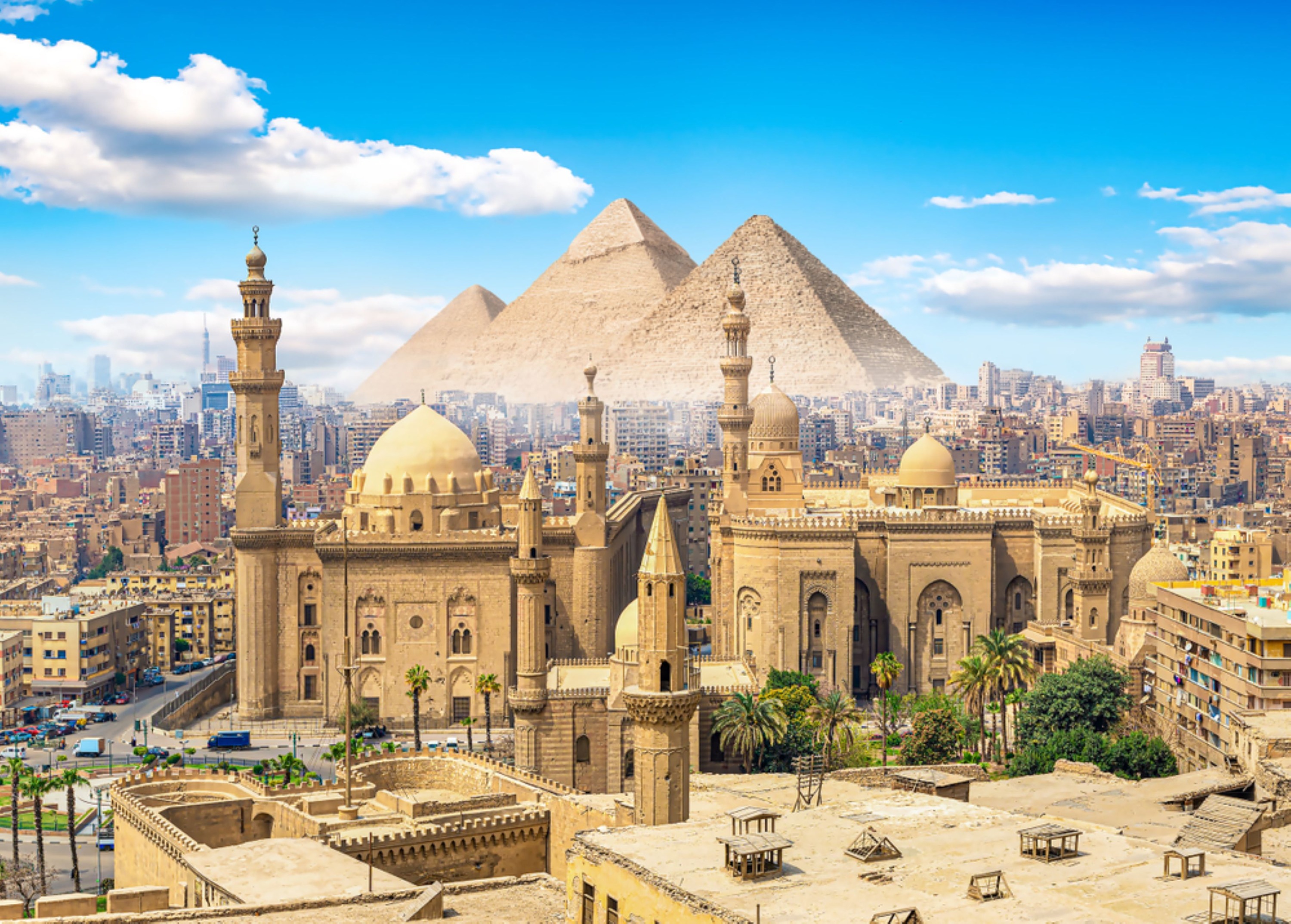
The Great Pyramids of Giza
The iconic pyramids are one of the most famous landmarks in the world and a must-visit for any traveler to Cairo. They are part of the Giza Necropolis, which also includes the Great Sphinx.
Historical
Half day to full day
Moderate (around $10-20 for entrance fees)
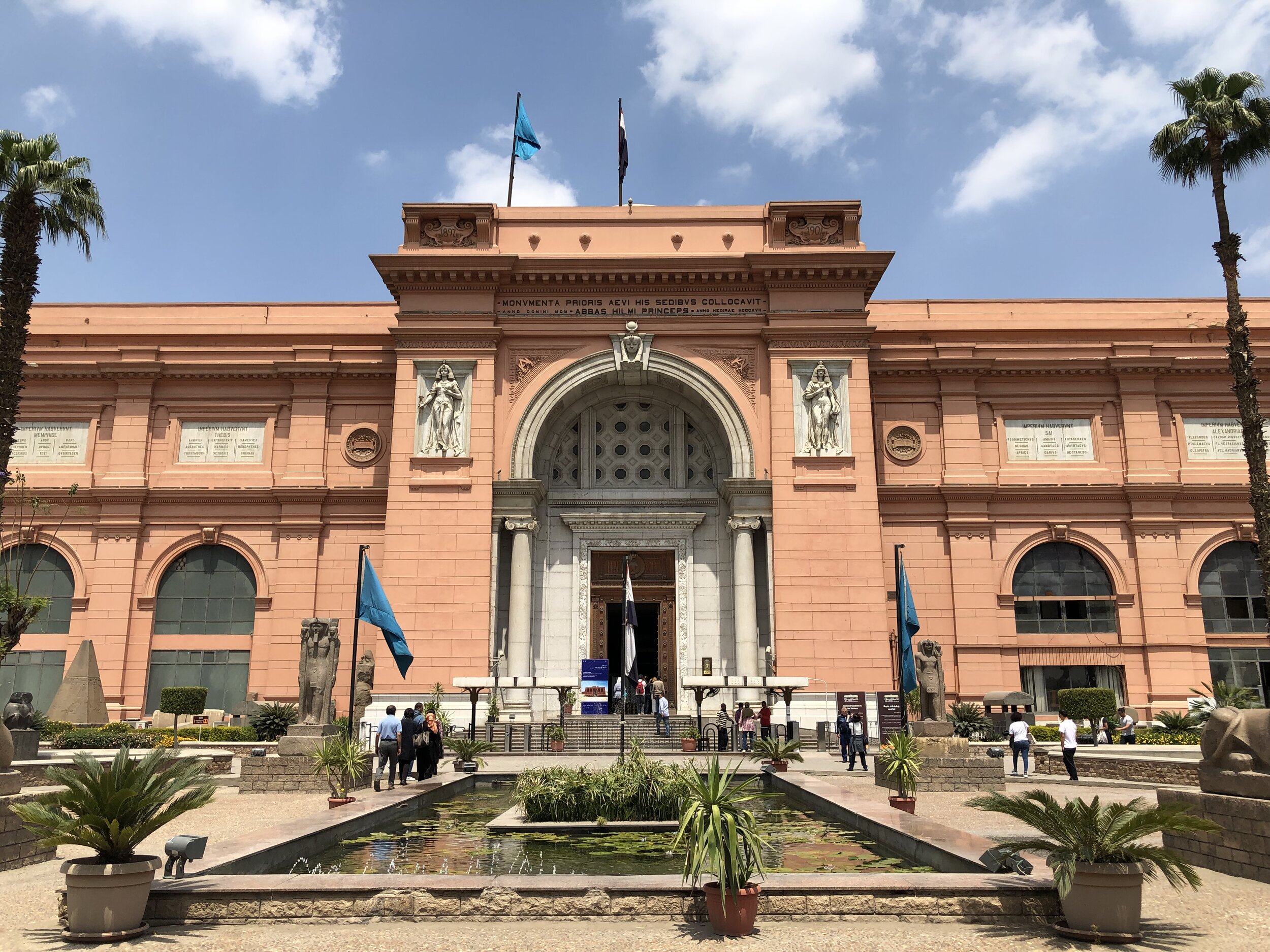
Egyptian Museum
This museum houses the largest collection of ancient Egyptian artifacts in the world, including the treasures of Tutankhamun. It's a must-visit for anyone interested in Egypt's rich history.
Museum
2-3 hours
Moderate (around $10-15 for entrance fees)
Khan el-Khalili Bazaar
One of the oldest and most famous markets in the Middle East, Khan el-Khalili offers a vibrant shopping experience with a wide range of goods, from spices and perfumes to jewelry and souvenirs.
Cultural
1-2 hours
Moderate (prices vary depending on items)
Coptic Cairo
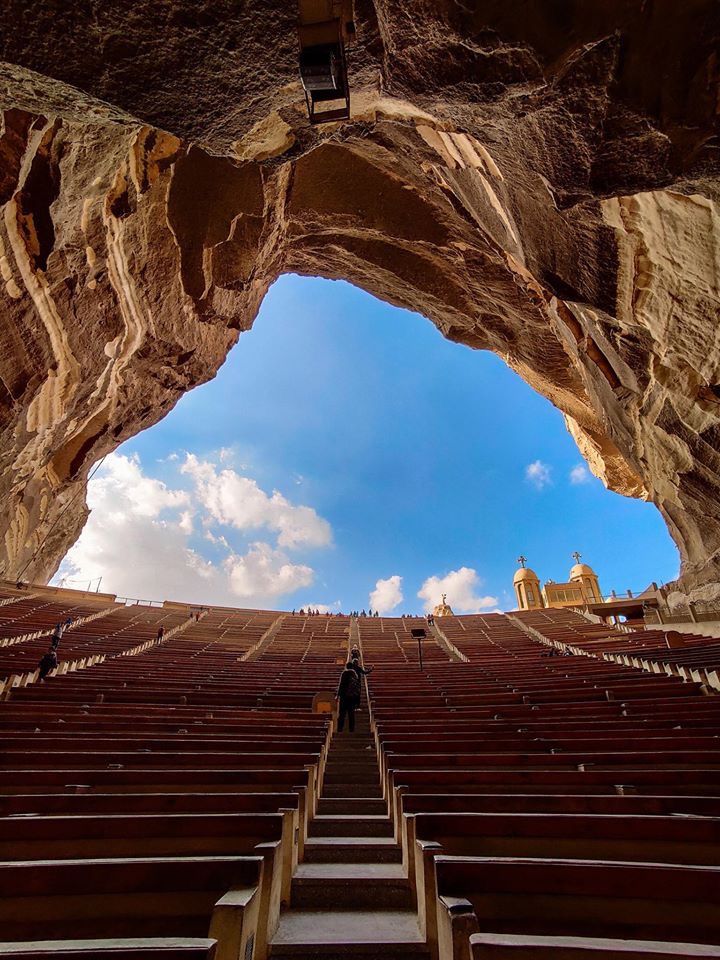
This area is home to some of the oldest Christian churches in Egypt, including the Hanging Church and the Church of St. Sergius and Bacchus. It's a fascinating place to explore for those interested in the history of Christianity in Egypt.
Historical
1-2 hours
Low (around $5-10 for entrance fees)
Nile River Cruise
A Nile River cruise offers a unique way to see Cairo from a different perspective. Many cruises include dinner and entertainment, making it a memorable experience.
Cultural
2-3 hours
Moderate to Expensive (depending on the cruise package)
Must-Try Local Dishes
Koshari
A popular street food made with a mix of rice, lentils, chickpeas, pasta, and fried onions, topped with a spicy tomato sauce.
Main Dish
Vegetarian
Ful Medames
A traditional breakfast dish made with mashed fava beans, garlic, lemon juice, and olive oil, often served with bread.
Breakfast
Vegetarian, Vegan
Molokhia
A green leafy vegetable soup made with jute leaves, garlic, and coriander, often served with rice or bread.
Main Dish
Vegetarian, Vegan
Kofta
Grilled minced meat skewers made with a mix of ground beef, lamb, or chicken, seasoned with spices and herbs.
Main Dish
Contains meat
Popular Activities
Desert safaris
Quad biking in the desert
Hot air balloon rides over the Nile
Nile River cruises
Beach relaxation in Alexandria or Hurghada
Spa and wellness treatments
Exploring ancient temples and ruins
Visiting museums and galleries
Best Time to Visit
October to April
This period offers the most pleasant weather for sightseeing and outdoor activities. The temperatures are mild, making it ideal for exploring the city's historical sites.
15-28°C
59-82°F
Practical Information
Language
- Official: Arabic
- Widely spoken: English, French
- English: Moderately spoken in tourist areas, limited in other parts of the city
Currency
Egyptian Pound (EGP)
Time Zone
EET (GMT+2)
Electricity
220VV, 50HzHz
Safety Information
Overall Safety Rating: Exercise caution
Cairo is generally safe for tourists, but pickpocketing, scams, and harassment can occur, especially in crowded areas. It's important to stay vigilant, be aware of your surroundings, and take precautions to protect yourself and your belongings.
Important Precautions:
- • Be aware of your surroundings and keep your belongings secure, especially in crowded areas.
- • Avoid walking alone at night, especially in poorly lit or deserted areas.
- • Be cautious when using taxis, and always agree on a fare or use the meter before starting your journey.
Getting there
By air
- Cairo International Airport • 20 km from city center
By train
Ramses Station
By bus
Cairo Bus Station, Turgoman Bus Station
Getting around
Public transport
The metro is the fastest and most efficient way to get around Cairo. It has three lines and is relatively affordable.
Taxis
Available • Apps: Uber, Careem
Rentals
Car, Bike, Scooter
Neighborhoods
Downtown Cairo
Islamic Cairo
Zamalek
Giza
Day trips
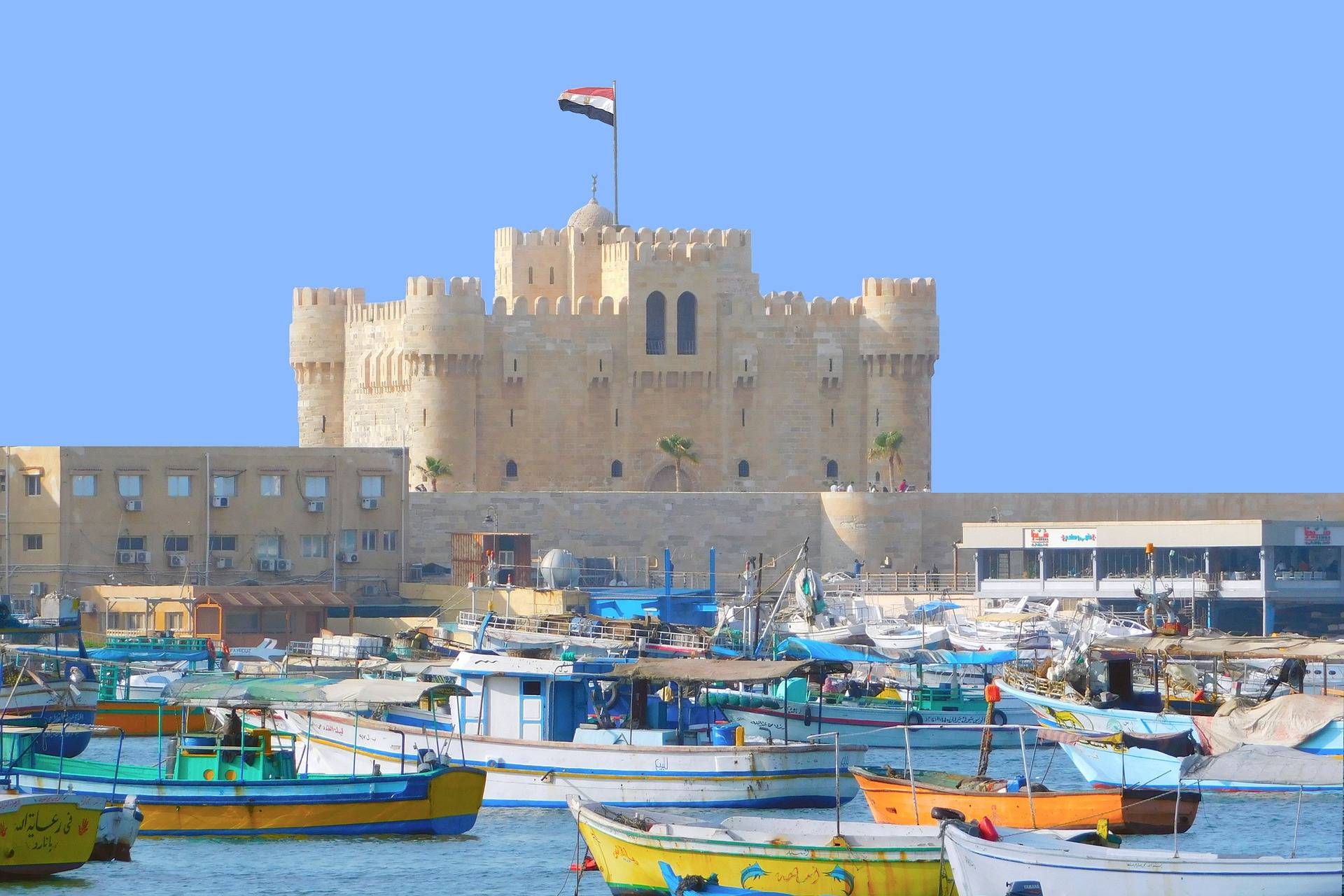
Alexandria
220 km from Cairo • Full day
Alexandria is a beautiful coastal city with a rich history, offering a mix of ancient landmarks, beaches, and vibrant culture.
Luxor
670 km from Cairo • Overnight
Luxor is often referred to as the world's greatest open-air museum, offering a wealth of ancient Egyptian landmarks and temples.
Aswan
870 km from Cairo • Overnight
Aswan is a charming city on the Nile, known for its beautiful landscapes, ancient temples, and relaxing atmosphere.
Festivals
Cairo International Film Festival • Late November to early December
Cairo Jazz Festival • Late January to early February
Cairo Fashion Festival • April
Pro tips
- Learn a few basic Arabic phrases to enhance your experience and connect with locals.
- Hire a guide for major attractions, such as the Great Pyramids of Giza and the Egyptian Museum, to gain a deeper understanding of their history and significance.
- Bargain when shopping at markets and bazaars, as it's expected and can help you get a better deal.
- Dress modestly and respectfully, especially when visiting religious sites, to show respect for local customs and traditions.
- Be prepared for heavy traffic and crowded streets, especially during peak hours and in popular tourist areas.
From $25
per person
Price varies by option
Secure booking
Free cancellation available