El Tule, Teotitlán, Mitla, Hierve el Agua and Mezcal Factory
Active
11h
All sales are final. No refund is available for cancellations.
Instant confirmation
Mobile or paper ticket accepted
About this experience
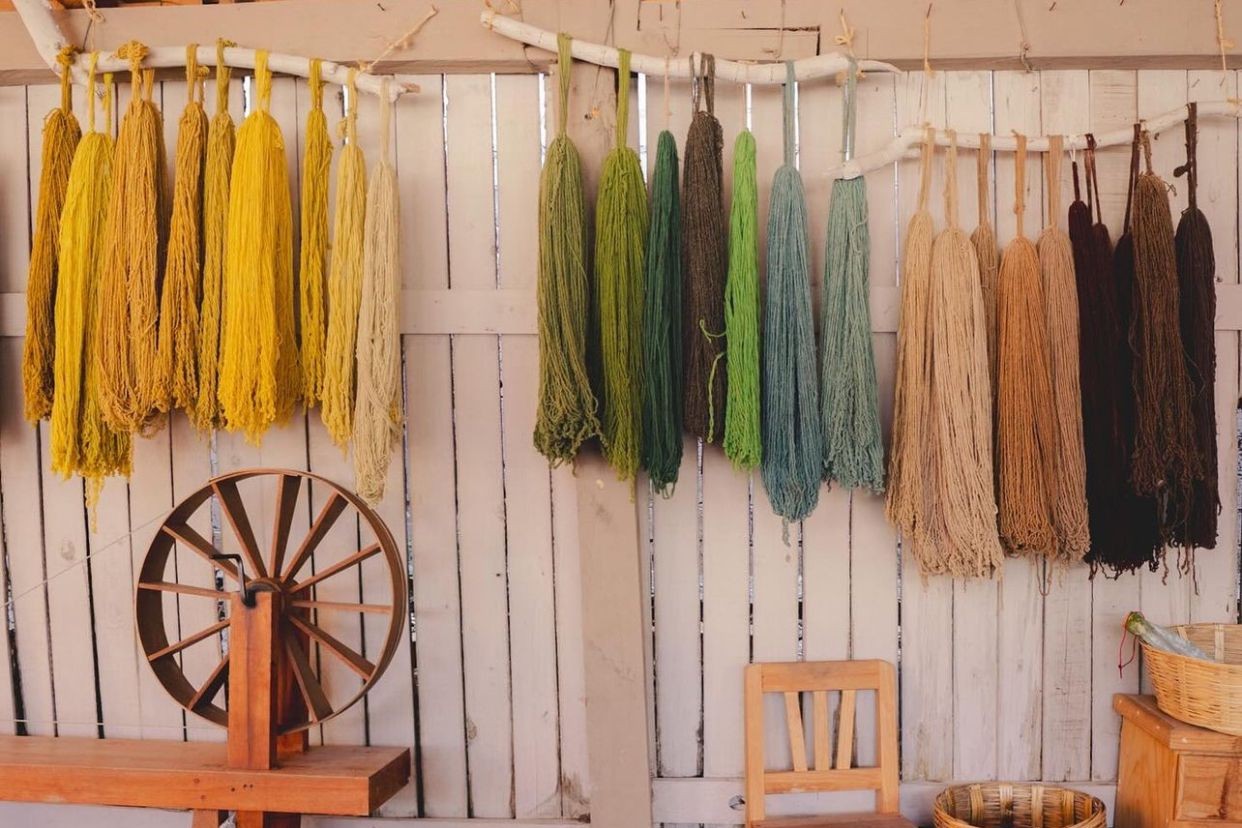
We will pick you up at the hotel where you are staying in Oaxaca, beginning our visit to the famous El Tule tree, the thousand-year-old ahuehuete, the widest tree in the world, weighing 509 tons. We will go to Teotitlán del Valle, a Zapotec town of weavers who use ancestral techniques to make and paint their rugs, shaping their own designs.
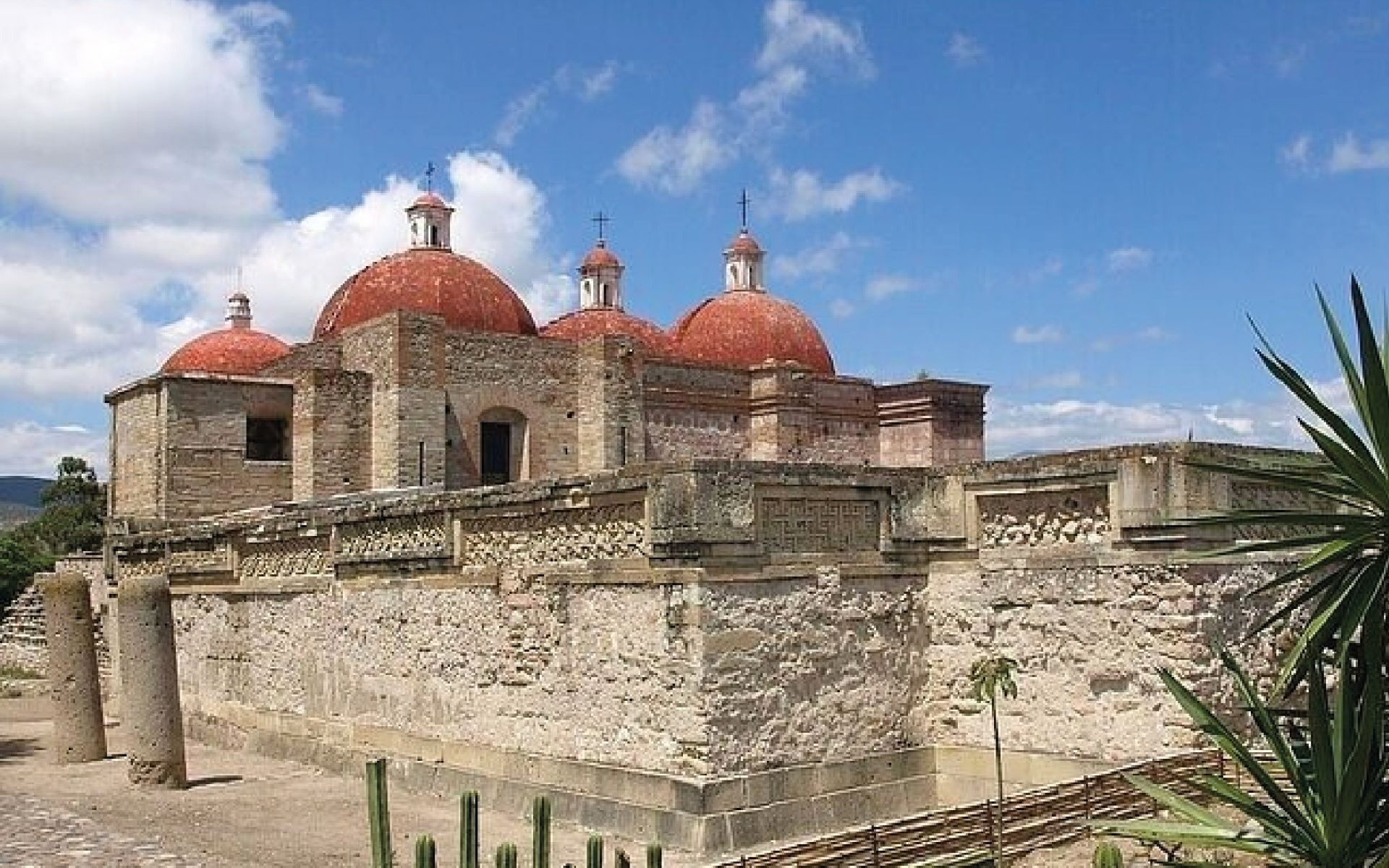
We will visit the archaeological zone of Mitla, a city that achieved the evolution of Zapotec architecture. Its name means "place of the dead". The extraordinary decoration in fretwork on its walls stands out. Mitla is now one of the 6 magical towns of Oaxaca.
We will visit the spectacular petrified waterfalls of Hierve el Agua, one 30 m high and the other 12 m high, formed by carbonated water that falls from springs located in the upper part of the rocks.
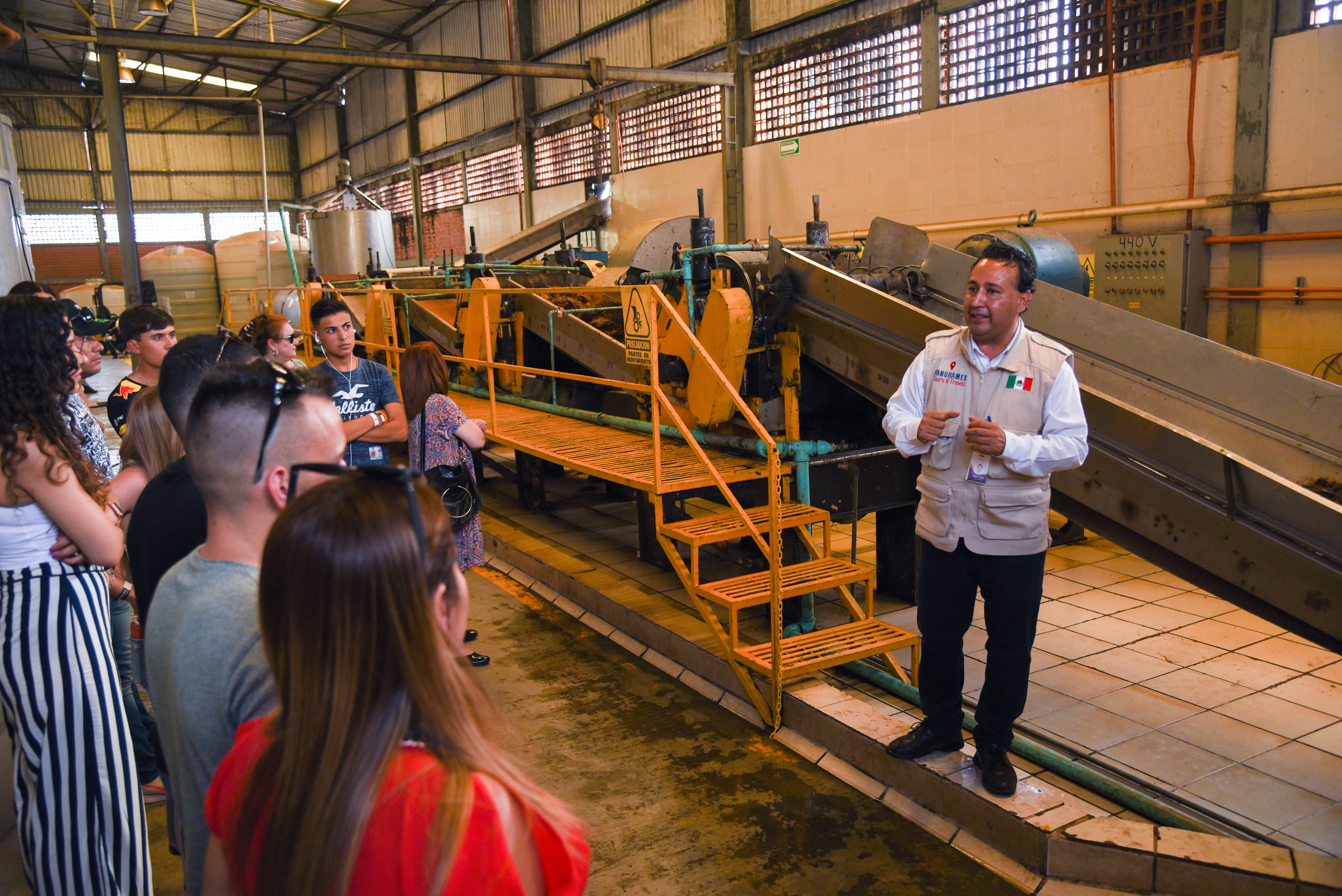
Our last one will be a Mezcal factory where we will learn about the process of this drink, and we will enjoy a tasting of the different flavors.
Available options
El Tule, Teotitlán, Mitla, Hierve el Agua and Mezcal Factory
Pickup included
What's included
Traveler's insurance
Admissions in El Tule, Mitla, Hierve el Agua
Tour guide
Air-conditioned vehicle
Detailed itinerary
1
Stop 1
The Tule Tree is the tree with the largest trunk diameter in the world.
With a crown circumference of approximately 58 meters and a height of 42 meters. With a trunk with a diameter of 14.5 meters, it is estimated that at least 30 people with intertwined hands would be necessary to be able to cover it and approximately 500 people can fit in its shadow.
2
Stop 2
The town of Teotitlán del Valle (“place of the gods”, in Nahuatl), is famous thanks to the quality and beauty of its woolen textile products: rugs, jackets, bags, sarapes, tapestries, “corridors”, carpeting, curtains and dresses, made on large wooden looms and decorated with natural dyes, whose designs range from traditional Zapotec and Mixtec fretwork and taps to reproductions by contemporary painters.
3
Main ceremonial center, the word Mitla or Mictlán is of Nahuatl origin and means "Place of the Dead" or "Underworld" in Zapotec it is called "Lyobaa" which means "Place of Burials", which in Mexica was already in Mitlan, " place of the dead" and already Spanishized only Mitla.
The archaeological complex and the current town are Zapotec, Mitla was inhabited from the classical period (100 to 650 AD) reaching its maximum growth and apogee in the post-classical period (750 to 1521 AD).
4
Hierve el Agua has been recognized as a probable sacred place of the ancient Zapotecs, which was located here perhaps due to its great natural contrasts, since it is in the heart of a steep mountain range that during the dry season is characterized by its extreme aridity.
Numerous archaeologists, biologists and geologists have gathered at Hierve el Agua, as it is a site where a complex irrigation system was built more than 2,500 years ago, of which important remains still exist.
The temperature of the water is slightly higher than that of the environment, fluctuating between 22 and 25 degrees Celsius and therefore well below the boiling point.
What's not included
Foods
Beberage
Tips
Available languages
Guide guide
EN
ES
Reviews breakdown
Tripadvisor
5.0
1 reviews
5★
1
4★
0
3★
0
2★
0
1★
0
Important information
Infants are required to sit on an adult’s lap
Travelers should have at least a moderate level of physical fitness
About Oaxaca City
Oaxaca City, the capital of the Mexican state of Oaxaca, is a UNESCO World Heritage Site renowned for its colonial architecture, vibrant indigenous cultures, and rich culinary traditions. It offers a unique blend of history, art, and natural beauty, making it a must-visit destination in Mexico.
Top Attractions
Zócalo
The main square of Oaxaca City, surrounded by colonial buildings, cafes, and shops. It's a hub of activity and a great place to people-watch.
Historical
1-2 hours
Free
Templo de Santo Domingo de Guzmán
A stunning 16th-century Baroque church and former monastery, now home to the Museum of Oaxacan Cultures.
Historical
1-2 hours
MXN 60 (museum entry)
Monte Albán
An ancient Zapotec archaeological site with impressive ruins, temples, and pyramids. It offers panoramic views of the surrounding valleys.
Historical
Half day
MXN 80
Mercado 20 de Noviembre
A bustling market offering a variety of local foods, crafts, and souvenirs. It's a great place to experience Oaxacan culture and cuisine.
Cultural
1-2 hours
Free to enter, prices vary for food and souvenirs
Ethnobotanical Garden
A beautiful garden showcasing the diverse flora of Oaxaca, with a focus on medicinal and culinary plants. It's a peaceful retreat in the city.
Nature
1-2 hours
MXN 30
Must-Try Local Dishes
Mole
A complex and flavorful sauce made with chilies, chocolate, and spices. Oaxaca is famous for its seven traditional moles.
Sauce (served with meat or chicken)
Contains chocolate and various spices, may contain meat.
Tlayudas
A large, crispy tortilla topped with beans, cheese, meat, and salsa. It's often referred to as 'Oaxacan pizza.'
Street food
Vegetarian options available, but typically contains meat.
Chapulines
Toasted grasshoppers seasoned with lime, garlic, and chili. A popular and protein-rich snack in Oaxaca.
Snack
Contains insects, not suitable for those with entomophobia.
Mezcal
A traditional Mexican spirit made from the agave plant. Oaxaca is the heart of mezcal production, offering a wide variety of flavors and brands.
Drink
Alcoholic beverage, not suitable for those avoiding alcohol.
Popular Activities
Hiking in Sierra Norte
Zip-lining in San José del Pacífico
Exploring Monte Albán
Soaking in Hierve el Agua
Enjoying mezcal tastings
Strolling through the Ethnobotanical Garden
Visiting local markets
Attending cultural festivals
Best Time to Visit
November to April
This period offers the best weather with sunny days and cool nights. It's ideal for exploring the city and attending major festivals like Day of the Dead (early November).
15°C to 30°C
59°F to 86°F
Practical Information
Language
- Official: Spanish
- Widely spoken: English (limited)
- English: Limited
Currency
Mexican Peso (MXN)
Time Zone
GMT-6 (Central Standard Time)
Electricity
127VV, 60HzHz
Safety Information
Overall Safety Rating: Generally safe
Oaxaca City is generally safe for tourists, but common sense and precautions should be taken to ensure a safe and enjoyable visit. Petty crime, such as pickpocketing and bag snatching, can occur in crowded areas.
Important Precautions:
- • Keep valuables secure and out of sight
- • Use official taxis or ride-hailing apps
- • Avoid walking alone at night in isolated areas
Getting there
By air
- Xoxocotlán International Airport • 10 km from city center
By bus
ADO Oaxaca Central de Autobuses
Getting around
Public transport
The bus system is affordable and covers most areas. Buses are color-coded based on their routes. Taxis are also widely available and relatively inexpensive.
Taxis
Available • Apps: Uber, Didi
Rentals
Car, Bike, Scooter
Neighborhoods
Centro Histórico (Historic Center)
Jalatlaco
Reforma
Day trips
Hierve el Agua
35 km from Oaxaca City • Half day
A stunning natural site featuring petrified waterfalls, mineral pools, and panoramic views of the surrounding valleys. It's a popular spot for swimming and hiking.
Teotitlán del Valle
30 km from Oaxaca City • Half day
A traditional Zapotec village known for its vibrant textiles, weaving workshops, and cultural heritage. It's a great place to learn about Oaxacan craft traditions.
San José del Pacífico
60 km from Oaxaca City • Full day
A mountain village surrounded by lush forests and waterfalls. It's a popular destination for hiking, zip-lining, and enjoying the natural beauty of the region.
Festivals
Day of the Dead (Día de los Muertos) • Early November (October 31 to November 2)
Guelaguetza Festival • Last two Mondays of July
Noche de Rábanos (Night of the Radishes) • December 23
Pro tips
- Learn a few basic Spanish phrases to enhance your experience and show respect for the local language and culture
- Visit local markets for authentic souvenirs and support local artisans
- Try local street food for a unique and affordable culinary experience
- Hire a local guide for a more in-depth understanding of the city's history and culture
- Explore the city on foot to discover hidden gems and enjoy the vibrant atmosphere
From $25
per person
Price varies by option
Secure booking
Free cancellation available
Instant confirmation