Tour to Mitla and The Mezcal Paths
Active
8h
All sales are final. No refund is available for cancellations.
Instant confirmation
Mobile or paper ticket accepted
About this experience
We will go to your hotel to pick you up to start our tour.
We will visit the Zapotec town of Santiago Matatlán, known as the world capital of mezcal. We will visit a mezcal palenque, where we learn about the process of making this mystical drink and how the process has been preserved from generation to generation.
The palenque is decorated with murals of urban art, phrases and colors of evil of love. Our visit includes a Mezcal tasting and a walk through the Barriber, (a barrel-shaped truck) in which we will arrive at the agave field and enjoy music and a stop to learn about the process of making Pulque.
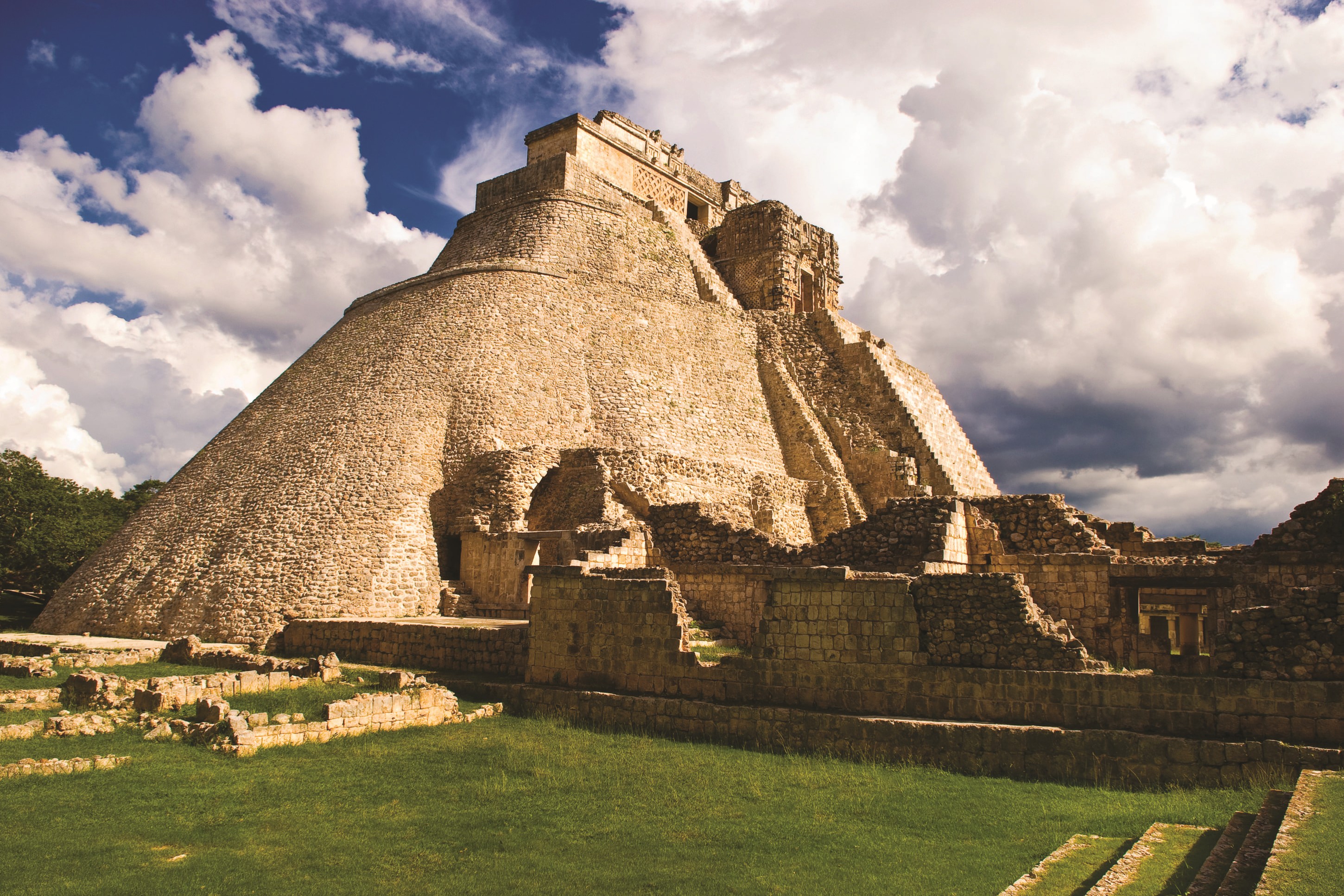
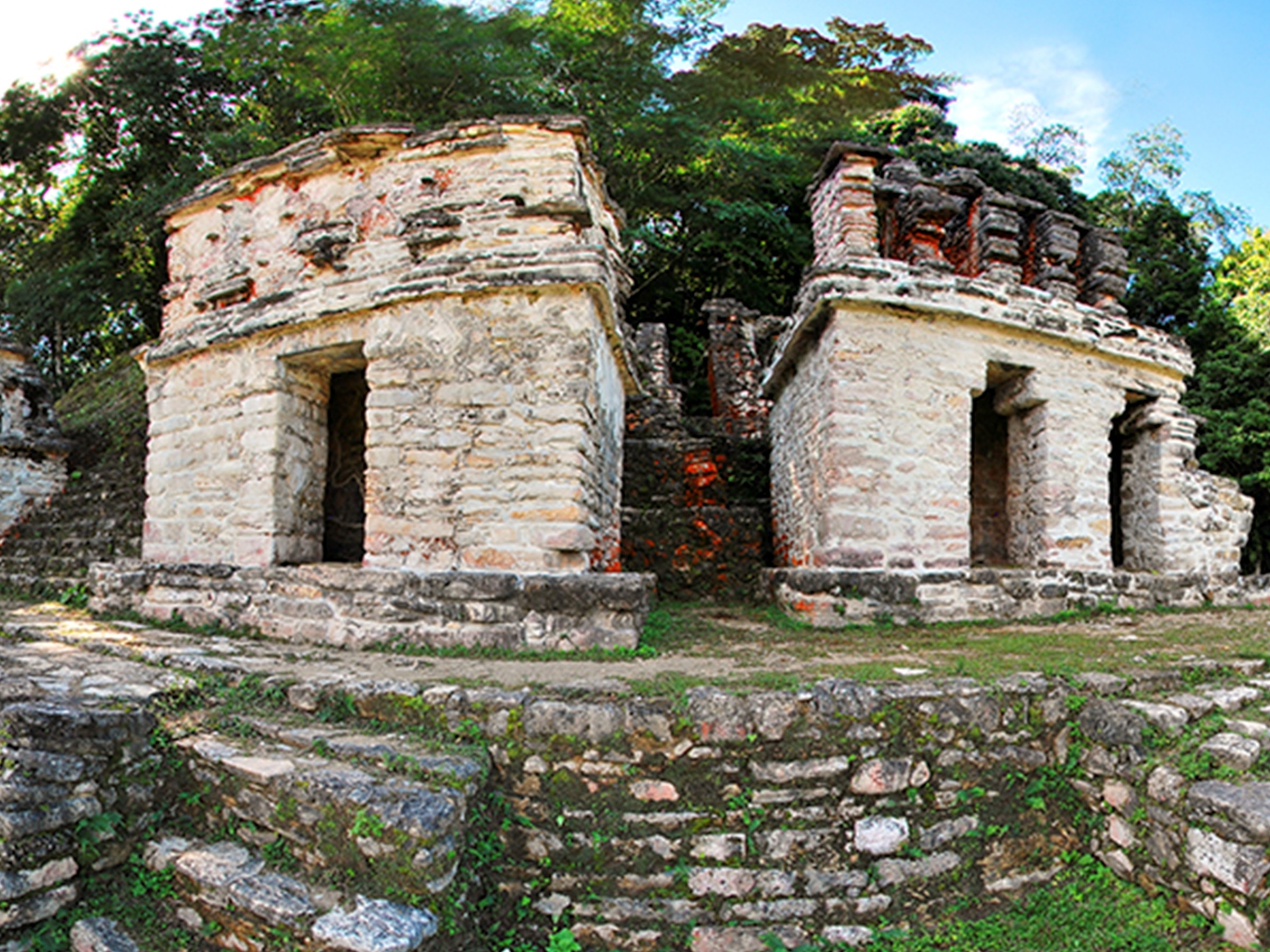
In San Pablo Villa de Mitla is now one of the six magical towns of Oaxaca. There is the Archaeological Zone of Mitla, its name means "place of the dead", an impressive example of the Zapotec heritage due to its fretwork decoration that is still preserved.
Available options
Tour to Mitla and The Mezcal Paths
Pickup included
What's included
All Fees and Taxes
Travel insurance
Admission in archaeological zone
Air-conditioned vehicle
Tasting of Mezcal
Detailed itinerary
1
45 kilometers east of the city of Oaxaca is located a small town called Matatlán that, due to the number of palenques, has been named "world capital of mezcal."
Santiago Matatlán is a name derived from the Nahuatl words; Matlatl, which means network and Tlan which means place, so Matlatlan means "place near networks." The population depends economically on the production of mezcal and the cultivation process of the maguey mezcalero (Agave potatorium). This is where most of this liquor is made and in the short journey you can see fields and fields of agaves that grow for that purpose. In the town it is possible to visit family stills to see ancient techniques to make this traditional liquor where you can observe the production process, from the cooking of the maguey "pineapples" to their grinding, fermentation and distillation.
2
Our mezcal has been handcrafted since 1980. In the house of Mezcal El Rey de Matatlán, we continue with the tradition of producing Artisanal Mezcales, just as our grandparents did.
We make Organic Mezcales, such as Tepextate agave, Agave Tobala, Maguey Cuish, Arroqueño agave, maguey coyote as well as Madrequixe. We produce the very famous Mezcal de Pechuga. They are Mezcales of limited Production.
3
Stop 3
San Pablo Villa de Mitla is a town and municipal seat in the state of Oaxaca, Mexico, famous for being the site of the archaeological ruins of Mitla. It is located 46 km from the city of Oaxaca.
Main ceremonial center after Monte Albán, the word Mitla or Mictlán is of Nahuatl origin and means "Place of the Dead" or "Underworld" in Zapotec. It is called "Lyobaa" which means "Burial place", which already remained in Mexica in Mitlan, "place of the dead" and already Spanishized only Mitla.
The archaeological complex and the current town are Zapotec, Mitla was inhabited from the classical period (100 to 650 AD) reaching its maximum growth and apogee in the post-classical period (750 to 1521 AD).
What's not included
Tips to guides or drivers
Food and Drinks
Guide in Archaeological Zone
Reviews breakdown
Tripadvisor
5.0
1 reviews
5★
1
4★
0
3★
0
2★
0
1★
0
Important information
Infants are required to sit on an adult’s lap
Suitable for all physical fitness levels
About Oaxaca City
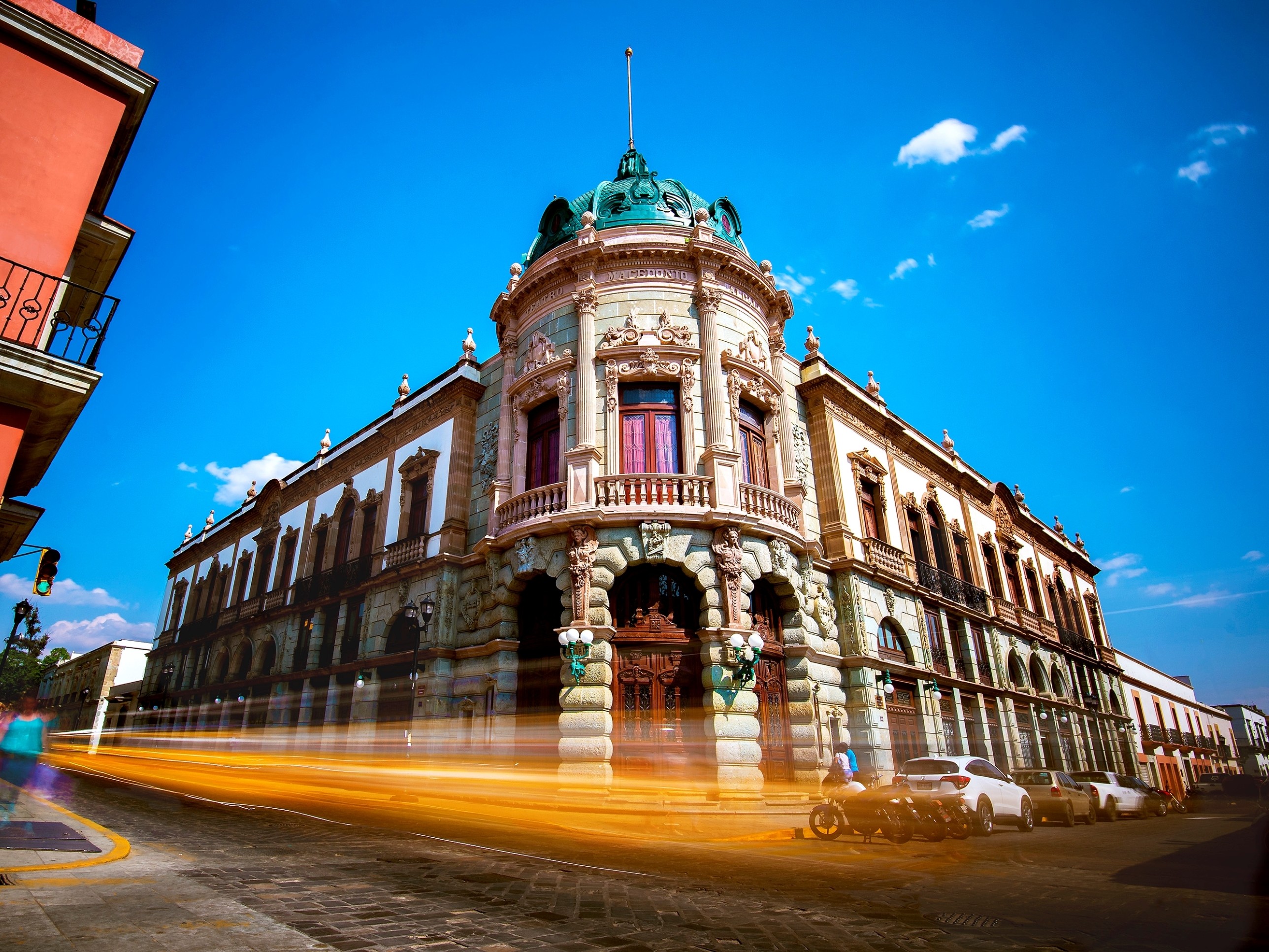
Oaxaca City, the capital of the Mexican state of Oaxaca, is a UNESCO World Heritage Site renowned for its colonial architecture, vibrant indigenous cultures, and rich culinary traditions. It offers a unique blend of history, art, and natural beauty, making it a must-visit destination in Mexico.
Top Attractions
Zócalo
The main square of Oaxaca City, surrounded by colonial buildings, cafes, and shops. It's a hub of activity and a great place to people-watch.
Historical
1-2 hours
Free
Templo de Santo Domingo de Guzmán
A stunning 16th-century Baroque church and former monastery, now home to the Museum of Oaxacan Cultures.
Historical
1-2 hours
MXN 60 (museum entry)
Monte Albán
An ancient Zapotec archaeological site with impressive ruins, temples, and pyramids. It offers panoramic views of the surrounding valleys.
Historical
Half day
MXN 80
Mercado 20 de Noviembre
A bustling market offering a variety of local foods, crafts, and souvenirs. It's a great place to experience Oaxacan culture and cuisine.
Cultural
1-2 hours
Free to enter, prices vary for food and souvenirs
Ethnobotanical Garden
A beautiful garden showcasing the diverse flora of Oaxaca, with a focus on medicinal and culinary plants. It's a peaceful retreat in the city.
Nature
1-2 hours
MXN 30
Must-Try Local Dishes
Mole
A complex and flavorful sauce made with chilies, chocolate, and spices. Oaxaca is famous for its seven traditional moles.
Sauce (served with meat or chicken)
Contains chocolate and various spices, may contain meat.
Tlayudas
A large, crispy tortilla topped with beans, cheese, meat, and salsa. It's often referred to as 'Oaxacan pizza.'
Street food
Vegetarian options available, but typically contains meat.
Chapulines
Toasted grasshoppers seasoned with lime, garlic, and chili. A popular and protein-rich snack in Oaxaca.
Snack
Contains insects, not suitable for those with entomophobia.
Mezcal
A traditional Mexican spirit made from the agave plant. Oaxaca is the heart of mezcal production, offering a wide variety of flavors and brands.
Drink
Alcoholic beverage, not suitable for those avoiding alcohol.
Popular Activities
Hiking in Sierra Norte
Zip-lining in San José del Pacífico
Exploring Monte Albán
Soaking in Hierve el Agua
Enjoying mezcal tastings
Strolling through the Ethnobotanical Garden
Visiting local markets
Attending cultural festivals
Best Time to Visit
November to April
This period offers the best weather with sunny days and cool nights. It's ideal for exploring the city and attending major festivals like Day of the Dead (early November).
15°C to 30°C
59°F to 86°F
Practical Information
Language
- Official: Spanish
- Widely spoken: English (limited)
- English: Limited
Currency
Mexican Peso (MXN)
Time Zone
GMT-6 (Central Standard Time)
Electricity
127VV, 60HzHz
Safety Information
Overall Safety Rating: Generally safe
Oaxaca City is generally safe for tourists, but common sense and precautions should be taken to ensure a safe and enjoyable visit. Petty crime, such as pickpocketing and bag snatching, can occur in crowded areas.
Important Precautions:
- • Keep valuables secure and out of sight
- • Use official taxis or ride-hailing apps
- • Avoid walking alone at night in isolated areas
Getting there
By air
- Xoxocotlán International Airport • 10 km from city center
By bus
ADO Oaxaca Central de Autobuses
Getting around
Public transport
The bus system is affordable and covers most areas. Buses are color-coded based on their routes. Taxis are also widely available and relatively inexpensive.
Taxis
Available • Apps: Uber, Didi
Rentals
Car, Bike, Scooter
Neighborhoods
Centro Histórico (Historic Center)
Jalatlaco
Reforma
Day trips
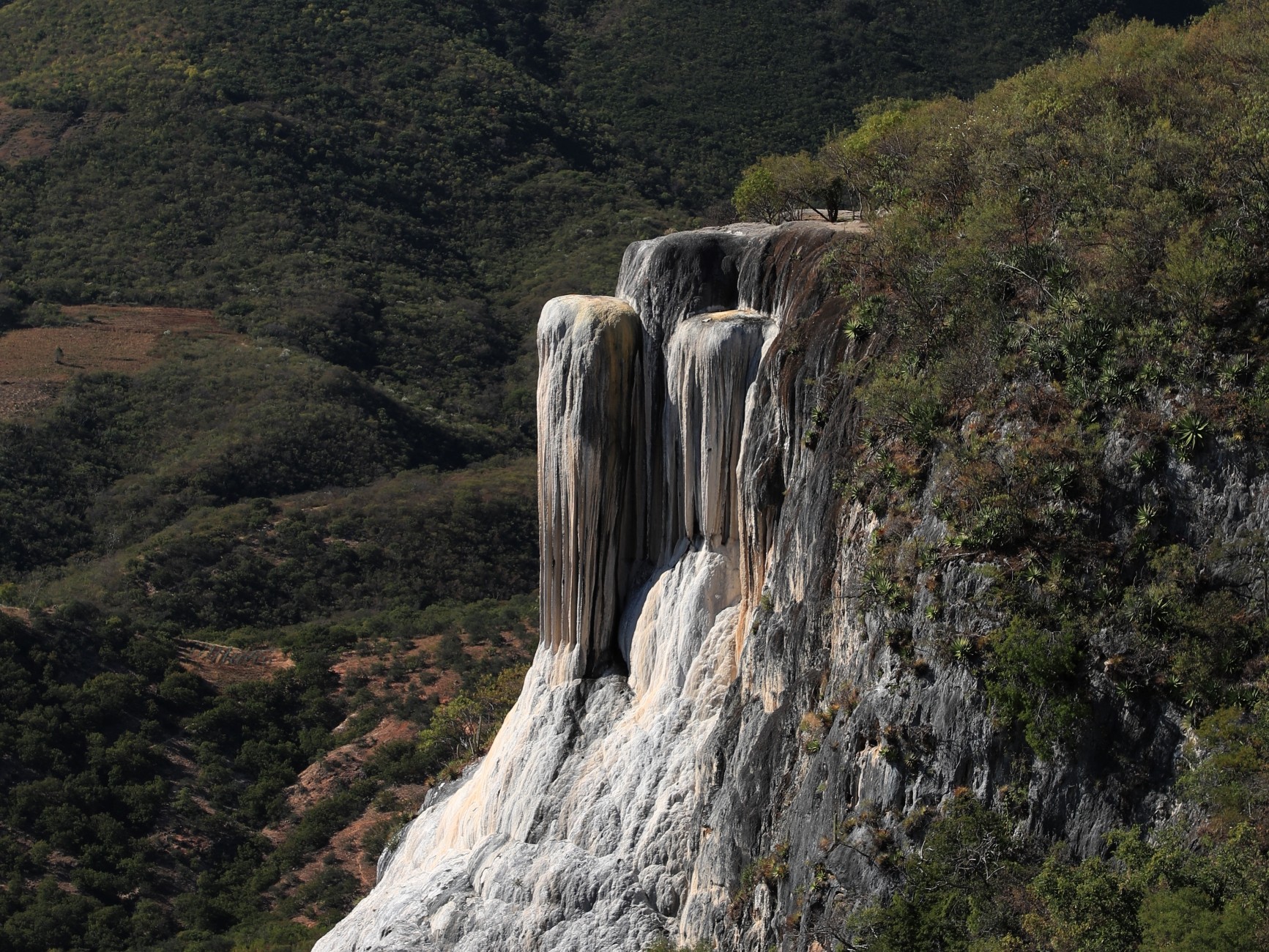
Hierve el Agua
35 km from Oaxaca City • Half day
A stunning natural site featuring petrified waterfalls, mineral pools, and panoramic views of the surrounding valleys. It's a popular spot for swimming and hiking.
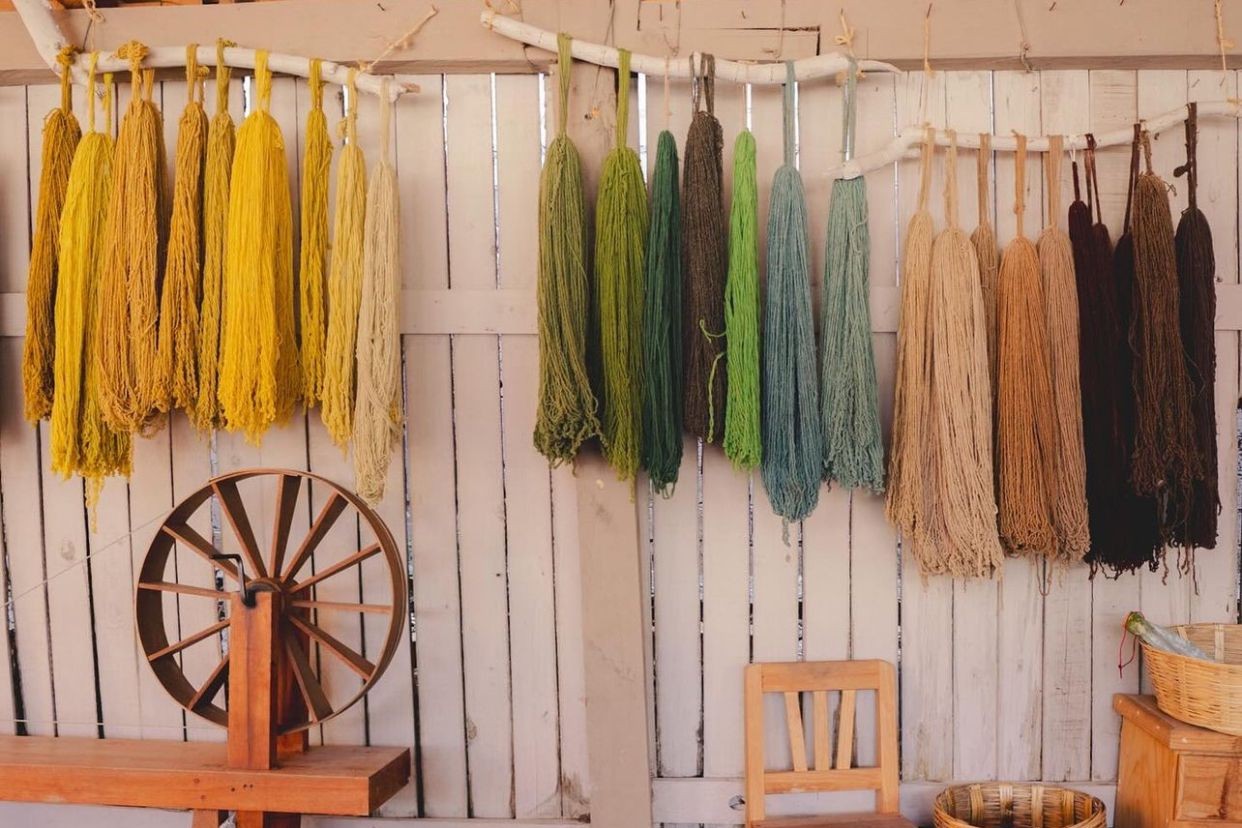
Teotitlán del Valle
30 km from Oaxaca City • Half day
A traditional Zapotec village known for its vibrant textiles, weaving workshops, and cultural heritage. It's a great place to learn about Oaxacan craft traditions.
San José del Pacífico
60 km from Oaxaca City • Full day
A mountain village surrounded by lush forests and waterfalls. It's a popular destination for hiking, zip-lining, and enjoying the natural beauty of the region.
Festivals
Day of the Dead (Día de los Muertos) • Early November (October 31 to November 2)
Guelaguetza Festival • Last two Mondays of July
Noche de Rábanos (Night of the Radishes) • December 23
Pro tips
- Learn a few basic Spanish phrases to enhance your experience and show respect for the local language and culture
- Visit local markets for authentic souvenirs and support local artisans
- Try local street food for a unique and affordable culinary experience
- Hire a local guide for a more in-depth understanding of the city's history and culture
- Explore the city on foot to discover hidden gems and enjoy the vibrant atmosphere
From $25
per person
Price varies by option
Secure booking
Free cancellation available
Instant confirmation