Tour to the Viewpoints, Sumidero Canyon and Chiapa de Corzo
Active
7h
All sales are final. No refund is available for cancellations.
Instant confirmation
Mobile or paper ticket accepted
About this experience
Departure from San Cristobal de las Casas.
Pick up starts at 9:00 am, we pick up passengers at their hotel. Pick up time 30 minutes. This tour is in Spanish.
Our first stop is the viewpoints of the Sumidero Canyon to enjoy the spectacular panoramic views.
We will take a boat to travel along the Grijalva River and observe the Sumidero Canyon, duration approximately 2 hours.
We will arrive to Chiapa de Corzo where you will have time to visit the Mudejar style fountain, the Santo Domingo Church and buy handicrafts made in the region. At the end of the tour you will have time for lunch. We will depart at 5:00 p.m. from Chiapa de Corzo to arrive at approximately 6:00 p.m. in San Cristobal.
Recommendations: Have breakfast before the tour.
Important: Only on Tuesdays we do not visit the Miradores del Cañón because they are closed to the public.
Available options
Tour to the Viewpoints, Sumidero Canyon and Chiapa de Corzo
Pickup included
What's included
All Fees and Taxes
Air-conditioned vehicle
Detailed itinerary
1
Stop 1
After the Pick up, we will move to the Magical Town of Chiapa de Corzo, later we will take a boat to the impressive Sumidero Canyon, the boat tour will last approximately 2 hours.
You will be able to observe the great diversity of flora and fauna of the region, great waterfalls, caves and the majestic canyon.
15 million years ago the marine waters withdrew from this region thanks to geological movements that formed the important mountains of Chiapas, among them, the Sumidero Canyon mountains, which began to suffer dissolution and erosion due to the same water The Canyon was born here and its training began, which continues today.
2
From Chiapa de Corzo, the Mudejar ensemble formed by La Pila stands out, a source of refined Moorish inspiration made of brick, unique in Latin America; the temple of Santo Domingo and the conventual building attached to it, now the headquarters of the Laca Museum, as well as the ruins of the temple of San Sebastián.
The main square is surrounded by portals, the building of the H. Municipal Council and the house of Don Ángel Albino Corzo, liberal branch of the First Constituent Congress. The square also houses the secular ceiba or pochota, a sacred tree, which tradition relates to the founding of the city, the clock tower is also located in it, imitating the architecture of the fountain or font itself.
3
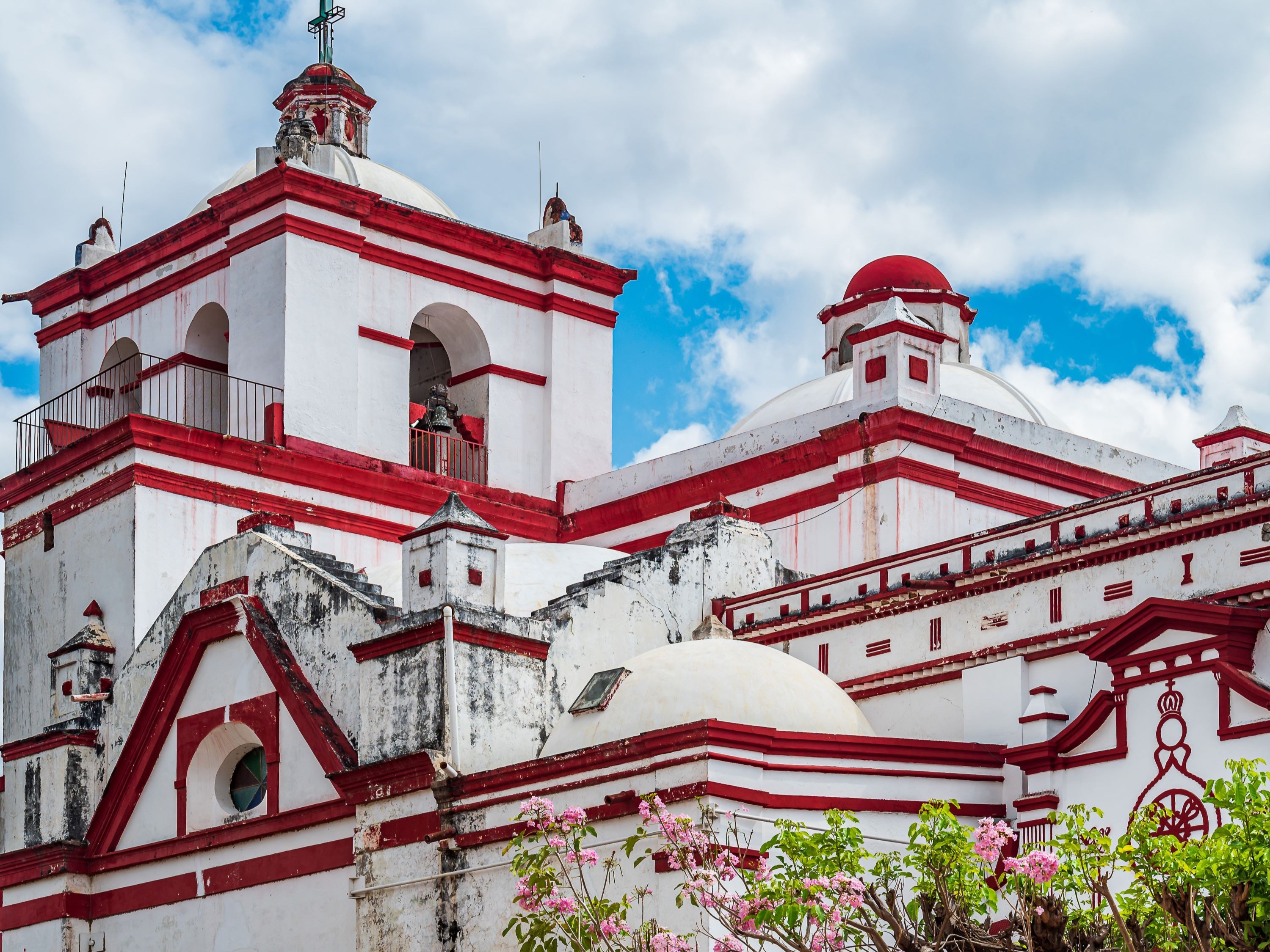
The Temple of Santo Domingo de Guzmán de Chiapa de Corzo, known locally as the Great Church. It was built during the second half of the 16th century (1554) and its construction is attributed to the friar of Portuguese origin Pedro de Barrientos.
The temple is an architectural work that marks the splendor of the 16th century, with its Gothic, Renaissance and neoclassical inspirations; possessor of one of the largest bells in the country and in America, which is located in its main tower or Bell Tower. The main entrance is located on one of the short sides of the rectangle that make up the three naves and on the opposite side is the apse that contains the altar.
The basilical buildings were inspired by the architecture of pagan Rome and were the most important constructions of early Christianity, starting in the 4th century. The naves were covered with wooden trusses, the central one being higher than the lateral ones to give rise to the windows that illuminated the center.
4
The viewpoints of the Sumidero Canyon are surrounded by great jungle vegetation, from there you can observe the great magnitude of this canyon in Chiapas and learn incredible data.
Important: Only Tuesdays are not visited because they are closed to the public.
What's not included
Food and drinks
Available languages
Guide guide
ES
Reviews breakdown
Viator
5.0
1 reviews
5★
1
4★
0
3★
0
2★
0
1★
0
Tripadvisor
3.0
2 reviews
5★
1
4★
0
3★
0
2★
0
1★
1
Important information
Public transportation options are available nearby
Infants are required to sit on an adult’s lap
Not recommended for travelers with poor cardiovascular health
Suitable for all physical fitness levels
About San Cristóbal de las Casas
San Cristóbal de las Casas is a charming colonial city nestled in the highlands of Chiapas, Mexico. Known for its well-preserved Spanish Baroque architecture, vibrant indigenous culture, and cobblestone streets, it offers a unique blend of history, nature, and cultural experiences. The city is also a gateway to the surrounding Maya villages and natural wonders like waterfalls and canyons.
Top Attractions
Catedral de San Cristóbal
The Cathedral of San Cristóbal is a stunning example of Spanish Baroque architecture. Located in the main square, it is one of the city's most iconic landmarks.
Historical/Religious
30 minutes to 1 hour
Free to enter
El Cerro del Cubilete
This hill offers panoramic views of the city and surrounding landscapes. It's a great spot for hiking and enjoying the natural beauty of the region.
Nature
1-2 hours
Free
Museo del Ámbar
This museum showcases the rich amber deposits found in the region. It offers insights into the history and cultural significance of amber.
Museum
30 minutes to 1 hour
Moderate (around $3 USD)
Must-Try Local Dishes
Tamales de Chiapas
Traditional tamales made with corn dough, filled with various ingredients such as chicken, pork, or cheese, and wrapped in banana leaves.
Breakfast
Vegetarian options available
Cochinita Pibil
A traditional Maya dish made with slow-roasted pork marinated in citrus and annatto paste, wrapped in banana leaves.
Lunch
Contains pork
Sopa de Pan
A hearty soup made with bread, chicken, vegetables, and a rich broth, often topped with cheese and cream.
Lunch/Dinner
Vegetarian options available
Popular Activities
Hiking in El Cerro del Cubilete
Exploring El Chiflón Waterfalls
Visiting nearby Maya villages
Strolling through the Centro Histórico
Enjoying a coffee at a local café
Visiting spas and wellness centers
Visiting museums and historic sites
Attending local festivals and events
Best Time to Visit
November to April (dry season)
This is the best time to visit San Cristóbal de las Casas due to the pleasant weather and lower humidity. It's ideal for outdoor activities and exploring the city's attractions.
15-25°C (59-77°F)
59-77°F
Practical Information
Language
- Official: Spanish
- Widely spoken: Tzotzil (indigenous language), English (limited)
- English: Limited
Currency
Mexican Peso (MXN)
Time Zone
Central Standard Time (CST, GMT-6)
Electricity
127VV, 60HzHz
Safety Information
Overall Safety Rating: Generally safe
San Cristóbal de las Casas is generally considered safe for travelers, with a low crime rate and a welcoming atmosphere. However, as with any destination, it is important to be aware of your surroundings and take precautions to ensure a safe and enjoyable trip.
Important Precautions:
- • Be aware of your surroundings and keep an eye on your belongings, especially in crowded areas
- • Use official taxis or ride-hailing apps for safety and to avoid scams
- • Be cautious when withdrawing cash from ATMs, and avoid carrying large amounts of money
Getting there
By air
- Angel Albino Corzo International Airport • 70 km (43 miles) from San Cristóbal de las Casas
By bus
Terminal de Autobuses de San Cristóbal
Getting around
Public transport
Colectivos are shared minibuses that follow fixed routes. They are an affordable and convenient way to get around.
Taxis
Available • Apps: Uber, Didi
Rentals
Car, Bike, Scooter
Neighborhoods
Centro Histórico
Barrio de Mexicanos
Day trips
San Juan Chamula and Zinacantán
8 km (5 miles) from San Cristóbal de las Casas • Half day to full day
These nearby Maya villages offer a unique glimpse into traditional indigenous culture, with their own customs, language, and way of life.
El Chiflón Waterfalls
60 km (37 miles) from San Cristóbal de las Casas • Full day
A series of stunning waterfalls located in the lush highlands of Chiapas. The area offers hiking trails, swimming, and breathtaking views.
Festivals
Feria de la Primavera (Spring Fair) • March
Festival de las Flores (Flower Festival) • September
Pro tips
- Visit the local markets for unique souvenirs and authentic experiences
- Try the local coffee, which is grown in the surrounding highlands and is known for its high quality
- Explore the city's many churches and historic sites, which offer insights into its rich history and cultural heritage
- Take a day trip to nearby Maya villages, such as San Juan Chamula and Zinacantán, to experience traditional indigenous culture
- Hike to the top of El Cerro del Cubilete for stunning views of the city and surrounding landscapes
From $25
per person
Price varies by option
Secure booking
Free cancellation available
Instant confirmation