Nara Heritage Temple Tour with Kamameshi and Matcha Audio Guide
Active
7h
For a full refund, cancel at least 24 hours before the scheduled departure time.
Instant confirmation
Mobile or paper ticket accepted
About this experience
**Important Notice**If you need to change the participation date or number of participants after making a reservation, please cancel your original booking and place a new one. Changes made without canceling the original reservation will not be accepted.
Step into history as you journey through the UNESCO-listed Ikaruga and Nishinokyo areas, home to Japan’s most treasured Buddhist monuments. Along the way, indulge in local delicacies, including a traditional kamameshi lunch and a matcha tea experience, making this tour a perfect blend of history, culture, and flavor.
Tour Highlights
・Visit Horyu-ji, Yakushi-ji, and Toshodai-ji, showcasing Japan’s finest Buddhist architecture.
・Enjoy an authentic kamameshi meal at Horyu-ji Temple Gate “Benkei” and experience matcha green tea at Jiko-in Temple.
・Enhance your journey with GPS-synced English and Chinese audio guides.
・Navigate with ease using multilingual route maps.
・Enjoy a special gift from us — a cute deer cracker magnet.
Available options
9:45 JR Nara Station East Exit
Arrive 10 minutes before
9:50 Kintetsu Nara Station
Arrive 10 minutes before
What's included
Consumption tax
Route map
Foreign language audio guides
Souvenir
Bus fare
Lunch
Matcha
Admission and viewing fees
Detailed itinerary
1
- Horyu-ji & Chugu-ji -
Horyu-ji is one of Japan’s most significant Buddhist temples and a UNESCO World Heritage Site, home to the world’s oldest surviving wooden structures. Founded in 607 by Prince Shotoku, it features the iconic Five-Story Pagoda and the Kondo (Main Hall), showcasing early Japanese Buddhist architecture. Nearby, Chugu-ji is a tranquil temple known for its beautiful statue of the Bodhisattva Maitreya in a half-lotus pose, exuding grace and serenity. The temple was originally a residence of an imperial princess before being converted into a nunnery. These two historic sites provide a glimpse into Japan’s ancient Buddhist culture and artistry.
- Horyu-ji Monzen "Benkei" (Lunch) -
Located near the entrance of Horyu-ji Temple, Benkei is a well-known local restaurant offering delicious traditional Japanese meals. Here, you can enjoy kamameshi, a flavorful rice dish cooked in an iron pot with seasonal ingredients, a specialty of the region.
2
-Jikoin Temple-
Jikoin is a hidden gem known for its serene tea garden and strong connection to the Japanese tea ceremony. Founded in 1663 by the tea master Sekishu Katagiri, this Zen temple emphasizes simplicity and harmony, offering a peaceful retreat from the bustling world. The temple’s architecture and landscape were designed to enhance mindfulness, providing an ideal setting for tea appreciation. Visitors can enjoy matcha while admiring the tranquil scenery, making it a unique spiritual and cultural experience in Nara.
3
Stop 3
- Yakushi-ji -
Yakushi-ji is a UNESCO World Heritage Site and one of Japan’s oldest Buddhist temples, originally built in the late 7th century by Emperor Tenmu. Dedicated to Yakushi Nyorai, the Buddha of healing, the temple is famous for its symmetrically arranged East and West Pagodas. The East Pagoda, standing for over 1,300 years, is a national treasure with an elegant design. The temple complex also features beautifully restored halls and Buddhist statues, offering insight into Japan’s rich religious history and architectural elegance.
4
Stop 4
- Toshodai-ji -
Toshodai-ji is another UNESCO World Heritage Site, founded in 759 by the Chinese monk Ganjin, who introduced formal Buddhist teachings to Japan. The temple’s main hall, Kondo, houses important Buddhist statues, including a striking golden statue of Rushana Buddha. The temple grounds feature a peaceful moss-covered garden and the former residence of Ganjin, reflecting the quiet beauty of Nara’s ancient temples. Toshodai-ji’s historical significance and serene atmosphere make it a must-visit for those seeking deeper insight into Japan’s Buddhist heritage.
5
- Heijo Palace Site & Suzaku Gate (Drive-by View) -
The Heijo Palace Site is a vast historic area that was once the political center of Japan during the Nara Period (710–784). Although much of the original palace is gone, reconstructions of key structures, including the grand Suzaku Gate, offer a glimpse into the splendor of ancient Japan. This UNESCO-listed site represents the origins of Japan’s capital cities, making it an essential historical landmark. While passing by, you can admire the majestic gate and imagine the grandeur of the former imperial palace.
What's not included
Personal expenses
Available languages
Audio guide
ZH-TW
EN
ZH-CN
Reviews breakdown
Tripadvisor
5.0
1 reviews
5★
1
4★
0
3★
0
2★
0
1★
0
Important information
Public transportation options are available nearby
Infants are required to sit on an adult’s lap
Suitable for all physical fitness levels
Children under six years old can travel for free, but no seat will be provided. If a seat is required, a child fare will be charged.
Meeting point
[Kintetsu Nara Station regular sightseeing bus stop]
Address: Nakasuji-cho, Nara City, Nara Prefecture 630-8237
Access: Immediately after getting off at Kintetsu Nara Line Kintetsu Nara Station
*Please make sure to arrive at the bus stop 10 minutes before the departure time.
Important notes
・There is no need to check in at our information desk; simply proceed directly to the bus stop.
・When boarding, please show the attendant your boarding pass (voucher).
・Please arrive at the bus stop at least 10 minutes before departure to allow ample time.
・Departure times vary depending on the boarding location, so please check the boarding and departure times in advance.
About Nara
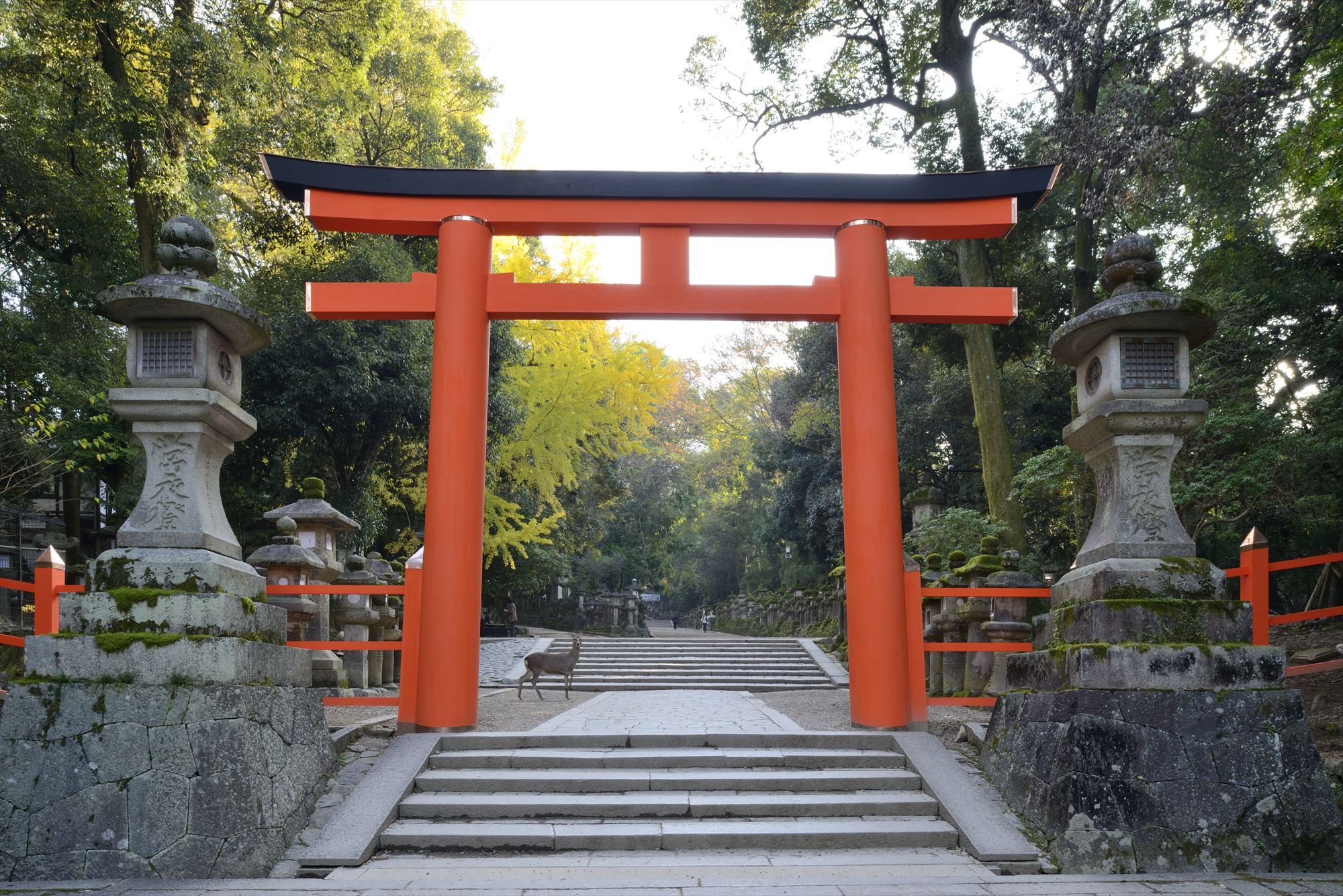
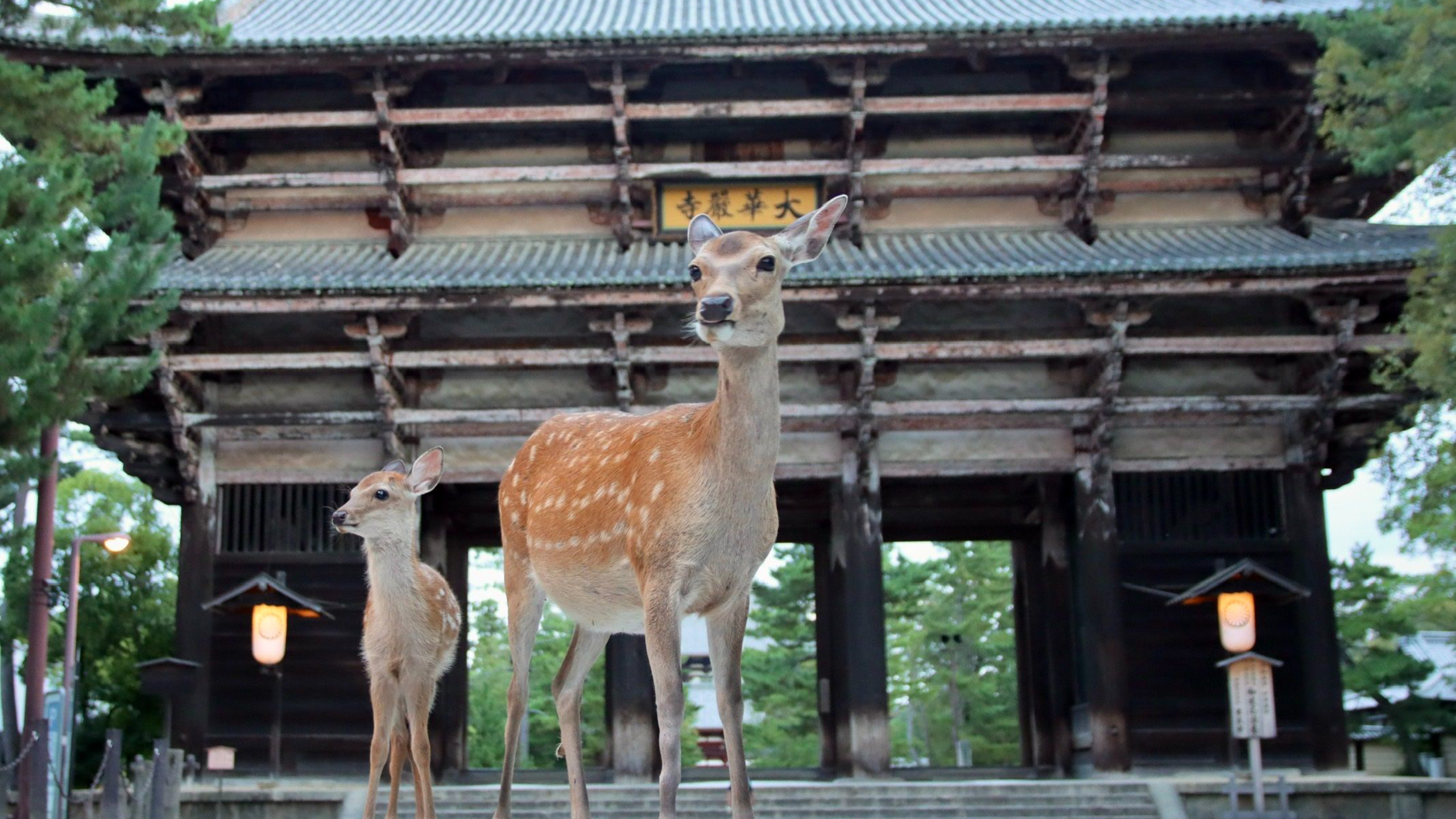
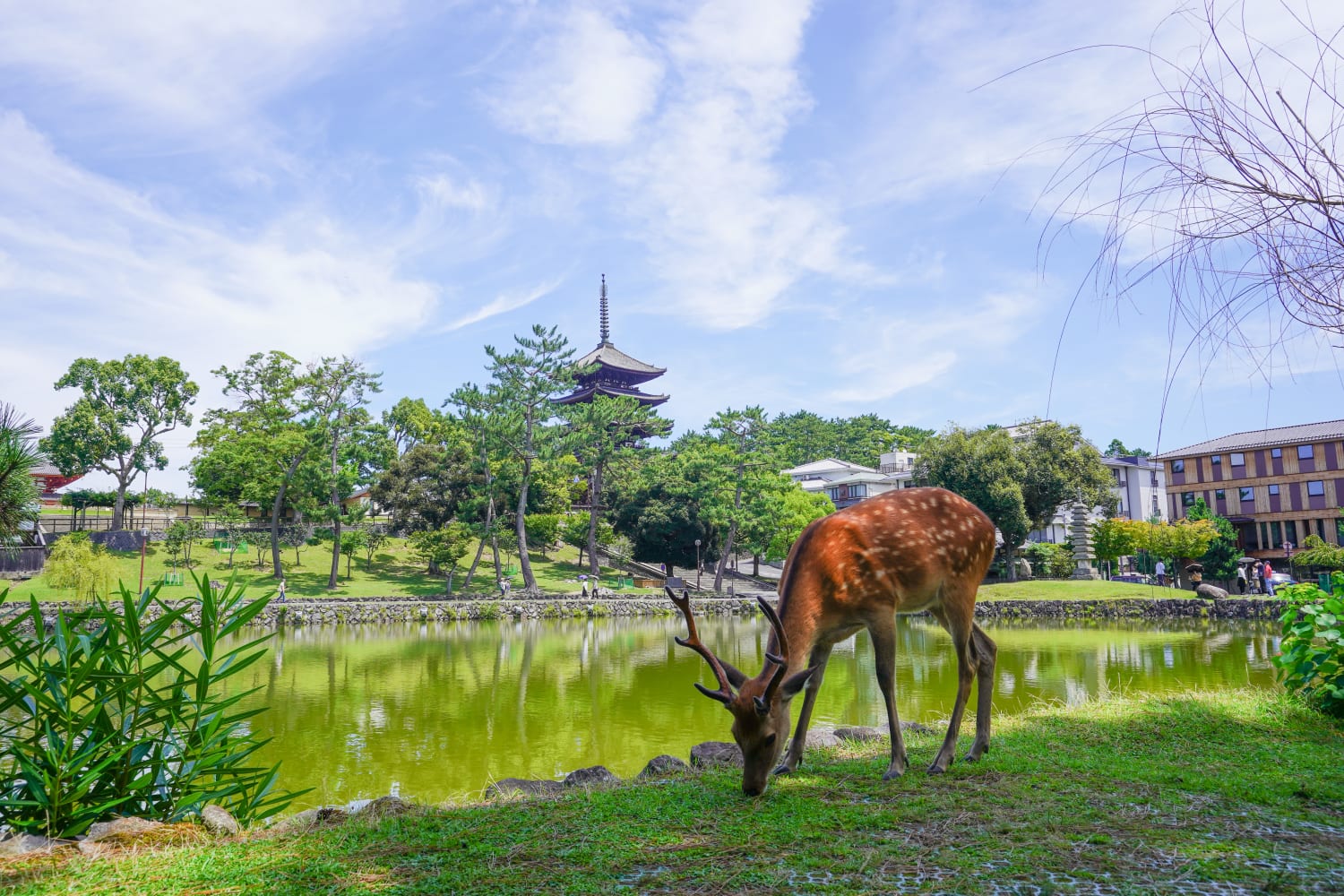
Nara, Japan's first permanent capital, is a city steeped in history and culture. Known for its ancient temples, friendly deer, and UNESCO World Heritage Sites, Nara offers a unique blend of natural beauty and historical significance. The city's well-preserved heritage sites and serene landscapes make it a must-visit destination in Japan.
Top Attractions
Todai-ji Temple
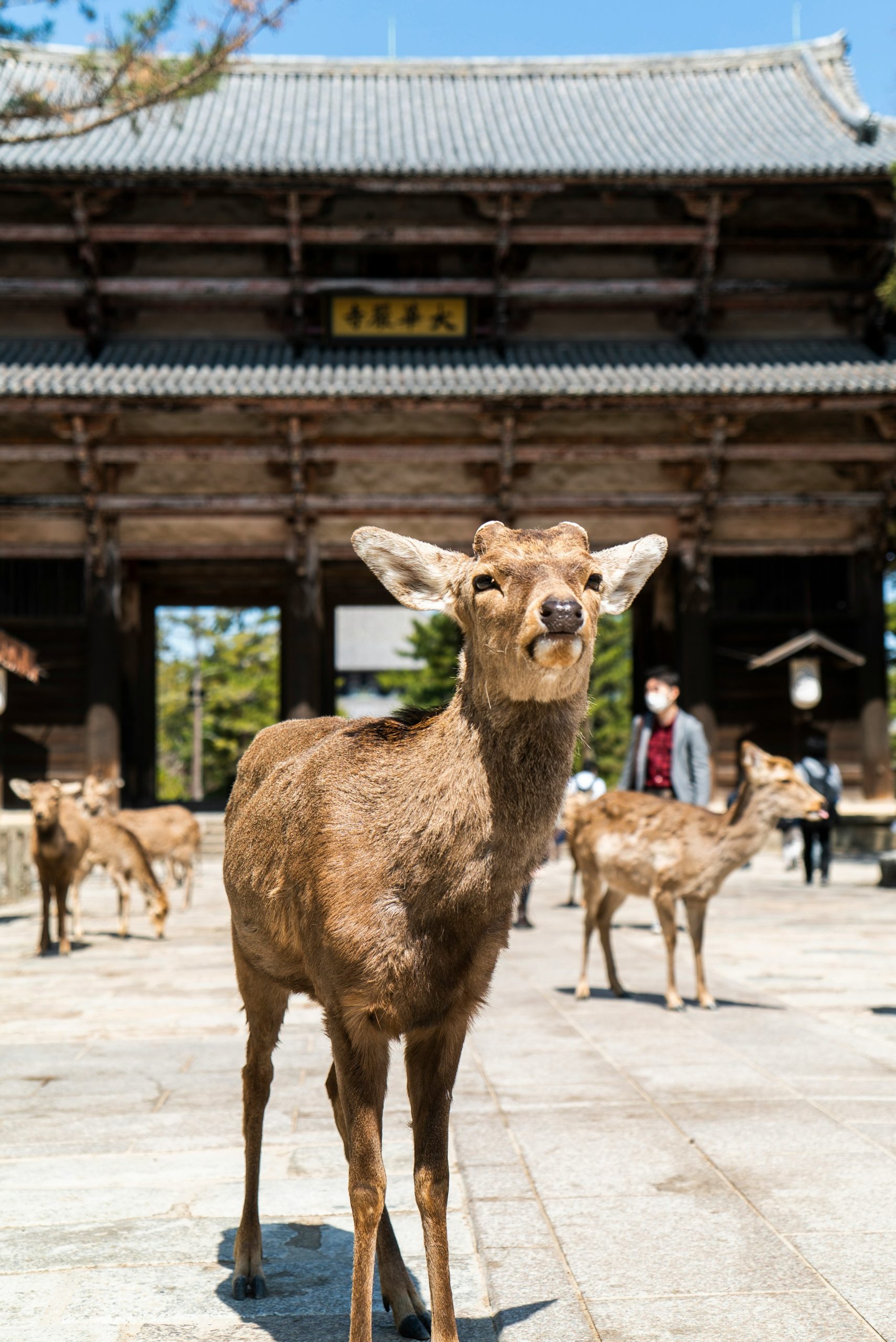
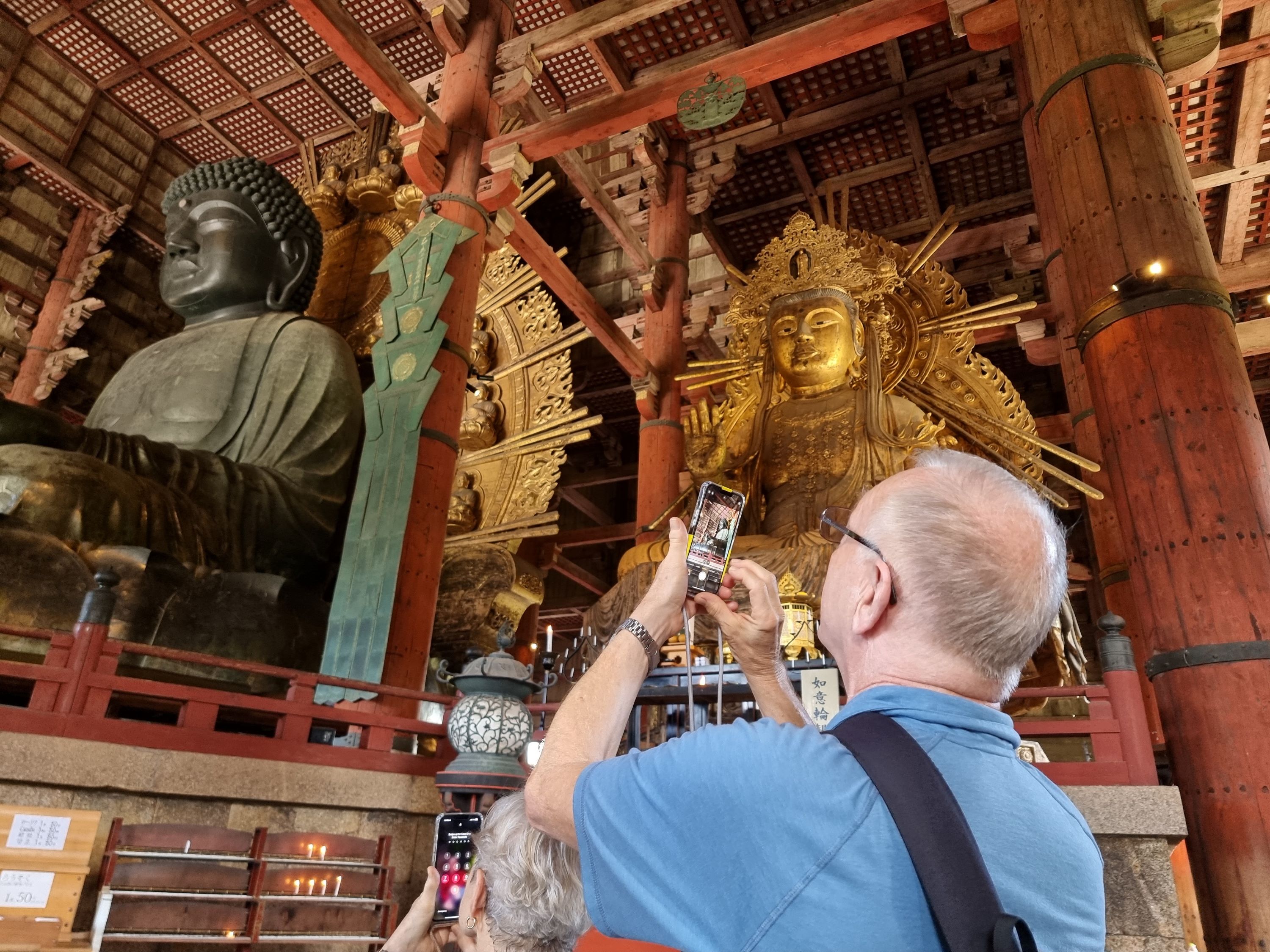
Todai-ji Temple is a UNESCO World Heritage Site and one of Japan's most famous and historically significant temples. It houses the Great Buddha Hall, which contains a giant bronze Buddha statue.
Historical/Religious
2-3 hours
600 JPY (5.50 USD)
Nara Park
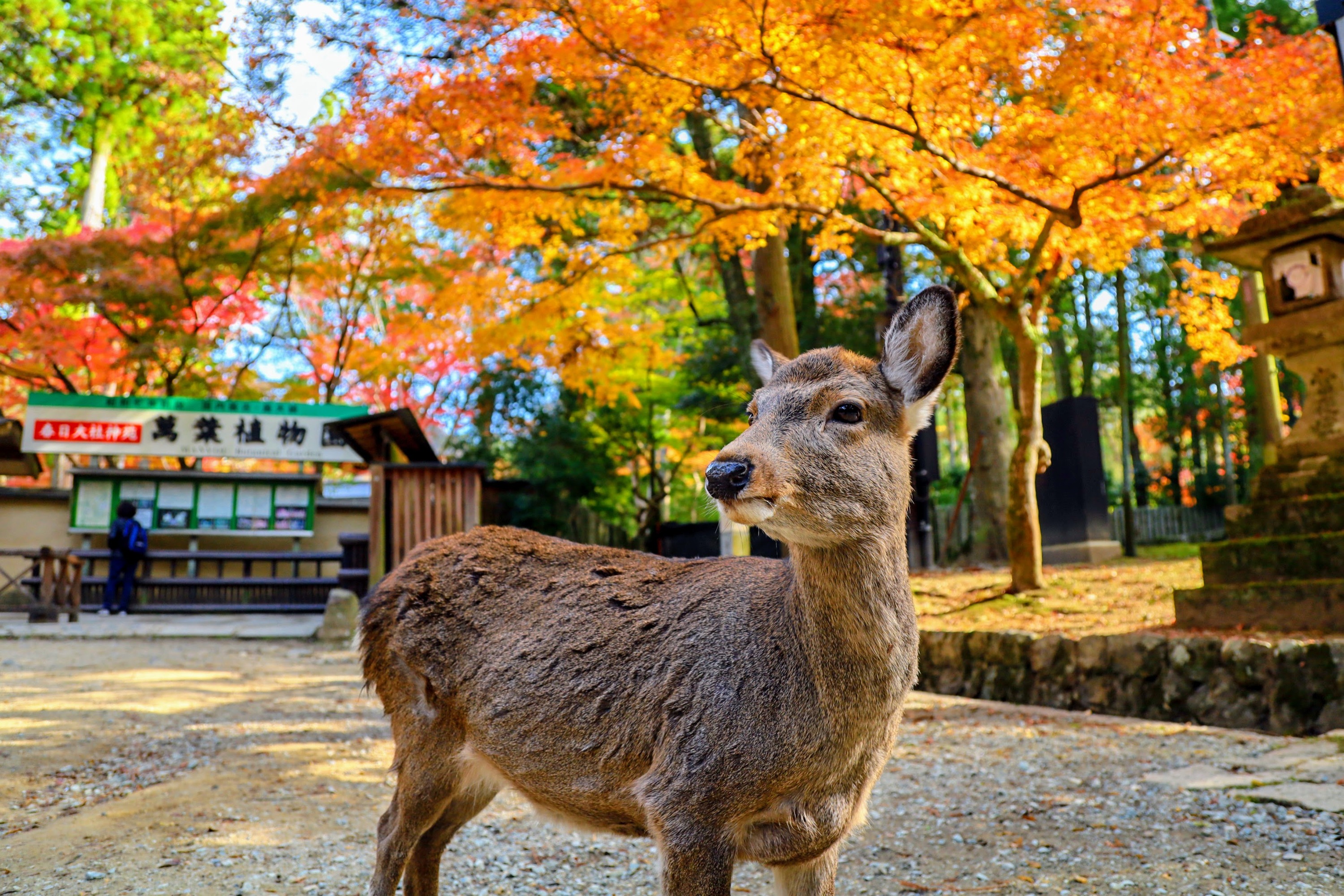
Nara Park is famous for its friendly deer, which are considered sacred in Shinto tradition. The park is also home to several important temples and shrines.
Nature/Cultural
1-2 hours
Free (200 JPY for deer crackers)
Kasuga Taisha Shrine
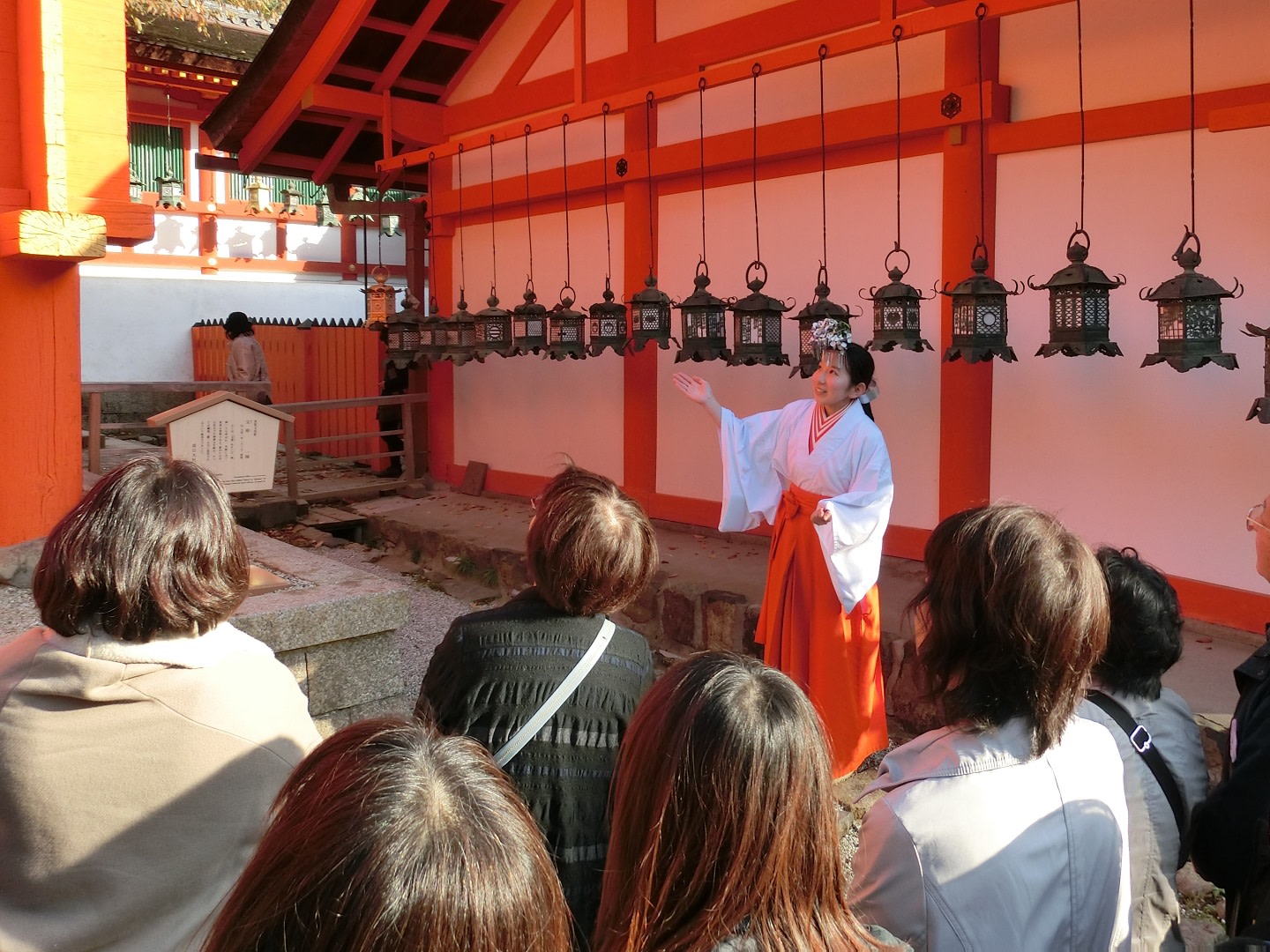
Kasuga Taisha is a famous Shinto shrine with a history dating back to 768 AD. It is known for its many lanterns, which are donated by worshippers.
Religious/Cultural
1-2 hours
Free (500 JPY for the Botanical Garden)
Kofuku-ji Temple
Kofuku-ji Temple was once one of the most powerful and influential temples in Japan. It is known for its pagoda and museum, which houses many important artifacts.
Historical/Religious
1-2 hours
300 JPY (Museum) (3 USD)
Nara National Museum
Nara National Museum is dedicated to the art and history of Nara and its temples. It houses a collection of Buddhist sculptures, paintings, and other artifacts.
Museum
1-2 hours
620 JPY (5.50 USD)
Must-Try Local Dishes
Kakinoha-zushi
A type of sushi where vinegared rice and fish are wrapped in persimmon leaves, giving it a unique flavor and aroma.
Lunch/Dinner
Contains fish
Nara zuiki
A traditional Nara dish made with chicken, mushrooms, and vegetables cooked in a sweet soy-based sauce.
Dinner
Contains chicken
Nara pickles
A variety of pickled vegetables, including radish, eggplant, and cucumber, known for their unique flavors and textures.
Snack/Side
Vegetarian
Popular Activities
Hiking in Nara Park
Biking around the city
Tea ceremony
Onsen (hot spring) visit
Temple visits
Traditional crafts workshops
Winter illuminations at temples and shrines
Deer feeding in Nara Park
Best Time to Visit
Spring (March to May) and Autumn (October to November)
These seasons offer pleasant weather and are ideal for outdoor activities. Spring brings cherry blossoms, while autumn features beautiful fall foliage.
15-25°C
59-77°F
Practical Information
Language
- Official: Japanese
- Widely spoken: English (limited)
- English: Limited
Currency
Japanese Yen (JPY)
Time Zone
GMT+9
Electricity
100VV, 50/60HzHz
Safety Information
Overall Safety Rating: Very safe
Nara is a very safe city with low crime rates. Violent crime is rare, and petty crime is uncommon. However, as with any destination, it's important to take basic precautions to ensure a safe and enjoyable trip.
Important Precautions:
- • Keep valuables secure
- • Be cautious of deer in Nara Park, as they can be aggressive when looking for food
- • Avoid walking alone in poorly lit or deserted areas at night
Getting there
By air
- Kansai International Airport • 50 km (31 miles)
- Osaka International Airport (Itami) • 35 km (22 miles)
By train
Nara Station
By bus
Nara Station, Kintetsu Nara Station
Getting around
Public transport
The bus system is efficient and covers most major attractions. Day passes are available for frequent travelers.
Taxis
Available • Apps: JapanTaxi, DiDi
Rentals
Car, Bike, Scooter
Neighborhoods
Nakasenbon
Zakuracho
Sanjo-dori
Day trips
Osaka
40 km (25 miles) • Half day to full day
Osaka is a vibrant city known for its food, shopping, and nightlife. It offers a mix of modern attractions and historic sites.
Kyoto
40 km (25 miles) • Full day
Kyoto is a city rich in history and culture, with numerous temples, shrines, and gardens. It's known for its traditional tea houses, geisha districts, and historic streets.
Ise
80 km (50 miles) • Full day
Ise is home to the Ise Grand Shrine, one of Shinto's holiest sites. The city offers a serene and spiritual experience, with beautiful forests and traditional architecture.
Festivals
Nara Matsuri • April 25-26
Lantern Festival at Kasuga Taisha • February 3-4
Pro tips
- Visit Todai-ji Temple early in the morning to avoid crowds and enjoy a more serene experience.
- Buy deer crackers to feed the deer in Nara Park, but be cautious and follow the rules to ensure a safe and enjoyable interaction.
- Consider staying in a ryokan for a unique cultural experience, complete with traditional tatami rooms, onsen (hot springs), and kaiseki meals.
- Explore Nara-machi, the historic district, for a glimpse into the city's past and to shop for local crafts and souvenirs.
- Use an IC card like ICOCA for easy payments on public transportation, buses, and some shops and vending machines.
From $25
per person
Price varies by option
Secure booking
Free cancellation available
Instant confirmation


![[Kyoto & Nara & Uji Day Trip] Nara Park's Adorable Deer & Fushimi Inari Shrine's Thousand Torii Gates & World Heritage Site Todai-ji Temple & Byodo-in Temple & Uji Matcha Food Street & Uji River & Uji Park & Asagiri Bridge Day Trip](https://res.klook.com/image/upload/activities/ldngpfhcjg0mts875udl.jpg)
![[Nara & Uji] Nara Park & Todai-ji Temple & Byodo-in Temple & Uji Matcha Gourmet & World Heritage Onsen Day Trip (From Osaka)](https://res.klook.com/image/upload/activities/op8ebikytywpfcwudenb.jpg)