Day trip to Tivoli departing from Rome
Active
6h - 8h
For a full refund, cancel at least 24 hours before the scheduled departure time.
Instant_then_manual confirmation
Mobile or paper ticket accepted
About this experience
The comfort and independence that you gain by choosing to travel with a minivan driven by a professional driver are an added value for your holiday.
You will have the opportunity to decide the departure and return times without having to stick to fixed times and without having to share the means of transport.
The driver will accompany you to Tivoli, leaving you free to visit the attractions you prefer. A time will be agreed to meet you and return to Rome, but you will still have the possibility of contacting the driver to anticipate or postpone the departure.
Available options
Day trip to Tivoli departing from Rome
Pickup included
What's included
Private transportation
Air-conditioned vehicle
Detailed itinerary
1
Stop 1
after a journey of about 30 minutes
Declared a UNESCO World Heritage Site in 1999, it was built between 118 and 138 AD. by the emperor Hadrian, in a green area rich in water near Tivoli, the ancient Tibur.
The Villa extended over an area of at least one hundred and twenty hectares, including residential structures, spas, nymphaeums, pavilions and gardens. The various buildings were connected to each other, as well as by surface paths, also by an underground road network for vehicles and pedestrians, functional to the services. The richness of the architectural and sculptural decoration of the villa was extraordinary and has been the subject of frenetic and systematic research since the Renaissance. Almost all the main museums and collections in Rome and the rest of Italy, as well as Europe, include among their works examples from Hadrian's Villa.
Currently the visitable area is approximately 40 hectares.
2
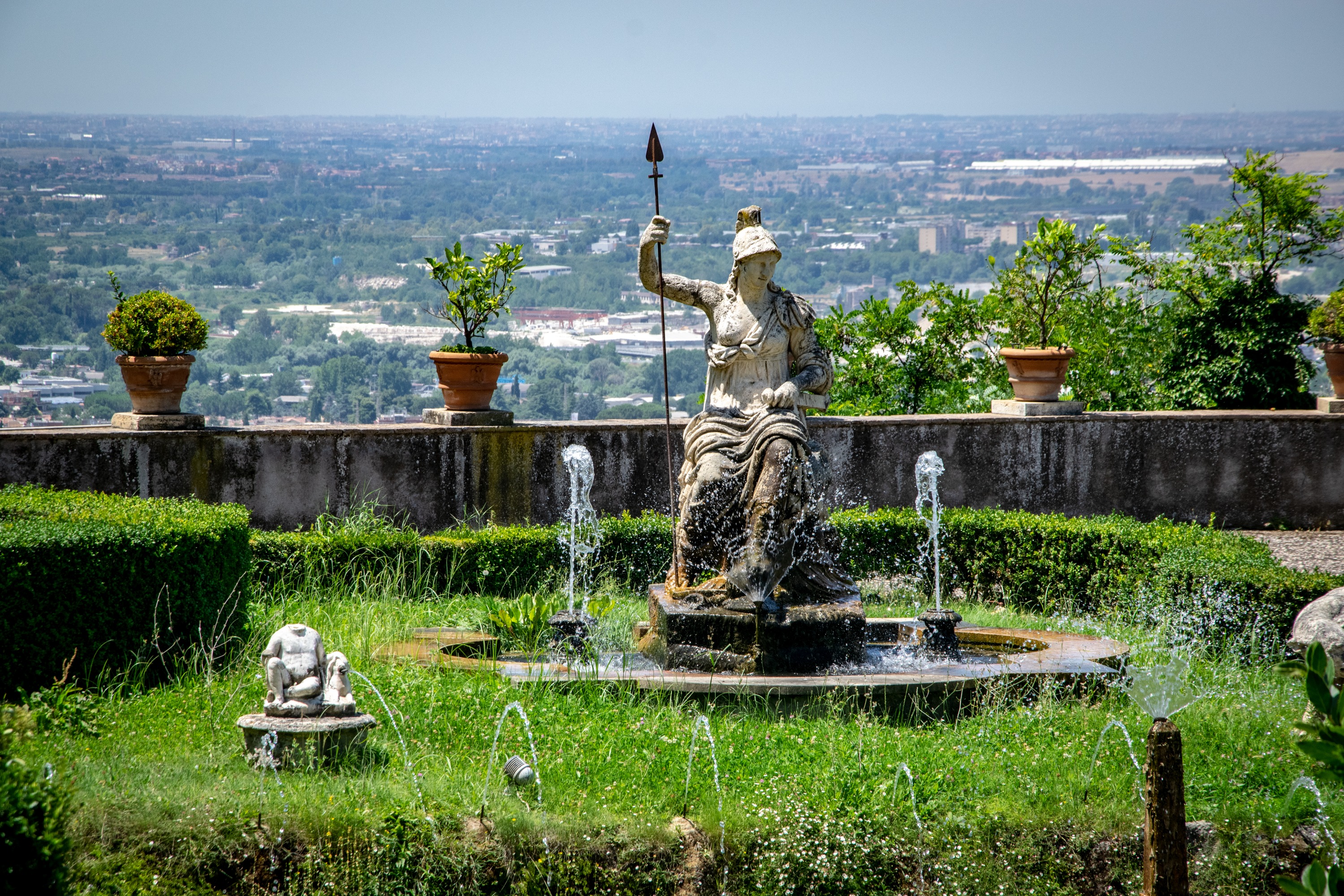
Declared a UNESCO World Heritage Site in 2001, it represents a masterpiece of the Italian garden with an impressive concentration of fountains, nymphaeums, caves, water features and hydraulic music.
Cardinal Ippolito II d'Este revived the splendor of the courts of Ferrara, Rome and Fointanebleau here and revived the magnificence of Villa Adriana.
Governor of Tivoli since 1550, he immediately toyed with the idea of creating a garden on the slope of the pleasure valley, but only after 1560 was the architectural and iconological program of the Villa clarified, conceived by the painter-archaeologist-architect Pirro Ligorio and created by the architect of court Alberto Galvani. The palace was decorated by the protagonists of late Roman mannerism.
The Villa was almost completed when Ippolito d'Este died in 1572. Further interventions in the 17th century were followed by a period of decline, until Cardinal Gustav Adolf von Hohenlohe revived its splendor by also hosting the musician Ferenc Liszt (1811-1886).
3
The Sanctuary of Hercules Victor is one of the largest sacred complexes of Roman architecture from the Republican era (built starting from the 2nd century BC). It is a scenic structure of imposing dimensions, built on a terrace overlooking the Aniene river, along an ancient transhumance route which would later become the Via Tiburtina. The road was incorporated into the architectural complex with a covered path (Via Tecta).
The sanctuary consisted of three main parts: the theatre, which exploited the natural slope of the land, a large square delimited by porticoes and the actual temple in a central position in the square and in line with the theatre. Following the decline of the place of worship, the presence of water pipes favored the establishment of mills, armories and foundries, of the first hydroelectric power station from which alternating current was remotely launched and, finally, of a paper mill.
4
Stop 4
Villa Gregoriana is an immense park in Tivoli, near Rome, granted on loan to the FAI by the Italian State and the result of an important hydraulic engineering work whose objective was to contain the flooding of the Aniene river. Promoted by Pope Gregory XVI in 1832, from which it takes its name, once the water tunnels were made and a waterfall was created, the Pope decided to build a park around it, thus creating a new place where one could experience the relationship with nature and the sublime, or nineteenth-century Romanticism. Its fame consecrated this place as a destination for nineteenth-century European travelers and a favorite subject of painting of the time.
5
Rocca Pia is the historical symbol of Tivoli which stands a few steps from the modern Piazza Garibaldi and the sculpture by Arnoldo Pomodoro.
the return to Rome will take approximately 30 minutes
Built by Pope Pius II Piccolomini around 1461 on the top of a hill, both to control the city from above and to avoid possible popular uprisings. The fortress has a quadrangular structure with four circular towers of different heights, where the highest reaches 36.50 meters and is leveled adjacent to the Roman amphitheater dating back to the 2nd century AD, also known as the Bleso Amphitheatre.
Accessible in the past via a drawbridge, Rocca Pia was also used as a district prison in the 19th century, and remained so until 1960.
What's not included
Access ticket to villa D'Este € 13 per person
Entrance ticket to Villa Adriana €12 per person
Important information
Infants and small children can ride in a pram or stroller
Public transportation options are available nearby
Infants are required to sit on an adult’s lap
Not recommended for pregnant travelers
Suitable for all physical fitness levels
About Rome
Rome, the capital of Italy, is a city of ancient ruins, artistic masterpieces, and vibrant culture. Known as the Eternal City, it is a living museum where every corner tells a story of its rich history spanning over 2,500 years.
Top Attractions
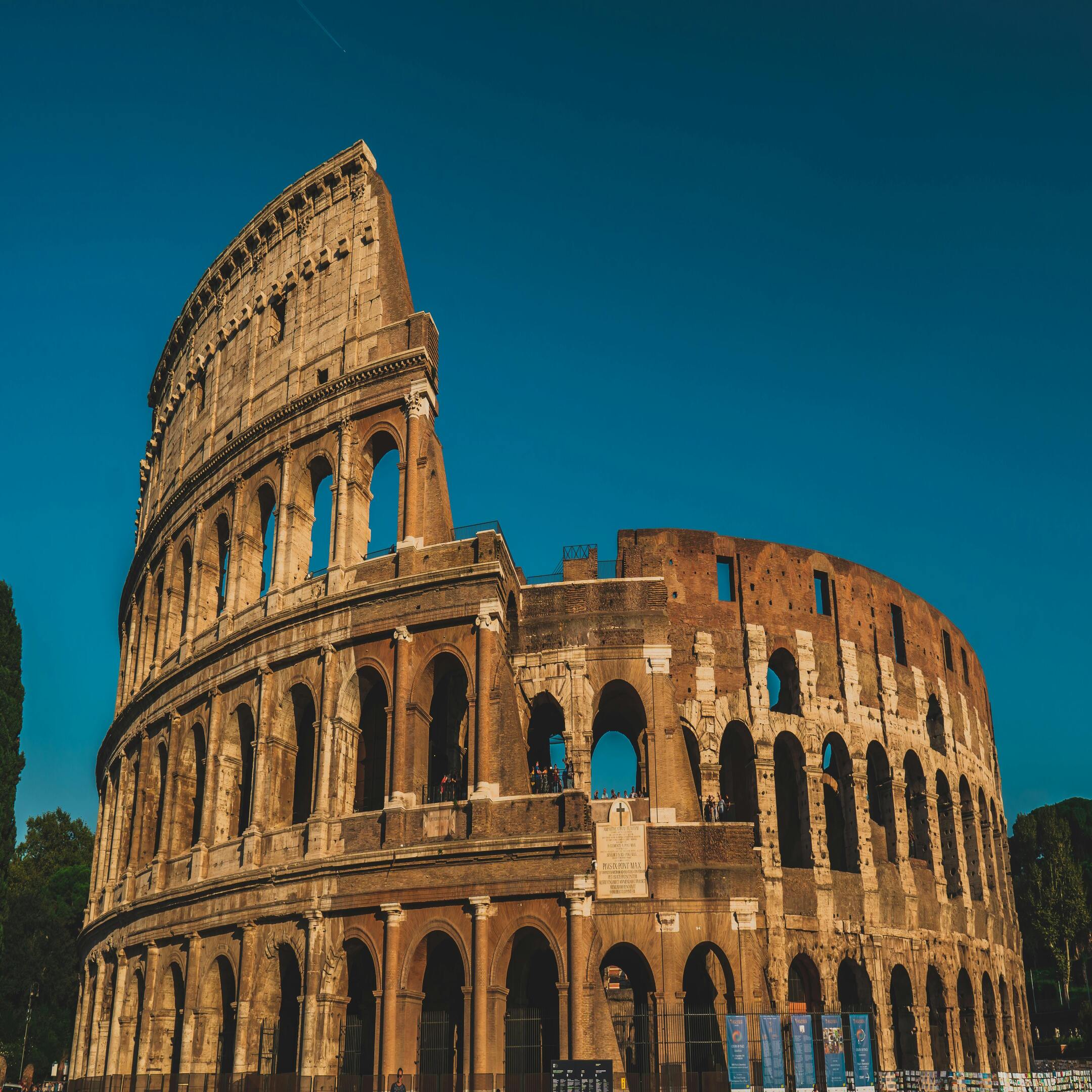
Colosseum
The Colosseum is an iconic symbol of Rome and one of the most famous ancient amphitheaters in the world. It was used for gladiatorial contests and public spectacles.
Historical
1-2 hours
€16 (combined ticket with Roman Forum and Palatine Hill)
Vatican City
Vatican City is an independent city-state enclaved within Rome. It is the spiritual and administrative center of the Roman Catholic Church.
Religious
Half day
€17 (Vatican Museums and Sistine Chapel), Free (St. Peter's Basilica)
Roman Forum
The Roman Forum was the political, commercial, and legal hub of the Roman Republic and Empire. It is a sprawling ruin of temples, basilicas, and arches.
Historical
1-2 hours
€16 (combined ticket with Colosseum and Palatine Hill)
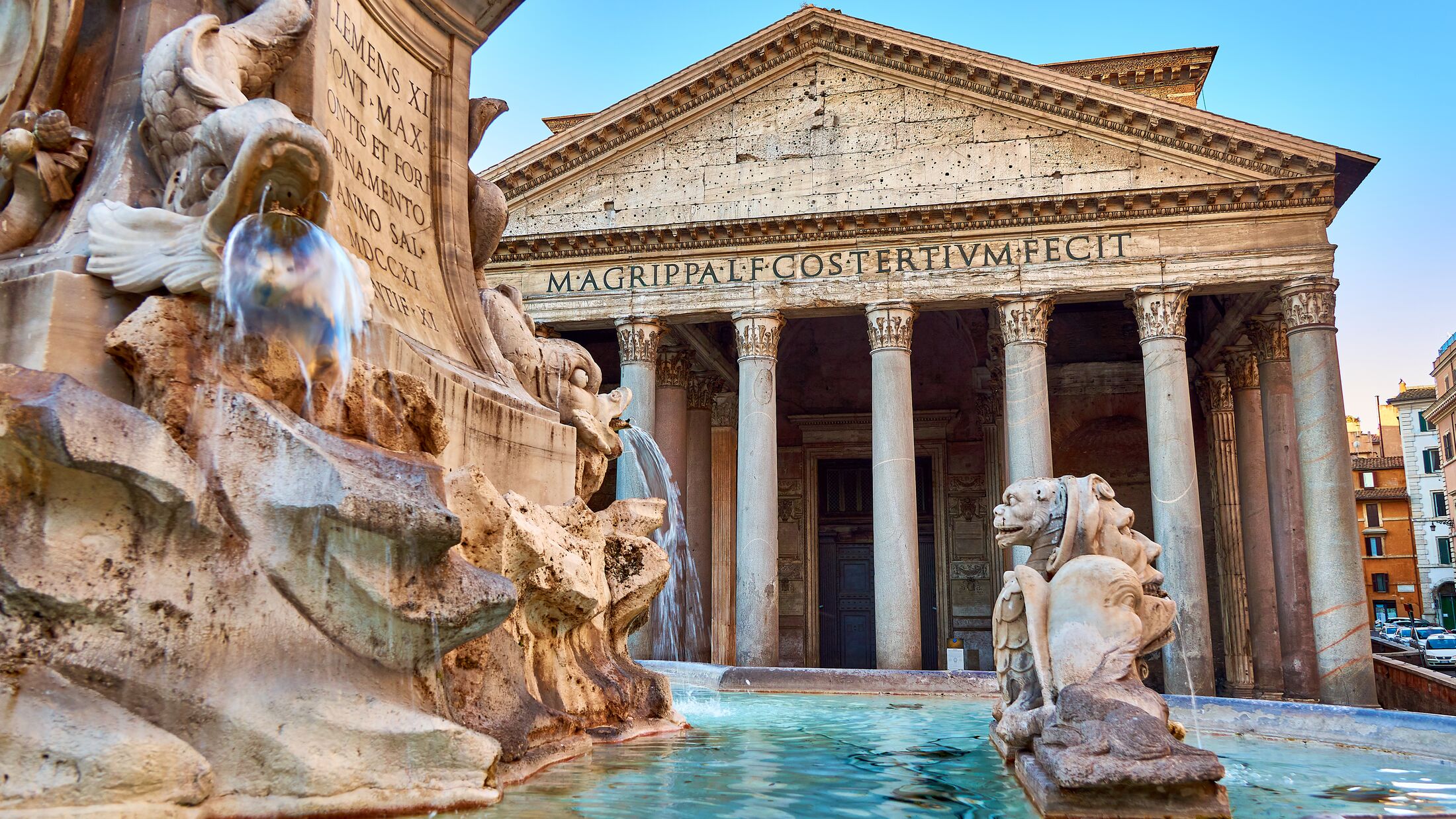
Pantheon
The Pantheon is a former Roman temple, now a church, known for its large dome and oculus. It is one of the best-preserved ancient buildings in Rome.
Historical
30 minutes to 1 hour
Free
Trevi Fountain
The Trevi Fountain is a Baroque masterpiece and the largest fountain in Rome. It is a popular spot for visitors to throw coins and make wishes.
Architecture
15-30 minutes
Free
Must-Try Local Dishes
Cacio e Pepe
A simple yet delicious pasta dish made with Pecorino Romano cheese and black pepper.
Pasta
Vegetarian
Carbonara
A rich pasta dish made with eggs, Pecorino Romano, guanciale (cured pork cheek), and black pepper.
Pasta
Contains pork and eggs
Supplì
Fried rice balls filled with mozzarella and tomato sauce.
Snack
Vegetarian (some variations may contain meat)
Carciofi alla Romana
Artichokes braised with garlic, mint, and olive oil.
Vegetable
Vegetarian
Popular Activities
Hiking in the Appian Way Regional Park
Biking along the Tiber River
Rock climbing in the nearby mountains
Picnicking in Villa Borghese Gardens
Boating on Lake Albano
Enjoying a spa day at a luxury hotel
Visiting the Vatican Museums
Attending an opera at the Teatro dell'Opera di Roma
Best Time to Visit
April to June, September to October
Spring and fall offer pleasant weather and fewer crowds compared to the summer peak. Ideal for sightseeing and outdoor activities.
15-30°C
59-86°F
Practical Information
Language
- Official: Italian
- Widely spoken: English, Spanish, French
- English: Moderately spoken
Currency
Euro (EUR)
Time Zone
GMT+1 (CET), GMT+2 (CEST during daylight saving time)
Electricity
230VV, 50HzHz
Safety Information
Overall Safety Rating: Generally safe
Rome is generally safe for tourists, but pickpocketing and scams can be a problem in crowded areas. Be aware of your surroundings and take precautions to protect your belongings.
Important Precautions:
- • Keep valuables secure and out of sight
- • Use official taxis or ride-sharing services
- • Be cautious of strangers approaching you with petitions or bracelets
Getting there
By air
- Leonardo da Vinci International Airport • 35 km from city center
- Ciampino Airport • 15 km from city center
By train
Roma Termini, Roma Tiburtina
By bus
Tiburtina Bus Station, Roma Termini
Getting around
Public transport
The metro system is efficient and covers major tourist areas. It operates from 5:30 AM to 11:30 PM.
Taxis
Available • Apps: Uber, FreeNow
Rentals
Car, Bike, Scooter
Neighborhoods
Trastevere
Monti
Prancipio
Testaccio
Day trips
Ostia Antica
30 km from Rome • Half day
An ancient Roman port city with well-preserved ruins, including a theater, baths, and mosaics. It offers a glimpse into daily life in ancient Rome.
Tivoli
30 km from Rome • Full day
A picturesque town known for its stunning villas and gardens, including the famous Villa d'Este with its elaborate fountains and gardens.
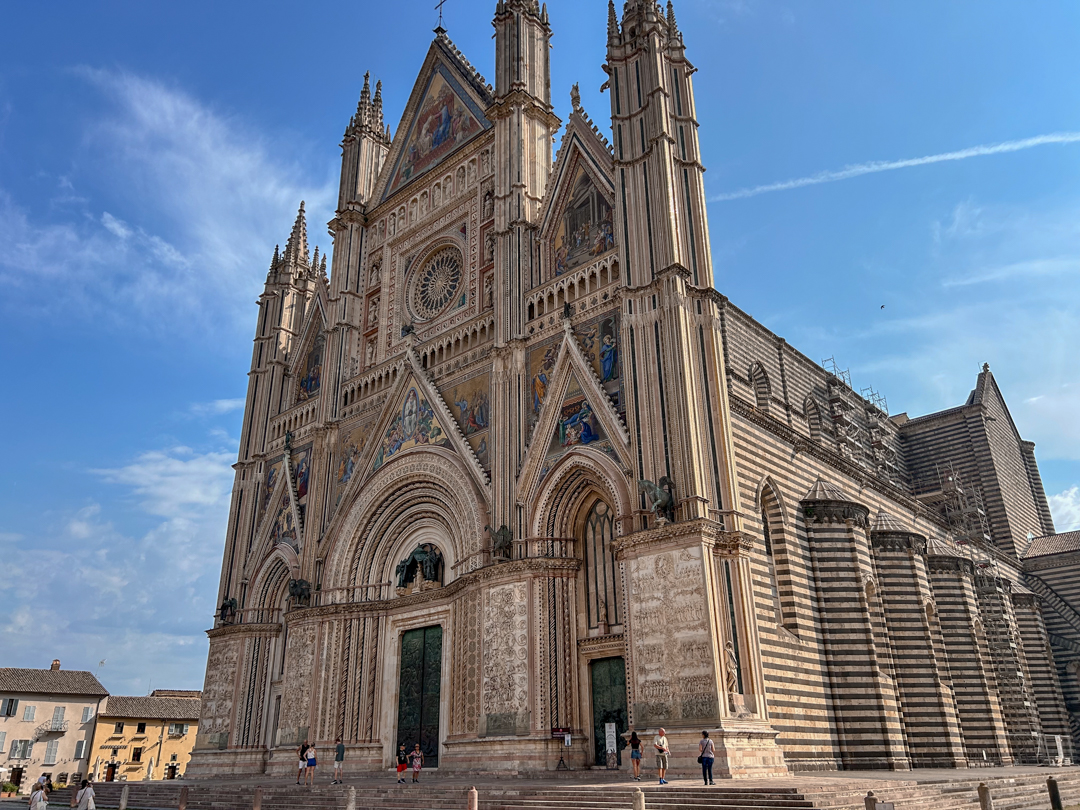
Orvieto
120 km from Rome • Full day
A charming hilltop town known for its stunning cathedral, underground caves, and local wine. It offers a mix of history, culture, and scenic views.
Festivals
Natale di Roma • April 21
Festa de' Noantri • July
Rome Film Festival • October
Pro tips
- Visit major attractions early in the morning or late in the afternoon to avoid crowds
- Use public transport or walk instead of taking taxis to save money and experience the city like a local
- Try local specialties and ask for recommendations from locals and restaurant staff
- Dress modestly when visiting religious sites and be respectful of local customs and traditions
- Be aware of pickpockets and scams, especially in crowded areas and tourist hotspots
From $25
per person
Price varies by option
Secure booking
Free cancellation available