Private London Blitz Walking Tour and entrance to HMS Belfast
Active
3h
For a full refund, cancel at least 24 hours before the scheduled departure time.
Instant confirmation
Mobile or paper ticket accepted
About this experience
Step back in time on this private walking tour through London’s wartime history. Discover powerful stories of resilience as you visit iconic sites that witnessed the Blitz. Uncover how Londoners faced WWII’s challenges with unwavering determination.
With your expert guide, learn about St. Paul’s Cathedral, which survived bomb hits and became a symbol of strength. Hear about the firemen who protected it. Visit the ruins of Christ Church Greyfriars, now a peaceful garden memorial. Learn of the bombing raid on Bank Station, where dozens of civilians perished, highlighting the vulnerability of Londoners.
Explore St. Dunstan-in-the-East’s remains, now a tranquil garden, and All Hallows by the Tower, which survived and offered sanctuary. Outside the Tower, hear tales of wartime prisoners like Josef Jakobs.
Your tour concludes with a self-guided visit to the HMS Belfast, a remarkable warship that played a pivotal role during WWII.
Available options
Private London Blitz Walking Tour and entrance to HMS Belfast
What's included
Entrance Tickets to HMS Belfast
Private guided tour of the City of London
English Speaking local expert guide
An audio guide highlight tour of HMS Belfast
Detailed itinerary
1
Stop 1
Start your tour at St. Paul’s Cathedral, one of the most iconic buildings of London that became a symbol of defiance during the Blitz. Hear the incredible story of how this grand cathedral, despite taking direct hits from bombers, stood tall in the sky as a beacon of hope for Londoners. Learn about the bravery of the firemen who worked tirelessly to protect it and how the cathedral’s survival became a powerful image of London’s resilience in the face of destruction.
2
Stop 2
Visit the ruins of Christ Church Greyfriars, a church destroyed during the Blitz but whose remnants serve as a symbol of London’s perseverance. Walk through its peaceful garden, which today serves as a memorial to those who suffered. Learn about the history of the church and how its ruins were preserved as a reminder of the war's lasting impact.
3
Next, your tour heads to Bank Station, where on January 10, 1941, a devastating bombing raid struck the area. The station, which had been used as an air-raid shelter, was directly hit, and the explosion killed dozens of civilians seeking refuge underground. Many of the victims were workers who had gone down to the shelter to avoid the nightly bombings. This attack was one of the many during the Blitz that highlighted the vulnerability of civilian shelters and the horrors of wartime life in London. Your guide will share the story of this tragic bombing and explain how these kinds of attacks were an unfortunate reality for Londoners during the war.
4
Stop 4
Visit St. Dunstan-in-the-East, a church that was severely damaged by bombing in 1941, leaving only its ruins standing. Now a tranquil garden, this site represents the devastation of the Blitz, as well as London’s ability to heal and rebuild. Learn how the church’s remains have become a symbol of the strength of the city, even after so much destruction.
5
Stop at All Hallows by the Tower, one of the oldest churches in London, which miraculously survived the Blitz. This church was a place of refuge for many during the air raids, providing a sanctuary in the midst of destruction. Your guide will share how the church endured despite heavy bombings and became a symbol of hope and survival for the people of London.
6
Stop 6
Hear the gripping story of Josef Jakobs, the last person to be executed at the Tower. A German spy who parachuted into Britain in 1941, Jakobs was arrested and subsequently executed by firing squad. His case became one of the most infamous espionage incidents of WWII. Learn about the role of the Tower as a wartime prison for spies, enemy agents, and high-profile figures, and hear about the importance of intelligence during the war.
7
Stop 7
Finish your tour with a visit to the HMS Belfast, a remarkable WWII warship that played a critical role in defending Britain during the war. Step aboard and explore its decks, including the gun turrets, engine rooms, and crew quarters. Learn about the ship's participation in key events, such as the D-Day landings, the Battle of the Atlantic, and the Arctic Convoys. This floating museum is a testament to the bravery and perseverance of Britain’s sailors and offers a fascinating glimpse into life aboard a Royal Navy warship during wartime.
What's not included
Gratuities
Food & drink
Hotel pick-up & drop-off
Available languages
Guide guide
EN
Reviews breakdown
Viator
5.0
2 reviews
5★
2
4★
0
3★
0
2★
0
1★
0
Important information
Service animals allowed
Public transportation options are available nearby
Not recommended for travelers with spinal injuries
Not recommended for pregnant travelers
Not recommended for travelers with poor cardiovascular health
Travelers should have at least a moderate level of physical fitness
Not suitable for travelers with mobility issues
Meeting point
The meeting point is at The National Firefighters Memorial, Carter Ln, Peter's Hill, City of London, London EC4V 5EY
The guide will be holding Urban Saunters orange sign.
Please arrive 15 minutes before the start time on your voucher
Nearest Tube station: Mansion House and St Paul's
About London
London, the capital of England and the United Kingdom, is a vibrant, multicultural metropolis known for its rich history, iconic landmarks, and dynamic cultural scene. From the ancient Tower of London to the modern Shard, the city offers a blend of the old and the new, making it a fascinating destination for travelers from around the world.
Top Attractions
Tower of London
A historic castle located on the north bank of the River Thames. It has served as a royal palace, prison, armory, and treasury. The Crown Jewels are also housed here.
Historical
2-3 hours
£28 (adult ticket)
Buckingham Palace
The official residence of the British monarch. Visitors can watch the Changing of the Guard ceremony and tour the State Rooms during the summer.
Historical
1-2 hours
£27.50 (adult ticket for State Rooms)
The British Museum
One of the world's largest and most comprehensive museums, housing a vast collection of artifacts from around the globe.
Museum
2-3 hours
Free (special exhibitions may have a charge)
The London Eye
A giant Ferris wheel on the South Bank of the River Thames, offering panoramic views of the city.
Entertainment
30 minutes
£27-£33 (adult ticket)
Westminster Abbey
A large, mainly Gothic abbey church just to the west of the Palace of Westminster. It is one of the most notable religious buildings in the UK and the traditional place of coronation and burial for English and, later, British monarchs.
Religious
1-2 hours
£27 (adult ticket)
Tower Bridge
An iconic symbol of London, this combined bascule and suspension bridge spans the River Thames. Visitors can explore the bridge's walkways and the Tower Bridge Exhibition.
Architecture
1-2 hours
£11 (adult ticket for the exhibition)
Must-Try Local Dishes
Fish and Chips
A classic British dish consisting of battered and fried fish, usually cod or haddock, served with thick-cut chips (fries).
Dinner
Contains gluten and fish
Full English Breakfast
A hearty breakfast consisting of eggs, bacon, sausages, baked beans, grilled tomatoes, mushrooms, black pudding, and toast.
Breakfast
Contains meat and gluten
Afternoon Tea
A quintessential British tradition involving a selection of finger sandwiches, scones with clotted cream and jam, and a variety of pastries, all served with tea.
Snack
Can be adapted for vegetarian, vegan, and gluten-free diets
Sunday Roast
A traditional British meal served on Sundays, featuring roasted meat (usually beef, lamb, or chicken), Yorkshire pudding, roast potatoes, vegetables, and gravy.
Dinner
Contains meat and gluten
Popular Activities
Rock climbing
Kayaking on the Thames
Cycling tours
Afternoon tea
Spas and wellness centers
Punting on the River Cam
Museum visits
Theater performances
Best Time to Visit
June to August
Summer is the peak tourist season in London, with long daylight hours and a variety of festivals and events. The weather is generally pleasant, though it can be unpredictable.
15°C to 25°C
59°F to 77°F
Practical Information
Language
- Official: English
- Widely spoken: English
- English: Widely spoken
Currency
British Pound (GBP)
Time Zone
GMT (UTC+0) or BST (UTC+1) during daylight saving time
Electricity
230VV, 50HzHz
Safety Information
Overall Safety Rating: Generally safe
London is generally safe for travelers, but like any major city, it's important to be aware of your surroundings and take precautions to protect yourself and your belongings.
Important Precautions:
- • Keep your belongings secure and be aware of your surroundings
- • Avoid carrying large amounts of cash
- • Use licensed taxis or ride-sharing services
Getting there
By air
- Heathrow Airport • 23 km from city center
- Gatwick Airport • 40 km from city center
By train
London Waterloo, London King's Cross
By bus
Victoria Coach Station, Earls Court, Farringdon
Getting around
Public transport
The Tube is the fastest and most efficient way to get around London. It operates from early morning until late at night and covers all major attractions.
Taxis
Available • Apps: Uber, Bolt
Rentals
Car, Bike, Scooter
Neighborhoods
Westminster
Camden Town
Soho
Notting Hill
Shoreditch
Greenwich
Day trips
Windsor Castle
34 km from London • Half day to full day
Windsor Castle is the oldest and largest occupied castle in the world, and it's one of the official residences of the British monarch.
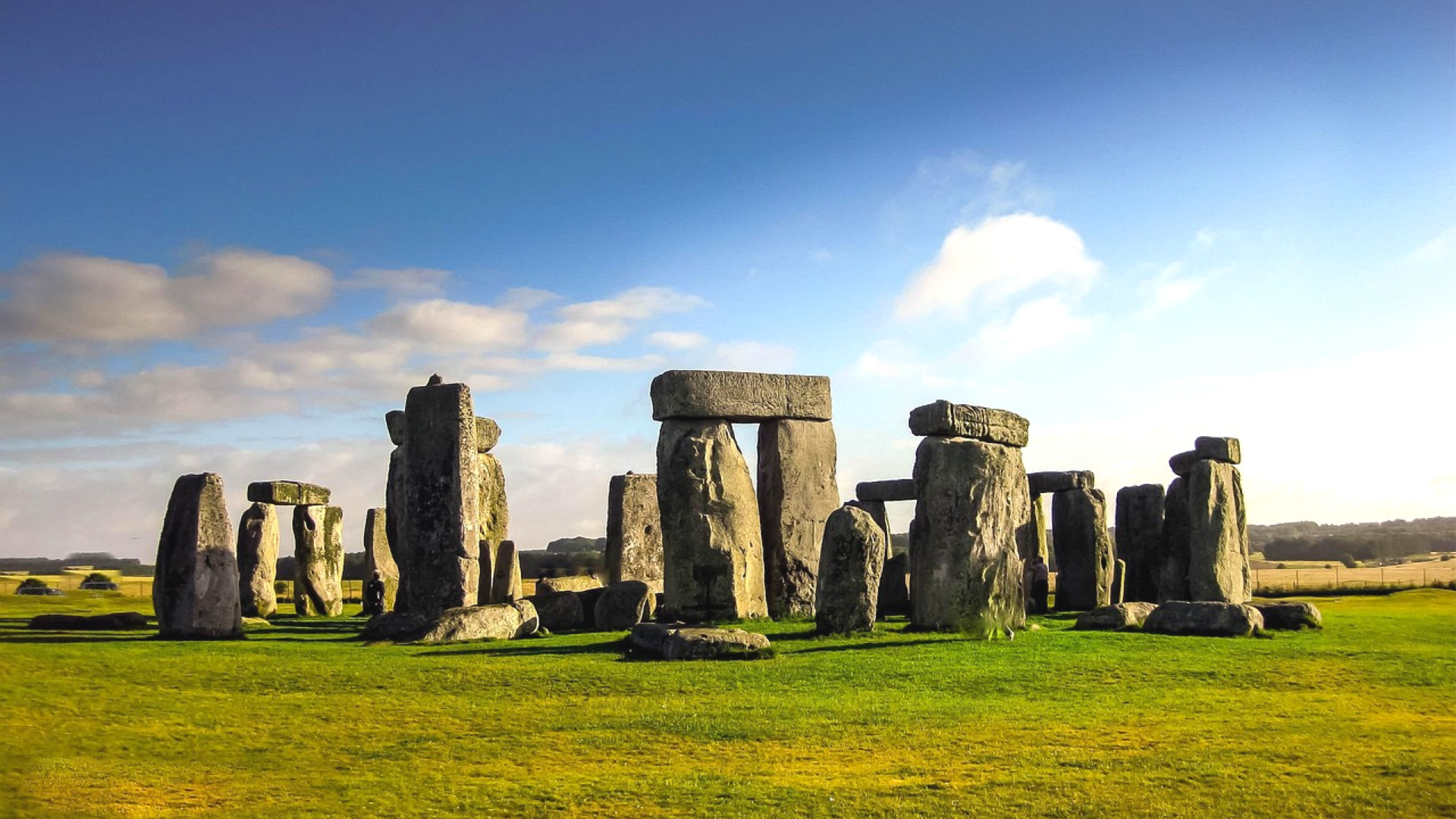
Stonehenge
130 km from London • Full day
Stonehenge is a prehistoric monument consisting of a ring of standing stones, located in the English county of Wiltshire.
Brighton
80 km from London • Full day
Brighton is a vibrant coastal city known for its beaches, lively atmosphere, and eclectic mix of shops, restaurants, and attractions.
Festivals
Notting Hill Carnival • Last Sunday and Monday of August
London Film Festival • October
New Year's Eve Fireworks • December 31
Pro tips
- Use an Oyster card or contactless payment for cheaper and more convenient public transportation
- Book tickets in advance for popular attractions to skip the queue and save money
- Explore the city's neighborhoods and markets for a unique and authentic experience
- Try the local street food and international cuisine at markets like Borough Market and Camden Market
- Visit the city's parks and gardens for a peaceful escape from the bustling streets
From $25
per person
Price varies by option
Secure booking
Free cancellation available
Instant confirmation