Chinatown Secret Society Walking Tour in Bangkok
Active
3h
All sales are final. No refund is available for cancellations.
Instant confirmation
Mobile or paper ticket accepted
About this experience
Explore the surviving history of the secret society known as “Ang Yi,” which once wielded great influence in Bangkok’s Chinatown. Discover stories that helped shape the city’s Chinese heritage.
Walk with your guide as you uncover why Thailand outlawed the mysterious “Ang Yi” societies. Discover how their secret world once shaped the nation’s history.
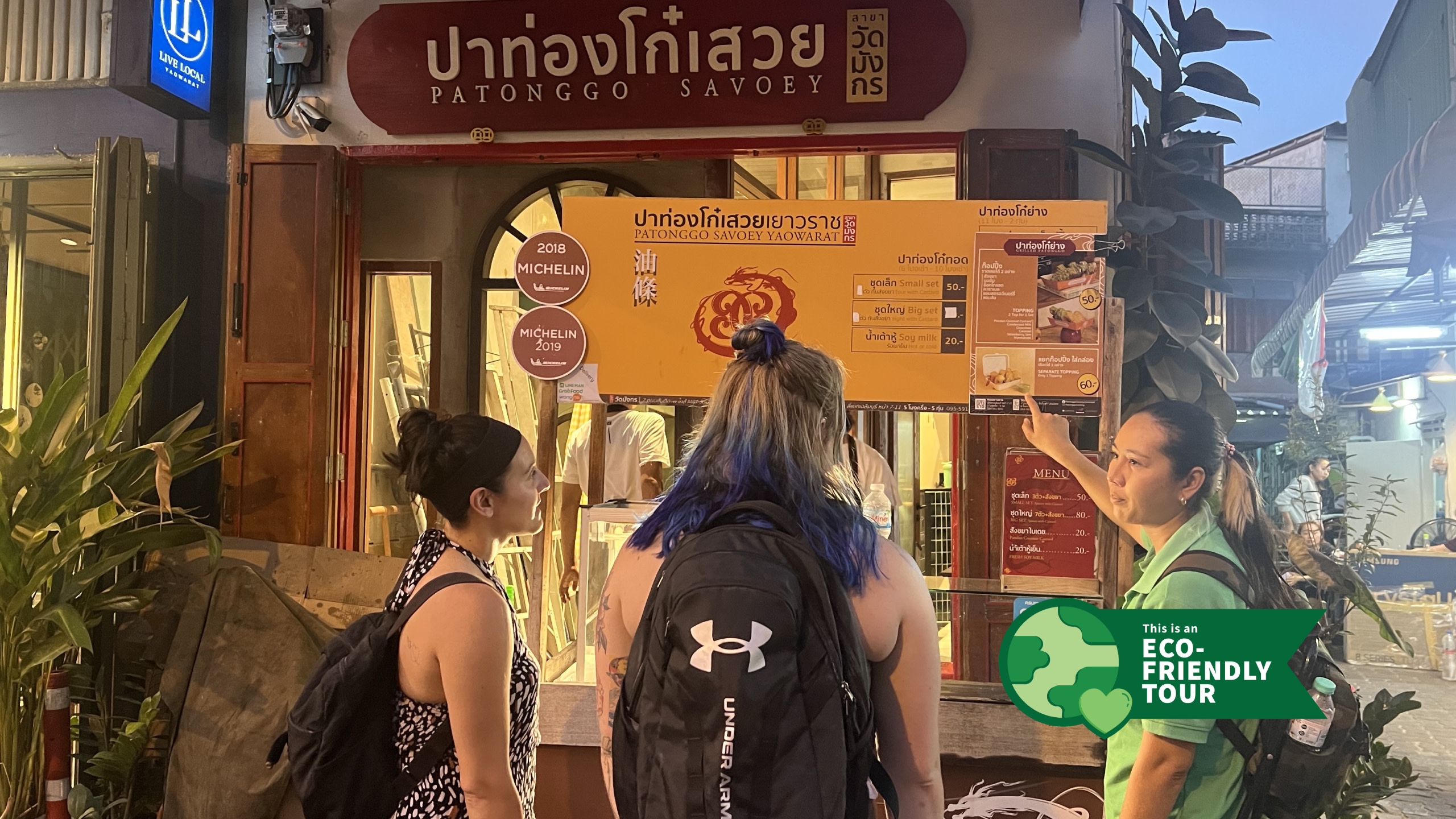
Visit historic Chinese shrines, century-old houses, and narrow alleys across Talat Noi and Yaowarat. Explore places once linked to Bangkok’s secret societies and old Chinatown history.
Learn about Dr. Sun Yat-sen, the founding father of the Republic of China, who once visited Thailand and met with Chinese revolutionary supporters — including members of local brotherhoods known as Ang Yi, who aided his cause.
Finally, journey deep into Bangkok’s Chinatown, a world of living history hidden in plain sight. You’ll see Thailand from a perspective few have ever known, and leave with both enjoyment and a deeper understanding of its true past.
Available options
Chinatown Secret Society Walking Tour in Bangkok
What's included
Admission fee
Guided walking tour
English-speaking professional licensed guide
Detailed itinerary
1
Stop 1
Located on the rooftop of the police station, this shrine was originally the home of Yi Kor Hong — a highly influential leader of a Chinese secret society in Bangkok’s Chinatown. His wealth and reputation were widely known, and even Dr. Sun Yat-sen, the leader of the Chinese Revolution, once visited him to seek financial support.
Despite his success, Yi Kor Hong was famous for his generosity. He helped those in need and earned deep respect from the local community. Although he passed away in modest circumstances, his kindness and legacy live on, and he continues to be honored by many people today.
2
Yaowarat is one of Bangkok’s largest and oldest Chinese communities, with a history stretching back centuries. It’s no surprise that this area is filled with stories connected to former Ang Yi leaders and their influence on local life.
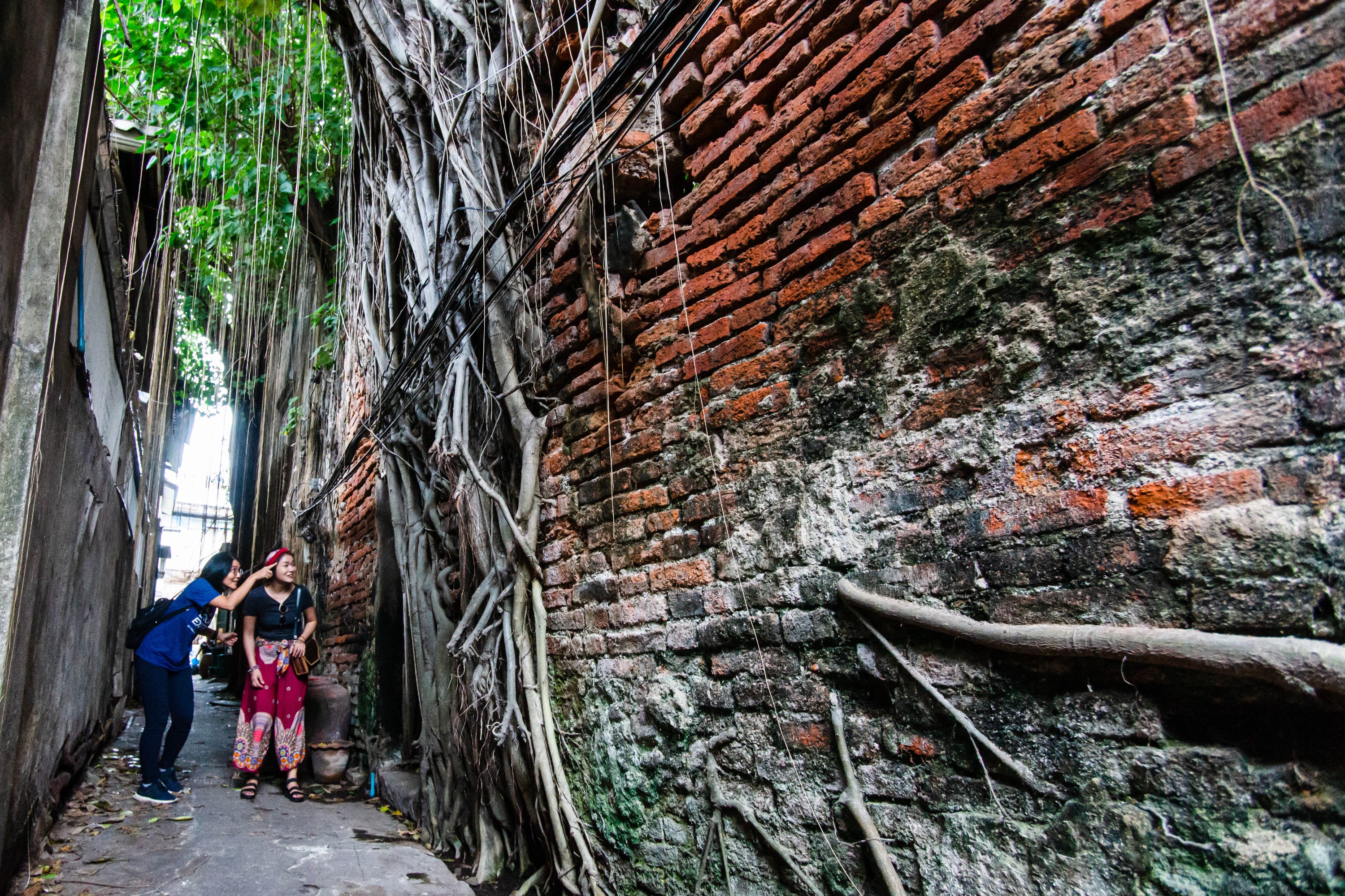
As we walk through the district, you’ll pass several historic locations, including Tao Alley — once the most famous red-light district in Bangkok over a hundred years ago; the building where Dr. Sun Yat-sen delivered speeches and raised funds for the Chinese Revolution; and a well-known haunted lane where many Chinese migrants once ended their lives beneath an old tree after struggling to find success.
3
Stop 3
This shrine once served as a base for one of the Ang Yi groups in old Chinatown. According to local stories, it even hid a secret tunnel once used by the secret society to evade police raids, leading directly to the river. Though the tunnel no longer exists, the legend remains one of the most intriguing tales connected to the shrine.
4
This historic shrine has stood for generations. Its Ang Yi leader once served as a Thai government official, and his daughter, who later inherited the position as the group’s head, eventually became a consort in the Thai royal court.
5
In this area of Talat Noi, there is a hidden pagoda that even most Thais have never heard of. Tucked between buildings, its unusual and secluded location makes it one of the district’s best-kept landmarks, a secret spot known only to a few.
What's not included
Meals and drinks
Hotel transfers
Tips for the guide (optional)
Personal expenses
Available languages
Guide guide
EN
Important information
Public transportation options are available nearby
Infants are required to sit on an adult’s lap
Suitable for all physical fitness levels
Not suitable for Wheelchair users
Not suitable for Visually impaired people
Not suitable for Hearing-impaired people
Not suitable People over 95 years
Not suitable Children under 2 years
Meeting point
MRT Blue Line Wat Magkon (Gate Exit 1)
About Bangkok
Bangkok, the vibrant capital of Thailand, is a dynamic blend of traditional culture and modern urban life. Known for its ornate temples, bustling street markets, and world-class street food, Bangkok offers a unique and unforgettable travel experience.
Top Attractions
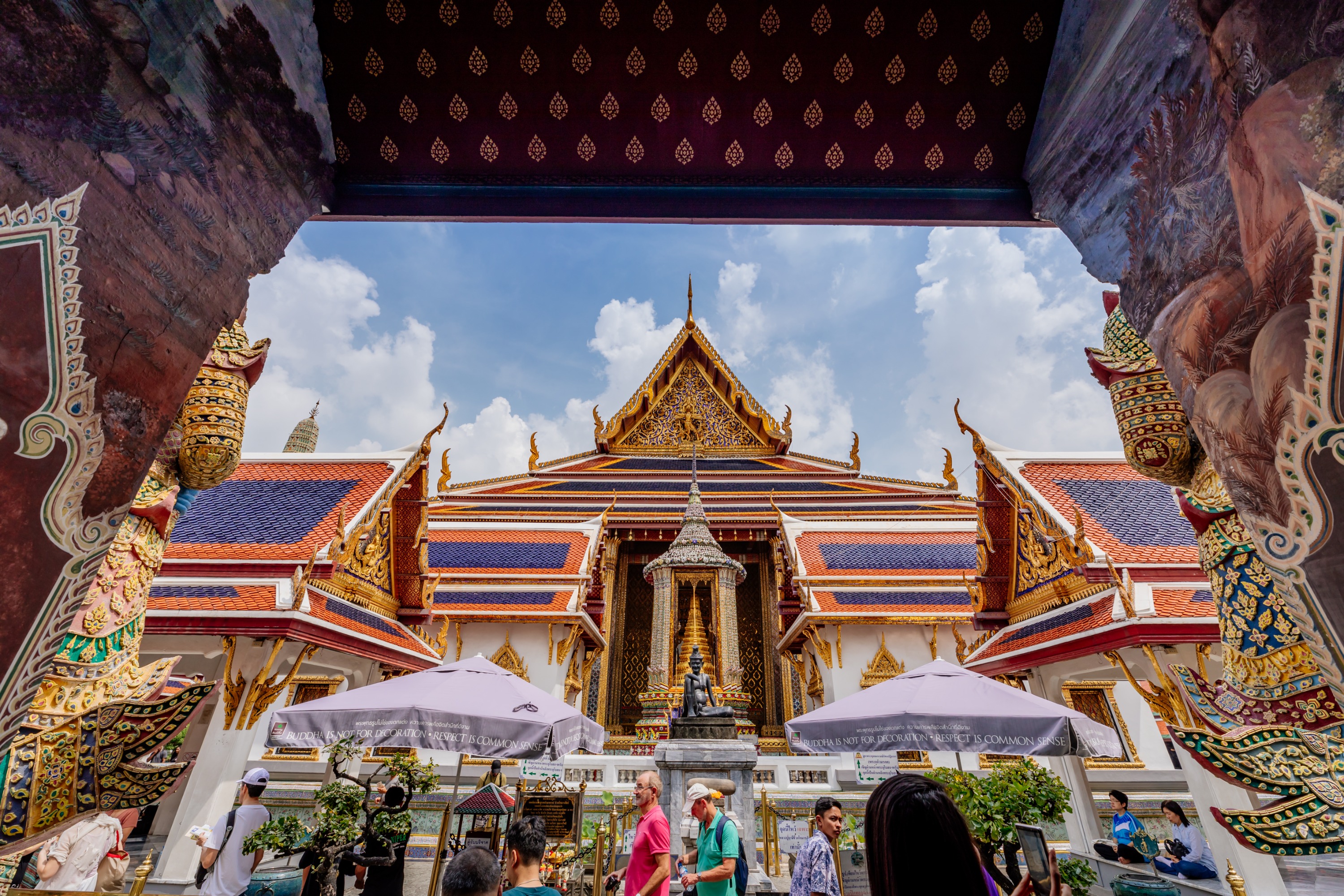
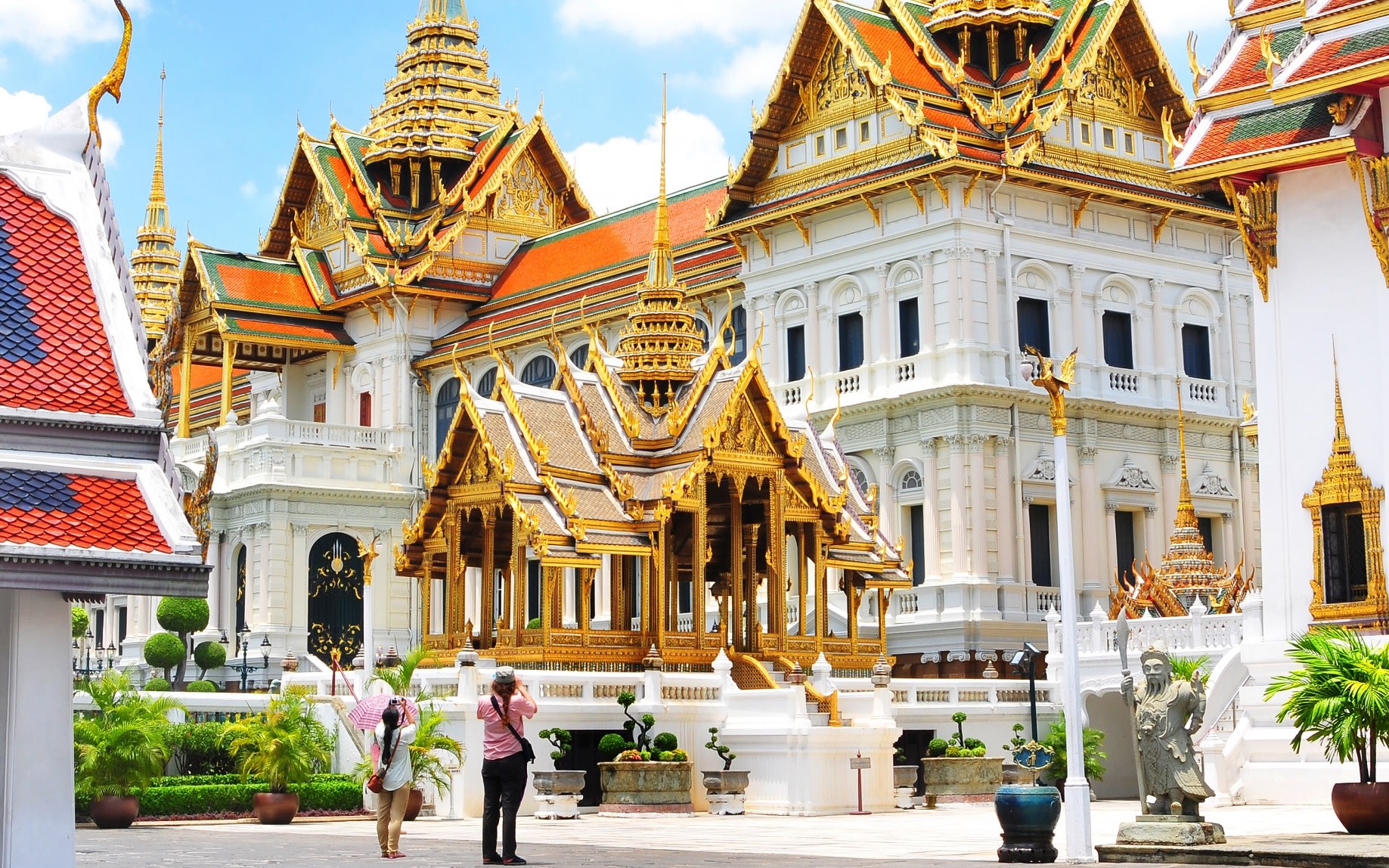
Grand Palace
The Grand Palace is a complex of buildings that served as the royal residence from 1782 to 1925. It is a stunning example of Thai architecture and houses the Emerald Buddha.
Historical/Architecture
2-3 hours
500 THB
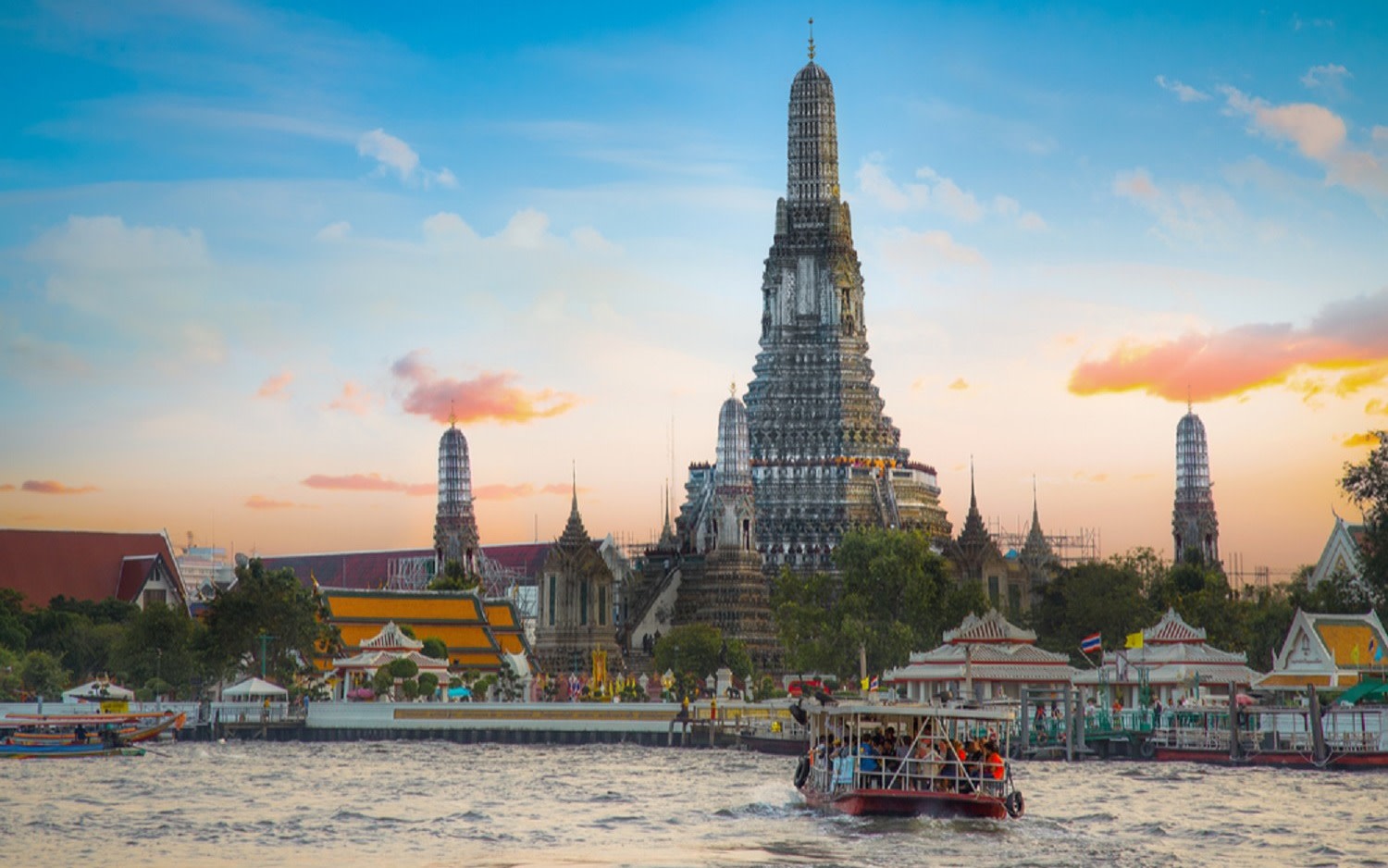
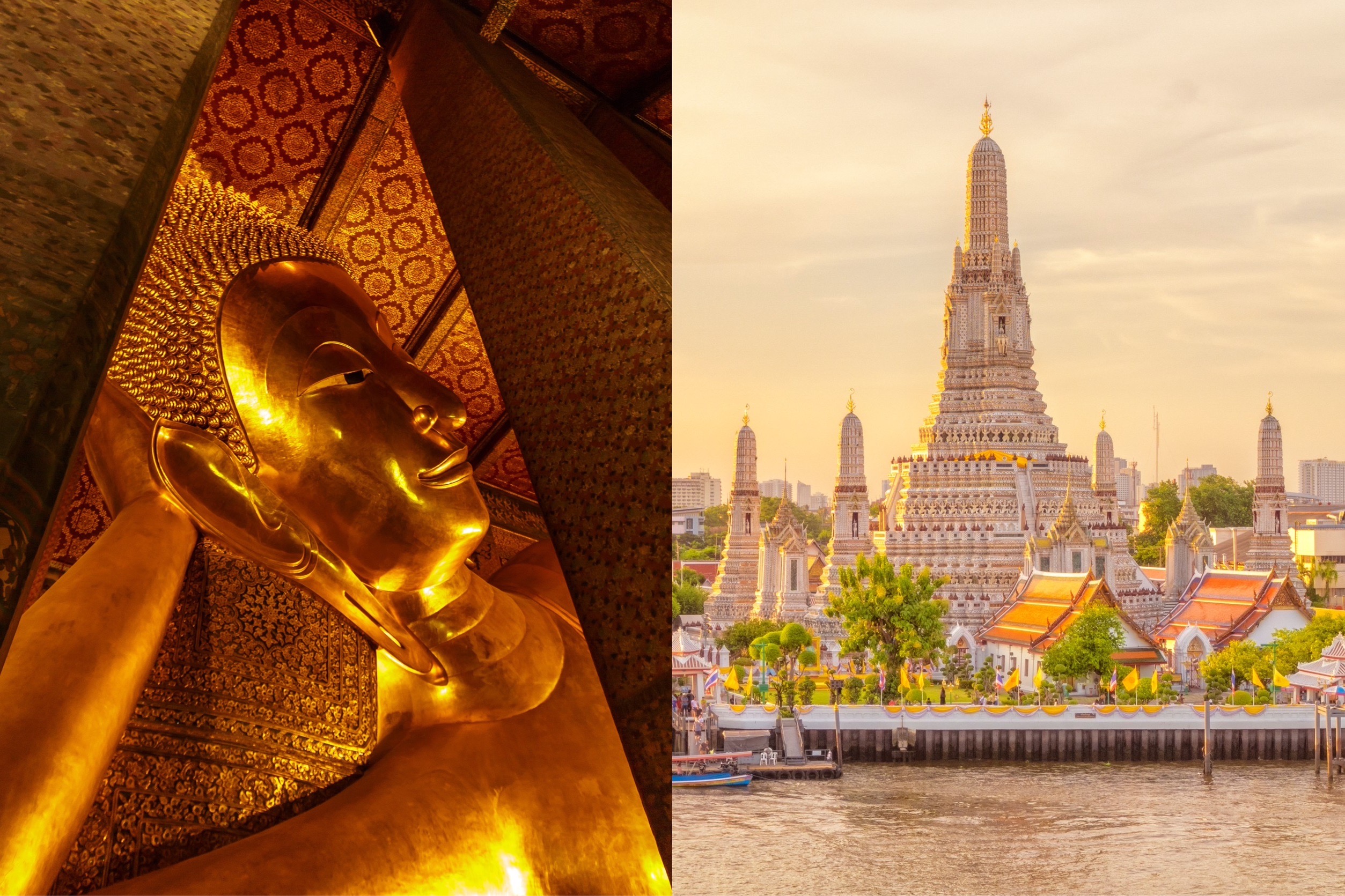
Wat Arun
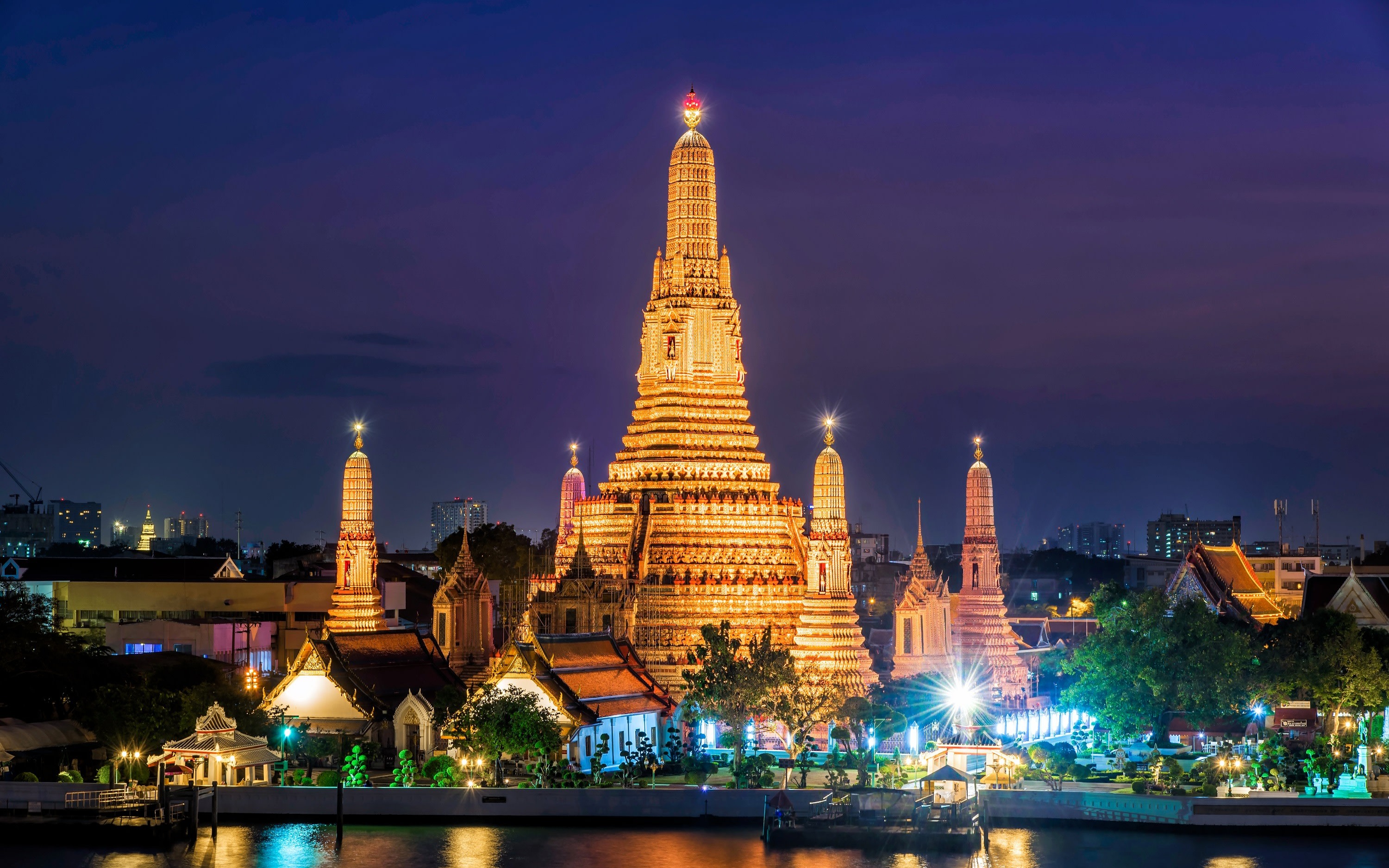
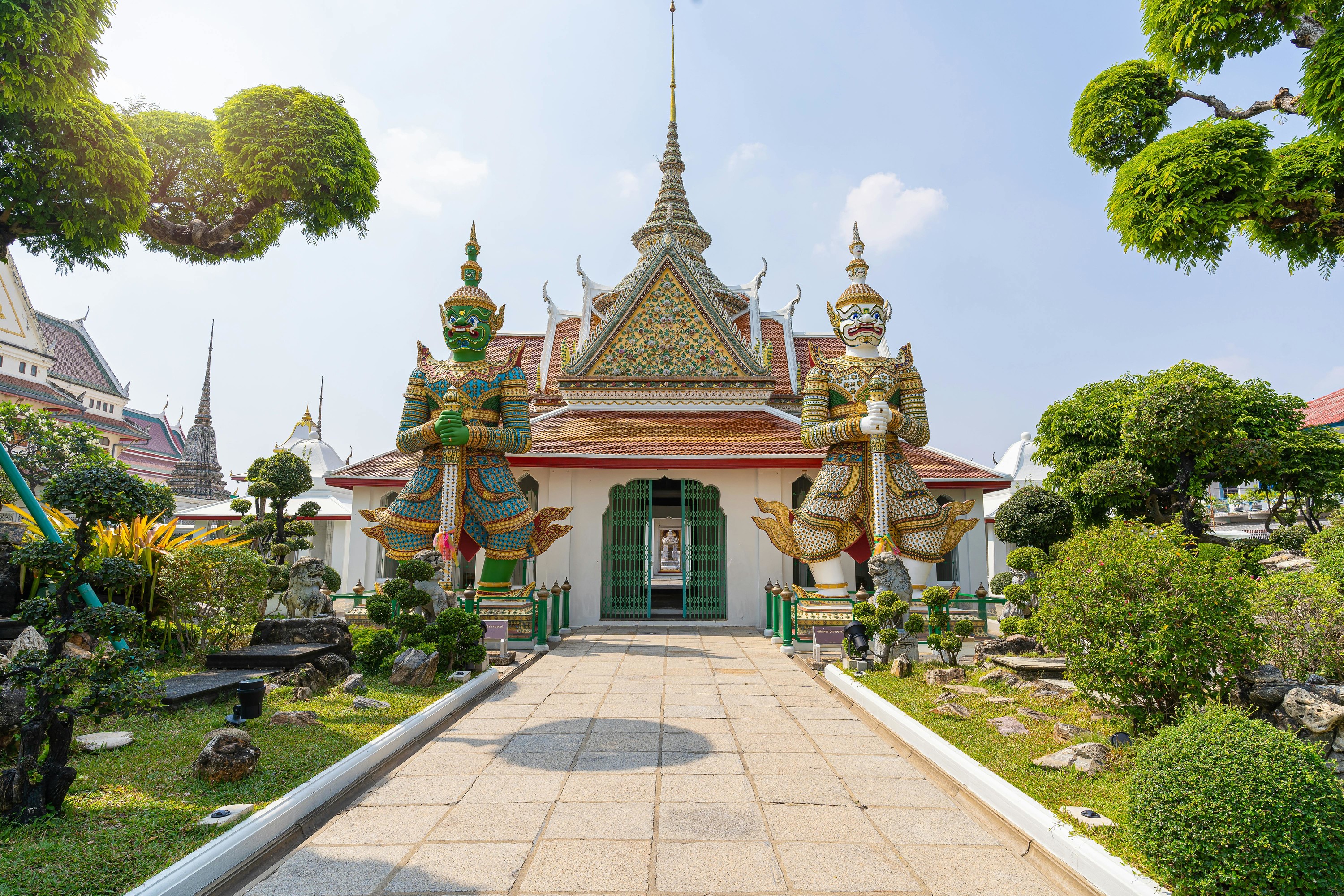
Wat Arun, also known as the Temple of Dawn, is a stunning temple located on the west bank of the Chao Phraya River. It is famous for its beautiful porcelain decorations and the iconic prang (spire).
Religious/Architecture
1-2 hours
50 THB
Chatuchak Weekend Market
One of the world's largest markets, Chatuchak Weekend Market offers a vast array of goods, from clothing and accessories to food and antiques.
Shopping/Cultural
Half day to full day
Varies
Chao Phraya River
The Chao Phraya River is the lifeblood of Bangkok. Taking a boat tour along the river offers a unique perspective of the city and its many temples and palaces.
Nature/Scenic
1-3 hours
Varies
Chatuchak Park
Chatuchak Park is a large and lush urban park that offers a peaceful escape from the bustling city. It is home to a variety of plants, animals, and recreational facilities.
Nature/Relaxation
1-2 hours
Free
Must-Try Local Dishes
Pad Thai
Stir-fried rice noodles with eggs, tofu, shrimp, and a sweet and tangy sauce, garnished with crushed peanuts and lime.
Dinner
Can be made vegetarian or vegan.
Tom Yum Goong
A spicy and sour shrimp soup with lemongrass, kaffir lime leaves, galangal, and chili.
Dinner
Contains seafood.
Som Tum
A spicy green papaya salad made with shredded papaya, tomatoes, green beans, peanuts, and a tangy dressing.
Lunch/Snack
Can be made vegetarian or vegan.
Mango Sticky Rice
Sweet ripe mango served with sticky rice and coconut milk.
Dessert
Vegetarian.
Popular Activities
Hiking in Erawan National Park
Kayaking on the Chao Phraya River
ATV tours in Hin Lek Fai
Spa and massage treatments
Boat tours on the Chao Phraya River
Visiting temples and parks
Visiting temples and historical sites
Attending traditional Thai performances
Best Time to Visit
November to February
This is the most pleasant time to visit with cooler temperatures and lower humidity. It's peak tourist season with lively festivals and events.
22°C to 34°C
72°F to 93°F
Practical Information
Language
- Official: Thai
- Widely spoken: English, Chinese
- English: Moderately spoken in tourist areas, limited elsewhere
Currency
Thai Baht (THB)
Time Zone
GMT+7
Electricity
220VV, 50HzHz
Safety Information
Overall Safety Rating: Exercise caution
Bangkok is generally safe for tourists, but petty crime, scams, and traffic accidents can occur. Be cautious of your surroundings, especially in crowded areas and at night.
Important Precautions:
- • Be cautious of strangers approaching you with offers or requests.
- • Avoid unlicensed taxis and tuk-tuks.
- • Be wary of jet ski rentals and gem shops.
Getting there
By air
- Suvarnabhumi Airport • 30 km from city center
- Don Mueang International Airport • 20 km from city center
By train
Hua Lamphong Railway Station, Krung Thep Aphiwat Central Terminal
By bus
Mo Chit Bus Terminal, Ekamai Bus Terminal, Southern Bus Terminal (Sai Tai Mai)
Getting around
Public transport
Clean, efficient, and air-conditioned, the MRT is a convenient way to get around.
Taxis
Available • Apps: Grab, Bolt
Rentals
Car, Bike, Scooter
Neighborhoods
Khao San Road
Sukhumvit
Chinatown (Yaowarat)
Silom
Banglamphu
Day trips
Ayutthaya
80 km from Bangkok • Full day
Ayutthaya is a UNESCO World Heritage Site and the former capital of the Kingdom of Siam. It is known for its stunning temples and historical ruins.
Damnoen Saduak Floating Market
105 km from Bangkok • Half day to full day
Damnoen Saduak is one of the most famous floating markets in Thailand, offering a unique shopping and dining experience on the water.
Maeklong Railway Market
80 km from Bangkok • Half day to full day
Maeklong Railway Market is a unique market where vendors set up their stalls on the railway tracks, and a train passes through several times a day.
Festivals
Songkran • April 13-15
Loy Krathong • Full moon night in November
Vegetarian Festival • September/October (dates vary by year)
Pro tips
- Learn a few basic Thai phrases to enhance your experience and show respect for the local culture.
- Use the BTS Skytrain and MRT subway to avoid traffic and get around the city quickly and efficiently.
- Haggle and bargain when shopping at markets and street stalls, but do so politely and respectfully.
- Try street food, but choose stalls with high turnover and good hygiene practices.
- Dress modestly and respectfully, especially when visiting religious sites.
From $25
per person
Price varies by option
Secure booking
Free cancellation available
Instant confirmation