

Kamakura Private Customizable Full Day Tour
Active
8h
All sales are final. No refund is available for cancellations.
Instant_then_manual confirmation
Mobile or paper ticket accepted
About this experience
Discover the beauty and history of Kamakura on a fully customizable 8-hour private guided tour. From the iconic Great Buddha to serene temples, Kamakura offers a perfect blend of cultural heritage and natural beauty. With destinations close to each other, you can explore the best of Kamakura at a relaxed pace.
After booking, you’ll receive a Custom Tour form to choose locations from the “What to Expect” list. Pick your favorite spots to create your perfect itinerary. Choose your pickup location from Tokyo or Kamakura city center, and opt for public transportation or a private vehicle.
This private guided tour offers flexibility, comfort, and a personalized experience.
Available options
Private Vehicle-From Kamakura
Private Vehicle from Kamakura: Includes private vehicle and transportation costs for you and your guide, with pick-up from Kamakura.<br/>Pickup included
Private Vehicle - From Tokyo
Private Vehicle from Tokyo: Includes private vehicle and transportation costs for you and your guide, with pick-up from Tokyo.<br/>Pickup included
Public Transport - From Tokyo
Bus, Train, or Others: Includes public transportation costs for you and your guide, with pick-up from Tokyo.<br/>Pickup included
Public - From Kamakura
Bus, Train, or Others: Includes public transportation costs for you and your guide, with pick-up from Kamakura.<br/>Pickup included
What's included
Choose from a variety of sites on the "What to Expect" list for a personalized tour of Kamakura
Hotel pickup and drop-off
Transportation within the city
English-speaking professional tour guide
8-hour fully customized tour with reservations and bookings made on your behalf
Detailed itinerary
1
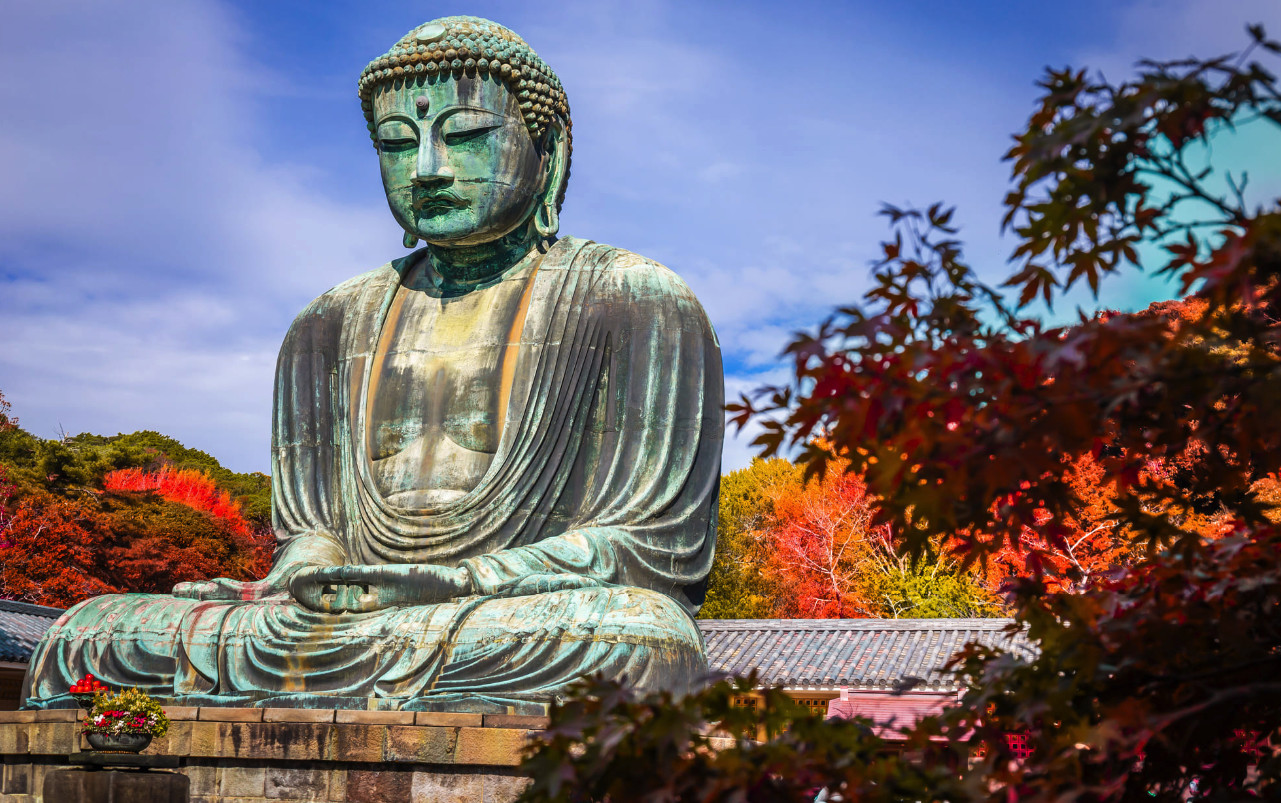
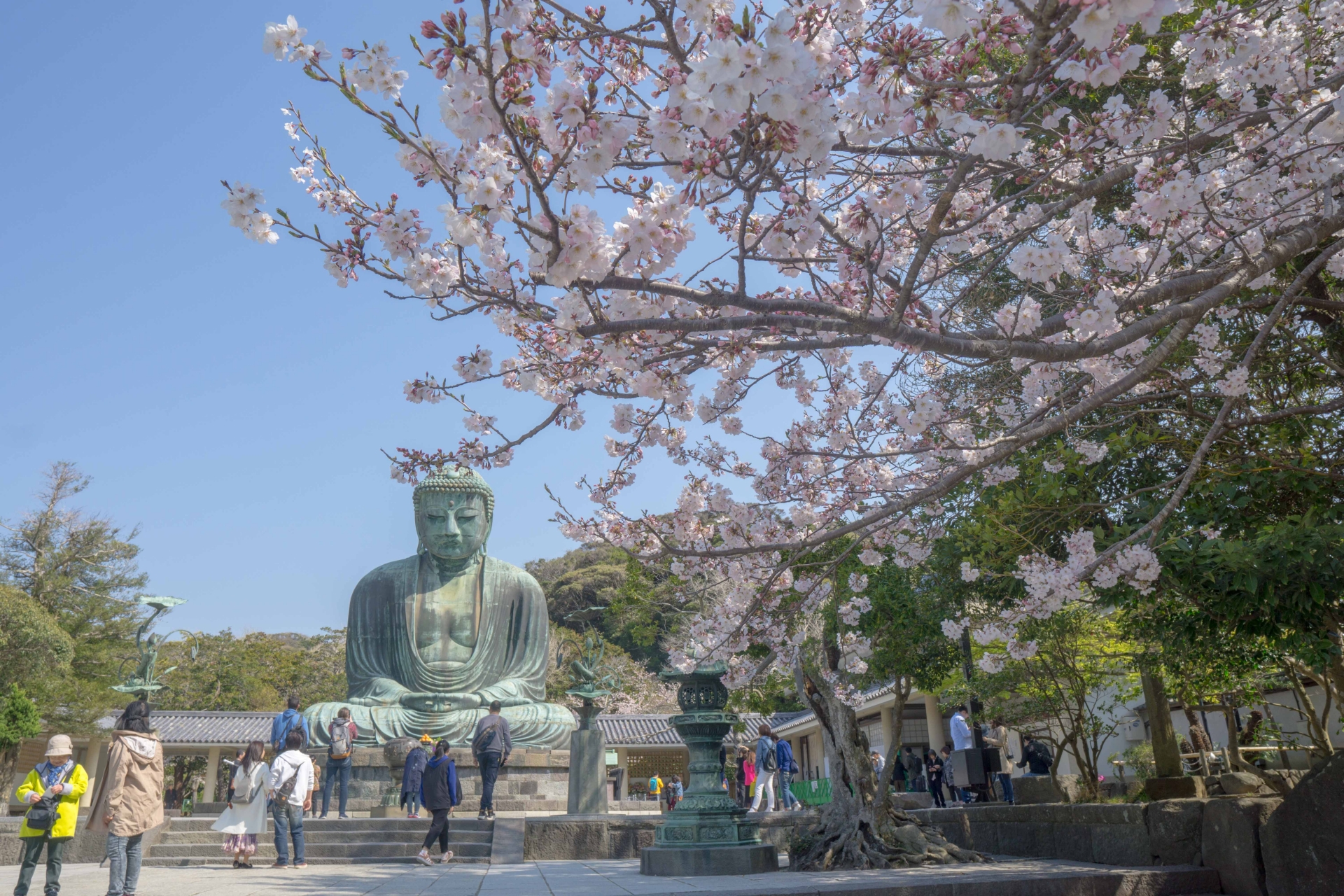
It's famous for The Great Buddha bronze statue with 11.4 meters in height. The temple grounds are also home to several other smaller statues and shrines.
2
The most important shrine in Kamakura, founded by Minamoto Yoriyoshi in 1063 and dedicated to the patron god of Minamoto family named Hachiman. It has survived numerous natural disasters and has been rebuilt and renovated several times over the centuries.
3
A popular shrine in western Kamakura, which people visit to wash their money. People believe that money washed here can be doubled. This shrine is also a blend of Japanese and Chinese styles, with a cave-like entrance leading to a small courtyard with a pond and several buildings.
4
A bathing beach with a shallow sandy beach and calm waves. A popular spot that attracts many surfers and swimmers every year.
5
The most popular Zen Temple of Kamakura's five great Zen temples as well as the oldest one. The temple also has a large bell, which is considered one of the three greatest bells in Kamakura.
6
A small temple of the Rinzai Sect of Zen Buddhism, famous for its a bamboo grove filled with tall, sweeping plants.
7
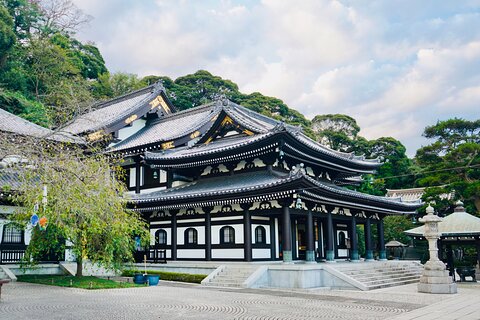
The second greatest Kamakura's five great Zen temples, which including the Shariden (Reliquary Hall) which houses the ashes of the Buddha, the Butsuden (Buddha Hall) which houses a statue of the Budd, was built to respect to the fallen Japanese and Mongolian soldiers. A great place to enjoy the deep red of the autumn maple leaves.
8
A place where showcases a variety of important cultural artifacts and treasures, including Buddhist statues, paintings, calligraphy, ceramics, and lacquerware from the Kamakura period, a time of great cultural and artistic significance in Japanese history.
9
A hillside temple overlooking the ocean, home to a massive wooden statue of Kannon.
10
A bustling shopping street known for its vibrant atmosphere and local street food.
11
Famous for hydrangea blooms and a circular window known as the "Window of Enlightenment."
12
Known for its towering statue of the bodhisattva Kannon.
13
Exhibiting the rich history and culture of Kamakura.
14
Dedicated to the god of fertility, with a unique tunnel of over 1,000 red
What's not included
Meals, food and drinks not specified
Gratuities (optional)
Fees for optional tours and activities for guests and tour guide
Available languages
Guide guide
EN
Important information
Wheelchair accessible
Infants and small children can ride in a pram or stroller
Public transportation options are available nearby
Infants are required to sit on an adult’s lap
Travelers should have at least a moderate level of physical fitness
Moderate Cancellation Policy:
Cancellation fee of 100% is charged if cancelled 14 days or less before the event
Cancellation fee of 50% is charged if cancelled 21 days or less before the event
Cancellation fee of 50% is charged if cancelled 21 days or less before the event
PLEASE FILL OUT THE TOUR FORM:
After your booking, you will receive a link to the Kamakura Form (within 48 hours) that asks for pertinent information required for this booking. Please ensure that this Kamakura Form is completed accurately at least 7 days before your tour date
Every city in Japan has a lot to offer. There are many aspects to the city and many hidden and local spots that you may not have seen or heard of before. In the Custom Tour form that will be sent to you after your booking, you’ll be able to let us know of any attractions you have already visited and would not like to see again on this tour. We will carefully review your requests and will create an itinerary based on your preferences
If you cancel the tour any time after we have sent you the custom Itinerary, the service fee of 15% of your total tour cost will be nonrefundable
Japan Awaits is a licensed tour operator in Japan, with hundreds of registered and vetted tour guides nationwide. We offer tours in any location in Japan and manage all details, including transportation and tickets. Visit Japan Awaits to learn more about our tours or inquire about a custom experience today
Mode of transportation: Transportation within the city only (either public transportation or private vehicle, based on your booking)
Custom Itinerary:
Organizing and planning a trip requires a lot of time, and if we have made reservations on your behalf, it may be challenging to cancel some booking requests. Once we receive your booking and responses from the Custom Tour form, we’ll begin creating your itinerary and organizing the necessary arrangements for your tour
How far in advance should I book?
Preparing a customized tour takes time, especially if restaurant or venue reservations are needed. We recommend booking as early as possible—ideally 3 months in advance, or at least 1 month before your travel date. For requests made within 7 days of travel, we may not be able to arrange the tour in time, and your booking request may be canceled with a full refund
What if I'm late
We ask that all guests arrive at the location at least 10 minutes before the designated meet-up time
Guests are provided with the tour guides’ phone number before the tour and you can call the tour guide if you need help
Although this is a private tour, the tour guide will only wait for you for up to 30 minutes of start time before the tour is cancelled
Attire: Please dress appropriately for all weather conditions
Passports may be required to verify age on the day of the tour
Meeting point
More details will be provided after booking.
About Kamakura
Kamakura is a historic city known as the ancient capital of Japan, rich in Buddhist temples, Shinto shrines, and traditional architecture. Its coastal location and scenic beauty make it a popular destination for both cultural and nature lovers.
Top Attractions
Tsuruoka Hachimangu Shrine
A significant Shinto shrine dedicated to the deity Hachiman, known for its beautiful architecture and cultural significance.
Religious
1-2 hours
Free (donations appreciated)
Kotoku-in (Great Buddha of Kamakura)
Home to a massive bronze statue of Amida Buddha, one of Kamakura's most iconic landmarks.
Historical
1-2 hours
Free (donations appreciated)
Komachi-dori
A bustling street filled with traditional shops, restaurants, and souvenir stalls.
Cultural
1-2 hours
Free to explore
Hasedera Temple
A beautiful temple complex with stunning ocean views and a history dating back to the 8th century.
Religious
1-2 hours
Free (donations appreciated)
Zeniarai Benten Shrine
A unique shrine where visitors can wash money for good fortune, located in a serene forested area.
Religious
30-60 minutes
Free (donations appreciated)
Kamakura Beach
A popular beach for swimming, sunbathing, and water sports, offering beautiful ocean views.
Nature
2-3 hours
Free (rentals available)
Must-Try Local Dishes
Shirasu Don
A bowl of rice topped with fresh whitebait, a local delicacy.
Lunch/Dinner
Contains fish
Kamaboko
Fish cakes with various shapes and flavors, often served as a snack or part of a larger meal.
Snack
Contains fish
Houtou
A hearty vegetable and noodle soup, often made with local produce.
Dinner
Vegetarian options available
Matcha Sweets
Traditional sweets made with matcha (green tea), a specialty of the region.
Dessert
Vegetarian
Popular Activities
Hiking in the surrounding hills
Beach activities
Onsen (hot spring) visits
Scenic walks
Temple and shrine visits
Traditional crafts workshops
Swimming
Surfing
Best Time to Visit
April (cherry blossom season), November (autumn foliage)
These periods offer the most pleasant weather and stunning natural scenery, attracting large crowds of tourists.
15-25°C (April), 10-20°C (November)
59-77°F (April), 50-68°F (November)
Practical Information
Language
- Official: Japanese
- Widely spoken: English (limited)
- English: Limited
Currency
Japanese Yen (JPY)
Time Zone
JST (GMT+9)
Electricity
100VV, 50/60HzHz
Safety Information
Overall Safety Rating: Very safe
Kamakura is a very safe destination with low crime rates. However, standard precautions should be taken to ensure a safe and enjoyable trip.
Important Precautions:
- • Keep valuables secure in crowded areas.
- • Use licensed taxis or ride-sharing services.
- • Be cautious of your surroundings at night, especially in less touristy areas.
Getting there
By air
- Haneda Airport • 50 km from Kamakura
- Narita Airport • 100 km from Kamakura
By train
Kamakura Station
By bus
Kamakura Station Bus Terminal
Getting around
Public transport
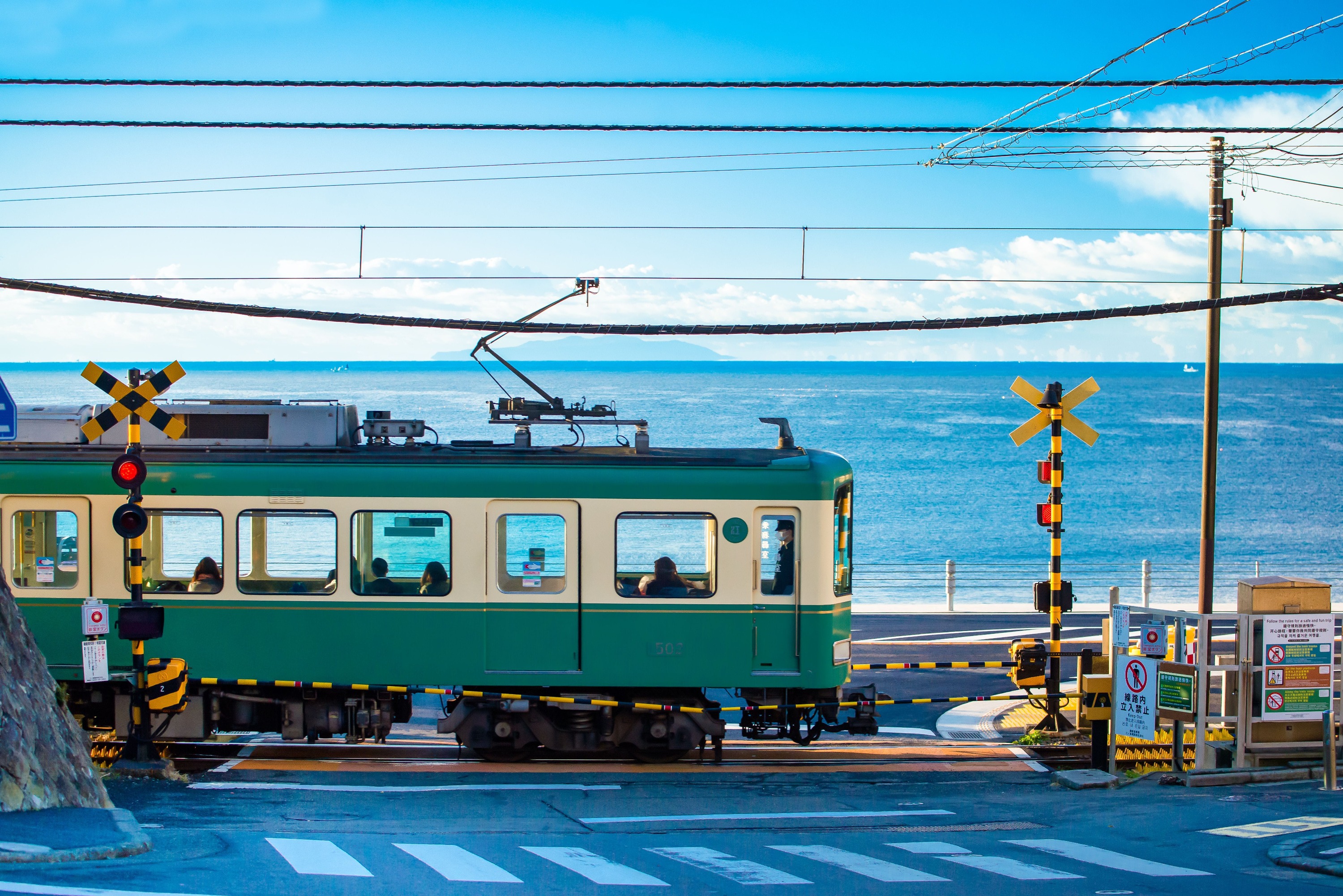
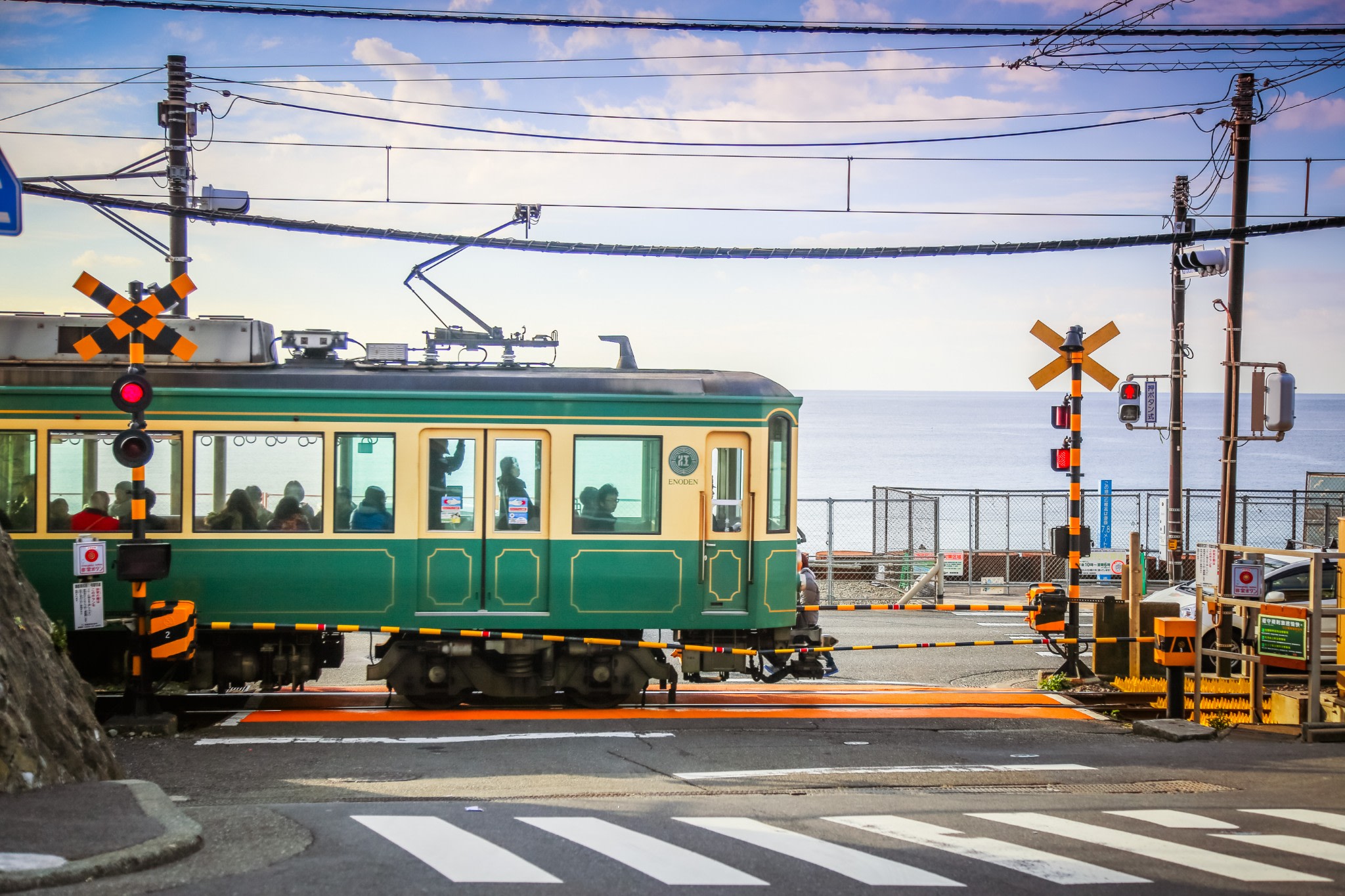
The JR Yokosuka Line connects Kamakura to Tokyo and Yokohama, while the Enoden Line offers a scenic route along the coast.
Taxis
Available • Apps: JapanTaxi, Uber
Rentals
Car, Bike, Scooter
Neighborhoods
Komachi-dori
Hase
Yuigahama
Zaimokuza
Day trips
Enoshima Island
10 km from Kamakura • Half day
A small island known for its scenic views, shrines, and caves, offering a mix of nature and culture.
Yokohama
30 km from Kamakura • Full day
A major city with a rich history, known for its Chinatown, museums, and waterfront attractions.
Hakone
50 km from Kamakura • Full day or overnight
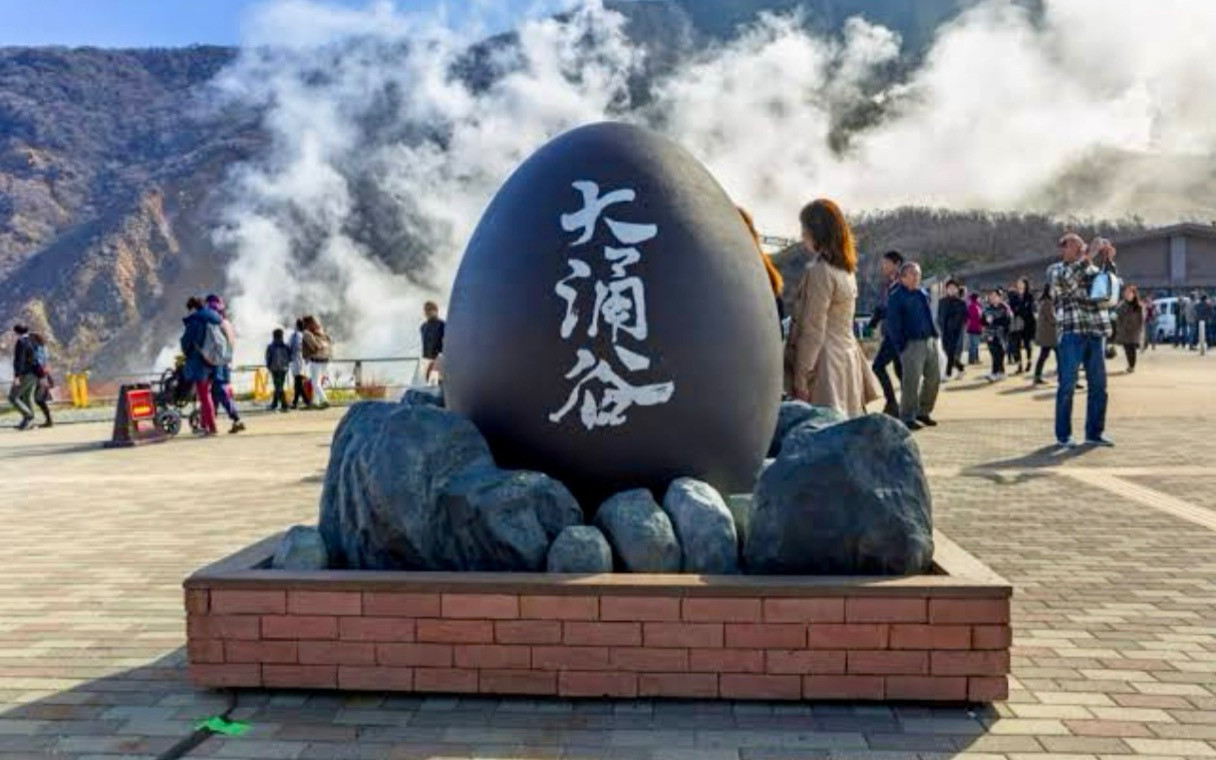
A scenic onsen (hot spring) town known for its views of Mount Fuji, traditional ryokan (inns), and hot springs.
Festivals
Kamakura Festival • April (specific dates vary)
Tsurugaoka Hachimangu Reitaisai • September 14-15
Great Buddha Festival • December (specific dates vary)
Pro tips
- Visit the Great Buddha early in the morning to avoid crowds.
- Explore the Enoden Line for a scenic and historic tram ride along the coast.
- Try local specialties like shirasu (whitebait) and kamaboko (fish cakes).
- Combine a visit to Kamakura with a day trip to nearby Enoshima or Hakone.
- Carry cash for small purchases and local markets, as not all places accept cards.
From $25
per person
Price varies by option
Secure booking
Free cancellation available


![[One-Day Tour Exploring the Magnificent Views of Mount Fuji] Arakurayama Sengen Park & Lake Kawaguchi Oishi Park & Oshino Hakkai & Instagram-Famous Lawson & Nikawa Tokeiten (Departure from Tokyo)](https://res.klook.com/image/upload/activities/iwpgromw2i2hu5uvwsl0.jpg)
![[Kamakura | Tram Experience] Kamakura Great Buddha & Kamakura Tram Experience & Kamakura High School & Enoshima & Tsurugaoka Hachimangu Shrine & Komachi Street Tokyo-Kamakura Day Trip (From Tokyo)](https://res.klook.com/image/upload/activities/zkjn1owdsbswo6geschc.jpg)
![[Kamakura Day Trip] Kamakura High School & Kamakura Great Buddha & Enoshima (Including Enoden Experience) | Departure from Tokyo](https://res.klook.com/image/upload/activities/qx0r21r2yooekgv8uf8m.jpg)