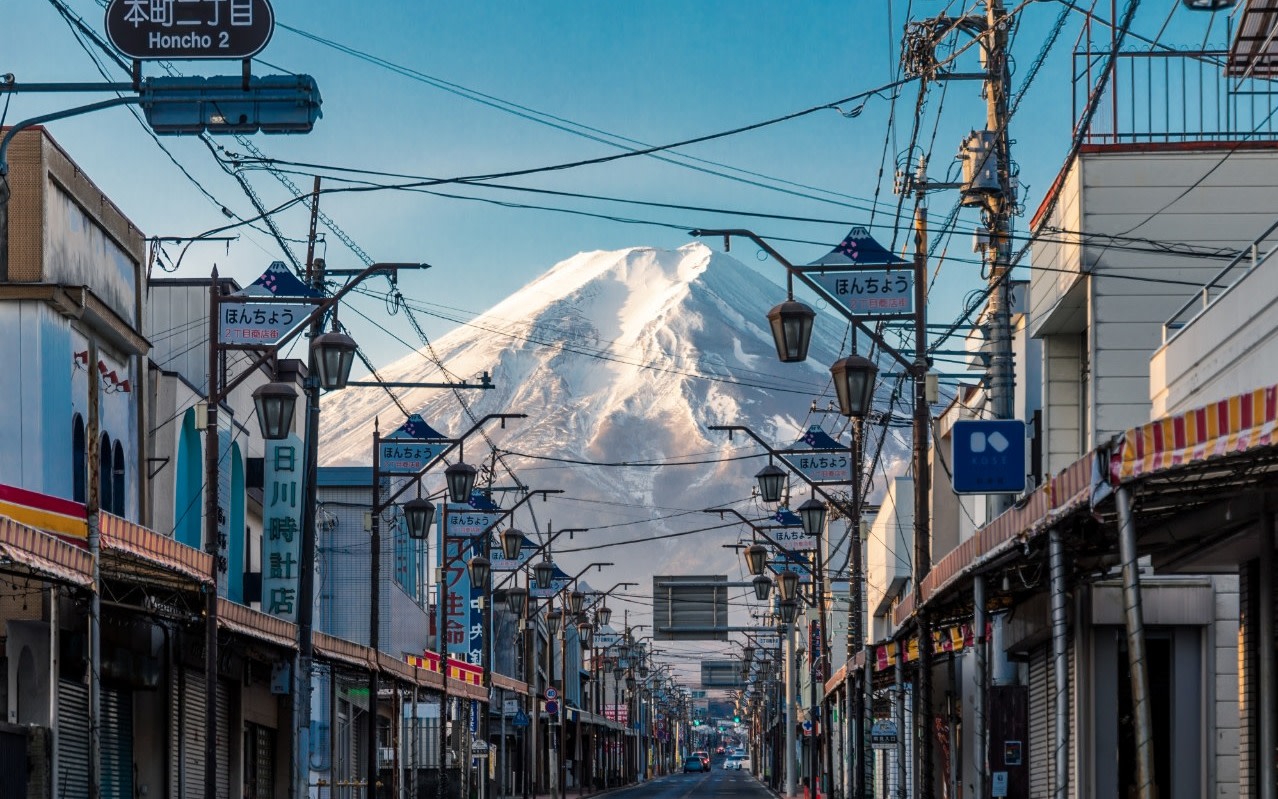
Mount Fuji 2 Day Climbing Trip
Active
2d
All sales are final. No refund is available for cancellations.
Manual confirmation
Mobile or paper ticket accepted
About this experience
Embark on an unforgettable adventure to the summit of Japan’s iconic Mt. Fuji via the Yoshida Route! Whether you’re a first-time climber or an experienced trekker, this flexible plan allows you to experience Mt. Fuji at your own pace along the most popular and beginner-friendly trail — the Yoshida Route. Enjoy the freedom of climbing independently with the added comfort and safety of a pre-booked mountain hut stay.
Available options
Mount Fuji 2 Day Climbing Trip
What's included
Round-trip bus transportation from Shinjuku, Tokyo
Trail orientation and support at the 5th Station
Post-climb hot spring (bath) facility fee included
Mountain hut stay (1 night) with dinner + breakfast bento
All local taxes and consumption tax included
What's not included
Mandatory Trail Fee: ¥4,000 per person (to be paid at the 5th Station)
Extra meals or services at huts
Personal expenses and medical costs
Available languages
Guide guide
JA
EN
Important information
Public transportation options are available nearby
Not recommended for travelers with spinal injuries
Not recommended for pregnant travelers
Not recommended for travelers with poor cardiovascular health
Travelers should have at least a moderate level of physical fitness
Reservation Deadline: Bookings are accepted up to 7 days before departure, depending on availability.
Guests who do not book rental equipment are responsible for preparing all required gear themselves. Failure to have proper equipment may result in being denied entry at the trail gate, in which case no refund will be provided.
Guest-Initiated Cancellations:
30+ days before departure: Free cancellation
21–29 days before departure: 25% cancellation fee
14–20 days before departure: 50% cancellation fee
13 days or fewer before departure (including same-day or no-show): 100% cancellation fee
Weather and Safety Cancellations: In cases of severe weather or natural disasters (e.g., typhoons, heavy rain), the tour may be canceled for safety reasons. We will notify you as early as possible, typically 1–3 days in advance. If canceled due to weather or safety concerns, a full refund or rescheduling option will be provided (subject to availability and transportation conditions).
Participant Abandonment: If a participant withdraws during the trek due to illness, fatigue, or personal reasons, additional costs (e.g., alternative accommodations, transportation) will be at their own expense, and no refund will be provided for the tour fee.
Recommendation: We strongly advise reviewing your booking details, physical readiness, and travel insurance options to ensure a smooth and safe experience. Please contact us with any questions before booking.
About the Yoshida Route & Climbing Conditions
The Yoshida Route is the most popular and beginner-friendly of the four official trails to Mt. Fuji. It starts from the Fuji Subaru Line 5th Station (2,300m) and attracts more than half of all climbers yearly. The trail is well-supported with mountain huts, safety posts, and separate ascent/descent paths — making it ideal for first-timers and independent trekkers.
Trail Sections & Terrain Overview
5th to 6th Station
Wide, forested, and gently sloped — ideal for warming up and altitude adjustment.
Features: Safety Guidance Center & public toilets (only available during July 1 – Sept 10)
6th to 7th Station
Trail gets rugged and exposed with steep zigzags and rocky terrain.
Caution: High sun exposure during daytime — risk of heatstroke.
Facilities: First-aid post and multiple huts available for rest or overnight stays.
7th to 8th Station
Involves steeper rock scrambling, especially after Hanagoya Hut.
Air becomes thinner beyond 3,000 meters — higher risk of altitude sickness.
Facilities: Multiple huts including Hakunso, first-aid center, and link to Subashiri Route.
8th Station to Summit
Final stretch from Goraikokan Hut to the 9th Station torii gate is rocky and steep.
Highlights: Pass Kusushi Shrine and reach Kengamine Peak (3,776m) — Japan’s highest point.
Reward: Breathtaking sunrise (goraiko) and crater views.
Descent via Yoshida Trail
Separate zigzag trail (also used by bulldozers) with loose gravel and dusty conditions.
Important: Wear sunglasses and masks for dust protection.
No huts or toilets between summit and 7th Station — use facilities before descent.
At the Edoya Hut (8th Station), Yoshida and Subashiri trails split — follow signs carefully.
Weather, Safety & Seasonal Notes
Official Climbing Season
July 1 to September 10
During this period, all facilities (toilets, aid posts, huts) are fully operational.
Trail Entry Policy
As of 2024, climbers must either pre-book online or pay a ¥4,000 trail fee at the 5th Station.
Entry is permitted only between 3:00 AM and 2:00 PM, unless you have a confirmed hut reservation (included in this tour), which allows entry outside these hours.
It is strongly recommended to:
Rest at the 5th Station for at least 1 hour before starting
Hydrate frequently
Ascend slowly
Altitude Sickness Precautions
Climbing Mount Fuji involves ascending above 2,300 meters, starting at the Fuji Subaru Line 5th Station, and reaching 3,776 meters at the summit. Altitude sickness may occur due to reduced oxygen levels, so take the following precautions:
Acclimate: Pause at the 6th and 7th stations during the ascent to allow your body to adjust to the thinner air. These rest stops are built into the itinerary to minimize altitude-related risks.
Hydrate: Drink at least 1–2 liters of water throughout the climb to prevent dehydration, a common trigger for altitude sickness. Refill opportunities are available at the 5th station and 白雲荘 hut, though water may be charged at higher altitudes.
Recognize Symptoms: Be aware of altitude sickness signs, including dizziness, headache, nausea, and fatigue. If symptoms occur, it’s important to rest and reassess your condition. Depending on severity, you may need to slow your pace, descend, or seek assistance if traveling with others.
Note: If symptoms persist or worsen (e.g., severe headache, vomiting), descending promptly is critical to prevent serious health risks. If you have booked a guide, they may assist in assessing symptoms and recommending next steps. Otherwise, rest, hydrate, and descend promptly if needed.
Weather & Gear Tips
Weather conditions on Mt. Fuji are highly unpredictable — even during summer months, summit temperatures can drop below freezing, especially before sunrise. Climbers should be prepared for wind, rain, and cold nights by dressing in layers and bringing waterproof outerwear. The most challenging part of the trail tends to be between midnight and sunrise, when the combination of cold, fatigue, and darkness can test your endurance.
Trail Safety & Crowds
For safety, it’s important to pace yourself and take regular breaks at rest points like the 6th and 7th Stations. Trekking poles are highly recommended to support your balance on steeper, uneven sections. If you’re climbing without a guide, extra caution is necessary, especially on the descent — where footing can be loose and visibility reduced.
During peak climbing season (July to August), expect large crowds, particularly on weekends, Sundays, and during the Obon holiday period. Congestion is common near huts and narrow sections, especially before sunrise. Always follow posted signs and staff instructions, particularly around the trail split with the Subashiri Route at the 8th Station.
Age and Health Requirements
Age: Recommended for climbers aged 10 and above. Children under 16 must be accompanied by an adult, and pricing for children may vary (details provided during booking).
Health: Participants should be in good physical condition to handle the 6–7-hour ascent and 3–4-hour descent. Those with medical conditions (e.g., heart, respiratory, or altitude-related issues) must consult a doctor before booking.
Note: The tour involves high-altitude trekking and exposure to cold temperatures. If you have concerns about your fitness level, please contact us for guidance.
Meeting point
Detailed direct instructions will be provided with your booking confirmation.
About Tokyo
Tokyo, the capital of Japan, is a bustling metropolis that beautifully blends traditional culture with cutting-edge technology. Known for its neon-lit streets, historic temples, and world-class cuisine, Tokyo offers a unique experience that caters to every type of traveler.
Top Attractions
Senso-ji Temple
Senso-ji is Tokyo's oldest temple and one of its most significant. The temple's massive lantern and five-story pagoda are iconic landmarks.
Historical/Religious
1-2 hours
Free (small fee for some areas)
Meiji Shrine
Meiji Shrine is a Shinto shrine dedicated to the deified spirits of Emperor Meiji and his wife, Empress Shoken. It is surrounded by a beautiful forest.
Historical/Religious
1-2 hours
Free
Shibuya Crossing
Shibuya Crossing is the world's busiest pedestrian crossing and a symbol of Tokyo's bustling urban life. It's a must-see for its chaotic yet orderly nature.
Cultural
30 minutes to 1 hour
Free (¥2,200 for Shibuya Sky)
Tokyo Skytree
Tokyo Skytree is the tallest tower in Japan and the second tallest freestanding structure in the world. It offers breathtaking views of the city.
Architecture
2-3 hours
¥2,100 to ¥3,100 (USD $15 to $22)
Odaiba
Odaiba is a man-made island in Tokyo Bay known for its shopping, dining, and entertainment options. It's a great place for families and tech enthusiasts.
Entertainment
Half day to full day
Varies by attraction
Must-Try Local Dishes
Sushi
Fresh raw fish served on vinegared rice, a staple of Japanese cuisine.
Dinner
Contains fish, can be vegetarian with substitutes.
Ramen
Noodle soup with various broths and toppings, a popular comfort food.
Lunch/Dinner
Vegan and vegetarian options available.
Tempura
Deep-fried seafood and vegetables, known for its crispy texture.
Lunch/Dinner
Contains seafood and deep-fried ingredients.
Okonomiyaki
Savory pancake with various ingredients, often topped with sauce and bonito flakes.
Lunch/Dinner
Contains seafood and can be made vegetarian.
Popular Activities
Hiking in the nearby mountains
Parasailing at Odaiba
Onsen (hot spring) visits
Tea ceremonies
Traditional tea ceremonies
Kimono rentals and photo shoots
Boat tours on the Sumida River
Beach activities at Odaiba
Best Time to Visit
March to May (Spring) and September to November (Autumn)
These seasons offer comfortable temperatures and beautiful scenery, with cherry blossoms in spring and vibrant foliage in autumn. However, these are also the busiest times for tourism.
10°C to 25°C (50°F to 77°F)
50°F to 77°F
Practical Information
Language
- Official: Japanese
- Widely spoken: English, Chinese, Korean
- English: Moderately spoken in tourist areas, limited elsewhere
Currency
Japanese Yen (JPY)
Time Zone
GMT+9
Electricity
100VV, 50/60HzHz
Safety Information
Overall Safety Rating: Very safe
Tokyo is generally very safe, with low crime rates and a strong emphasis on public order. However, petty crimes like pickpocketing can occur in crowded areas.
Important Precautions:
- • Be cautious of your belongings in crowded areas.
- • Use licensed taxis and check fares before getting in.
- • Be aware of your surroundings, especially at night.
Getting there
By air
- Narita International Airport • 60 km (37 miles) from city center
- Haneda Airport • 15 km (9 miles) from city center
By train
Tokyo Station, Shinjuku Station
By bus
Tokyo Station Bus Terminal, Shinjuku Expressway Bus Terminal
Getting around
Public transport
Tokyo's subway system is efficient, clean, and punctual. It consists of multiple lines operated by Tokyo Metro and Toei Subway.
Taxis
Available • Apps: JapanTaxi, DiDi
Rentals
Car, Bike, Scooter
Neighborhoods
Shibuya
Shinjuku
Asakusa
Ginza
Akihabara
Day trips
Nikko
120 km (75 miles) from Tokyo • Full day
Nikko is a city known for its beautiful shrines, temples, and natural scenery. It's a UNESCO World Heritage site and offers a peaceful retreat from the bustling city.
Kamakura
50 km (31 miles) from Tokyo • Half day to full day
Kamakura is a coastal town known for its historic temples, shrines, and the Great Buddha statue. It's a great place to experience traditional Japanese culture.
Hakone
90 km (56 miles) from Tokyo • Full day or overnight
Hakone is a hot spring resort town known for its onsen (hot springs), scenic views of Mount Fuji, and the Open-Air Museum. It's a popular destination for relaxation and nature.
Festivals
Sannō Matsuri • Mid-June (every 2 years)
Kanda Matsuri • Mid-May (every 2 years)
Sumida River Fireworks Festival • Last Saturday of July
Pro tips
- Use IC cards like Suica or Pasmo for convenient and discounted public transport.
- Download useful apps like Google Maps, Japan Transit Planner, and Japan Travel by Navitime.
- Learn a few basic Japanese phrases to enhance your experience and show respect for the local culture.
- Carry cash, as some smaller shops and restaurants may not accept credit cards.
- Visit popular attractions early in the morning or late in the afternoon to avoid crowds.
From $25
per person
Price varies by option
Secure booking
Free cancellation available


![[One-Day Tour Exploring the Magnificent Views of Mount Fuji] Arakurayama Sengen Park & Lake Kawaguchi Oishi Park & Oshino Hakkai & Instagram-Famous Lawson & Nikawa Tokeiten (Departure from Tokyo)](https://res.klook.com/image/upload/activities/iwpgromw2i2hu5uvwsl0.jpg)
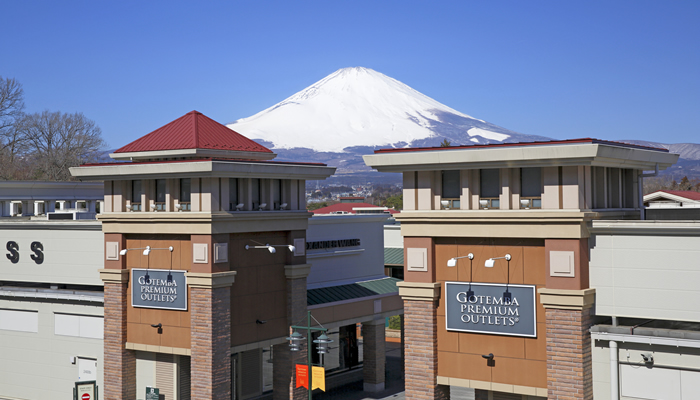
![[Mount Fuji Tour & Outlet Shopping/Hot Springs Trip] Mount Fuji 5th Station/Arakurayama Sengen Park & Oshino Hakkai & Gotemba Premium Outlets/Hot Spring Day Trip (with Lunch Option, Departing from Tokyo)](https://res.klook.com/image/upload/activities/bbb297vqb2j6wzidq0hr.jpg)