Sumo Tournament Experience in Osaka
Active
4h - 5h
All sales are final. No refund is available for cancellations.
Instant confirmation
Mobile or paper ticket accepted
About this experience
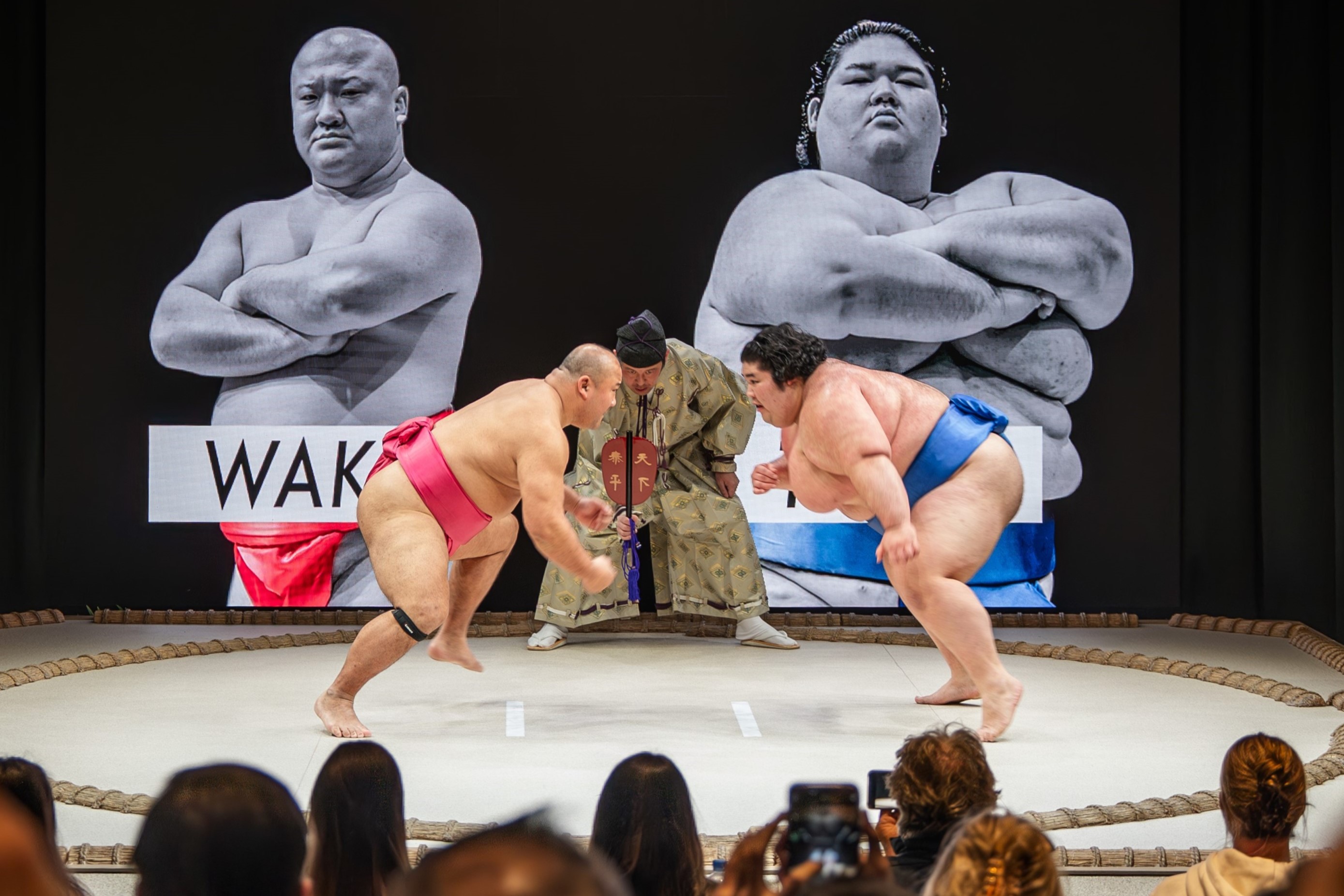
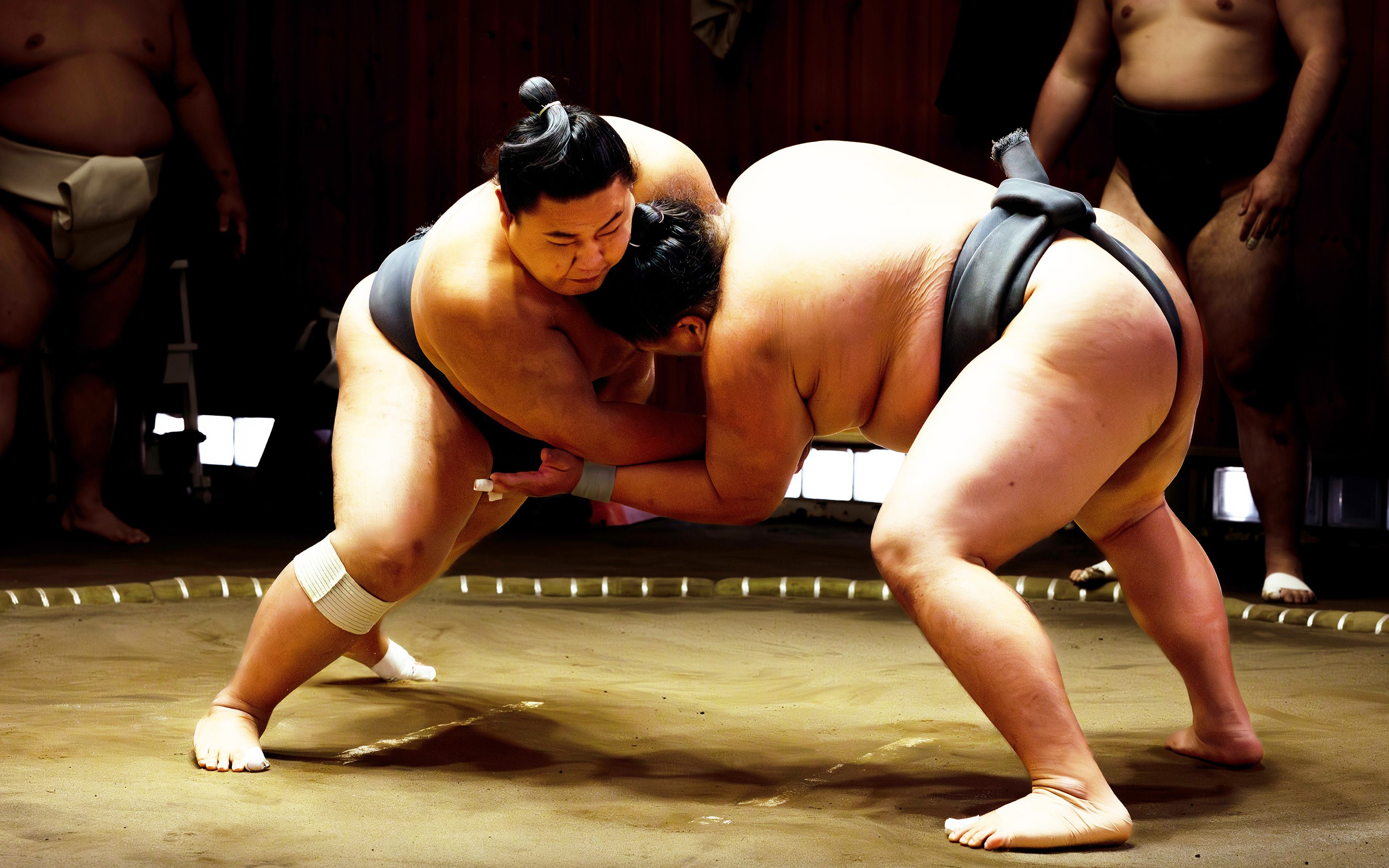
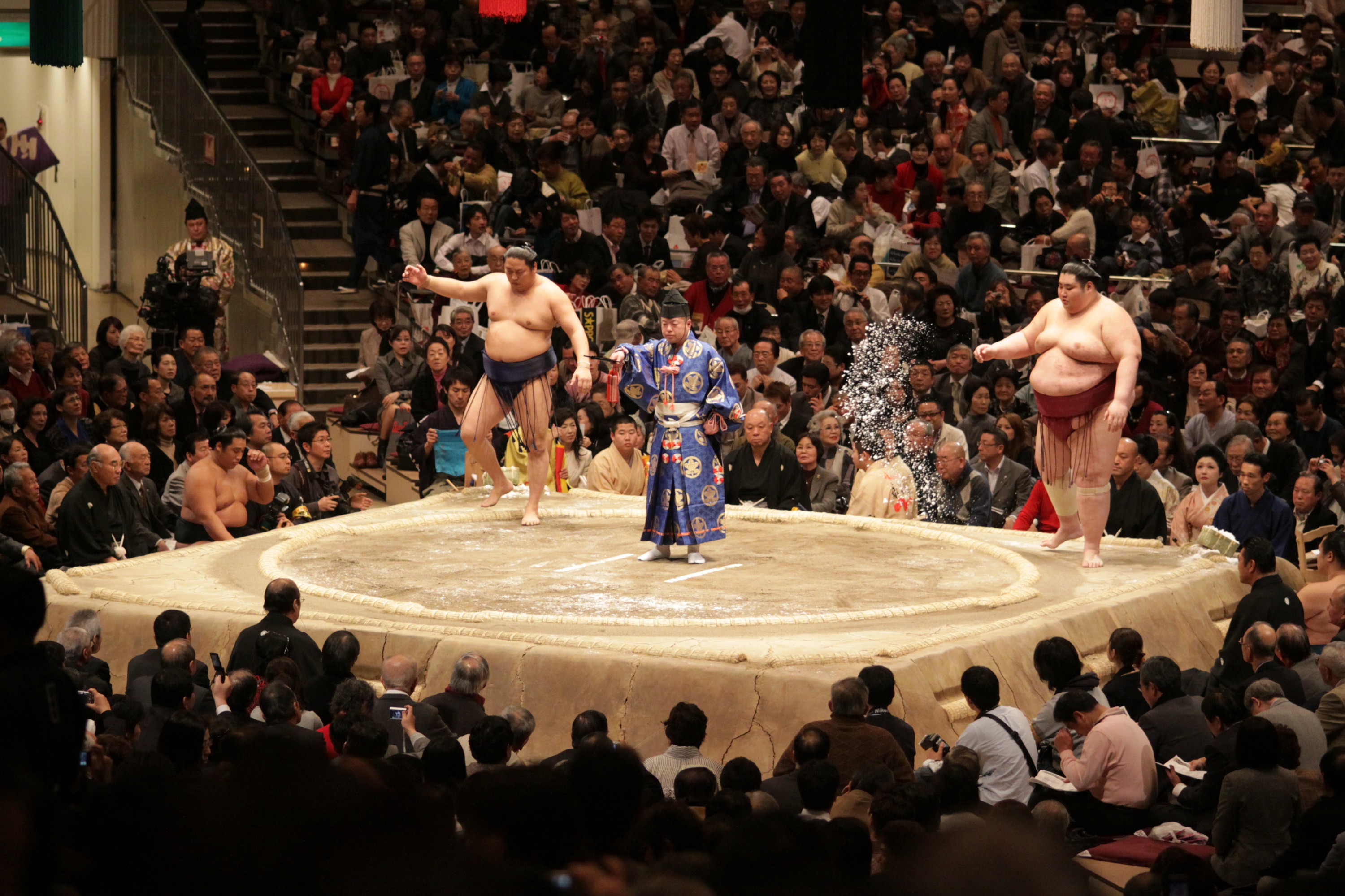
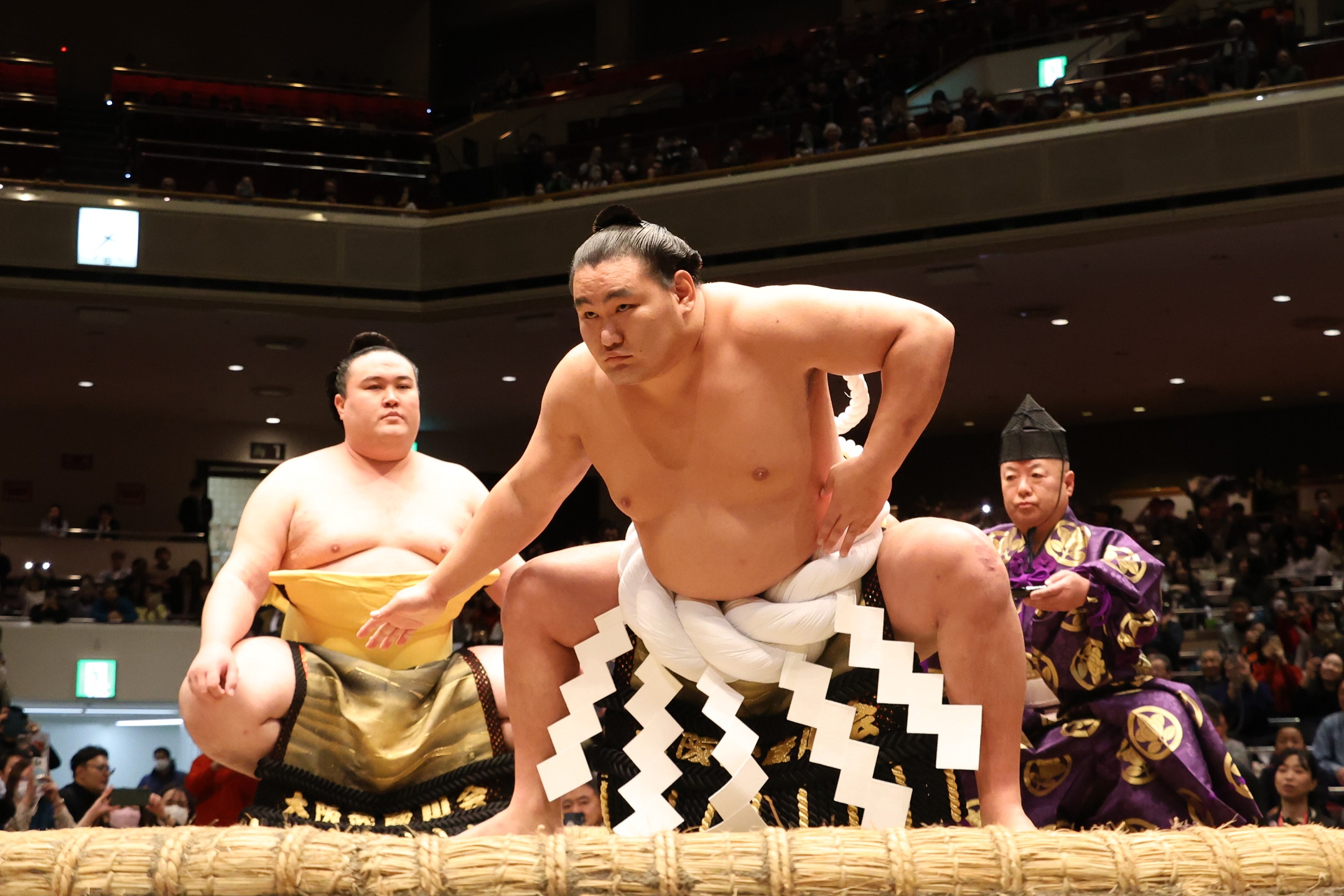
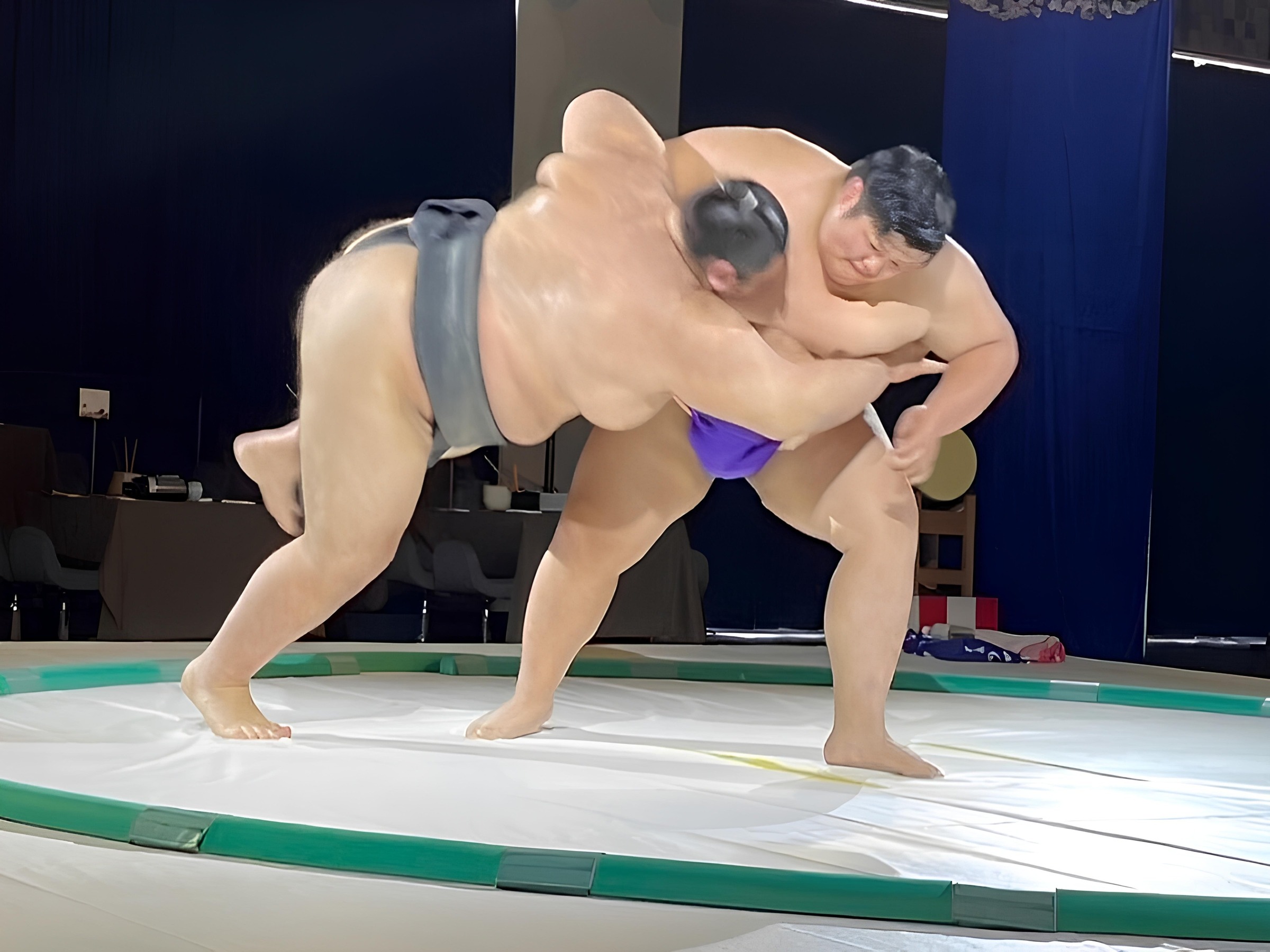
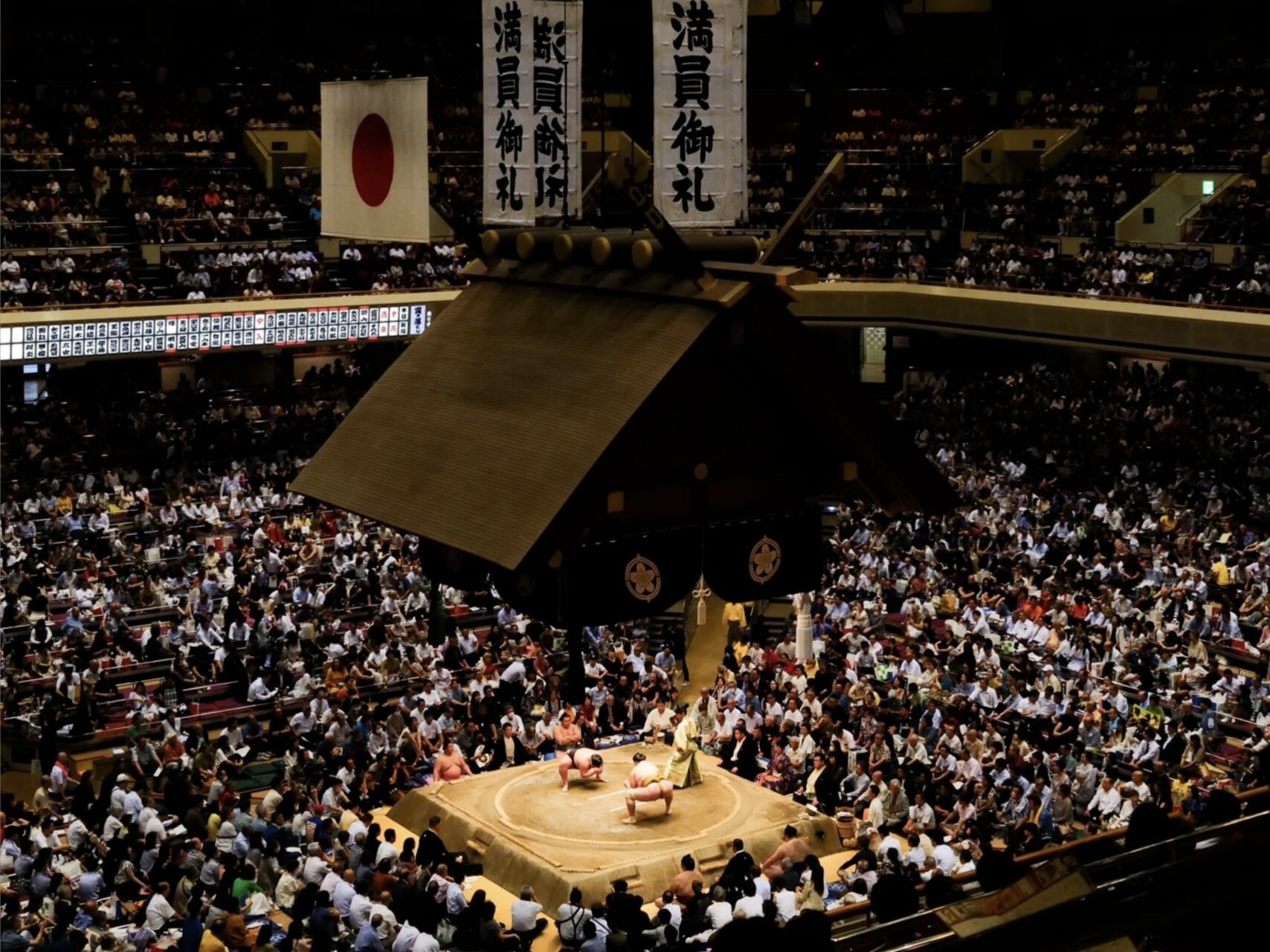
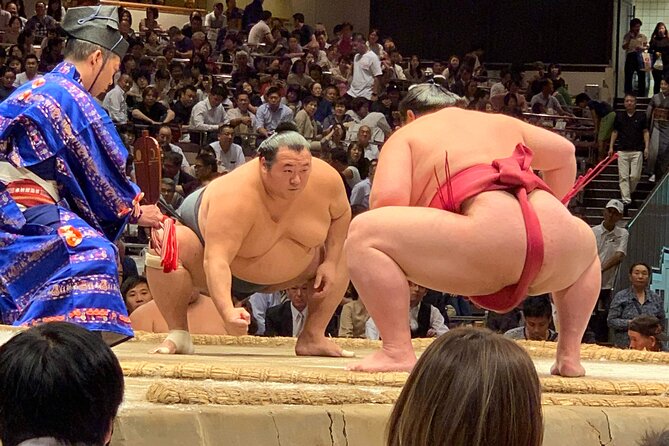
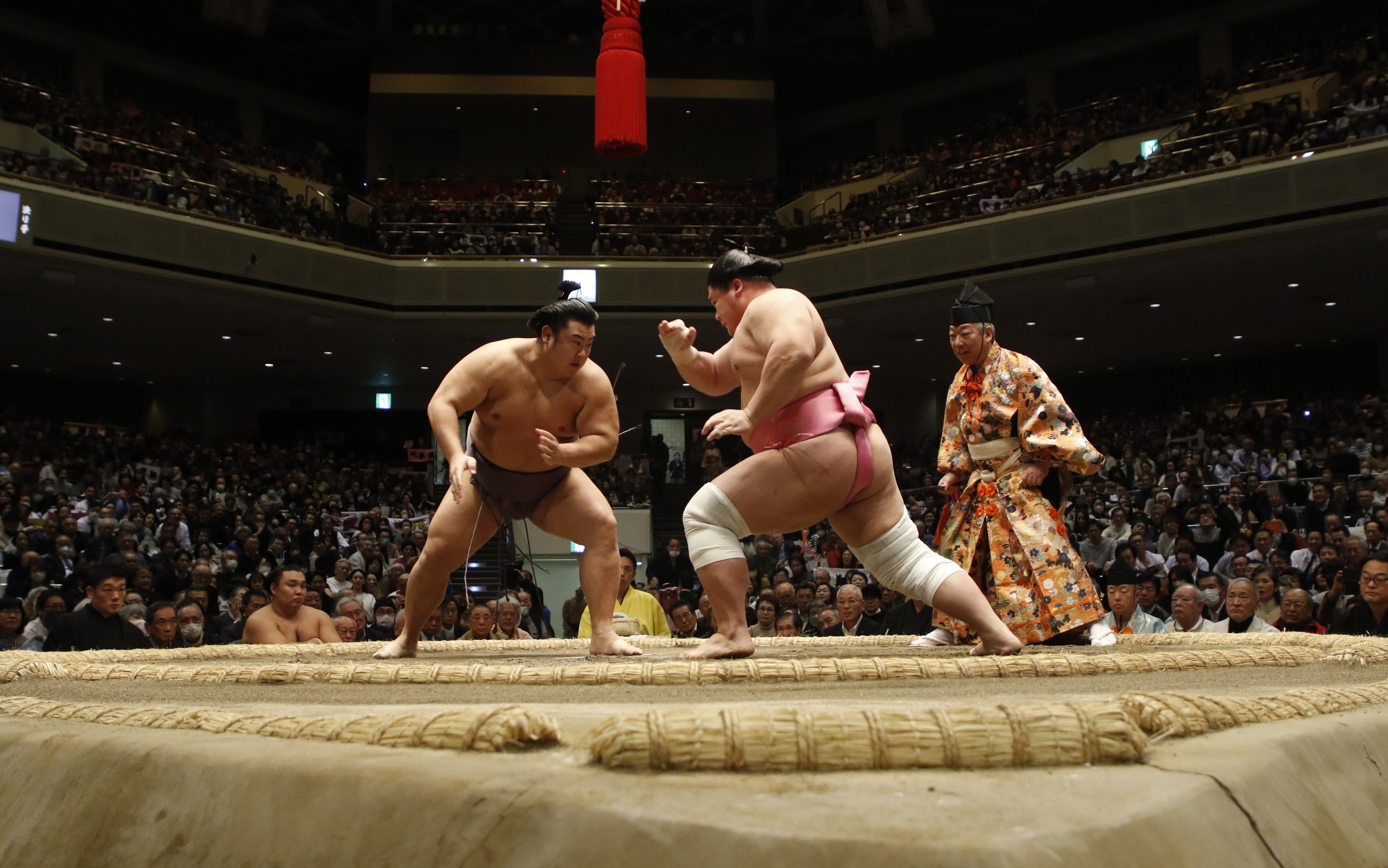
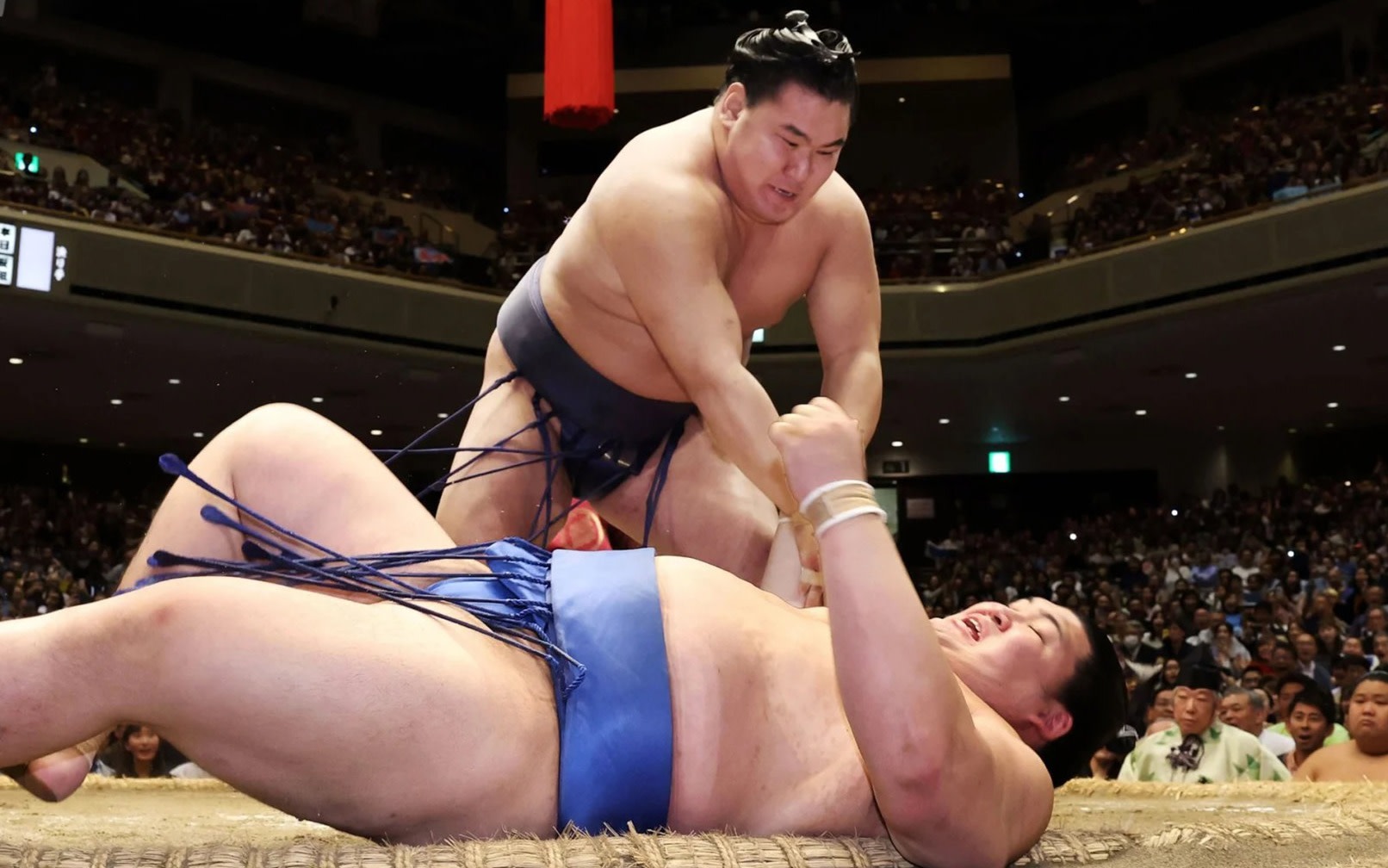
The Sumo Tournament Experience in Osaka with Japan Awaits is an experience at the famous Grand Sumo Tournament that occurs only once a year in Osaka(March). The experience allows guests to learn about sumo traditions and culture with an English-speaking tour guide (expert in sumo wrestling) while watching one of the most exciting sports in Japan.
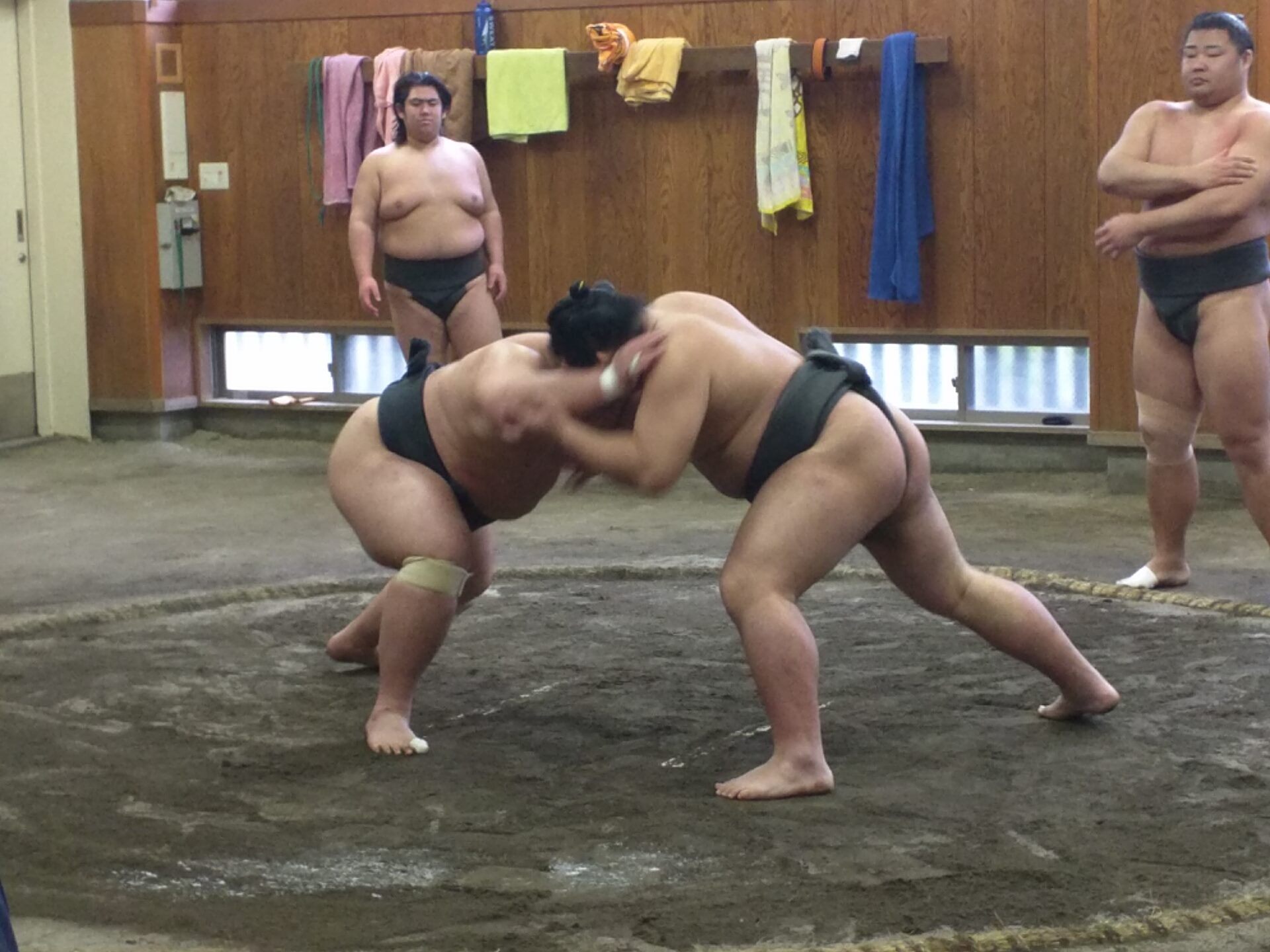
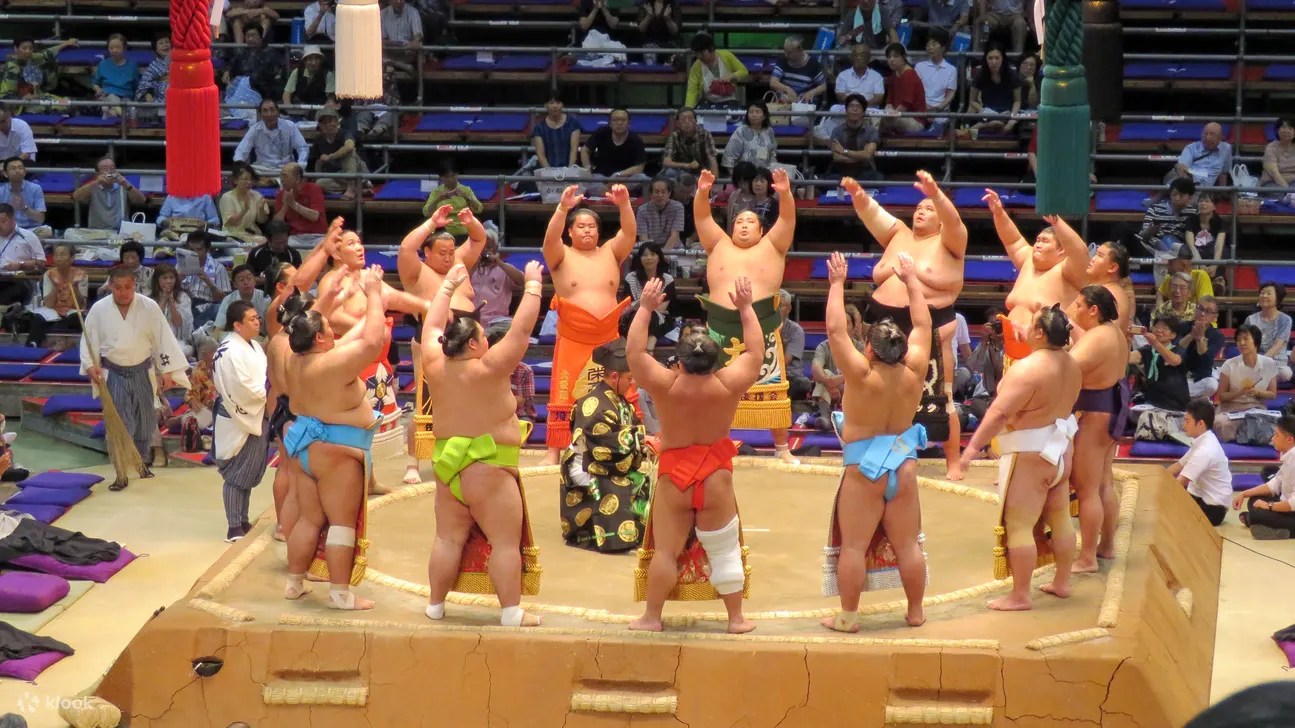
Sumo originated in Japan and is one of Japan’s most well-known sports. It is considered as a gendai budo (Japanese martial art) with a history spanning many centuries. The sport is known for its highly regimented rules and strict traditions for its wrestlers. Most sumo wrestlers are required to live in communal heya (sumo training stables) with all aspects of their daily lives, including their meals and how they dress, closely monitored.
Available options
Osaka Private Sumo
S-class or A-class reserved seats<br/>Duration: 4 hours
Osaka Standard + Dinner
B-class Seats or C-Class Seats + Add-on Dinner<br/>Duration: 5 hours
Osaka Basic Sumo
D-class seats – upper corner balcony<br/>Duration: 4 hours
Osaka Standard Sumo
B-class Seats or C-Class Seats<br/>Duration: 4 hours
Osaka Private + Dinner
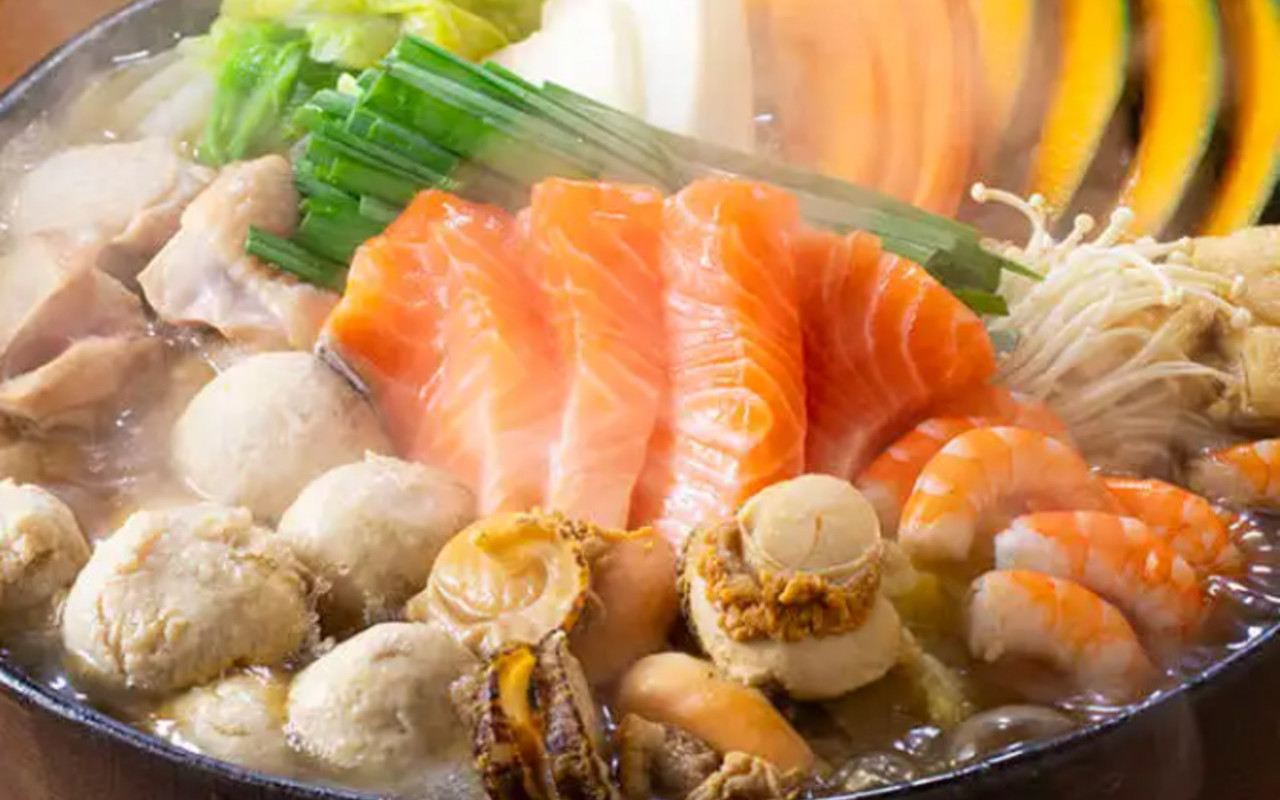
Duration: 5 hours<br/>Private Tournament + Dinner: Private Tour + Dinner at chanko hot pot restaurant (understand what sumo wrestlers normally eat with tour guide)
What's included
Premium: A- or S-class seats (front arena section)
Sumo information and pamphlet
If selected, Sukiyaki or vegetarian option is available upon request (at least one week in advance).
English-speaking tour guide (local sumo expert)
Basic: D-class seats (upper balcony). Binoculars are recommended for a closer view.
Reserved seat according to selected option:
Service Fee for Getting the Ticket
Audio headset
Banzuke-hyo (a table of rankings)
If selected, dinner at a local chanko hot pot restaurant to experience what sumo wrestlers eat.
Standard: B- or C-class seats (main arena). Binoculars are recommended for a closer view.
Detailed itinerary
1
The Sumo Tournament Experience is a 4-hour experience at the official basho (sumo tournament) with a group of up to 24 people (minimum of 15 people is required to operate this tour)
On this tour, not only will you learn about many ancient Japanese traditions that have been preserved in sumo, including ritual elements such as the use of salt purification, you’ll also get to cheer on and greet the most famous sumo wrestlers in Japan as they are entering the stadium for their big match. Once you are inside of the stadium, you’ll be seated at B or C-class reserved seats, which has the best view of the match with chair seating in the stadium. You’ll learn about the history and culture of sumo wrestling, as well as learn about some of the most famous sumo wrestlers throughout history and today in Japan. Enjoy the intense matches with explanations from your expert guide and cheer on your favorite sumo wrestlers along with dedicated local fans.
What's not included
Hotel pick-up and drop-off
Meals and drinks are not included (unless dinner option is selected at checkout).
Available languages
Guide guide
EN
Reviews breakdown
Viator
5.0
2 reviews
5★
2
4★
0
3★
0
2★
0
1★
0
Tripadvisor
4.9
10 reviews
5★
9
4★
1
3★
0
2★
0
1★
0
Important information
Infants are required to sit on an adult’s lap
Public transportation options are available nearby
Infants and small children can ride in a pram or stroller
Wheelchair accessible
Suitable for all physical fitness levels
Chanko nabe, also known as “sumo stew”, is a Japanese stew (hot pot) that contains chicken stock as the soup base with various vegetables. Chanko originated from the Ryokoku area and sumo wrestlers are known to eat a lot of it because a large amount of chanko can be cooked at once and many people can eat at the same time, perfect for sumo wrestlers who are hungry from training.
If dinner option is selected at checkout, the chanko hot pot dinner without drinks will be the default meal (please let us know if you would prefer sukiyaki, vegetarian, or if you have any other special dietary requirements on the “Special Requirements” field at checkout. Please note that traditional chanko nabe broth is typically made with pork or chicken, but the restaurant may substitute the broth for those who prefer vegetarian option. Please understand that once we have accepted your dinner request, changes cannot be made one week before the tour date.
There is no age requirement. Children must be accompanied by adult (18 or older). Adult pricing applies to all guests of any age, except infants and toddlers between age 1 and 3, which are free of charge, as long as they do not occupy a seat (infants must sit on parents’ laps).
Before the tour, please notify us if you or someone in your group will be in a wheelchair. Please note that there is a wheelchair storage area on the first floor of the stadium; however, your seats will be on the second floor. Guests must be able to climb up the stairs on their own (or with the help from a family member) as staff from Edion Arena will not be able to assist guests.
No outside food or drinks are allowed in the arena, but food is available for purchase from vendors within the arena.
Please note that there may be a wait prior to seating, as we must wait for all sumo matches to end before entering. There may also be congestion at the Sumo Museum, in which the tour guide may ask guests to visit on their own since it would be difficult to walk around with a large group in a congested area.
When do the sumo tournaments take place in Japan?
The official basho (tournaments) take place six times a year at various locations with each tournament lasting 15 days (start date and end date both land on Sundays). The exact dates vary, but takes place on the same months each year:
January Tournament: Tokyo
March Tournament: Osaka
May Tournament: Tokyo
July Tournament: Nagoya
September Tournament: Tokyo
November Tournament: Fukuoka
Sumo originated in Japan and is one of Japan’s most well-known sports. It is considered as a gendai budo (Japanese martial art) with a history spanning many centuries. The sport is known for its highly regimented rules and strict traditions for its wrestlers. Most sumo wrestlers are required to live in communal heya (sumo training stables) with all aspects of their daily lives, including their meals and how they dress, closely monitored.
How far in advance should I book?
Preparing an event requires some time, especially if reservations for restaurants or other venues are required. We recommend making a reservation as early as possible. Ideally, it should be 3 months before your travel date, or 1 month before the travel date at the very least. We may not be able to arrange your event in time so your booking request may be cancelled and you will receive a full refund.
Why am I charged a service fee if I make a cancellation after you started planning the trip?
Organizing and planning a trip or event requires a lot of time and if we have made reservations on your behalf, it may be very challenging to cancel some booking requests. Once we receive your booking and will start arranging your tour guide, buying tickets, making reservations at venues for your tour, etc.
Please also note that group tickets are released by the Sumo Association about 4 – 7 weeks before the tour date; if we are unable to obtain the tickets, we will notify guests within 4 weeks before the tour and will offer an alternative tour date or full refund.
Using audio headsets, you’ll clearly be able to hear the expert guide explain the history and culture of sumo wrestling, as well as learn about some of the most famous sumo wrestlers throughout history and today in Japan. Enjoy the intense matches with explanations from your expert guide and cheer on your favorite sumo wrestlers along with dedicated local fans.
What if I’m late?
We ask that all guests arrive at the location at least 10 minutes before the designated meet-up time. Since this is a group tour, we may not be able to wait for you if you are late. The tour will begin without the late guests and you can meet the rest of the group at the next location. Guests are provided with the tour guides’ phone number before the tour and you can call the tour guide if you need to meet the group in the next location.
The meeting point will be included in the tour details sent to your email at least one week before the tour date.
Seat Information:
Basic (D Seats): Located in the upper corners of the arena with a full but distant view of the ring. The arena is compact, so visibility remains clear. Binoculars are recommended for a closer view.
Standard (B/C Seats): Comfortable chair seats with good visibility of the ring and atmosphere. Binoculars are recommended for the best experience.
Premium (A/S Seats): Front arena seats closest to the ring, offering the most immersive and exciting view of the matches.
Seat type is assigned based on the option selected. All seats are reserved in advance by Japan Awaits.
Japan Awaits is a licensed tour operator in Japan, with hundreds of registered and vetted tour guides nationwide. We offer tours in any location in Japan and manage all details, including transportation and tickets. Visit Japan Awaits to learn more about our tours or inquire about a custom experience today.
Important notes
Meet our tour guide at the meeting point to get the ticket. The directions to the meeting point will be provided 1 week before the tour date.
About Osaka
Osaka is a vibrant, bustling city known for its rich culinary scene, historic sites, and modern entertainment. As Japan's second-largest metropolitan area, it offers a dynamic mix of traditional culture and contemporary urban life.
Top Attractions
Osaka Castle
A iconic symbol of Osaka, this castle was originally built in the 16th century and has been beautifully restored. It offers a glimpse into Japan's feudal history and features a museum and scenic park.
Historical
2-3 hours
600 JPY
Dotonbori
A lively and colorful entertainment district known for its neon lights, street food, and vibrant nightlife. Dotonbori is a must-visit for foodies and those looking to experience Osaka's energetic atmosphere.
Entertainment
2-3 hours
Free (food and shopping vary)
Universal Studios Japan
A popular theme park featuring attractions based on famous movies and characters, including Harry Potter, Super Nintendo World, and Jurassic Park. It's a great destination for families and thrill-seekers.
Entertainment
Full day
8,400-10,600 JPY (varies by season and tickets)
Osaka Aquarium Kaiyukan
One of the largest aquariums in the world, featuring a wide variety of marine life, including whales, sharks, and penguins. The aquarium is known for its impressive exhibits and educational programs.
Nature
2-3 hours
2,600 JPY
Shinsekai
A retro district with a nostalgic atmosphere, featuring the iconic Tsutenkaku Tower and a variety of local eateries. Shinsekai is known for its unique blend of old and new, offering a glimpse into Osaka's past.
Cultural
1-2 hours
Free (food and shopping vary)
Must-Try Local Dishes
Takoyaki
Octopus-filled batter balls, cooked to perfection and topped with savory sauces and bonito flakes. A must-try street food in Osaka.
Snack
Contains seafood, can be made vegetarian upon request
Okonomiyaki
A savory pancake made with cabbage, batter, and various toppings, cooked on a griddle. Often referred to as 'Japanese pizza.'
Dinner
Can be made vegetarian or vegan upon request
Kushikatsu
Deep-fried skewers of various meats, vegetables, and seafood, served with a dipping sauce. A specialty of the Shinsekai district.
Dinner
Contains seafood and meat, can be made vegetarian upon request
Ramen
Noodle soup dish with various broths, toppings, and noodle types. Osaka is known for its rich and flavorful ramen.
Lunch/Dinner
Can be made vegetarian or vegan upon request
Popular Activities
Hiking in the nearby mountains
Cycling tours
Kayaking and water sports
Onsen (hot spring) visits
Tea ceremonies
Gardens and parks
Temple and shrine visits
Traditional workshops (e.g., calligraphy, ikebana)
Best Time to Visit
March to May, September to November
These months offer pleasant weather with mild temperatures and lower humidity, making it ideal for sightseeing and outdoor activities. Cherry blossoms in March and April add to the appeal.
15-25°C
59-77°F
Practical Information
Language
- Official: Japanese
- Widely spoken: English (limited)
- English: Limited
Currency
Japanese Yen (JPY)
Time Zone
JST (GMT+9)
Electricity
100VV, 50/60HzHz
Safety Information
Overall Safety Rating: Very safe
Osaka is generally very safe, with low crime rates and a strong emphasis on public safety. However, as with any major city, it's important to be aware of your surroundings and take precautions to protect your belongings.
Important Precautions:
- • Keep valuables secure and out of sight
- • Be cautious of pickpockets in crowded areas
- • Use licensed taxis and reputable tour operators
Getting there
By air
- Kansai International Airport • 50 km from city center
- Itami Airport • 20 km from city center
By train
Osaka Station, Shin-Osaka Station
By bus
Osaka Station Bus Terminal, Umeda Bus Terminal
Getting around
Public transport
The Osaka Metro system is efficient, clean, and easy to navigate. It consists of eight lines that connect major attractions, shopping districts, and neighborhoods.
Taxis
Available • Apps: JapanTaxi, DiDi
Rentals
Car, Bike, Scooter
Neighborhoods
Umeda
Namba
Shin-Osaka
Tennoji
Day trips
Kyoto
50 km • Full day
A historic city known for its temples, shrines, and traditional architecture. Kyoto offers a glimpse into Japan's rich cultural heritage and is a must-visit for history and culture enthusiasts.
Nara
40 km • Half day to full day
A historic city known for its ancient temples, shrines, and the famous Nara Park, home to hundreds of free-roaming deer. Nara offers a mix of history, culture, and nature.
Kobe
30 km • Full day
A port city known for its historic sites, scenic views, and delicious beef. Kobe offers a mix of culture, history, and culinary delights.
Festivals
Tenjin Matsuri • July 24-25
Kishiwada Danjiri Matsuri • September 14-15
Osaka Castle Illumination • December (specific dates vary)
Pro tips
- Use an IC card, such as ICOCA or Suica, for easy and convenient payments on public transportation, vending machines, and convenience stores
- Try local specialties, such as takoyaki, okonomiyaki, and kushikatsu, at street food stalls and local restaurants
- Visit popular attractions early in the morning or late in the afternoon to avoid crowds and long lines
- Explore the city's unique neighborhoods, such as Dotonbori, Shinsekai, and Den Den Town, to experience the diverse culture and atmosphere of Osaka
- Take advantage of the city's extensive public transportation system, including the Osaka Metro, JR trains, and buses, to easily navigate and explore the city
From $25
per person
Price varies by option
Secure booking
Free cancellation available
Instant confirmation