Private Guided Tour of Pienza on Foot
Active
3h
For a full refund, cancel at least 24 hours before the scheduled departure time.
Instant confirmation
Mobile or paper ticket accepted
About this experience
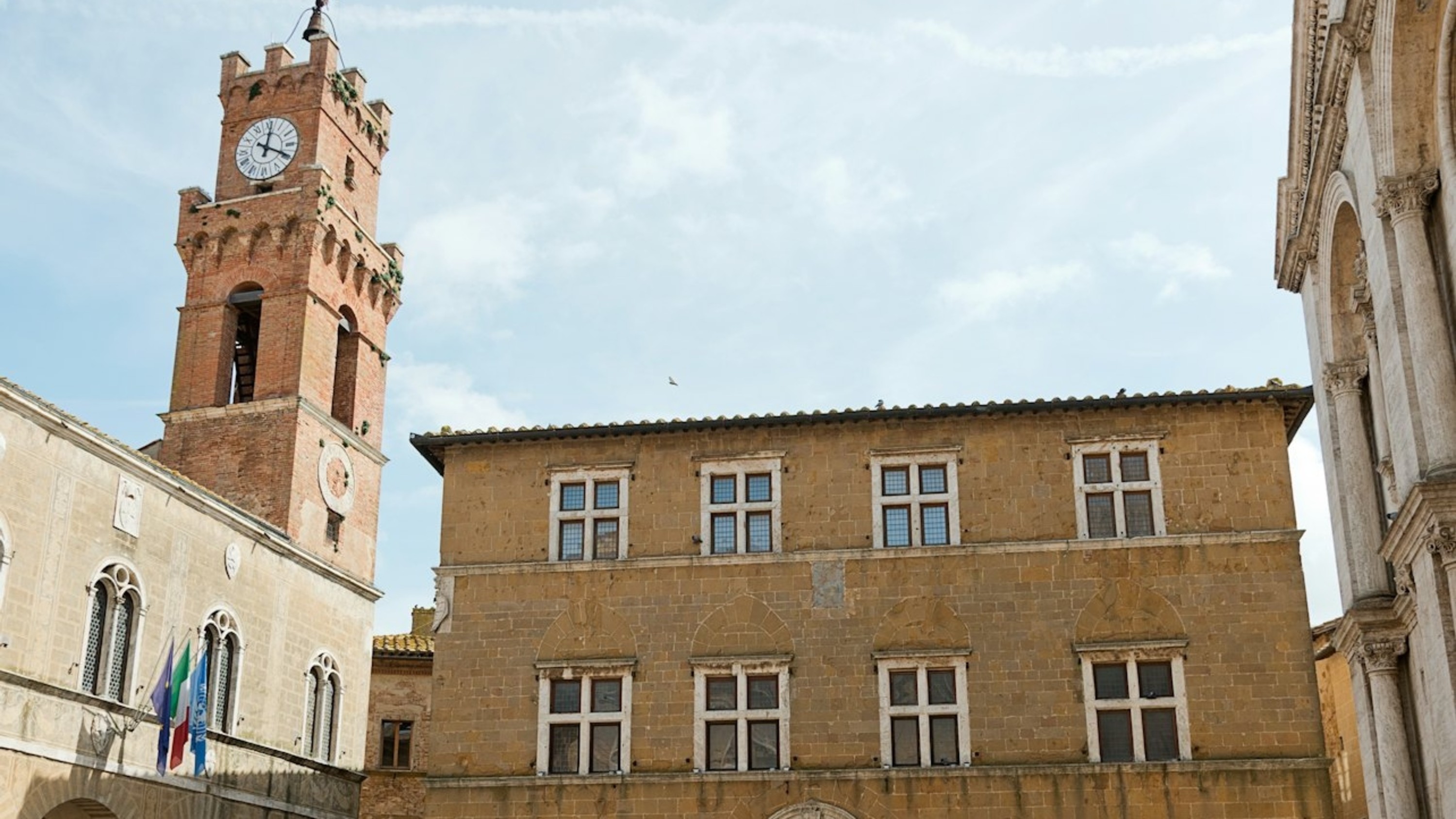
Born from a "dream of love and an idea of beauty", Pienza, the ideal city of the Italian Renaissance, is still today an intact testimony of an illustrious architectural project, commissioned by Pope Pius II Piccolomini and made concrete by the great Florentine architect Bernardo Rossellino.
Built in a very limited period of time (1459-1462), the city of Pio is the result of a single master plan marked, by the will of the great humanist pope who gave it the name, by design criteria of harmony and aesthetic perfection still today. clearly visible in the small urban center that was Corsignano in the Middle Ages.
Available options
Pienza
Pottery workshop: Guided tour of the Linda Bai pottery workshop
www.ceramichebai.it<br/>Duration: 20 minutes: Visit to the laboratory located in an ancient mill of the sixteenth century, with a well of the twelfth century and a medieval secret passage.<br/>Thorough visit of Pienza: Tour to discover the ancient Corsignano until its transformation into Pienza, the Ideal City of the Renaissance.<br/>Wrought iron workshop: visit to the artisan forging workshop at the Ferro Battuto Biagiotti company in Pienza: www.biagiottipienza.com<br/>Starting points:<br/>Piazza Dante Alighieri, 53026 Pienza SI, Italy<br/>Via Enzo Mangiavacchi, 53026 Pienza SI, Italy
What's included
All Fees and Taxes
Detailed itinerary
1
Stop 1
A striking example of Renaissance perspective illusionism with an inverted perspective capable of creating an effect of widening the square.
2
Stop 2
Ancient papal residence dating back to 1462
3
Renaissance cathedral with rare German Gothic interior and marvelous altarpieces from the Sienese fifteenth century
4
Thirteenth-century Gothic church with a very rare fresco cycle from 1380 inside, depicting the biographical events of San Francesco di Asssisi.
5
Ancient rural parish church of early Christian origin built on an ancient immersion baptismal font. The main portal offers a peculiar decoration with pagan features from the 9th century AD. The interior shows the baptismal font where the two pontiffs of the Piccolomini family were baptized: Pius II and Pius III and a crypt.
6
Ancient main street of Pienza dedicated to the architect Bernardo Gambarelli known as Rossellino, architect and designer of Pienza.
It shows the main cardinal palaces of the papal city.
7
Amazing museum of medieval, Renaissance and Baroque Tuscan painting and sculpture, built inside the palace of Cardinal Jouffroy
What's not included
Private transportation
Lunch
Air-conditioned vehicle
Available languages
Guide guide
EN
IT
Reviews breakdown
Viator
4.0
2 reviews
5★
1
4★
0
3★
1
2★
0
1★
0
Tripadvisor
5.0
2 reviews
5★
2
4★
0
3★
0
2★
0
1★
0
Important information
Wheelchair accessible
Infants and small children can ride in a pram or stroller
Service animals allowed
Public transportation options are available nearby
Transportation options are wheelchair accessible
All areas and surfaces are wheelchair accessible
Suitable for all physical fitness levels
Meeting point
Tourist bus loading / unloading stop
About Arezzo
Arezzo is a historic city in Tuscany known for its rich medieval and Renaissance heritage, beautiful architecture, and the famous Piero della Francesca frescoes. The city offers a charming blend of art, culture, and authentic Italian charm.
Top Attractions
Piazza Grande
The main square of Arezzo, Piazza Grande is a beautiful example of medieval architecture and a UNESCO World Heritage site.
Historical
1-2 hours
Free
Basilica of San Francesco
This 13th-century basilica is home to the famous frescoes by Piero della Francesca, including 'The Legend of the True Cross'.
Religious
1 hour
€5
Medieval Fortress (La Rocca)
A 14th-century fortress offering panoramic views of Arezzo and the surrounding countryside.
Historical
1 hour
€4
Arezzo Cathedral
A beautiful cathedral with a mix of Romanesque and Gothic architecture, featuring works by Pietro Lorenzetti and Guglielmo dei Marcillat.
Religious
30 minutes
Free (donations welcome)
Casa Museo Ivan Bruschi
A museum housed in a 13th-century palace, showcasing a collection of art and artifacts from the Middle Ages to the Renaissance.
Museum
1 hour
€7
Must-Try Local Dishes
Bistecca alla Fiorentina
A thick-cut, grilled T-bone steak seasoned with salt and olive oil, typically from Chianina cattle.
Dinner
Contains beef
Pici all'Aglione
Hand-rolled thick spaghetti served with a garlic and tomato sauce.
Dinner
Vegetarian
Cantucci con Vin Santo
Almond biscotti dipped in a sweet dessert wine.
Dessert
Contains nuts, contains alcohol
Popular Activities
Hiking in the surrounding countryside
Cycling tours
Wine tasting
Spa treatments
Visiting museums and churches
Attending local festivals
Participating in the Saracen Joust festival
Exploring the antique market
Best Time to Visit
April to June, September to October
The best time to visit Arezzo is during the spring and fall when the weather is pleasant, and the tourist crowds are smaller. The city is vibrant with various festivals and events.
15-28°C
59-82°F
Practical Information
Language
- Official: Italian
- Widely spoken: English, French, German
- English: Moderately spoken
Currency
Euro (EUR)
Time Zone
GMT+1 (CET), GMT+2 (CEST during daylight saving time)
Electricity
230VV, 50HzHz
Safety Information
Overall Safety Rating: Generally safe
Arezzo is generally safe for tourists, with low crime rates. However, as with any destination, it's important to be aware of your surroundings and take basic precautions.
Important Precautions:
- • Keep valuables secure
- • Be cautious of your surroundings
- • Use licensed taxis
Getting there
By air
- Florence Airport • 80 km
- Perugia Airport • 90 km
By train
Arezzo Station
By bus
Arezzo Terminal Bus
Getting around
Public transport
The bus network is efficient and covers most parts of the city and surrounding areas.
Taxis
Available • Apps: FreeNow
Rentals
Car, Bike, Scooter
Neighborhoods
Historic Center
San Lorenzo
Porto San Marco
Day trips
Cortona
30 km • Half day
A charming hilltop town known for its medieval architecture, stunning views, and as the setting for the book and film 'Under the Tuscan Sun'.
Montepulciano
50 km • Full day
A beautiful Renaissance town famous for its wine, particularly Vino Nobile di Montepulciano, and its stunning architecture.
Val d'Orcia
60 km • Full day
A UNESCO World Heritage site known for its rolling hills, cypress trees, and picturesque villages, offering stunning landscapes and outdoor activities.
Festivals
Saracen Joust (Giostra del Saracino) • First Sunday in September and first Sunday in June
Arezzo Antiques Fair • First Sunday of the month
Arezzo Wine Festival • Late September
Pro tips
- Visit the Basilica of San Francesco early in the morning to avoid crowds and enjoy the frescoes in peace
- Explore the historic center on foot to discover hidden gems and charming side streets
- Try local specialties like Bistecca alla Fiorentina and Pici all'Aglione at traditional trattorias
- Attend the Saracen Joust festival if your visit coincides with the event for a unique and thrilling experience
- Take a day trip to nearby towns like Cortona and Montepulciano for stunning scenery and historic sites
From $25
per person
Price varies by option
Secure booking
Free cancellation available
Instant confirmation