Alhambra Walking Tour
Active
1h
For a full refund, cancel at least 24 hours before the scheduled departure time.
Instant confirmation
Mobile or paper ticket accepted
About this experience
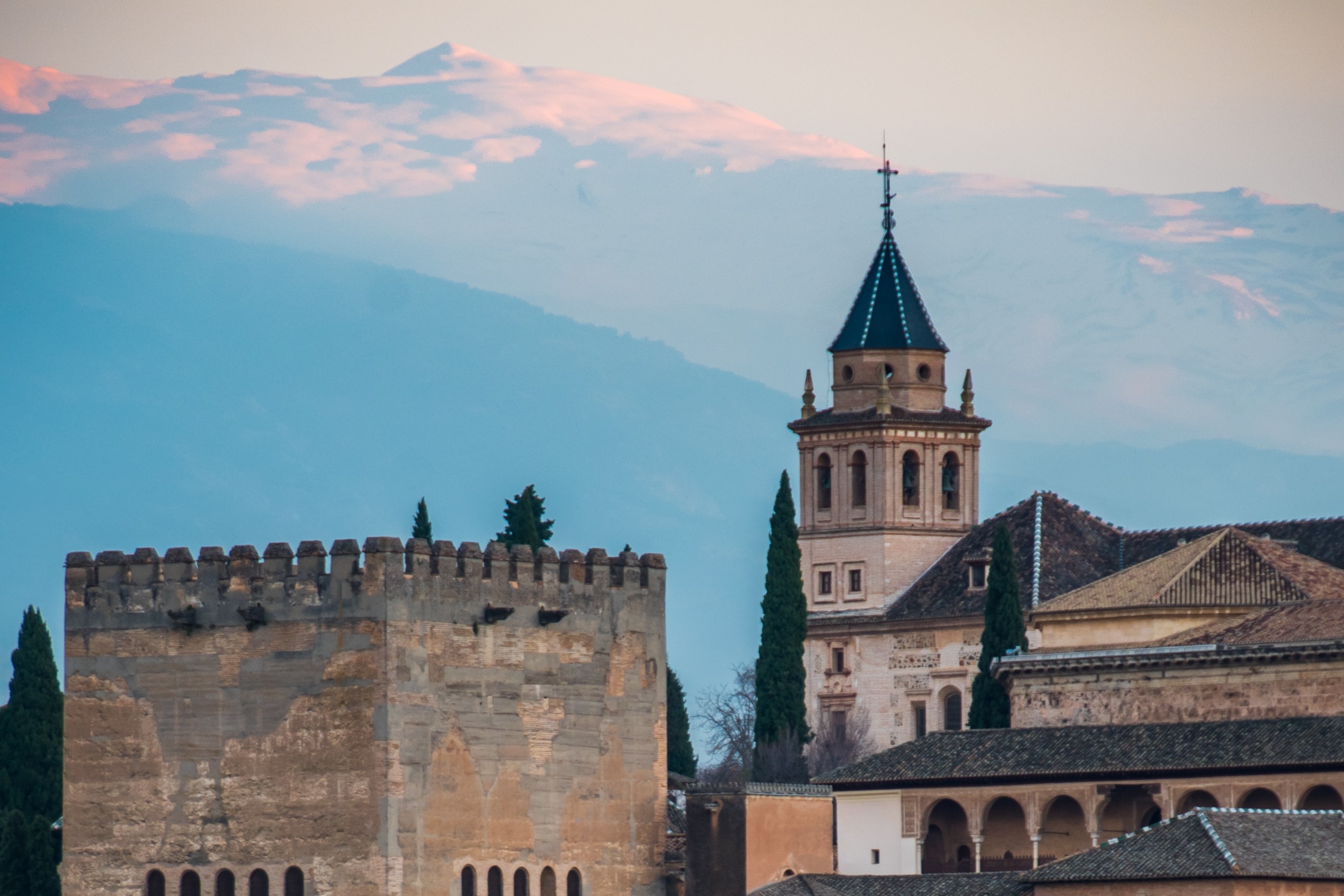
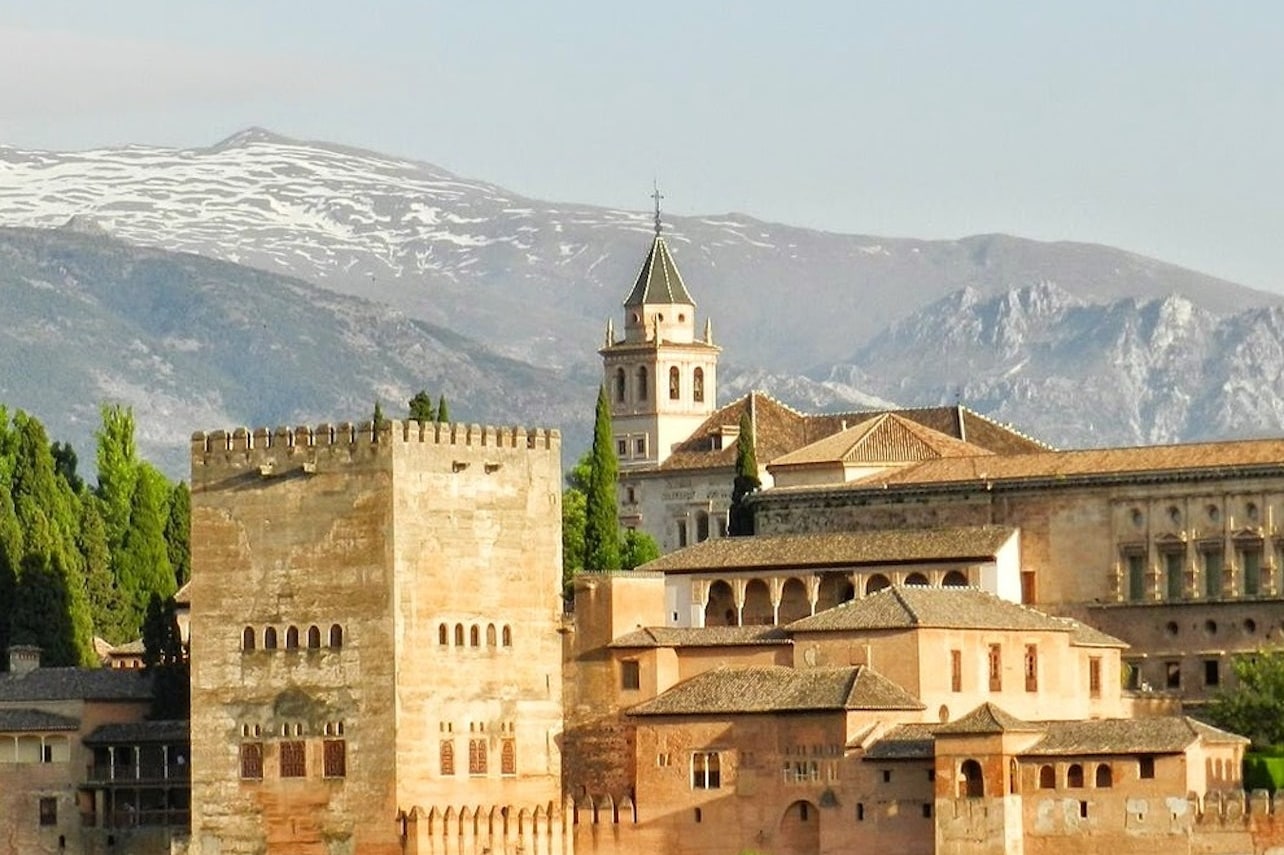
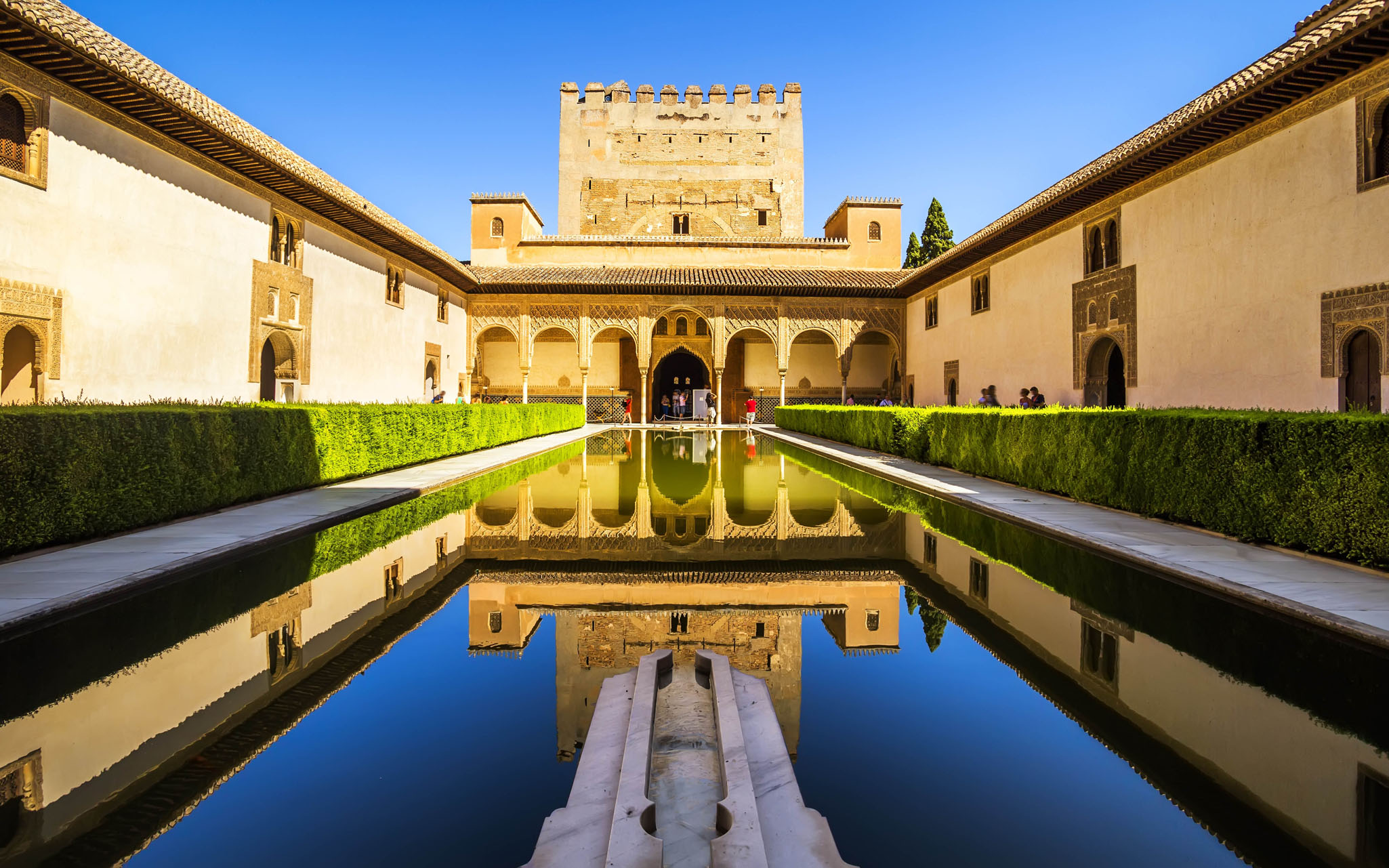
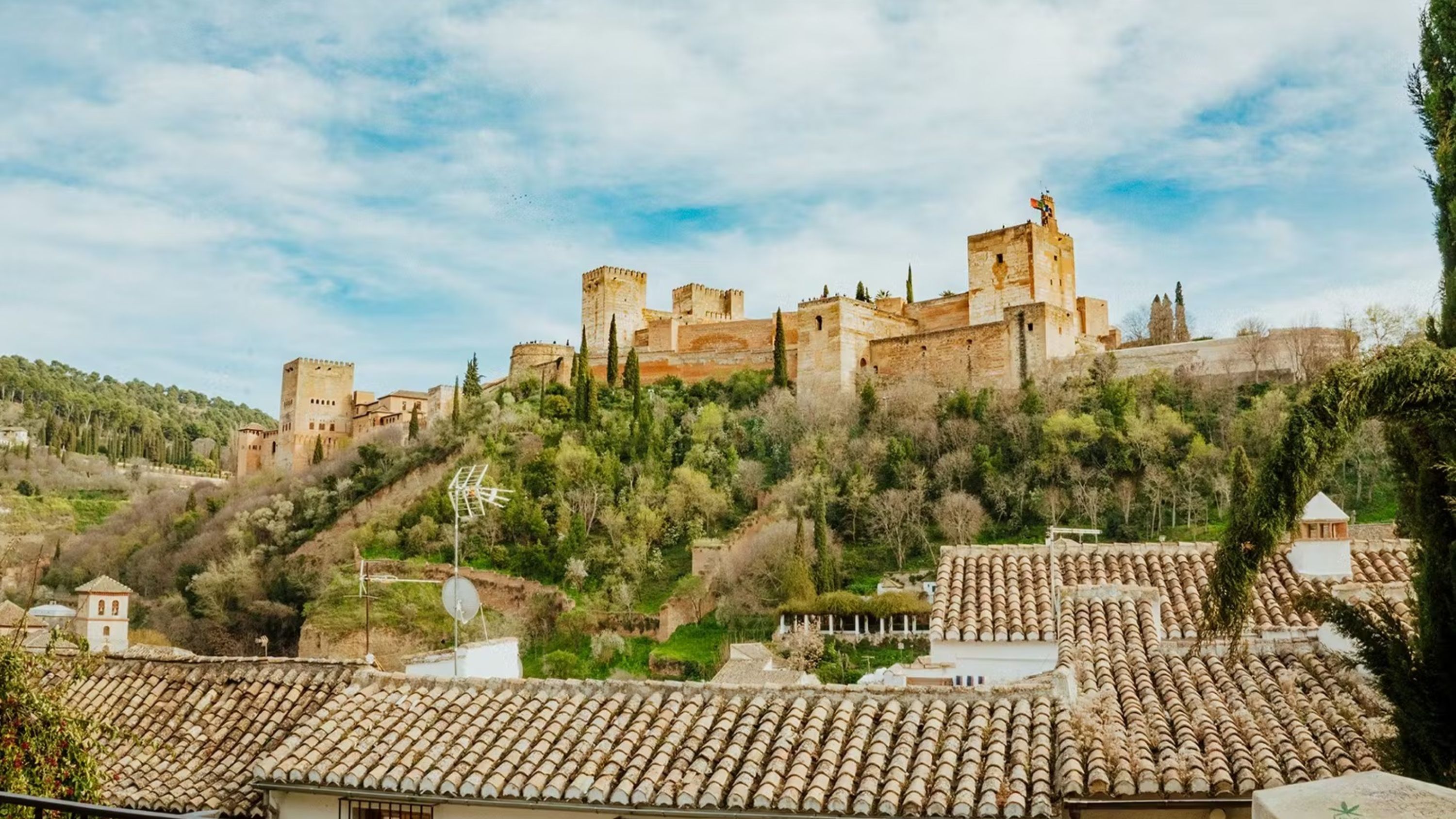
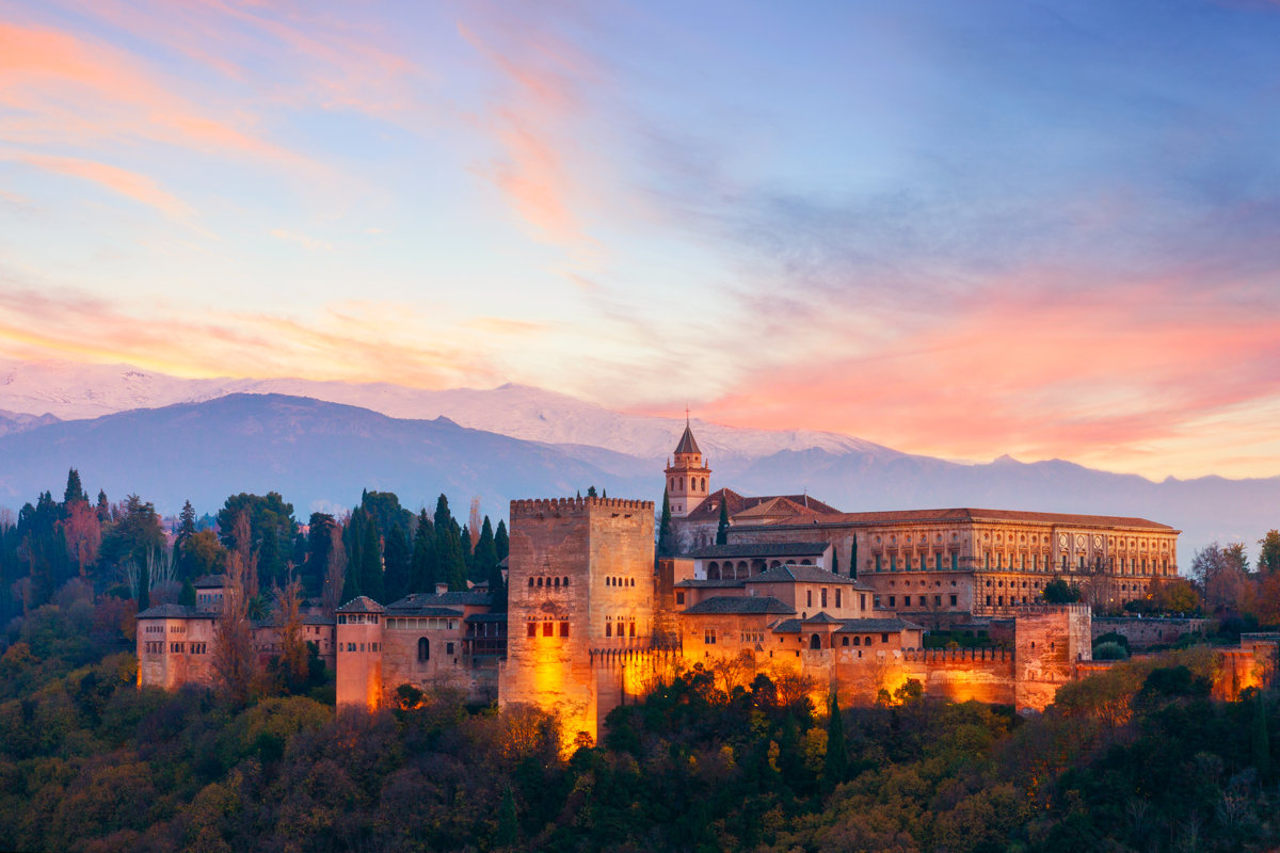
Get to know the surroundings of the Alhambra with an official guide. You'll discover one of the most visited sites in the world.
Available options
Alhambra Walking Tour
What's included
In groups of more than 7 PAX or more (Audio system)
Detailed itinerary
1
The Pillar of Charles V (Pilar de Carlos V), located in the grounds of the Alhambra in Granada, is a masterpiece of the Spanish Renaissance, more specifically of the Granada style.
2
The Gate of Justice (Bab al-Sharia in Arabic, or Gate of the Esplanade) is one of the most important and monumental entrances to the Alhambra complex in Granada, a true icon of Nasrid architecture.
3
The Wine Gate is one of the oldest and most notable buildings in the Alhambra, notable for its central location and rich decoration, which marks the transition between the military zone (the Alcazaba) and the palatine zone (the Medina).
4
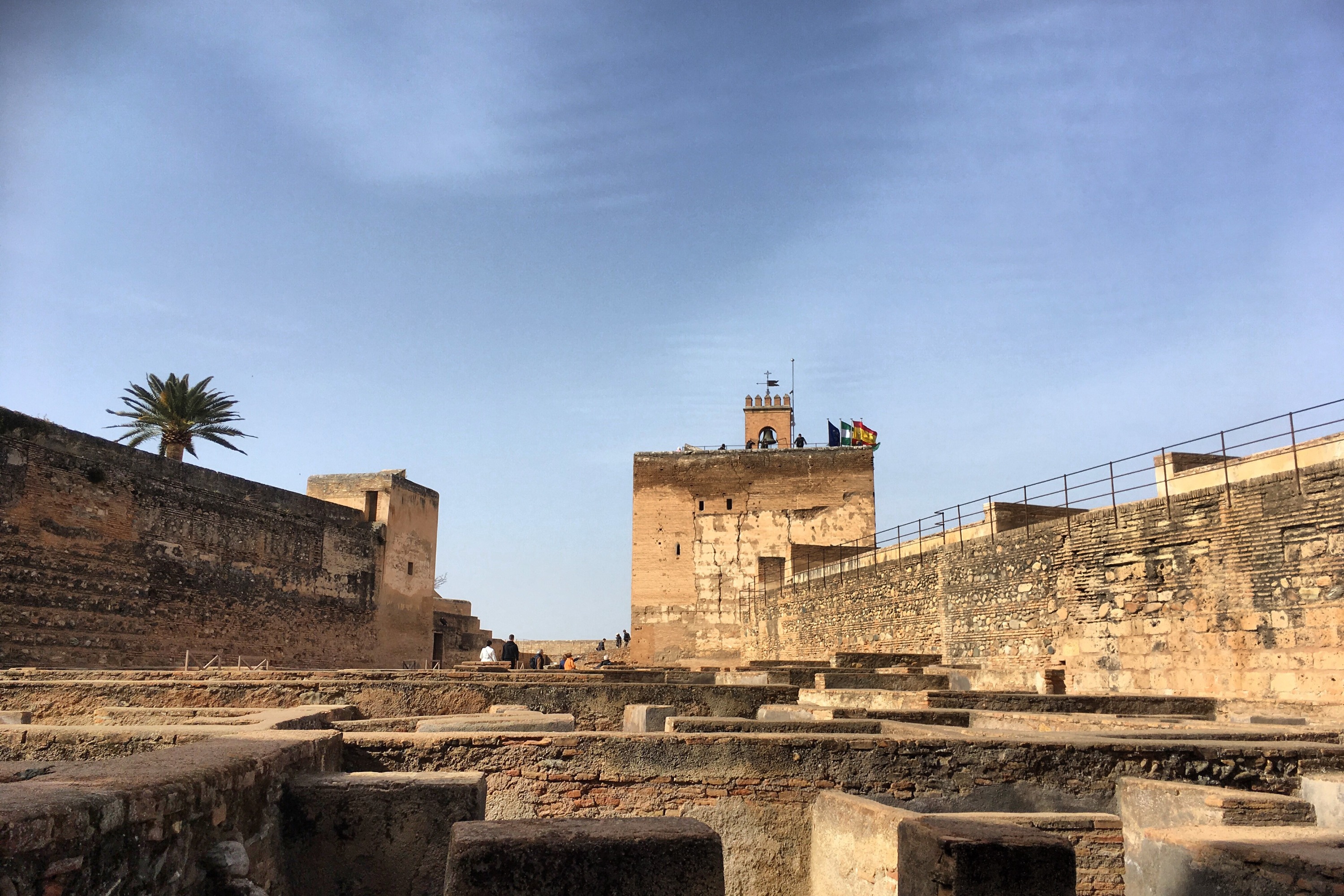
The Plaza de los Aljibes is located at the foot of the Alcazaba and is one of the focal points of the Alhambra, serving as a viewing point from which to contemplate the Albaicín and Sacromonte neighborhoods, both declared World Heritage Sites by UNESCO.
5
Stop 5
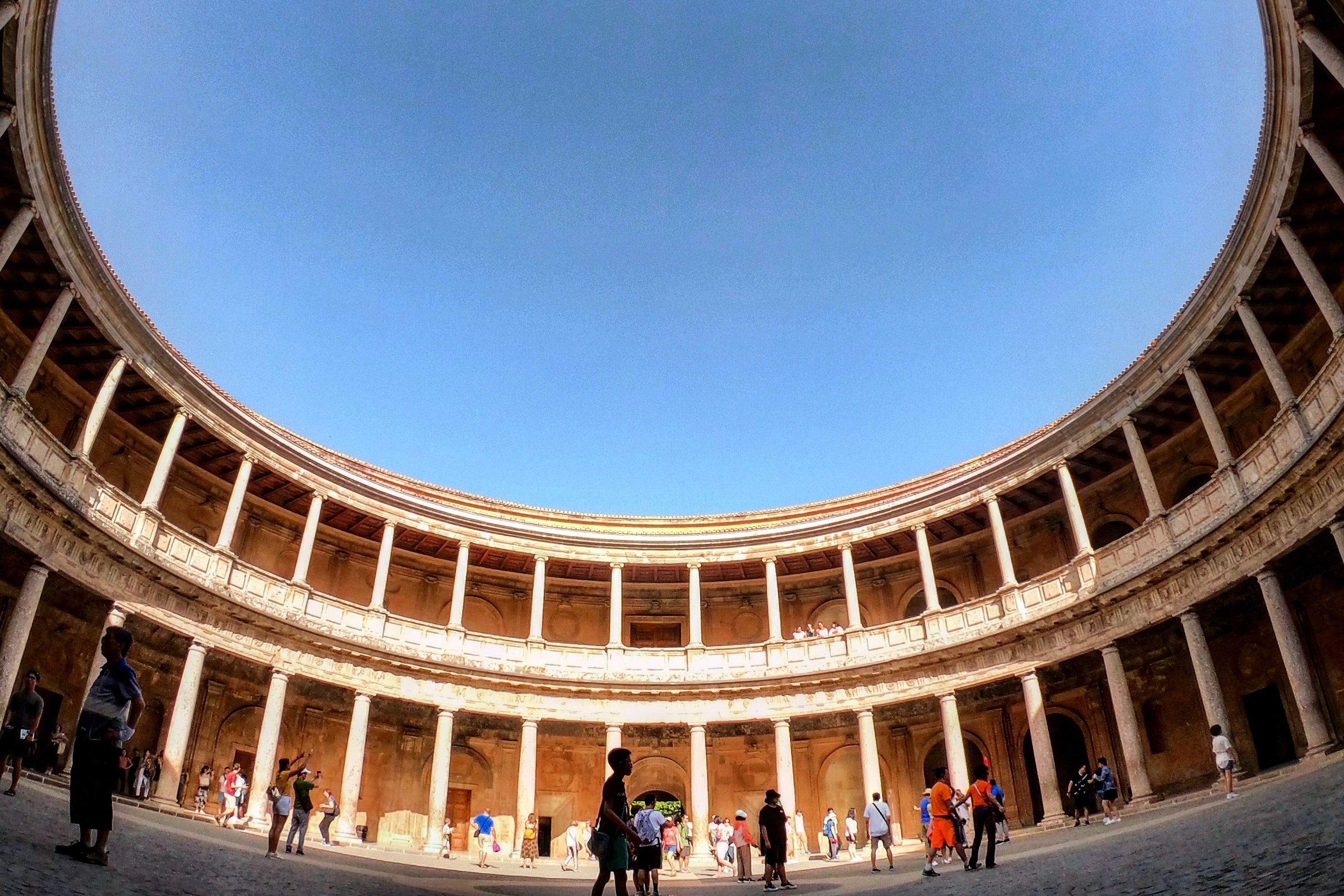
The Palace of Charles V is one of the most emblematic and, at the same time, most striking buildings within the monumental complex of the Alhambra in Granada.
This Renaissance palace, commissioned by Emperor Charles V (Charles I of Spain) after his visit in 1526, is famous for its unique architecture.
6
Its main unique feature is that it was built on the foundations of the Great Mosque of the Alhambra, the main temple of the Nasrid medina.
(Under availability)
7
The Polinario Bath, also known as the Bath of Mohammed III or the Bath of the Mosque, is a historic Arab bath (hammam) that is part of the Medina of the Alhambra.
(Under availability)
8
The Alhambra Forest, also known as the Alhambra Forest Walk, is the large green space that surrounds and accompanies the climb to the hill where the Nasrid monument stands.
The Bib Rambla Gate (Puerta del Arenal) was part of Granada's wall and was one of the main gateways into the city from the large suburb where markets and jousts were held (present-day Plaza de Bib-Rambla). Its nickname, the "Arch of the Ears," is due to the custom of displaying the amputated limbs of criminals there.
Demolition: At the end of the 19th century (1884), the gate was demolished by the City Council, despite opposition from intellectuals who sought to protect it.
Reconstruction: Its remains were preserved and, decades later, between 1933 and 1935, the Alhambra's restoration architect, Leopoldo Torres Balbás, rebuilt it stone by stone in its current location, integrated into the Alhambra Forest.
9
Nasrid Period: The land was originally known as "Campo de Abahul" or "Corral de los Cautivos," used by the Arabs to imprison Christian prisoners who, according to tradition, suffered martyrdom there. Its name derives from this past. Furthermore, underground silos existed, used to store supplies for the Alhambra.
Covering more than 7 hectares, the gardens are a magnificent example of 19th-century Romantic gardening, blending various influences:
·French Garden (Baroque)
·English Garden also known as the Palm Garden.
·The Orchard: Restored to respect the mix of species that would have shaped monastic life, including horticultural, medicinal, and aromatic plants.
·The Lake Island
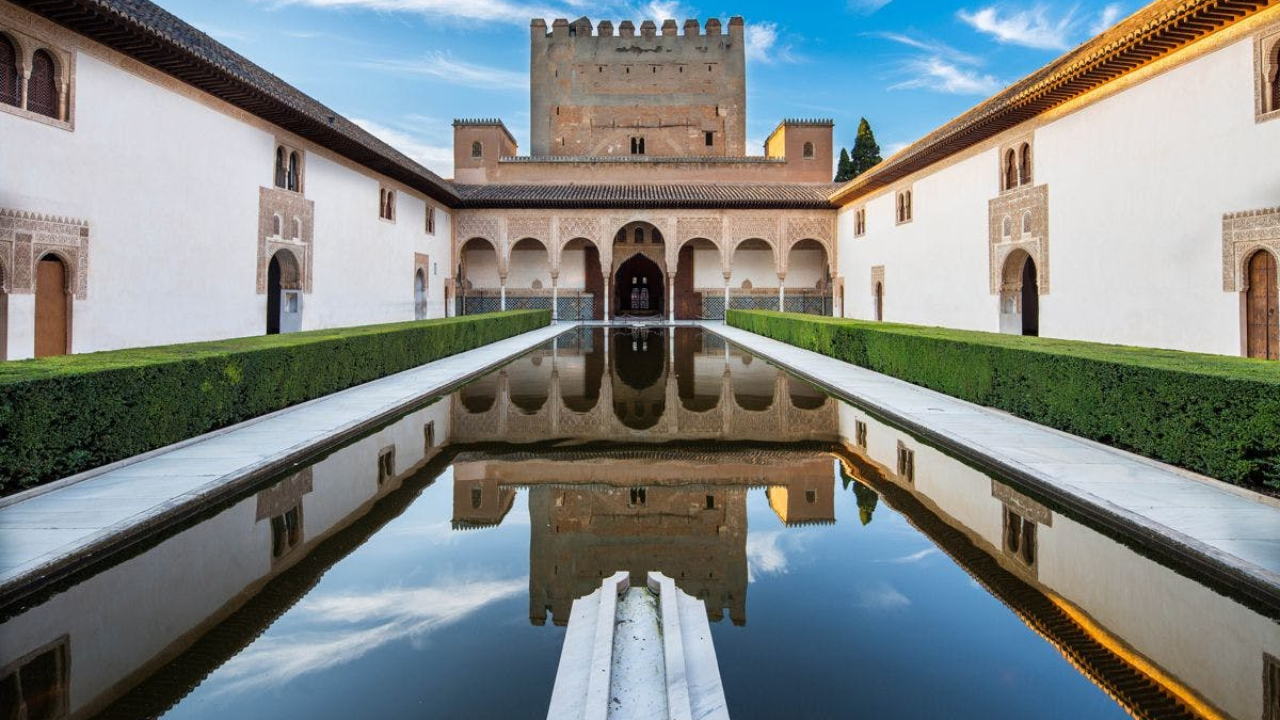
·Nasrid Patio: Typical elements of Arabic gardening, with a long pond inspired by the Patio de la Acequia in the Generalife.
***Except event days
Available languages
Guide guide
EN
Important information
Infants and small children can ride in a pram or stroller
Service animals allowed
Public transportation options are available nearby
Suitable for all physical fitness levels
Meeting point
You can reach the meeting point (Puerta de la Justicia/Justice Gate) on foot, by taxi, or by bus (lines C31 and C32). The accredited guide will be waiting for you at the agreed time in front of the Puerta de la Justicia/Justice Gate.
About Granada
Granada is a city in southern Spain known for its rich Moorish heritage, stunning architecture, and vibrant cultural scene. It is home to the iconic Alhambra, a breathtaking palace and fortress complex that stands as a testament to the city's historical significance and architectural brilliance.
Top Attractions
Alhambra
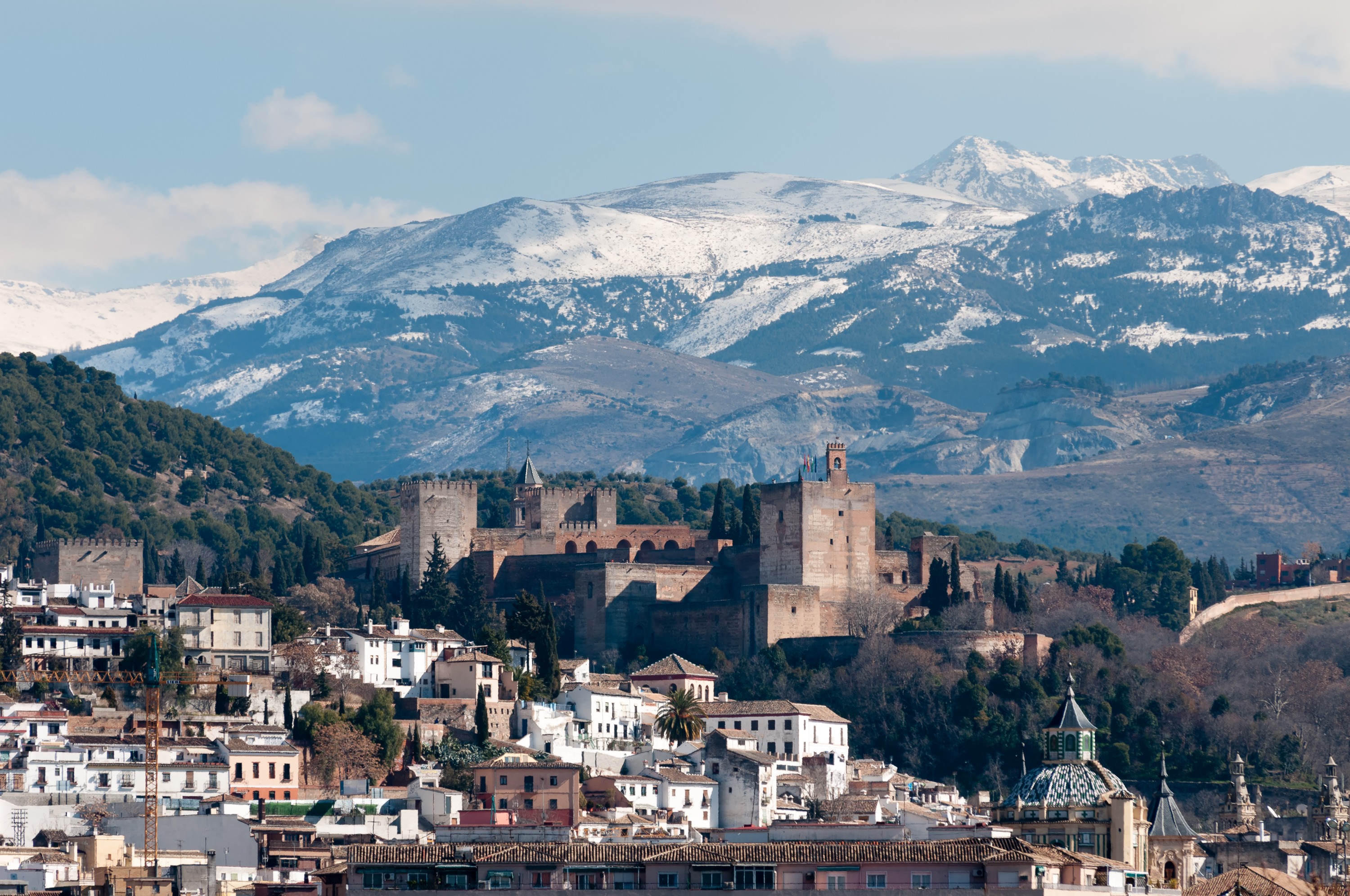
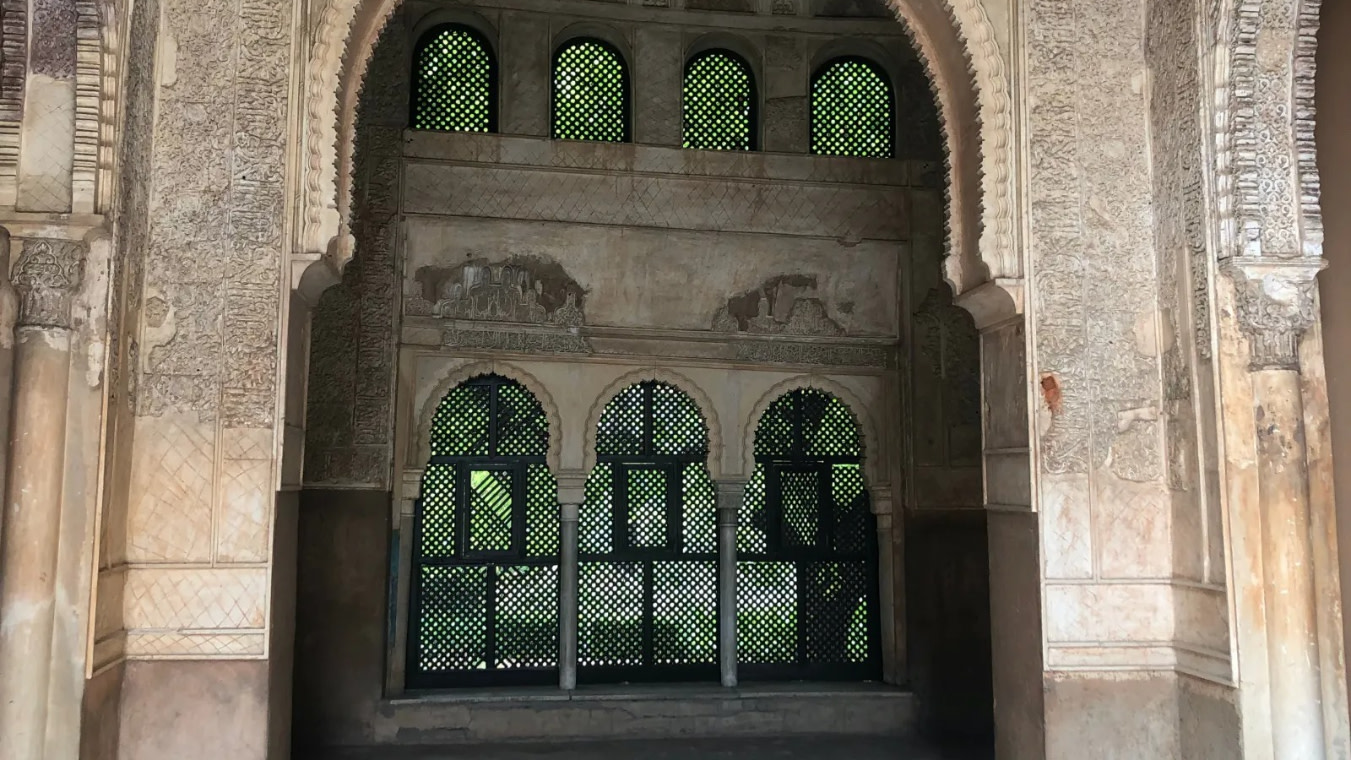
The Alhambra is a stunning palace and fortress complex that stands as a testament to the Moorish heritage of Granada. It is one of the most visited monuments in Spain and a UNESCO World Heritage Site.
Historical/Architecture
3-4 hours
€14-€27
Albaicín
Albaicín is a historic Moorish district known for its narrow, winding streets, whitewashed houses, and stunning views of the Alhambra. It is a UNESCO World Heritage Site and a must-visit for its unique charm and cultural significance.
Historical/Cultural
2-3 hours
Free to explore
Sacromonte
Sacromonte is a gypsy quarter known for its cave houses, flamenco performances, and rich cultural heritage. It offers a unique glimpse into the traditional way of life in Granada.
Cultural/Historical
1-2 hours
Free to explore, flamenco shows vary in price
Cathedral of Granada
The Cathedral of Granada is a stunning example of Renaissance and Baroque architecture. It is one of the most important religious buildings in Spain and a must-visit for its historical and architectural significance.
Religious/Architecture
1-2 hours
€5
Granada Science Park
The Granada Science Park is an interactive science museum that offers a fun and educational experience for visitors of all ages. It features a planetarium, aquarium, and various interactive exhibits.
Museum/Science
2-3 hours
€6-€12
Must-Try Local Dishes
Tapa
A small dish typically served with drinks, often free with the purchase of a beverage. Common tapas include olives, cheese, ham, and seafood.
Appetizer
Vegetarian and non-vegetarian options available
Gazpacho
A cold soup made from tomatoes, cucumbers, bell peppers, garlic, and olive oil. It is refreshing and perfect for hot summer days.
Soup
Vegetarian and vegan-friendly
Salmorejo
A thick, cold soup made from tomatoes, bread, garlic, and olive oil, often topped with ham and hard-boiled eggs.
Soup
Vegetarian option available (without ham and eggs)
Plato Alpujarreño
A traditional dish from the Alpujarras region, featuring a variety of meats (such as ham, sausage, and pork), potatoes, eggs, and sometimes blood sausage.
Main Course
Contains meat and pork products
Popular Activities
Hiking in Sierra Nevada
Rock climbing
Mountain biking
Beach relaxation in Nerja
Spa treatments
Strolling through Albaicín
Visiting the Alhambra
Exploring Albaicín and Sacromonte
Best Time to Visit
March to May, September to November
This is the best time to visit Granada as the weather is pleasant, and the city is not overly crowded. It's perfect for exploring the outdoors and visiting the Alhambra.
15-30°C
59-86°F
Practical Information
Language
- Official: Spanish
- Widely spoken: English (in tourist areas)
- English: Moderately spoken in tourist areas, limited in other places
Currency
Euro (EUR)
Time Zone
GMT+1 (CET), GMT+2 (CEST) during daylight saving time
Electricity
230VV, 50HzHz
Safety Information
Overall Safety Rating: Generally safe
Granada is generally safe for travelers, but common sense and basic precautions should be taken to ensure a safe and enjoyable trip.
Important Precautions:
- • Be cautious of pickpockets in crowded areas, such as markets and tourist attractions
- • Use official taxi stands or ride-hailing apps to avoid overcharging
- • Be wary of distractions and common scams, such as fake petitions or spilled drinks
Getting there
By air
- Federico García Lorca Granada-Jaén Airport • 15 km from city center
By train
Granada Station
By bus
Granada Bus Station
Getting around
Public transport
The bus network is efficient and covers most of the city. Buses are a cost-effective way to get around.
Taxis
Available • Apps: Cabify, Uber
Rentals
Car, Bike, Scooter
Neighborhoods
Albaicín
Sacromonte
Realejo
Alaycín
Day trips
Alpujarras
70 km from Granada • Full day
The Alpujarras is a picturesque region in the Sierra Nevada mountains, known for its white villages, terraced landscapes, and traditional way of life. It offers a unique glimpse into rural Andalusian culture and stunning natural beauty.
Sierra Nevada
30 km from Granada • Full day
Sierra Nevada is a stunning mountain range offering year-round outdoor activities, including skiing in the winter and hiking in the summer. The area is also home to the famous Pradollano ski resort.
Nerja
50 km from Granada • Half day to full day
Nerja is a charming coastal town known for its beautiful beaches, clear waters, and the famous Balcón de Europa, a scenic viewpoint overlooking the Mediterranean Sea.
Festivals
Feria de Granada • August (dates vary)
Semana Santa (Holy Week) • March or April (dates vary)
Corpus Christi • May or June (dates vary)
Pro tips
- Book tickets for the Alhambra well in advance, as they sell out quickly
- Explore the city's historic neighborhoods on foot to discover hidden gems and charming streets
- Take advantage of the free tapas tradition by trying different bars and restaurants
- Visit the Alhambra early in the morning or late in the afternoon to avoid crowds and heat
- Learn a few basic Spanish phrases to enhance your interactions with locals and immerse yourself in the culture
From $25
per person
Price varies by option
Secure booking
Free cancellation available
Instant confirmation