London Churchill & World War 2 Walking Tour
Active
2h - 3h
For a full refund, cancel at least 24 hours before the scheduled departure time.
Instant confirmation
Mobile or paper ticket accepted
About this experience
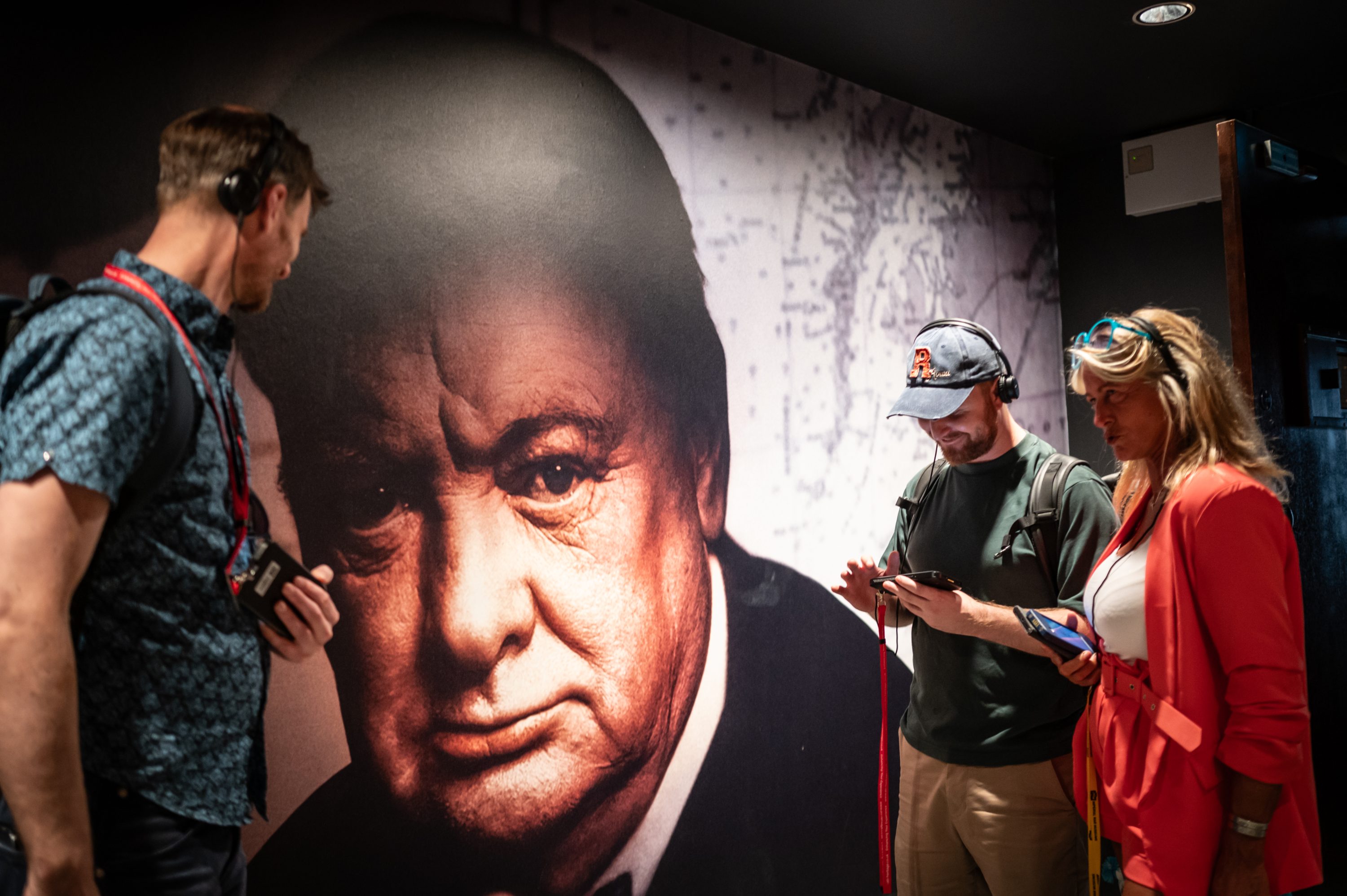
Discover the life of Winston Churchill, Britain’s greatest wartime leader, while exploring London’s rich World War II history.
This Churchill & World War II tour includes landmarks like Downing Street, Churchill’s wartime headquarters, and the Ministry of Defence, where pivotal military decisions were made. Visit the Battle of Britain Memorial, honouring the pilots who safeguarded Britain from invasion, and St Margaret’s Church, where Churchill married Clementine Hozier.
Admire the Churchill statue overlooking Big Ben symbolizing his enduring legacy. Pay respects at the Cenotaph, Britain’s key war memorial, and the Women of World War II Memorial, celebrating women’s vital wartime contributions.
Along the way, see Churchill’s favourite pub, learning about his personal side and love for London’s traditions. The tour concludes outside the Churchill War Rooms, where you can delve deeper into the life and strategies of this legendary leader in his historic underground bunker.
Available options
London Churchill & World War 2 Walking Tour
What's included
Knowledgeable tour guide from an award-winning tour company
Guided walking tour on Winston Churchill and World War 2 in London
Detailed itinerary
1
Stop 1
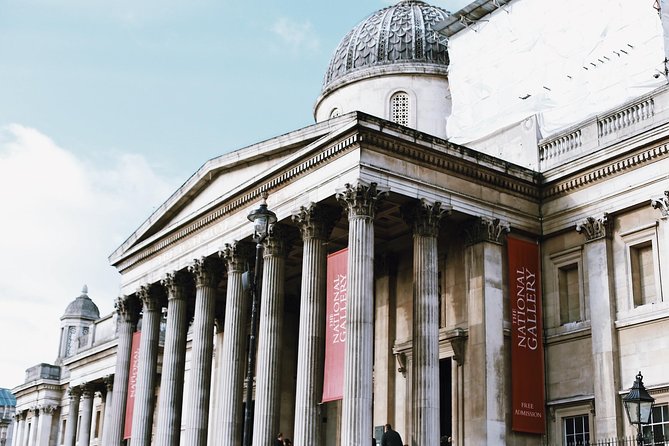
Entry Tickets Not Included. The Churchill War Rooms are a historic underground complex used as the nerve centre of British operations during World War II. This secret bunker housed Prime Minister Winston Churchill and his staff, safeguarding them from bombings. Visitors explore preserved rooms, including the Map Room and Churchill’s personal quarters, gaining insight into wartime strategies. Operated by the Imperial War Museum, it showcases resilience and leadership during Britain’s darkest hours.
2
Stop 2
Downing Street, notably Number 10, is the official residence and office of Britain's Prime Ministers, including Winston Churchill during his leadership. Serving as the hub of wartime decision-making, it was where Churchill directed key strategies, addressed the nation, and held vital meetings. Despite frequent air raids during World War II, Churchill famously worked there, symbolizing steadfast leadership. Today, it stands as a historic landmark tied closely to his legacy.
3
The Winston Churchill statue in Parliament Square honours Britain’s iconic wartime leader. Sculpted by Ivor Roberts-Jones and unveiled in 1973, the bronze figure depicts Churchill in a determined pose, clad in a military overcoat, leaning on his cane. Positioned near the Houses of Parliament, it symbolizes his pivotal role in defending democracy during World War II. The statue remains a powerful tribute to his leadership and enduring legacy.
4
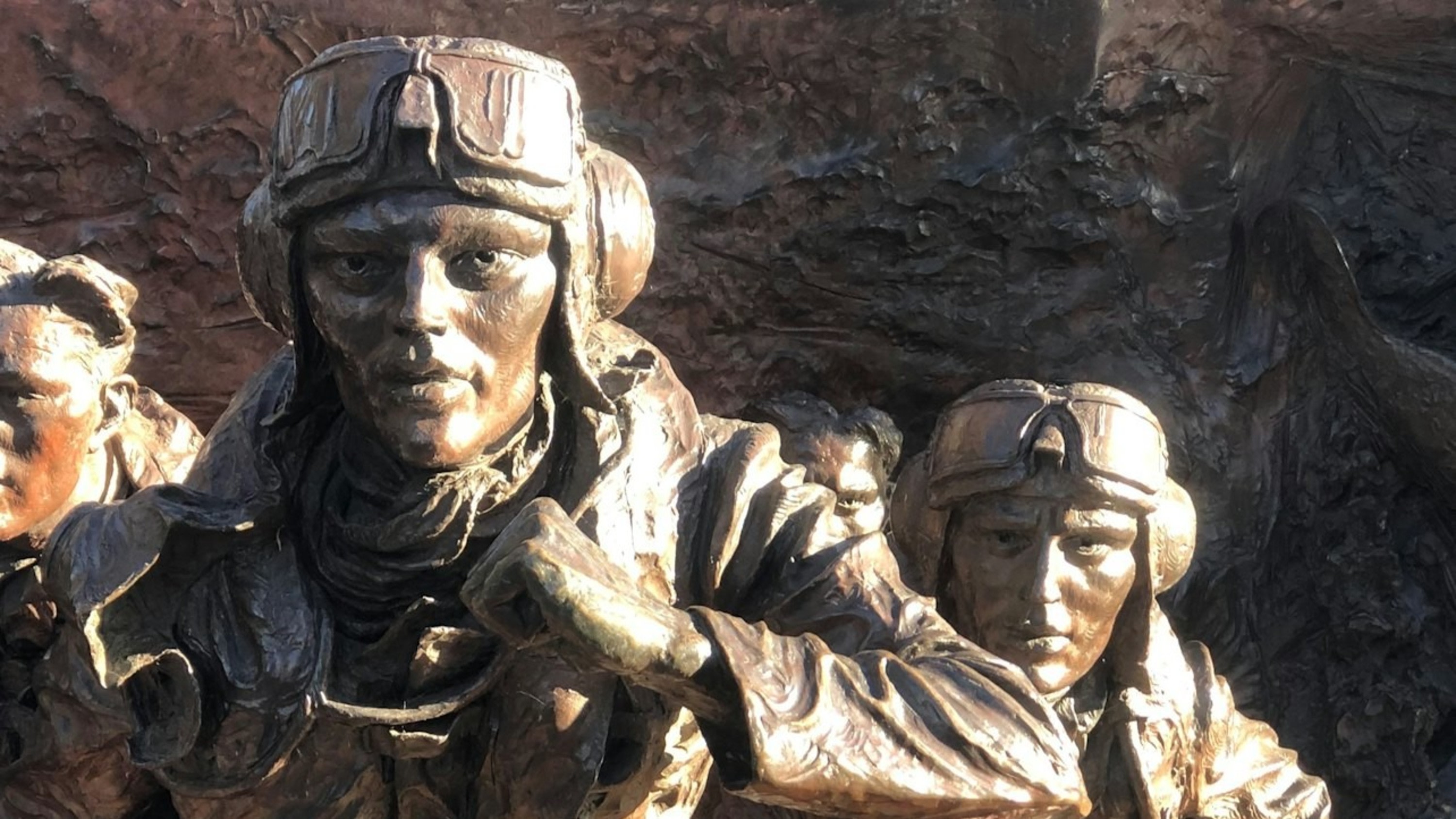
The Battle of Britain Memorial commemorates the bravery of "The Few"—Royal Air Force pilots who defended Britain during World War II’s pivotal air campaign. Unveiled in 2005, the bronze monument features a detailed frieze depicting scenes from the battle, alongside the names of airmen who served. It stands as a lasting tribute to their courage and sacrifice, safeguarding Britain’s skies against Nazi forces.
5
Stop 5
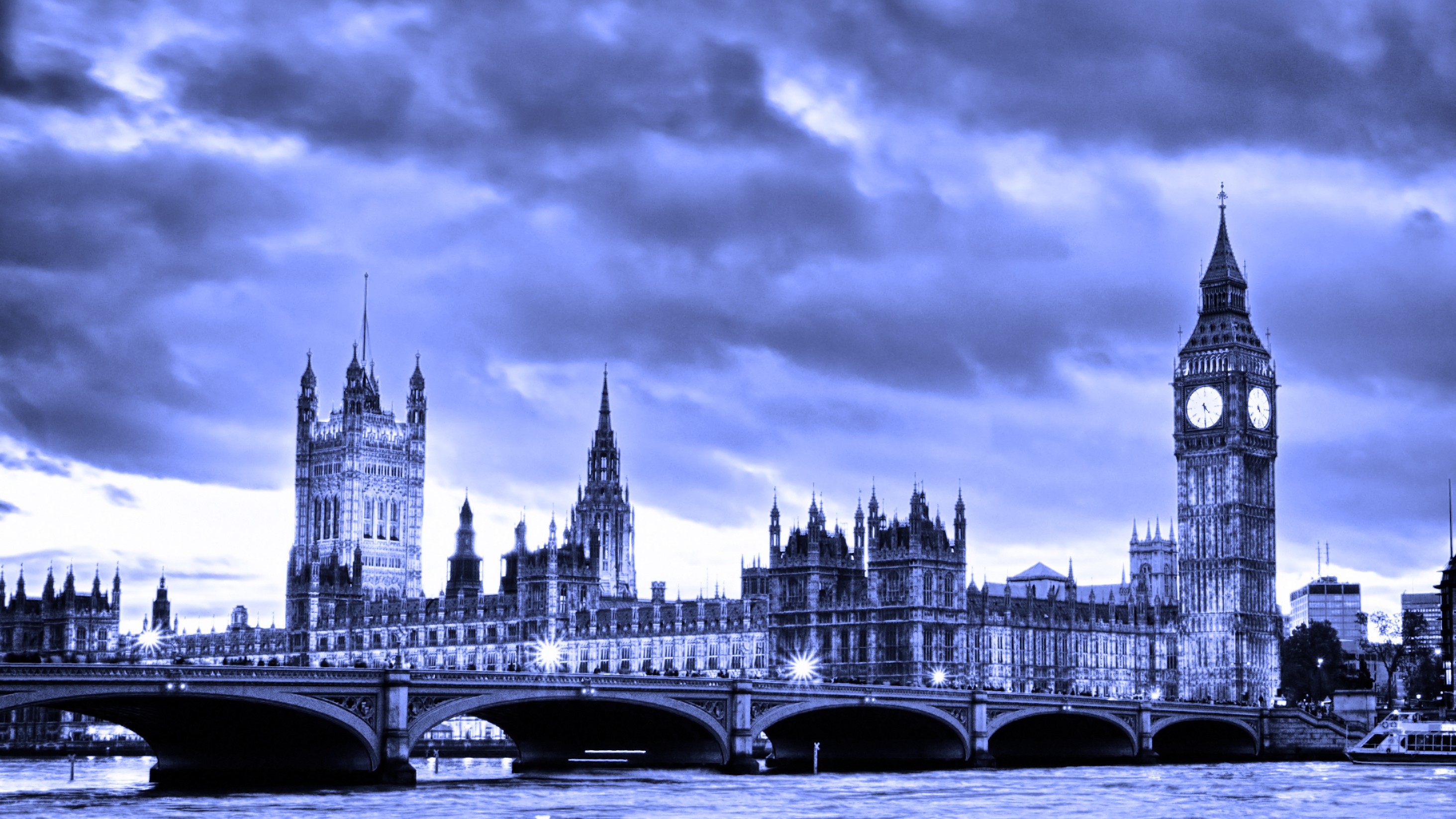
The Houses of Parliament played a crucial role during World War II. Despite being targeted in air raids, including significant damage to the Commons chamber in 1941, parliamentary sessions continued, embodying resilience. Winston Churchill delivered some of his most iconic wartime speeches there, rallying the nation. The building’s survival and continued operation during the war symbolized Britain’s steadfast commitment to democracy and defiance against tyranny.
6
The Women of World War II Memorial honours the contributions of British women during the Second World War. Unveiled in 2005, it commemorates the often-overlooked roles women played in civil defense, military services, and wartime industries. The memorial features a bronze statue of a woman in overalls, representing the women who worked in essential roles. It stands as a tribute to their resilience and pivotal impact on the war effort.
7
Stop 7
The Cenotaph is a solemn war memorial dedicated to British and Commonwealth soldiers who died in both World Wars and later conflicts. Designed by Sir Edwin Lutyens and unveiled in 1920, it features a simple yet powerful design with inscriptions of war dead. Every year, the Remembrance Day ceremony on November 11 honours fallen soldiers, making the Cenotaph a symbol of national remembrance and sacrifice.
8
Stop 8
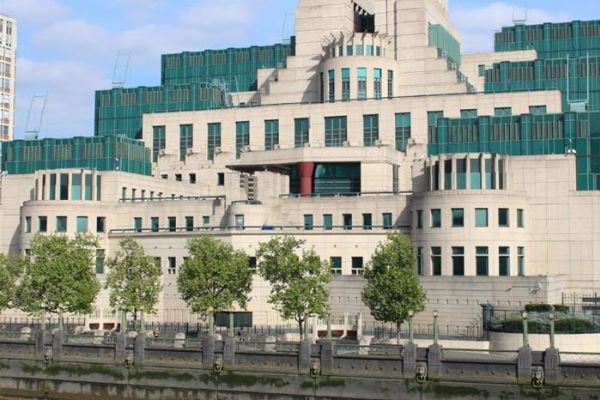
The Ministry of Defence (MOD) is the British government department responsible for national defense and military affairs. Located in Whitehall, London, it oversees the armed forces, coordinates defense policy, and ensures the country’s security. The MOD plays a vital role in shaping military strategy, defence procurement, and international defence relations. Its headquarters, housed in the historic Main Building, reflects its crucial position in safeguarding the United Kingdom and its global interests.
9
St Margaret’s Church holds a special connection to Winston Churchill as the site of his 1908 wedding to Clementine Hozier. Known as "the Church of the House of Commons," it has long been associated with parliamentary figures. This historic church, dating back to the 12th century, symbolizes Churchill’s personal life and his enduring ties to Britain’s political and spiritual heritage during his remarkable career.
10
The Treasury Building played a pivotal role during World War II as a key site for Britain's financial and wartime administration. It housed essential government departments coordinating the war economy, ensuring resources for military and civilian needs. Its basement served as an emergency hub, protecting officials during air raids. The building’s contributions to managing wartime finances and strategy were crucial to sustaining Britain’s resilience and supporting the Allied victory.
What's not included
Gratuities
Entry tickets to the Churchill War Rooms are not included
Available languages
Guide guide
EN
Reviews breakdown
Viator
5.0
1 reviews
5★
1
4★
0
3★
0
2★
0
1★
0
Tripadvisor
5.0
2 reviews
5★
2
4★
0
3★
0
2★
0
1★
0
Important information
Service animals allowed
Public transportation options are available nearby
Suitable for all physical fitness levels
This tour is not suitable for those with wheelchairs, walking difficulties or prams/buggys/strollers.
Meeting point
The tour starts at Embankment Station (Embankment Pier Exit). At the station please go to the 'Embankment Pier Exit'. On arrival look for your tour guide holding the yellow umbrella.
Important notes
The tour starts at Embankment Station (Embankment Pier Exit). At the station please go to the 'Embankment Pier Exit'. On arrival look for your tour guide holding the yellow umbrella.
- Running Late? If you run late for your tour please send a Whatsapp message to +447308255451 and our team will reply as soon as possible. Do not call this number.
About London
London, the capital of England and the United Kingdom, is a vibrant, multicultural metropolis known for its rich history, iconic landmarks, and dynamic cultural scene. From the ancient Tower of London to the modern Shard, the city offers a blend of the old and the new, making it a fascinating destination for travelers from around the world.
Top Attractions
Tower of London
A historic castle located on the north bank of the River Thames. It has served as a royal palace, prison, armory, and treasury. The Crown Jewels are also housed here.
Historical
2-3 hours
£28 (adult ticket)
Buckingham Palace
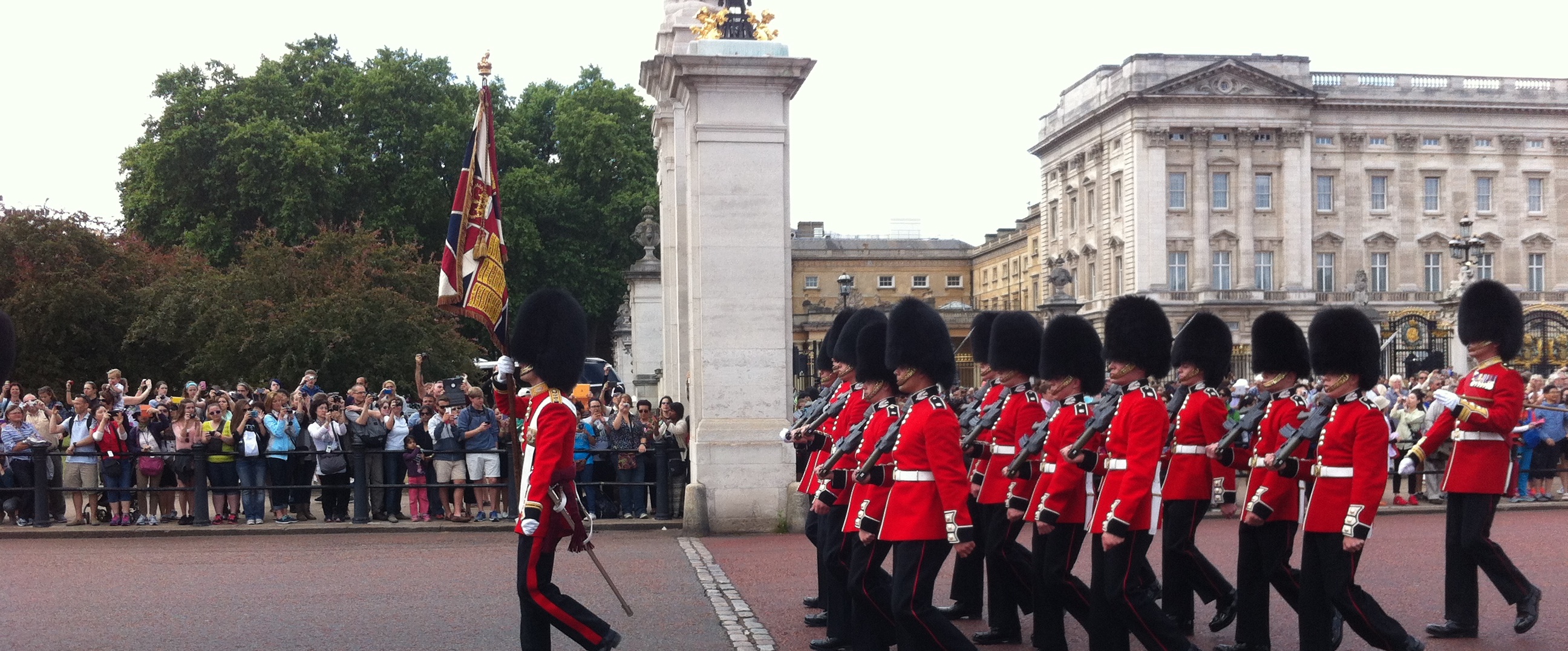
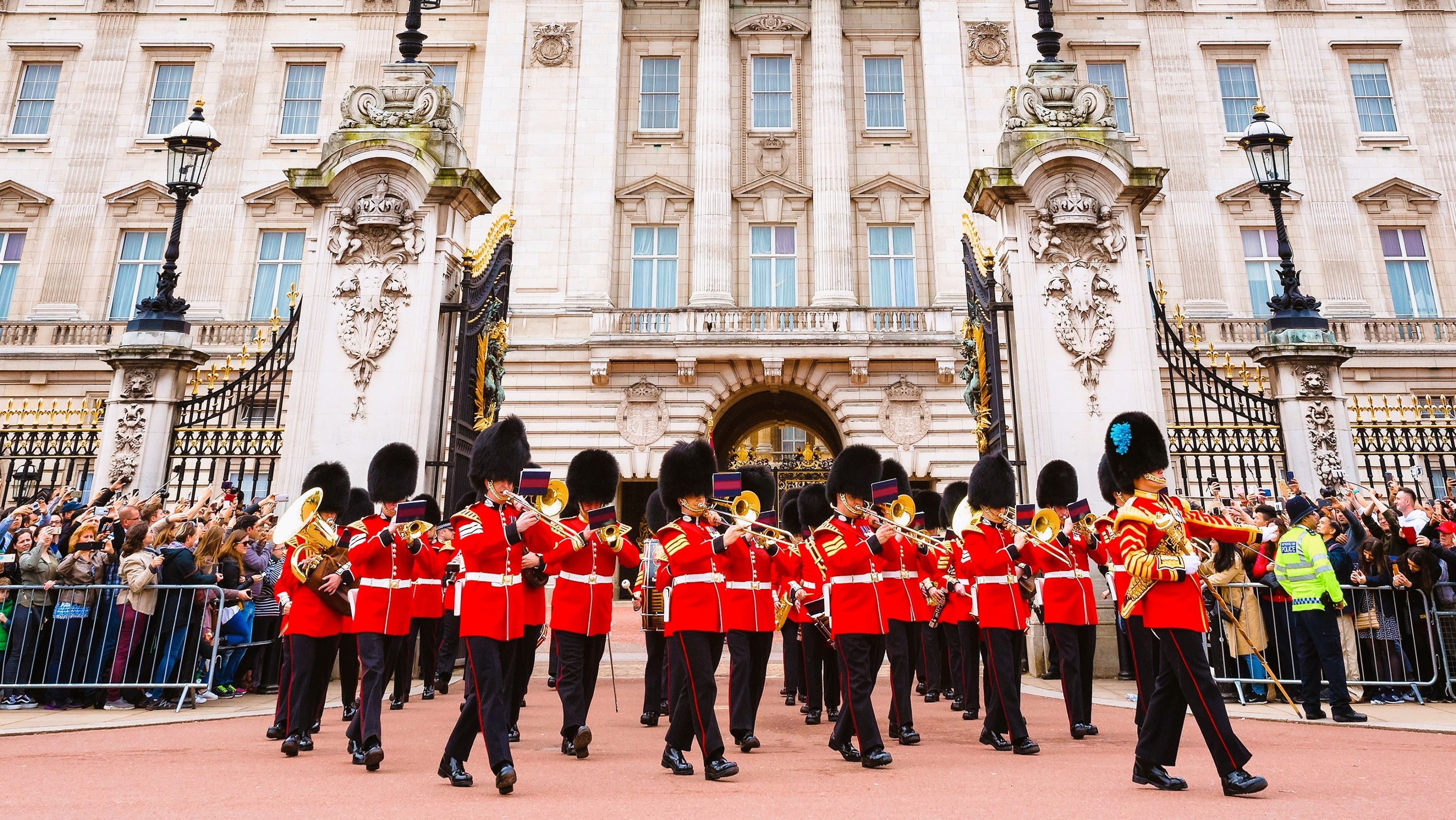
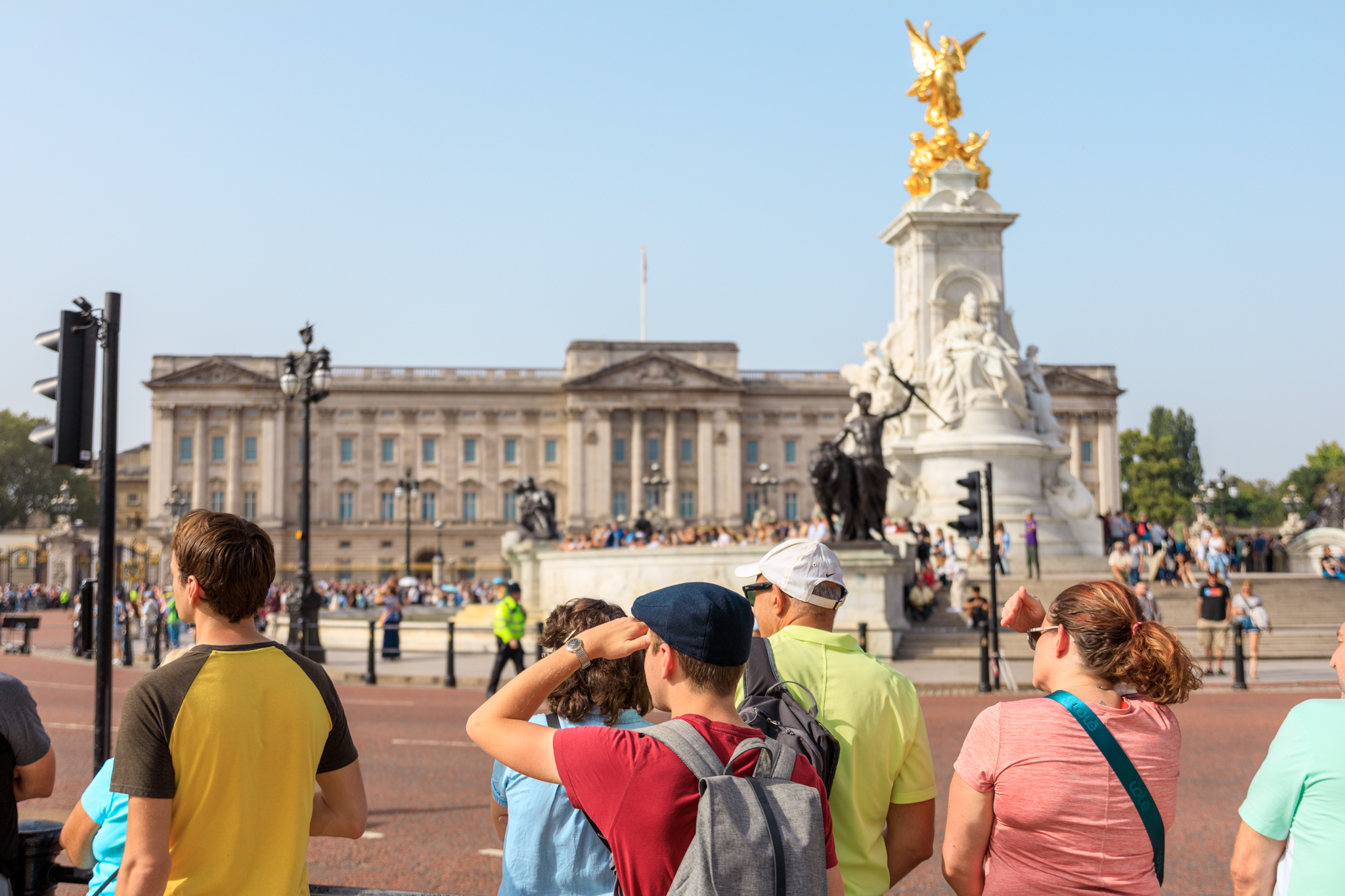
The official residence of the British monarch. Visitors can watch the Changing of the Guard ceremony and tour the State Rooms during the summer.
Historical
1-2 hours
£27.50 (adult ticket for State Rooms)
The British Museum
One of the world's largest and most comprehensive museums, housing a vast collection of artifacts from around the globe.
Museum
2-3 hours
Free (special exhibitions may have a charge)
The London Eye
A giant Ferris wheel on the South Bank of the River Thames, offering panoramic views of the city.
Entertainment
30 minutes
£27-£33 (adult ticket)
Westminster Abbey
A large, mainly Gothic abbey church just to the west of the Palace of Westminster. It is one of the most notable religious buildings in the UK and the traditional place of coronation and burial for English and, later, British monarchs.
Religious
1-2 hours
£27 (adult ticket)
Tower Bridge
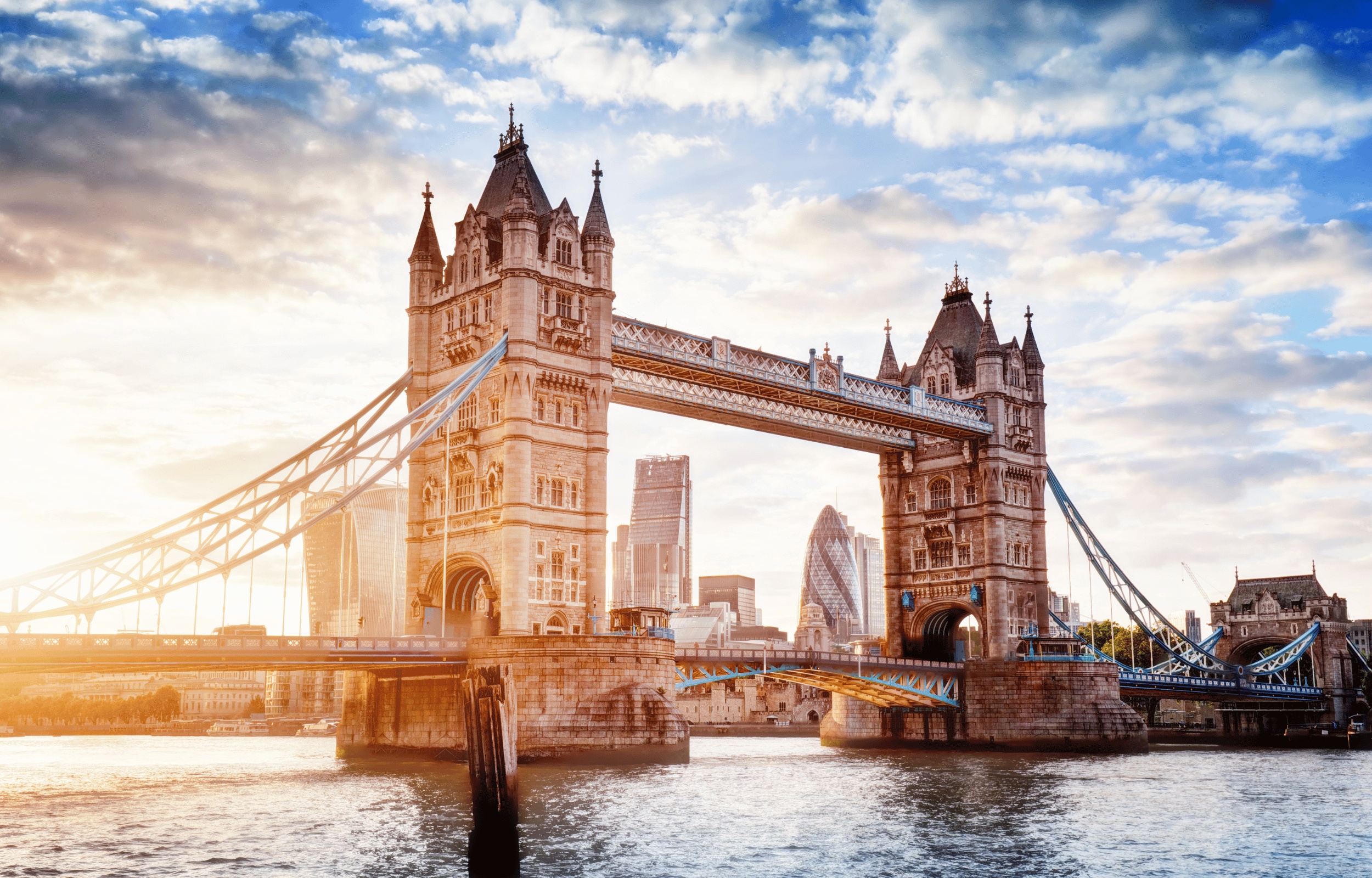
An iconic symbol of London, this combined bascule and suspension bridge spans the River Thames. Visitors can explore the bridge's walkways and the Tower Bridge Exhibition.
Architecture
1-2 hours
£11 (adult ticket for the exhibition)
Must-Try Local Dishes
Fish and Chips
A classic British dish consisting of battered and fried fish, usually cod or haddock, served with thick-cut chips (fries).
Dinner
Contains gluten and fish
Full English Breakfast
A hearty breakfast consisting of eggs, bacon, sausages, baked beans, grilled tomatoes, mushrooms, black pudding, and toast.
Breakfast
Contains meat and gluten
Afternoon Tea
A quintessential British tradition involving a selection of finger sandwiches, scones with clotted cream and jam, and a variety of pastries, all served with tea.
Snack
Can be adapted for vegetarian, vegan, and gluten-free diets
Sunday Roast
A traditional British meal served on Sundays, featuring roasted meat (usually beef, lamb, or chicken), Yorkshire pudding, roast potatoes, vegetables, and gravy.
Dinner
Contains meat and gluten
Popular Activities
Rock climbing
Kayaking on the Thames
Cycling tours
Afternoon tea
Spas and wellness centers
Punting on the River Cam
Museum visits
Theater performances
Best Time to Visit
June to August
Summer is the peak tourist season in London, with long daylight hours and a variety of festivals and events. The weather is generally pleasant, though it can be unpredictable.
15°C to 25°C
59°F to 77°F
Practical Information
Language
- Official: English
- Widely spoken: English
- English: Widely spoken
Currency
British Pound (GBP)
Time Zone
GMT (UTC+0) or BST (UTC+1) during daylight saving time
Electricity
230VV, 50HzHz
Safety Information
Overall Safety Rating: Generally safe
London is generally safe for travelers, but like any major city, it's important to be aware of your surroundings and take precautions to protect yourself and your belongings.
Important Precautions:
- • Keep your belongings secure and be aware of your surroundings
- • Avoid carrying large amounts of cash
- • Use licensed taxis or ride-sharing services
Getting there
By air
- Heathrow Airport • 23 km from city center
- Gatwick Airport • 40 km from city center
By train
London Waterloo, London King's Cross
By bus
Victoria Coach Station, Earls Court, Farringdon
Getting around
Public transport
The Tube is the fastest and most efficient way to get around London. It operates from early morning until late at night and covers all major attractions.
Taxis
Available • Apps: Uber, Bolt
Rentals
Car, Bike, Scooter
Neighborhoods
Westminster
Camden Town
Soho
Notting Hill
Shoreditch
Greenwich
Day trips
Windsor Castle
34 km from London • Half day to full day
Windsor Castle is the oldest and largest occupied castle in the world, and it's one of the official residences of the British monarch.
Stonehenge
130 km from London • Full day
Stonehenge is a prehistoric monument consisting of a ring of standing stones, located in the English county of Wiltshire.
Brighton
80 km from London • Full day
Brighton is a vibrant coastal city known for its beaches, lively atmosphere, and eclectic mix of shops, restaurants, and attractions.
Festivals
Notting Hill Carnival • Last Sunday and Monday of August
London Film Festival • October
New Year's Eve Fireworks • December 31
Pro tips
- Use an Oyster card or contactless payment for cheaper and more convenient public transportation
- Book tickets in advance for popular attractions to skip the queue and save money
- Explore the city's neighborhoods and markets for a unique and authentic experience
- Try the local street food and international cuisine at markets like Borough Market and Camden Market
- Visit the city's parks and gardens for a peaceful escape from the bustling streets
From $25
per person
Price varies by option
Secure booking
Free cancellation available
Instant confirmation