London Sightseeing Walking Tour with 30+ sights
Active
5h
For a full refund, cancel at least 24 hours before the scheduled departure time.
Instant confirmation
Mobile or paper ticket accepted
About this experience
This London walking tour starts in the City of London with the architectural wonder of St Paul’s Cathedral. Then, head to the financial district to see the imposing Bank of England, the Royal Exchange and Mansion House, the Lord Mayor’s residence.
After the Monument to the Great Fire of London you will walk along the River Thames to view The Shard, HMS Belfast, Tower Bridge and Tower of London.
After a lunch stop (own expense), the tour continues with a ride on the London Underground to Westminster. In Westminster you’ll get up close to Big Ben, London Eye, the Houses of Parliament and Westminster Abbey, famous for royal ceremonies.
The tour also explores London's political heart including Downing Street and New Scotland Yard.
Your walk continues through St James’s Park to The Mall, where you'll visit St James’s Palace and Clarence House before finishing at Buckingham Palace.
This tour blends history, culture and photo opportunities for an unforgettable day in London.
Available options
London Sightseeing Walking Tour with 30+ sights
What's included
Guided tour of 30+ London Sightseeing Landmarks and Attractions.
Knowledgeable tour guide from an award-winning tour company
Detailed itinerary
1
Stop 1
St. Paul’s Cathedral in London, designed by Sir Christopher Wren, is an iconic masterpiece of English Baroque architecture. Completed in 1710, its majestic dome dominates the city's skyline. The cathedral serves as a symbol of resilience, notably surviving the Blitz during World War II. Rich in history, it has hosted royal weddings, state funerals, and jubilees. Inside, stunning mosaics, the Whispering Gallery, and its crypt inspire awe and reflection.
2
Stop 2
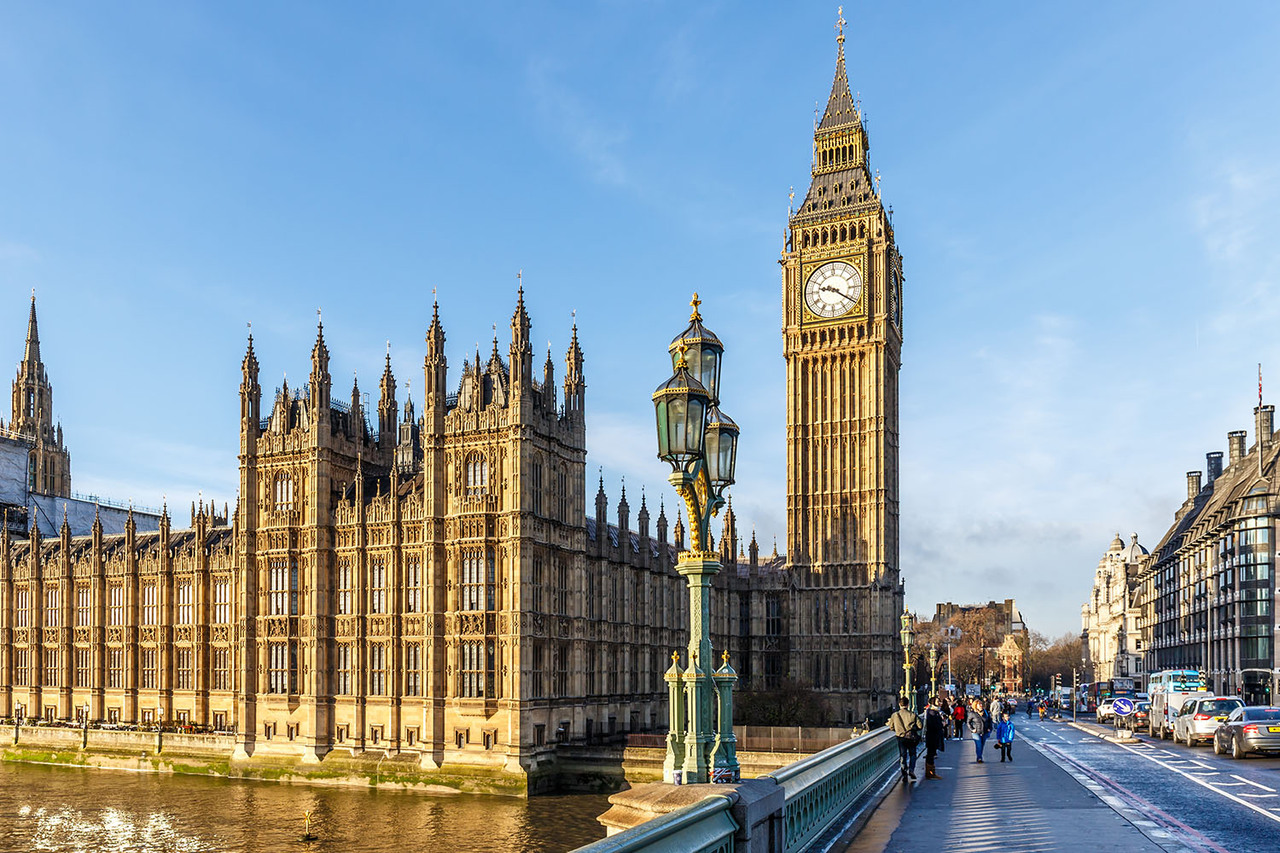
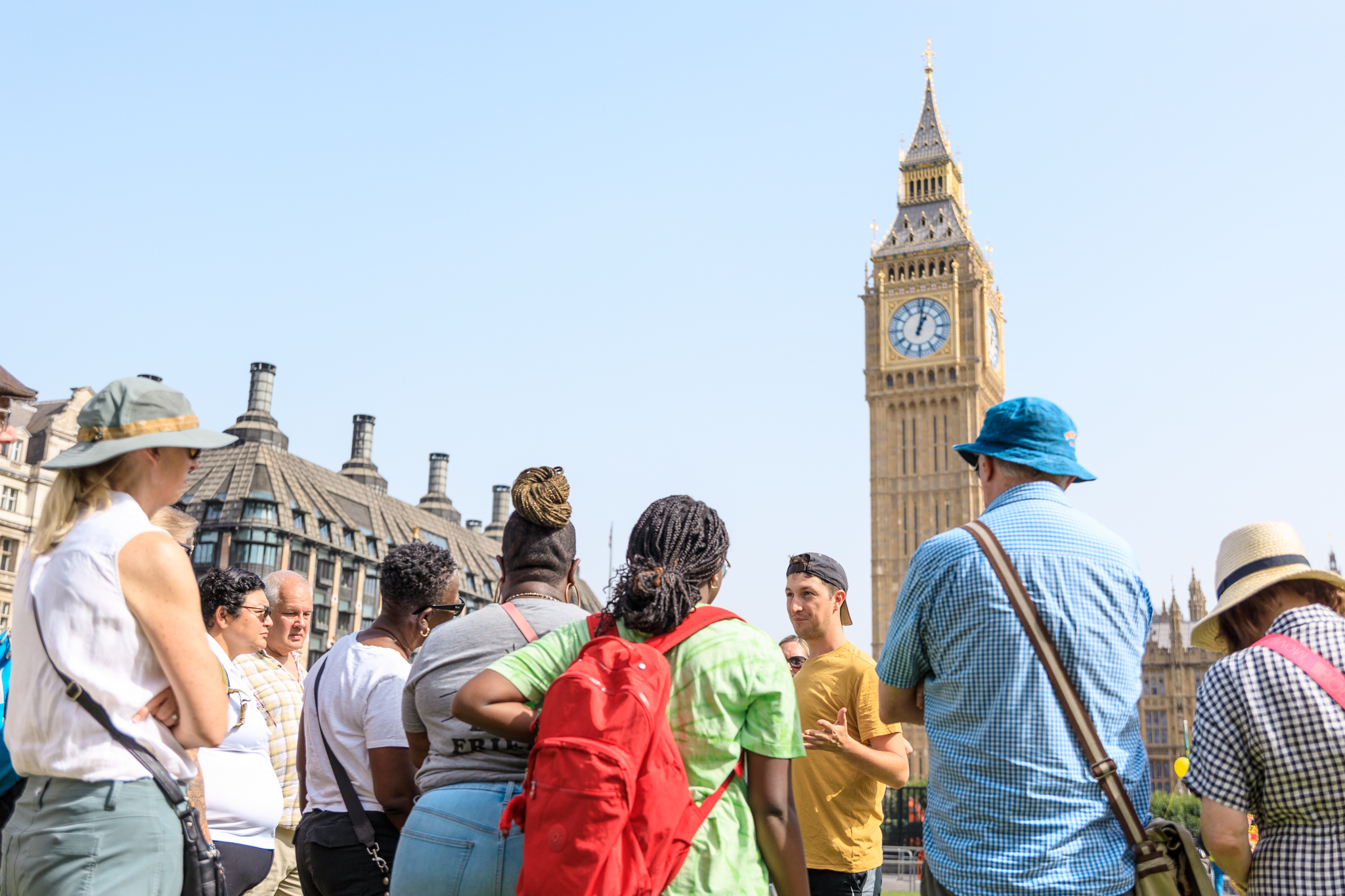
Big Ben, the iconic clock tower in London, is a symbol of British culture and history. Officially known as the Elizabeth Tower, it stands adjacent to the Houses of Parliament and was completed in 1859. Its massive clock faces and resounding chimes, especially the hourly "bong," are renowned worldwide. Restored in recent years, Big Ben combines Gothic Revival architecture with intricate craftsmanship, making it a timeless landmark and a beacon of tradition.
3
Stop 3
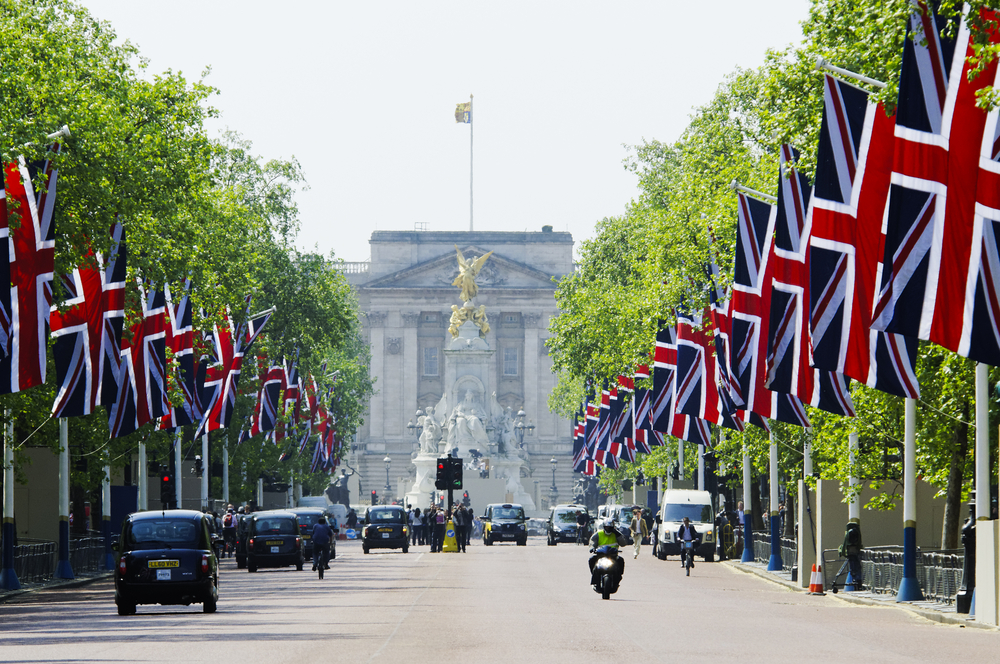
Buckingham Palace, the official London residence of the British monarch, is a symbol of the United Kingdom's heritage and royal tradition. Built in 1703 and expanded over centuries, it features 775 rooms, including the Throne Room and the opulent Ballroom. The iconic Changing of the Guard ceremony draws millions annually. Surrounded by lush gardens, the palace remains a working institution, hosting state events and providing a regal backdrop to national celebrations.
4
Stop 4
The Tower of London, a historic fortress on the River Thames, has stood for nearly 1,000 years as a symbol of British heritage. Built by William the Conqueror in 1066, it has served as a royal palace, prison, armory, and treasury. Famous for housing the Crown Jewels, its storied past includes tales of intrigue and execution. Guarded by the Yeoman Warders, it remains a UNESCO World Heritage Site and a fascinating landmark.
5
Stop 5
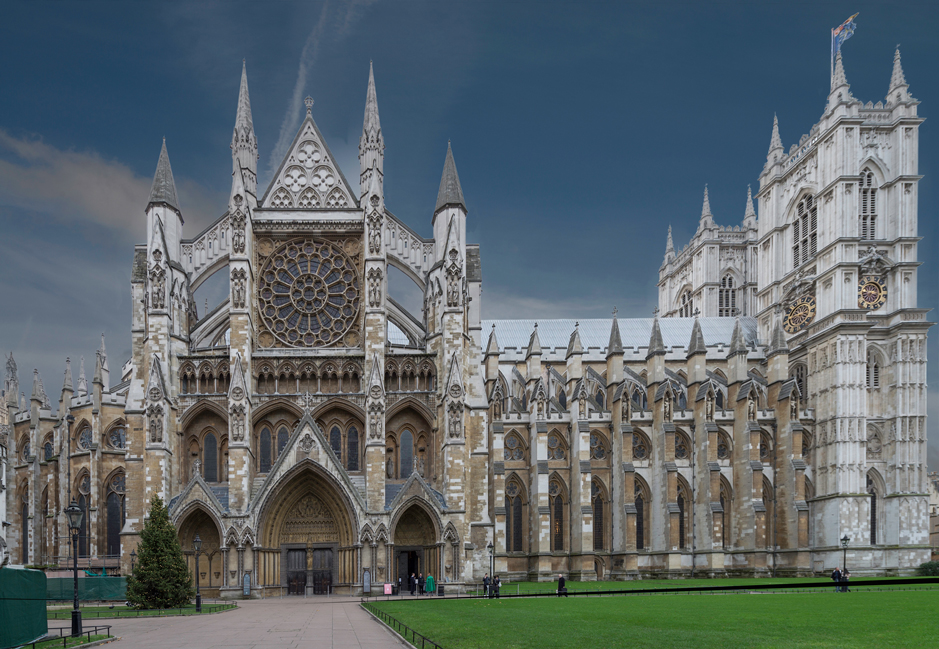
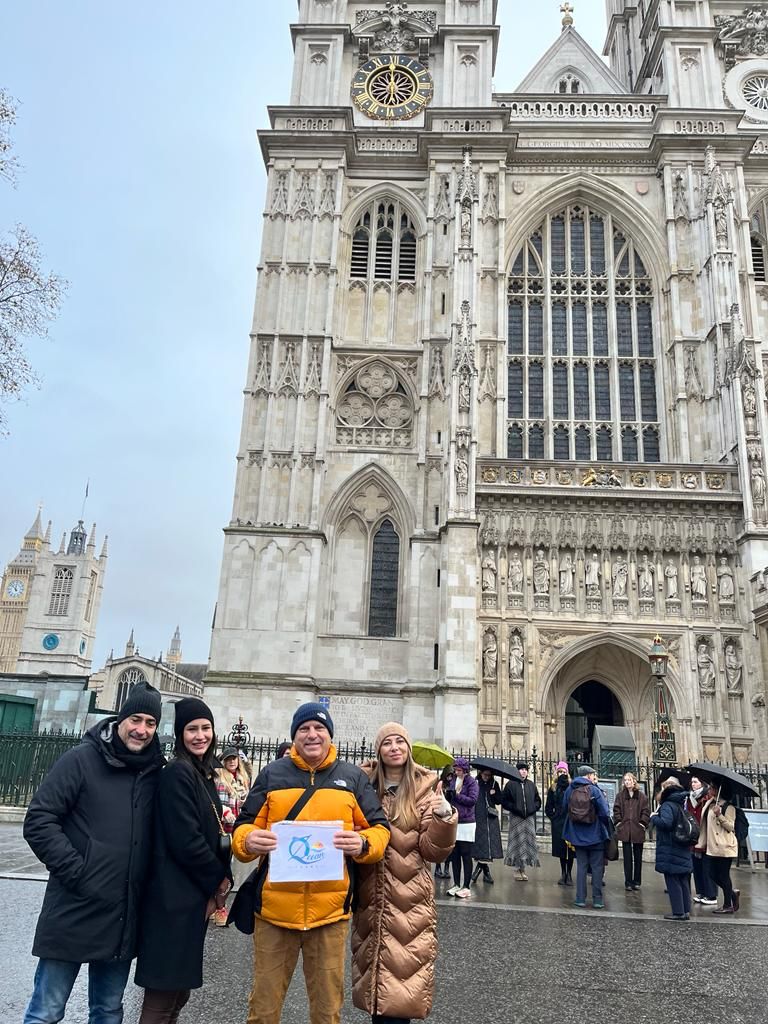
Westminster Abbey, a Gothic masterpiece in London, is a cornerstone of British history and tradition. Founded in 960 AD, it has been the site of coronations since 1066 and numerous royal weddings and funerals. The abbey houses stunning architecture, intricate stained glass, and the renowned Poet’s Corner. A UNESCO World Heritage Site, it serves as both a working church and a symbol of the nation’s spiritual and cultural heritage.
6
Stop 6
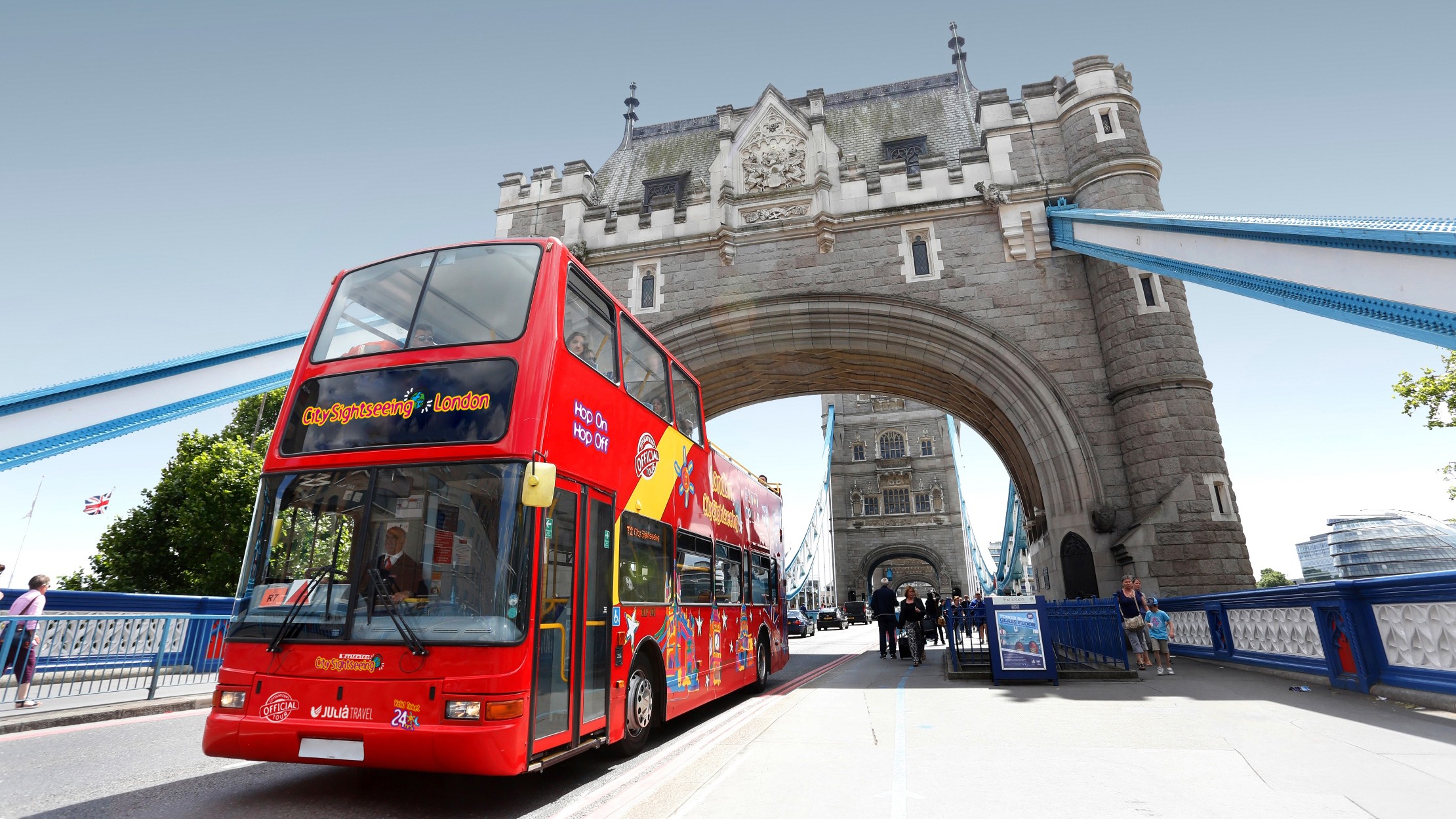
Tower Bridge, an iconic symbol of London, spans the River Thames near the Tower of London. Completed in 1894, this Victorian-era marvel combines bascule and suspension bridge engineering. Its twin Gothic-style towers house machinery that once powered its lifting mechanism, allowing ships to pass beneath. Visitors can explore its glass-floored walkways and exhibitions showcasing its history. Tower Bridge remains a functional, picturesque landmark, blending innovation with London’s rich architectural heritage.
7
Stop 7
The Houses of Parliament is a striking Gothic Revival landmark on the River Thames in London. Home to the UK’s Parliament, it houses the House of Commons and House of Lords. Built in the 19th century after a fire, it features iconic structures like Big Ben and the Central Lobby. Its ornate interiors and historic debates reflect Britain's political heritage, making it a global symbol of democracy.
8
Stop 8
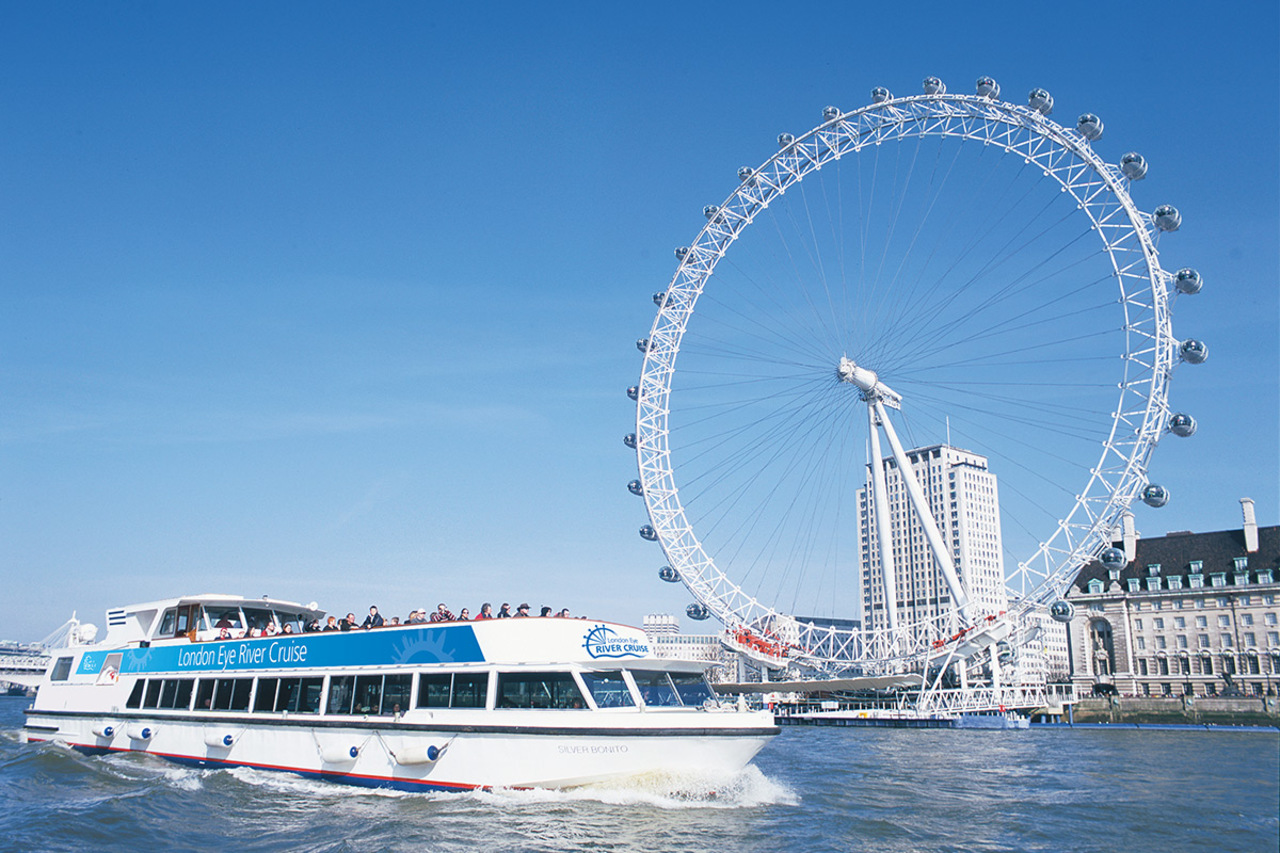
The London Eye, a modern icon on the River Thames, is one of the world’s tallest observation wheels. Opened in 2000, it offers breathtaking panoramic views of London’s landmarks, including Big Ben, St. Paul’s Cathedral, and the Tower Bridge. Each of its 32 glass capsules provides a 30-minute ride for an unforgettable experience. Symbolizing the city's dynamic spirit, the London Eye is a must-visit attraction blending engineering brilliance with scenic beauty.
9
Stop 9
The Bank of England, established in 1694, is the central bank of the United Kingdom and a cornerstone of the nation's financial system. Located in London's historic financial district, its imposing neoclassical building is a symbol of economic stability. Often called the "Old Lady of Threadneedle Street," it oversees monetary policy, issues currency, and ensures financial stability. With a rich history, it also houses a museum exploring its pivotal role in the economy.
10
Stop 10
Downing Street is synonymous with British political leadership. Home to the Prime Minister at 10 Downing Street and the Chancellor of the Exchequer at No. 11, it has been the hub of government since the 18th century. The iconic black door of Number 10 is a symbol of political power and decision-making. This historic street remains a focal point for British politics and global diplomatic engagements.
11
Stop 11
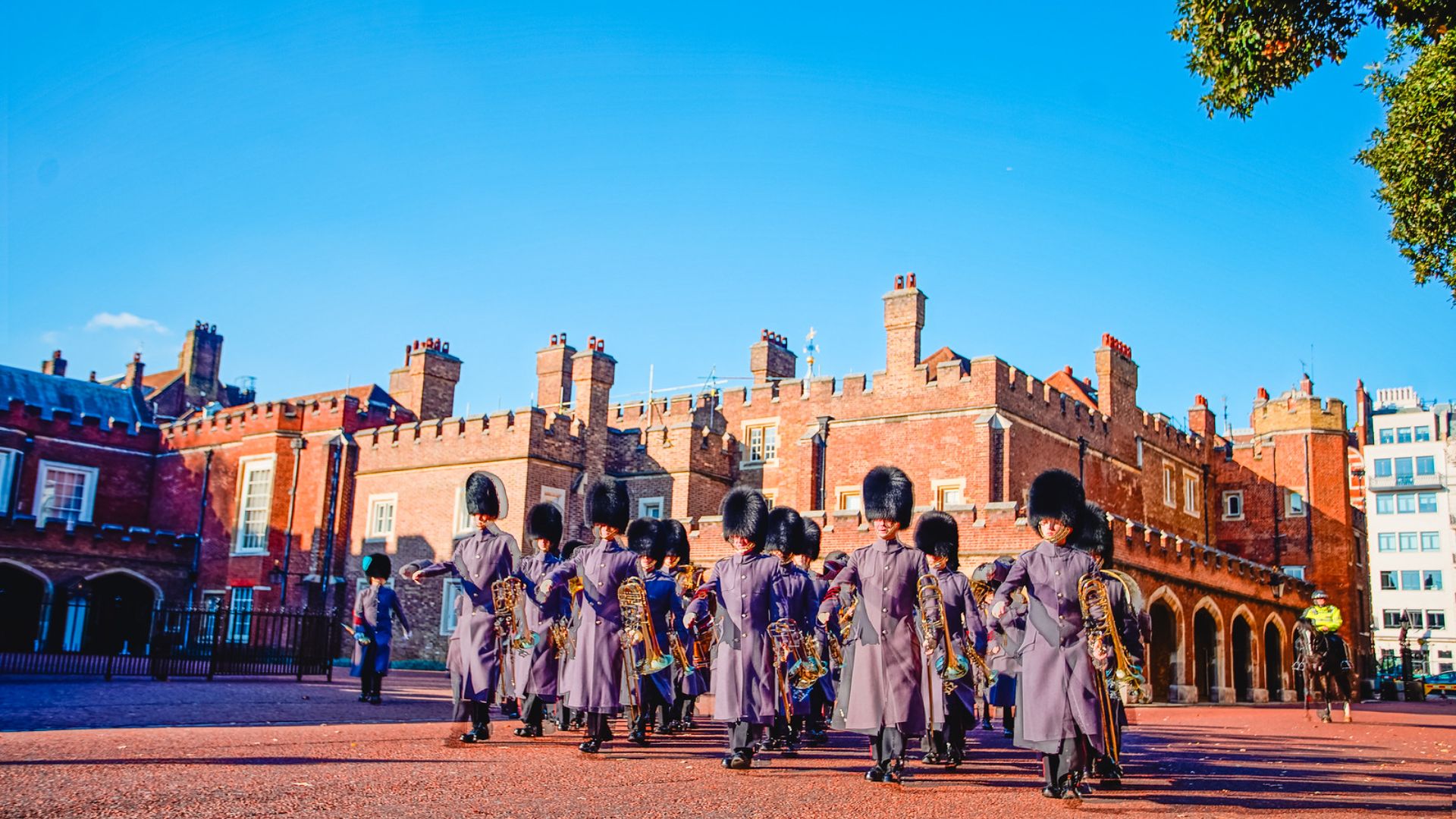
St James's Palace, located in central London, is one of the oldest royal residences, dating back to 1536. Built by Henry VIII, it served as the official residence of the monarch until the 18th century. Although no longer a royal residence, it remains an important ceremonial and administrative hub. Its historic rooms host key royal events, and it houses several royal offices. The palace’s iconic red brick façade is a symbol of British heritage.
12
The Royal Exchange, located in the heart of London, is a historic building that has served as a commercial hub since 1571. Originally a centre for trade, it became a symbol of London’s financial power. The current building, designed by Sir William Tite, was completed in 1844 after a fire. Today, it hosts luxury retailers, restaurants, and offices, blending rich history with modern commerce in a stunning architectural setting.
13
Stop 13
The Monument, located in the heart of London, is a towering column commemorating the Great Fire of 1666. Designed by Sir Christopher Wren, it stands 61 meters tall, symbolizing the city’s resilience. Visitors can climb its 311 steps for panoramic views of London. The Monument’s base houses a small museum detailing the fire’s impact on the city. An iconic feature of the London skyline, it remains a testament to London’s rebuilding and recovery.
14
Stop 14
The Shard, standing 309 meters tall, is London’s tallest skyscraper and a symbol of modern architecture. Designed by architect Renzo Piano, it was completed in 2012 and features a distinctive glass façade that tapers to a point. The building houses offices, restaurants, and a hotel, with a public viewing platform offering panoramic views of the city. The Shard has become an iconic part of London’s skyline, blending innovation with elegance.
15
Stop 15
The River Thames is the longest river in the UK, stretching over 215 miles. It winds through London, providing a vital waterway for trade and transport for centuries. The Thames is home to many of the city’s iconic landmarks, including the Tower Bridge and Houses of Parliament. Its scenic banks are lined with parks, historic sites, and cultural attractions, making it central to London’s identity and history.
16
Stop 16
New Scotland Yard, the headquarters of the Metropolitan Police Service in London, is a symbol of law enforcement in the UK. Originally established in 1829, the iconic revolving sign marks its location on Victoria Embankment since 2016. It is responsible for overseeing policing across Greater London, tackling crime, and ensuring public safety. Known for its historic significance, New Scotland Yard is central to London’s policing operations and the city’s security.
17
Stop 17
Mansion House is the official residence of the Lord Mayor of London. Built in the 18th century, it serves as a ceremonial and administrative center, hosting civic functions and events. The building’s elegant architecture, including the grand entrance and opulent interiors, reflects its historical significance. Mansion House is also home to the Lord Mayor’s Show, an annual event showcasing London’s civic traditions and heritage.
18
Stop 18
The Mall is a grand ceremonial avenue in central London, stretching from Buckingham Palace to Trafalgar Square. Lined with trees and flanked by royal landmarks, it serves as the site for major state events and royal processions. Known for its vibrant red surface, The Mall hosts iconic celebrations, such as royal weddings and national holidays, making it a focal point of British culture and history.
19
Stop 19
Clarence House, located in St James’s, London, is the official residence of King Charles III and his family. Built in the 1820s, it has served as a royal home for various members of the British monarchy. The house is a beautiful example of Regency architecture, featuring elegant interiors and a tranquil garden. Clarence House hosts official events and ceremonies, playing a significant role in the British royal family’s public life.
20
Stop 20
HMS Belfast, a historic Royal Navy warship, is permanently moored on the River Thames in London as a museum. Launched in 1938, it played a significant role in World War II, including the Battle of the North Atlantic and the D-Day landings. Now part of the Imperial War Museums, visitors can explore its decks, engine rooms, and exhibitions, learning about naval history and the ship’s pivotal role in 20th-century warfare.
21
Stop 21
The Cenotaph is a solemn war memorial dedicated to British and Commonwealth soldiers who died in both World Wars and later conflicts. Designed by Sir Edwin Lutyens and unveiled in 1920, it features a simple yet powerful design with inscriptions of war dead. Every year, the Remembrance Day ceremony on November 11 honours fallen soldiers, making the Cenotaph a symbol of national remembrance and sacrifice.
22
Stop 22
The Ministry of Defence (MOD) is the British government department responsible for national defense and military affairs. Located in Whitehall, London, it oversees the armed forces, coordinates defense policy, and ensures the country’s security. The MOD plays a vital role in shaping military strategy, defence procurement, and international defence relations. Its headquarters, housed in the historic Main Building, reflects its crucial position in safeguarding the United Kingdom and its global interests.
23
Stop 23
St James's Park, located in central London, is one of the city's oldest and most beautiful royal parks. Spanning 57 acres, it features lush gardens, a serene lake, and picturesque views of Buckingham Palace. The park is home to diverse wildlife, including pelicans and swans. With walking paths, scenic bridges, and vibrant flowerbeds, St James's Park offers a peaceful escape in the heart of London, attracting both locals and visitors year-round.
24
Stop 24
City Hall, located on the River Thames in London, is the headquarters of the Greater London Authority, housing the Mayor of London and the London Assembly. Designed by architect Norman Foster, its distinctive bulbous, glass-clad structure stands as a symbol of modern governance. Completed in 2002, City Hall is known for its innovative, energy-efficient design. It hosts public events and exhibitions, offering panoramic views of the city from its observation deck.
25
The Women of World War II Memorial honours the contributions of British women during the Second World War. Unveiled in 2005, it commemorates the often-overlooked roles women played in civil defense, military services, and wartime industries. The memorial features a bronze statue of a woman in overalls, representing the women who worked in essential roles. It stands as a tribute to their resilience and pivotal impact on the war effort.
26
Stop 26
The Cabinet Office is a key department of the UK government, supporting the Prime Minister and Cabinet in decision-making and policy coordination. It oversees a range of functions, including national security, government efficiency, and constitutional matters. The office plays a central role in ensuring the smooth running of the government, facilitating communication between departments, and managing crises. Its historic building reflects the significance of its governmental responsibilities.
27
The Bloomberg Building in London, completed in 2017, is a stunning example of modern architecture. Located in the City of London, it serves as the European headquarters for Bloomberg. Designed by architect Sir Norman Foster, the building features an innovative, energy-efficient design with sustainable materials and a focus on natural light. Its distinctive curvilinear shape, green spaces, and advanced technology make it an iconic addition to London’s skyline and urban landscape.
28
Stop 28
The Sky Garden, located atop the "Walkie Talkie" building at 20 Fenchurch Street, is London’s highest public garden. This stunning space offers lush greenery, landscaped terraces, and panoramic views of the city skyline.
29
The Supreme Court of the United Kingdom, located in Parliament Square, London, is the highest court in the country. Established in 2009, it serves as the final court of appeal in civil and criminal cases. Housed in a grand neo-Gothic building, the court hears landmark cases that shape UK law. With its transparent and accessible proceedings, the Supreme Court plays a vital role in upholding justice and the rule of law in Britain.
30
St Margaret's Church, located beside Westminster Abbey in London, is a historic Anglican church built in the 16th century. Known as the "Politician's Church," it has hosted numerous royal weddings, state occasions, and significant events. The church features stunning architecture, including beautiful stained glass windows and a peaceful interior. It remains an important place of worship and reflection in the heart of London's political centre.
31
Stop 31
The London Underground, also known as the Tube, is the world’s oldest metro system, opening in 1863. With 11 lines and over 270 stations, it serves as a vital transportation network, connecting central London to its suburbs and beyond. The Tube is renowned for its iconic roundel logo and distinctive deep stations. Efficient and extensive, the London Underground remains a cornerstone of daily life, transporting millions of passengers across the city.
32
Stop 32
Watling Street is an ancient Roman road that stretches from Dover to Wroxeter, passing through London and other key cities. Originally built for military and trade purposes, it became a vital route across England during the Roman era.
33
Stop 33
Bracken House, located in the City of London, is an iconic office building completed in 1958. Known for its striking modernist architecture, it was originally the headquarters for the Financial Times newspaper. The building features a distinctive stone façade and a large central atrium. Today, Bracken House is a prominent commercial building, blending mid-20th-century design with contemporary office spaces in the heart of London’s financial district.
34
Lancaster House, located near St James’s Palace in London, is a grand historic mansion often used for official government events and international diplomacy. Built in the early 19th century, it features stunning architecture, including elegant rooms and opulent interiors. The house has hosted numerous state banquets, conferences, and summits. While not a royal residence, Lancaster House remains a significant venue for high-level meetings, symbolizing British heritage and global relations.
35
Stop 35
Green Park, one of London’s Royal Parks, is a tranquil oasis located near Buckingham Palace. Covering 40 acres, it is known for its lush greenery, wide tree-lined paths, and peaceful atmosphere. Unlike other parks, it lacks formal flowerbeds, offering a more natural, open landscape. Popular for leisurely walks and picnics, Green Park is a serene escape from the bustling city, offering stunning views of iconic landmarks such as the Palace and nearby St. James's Park.
What's not included
No entrance tickets are included. This tour does not enter any of the landmarks or attractions..
Food & Drink. This tour will take a short lunch break and allow guests to purchase food and drink.
Gratuities
London Underground Fees
Available languages
Guide guide
EN
Reviews breakdown
Viator
5.0
400 reviews
5★
390
4★
6
3★
2
2★
0
1★
2
Tripadvisor
5.0
289 reviews
5★
284
4★
3
3★
2
2★
0
1★
0
Important information
Service animals allowed
Public transportation options are available nearby
Suitable for all physical fitness levels
The tour starts at St Paul's Station (Exit 2) at the top of the steps next to Caffe Nero. Caffe Nero's address is 30 Newgate Street, London, EC2V 6AA. On arrival look for your tour guide holding the yellow umbrella.
This tour uses the London Underground. A valid Oyster Card, Contactless Credit/Debit Card or Apple Pay is required for each person.
This tour will take a short lunch break and allow guests to purchase food and drink
This tour is not suitable for those with prams/buggys/strollers.
This tour covers approx. 5 miles of walking. This tour is not suitable for those with wheelchairs or walking difficulties.
Meeting point
The tour starts at St Paul's Station (Exit 2) at the top of the steps next to Caffe Nero. Caffe Nero's address is 30 Newgate Street, London, EC2V 6AA. St Paul's Station is on the Central Line of the London Underground. On arrival look for your tour guide holding the yellow umbrella.
Important notes
- The tour starts at St Paul's Station (Exit 2) at the top of the steps next to Caffe Nero.
- Caffe Nero's address is 30 Newgate Street, London, EC2V 6AA.
- St Paul's Station is on the Central Line of the London Underground.
- On arrival look for your tour guide holding the yellow umbrella.
- Running Late? If you run late for your tour please send a Whatsapp message to +447308255451 and our team will reply as soon as possible. Do not call this number.
About London
London, the capital of England and the United Kingdom, is a vibrant, multicultural metropolis known for its rich history, iconic landmarks, and dynamic cultural scene. From the ancient Tower of London to the modern Shard, the city offers a blend of the old and the new, making it a fascinating destination for travelers from around the world.
Top Attractions
Tower of London
A historic castle located on the north bank of the River Thames. It has served as a royal palace, prison, armory, and treasury. The Crown Jewels are also housed here.
Historical
2-3 hours
£28 (adult ticket)
Buckingham Palace
The official residence of the British monarch. Visitors can watch the Changing of the Guard ceremony and tour the State Rooms during the summer.
Historical
1-2 hours
£27.50 (adult ticket for State Rooms)
The British Museum
One of the world's largest and most comprehensive museums, housing a vast collection of artifacts from around the globe.
Museum
2-3 hours
Free (special exhibitions may have a charge)
The London Eye
A giant Ferris wheel on the South Bank of the River Thames, offering panoramic views of the city.
Entertainment
30 minutes
£27-£33 (adult ticket)
Westminster Abbey
A large, mainly Gothic abbey church just to the west of the Palace of Westminster. It is one of the most notable religious buildings in the UK and the traditional place of coronation and burial for English and, later, British monarchs.
Religious
1-2 hours
£27 (adult ticket)
Tower Bridge
An iconic symbol of London, this combined bascule and suspension bridge spans the River Thames. Visitors can explore the bridge's walkways and the Tower Bridge Exhibition.
Architecture
1-2 hours
£11 (adult ticket for the exhibition)
Must-Try Local Dishes
Fish and Chips
A classic British dish consisting of battered and fried fish, usually cod or haddock, served with thick-cut chips (fries).
Dinner
Contains gluten and fish
Full English Breakfast
A hearty breakfast consisting of eggs, bacon, sausages, baked beans, grilled tomatoes, mushrooms, black pudding, and toast.
Breakfast
Contains meat and gluten
Afternoon Tea
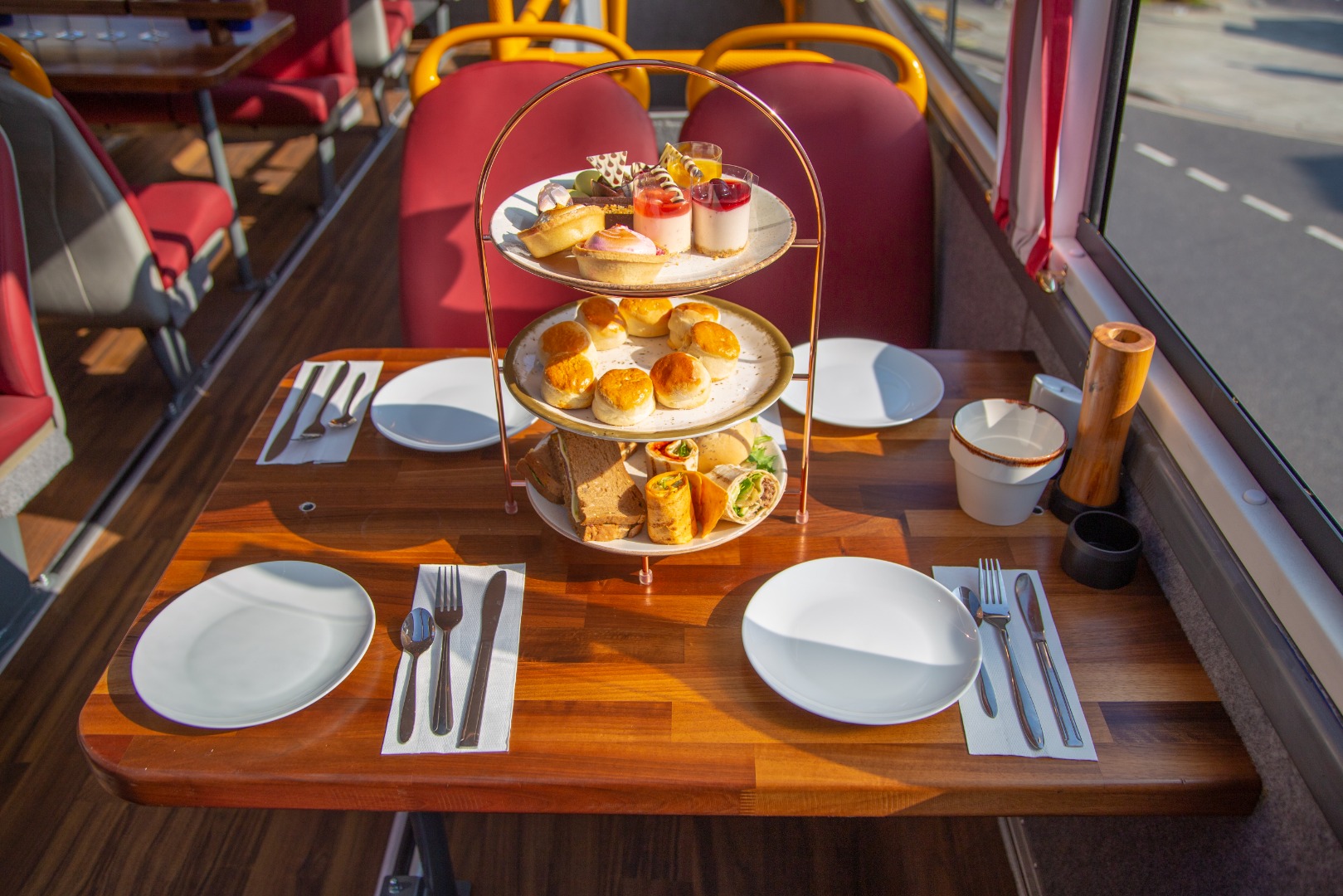
A quintessential British tradition involving a selection of finger sandwiches, scones with clotted cream and jam, and a variety of pastries, all served with tea.
Snack
Can be adapted for vegetarian, vegan, and gluten-free diets
Sunday Roast
A traditional British meal served on Sundays, featuring roasted meat (usually beef, lamb, or chicken), Yorkshire pudding, roast potatoes, vegetables, and gravy.
Dinner
Contains meat and gluten
Popular Activities
Rock climbing
Kayaking on the Thames
Cycling tours
Afternoon tea
Spas and wellness centers
Punting on the River Cam
Museum visits
Theater performances
Best Time to Visit
June to August
Summer is the peak tourist season in London, with long daylight hours and a variety of festivals and events. The weather is generally pleasant, though it can be unpredictable.
15°C to 25°C
59°F to 77°F
Practical Information
Language
- Official: English
- Widely spoken: English
- English: Widely spoken
Currency
British Pound (GBP)
Time Zone
GMT (UTC+0) or BST (UTC+1) during daylight saving time
Electricity
230VV, 50HzHz
Safety Information
Overall Safety Rating: Generally safe
London is generally safe for travelers, but like any major city, it's important to be aware of your surroundings and take precautions to protect yourself and your belongings.
Important Precautions:
- • Keep your belongings secure and be aware of your surroundings
- • Avoid carrying large amounts of cash
- • Use licensed taxis or ride-sharing services
Getting there
By air
- Heathrow Airport • 23 km from city center
- Gatwick Airport • 40 km from city center
By train
London Waterloo, London King's Cross
By bus
Victoria Coach Station, Earls Court, Farringdon
Getting around
Public transport
The Tube is the fastest and most efficient way to get around London. It operates from early morning until late at night and covers all major attractions.
Taxis
Available • Apps: Uber, Bolt
Rentals
Car, Bike, Scooter
Neighborhoods
Westminster
Camden Town
Soho
Notting Hill
Shoreditch
Greenwich
Day trips
Windsor Castle
34 km from London • Half day to full day
Windsor Castle is the oldest and largest occupied castle in the world, and it's one of the official residences of the British monarch.
Stonehenge
130 km from London • Full day
Stonehenge is a prehistoric monument consisting of a ring of standing stones, located in the English county of Wiltshire.
Brighton
80 km from London • Full day
Brighton is a vibrant coastal city known for its beaches, lively atmosphere, and eclectic mix of shops, restaurants, and attractions.
Festivals
Notting Hill Carnival • Last Sunday and Monday of August
London Film Festival • October
New Year's Eve Fireworks • December 31
Pro tips
- Use an Oyster card or contactless payment for cheaper and more convenient public transportation
- Book tickets in advance for popular attractions to skip the queue and save money
- Explore the city's neighborhoods and markets for a unique and authentic experience
- Try the local street food and international cuisine at markets like Borough Market and Camden Market
- Visit the city's parks and gardens for a peaceful escape from the bustling streets
From $25
per person
Price varies by option
Secure booking
Free cancellation available
Instant confirmation