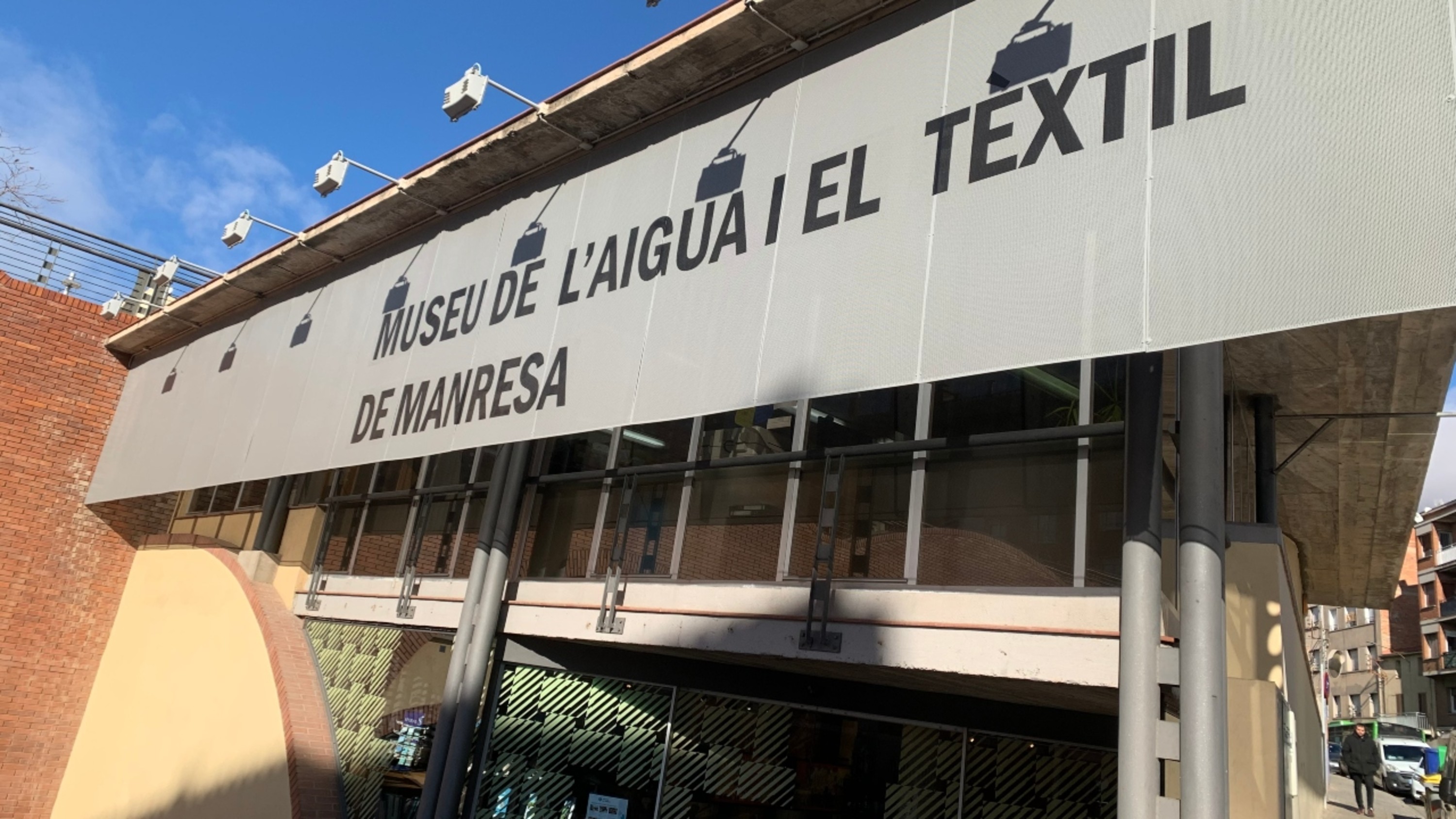
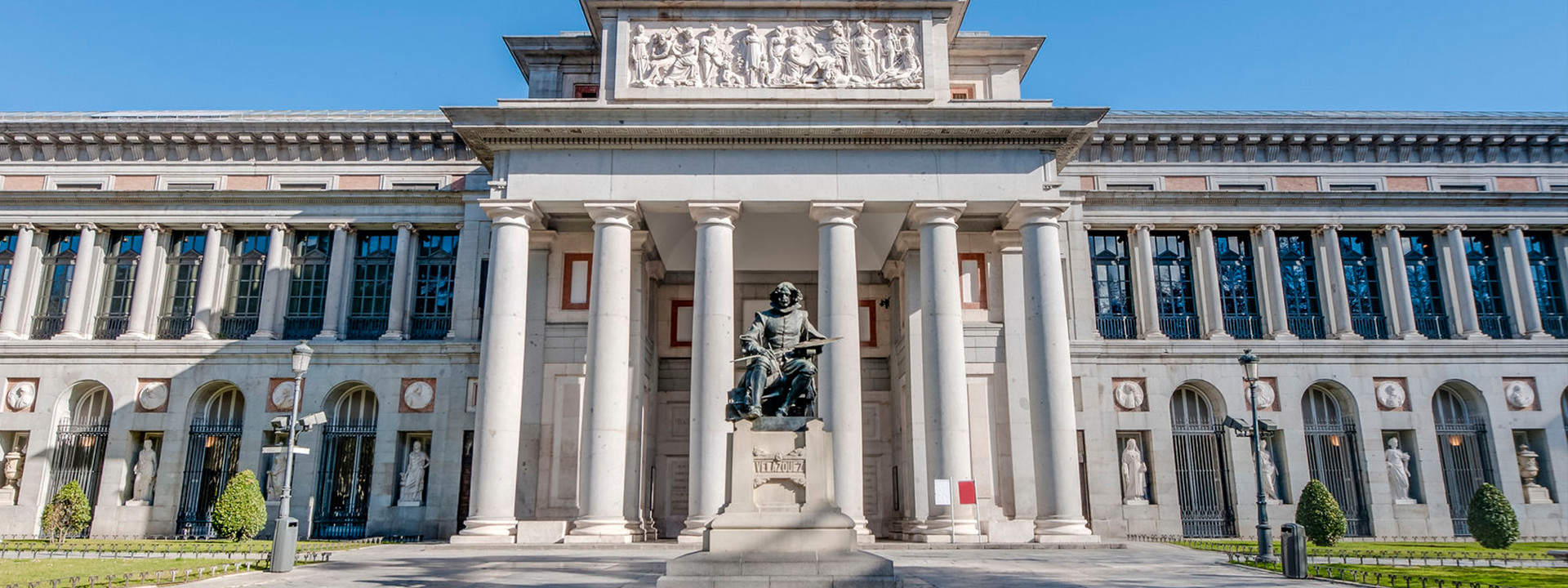
Entrance to the Manresa Water and Textile Museum (MAT)
Active
2h
For a full refund, cancel at least 24 hours before the scheduled departure time.
Instant confirmation
Mobile or paper ticket accepted
About this experience
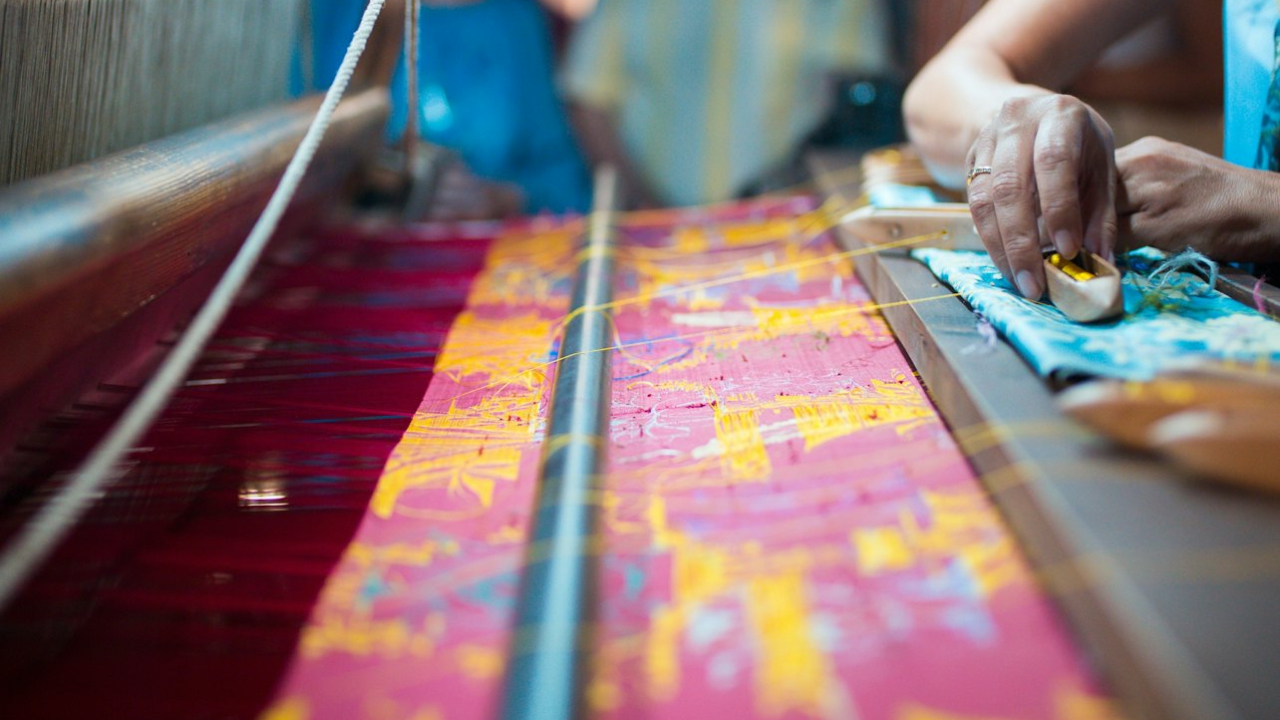
Discover the history and development of the Catalan and Manresa textile industry, from the end of the Middle Ages to the present day, thanks to the exhibition dedicated to cinteria. You can also discover in the exhibition dedicated to the Manresa irrigation channel how a canal built in the 14th century continues to supply more than 150,000 people today.
• Visit impressive water tanks built in the 19th century with a capacity of up to 12 million liters
• Learn about the history, uses and peculiarities of the Manresa textile industry par excellence, the cinteria.
• Discover the history of the Manresa canal, an impressive medieval canal that has supplied a large territory since the 14th century and which is still in use today.
• Family activities on demand, Museum Scape for up to 20 people!
Discover the secrets that a former textile worker left hidden in the museum and one of the reference museums in Catalonia.
Available options
Entrance to the Manresa Water and Textile Museum (MAT)
What's included
Access without waiting in lines
Detailed itinerary
1
The Manresa Water and Fabric Museum was opened in 1992 inside the city's impressive water tanks, now emptied and restored. Since 2009 they have hosted two exhibitions that tell us, on the one hand, the importance of the arrival of water in the city thanks to the construction of the Manresa canal, an impressive 26-kilometre canal built in the 14th century and which continues to supply the territory today. day, and on the other, the evolution of the Catalan textile industry from the end of the Middle Ages to the present day, which has a set of unique machinery due to its variety and good state of conservation.
What's not included
Snacks
Available languages
Audio guide
EN
FR
ES
Written guide
EN
FR
ES
Important information
Wheelchair accessible
Infants and small children can ride in a pram or stroller
Public transportation options are available nearby
Specialized infant seats are available
Transportation options are wheelchair accessible
All areas and surfaces are wheelchair accessible
Suitable for all physical fitness levels
About Barcelona
Barcelona is a vibrant city on the northeastern coast of Spain, known for its rich cultural heritage, stunning architecture, and lively atmosphere. It seamlessly blends medieval history with modernist masterpieces, making it a unique and appealing destination for travelers.
Top Attractions
Sagrada Família
Antoni Gaudí's unfinished masterpiece, a stunning basilica that combines Gothic and Art Nouveau forms. It's a UNESCO World Heritage Site and a must-visit.
Architecture
1.5-2.5 hours
€26-€34 (depending on access to towers)
Park Güell
Another Gaudí masterpiece, this park features colorful mosaics, whimsical structures, and beautiful city views.
Architecture
1.5-2 hours
€10 (Monumental Zone)
La Rambla
A famous pedestrian street filled with shops, restaurants, street performers, and the famous La Boqueria market.
Street
1-2 hours
Free (shopping and dining costs vary)
Casa Batlló
A unique building designed by Gaudí, known for its surrealist design and colorful façade.
Architecture
1 hour
€35-€45 (depending on the tour)
Gothic Quarter
The historic heart of Barcelona, filled with medieval streets, ancient buildings, and hidden plazas.
Historical
2-3 hours
Free (some attractions may have entry fees)
Must-Try Local Dishes
Pa amb tomàquet
Bread rubbed with tomato, garlic, and olive oil, often served as an appetizer.
Snack
Vegetarian
Fideuà
A paella-like dish made with short, thin noodles, seafood, and saffron.
Main Course
Contains seafood
Crema Catalana
A Catalan version of crème brûlée, made with egg yolks, sugar, and cinnamon.
Dessert
Vegetarian
Patatas Bravas
Fried potato cubes topped with a spicy tomato sauce and garlic aioli.
Snack
Vegetarian
Popular Activities
Hiking in Montserrat
Water sports in Barceloneta
Rock climbing
Beach lounging in Barceloneta
Spa treatments
Strolling through parks and gardens
Visiting museums and galleries
Attending festivals and events
Best Time to Visit
May to June, September to October
The peak season offers pleasant weather and is ideal for exploring the city's attractions. The crowds are manageable, and the city is vibrant with festivals and events.
20°C to 28°C
68°F to 82°F
Practical Information
Language
- Official: Catalan, Spanish
- Widely spoken: English, French
- English: Moderately spoken
Currency
Euro (EUR)
Time Zone
GMT+1 (CET), GMT+2 (CEST during daylight saving time)
Electricity
230VV, 50HzHz
Safety Information
Overall Safety Rating: Generally safe
Barcelona is generally safe, but like any major city, it has its share of petty crime and scams. Be aware of your surroundings, especially in touristy areas and on public transportation.
Important Precautions:
- • Be cautious of pickpockets, especially in crowded areas and on public transportation.
- • Keep an eye on your belongings, especially in touristy areas and on public transportation.
- • Be cautious of fake petitions or distractions to steal from you.
Getting there
By air
- Barcelona-El Prat Airport • 12 km from city center
By train
Sants Station, Estació de França
By bus
Estació d'Autobusos Sants, Estació d'Autobusos Nord
Getting around
Public transport
The metro system is efficient, clean, and covers most of the city. It's a great way to get around quickly and affordably.
Taxis
Available • Apps: Free Now, Cabify
Rentals
Car, Bike, Scooter
Neighborhoods
Eixample
Gràcia
Barceloneta
Gothic Quarter
El Raval
Day trips
Montserrat
50 km from Barcelona • Half day to full day
A stunning mountain range with a historic monastery, offering hiking, scenic views, and religious sites.
Girona
100 km from Barcelona • Full day
A charming medieval city with a well-preserved Jewish Quarter, a stunning cathedral, and a rich history.
Sitges
40 km from Barcelona • Half day to full day
A picturesque coastal town known for its beaches, nightlife, and historic sites.
Festivals
La Mercè Festival • Late September
Sant Jordi • April 23
Festa Major de Gràcia • Mid-August
Pro tips
- Visit popular attractions like the Sagrada Família and Park Güell early in the morning or late in the afternoon to avoid crowds.
- Explore the city's neighborhoods on foot or by bike to discover hidden gems and local culture.
- Try local specialties like pa amb tomàquet, fideuà, and crema catalana at local markets and restaurants.
- Use the T-Casual pass for unlimited travel on public transportation, which is more cost-effective than single tickets.
- Be cautious of pickpockets, especially in crowded areas and on public transportation, and keep an eye on your belongings.
From $25
per person
Price varies by option
Secure booking
Free cancellation available
Instant confirmation