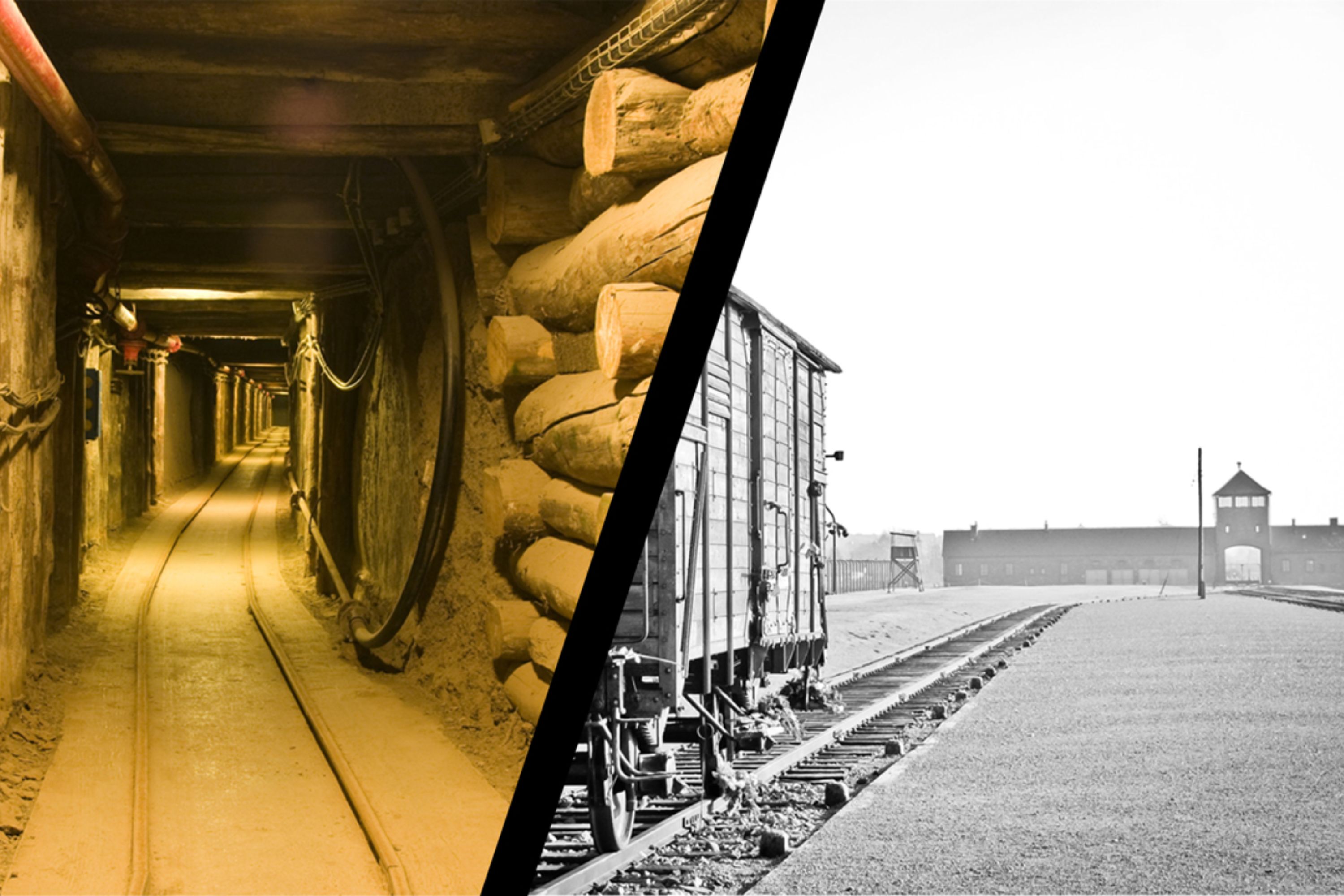
Full-Day Auschwitz-Birkenau and Salt Mine from Krakow
Active
11h
All sales are final. No refund is available for cancellations.
Instant confirmation
Mobile or paper ticket accepted
About this experience
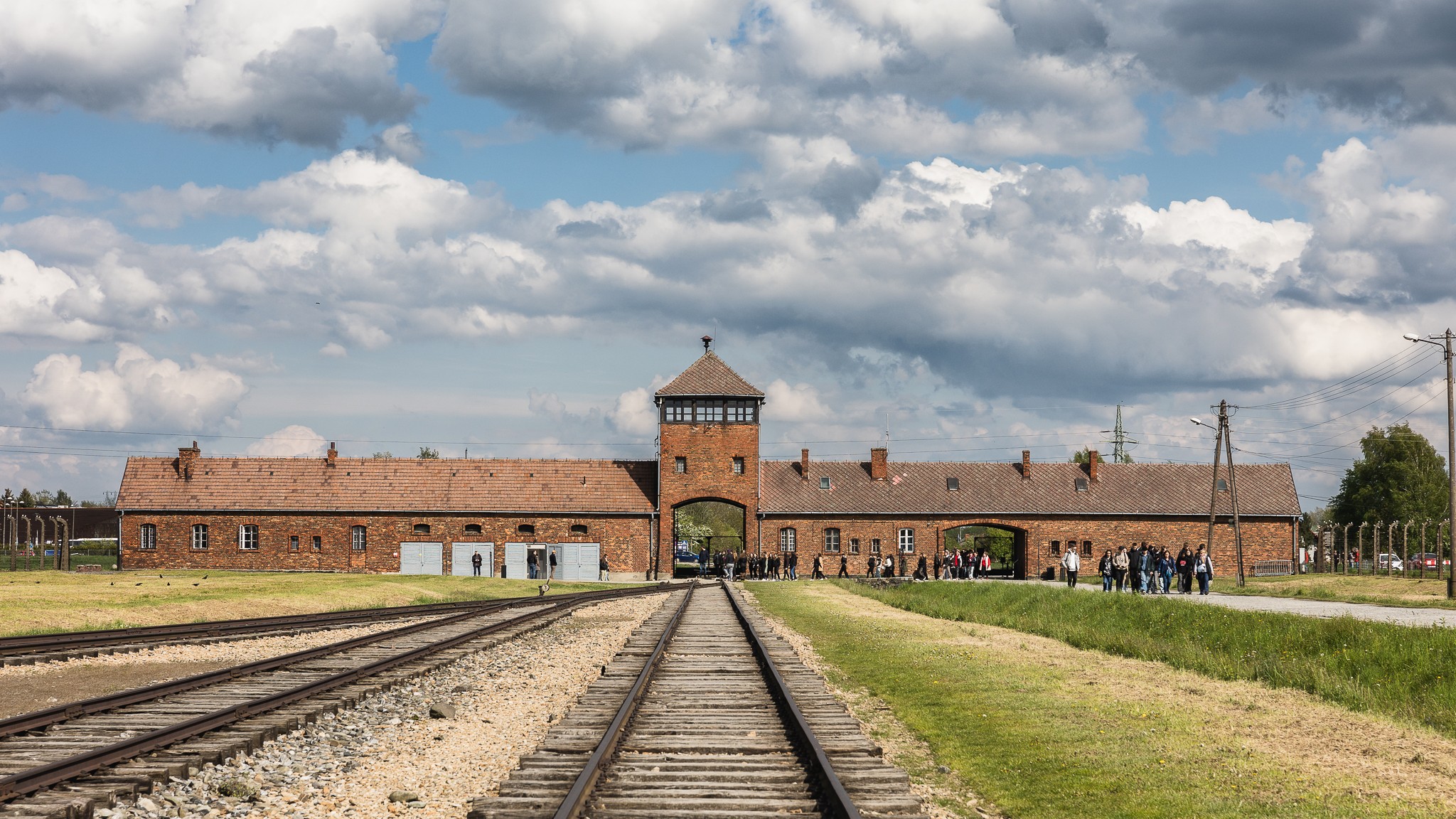
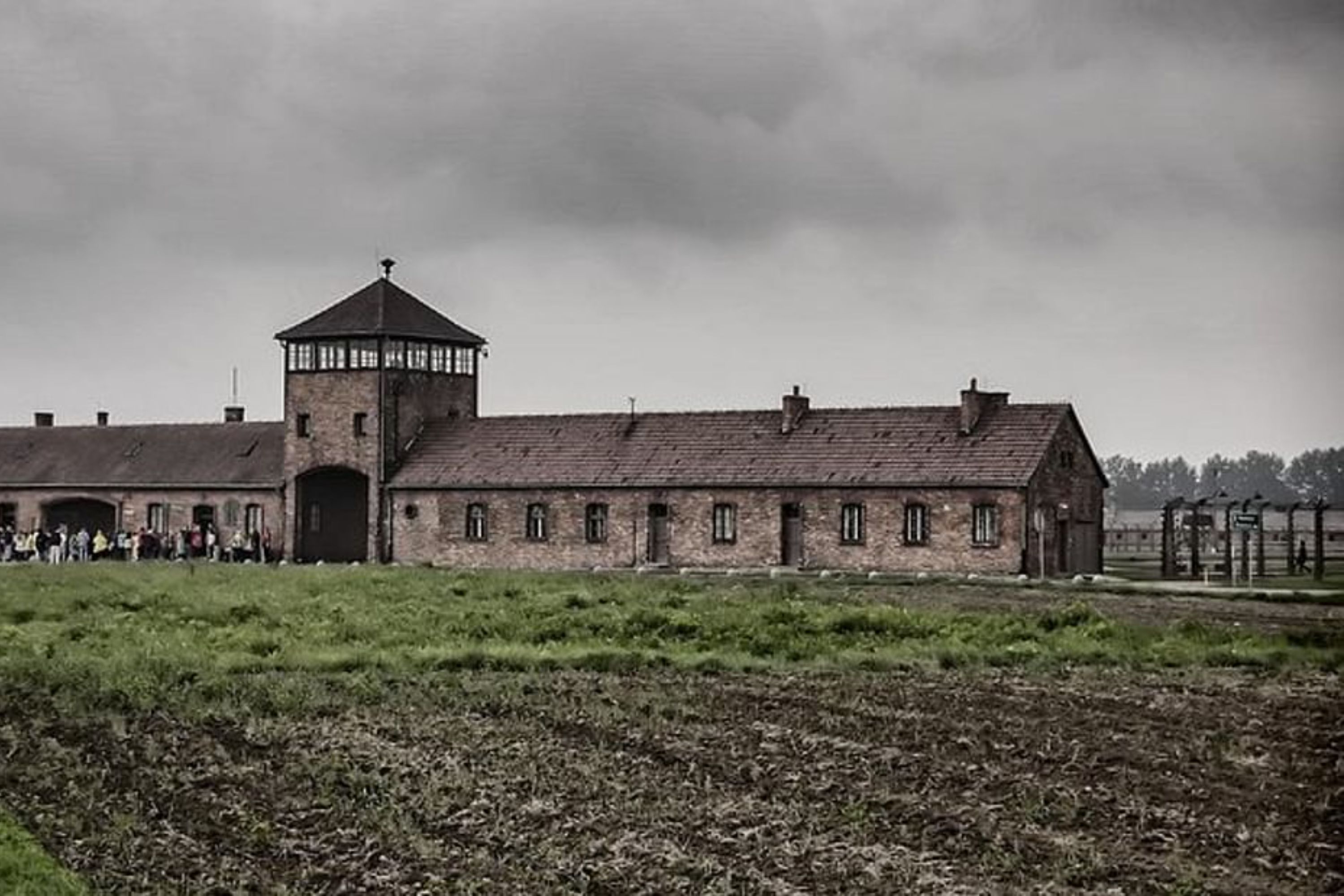
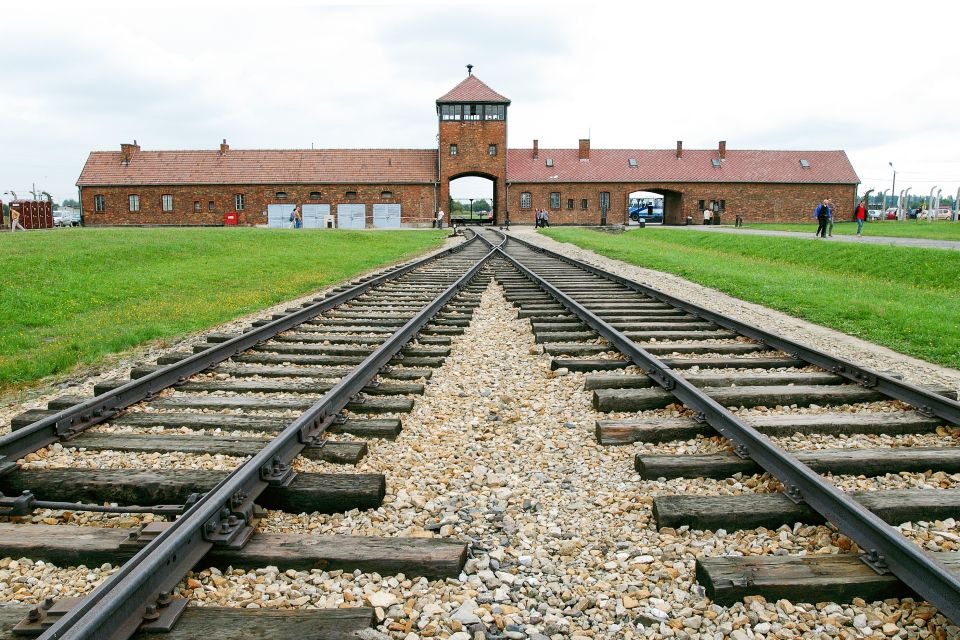
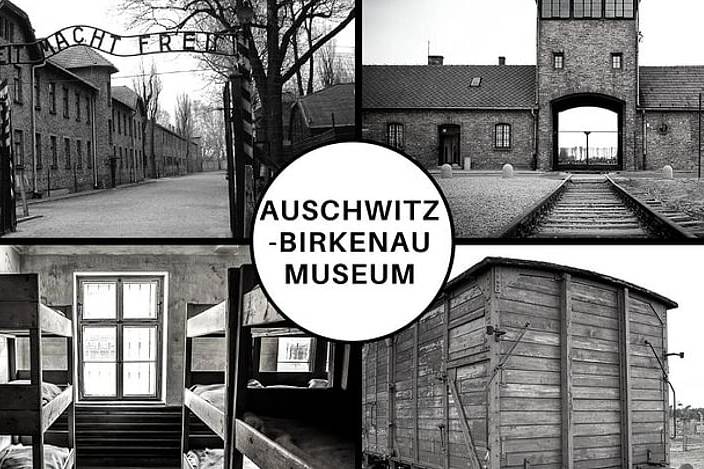
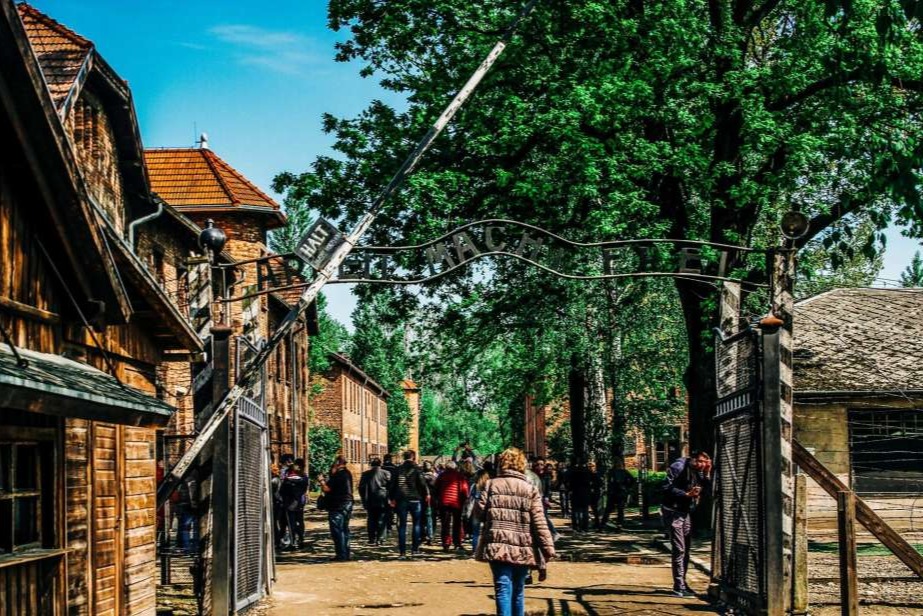
Auschwitz-Birkenau is the largest death camp in human history, the site of mass destruction and genocide in Europe during World War II. Currently, camp Auschwitz-Birkenau is a synonym for world’s most cruel terror, genocide and atrocities. The camp was built by the Nazis in 1940 in the suburbs of Oswiecim. The total number of deaths and executions is estimated to be over 1.5-million people from 28 nationalities. Almost 90% of these people were Jews.
Since 1979 this site has been listed on the UNESCO Cultural and Natural World Heritage list. This place with an unbelievable sad and cruel history is something, that everyone should see.
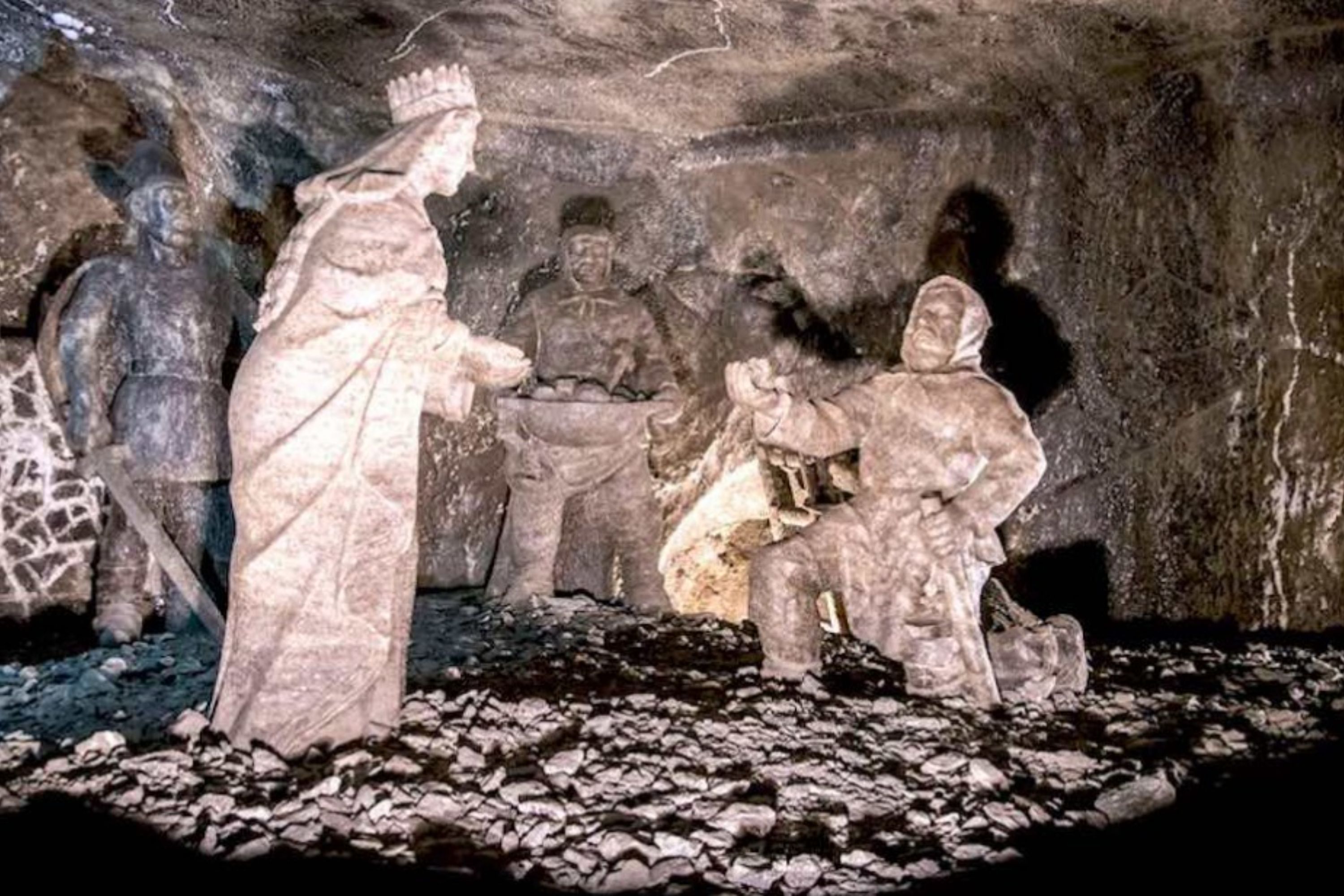
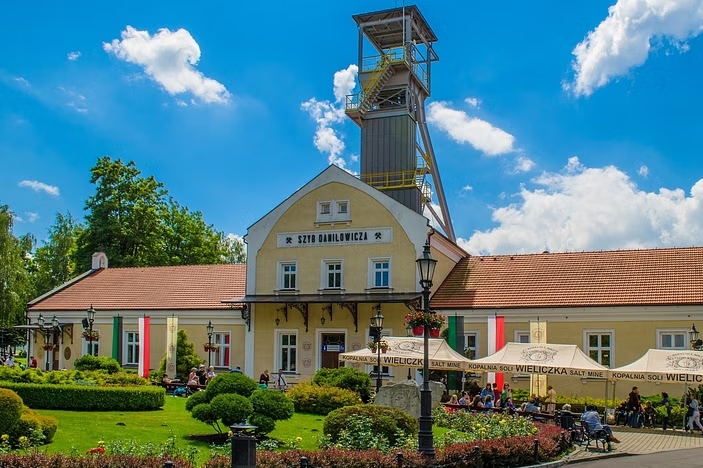
Visit the UNESCO-listed Wieliczka Salt Mine. Learn about its history, see the chambers, chapels and the amazing carved sculptures on a guided tour through two miles (3.5 kilometers) of tunnels.
The given start time is approximate and can be changed - it will be confirmed 2 or 1 day before the tour.
Available options
English Tour with Hotel Pickup
Your accomodation in Krakow<br/>Pickup included
English Tour Meeting Point
What's included
Guided group tour with a live guide in Auschwitz-Birkenau and Salt Mine
Tickets to Auschwitz-Birkenau & Salt Mine
Pickup from your accommodation, or the meeting point
Professional English-speaking driver
Transfer both ways
Detailed itinerary
1
Stop 1
Travelers will visit the Salt Mine in Wieliczka, where they will be sightseeing in a group and with a live guide.
2
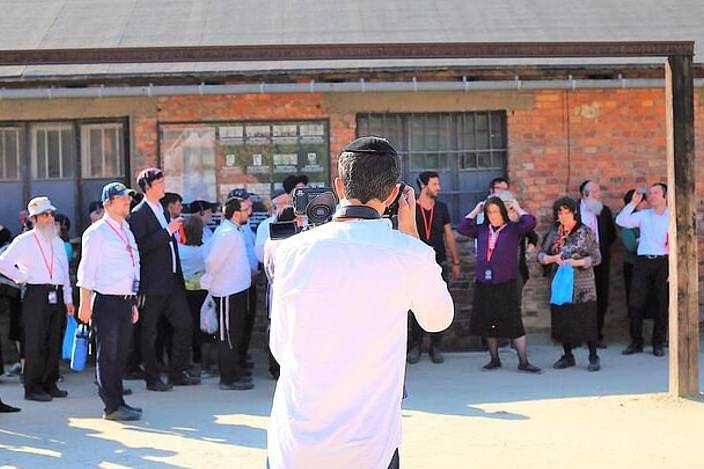
Travelers will visit the Auschwitz-Birkenau Museum in a group, with a live guide.
What's not included
Food and drinks
Additional fees
Private guides
Available languages
Guide guide
EN
Reviews breakdown
Viator
4.3
4 reviews
5★
3
4★
0
3★
0
2★
1
1★
0
Important information
Specialized infant seats are available
Not recommended for travelers with poor cardiovascular health
Travelers should have at least a moderate level of physical fitness
Meeting point
We can pick you up from Meeting Point - Wielopole 2 at the tourist bus stop Kiss&Ride.
Important notes
PLEASE TAKE YOUR ID OR PASSPORT.
The exact starting time will be confirmed one day before the departure.
Please, be ready 5 minutes before the departure and show your ticket to the driver.
The given start time is approximate and can be changed - it will be confirmed 2 or 1 day before the tour.
About Krakow
Krakow, the former capital of Poland, is a city rich in history, culture, and stunning architecture. It's home to the Wawel Royal Castle, the historic Main Market Square, and the largest medieval old town in Europe. Krakow's vibrant arts scene, bustling nightlife, and proximity to Auschwitz-Birkenau and the Wieliczka Salt Mine make it a must-visit destination.
Top Attractions
Wawel Royal Castle
This iconic castle was the residence of Polish kings and a symbol of Polish statehood. It offers a glimpse into Poland's rich history.
Historical/Architecture
2-3 hours
30-50 PLN (€7-12)
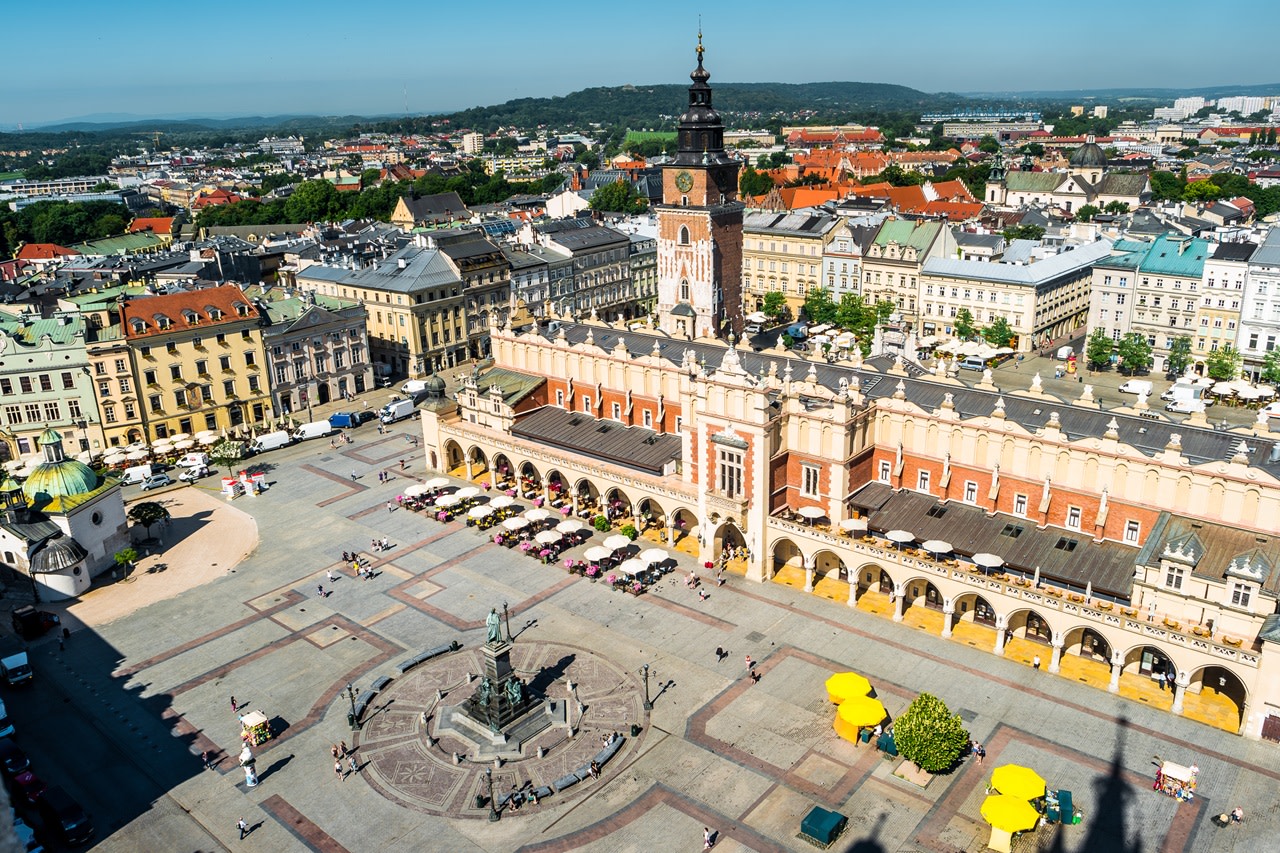
Main Market Square (Rynek Główny)
One of the largest medieval town squares in Europe, surrounded by historic buildings, cafes, and shops.
Historical/Cultural
1-2 hours
Free to explore
Wieliczka Salt Mine
A UNESCO World Heritage site featuring underground chambers, chapels, and sculptures carved out of salt.
Historical/Adventure
4-5 hours
89-139 PLN (€20-32)
Auschwitz-Birkenau Memorial and Museum
A poignant and sobering visit to the largest Nazi concentration camp, now a memorial and museum.
Historical/Educational
Full day
70-100 PLN (€16-23)
Kazimierz District
The historic Jewish quarter with a rich cultural heritage, vibrant nightlife, and charming streets.
Cultural/Historical
2-3 hours
Free to explore
Must-Try Local Dishes
Pierogi
Dumplings filled with various ingredients like meat, cheese, potatoes, or fruits.
Dinner
Can be vegetarian or vegan
Obwarzanek
A type of bread ring, similar to a bagel, often sold by street vendors.
Snack
Vegetarian
Zapiekanka
A Polish street food consisting of a half-baguette topped with mushrooms, cheese, and various condiments.
Snack
Can be vegetarian
Schabowy
A breaded pork cutlet, similar to schnitzel, often served with potatoes and cabbage.
Dinner
Contains meat
Popular Activities
Hiking in the Tatra Mountains
Skiing in Zakopane
Spa and wellness treatments
Strolling through parks and gardens
Visiting museums and galleries
Attending concerts and performances
Boating on the Vistula River
Skiing and snowboarding in the nearby mountains
Best Time to Visit
May to September
This is the best time to visit Krakow for pleasant weather and outdoor activities. The city is lively with festivals and tourists.
15°C to 28°C
59°F to 82°F
Practical Information
Language
- Official: Polish
- Widely spoken: English, German, Russian
- English: Moderately spoken
Currency
Polish Złoty (PLN)
Time Zone
GMT+1 (CET), GMT+2 (CEST during daylight saving time)
Electricity
230VV, 50HzHz
Safety Information
Overall Safety Rating: Generally safe
Krakow is generally safe for tourists, but petty crime like pickpocketing can occur in crowded areas.
Important Precautions:
- • Keep valuables secure in crowded areas.
- • Use official taxis or ride-hailing apps.
- • Be cautious when withdrawing money from ATMs.
Getting there
By air
- John Paul II International Airport Krakow-Balice • 11 km from city center
By train
Krakow Glowny, Krakow Plaza
By bus
Krakow Main Bus Station, Młocińscy Bus Station
Getting around
Public transport
Krakow's tram system is efficient and covers most of the city. Trams are comfortable and frequent.
Taxis
Available • Apps: Bolt, FreeNow
Rentals
Car, Bike, Scooter
Neighborhoods
Old Town (Stare Miasto)
Kazimierz
Nowa Huta
Zakrzówek
Day trips
Wieliczka Salt Mine
14 km from Krakow • Full day
Explore the underground chambers, chapels, and sculptures carved out of salt in this UNESCO World Heritage site.
Auschwitz-Birkenau Memorial and Museum
70 km from Krakow • Full day
Visit the largest Nazi concentration camp, now a memorial and museum, to learn about the Holocaust.
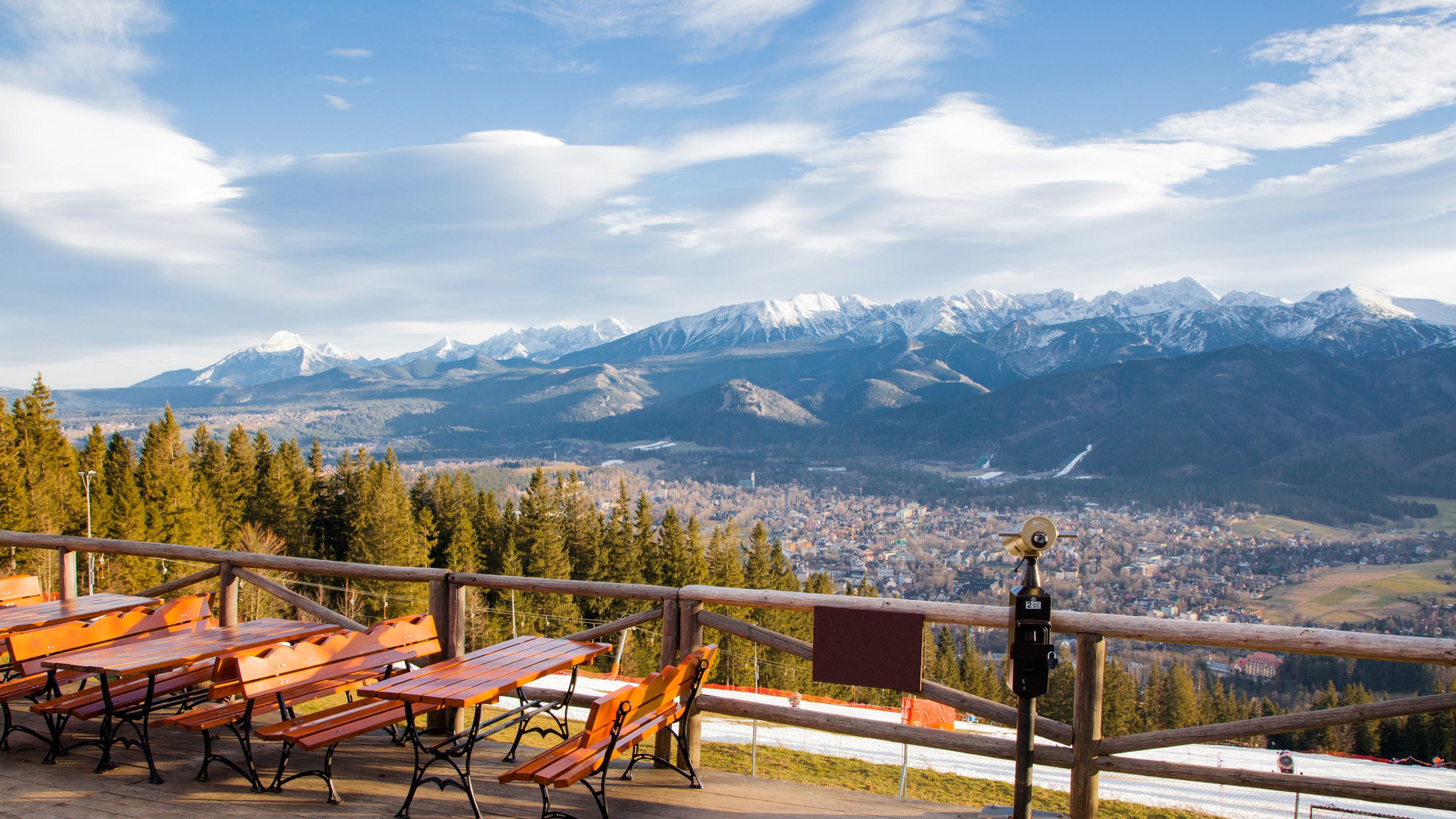
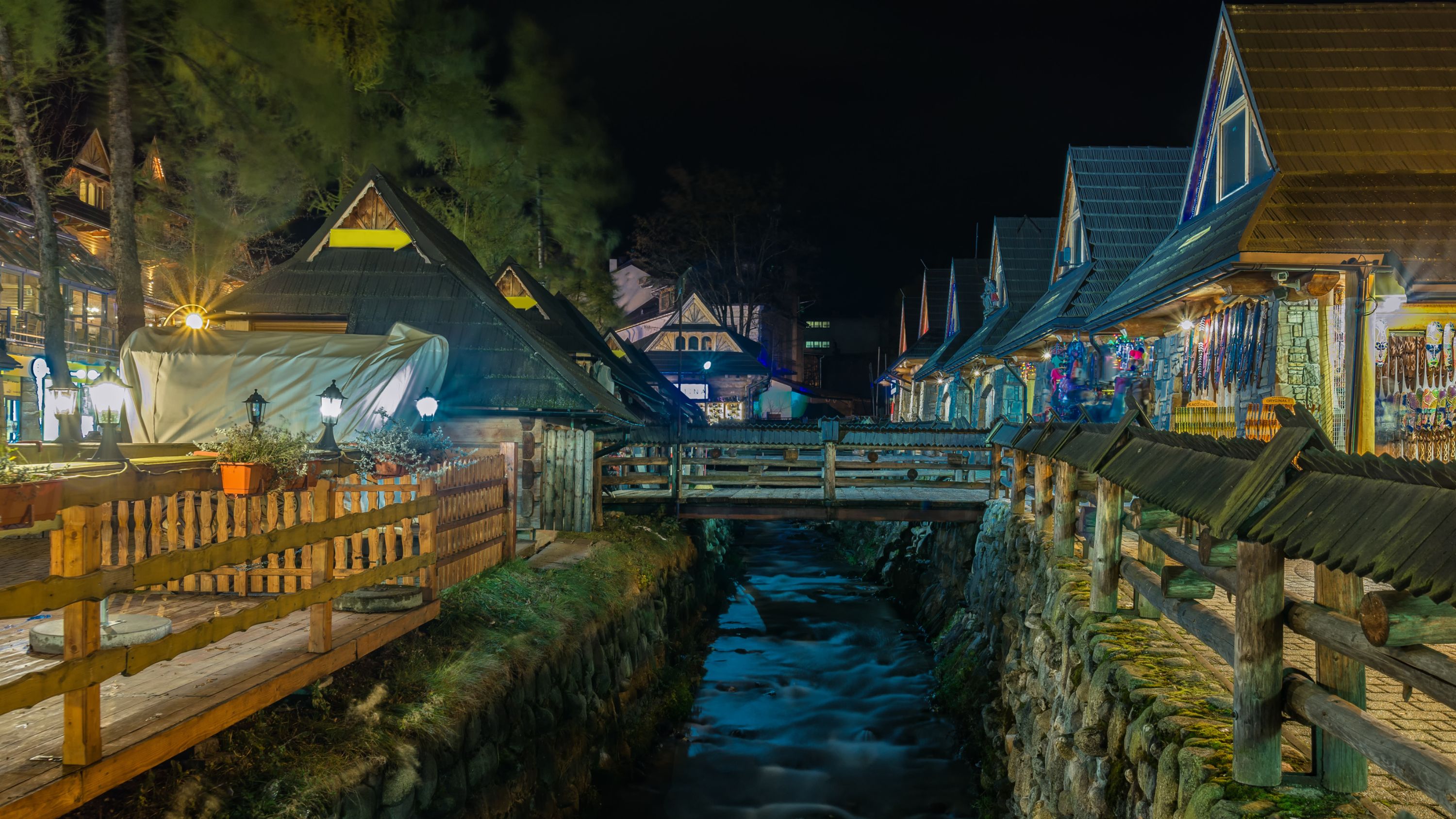
Zakopane
100 km from Krakow • Full day
A picturesque mountain town known for its stunning scenery, hiking trails, and skiing opportunities.
Festivals
Krakow Jewish Festival • June or July (annual)
Krakow Film Festival • May (annual)
Krakow Christmas Market • December (annual)
Pro tips
- Use the Krakow Card for unlimited public transport and free entry to many attractions.
- Visit the Wawel Dragon statue and make a wish by placing a coin in its mouth.
- Try traditional Polish dishes like pierogi and żurek at local restaurants.
- Explore the Kazimierz district for its vibrant nightlife and cultural scene.
- Take a day trip to the Wieliczka Salt Mine or Auschwitz-Birkenau for a deeper understanding of Polish history.
From $25
per person
Price varies by option
Secure booking
Free cancellation available
Instant confirmation