Agra To Jaipur Drop Via Fatehpur Sikri & Chand Baori, Step Well
Active
8h
For a full refund, cancel at least 24 hours before the scheduled departure time.
Instant confirmation
Mobile or paper ticket accepted
About this experience
Travel comfortably in a private air-conditioned vehicle while exploring some of India’s greatest heritage sites along the way. Visit the fascinating Chand Baori Stepwell, one of the deepest stepwells in the world, and the UNESCO-listed Fatehpur Sikri, the former Mughal capital. Both sites include entry tickets and guided tours if you choose a option of entrance fees, ensuring you don’t miss the rich history and stories behind these landmarks. Enjoy a seamless journey that combines convenient city-to-city transfer with unforgettable sightseeing.
Available options
[SUV Vehicle]+ Guide&Tickets
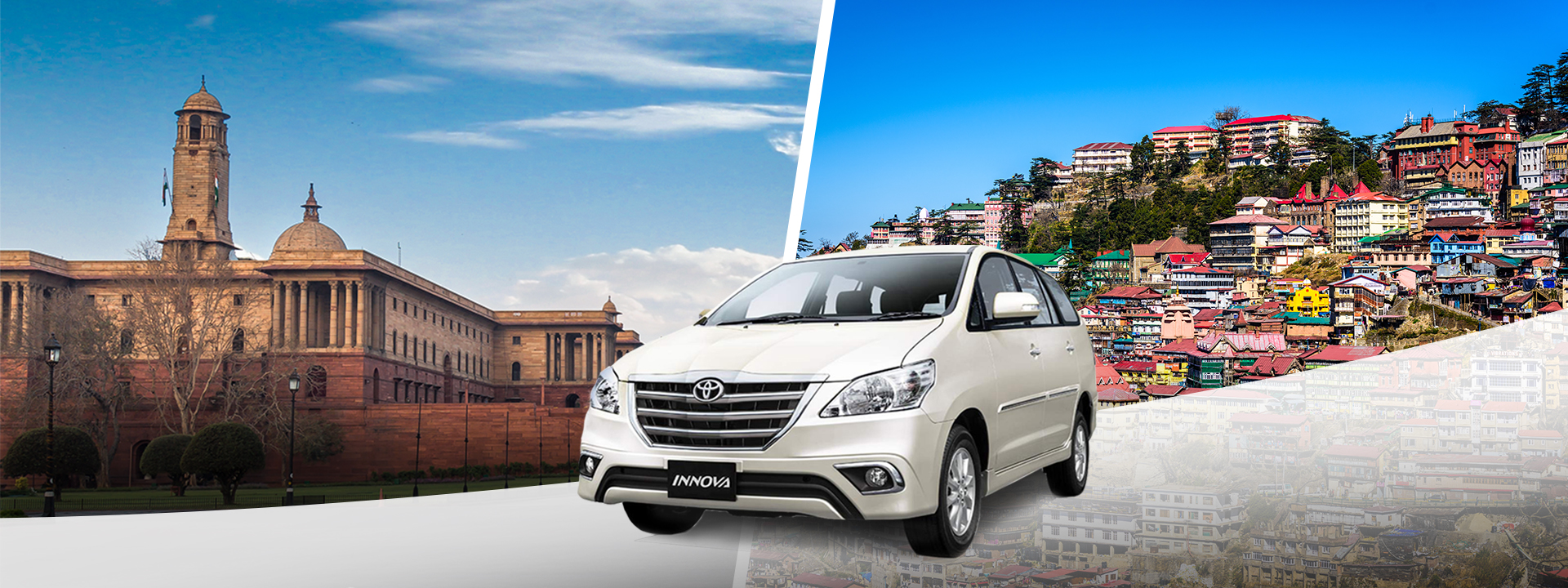
Duration: 8 hours<br/>SUV Vehicle<br/>Description: Private Transfers with stops on the way at Chandboari Stepwell and Fatehpur sikri with entry tickets and tour guide included
[Sedan Vehicle]+ Guide&Tickets
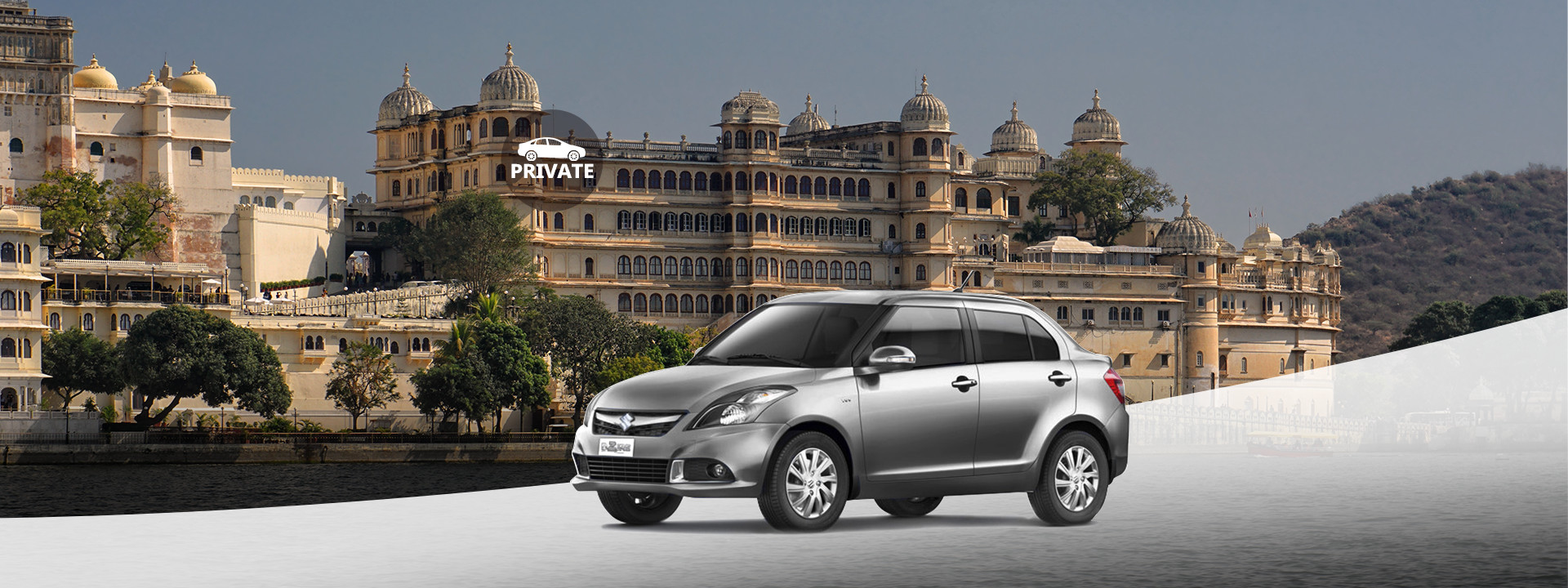
Duration: 8 hours<br/>Sedan Vehicle<br/>Description: Private Transfers with stops on the way at Chandboari Stepwell and Fatehpur sikri with entry tickets and tour guide included
What's included
Entry tickets and english speaking tour guide
Agra to Jaipur Drop Private Transfers
Detailed itinerary
1
Pickup available from any location in Agra, including hotels, railway stations, Airport, restaurants, or your preferred address.
2
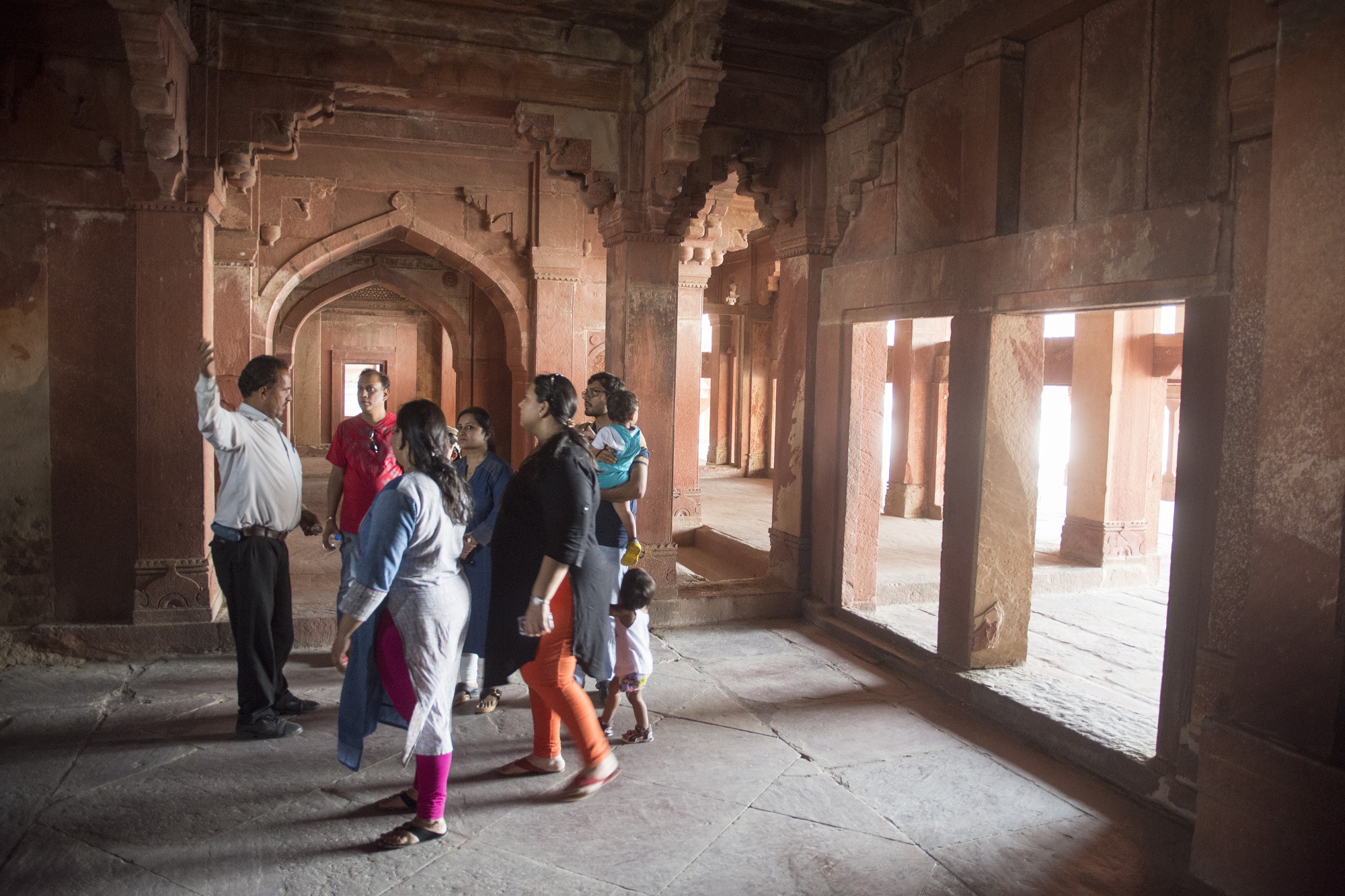
You will be Visiting Fatehpur Sikri - All areas with English speaking guide tickets Included
3
The Shahi Darwaza Gate at Fatehpur Sikri served as a royal entrance for the emperor and his court. Its imposing structure and detailed carvings reflect the grandeur of Mughal power and prestige.
4
The Turkish Sultana’s House, built in an Indo-Turkish style, is adorned with elegant arches and fine decorative details. It served as the residence of the Sultan’s consort, reflecting grace and royal charm.
5
Stop 5
Pass by
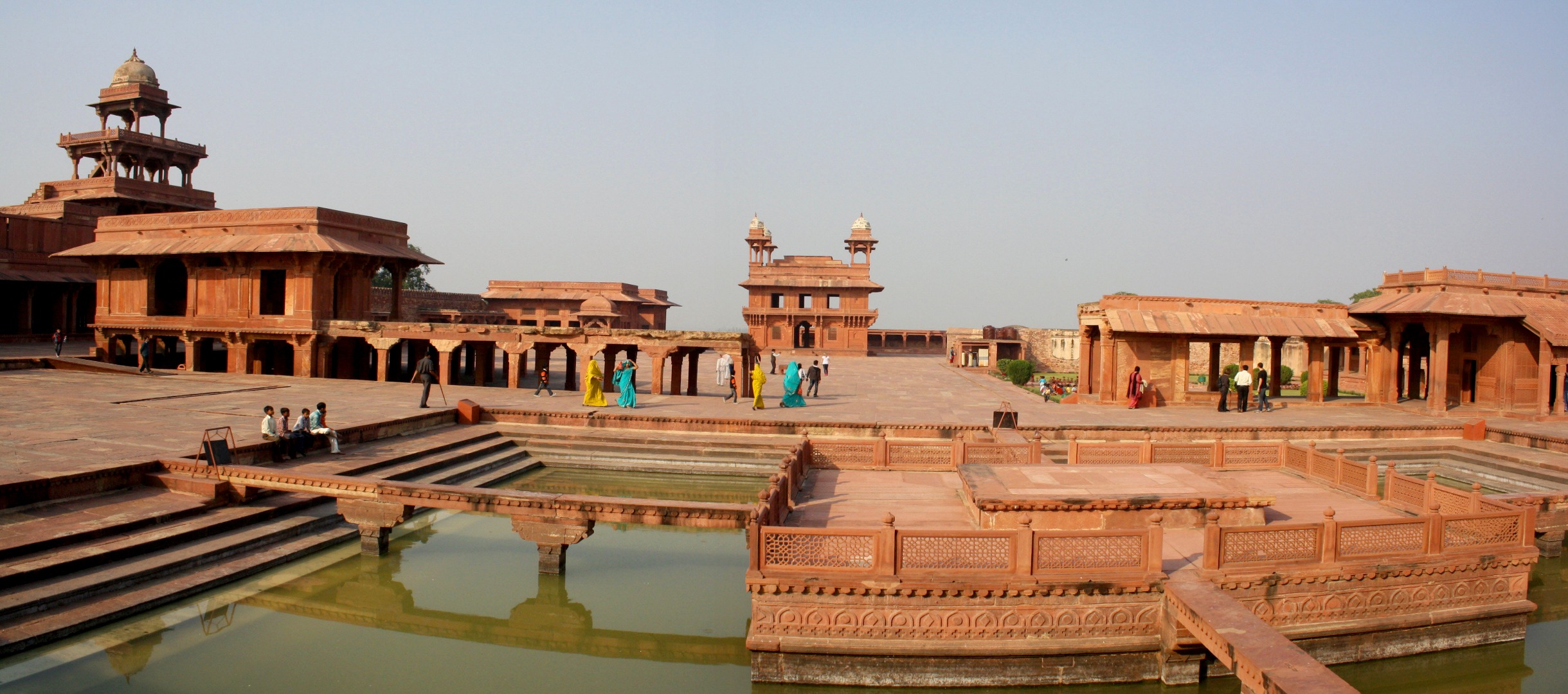
The Panch Mahal at Fatehpur Sikri is a five-story, open-pillared pavilion designed for leisure and royal women’s use. Its airy structure offers panoramic views and reflects Mughal elegance.
6
The Buland Darwaza, built by Akbar in 1601, is a monumental gateway celebrating his victory over Gujarat. Standing 54 meters high, it is one of the grandest examples of Mughal architecture.
7
The Khazana, or Treasury, consists of three rooms and was likely used to store imperial gold, silver, and secret documents, though it was wrongly called Ankh Michauli. Its thick rubble masonry walls contain hidden coffers and deep recesses, suggesting secure storage. Distinctive features include corbel-supported struts with serpentine scrolls emerging from monster jaws, inspired by Jain temple motifs of Western India.
8
The Caravan Sarai near Hiran Minar in Fatehpur Sikri served as a resting place for traveling merchants and their caravans. This spacious inn highlights the city’s role as a thriving trade and cultural hub.
9
The Fort Wall of Fatehpur Sikri stretches for nearly 6 kilometers, enclosing the magnificent Mughal city. Built with red sandstone, it provided both defense and a majestic boundary to Akbar’s capital.
10
The Diwan-i-Aam at Fatehpur Sikri was the hall of public audience where Akbar addressed the grievances of his people. Its spacious courtyard and pillared design reflect openness and imperial authority.
11
Hathi Pol, or Elephant Gate, served as a grand entrance to Fatehpur Sikri, built wide and strong enough for royal elephants to pass. Its imposing structure symbolizes power, strength, and imperial grandeur.
12
The Hiran Minar at Fatehpur Sikri is a tall tower built by Akbar in memory of his favorite elephant. Its unique design and purpose make it a remarkable symbol of Mughal affection for animals.
13
This rectangular complex with long arcaded porches is often thought to be stables, though its location beside Jodha Bai’s Palace makes this doubtful.
14
Birbal Bhavan, near Jodha Bai’s Palace, is a finely built residence showcasing elegant carvings and symmetrical design. Believed to house Akbar’s trusted minister Birbal, it reflects Mughal artistry and charm.
15
Tomb of Sheikh Salim Chisti Beautiful Tomb made with White Marble, Precious Gems & Stones etc.
16
The Jama Masjid at Fatehpur Sikri is one of the largest mosques in India, built by Akbar in 1571. Its grand design and intricate Persian-inspired motifs make it a masterpiece of Mughal architecture.
17
Jodha Bai’s Palace at Fatehpur Sikri blends Rajput and Mughal styles, with spacious courtyards and richly carved motifs. Built for Akbar’s queen, it reflects both royal grandeur and cultural harmony.
18
Stop 18
Pass by
The Diwan-i-Khas at Fatehpur Sikri is famed for its central intricately carved pillar with radiating stone bridges, symbolizing Akbar’s vision of unity. This grand hall was used for private audiences and discussions on religion and philosophy.
19
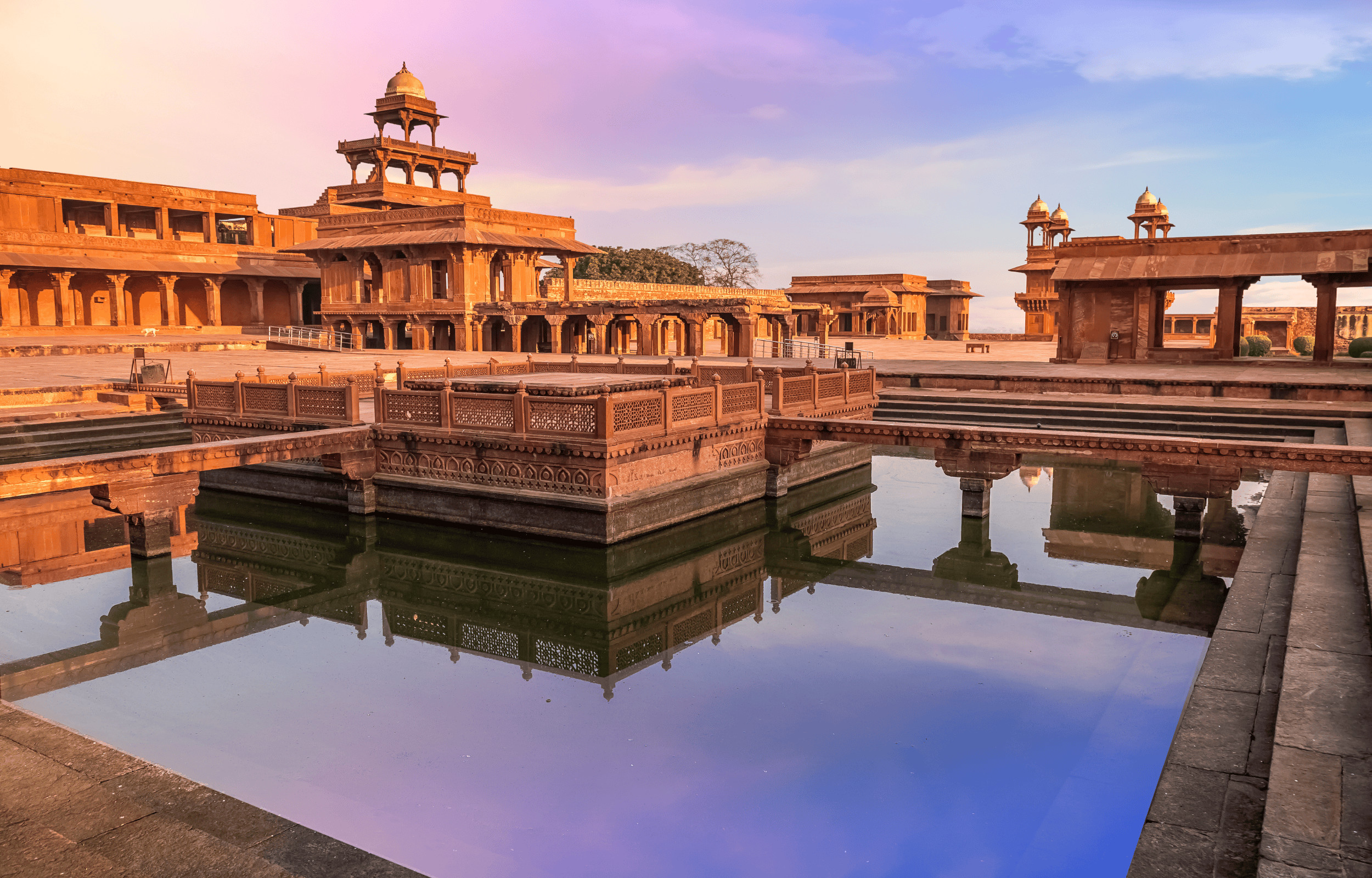
The Anup Talao is a stunning ornamental pool at Fatehpur Sikri, surrounded by beautiful pavilions. It was used for musical performances and royal gatherings, adding grandeur to Akbar’s court.
20
The Khwabgah, or “House of Dreams,” in Fatehpur Sikri was Emperor Akbar’s private chamber for rest and reflection. Its richly decorated interiors reflect Mughal artistry and the emperor’s refined taste.
21
Stop 21
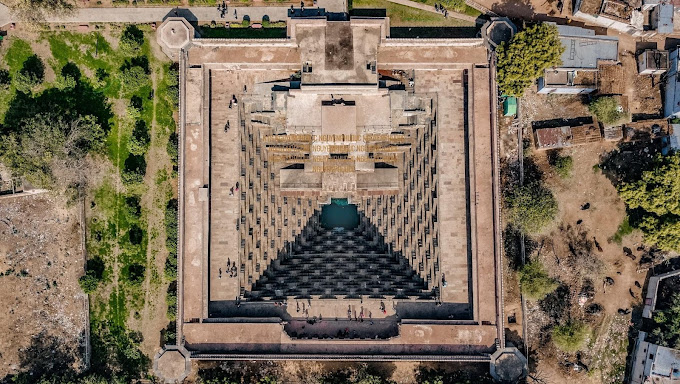
Explore one of the world’s deepest and largest stepwells, built over 1,000 years ago. Marvel at its stunning symmetrical steps and intricate design that reflect ancient Indian engineering.
22
Drop available to any location in Jaipur, including hotels, railway stations, Airport, restaurants, or your preferred address.
What's not included
Food and drinks
Accommodation
Shopping, Tips & Personal Expenses
Available languages
Guide guide
HI
EN
Reviews breakdown
Viator
4.8
18 reviews
5★
15
4★
2
3★
1
2★
0
1★
0
Tripadvisor
4.9
19 reviews
5★
18
4★
0
3★
1
2★
0
1★
0
Important information
Suitable for all physical fitness levels
Meeting point
Pickup any where Agra Location / Hotels / Restaurants as per Customer wish
About Agra
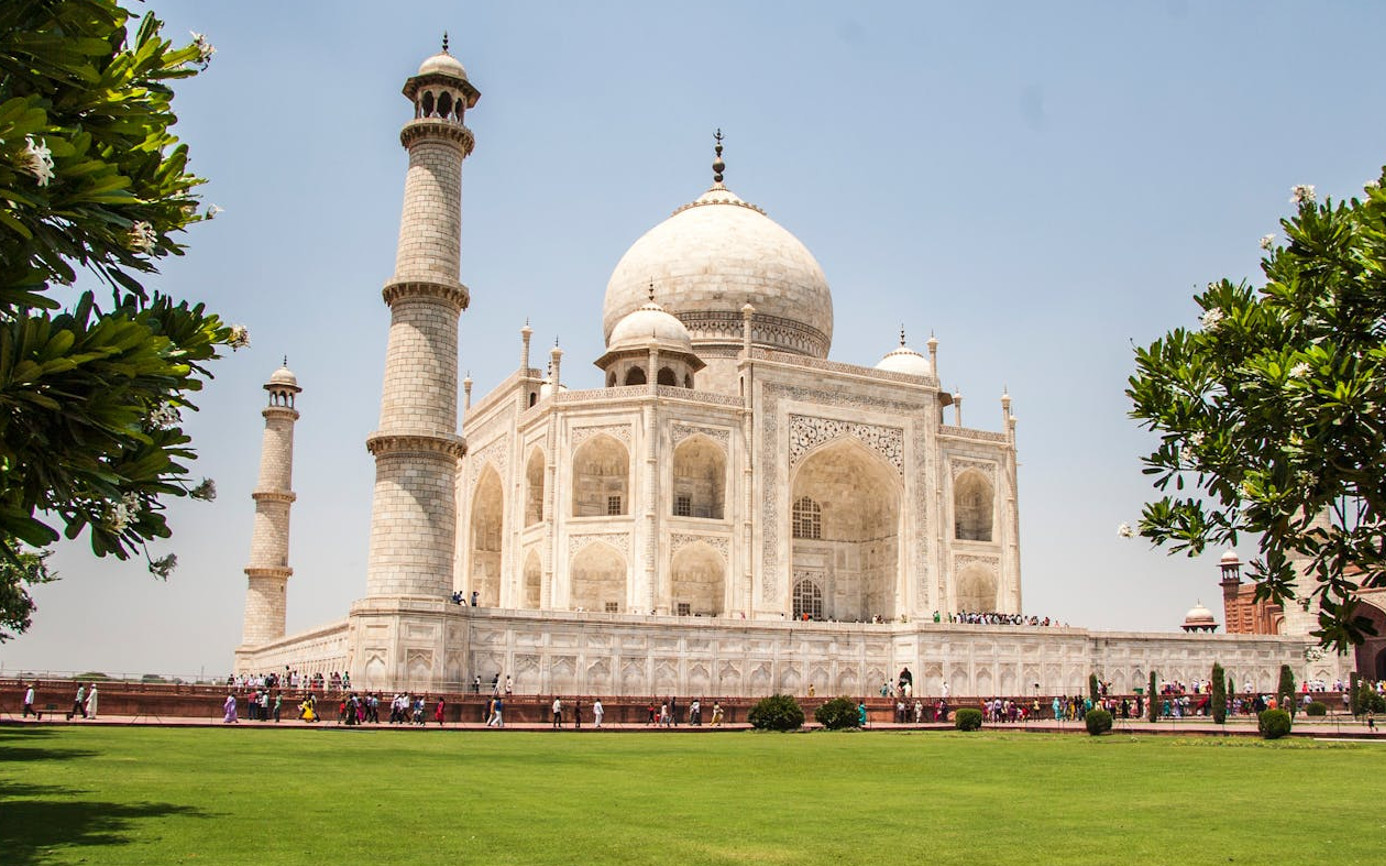
Agra, a historic city on the banks of the Yamuna River, is famous for the iconic Taj Mahal, a UNESCO World Heritage Site. This Mughal-era city is a treasure trove of architectural marvels, rich history, and vibrant culture, making it a must-visit destination in India.
Top Attractions
Taj Mahal
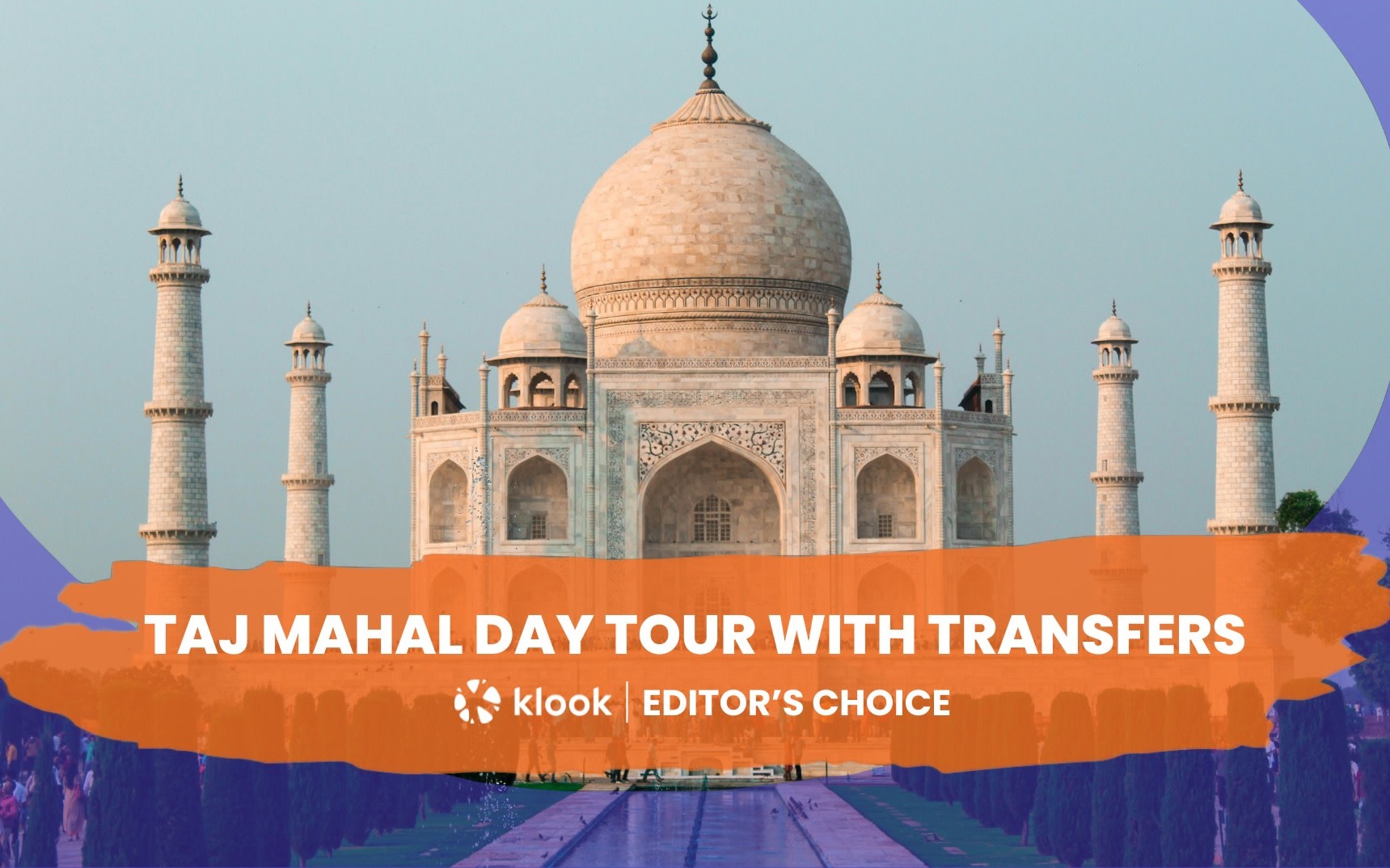
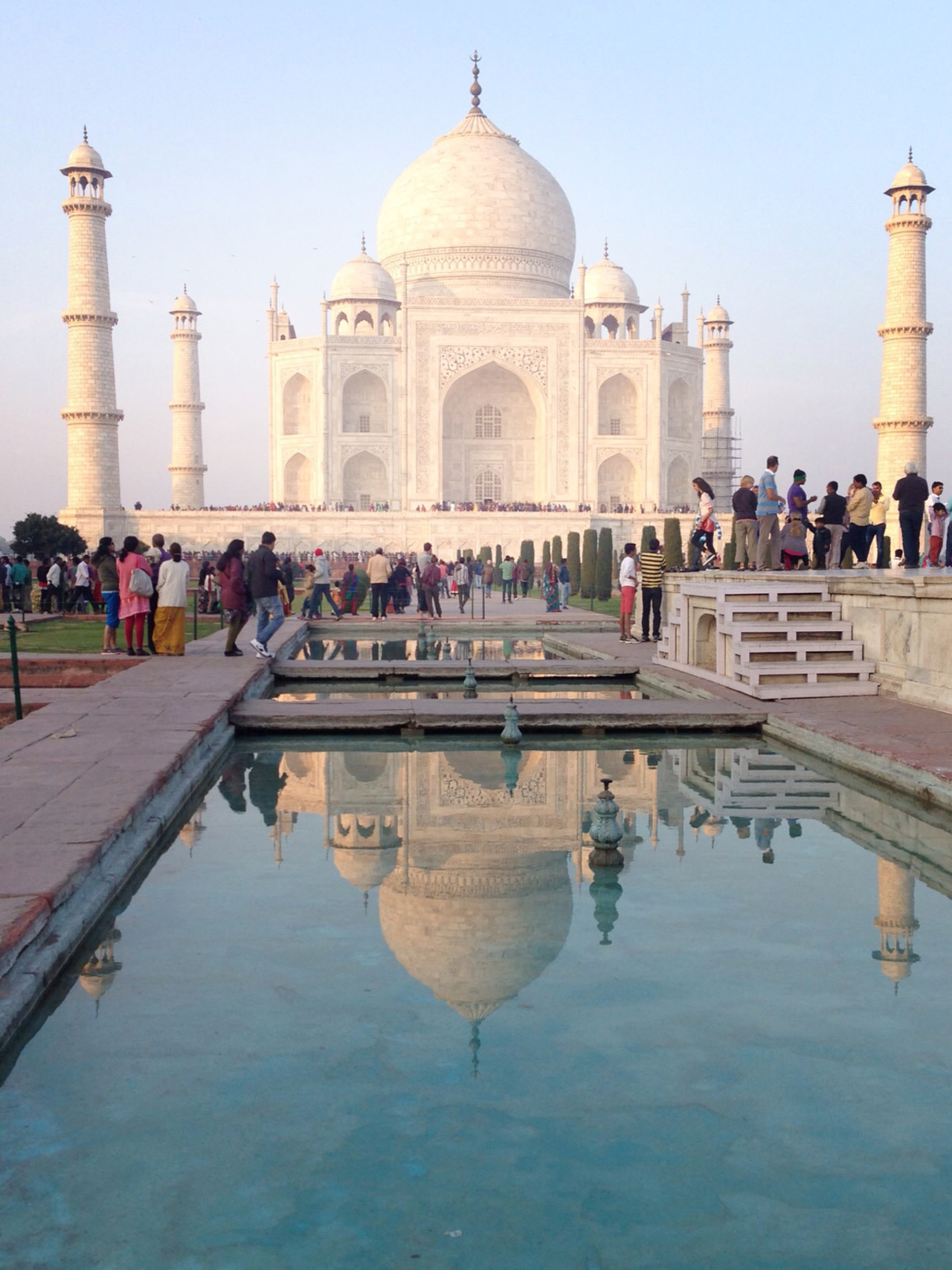
The Taj Mahal is a white marble mausoleum built by Mughal Emperor Shah Jahan in memory of his wife Mumtaz Mahal. It is a UNESCO World Heritage Site and one of the New Seven Wonders of the World.
Architecture
2-3 hours
INR 1300 (foreign tourists), INR 50 (Indian tourists)
Agra Fort
Agra Fort is a UNESCO World Heritage Site and a major Mughal-era military structure. It houses several palaces, mosques, and other buildings.
Historical
2-3 hours
INR 600 (foreign tourists), INR 50 (Indian tourists)
Fatehpur Sikri
Fatehpur Sikri is a UNESCO World Heritage Site and a ghost city built by Emperor Akbar. It features a mix of Mughal and Hindu architecture.
Historical
4-5 hours
INR 610 (foreign tourists), INR 550 (Indian tourists)
Itimad-ud-Daulah
Known as the 'Baby Taj', this mausoleum is a precursor to the Taj Mahal and features beautiful marble inlay work.
Architecture
1-2 hours
INR 400 (foreign tourists), INR 40 (Indian tourists)
Mehtab Bagh
Mehtab Bagh is a beautiful garden complex with views of the Taj Mahal. It is a great spot for photography and relaxation.
Nature
1-2 hours
Free
Must-Try Local Dishes
Petha
A sweet candy made from ash gourd, a specialty of Agra.
Snack
Vegetarian, Vegan
Mughlai Cuisine
Rich and flavorful dishes like biryani, kebabs, and curries.
Dinner
Contains meat, vegetarian options available
Bedai
A deep-fried bread stuffed with spiced lentils, served with potato curry.
Breakfast
Vegetarian
Dalmoth
A savory snack made from lentils, spices, and nuts.
Snack
Vegetarian, Vegan
Popular Activities
Hot air balloon ride over the Taj Mahal
Cycling tours around Agra
Yoga and meditation sessions
Spa and wellness treatments
Visiting historical monuments and museums
Attending local festivals and events
Boat ride on the Yamuna River
Visiting during the winter festival
Best Time to Visit
October to March
The best time to visit Agra is during the winter months when the weather is pleasant and cool. This is the peak tourist season with clear skies and comfortable temperatures.
15°C to 30°C
59°F to 86°F
Practical Information
Language
- Official: Hindi
- Widely spoken: English, Urdu
- English: Moderately spoken in tourist areas, limited in rural areas
Currency
Indian Rupee (INR)
Time Zone
GMT+5:30
Electricity
230VV, 50HzHz
Safety Information
Overall Safety Rating: Generally safe, but exercise caution
Agra is generally safe for tourists, but petty crimes like pickpocketing and scams can occur. Be cautious of your surroundings and take necessary precautions.
Important Precautions:
- • Use reputable taxi services and agree on the fare before starting the journey.
- • Be cautious of strangers offering unsolicited help or services.
- • Keep valuables secure and be aware of your surroundings in crowded areas.
Getting there
By air
- Pandit Deen Dayal Upadhyay Airport • 12 km from city center
By train
Agra Cantt, Agra Fort
By bus
Idgah Bus Stand, Taj Express Highway Bus Stand
Getting around
Public transport
Buses are the most common and affordable mode of transport. Routes cover most parts of the city.
Taxis
Available • Apps: Ola, Uber
Rentals
Car, Bike, Scooter
Neighborhoods
Tajganj
Kinchwal Bagh
Ramlila Ground
Day trips
Fatehpur Sikri
40 km from Agra • Half day to full day
A UNESCO World Heritage Site and a ghost city built by Emperor Akbar. It features a mix of Mughal and Hindu architecture.
Mathura and Vrindavan
55 km from Agra • Full day
Mathura and Vrindavan are important religious sites for Hindus, associated with the birth and childhood of Lord Krishna.
Bharatpur Bird Sanctuary
55 km from Agra • Full day
A UNESCO World Heritage Site and a haven for birdwatchers, featuring a variety of bird species and wildlife.
Festivals
Taj Mahotsav • February
Ram Navami • March or April (varies by lunar calendar)
Diwali • October or November (varies by lunar calendar)
Pro tips
- Visit the Taj Mahal at sunrise to avoid crowds and experience the magical lighting.
- Hire a local guide for a deeper understanding of Agra's history and culture.
- Try local street food like petha, bedai, and chaat for an authentic culinary experience.
- Carry a hat, sunscreen, and a reusable water bottle, especially during the hot summer months.
- Learn a few basic Hindi phrases to enhance your interaction with locals and show respect for their culture.
From $25
per person
Price varies by option
Secure booking
Free cancellation available
Instant confirmation