Amanohashidate Ine Funaya Miyama Village No Sato Tour from Osaka
Active
9h - 10h
For a full refund, cancel at least 24 hours before the scheduled departure time.
Instant confirmation
Mobile or paper ticket accepted
About this experience
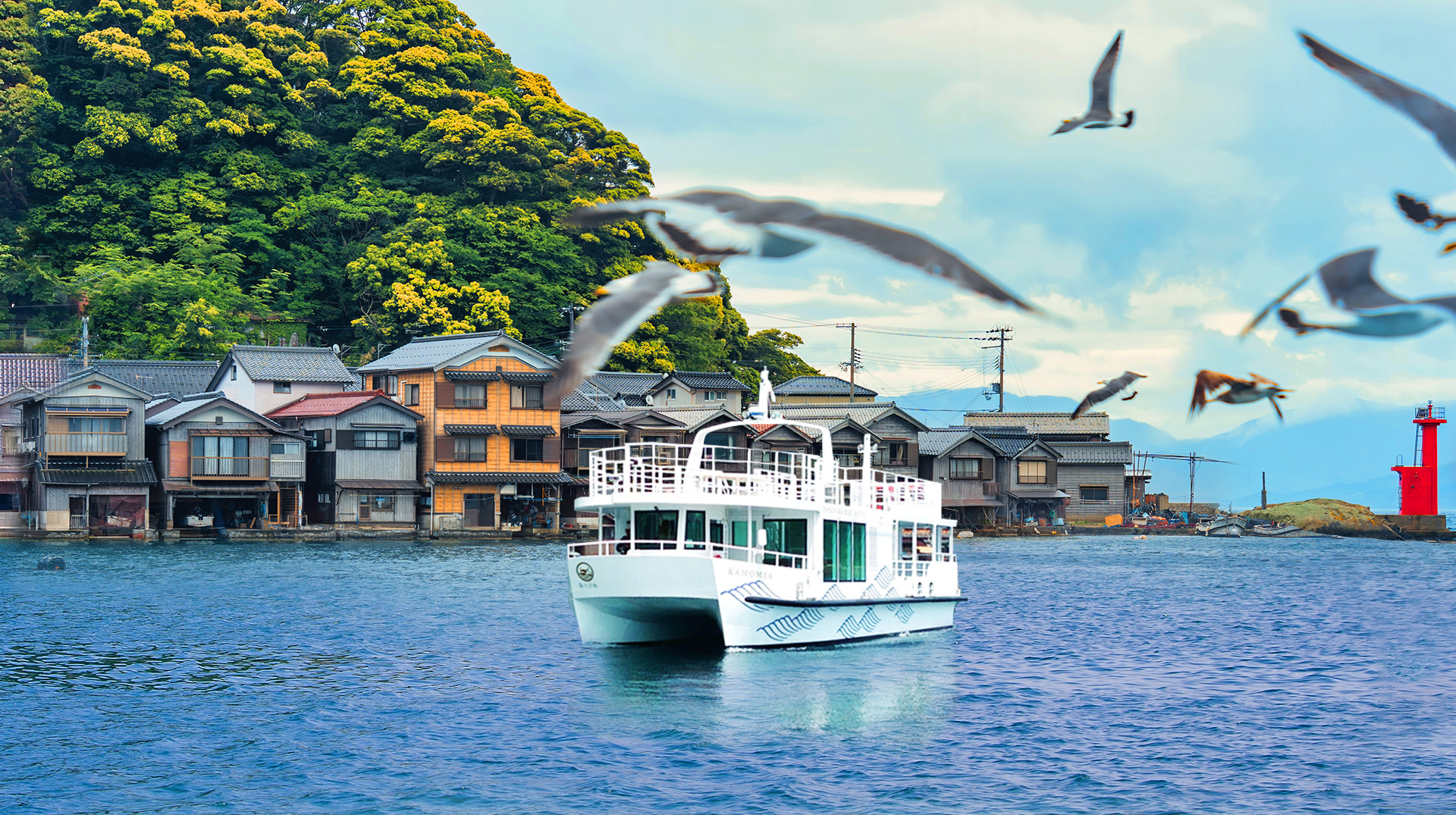
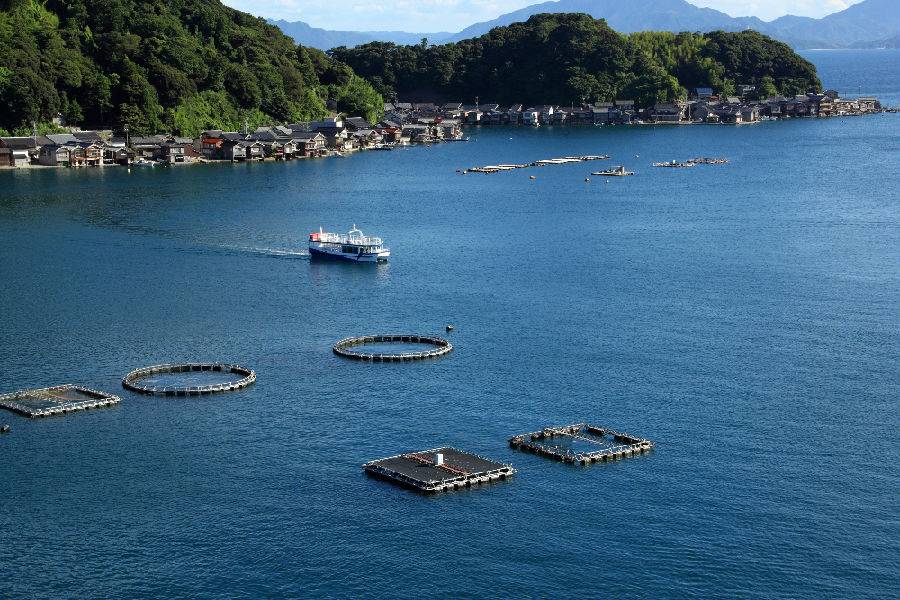
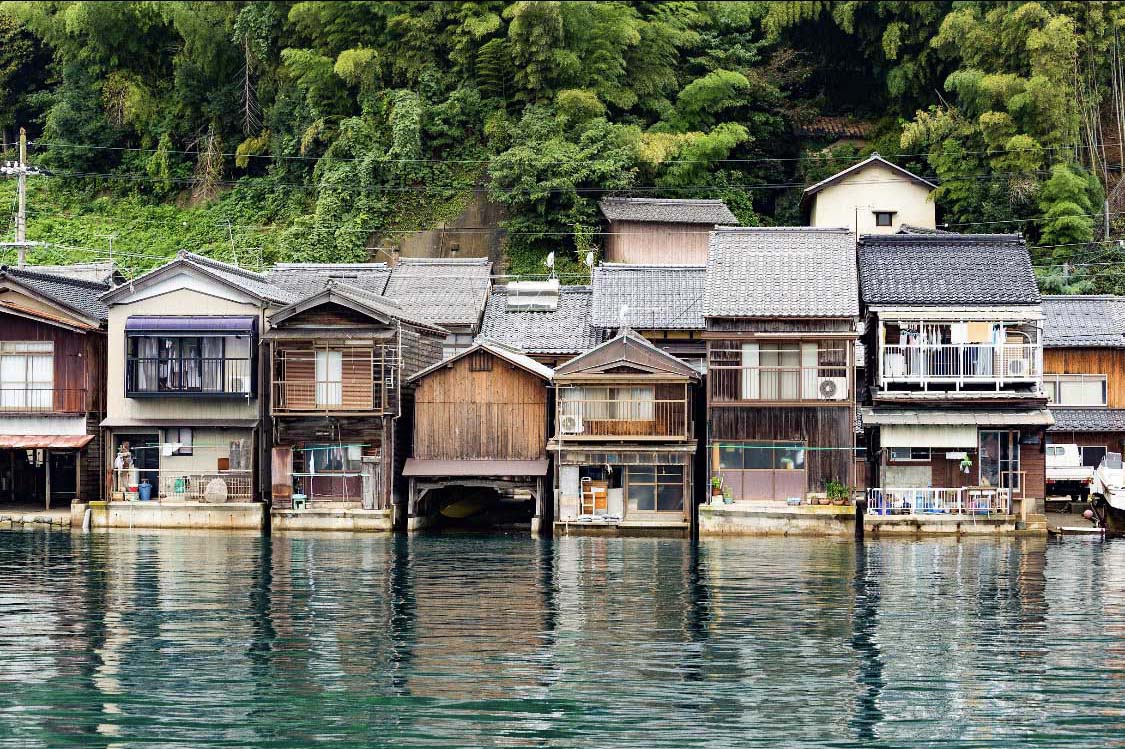
Embark on a breathtaking adventure with our curated tour showcasing Japan's stunning landscapes and cultural treasures, Ine Fishing Village, often called the "Venice of Japan," where you can explore charming boathouses and soak in the serene coastal atmosphere while walking or cycling along the water's edge.
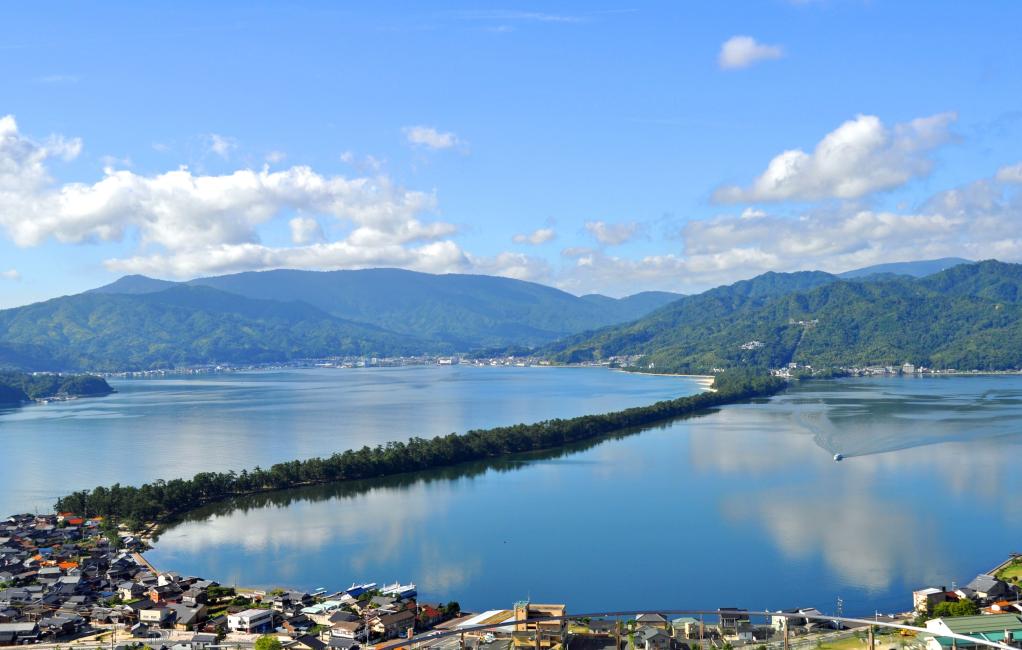
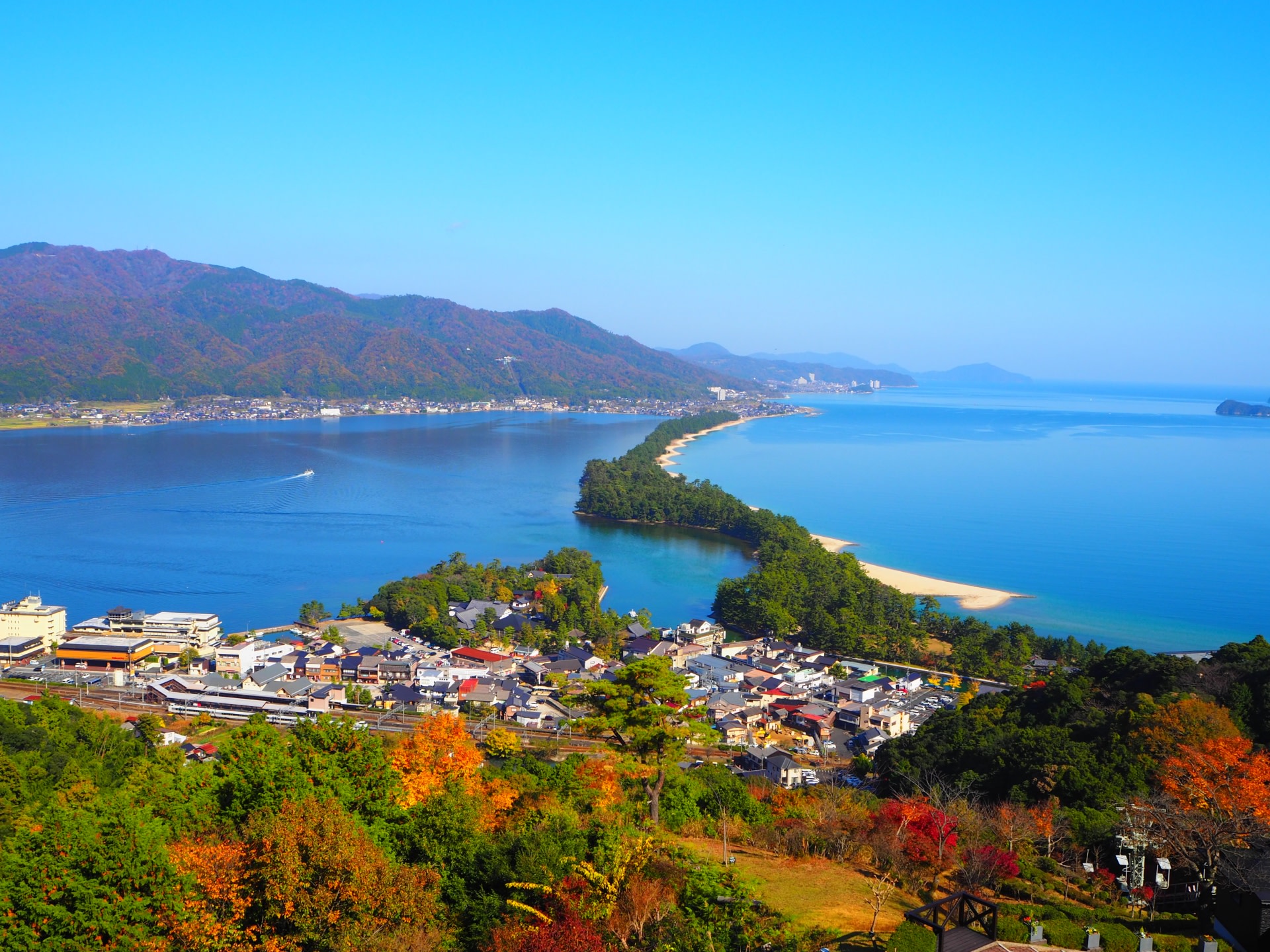
Next, journey to Amanohashidate, one of Japan's top three scenic spots, featuring a mesmerizing sandbar lined with over 8,000 pine trees. Don’t miss the fun tradition of viewing the sandbar upside down—it’s an unforgettable sight! Enjoy a self-guided exploration and savor a delicious lunch of fresh local seafood.
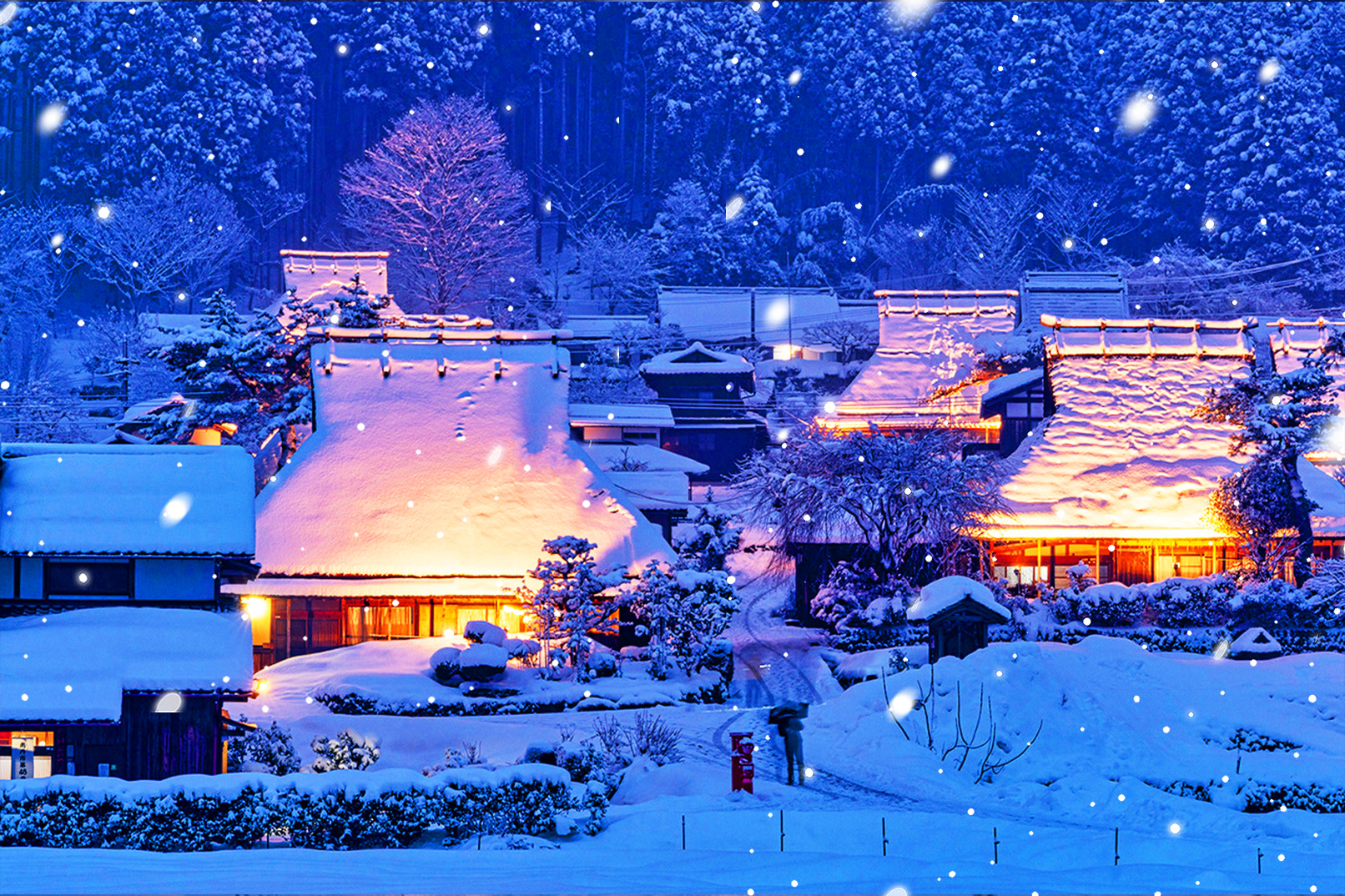
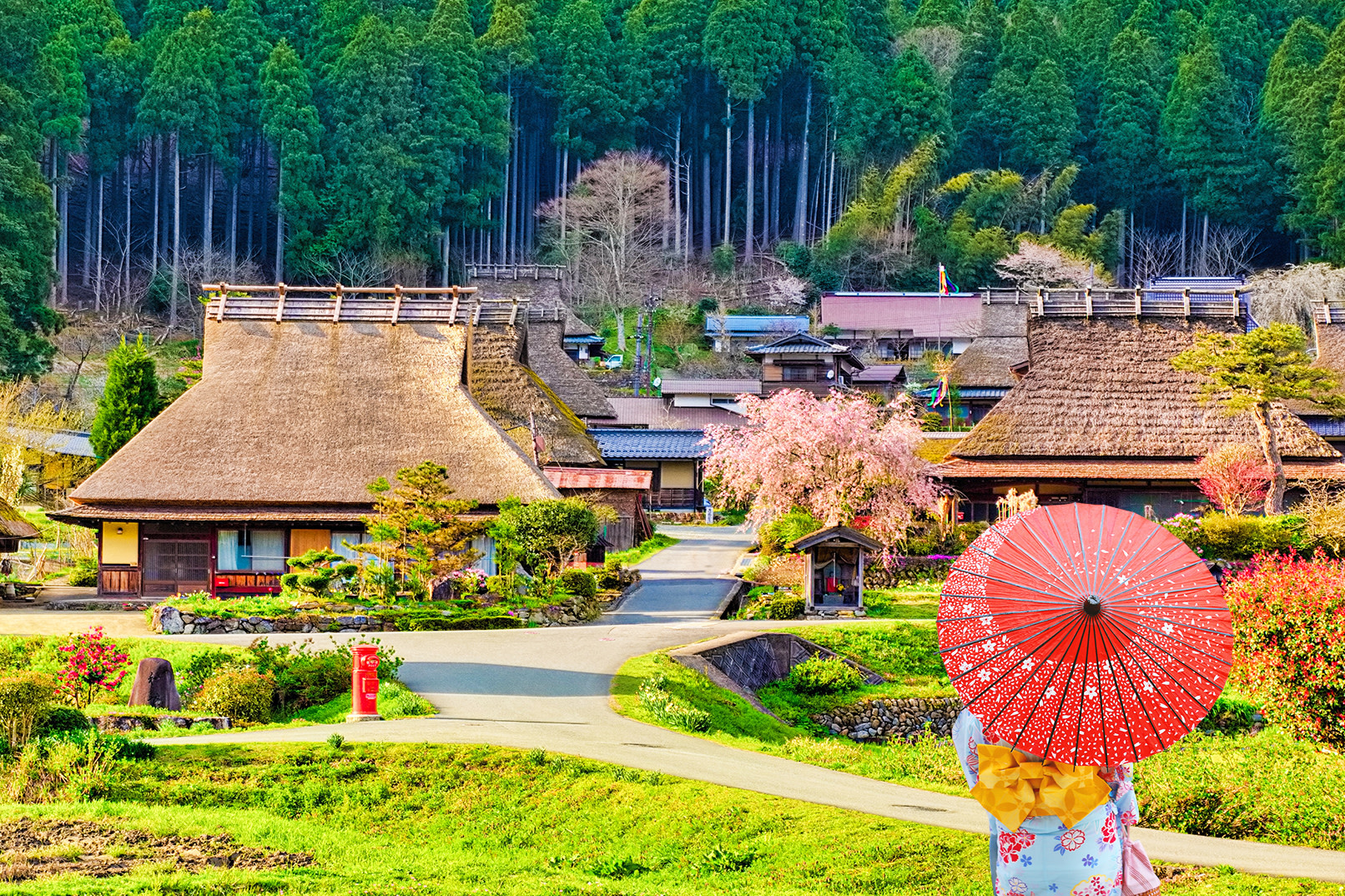
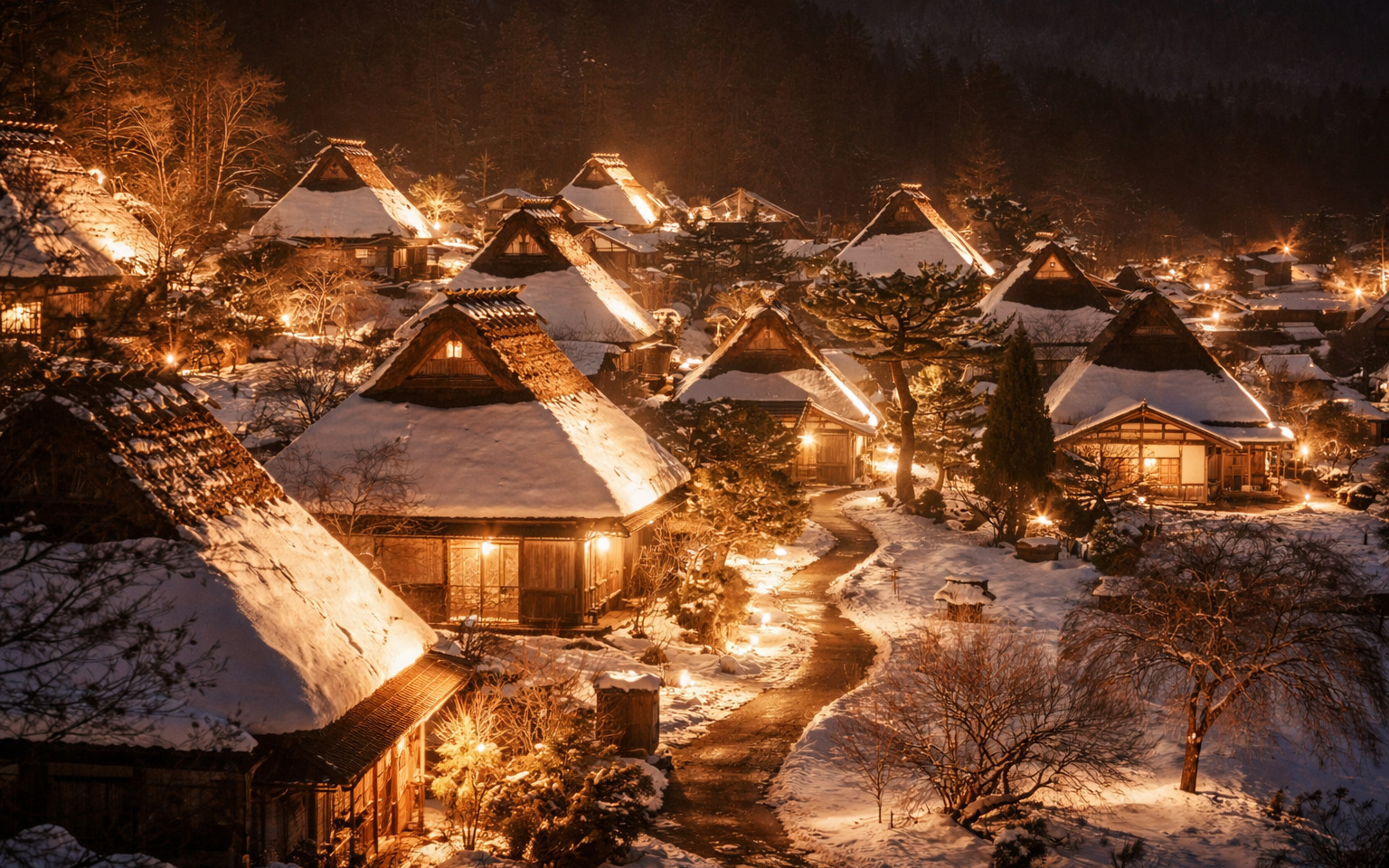
Then, immerse yourself in the tranquil beauty of Chionji Temple, where you can pray for wisdom and success. Finally, stroll through Miyama Kayabuki no Sato, a quaint village of thatched-roof houses that embodies Japan's rural charm.
With stunning views and rich cultural experiences, this tour promises an unforgettable day of discovery. Book your adventure today!
Available options
Without Tickets
With tickets
What's included
Chinese/Japanese/English/Korean-speaking guide
Detailed itinerary
1
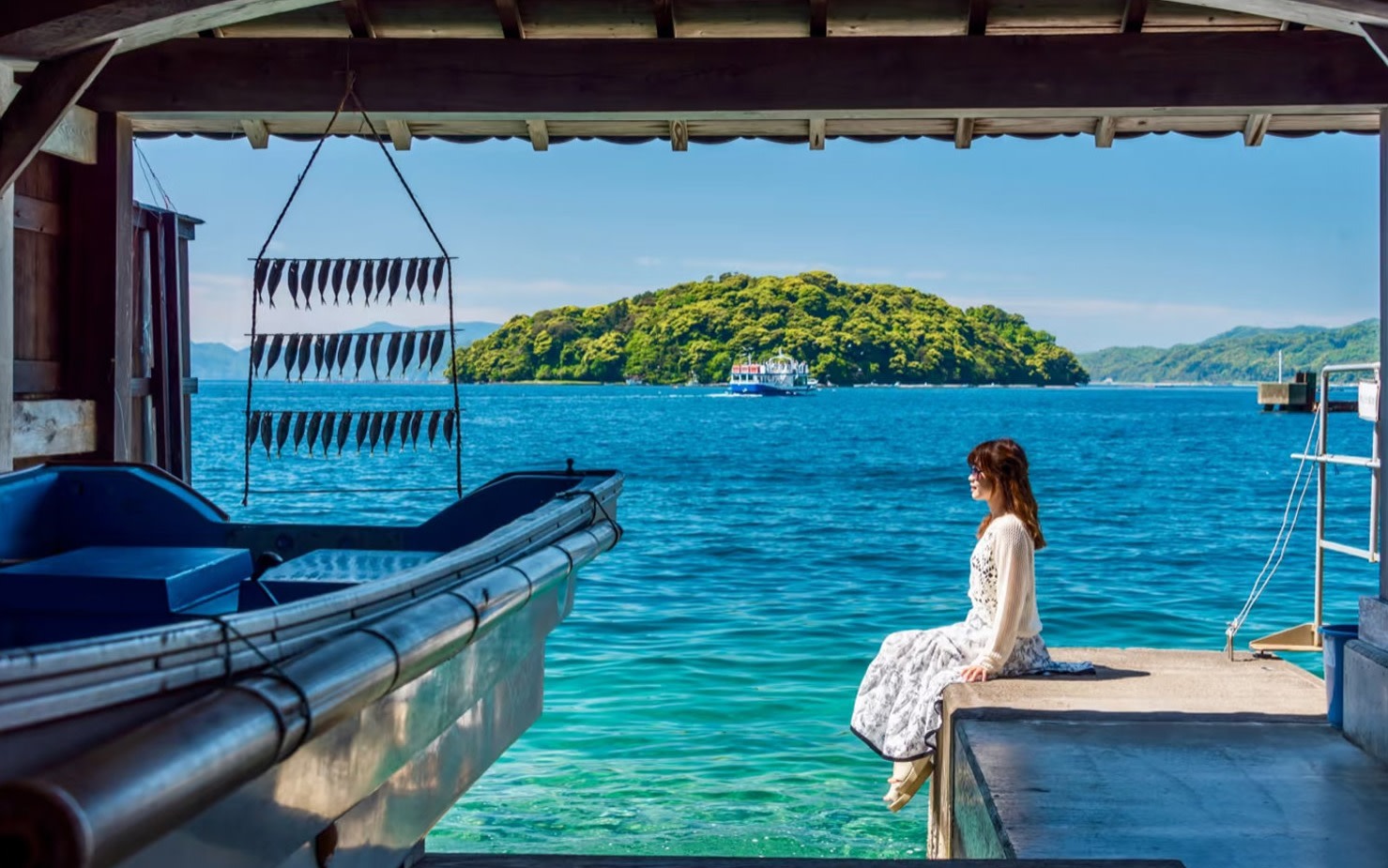
Ine Fishing Village, also known as Ine Funaya, is often called the "Venice of Japan." Located along the scenic coastline of Kyoto, it is famous for its traditional wooden boathouses, or "funaya," built directly on the water’s edge. These unique houses serve as both living spaces and boat garages, reflecting the village's deep connection to fishing and the sea. Walking through the village feels like stepping back in time, with narrow streets lined by these historical buildings. Visitors can explore the village either on foot or by cycling, enjoying the peaceful charm of the area. It has earned its reputation as one of Japan's "Most Beautiful Villages on the Sea." The visit lasts for 40 to 60 minutes, and if you choose to rent a bike, the cycling fee is not included in the tour price.
2
Stop 2
Amanohashidate, meaning "Bridge in Heaven," is one of Japan's most famous scenic views, located in Kyoto Prefecture. It is a 3.6-kilometer-long natural sandbar covered with 8,000 pine trees, stretching across Miyazu Bay. The best views are from Kasamatsu Park or Amanohashidate View Land, where the sandbar appears to float in the sky when seen upside down, a tradition called "matanozoki." Visitors can walk or cycle along the sandbar, enjoying the peaceful paths, small beaches, and picturesque scenery. At the southern end lies Chionji Temple, a popular site for those praying for academic success. The area is also known for fresh seafood & traditional sweets, making it a beautiful & culturally rich destination to explore.
The 90 minutes stop includes time for lunch at your own expense, fresh local seafood being a popular choice. Some attractions might need to be skipped due to capacity or weather conditions
3
Chionji Temple, located at the southern end of Amanohashidate, is a historic Buddhist temple renowned for its connection to academic success. Dedicated to Monju Bosatsu, the Bodhisattva of wisdom, the temple attracts many students and scholars seeking blessings for their studies and examinations.
The temple grounds are beautifully landscaped, featuring traditional wooden structures adorned with intricate carvings and vibrant colors. Visitors can explore the main hall, where they can offer prayers and light incense. The serene atmosphere is enhanced by the surrounding pine trees and well-maintained gardens, providing a peaceful retreat from the hustle and bustle of daily life.
Chionji Temple is also known for its ema (wooden prayer plaques), where visitors write their wishes for wisdom and success. The temple's historical significance and tranquil ambiance make it a must-visit site for anyone exploring the Amanohashidate area, offering a unique blend of spirituality and natural beauty
4
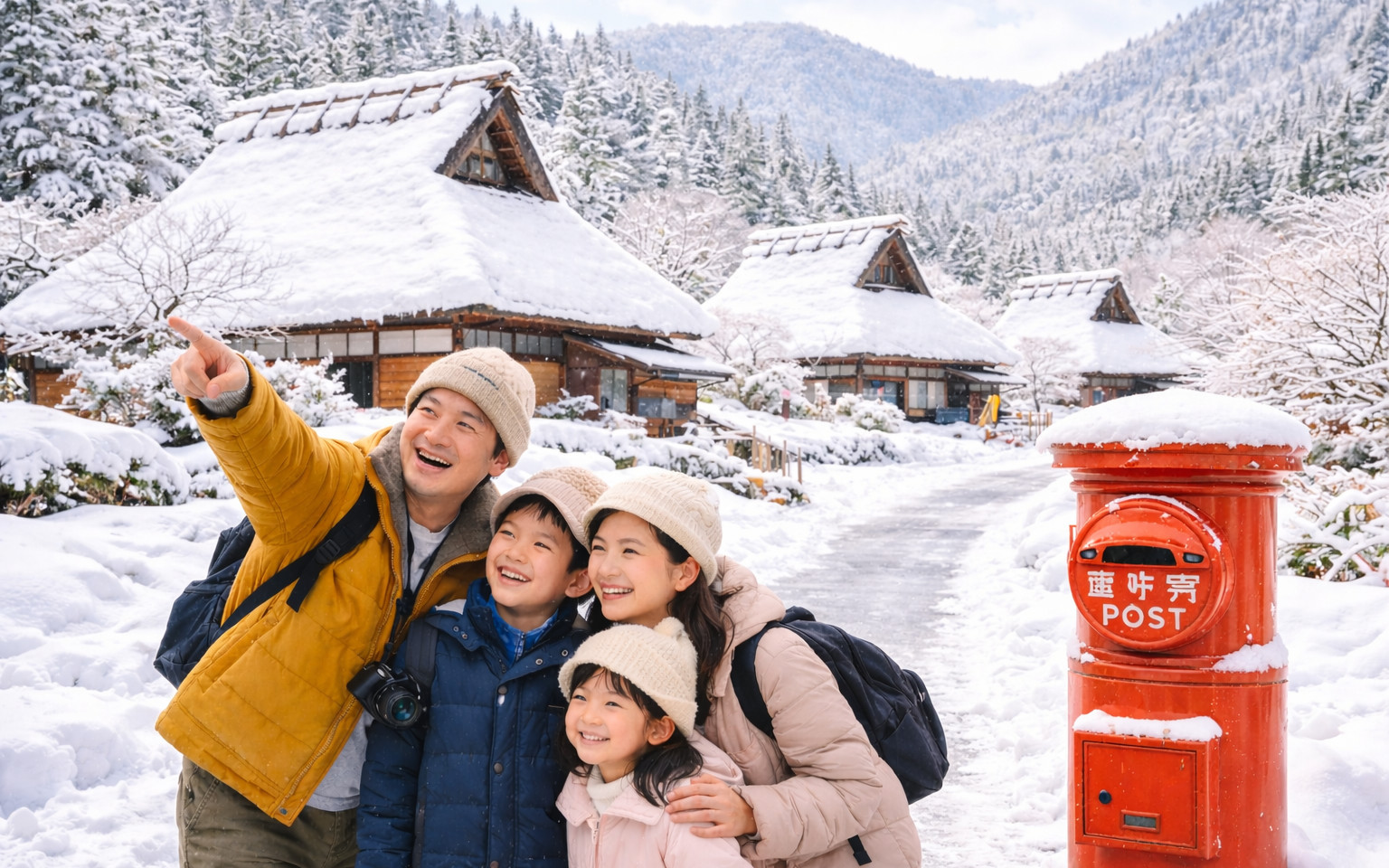
Miyama Kayabuki no Sato, a traditional village renowned for its thatched-roof houses. With about 50 preserved homes, this village is a perfect example of rural Japanese architecture. The houses, made with timber and thatch, have been in use for centuries and represent a style of craftsmanship rarely seen today. As you stroll through the village, you'll feel immersed in a serene, rural atmosphere, with the mountains providing a beautiful backdrop. There are small shops and cafes where you can enjoy local products and learn more about the region’s history and thatching techniques. This visit lasts 40 to 60 minutes, offering a glimpse into traditional Japanese countryside life.
What's not included
Other personal expenses
Available languages
Guide guide
KO
JA
EN
ZH-CN
Reviews breakdown
Viator
4.5
4 reviews
5★
3
4★
0
3★
1
2★
0
1★
0
Tripadvisor
5.0
2 reviews
5★
2
4★
0
3★
0
2★
0
1★
0
Important information
Wheelchair accessible
Infants and small children can ride in a pram or stroller
Public transportation options are available nearby
Infants are required to sit on an adult’s lap
Transportation options are wheelchair accessible
Suitable for all physical fitness levels
Free for children aged 0-2 as long as they will not occupy separate seats
Seniors aged 70+ should present a medical certificate before participating
Due to the long journey, please understand if you encounter traffic jams. Our company will not bear any subsequent costs caused by delays due to traffic jams.
Because the one-day tour is a carpooling trip; please do not be late at the meeting place or attractions. No refund will be given if you are late. You will be responsible for any accidents that may occur after being late. Please be aware!
The transportation, sightseeing and stay time involved in the itinerary are subject to the actual situation of the day. In case of special circumstances (such as traffic jams, weather reasons, etc.), the tour guide can reasonably adjust the order of attractions in the itinerary based on the actual situation and with the consent of the guests, without reducing the number of attractions in the itinerary!
The total tour time includes travel (transportation) time.
Meeting point
We will meet up at 07:10 AM and Departure at 07:20 AM at Nipponbashi Exit 2 (Namba Shinsaibashi area). The tour guide will hold a "GOGODAY" Yellow flag~.
Important notes
We will the guide, driver and bus details in the evening onday before the travel date.
About Osaka
Osaka is a vibrant, bustling city known for its rich culinary scene, historic sites, and modern entertainment. As Japan's second-largest metropolitan area, it offers a dynamic mix of traditional culture and contemporary urban life.
Top Attractions
Osaka Castle
A iconic symbol of Osaka, this castle was originally built in the 16th century and has been beautifully restored. It offers a glimpse into Japan's feudal history and features a museum and scenic park.
Historical
2-3 hours
600 JPY
Dotonbori
A lively and colorful entertainment district known for its neon lights, street food, and vibrant nightlife. Dotonbori is a must-visit for foodies and those looking to experience Osaka's energetic atmosphere.
Entertainment
2-3 hours
Free (food and shopping vary)
Universal Studios Japan
A popular theme park featuring attractions based on famous movies and characters, including Harry Potter, Super Nintendo World, and Jurassic Park. It's a great destination for families and thrill-seekers.
Entertainment
Full day
8,400-10,600 JPY (varies by season and tickets)
Osaka Aquarium Kaiyukan
One of the largest aquariums in the world, featuring a wide variety of marine life, including whales, sharks, and penguins. The aquarium is known for its impressive exhibits and educational programs.
Nature
2-3 hours
2,600 JPY
Shinsekai
A retro district with a nostalgic atmosphere, featuring the iconic Tsutenkaku Tower and a variety of local eateries. Shinsekai is known for its unique blend of old and new, offering a glimpse into Osaka's past.
Cultural
1-2 hours
Free (food and shopping vary)
Must-Try Local Dishes
Takoyaki
Octopus-filled batter balls, cooked to perfection and topped with savory sauces and bonito flakes. A must-try street food in Osaka.
Snack
Contains seafood, can be made vegetarian upon request
Okonomiyaki
A savory pancake made with cabbage, batter, and various toppings, cooked on a griddle. Often referred to as 'Japanese pizza.'
Dinner
Can be made vegetarian or vegan upon request
Kushikatsu
Deep-fried skewers of various meats, vegetables, and seafood, served with a dipping sauce. A specialty of the Shinsekai district.
Dinner
Contains seafood and meat, can be made vegetarian upon request
Ramen
Noodle soup dish with various broths, toppings, and noodle types. Osaka is known for its rich and flavorful ramen.
Lunch/Dinner
Can be made vegetarian or vegan upon request
Popular Activities
Hiking in the nearby mountains
Cycling tours
Kayaking and water sports
Onsen (hot spring) visits
Tea ceremonies
Gardens and parks
Temple and shrine visits
Traditional workshops (e.g., calligraphy, ikebana)
Best Time to Visit
March to May, September to November
These months offer pleasant weather with mild temperatures and lower humidity, making it ideal for sightseeing and outdoor activities. Cherry blossoms in March and April add to the appeal.
15-25°C
59-77°F
Practical Information
Language
- Official: Japanese
- Widely spoken: English (limited)
- English: Limited
Currency
Japanese Yen (JPY)
Time Zone
JST (GMT+9)
Electricity
100VV, 50/60HzHz
Safety Information
Overall Safety Rating: Very safe
Osaka is generally very safe, with low crime rates and a strong emphasis on public safety. However, as with any major city, it's important to be aware of your surroundings and take precautions to protect your belongings.
Important Precautions:
- • Keep valuables secure and out of sight
- • Be cautious of pickpockets in crowded areas
- • Use licensed taxis and reputable tour operators
Getting there
By air
- Kansai International Airport • 50 km from city center
- Itami Airport • 20 km from city center
By train
Osaka Station, Shin-Osaka Station
By bus
Osaka Station Bus Terminal, Umeda Bus Terminal
Getting around
Public transport
The Osaka Metro system is efficient, clean, and easy to navigate. It consists of eight lines that connect major attractions, shopping districts, and neighborhoods.
Taxis
Available • Apps: JapanTaxi, DiDi
Rentals
Car, Bike, Scooter
Neighborhoods
Umeda
Namba
Shin-Osaka
Tennoji
Day trips
Kyoto
50 km • Full day
A historic city known for its temples, shrines, and traditional architecture. Kyoto offers a glimpse into Japan's rich cultural heritage and is a must-visit for history and culture enthusiasts.
Nara
40 km • Half day to full day
A historic city known for its ancient temples, shrines, and the famous Nara Park, home to hundreds of free-roaming deer. Nara offers a mix of history, culture, and nature.
Kobe
30 km • Full day
A port city known for its historic sites, scenic views, and delicious beef. Kobe offers a mix of culture, history, and culinary delights.
Festivals
Tenjin Matsuri • July 24-25
Kishiwada Danjiri Matsuri • September 14-15
Osaka Castle Illumination • December (specific dates vary)
Pro tips
- Use an IC card, such as ICOCA or Suica, for easy and convenient payments on public transportation, vending machines, and convenience stores
- Try local specialties, such as takoyaki, okonomiyaki, and kushikatsu, at street food stalls and local restaurants
- Visit popular attractions early in the morning or late in the afternoon to avoid crowds and long lines
- Explore the city's unique neighborhoods, such as Dotonbori, Shinsekai, and Den Den Town, to experience the diverse culture and atmosphere of Osaka
- Take advantage of the city's extensive public transportation system, including the Osaka Metro, JR trains, and buses, to easily navigate and explore the city
From $25
per person
Price varies by option
Secure booking
Free cancellation available
Instant confirmation


![[Kyoto's Top 3 Attractions] Amanohashidate Cable Car & Ine Boathouse Cruise & Miyama Thatched Village Day Trip (Includes Shrimp Chips for Feeding Seagulls)](https://res.klook.com/image/upload/activities/eckrryuvzw4o1ycyd8iy.jpg)
![Kyoto Gassho Village Miyama Thatched Roof Village, Amanohashidate, and Ine Boathouse Day Trip [Limited Miyama Water Release Ceremony/Snow Lantern Corridor Illumination] | Departure from Osaka](https://res.klook.com/image/upload/activities/d5bz5jzatspyewski59o.jpg)