Agafay Desert and Atlas Mountains Day Trip from Marrakech
Active
6h - 7h
For a full refund, cancel at least 24 hours before the scheduled departure time.
Instant confirmation
Mobile or paper ticket accepted
About this experience
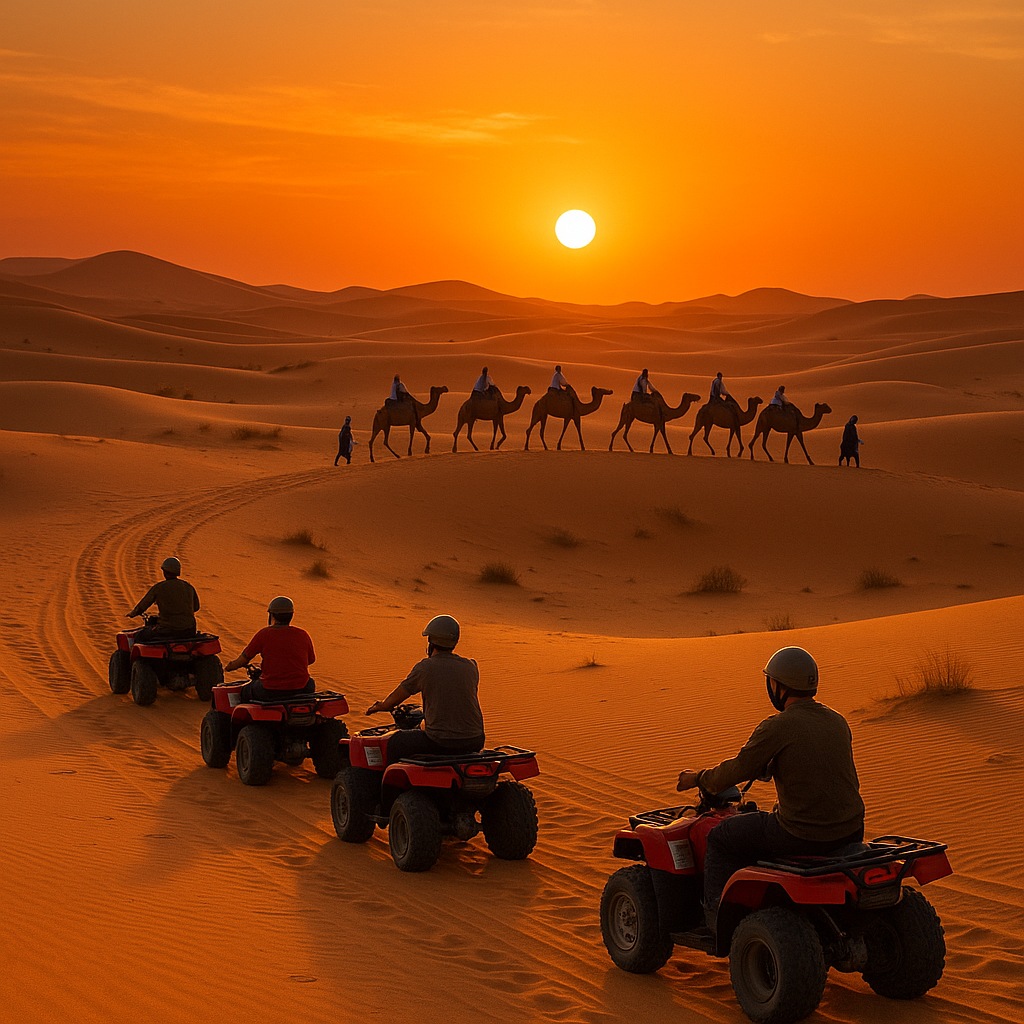
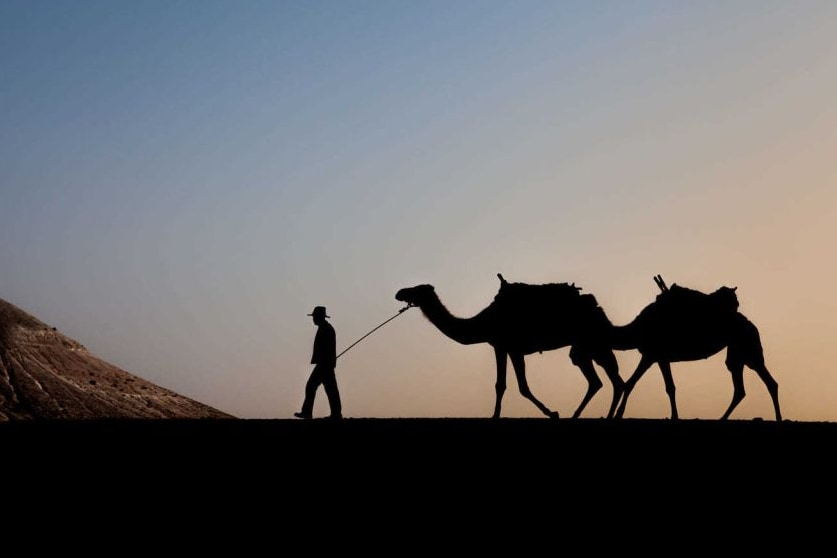
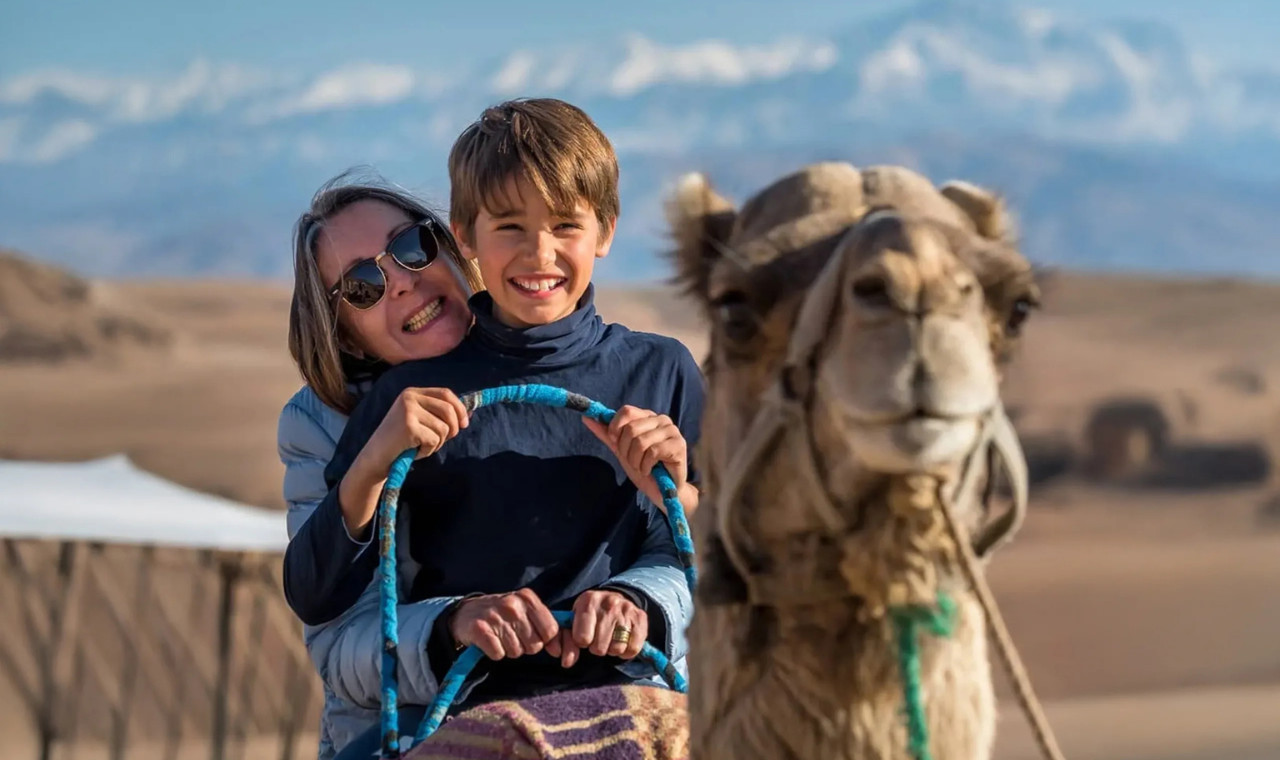
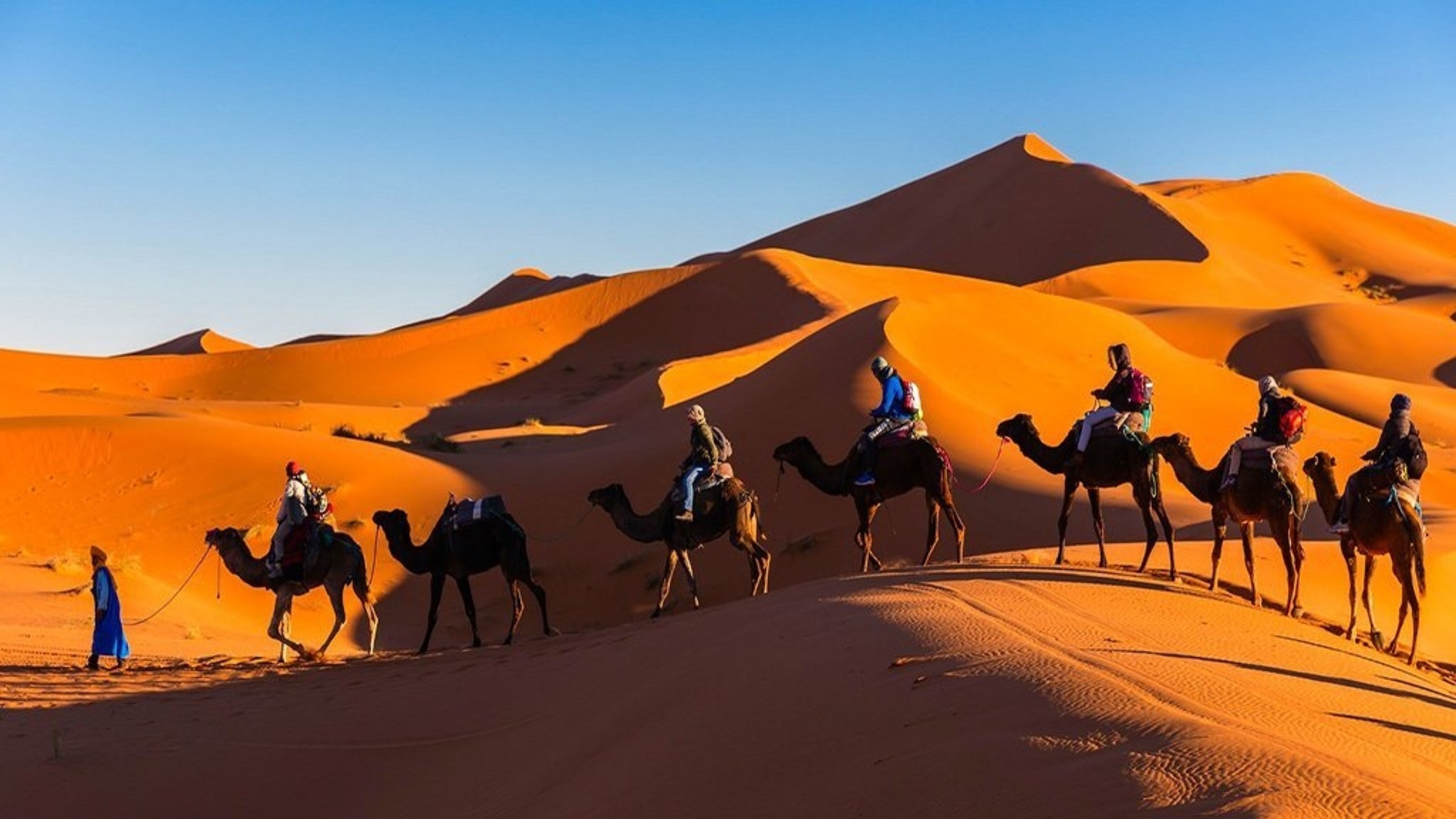
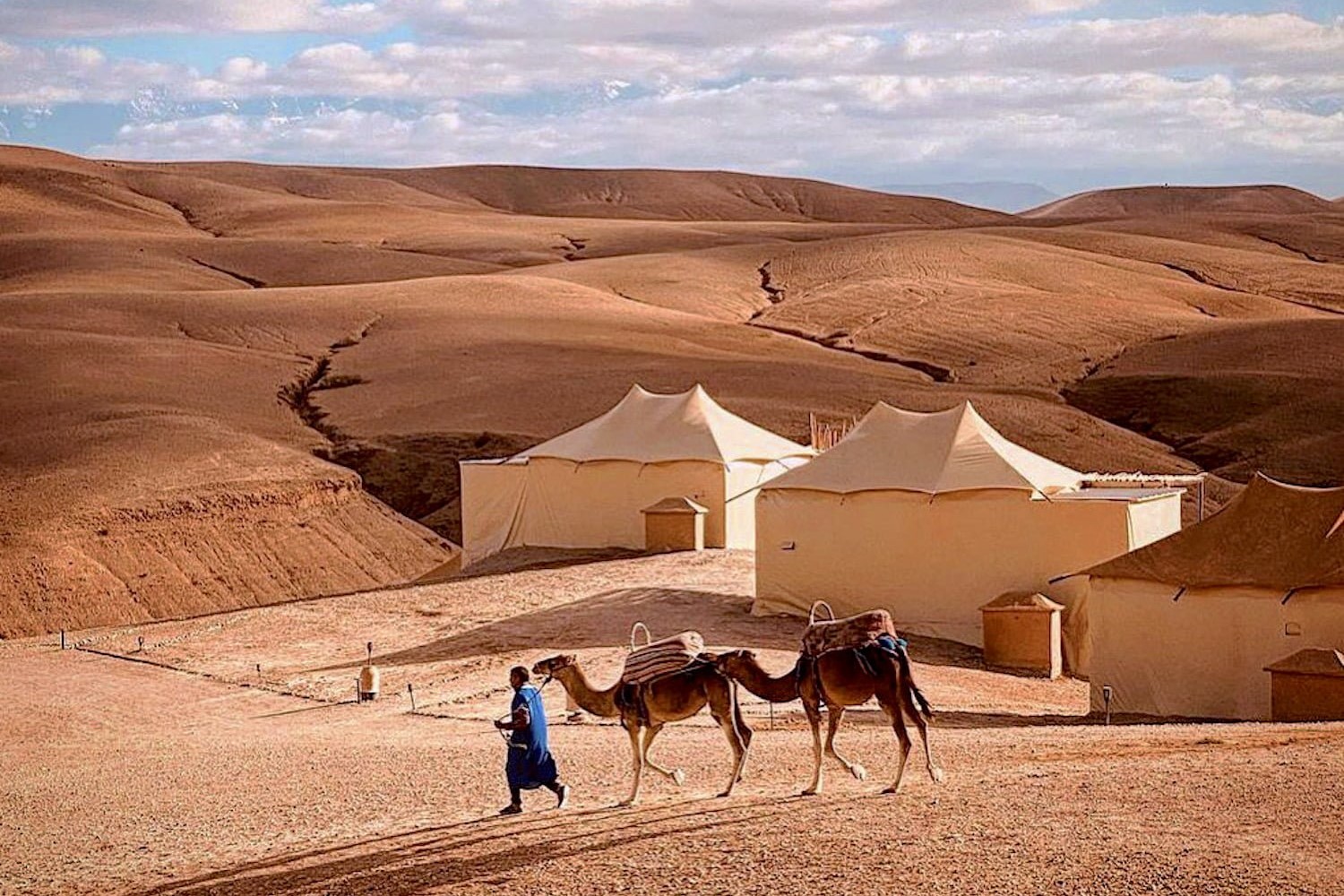
For all those who haven’t got sufficient time in Morocco for a Sahara desert tour, all the way south then the Agafay desert is the best thing to do instead, the Agafay desert is not a Sand desert – but more sandstone and earthen plateau, traditional mud-built villages, dusty riverbeds are interspersed with spectacular sumptuous pasture and vegetation in springtime. There we can sample a tea with the locals or experience trekking by camel. our itinerary takes us up into the Atlas Mountains. Kik Plateau is 1800 meters high and offers spectacular 360 degrees views and, in the spring, a marvellous spread of alpine flowers.
Available options
Agafay Desert and Atlas Mountains Day Trip from Marrakech
Pickup included
What's included
Hotel pickup and drop-off
Bottled water
Camel Ride
Lunch
Air-conditioned vehicle
Coffee and/or Tea
Professional mountains Guide
Detailed itinerary
1
This is a splendid trip during which you will discover the most diverse and spectacular landscapes. Your Day Trip takes you past lush vegetation, olive and orange orchards, and the occasional village. Off the tarmac and onto off-road, the scenery is completely different - barren light brown plateaux, a true stone desert. The locals call it Agafay desert: this might as well be the Sahara as the feeling of solitude. For all those who haven’t got sufficient time in Morocco for a Sahara desert tour, all the way south then the Agafay desert is the best thing to do instead, the Agafay desert is not a Sand desert – but more sandstone and earthen plateau, traditional mud-built villages, dusty riverbeds are interspersed with spectacular sumptuous pasture and vegetation in springtime. There we can sample a tea with the locals or experience trekking by camel.
2
Stop 2
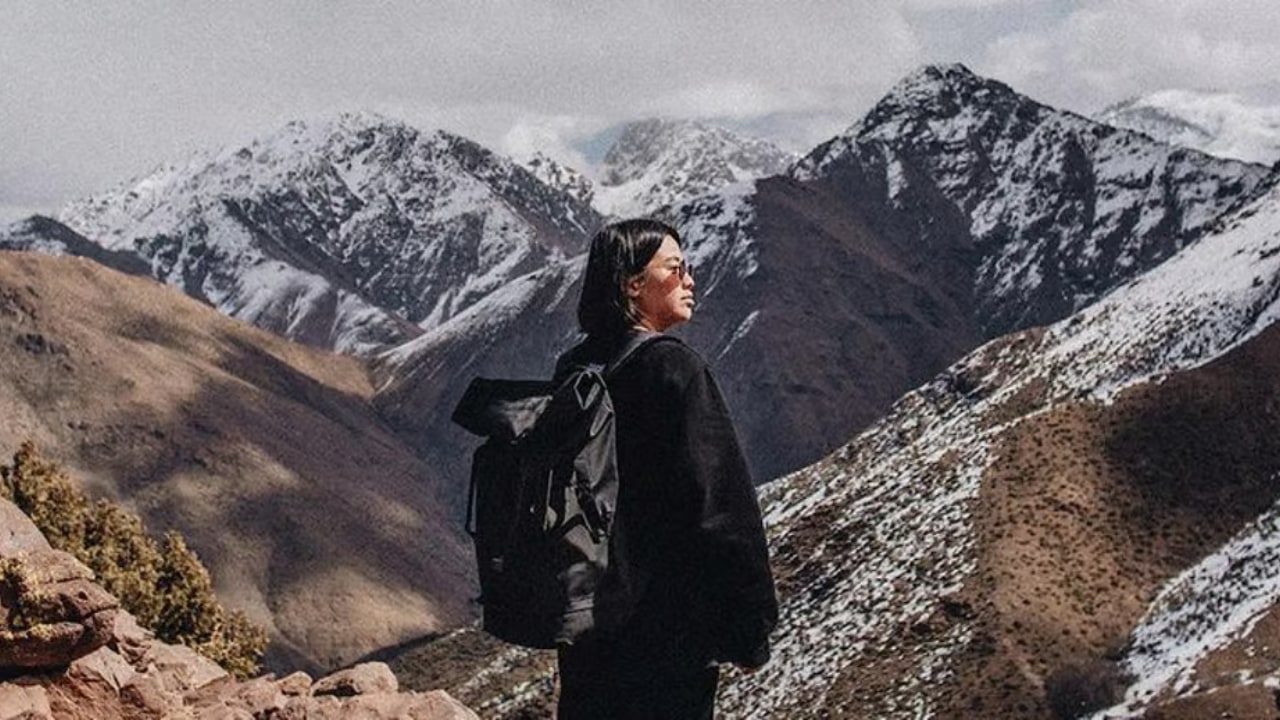
Our itinerary takes us up into the Atlas Mountains. Kik Plateau is 1800 meters high and offers spectacular 360 degrees views and, in the spring, a marvellous spread of alpine flowers. Scattered Berber hamlets greet the view and it feels like you travelled back in time.
3
On the other side of the plateau, there is the Asni Valley in the heart of this lush area covered with apple, cherry, and plum orchards sending out their harvest into the city. A nice Berber market is held on every Saturday where producers bring fruit, vegetables, and livestock to sell. If you are interested in seeing a Berber souk, almost every village has one on a specific day of the week.
4
We will continue to climb upwards until you leave the main road at an altitude of over 2000 meters with views to Mount Toubkal: the highest peak in Northern Africa culminating at 4167 meters, and often snowcapped. Then we will follow an ancient, partly paved Berber track to reach the Imlil valley an authentic area famous for apple trees, here you will have lunch in a Berber house in a village overlooking the Atlas Mountains.
5
The food will be homemade and organic: tomato salad, chicken tagine, couscous, and fruits. After lunch we will head off back to Marrakech, crossing the Mizan valley small villages with their mud-brick adobe houses, stacked into the hillside or lining the watercourse shaded by the apple grove. The river gives place to the canyons and the local Berber granary towers over the landscape. Past Tahnaoute, the tarmac road follows its course among olive or orange orchards to reach Marrakech by afternoon.
What's not included
Tips (optional)
Available languages
Guide guide
AR
EN
FR
ES
Important information
Service animals allowed
Specialized infant seats are available
Not recommended for travelers with poor cardiovascular health
Suitable for all physical fitness levels
About Marrakech
Marrakech is a vibrant city known for its rich history, bustling souks, and stunning architecture. It offers a blend of traditional Moroccan culture and modern amenities, making it a captivating destination for travelers.
Top Attractions
Jemaa El-Fnaa
Jemaa El-Fnaa is the heart of Marrakech, a bustling square filled with food stalls, entertainers, and souvenir vendors. It's a must-visit for its vibrant atmosphere and cultural experiences.
Cultural
2-3 hours
Free (food and souvenirs cost extra)
Koutoubia Mosque
The Koutoubia Mosque is one of the most iconic landmarks in Marrakech. Its minaret is a symbol of the city and can be seen from many parts of the medina.
Historical
1 hour
Free (non-Muslims cannot enter the mosque)
Bahia Palace
The Bahia Palace is a stunning example of Moroccan architecture, featuring intricate tile work, lush gardens, and beautiful courtyards. It offers a glimpse into the opulent lifestyle of the past.
Historical
1-2 hours
70 MAD
Majorelle Garden
The Majorelle Garden is a beautiful botanical garden designed by French painter Jacques Majorelle. It features a variety of plants, a striking blue villa, and a museum dedicated to Yves Saint Laurent.
Nature
2-3 hours
70 MAD
Saadian Tombs
The Saadian Tombs are a collection of mausoleums dating back to the 16th and 17th centuries. They were discovered in 1917 and offer a fascinating look into the history of Marrakech.
Historical
1 hour
70 MAD
Must-Try Local Dishes
Tagine
A slow-cooked stew made with meat, vegetables, and spices, named after the earthenware pot it's cooked in.
Main course
Vegetarian options available
Couscous
A dish made with steamed semolina grains, often served with vegetables and meat.
Main course
Vegetarian options available
Pastilla
A savory-sweet pie made with layers of filo pastry, filled with spiced pigeon or chicken, almonds, and powdered sugar.
Main course
Contains nuts
Mint Tea
A traditional Moroccan tea made with green tea and fresh mint leaves, sweetened with sugar.
Drink
Contains caffeine
Popular Activities
Hiking in the Atlas Mountains
Surfing in Essaouira
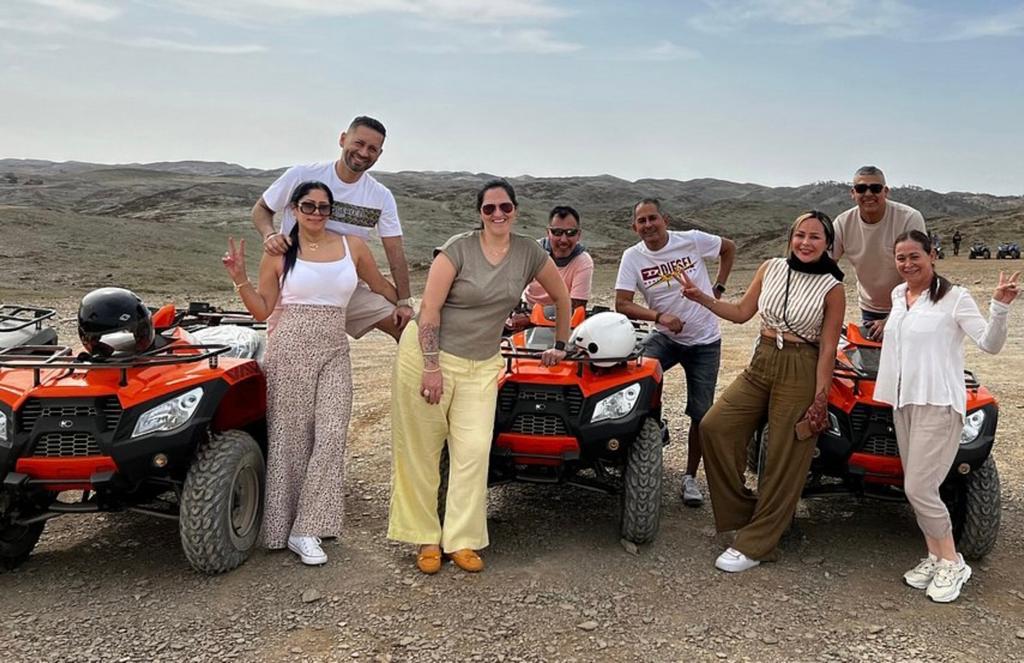
Quad biking in the desert
Spa treatments
Yoga retreats
Relaxing in a hammam
Exploring the medina
Visiting museums
Best Time to Visit
Spring (March to May) and Fall (September to November)
The best time to visit Marrakech is during spring and fall when the weather is pleasant and ideal for exploring the city. The temperatures are mild, and the crowds are manageable.
15°C to 25°C
59°F to 77°F
Practical Information
Language
- Official: Arabic
- Widely spoken: French, Berber languages
- English: Moderately spoken in tourist areas
Currency
Moroccan Dirham (MAD)
Time Zone
GMT+0
Electricity
220VV, 50HzHz
Safety Information
Overall Safety Rating: Exercise caution
Marrakech is generally safe for tourists, but petty crime and scams can occur. Be cautious of your surroundings, especially in crowded areas.
Important Precautions:
- • Be cautious of your belongings in crowded areas.
- • Use reputable taxi services and agree on the fare before starting your journey.
- • Avoid walking alone at night in less crowded areas.
Getting there
By air
- Menara International Airport • 4 km from city center
By train
Marrakech Railway Station
By bus
Marrakech Central Bus Station
Getting around
Public transport
Buses are the most common form of public transport in Marrakech. They are affordable and cover most areas of the city.
Taxis
Available • Apps: Careem, Heetch
Rentals
Car, Bike, Scooter
Neighborhoods
Medina
Gueliz
Hivernage
Day trips
Atlas Mountains
60 km from Marrakech • Full day
The Atlas Mountains offer stunning landscapes, hiking trails, and traditional Berber villages. It's a great escape from the city for nature lovers.
Ourika Valley
30 km from Marrakech • Half day to full day
The Ourika Valley is known for its beautiful landscapes, traditional Berber houses, and waterfalls. It's a popular destination for day trips from Marrakech.
Essaouira
180 km from Marrakech • Full day to overnight
Essaouira is a charming coastal town known for its beautiful beaches, historic medina, and vibrant arts scene. It's a popular destination for surfing, windsurfing, and relaxation.
Festivals
Marrakech Popular Arts Festival • Every July
Marrakech International Film Festival • Every November/December
Ramadan • Dates vary (Islamic calendar)
Pro tips
- Hire a local guide for a more immersive and informative experience.
- Learn a few basic phrases in Arabic or French to enhance your interactions with locals.
- Visit the medina early in the morning or late in the afternoon to avoid the heat and crowds.
- Bargain politely when shopping in the souks, as prices are often negotiable.
- Try local street food for an authentic culinary experience, but choose stalls with high turnover.
From $25
per person
Price varies by option
Secure booking
Free cancellation available
Instant confirmation