Full Day Excursion to Cafayate from Salta
Active
12h
For a full refund, cancel at least 24 hours before the scheduled departure time.
Instant confirmation
Mobile or paper ticket accepted
About this experience
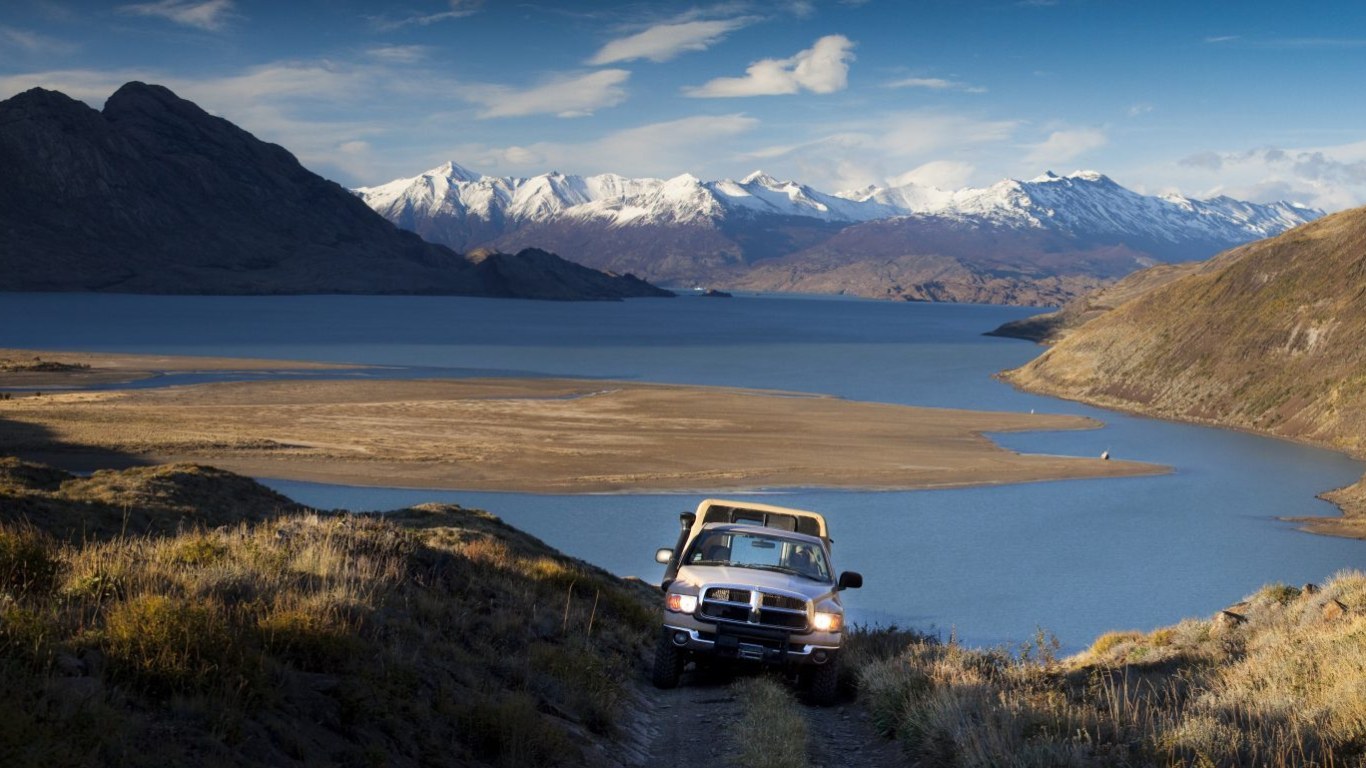
Impressive views of Valles Calchaqui will accompany you all the way.
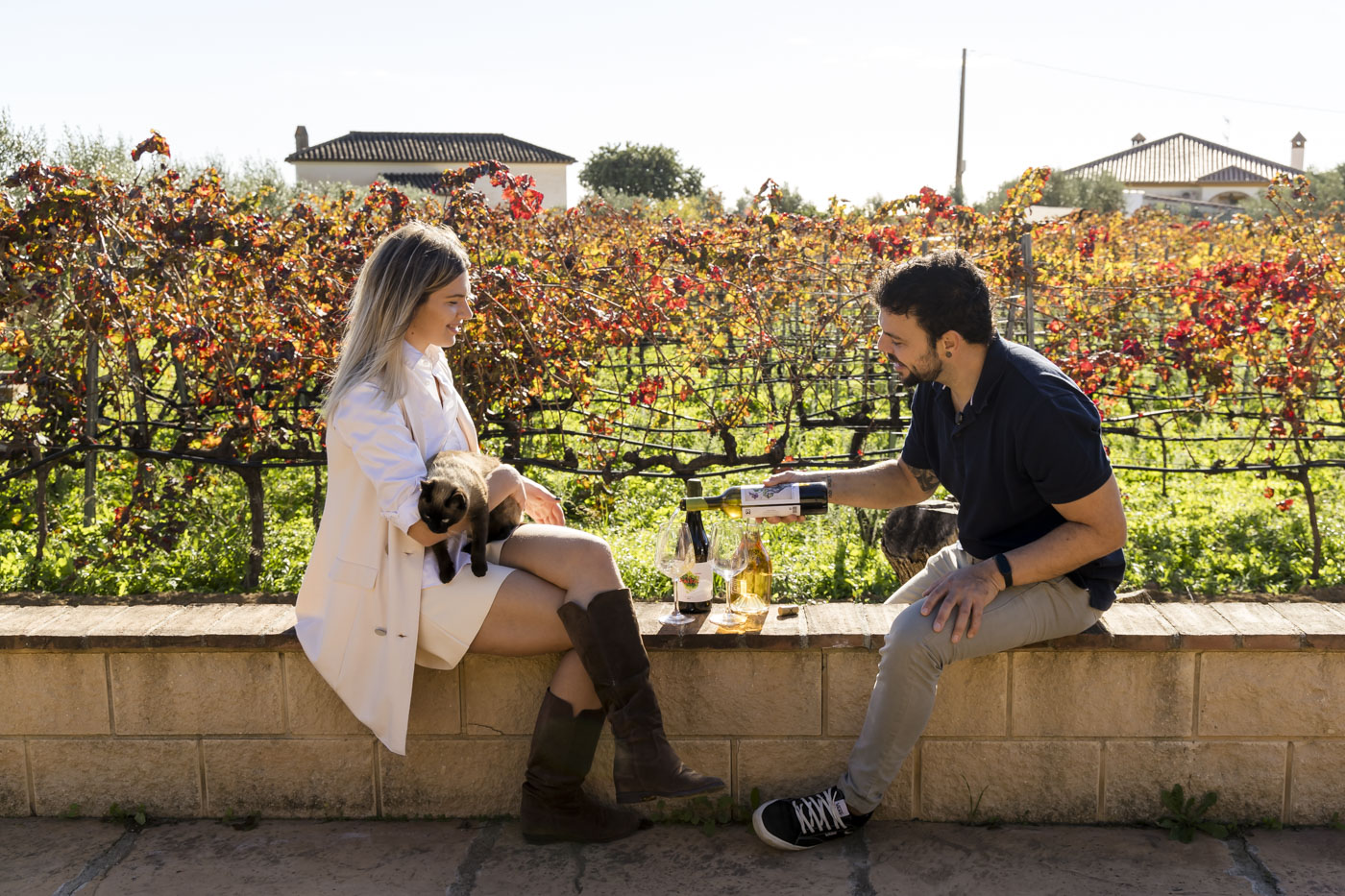
Visit winery in Cafayate with tasting of locally produced wines
Get to know the high altitude vineyards and taste the authentic Argentine wine "torrontes".
Available options
Full Day Excursion to Cafayate from Salta
Pickup included
What's included
Air-conditioned vehicle
Visit to the winery in Cafayate
Detailed itinerary
1
Cafayate is a town in the province of Salta, in northwestern Argentina. It is located in the Calchaquíes valleys, an area known for its reddish rock formations. There are several vineyards in the area and, in the town, the Museum of Vine and Wine explains the production process of this product. Near the town square is the Rodolfo Bravo Regional and Archaeological Museum, with objects from local excavations, and the 19th century Cathedral of Our Lady of the Rosary.
2
Stop 2
Pass by
The Calchaquí valley is bathed by the Calchaquí river that runs through the valley from north to south and, further south, by the Santa María river from south to north. Both converge next to the town of Cafayate forming the Las Conchas river.
The Calchaquí Valley in all its extension, is strewn with ancient towns and pre-Columbian and colonial sites, largely intact, such as Cachi, Amaicha del Valle, Santa María, Cafayate, San Carlos, Angastaco, Molinos, Seclantás, among others.
3
Stop 3
The Devil's Throat is not one of the Quebrada de las Conchas formations, it is the most surprising.
The huge reddish rock walls form a vertical tube similar to the devil's mouth.
At the end of the tube you can see the blue sky of Cafayate.
It is a must stop on the way to Cafayate to admire this work of nature.
References on how it originated inform us that 15 million years ago the sea entered the continent for the last time leaving behind the landscape as we admire it today, the erosion of wind and water also contributed its own.
Fossil remains of seashells and fish have been found.
It is worth stopping and touring the Devil's Throat, you can climb its walls very carefully.
What's not included
Gratuities
Available languages
Guide guide
EN
ES
Reviews breakdown
Viator
1.0
1 reviews
5★
0
4★
0
3★
0
2★
0
1★
1
Tripadvisor
4.0
2 reviews
5★
1
4★
0
3★
1
2★
0
1★
0
Important information
Infants and small children can ride in a pram or stroller
Infants are required to sit on an adult’s lap
Suitable for all physical fitness levels
About Salta
Salta, known as 'Salta la Linda' (Salta the Beautiful), is a charming colonial city nestled in the northwest of Argentina. It's renowned for its well-preserved Spanish colonial architecture, vibrant cultural scene, and as the gateway to the stunning landscapes of the Andean highlands and Quebrada de Humahuaca.
Top Attractions
Catedral Basílica de Salta
This stunning cathedral is a prime example of neoclassical architecture and a must-visit in Salta.
Historical/Religious
1 hour
Free
Museo MAAM (Museo de Arte Contemporáneo de Salta)
A contemporary art museum housed in a historic building, showcasing works by local and international artists.
Museum
1-2 hours
ARS 100-200
Cerro San Bernardo
A hill offering panoramic views of Salta. You can hike up or take the cable car.
Nature/Adventure
2-3 hours
ARS 200-300 (cable car)
Quebrada de Humahuaca
A UNESCO World Heritage site featuring stunning landscapes, colorful villages, and historic sites.
Nature/Historical
Full day
Free to explore, guided tours available
Tren a las Nubes (Train to the Clouds)
One of the world's highest trains, offering breathtaking views of the Andean landscape.
Adventure
Full day
ARS 3000-5000
Must-Try Local Dishes
Humita
A savory or sweet dish made from fresh corn, similar to tamale but without the outer corn husk.
Main Dish
Vegetarian
Empanadas Salteñas
A type of empanada filled with meat, potatoes, onions, and spices, known for their unique flavor.
Snack
Contains meat
Locro
A hearty stew made with corn, beans, squash, and various meats, often served at festivals.
Main Dish
Contains meat
Asado
Argentine barbecue featuring various cuts of beef, often served with chimichurri sauce.
Main Dish
Contains meat
Popular Activities
Hiking in Quebrada de Humahuaca
Tren a las Nubes (Train to the Clouds)
Horseback riding in Cafayate
Wine tasting in Cafayate
Picnicking in Parque San Lorenzo
Strolling in Plaza 9 de Julio
Visiting Museo MAAM
Exploring Catedral Basílica de Salta
Best Time to Visit
April to October (dry season)
This is the best time to visit Salta due to the pleasant weather and lower humidity. It's ideal for outdoor activities and sightseeing.
15°C to 25°C (59°F to 77°F)
59°F to 77°F
Practical Information
Language
- Official: Spanish
- Widely spoken: English (limited)
- English: Limited
Currency
Argentine Peso (ARS)
Time Zone
GMT-3
Electricity
220VV, 50HzHz
Safety Information
Overall Safety Rating: Generally safe
Salta is generally safe for tourists, but standard precautions should be taken to avoid petty crimes like pickpocketing and scams.
Important Precautions:
- • Keep valuables secure and out of sight.
- • Use licensed taxis or ride-sharing apps.
- • Be cautious when withdrawing money from ATMs.
Getting there
By air
- Martín Miguel de Güemes International Airport • 15 km (9 miles) from city center
By train
Salta Station
By bus
Terminal de Ómnibus de Salta
Getting around
Public transport
Buses are the primary mode of public transport in Salta. They are affordable and cover most of the city.
Taxis
Available • Apps: Easy Taxi
Rentals
Car, Bike, Scooter
Neighborhoods
Centro
Castañares
San Lorenzo
Day trips
Cafayate
160 km (100 miles) • Full day
A picturesque town known for its vineyards, stunning landscapes, and outdoor activities.
Quebrada de Humahuaca
150 km (93 miles) • Full day
A UNESCO World Heritage site featuring stunning landscapes, colorful villages, and historic sites.
San Lorenzo
10 km (6 miles) • Half day
A small town near Salta known for its natural beauty, parks, and outdoor activities.
Festivals
Carnaval de Salta • February/March
Festival Nacional de la Empanada • June
Festival Nacional de la Chicha • October
Pro tips
- Learn a few basic Spanish phrases to enhance your experience and connect with locals.
- Book accommodations and popular activities in advance, especially during peak season and festivals.
- Carry small bills for buses, street food, and small purchases.
- Be cautious with street food and choose vendors with high turnover to ensure freshness.
- Respect local customs and traditions, and dress appropriately for religious sites and cultural events.
From $25
per person
Price varies by option
Secure booking
Free cancellation available
Instant confirmation