The Salvadorian Mayan Route: 3 Mayan Sites and Santa Ana Town
Active
9h
All sales are final. No refund is available for cancellations.
Instant confirmation
Mobile or paper ticket accepted
About this experience
Join us on the thrilling Maya Route Tour and step back in time
Kick off your adventure at Joya de Cerén, the "Pompeii of the Americas." This UNESCO World Heritage Site offers an incredible glimpse into everyday Mayan life, perfectly preserved under volcanic ash since 600 AD.
Next, we journey to San Andrés, a once-thriving political and ceremonial center. Marvel at the impressive structures, including the iconic "La Campana" pyramid, buried by volcanic activity in 1658 AD and now a captivating window into the past.
In the afternoon, we’ll visit the charming city of Santa Ana, renowned for its prosperity during El Salvador’s "Golden Age of Coffee." Enjoy a scenic tour of the city’s highlights, including the majestic Gothic-style Cathedral, the grand Municipal Palace, and the historic Theatre.
Our final stop is Tazumal, near Chalchuapa. Here, you'll find El Salvador’s largest pyramid and discover a treasure trove of unique sculptures and artifacts from this sophisticated ancient city.
Available options
The Salvadorian Mayan Route: 3 Mayan Sites and Santa Ana Town
Pickup included
What's included
Entrances to Joya de Ceren, San Andres, and Tazumal archeological sites
Private air conditioned transportation for the group
Local tour guides
Certified tour guide
Detailed itinerary
1
We will pick you up at any of these locations to start the tour:
Real Intercontinental Hotel
Hyatt Centric
Fairfield by Marriott
If you are staying at another hotel, Airbnb, or location, we can pick you up at that specific location for an extra fee of USD$10.00 to be paid directly to our guide on the tour day.
2
Stop 2
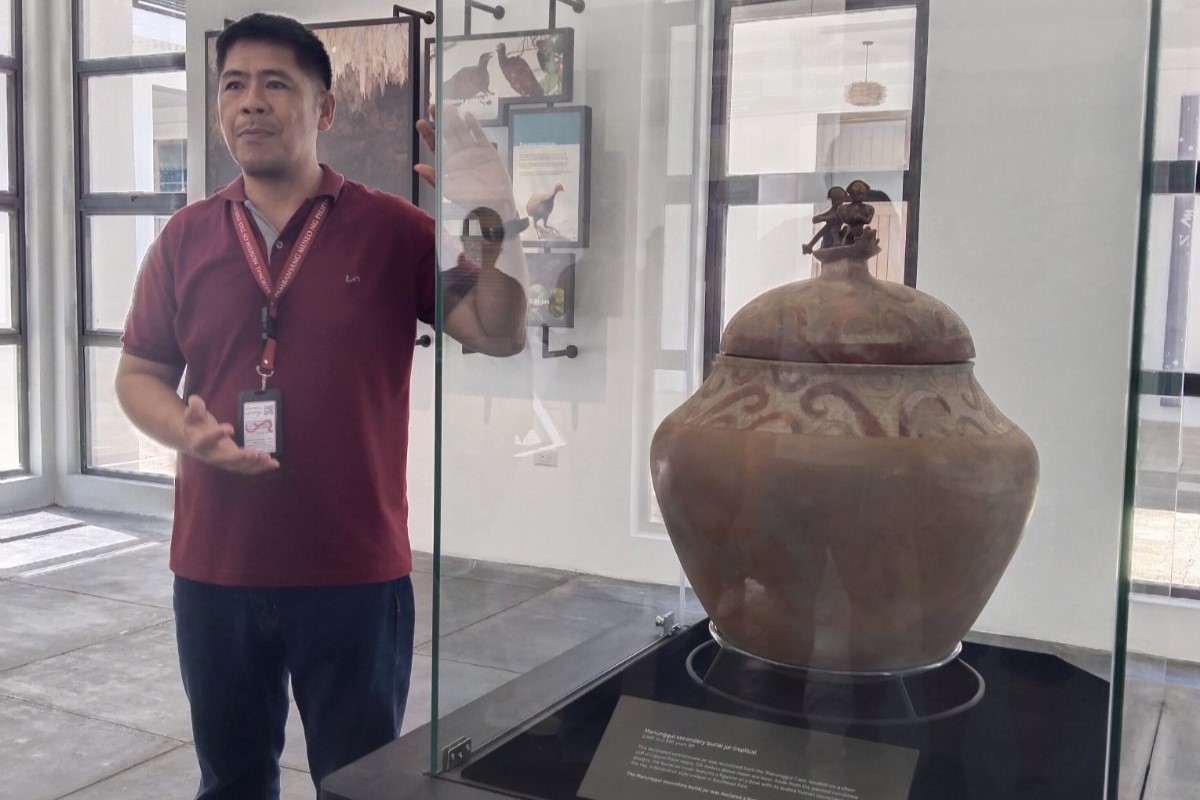
The Mayan Route Tour offers a glimpse into one of humankind's most developed societies, the Mayan culture. Visit the archaeological site Joya de Ceren to learn more about this civilization. Known as the "Pompeii of America," Joya de Ceren was named a World Heritage Site by UNESCO in 1993 for its significant contribution to understanding El Salvador's ancestors' daily lives. You can see a pre-Columbian Mayan farming town at the location, which has been remarkably preserved thanks to multiple layers of volcanic ash from an eruption around AD 600.
3
After that, you'll go to the San Andres archeological site, which was a significant ceremonial and political hub with a number of buildings used by the governors during the period. The most iconic building is number 5, often called "La Campana" because of its unusual shape. The Indigo constructions were nearly completely preserved when the Playón volcano erupted in 1658 AD, burying the site.
4
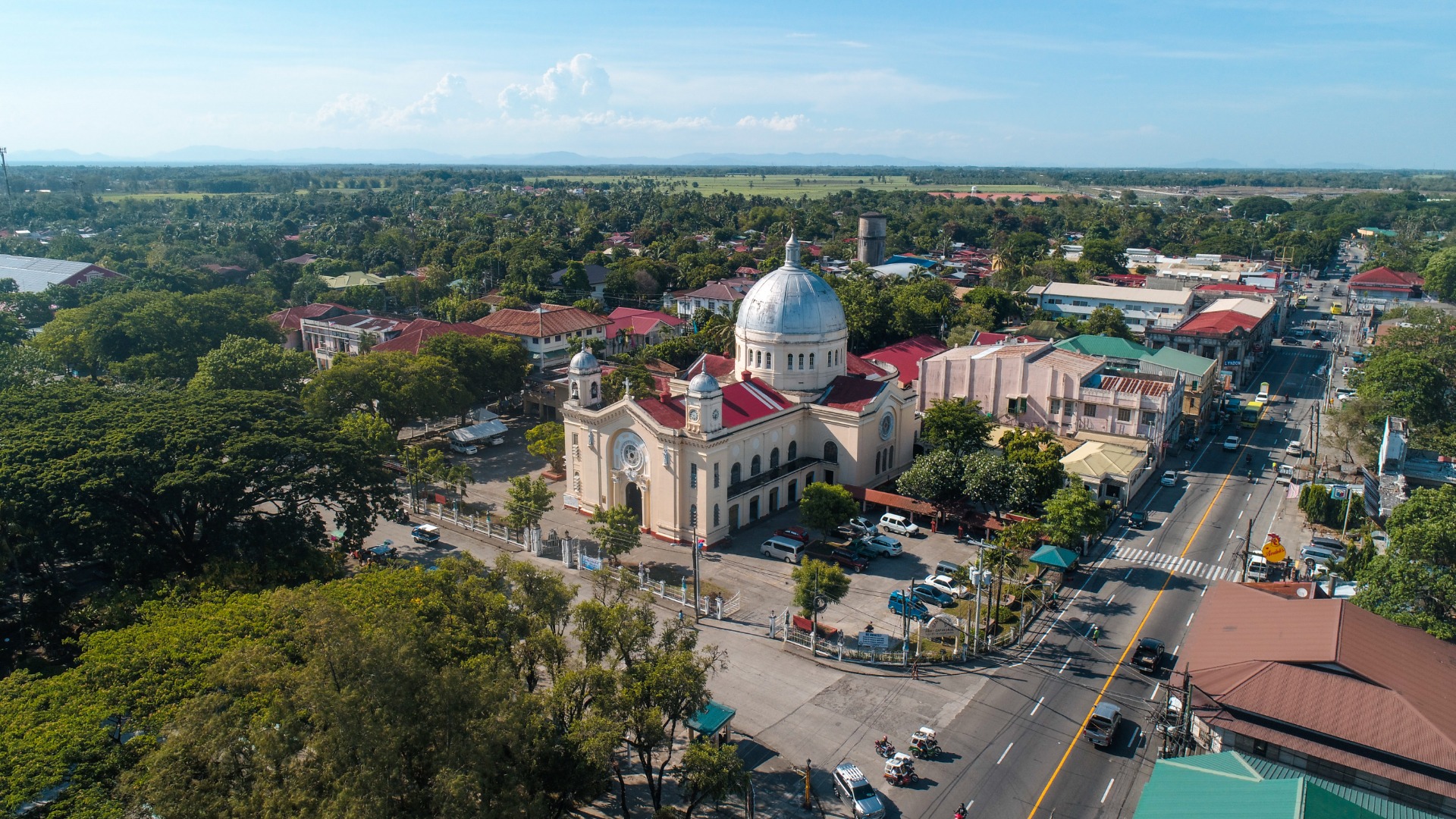
We will go to Santa Ana in the afternoon, which is considered to be one of El Salvador's most significant cities during the "golden age of coffee." Santa Ana was the wealthiest city in the nation during that time. You will go on a panoramic tour that includes stops at the Theater, the Municipal Palace, and the stunning church, which was built to resemble a Gothic church rather than the Spanish Colonial architecture found in most other cathedrals in El Salvador and Latin America.
5
Last but not least, take a guided tour through the Tazumal archeological site, which is close to Chalchuapa town and features the largest pyramid in El Salvador. There are sculptures and metal objects that are exclusive to El Salvador that have been discovered at this sophisticated and significant archaeological site.
6
Finally, we will return to San Salvador to drop off all our guests at their hotel.
The tour starts and finishes at the same place where we pick you up.
What's not included
Meals and drinks
Gratuities
Pick up at other location than Hotel ntercontinental, Hyatt Centric Fairfield
Available languages
Guide guide
EN
ES
Reviews breakdown
Tripadvisor
5.0
1 reviews
5★
1
4★
0
3★
0
2★
0
1★
0
Important information
Public transportation options are available nearby
Suitable for all physical fitness levels
About San Salvador
San Salvador, the capital of El Salvador, is a vibrant city known for its rich history, colonial architecture, and bustling urban life. It offers a mix of modern amenities and traditional charm, with numerous cultural attractions and nearby natural wonders.
Top Attractions
El Rosario Church
A stunning example of modern religious architecture, known for its unique design and beautiful stained glass windows.
Religious/Architecture
1-2 hours
Free
National Palace
A historic building that once housed the government of El Salvador, now a museum showcasing the country's history and political heritage.
Historical/Architecture
1-2 hours
Free
Jardín Botánico La Laguna
A beautiful botanical garden featuring a variety of plant species, a lake, and walking paths, offering a peaceful escape from the city.
Nature
2-3 hours
Moderate (around $2)
Must-Try Local Dishes
Pupusas
Thick corn tortillas stuffed with cheese, beans, or meat, and often served with curtido (a cabbage slaw) and tomato sauce.
Main Dish
Vegetarian options available (cheese and bean fillings)
Paste
A small, round bread roll filled with various savory fillings like pork, chicken, or beans.
Snack
Vegetarian options available (bean filling)
Yuca Frita
Fried yuca (cassava) served with curtido and a spicy sauce.
Side Dish
Vegetarian
Popular Activities
Hiking in El Imposible National Park
Exploring Mayan ruins at Joya de Cerén
Visiting Jardín Botánico La Laguna
Enjoying a coffee at a local café
Guided tours of El Rosario Church and National Palace
Attending local festivals and events
Boat tours on Lake Suchitlán in Suchitoto
N/A
Best Time to Visit
November to April
This is the dry season, offering pleasant weather with lower humidity and minimal rainfall. It's ideal for outdoor activities and sightseeing.
22°C to 30°C
72°F to 86°F
Practical Information
Language
- Official: Spanish
- Widely spoken: English (limited)
- English: Limited
Currency
US Dollar (USD)
Time Zone
CST (UTC -6)
Electricity
120VV, 60HzHz
Safety Information
Overall Safety Rating: Exercise caution
San Salvador has improved in terms of safety in recent years, but it's still important to exercise caution and be aware of your surroundings. Petty crime, such as pickpocketing and bag snatching, can occur in crowded areas and on public transportation. Violent crime, including armed robbery and assault, can also occur, particularly in certain neighborhoods and at night.
Important Precautions:
- • Avoid walking alone at night
- • Use common sense and stay alert in crowded places
- • Be cautious when using ATMs and avoid carrying large amounts of cash
Getting there
By air
- Monseñor Óscar Arnulfo Romero International Airport • 45 km from city center
By bus
Terminal de Oriente, Terminal de Occidente
Getting around
Public transport
Buses are the most common and affordable way to get around. They can be crowded and sometimes confusing for first-time visitors.
Taxis
Available • Apps: Uber, TaxisAhora
Rentals
Car, Bike, Scooter
Neighborhoods
Colonia Escalón
Colonia San Benito
Downtown (Centro Histórico)
Day trips
Joya de Cerén
35 km from San Salvador • Half day
A UNESCO World Heritage Site featuring a pre-Columbian Mayan village preserved under volcanic ash, similar to Pompeii.
El Imposible National Park
100 km from San Salvador • Full day
El Salvador's largest national park, offering diverse ecosystems, wildlife, and hiking trails.
Suchitoto
70 km from San Salvador • Full day or overnight
A charming colonial town with cobblestone streets, historic churches, and a beautiful lake view.
Festivals
Feria de Agosto • August
Fiestas Patronales de San Salvador • February
Pro tips
- Learn a few basic Spanish phrases to enhance your experience and connect with locals.
- Use app-based taxi services like Uber or TaxisAhora for safer and more transparent pricing.
- Explore the city's street art and graffiti, which can be found in various neighborhoods and offers a unique perspective on the city's culture and history.
- Visit local markets for authentic souvenirs and to experience the vibrant local culture.
- Be cautious when using ATMs and avoid carrying large amounts of cash to minimize the risk of theft.
From $25
per person
Price varies by option
Secure booking
Free cancellation available
Instant confirmation