Gay Life in Venice from the Middle Ages to Present Days
Active
2h
For a full refund, cancel at least 24 hours before the scheduled departure time.
Instant confirmation
Mobile or paper ticket accepted
About this experience
Hear about the stories about the cross-dressing in cat masks, exploring the places of cruising from middle ages through the later centuries up to the tolerant attitude of nowadays Venice.
Take a trip over the centuries through the gay history of Venice, which is as labyrinthine as the city’s convoluted system of canals. Travel back to Middle Ages, when the practice of sodomy was deemed a sin. Learn about the history of Rolandina, a transgender who was burned at stake, as several other men of all social statuses have being condemned for their same-sex relations in the following centuries. Visit the city as a European tourists did during their discovery trip "Grand Tour" in the 17th century and how Thomas Mann and Frederick Rolfe made Venice a place of homosexual imagery during Belle Epoque. Learn about the fascist attempt to “clean up” the city, while following the location of a music video by a gay-icon as Madonna and checking out how is gay life nowadays in the floating city.
Available options
Shared tour in a small group
Shared tour in a small group
Private tour
Private tour<br/>Customized route<br/>Hotel pick up on request
What's included
Tour Leader & Nature and Interpretive Guide
Detailed itinerary
1
We will pass by where used to live an italian poet, who came out in the early 70s and committed suicide some years ago. His works were some of the first Italian poetry to explore homosexuality
2
We will pay respect to was a Venetian historian living between 15th and 16th century. His most significant work is his "Diarii" (chronicles), intended to be an comprehensive a history of Venice, before another literate was officially appointed to do so. He was said he was kind, extremely kind but we will learn why it was not really a compliment.
3
We will visit a church whose arcades were placed under surveillance by public authorities to prevent sodomites from using it to cruise and meet in 1488.
4
Stop 4
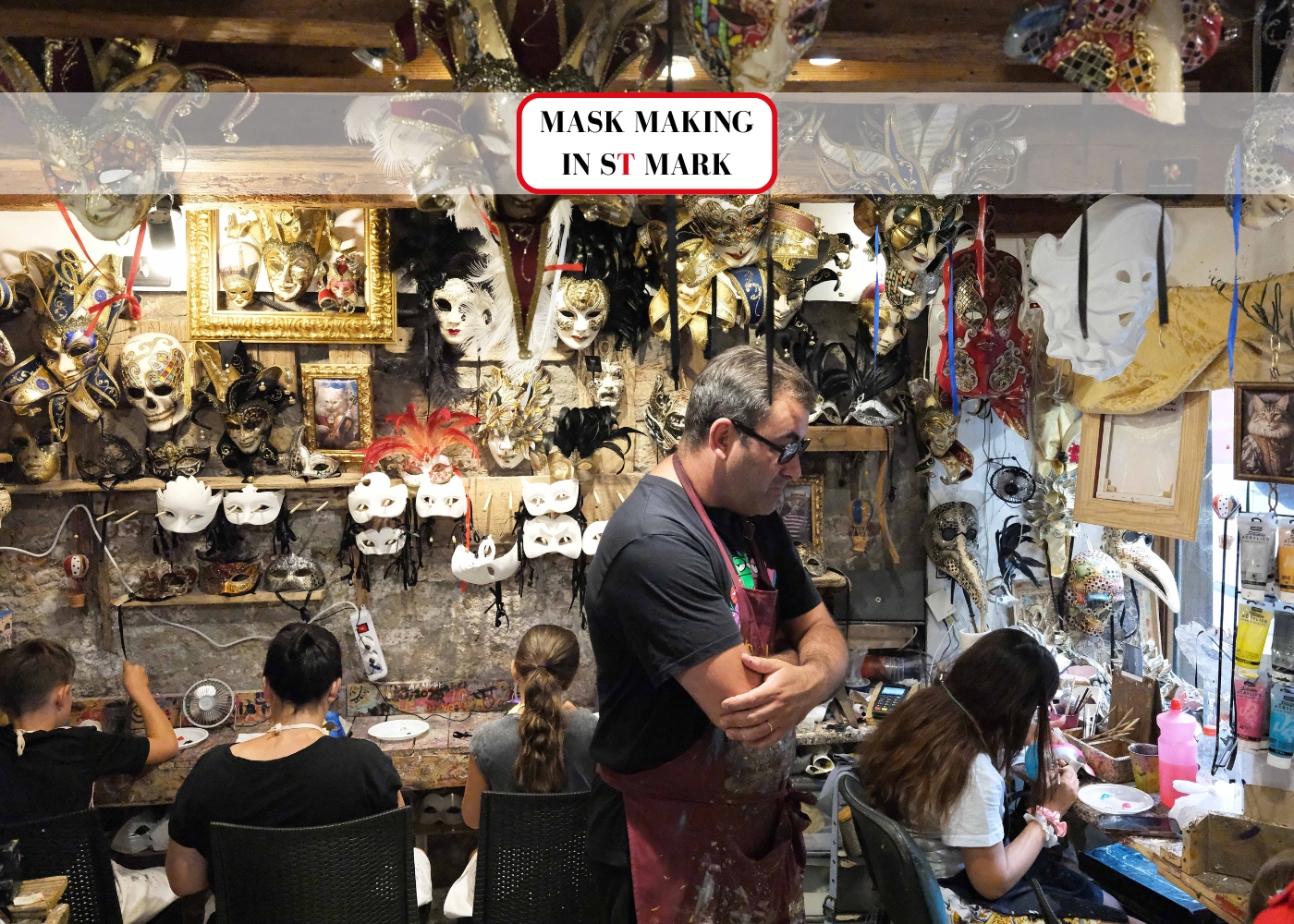
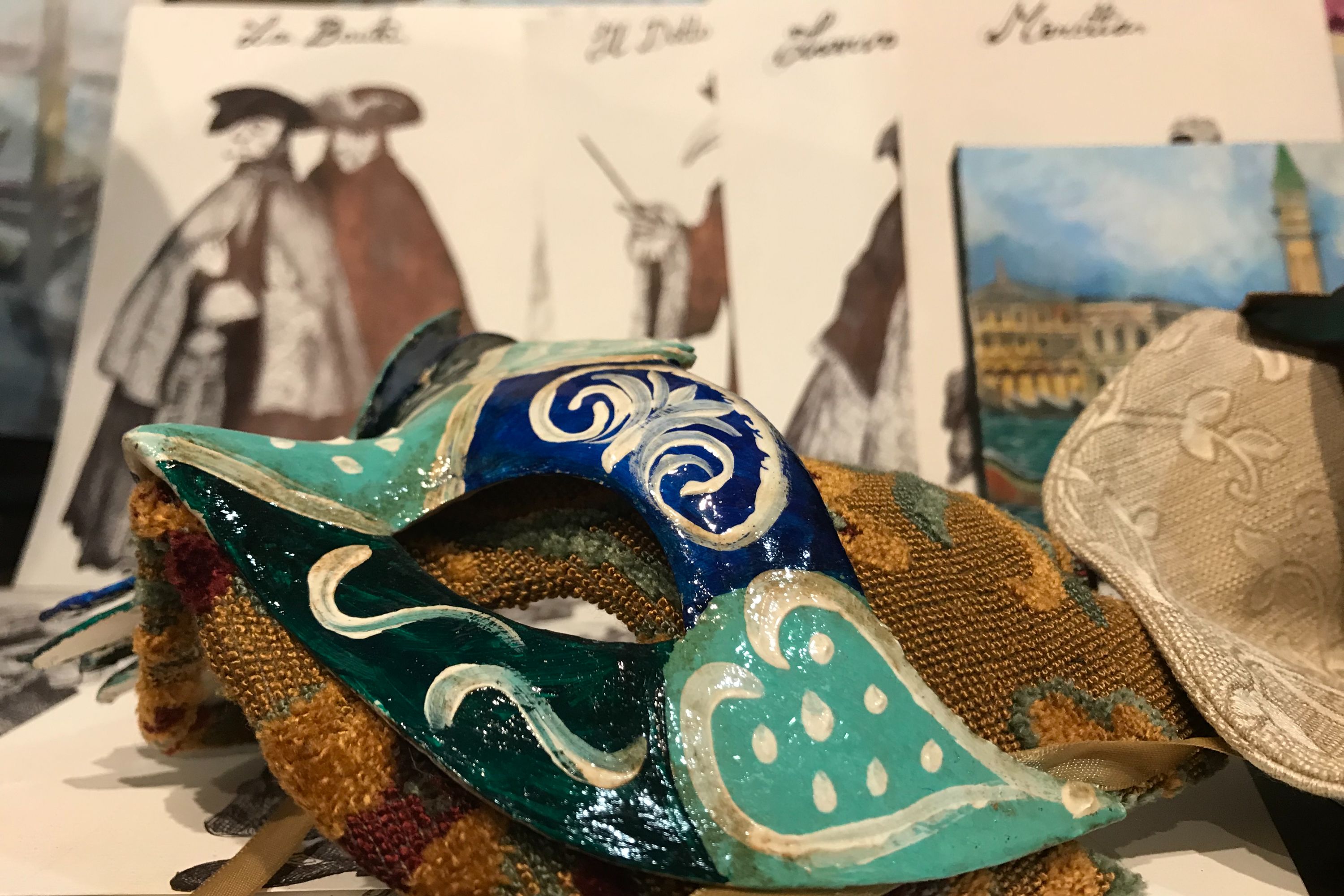
We will walk in what was the red light district par excellence of Venice in 15th century. Back in those days under these shadowy porticos around this bridge neighbourhood prostitutes were encouraged by authorities to display their wares in order to prevent sodomy in town. In the same streets walked the "gnaghe", queers or men dressed as women covering their faces with cat masks and emitting the plaintive calls of cats in heat, making explicit proposals to passers-by.
5
We will hear the story of Rolandina Roncaglia, the first trans person we know of in Italy. She was born as Rolandino, for seven years she lived as a woman in a house nearby. Beside selling eggs and the local market, she became a prostitute. Once discovered in 1355, she had a terrible death.
6
In this area there used to be a theatre that boasted the title of the first public opera house in the world. It was also in place of homosexual encounters as Giacomo Casanova even points out when he worked as a spy for the state inquisitors in the 18th century
7
On this short bank along Canal Grande a famous writer and pioneer of the British gay movement met, and not by chance, a beautiful 19 year old porter.
8
In this campo a famous statue was used as a podium for proclamations and announcements, including bans relating to sodomy: an officer read the names of thoese sentenced to death standing on the block at the end of its staircase. The location in the immediate vicinity of the Rialto market, one of the most frequented by the population at the time, made it ideal for this kind of communication.
9
Here a "suspicious" pharmacy was located, used by sodomites for their meetings. Just getting close could be grounds for condemnation to death!
10
Palazzo Zenobio is considered to be one of the most significant examples of Venetian late Baroque design, both architecturally and in interior decor. Throughout the XVIII century the Palace became a venue for intense intellectual life. Since 1993, after a complete restoration, it now serves as a research centre for Armenian studies. Most importantly, it was the main indoor location of Madonna's "like a virgin" video hot in the 80's.
11
One of Venice’s leading art venues thanks to its magnificent cycle of paintings by Paolo Veronese, who is buried here. We will understand why San Sebastiano is considered the patron saint of the LGBT community worldwide.
12
Stop 12
Outside the tallest bell tower in Venice, an iron cage called "cheba" dates back to the 15th century and in the 16th century. It was also used as to expose somodimite priests to them to the bad weather and taunts of the crowd below.
13
Between these two columns the executions took place up to the middle of the 17th century, as Casanova also confirmed
14
Despite the founder said it was just a rumours, we will check out a famous bar where gay travellers gathered up to the 70's
15
we will visit a palace where a love story was staged between a venetian rower and a famous german writer.
16
In this hotel a famous lesbian US painter used to live, collecting love affairs with men and women.
17
This palace is famous for an unrelated series of unfortunate events that happened to some of its owners, many of them gay.
18
Stop 18
In this palace used to live a famous british poet, aknoledged not only for his poetry but also for a more or less important bisexual component in his very complex sentimental and sexual life.
19
In ancient times the church had a no longer exisiting porch that a law of 1450 listed among the places of the night sodomites crusing.
What's not included
Gratuities
Available languages
Guide guide
DE
EN
IT
Reviews breakdown
Tripadvisor
4.9
12 reviews
5★
11
4★
1
3★
0
2★
0
1★
0
Important information
Service animals allowed
Public transportation options are available nearby
Infants and small children can ride in a pram or stroller
Suitable for all physical fitness levels
On certain dates, most travelers staying outside of Venice who are planning to visit for the day will be required to pay a €5 access fee. For further details (including exemptions) and to learn what days this fee is applicable, please visit: https://cda.ve.it
Meeting point
At the well
About Venice
Venice is a unique and enchanting city built on more than 100 small islands in a lagoon in the Adriatic Sea. Known for its canals, gondolas, and stunning architecture, Venice is a UNESCO World Heritage site and a must-visit destination for its rich history, art, and culture. The city offers a romantic and timeless atmosphere that captivates visitors from around the world.
Top Attractions
St. Mark's Basilica
A stunning Byzantine cathedral known for its opulent design, golden mosaics, and historical significance. It is one of the most iconic landmarks in Venice.
Historical/Religious
1-2 hours
Free entry, €3 for museum and treasury
Doge's Palace
A masterpiece of Gothic architecture, the Doge's Palace was the residence of the Doge of Venice and the seat of Venetian government. It offers a glimpse into the city's political and cultural history.
Historical/Architecture
1-2 hours
€25 for standard ticket, €30 for Secret Itineraries Tour
Rialto Bridge
The oldest and most famous of Venice's four bridges spanning the Grand Canal, the Rialto Bridge is an iconic symbol of the city.
Architecture
30 minutes
Free
Grand Canal
The main waterway of Venice, the Grand Canal is lined with beautiful palaces, churches, and historic buildings. A vaporetto ride along the canal offers stunning views.
Nature/Scenic
30-60 minutes
€7.50 for a vaporetto ticket
Murano
An island famous for its glass-making tradition. Visitors can watch artisans at work and purchase unique glass souvenirs.
Cultural/Historical
Half-day
Free to explore, €10 for museum
Burano
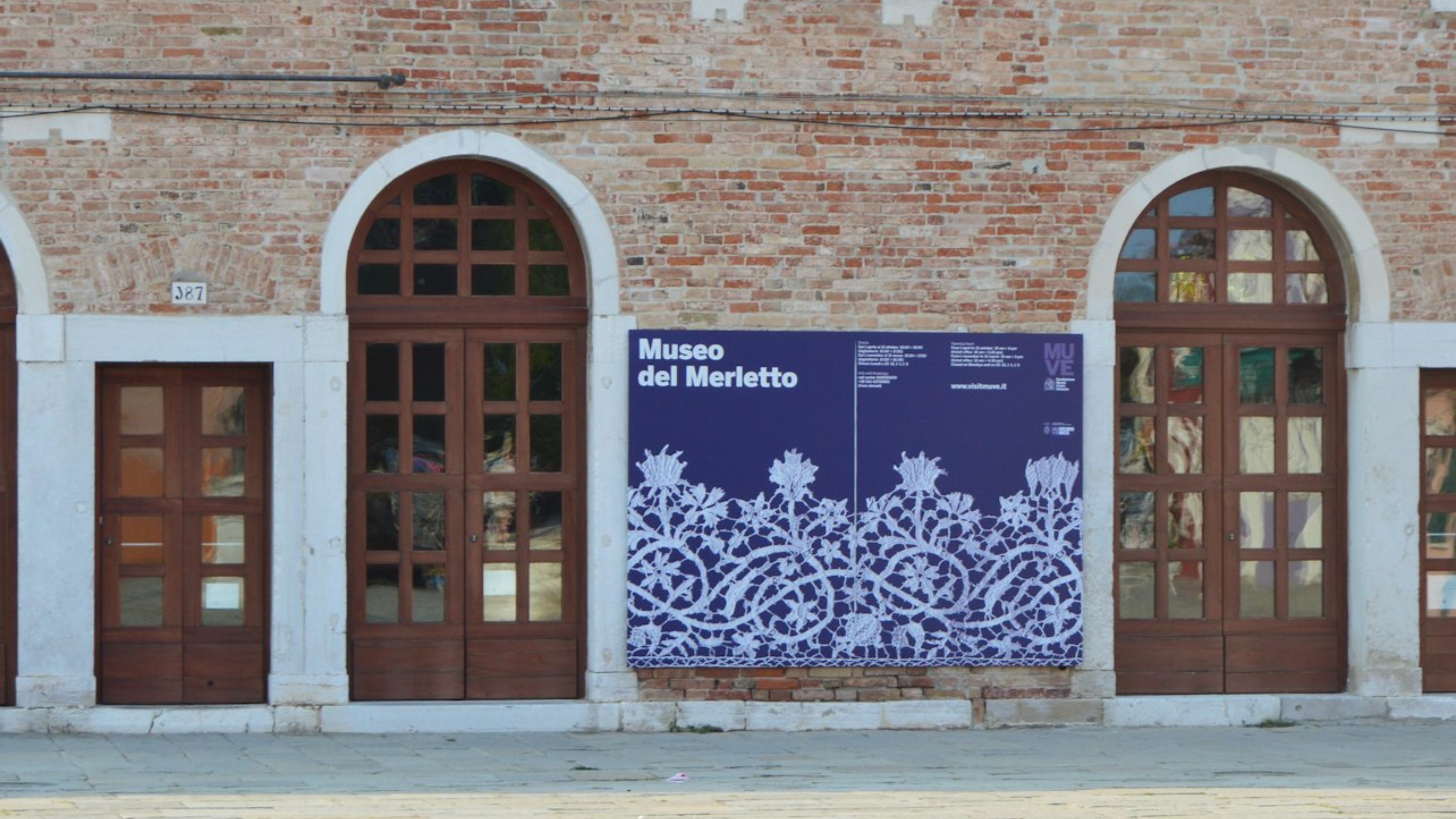
A colorful island known for its lace-making tradition and picturesque houses. Burano is a charming and photogenic destination.
Cultural/Scenic
Half-day
Free to explore, €5 for lace museum
Must-Try Local Dishes
Risotto al Nero di Seppia
A risotto made with cuttlefish ink, giving it a distinctive black color and rich, briny flavor.
Main Course
Contains seafood, not suitable for vegetarians or those with seafood allergies.
Sarde in Saor
Sweet and sour sardines marinated with onions, raisins, pine nuts, and vinegar.
Appetizer
Contains fish, not suitable for vegetarians.
Bigoli in Salsa
Pasta with a sauce made from anchovies, onions, and breadcrumbs.
Main Course
Contains fish, not suitable for vegetarians.
Frito Misto
A mix of fried seafood and vegetables, including shrimp, squid, and zucchini.
Appetizer
Contains seafood, not suitable for vegetarians.
Popular Activities
Kayaking in the canals
Cycling on Lido di Venezia
Hiking in the Venetian Lagoon
Sunbathing on Lido di Venezia
Enjoying a gondola ride
Visiting a spa or wellness center
Attending a concert or opera
Visiting museums and galleries
Best Time to Visit
April to June, September to October
These months offer pleasant weather and fewer crowds compared to the summer peak. The city is vibrant with events and festivals, and the temperatures are comfortable for exploring.
15°C to 28°C
59°F to 82°F
Practical Information
Language
- Official: Italian
- Widely spoken: English, French, German
- English: Widely spoken in tourist areas, moderately spoken in local areas
Currency
Euro (EUR)
Time Zone
GMT+1 (Central European Time, CET), GMT+2 (Central European Summer Time, CEST) during daylight saving time
Electricity
230VV, 50HzHz
Safety Information
Overall Safety Rating: Generally safe
Venice is generally safe for tourists, with low crime rates. However, pickpocketing and petty theft can occur in crowded areas, and acqua alta (high water) events can disrupt travel plans.
Important Precautions:
- • Keep valuables secure and be aware of your surroundings
- • Use official taxis and ticket vendors
- • Be cautious of strangers approaching you with offers or requests
Getting there
By air
- Venice Marco Polo Airport • 12 km from city center
By train
Santa Lucia Railway Station
By bus
Piazzale Roma
Getting around
Public transport
The vaporetto is the main public transport system in Venice. It operates on fixed routes and is the most convenient way to get around.
Taxis
Available • Apps: Uber (limited availability), Local taxi apps
Rentals
Neighborhoods
San Marco
Dorsoduro
Cannaregio
Castello
Day trips
Burano and Murano
10-45 minutes by vaporetto • Half-day to full day
Visit the colorful island of Burano and the glass-making island of Murano for a unique and picturesque day trip.
Lido di Venezia
20 minutes by vaporetto • Half-day to full day
A long, narrow island between the Venetian Lagoon and the Adriatic Sea, known for its beaches, the Venice Film Festival, and a more relaxed atmosphere.
Padua (Padova)
40 km (25 miles) • Half-day to full day
A charming city known for its beautiful architecture, historic sites, and the famous Scrovegni Chapel with its stunning frescoes by Giotto.
Festivals
Venice Carnival • February or March (dates vary)
Venice Film Festival • Late August to early September
Festa del Redentore • Third weekend of July
Pro tips
- Visit major attractions early in the morning or late in the afternoon to avoid crowds
- Explore the city's lesser-known neighborhoods and hidden gems for a more authentic experience
- Try local specialties and dishes, and ask locals for recommendations
- Use a map or GPS to navigate the intricate streets and canals, as Venice can be easy to get lost in
- Be prepared for acqua alta (high water) events, especially from October to January, and check forecasts and plan accordingly
From $25
per person
Price varies by option
Secure booking
Free cancellation available
Instant confirmation