Zanzibar Slave Routes Tour: The Original Walking Tour
Active
3h
For a full refund, cancel at least 24 hours before the scheduled departure time.
Instant confirmation
Mobile or paper ticket accepted
About this experience
Once upon a time, Stone Town was the hub to one of the world’s last open slave markets, and one of the biggest slave markets in the world; the Swahili Coast presided over by Arab traders was active until it was shut down by the British in 1873. The slaves were shipped here in dhows from the mainland, crammed so tightly that many fell ill and died or were thrown overboard.
Uncover the ancient slavery past on this tour as this excursion begins at the Dhow Harbour in Malindi, where slave ships brought their human cargo from Bagamoyo to Zanzibar. Then discover Livingstone’s House and House of Tippu Tip, explore the home of the notorious Arab slave trader and then on to the Anglican Church built at the old slave market.
A short drive to Mbweni will bring you to Mbweni ruins, formerly a school for freed slave girls. Explore Mangapwani slave caves. Walk through the caves, which stored hundreds of slaves kept waiting for the monsoons and the arrival of the dhows to be exiled away from home.
Available options
Zanzibar Slave Routes Tour: The Original Walking Tour
Pickup included
What's included
Private transportation
Bottled water
WiFi on board
All Fees and Taxes
Air-conditioned vehicle
Detailed itinerary
1
Visit Dhow Harbour in Malindi, where slave ships brought their human cargo from Bagamoyo to Zanzibar. The scent of cloves hangs heavy in the air as stevedores load and unload sacks of the region's most valuable crops. Every day you'll spot dhows arriving from the mainland with deliveries of flour and other goods not available on the islands. Fishermen deposit their catch here early in the morning.
2
Explore Dr. Livingstone House!!! David Livingstone is probably the best-known of all the 19th century European explorers in Africa. Many of his journeys began and ended in Zanzibar, and he lived in this house before departing on his final journey to identify the source of the Nile. The house was built around 1860 by Sultan Majid and is located on the northeast side of Stone Town. It was used by Livingstone and other missionaries and explorers such as Burton, Speke, Cameron and Stanley as a starting point for expeditions into eastern and central Africa during the second half of the 19th century. In the early 20th century, the house was used by members of the island's Indian community for a variety of purposes. In 1947, it was bought by the colonial government and became a scientific laboratory for research into clove diseases. After independence and the revolution it became the Zanzibar headquarters of the Tanzania Friendship Tourist Bureau.
3
Tippu Tip's House is a historical building in Stone Town, Zanzibar, located in Suicide Alley in the Shangani ward near the Africa House Hotel and Serena Inn, about 3–5 minute walking time from the Old Fort and Forodhani Gardens. It is the house where the powerful merchant and slave trader Tippu Tip (1837–1905) lived. The building was a private residence until the Zanzibar Revolution and was later converted into a block of flats. The large decorated carved wooden door, as well as the black and white marble steps, still testify the great wealth of the historical owner of the house.
4
Visit Zanzibar Former Slave Market! Zanzibar was home to one of the largest slave markets in the world. Although the slave trade took place all over the island, three major markets saw the bulk of these inhumane transactions. The market in Stone Town was infamous for being the most brutal. The pit and the Slave Market Memorial is in the same location where enslaved people were gathered to be brought and sold. This memorial was created in 1998 by Clara Sornas of Scandinavia. On one side of the memorial is a mansion housing the slave cellar, one of fifteen low-ceiling chambers. Dim, suffocating, and with no toilets, these chambers were crammed with enslaved people, where they awaited the auction block. Captives were summoned to the yard and marched to the pit. There, they would be inspected by potential buyers.
5
The Slave Chamber in Mangapwani is about 20 km north of Stone Town and 2 km north at the coast from the Mangapwani Coral Cavern. The chamber was originally built by Mohammed bin Nassor Al-Alwi, a prosperous slave trader, to store his slaves. The Chamber is a underground cell that was cut out of the coralline rock, with a roof on top. Boats from Tanzania would unload their human cargo on a secluded beach, separated from the main Mangapwani Beach by coral-rock outcrops.
The slaves were kept here until it was time to take them into Zanzibar Town for sale at the Slave Market. Many historians believe that even after the slave trade was abolished in 1873 by a signed treaty, the coral cavern was still used as a place to hide slaves and the slave trade continued illegally for many years.
What's not included
Lunch
Available languages
Guide guide
DE
EN
IT
FR
ES
Reviews breakdown
Viator
3.0
1 reviews
5★
0
4★
0
3★
1
2★
0
1★
0
Tripadvisor
4.5
2 reviews
5★
1
4★
1
3★
0
2★
0
1★
0
Important information
Wheelchair accessible
Infants and small children can ride in a pram or stroller
Service animals allowed
Public transportation options are available nearby
Specialized infant seats are available
Transportation options are wheelchair accessible
All areas and surfaces are wheelchair accessible
Suitable for all physical fitness levels
About Zanzibar City
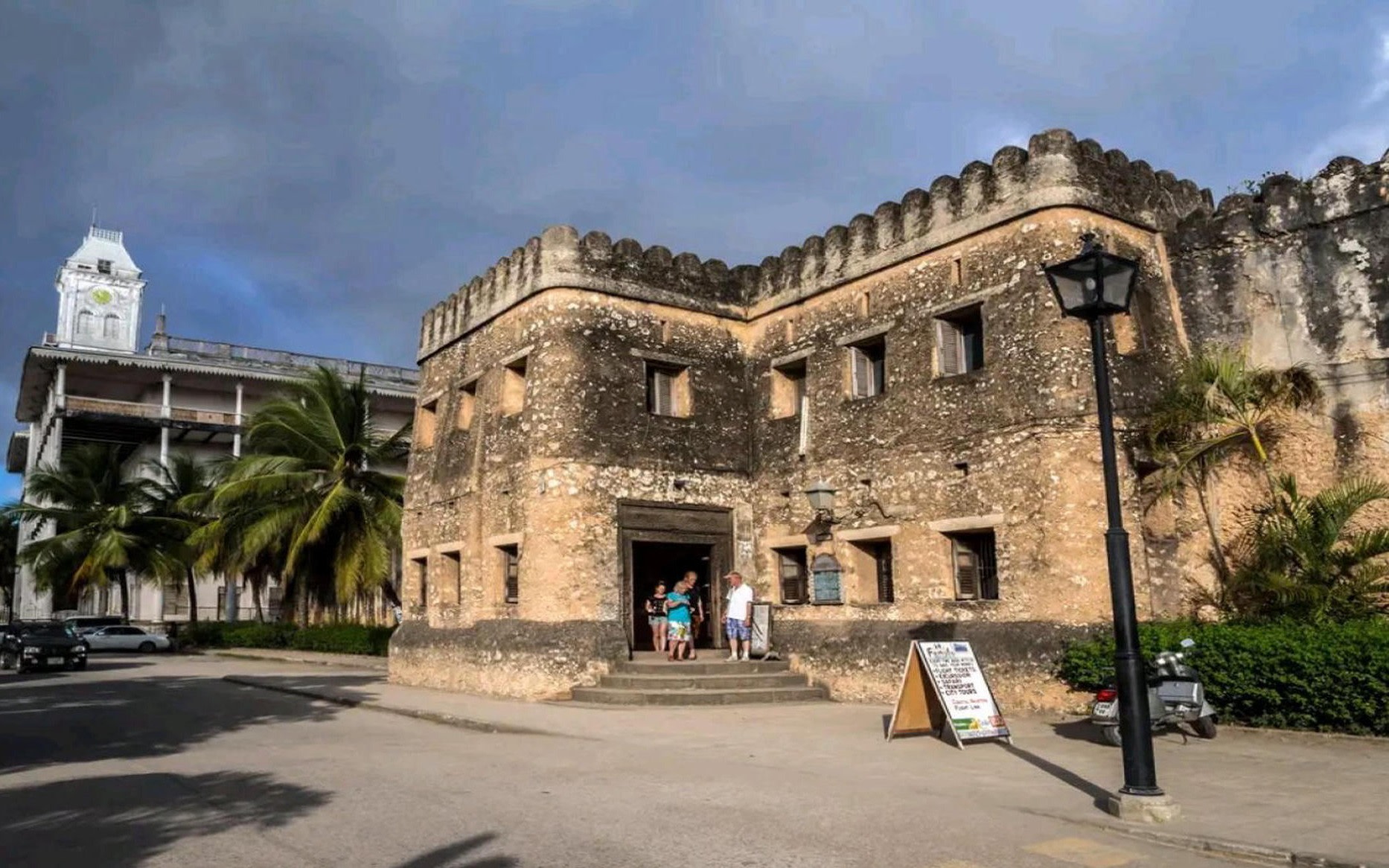
Zanzibar City, also known as Stone Town, is a UNESCO World Heritage site and the cultural heart of Zanzibar. This historic city offers a unique blend of African, Arab, and Indian influences, evident in its architecture, cuisine, and vibrant markets. With its narrow alleys, ornate doors, and bustling bazaars, Zanzibar City is a captivating destination for history lovers and cultural enthusiasts.
Top Attractions
Stone Town
A UNESCO World Heritage site known for its narrow alleys, ornate doors, and rich history. It's a labyrinth of culture, history, and architecture.
Historical
Half to full day
Free to explore, attractions may have entry fees
Forodhani Gardens
A popular waterfront area that comes alive in the evenings with food stalls, street performers, and local crafts.
Cultural
1-2 hours
Free, food and crafts for purchase
Prison Island (Changuu Island)
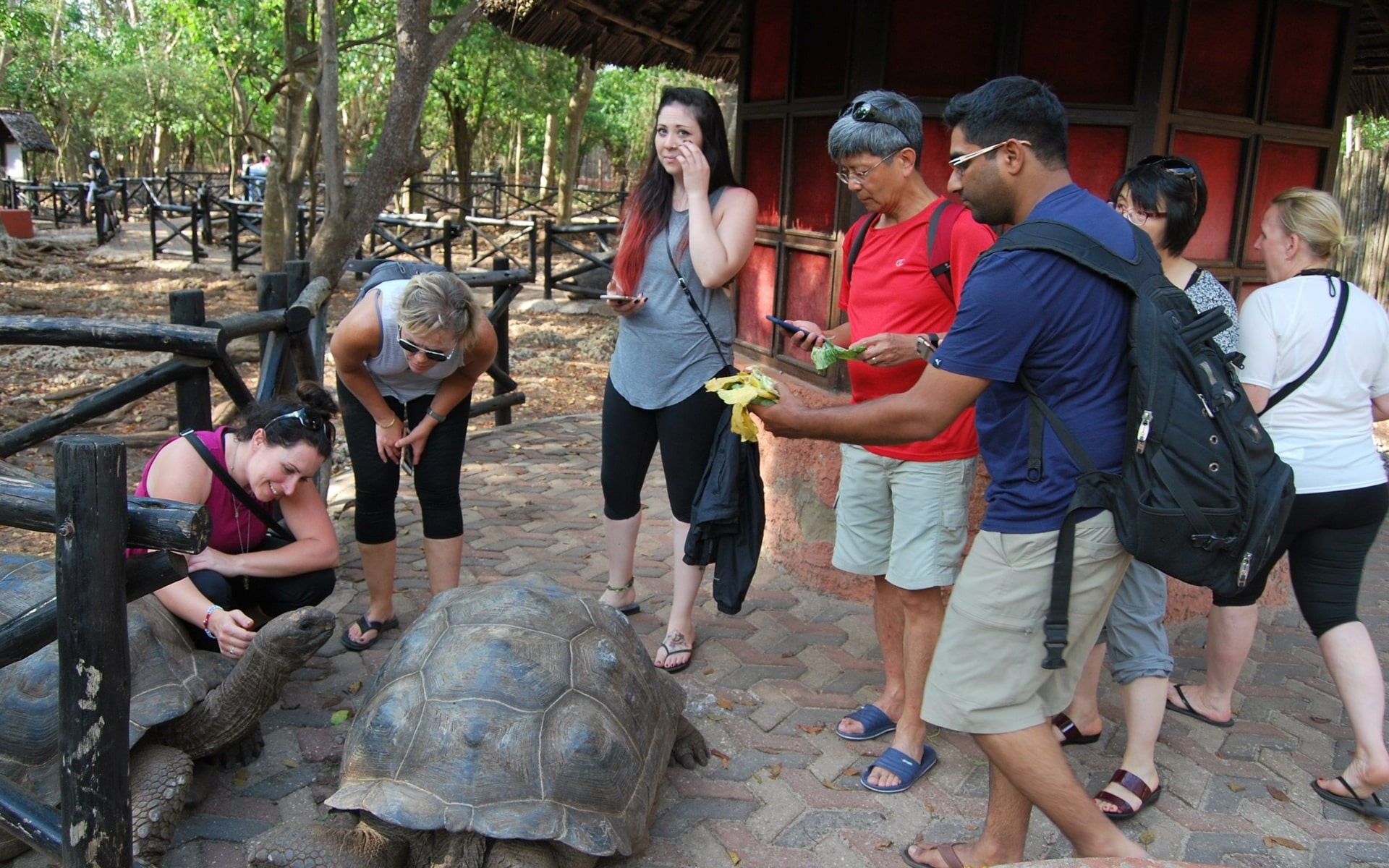
A small island known for its giant Aldabra tortoises and beautiful beaches. It's a great spot for snorkeling and relaxing.
Nature
Half day
Moderate (includes ferry ride and entry fee)
Must-Try Local Dishes
Zanzibari Pizza
A local version of pizza with a thin crust and topped with spices, meat, and vegetables.
Lunch/Dinner
Vegetarian options available
Urojo
A spicy soup made with potatoes, peas, and meat, served with rice or chapati.
Lunch/Dinner
Vegetarian options available
Coconut Rice
Rice cooked with coconut milk and spices, often served with fish or meat.
Lunch/Dinner
Vegetarian options available
Popular Activities
Snorkeling
Scuba diving
Dolphin tours
Beach relaxation
Spa treatments
Yoga
Exploring Stone Town
Visiting local markets
Best Time to Visit
June to October
This is the dry season with pleasant weather and lower humidity, making it ideal for exploring the city and enjoying outdoor activities.
24-30°C
75-86°F
Practical Information
Language
- Official: Swahili, English
- Widely spoken: Arabic
- English: Moderately spoken
Currency
Tanzanian Shilling (TZS)
Time Zone
GMT+3
Electricity
230VV, 50HzHz
Safety Information
Overall Safety Rating: Generally safe
Zanzibar City is generally safe for tourists, but it's important to be aware of your surroundings and take precautions.
Important Precautions:
- • Be cautious of pickpockets in crowded areas
- • Use reputable taxi services
- • Avoid walking alone at night in poorly lit areas
Getting there
By air
- Abeid Amani Karume International Airport • 5 km from city center
By bus
Dar es Salaam to Zanzibar ferry terminal
Getting around
Public transport
Affordable and widely used by locals. Can be crowded during peak hours.
Taxis
Available • Apps:
Rentals
Car, Bike, Scooter
Neighborhoods
Stone Town
Malindi
Day trips
Nungwi
60 km from Zanzibar City • Full day
A popular beach destination with white sandy beaches and clear blue waters.
Kizimkazi
40 km from Zanzibar City • Half day
A village known for its ancient mosques and dolphin tours.
Festivals
Zanzibar International Film Festival (ZIFF) • July
Mwaka Kogwa • July
Pro tips
- Hire a local guide for a deeper understanding of Stone Town's history
- Try local street food for an authentic culinary experience
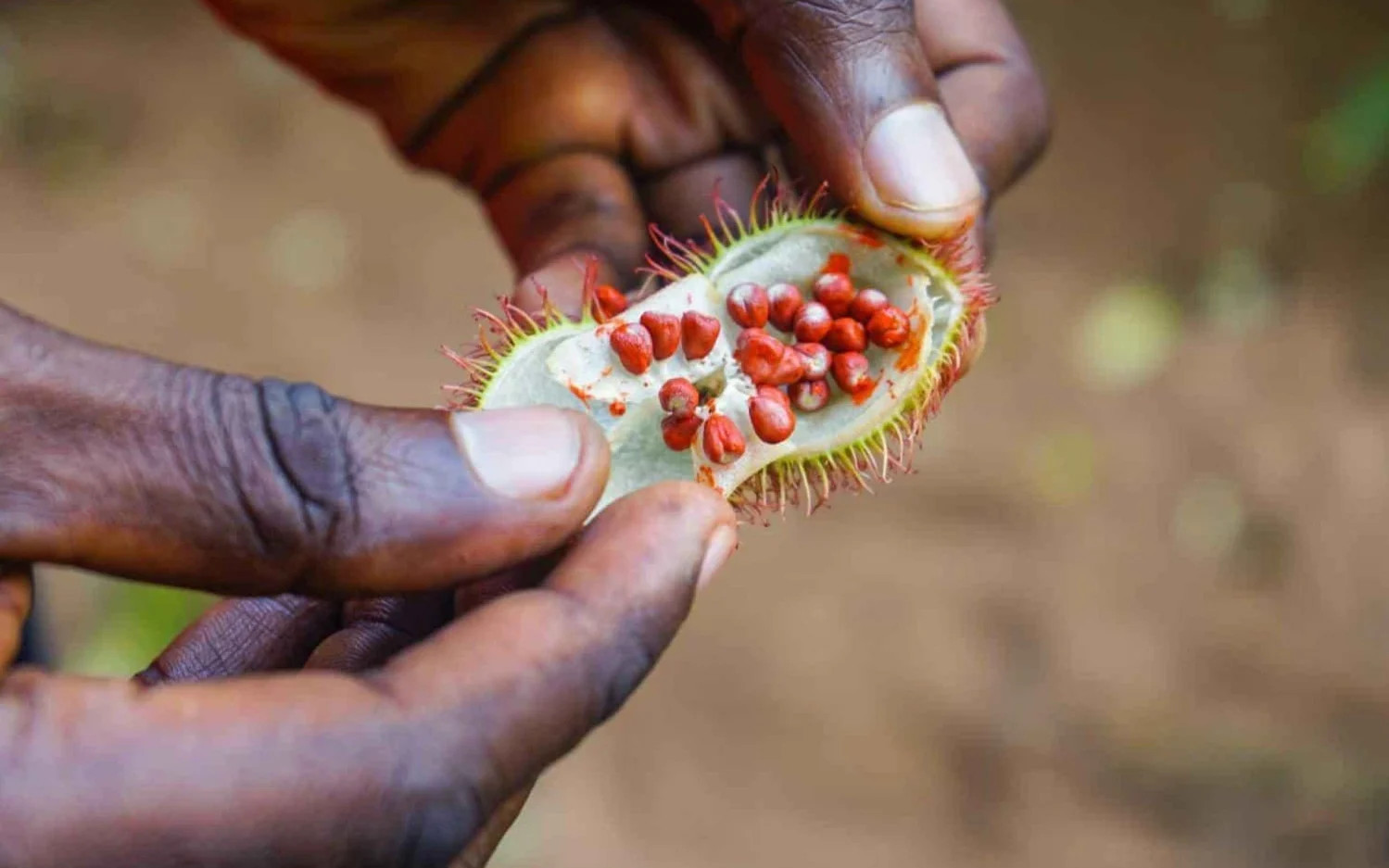
- Visit the spice farms to learn about Zanzibar's spice trade history
- Explore the island's beaches and enjoy the crystal-clear waters
- Respect local customs and dress modestly, especially in religious sites
From $25
per person
Price varies by option
Secure booking
Free cancellation available
Instant confirmation