Marrakech Medina Walking Tour With Local Guide
Active
3h
For a full refund, cancel at least 24 hours before the scheduled departure time.
Instant confirmation
Mobile or paper ticket accepted
About this experience
Get a feel of Marrakech and enjoy this personalized door to door Marrakech city tour. Explore the ancient city walls, the splendid palaces with their Moorish iconic architecture!
You will have an expert guide will be at your entire service to assist you and to ensure you discover the best of Marrakech.
you will explore
1 bahia palace
2 Saadin Tombs
3 koutoubia mosque
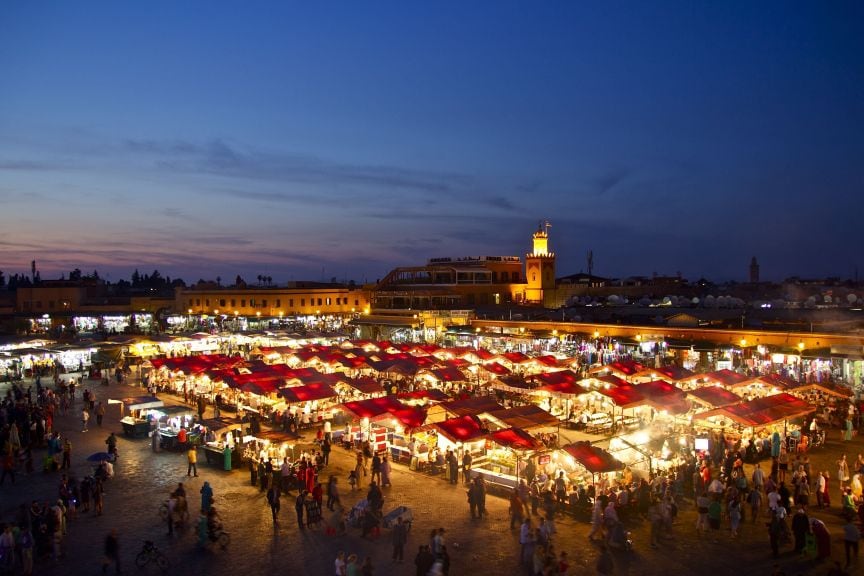
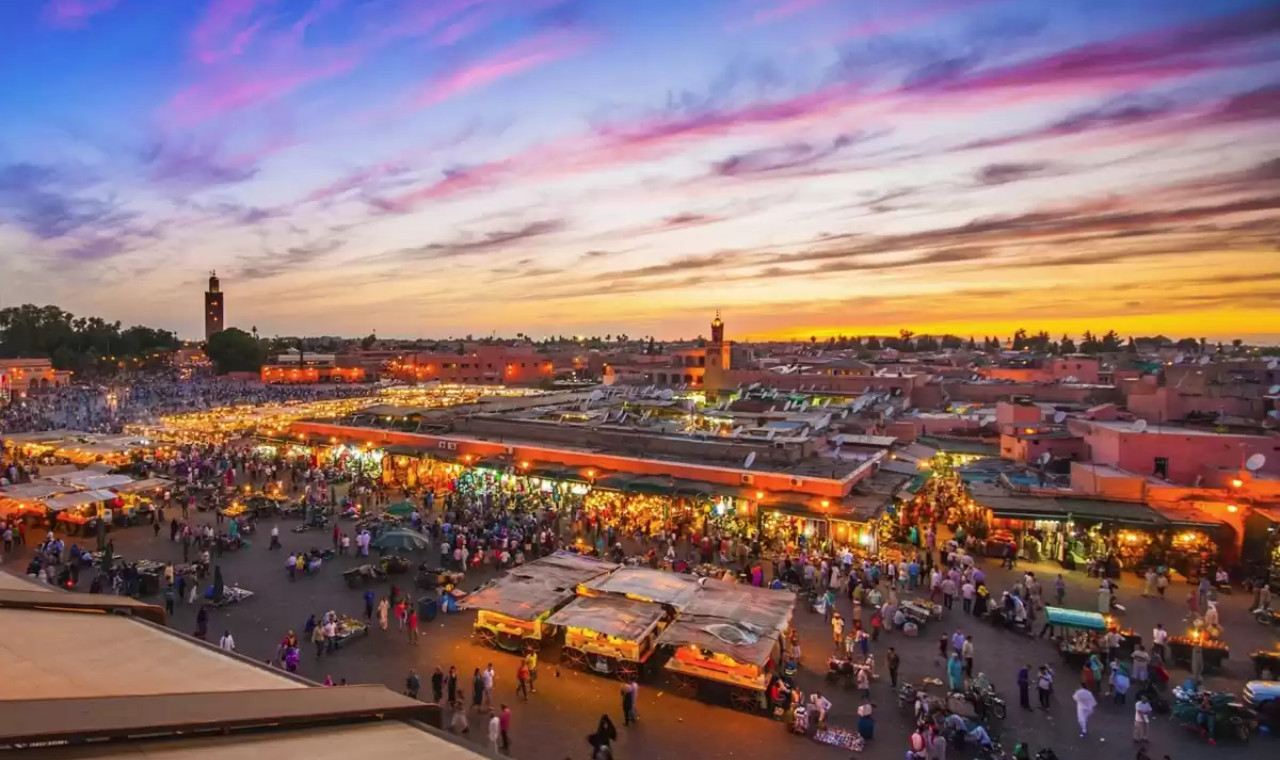
4 the big square jemaa el-fna
5 The Souk OF Marrekech
6 Other Surprise Waiting For You
Available options
Marrakech Medina Walking Tour With Local Guide
Pickup included
What's included
Professional guide
Detailed itinerary
1
Stop 1
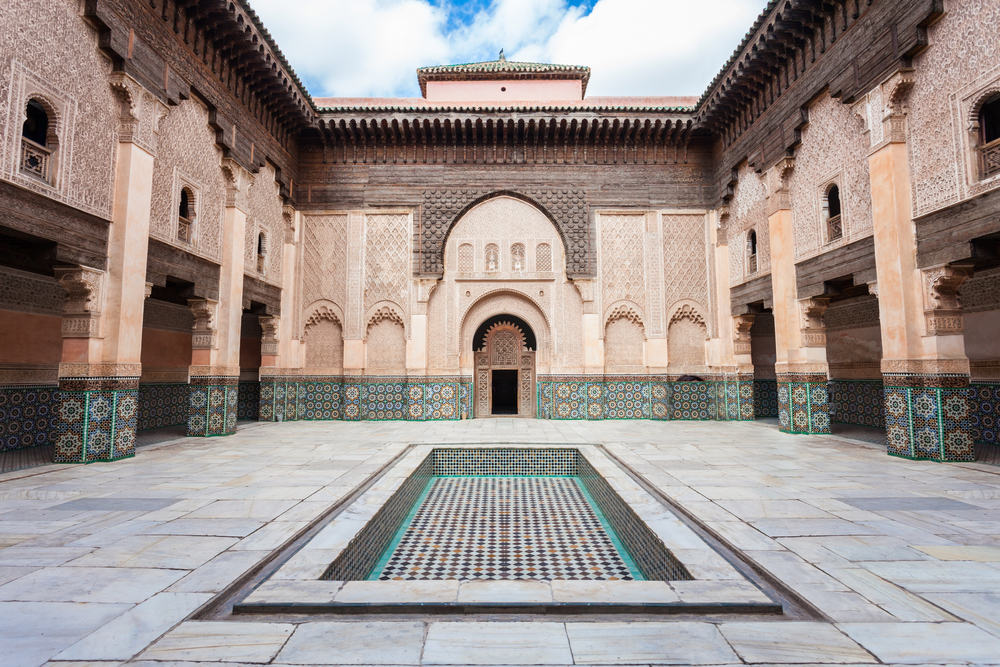
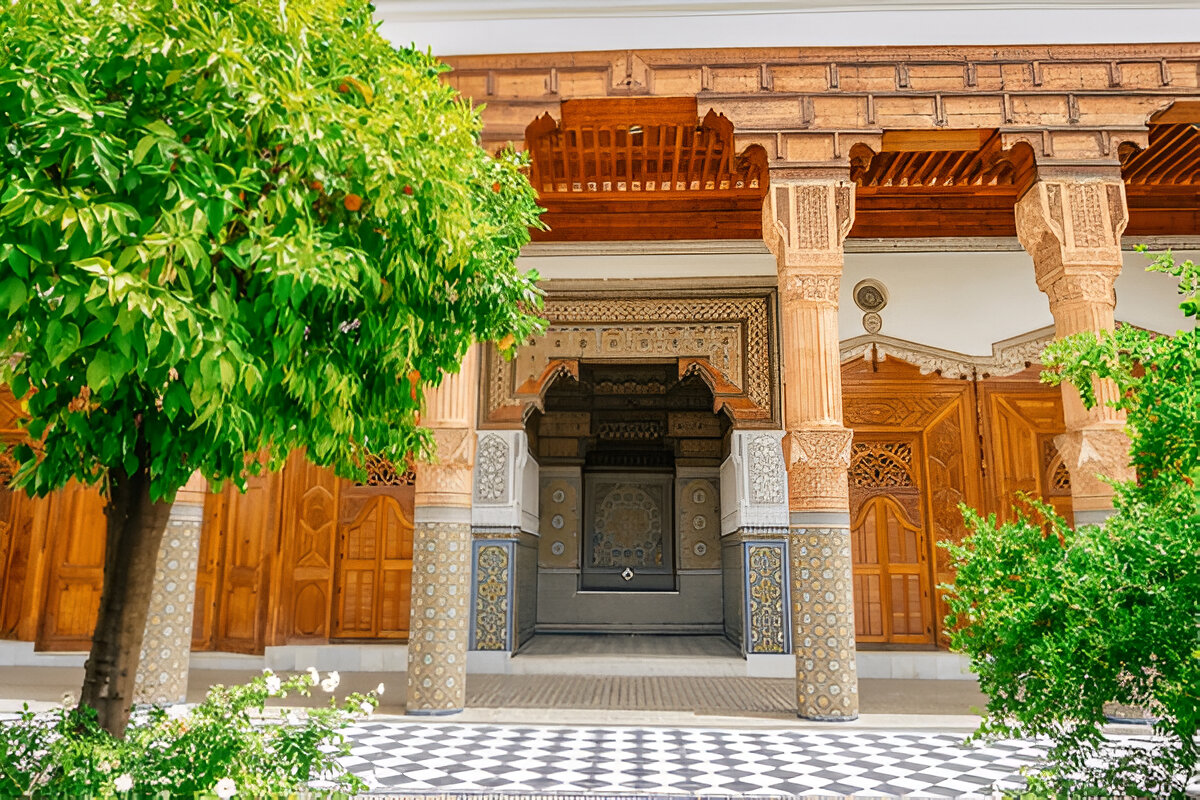
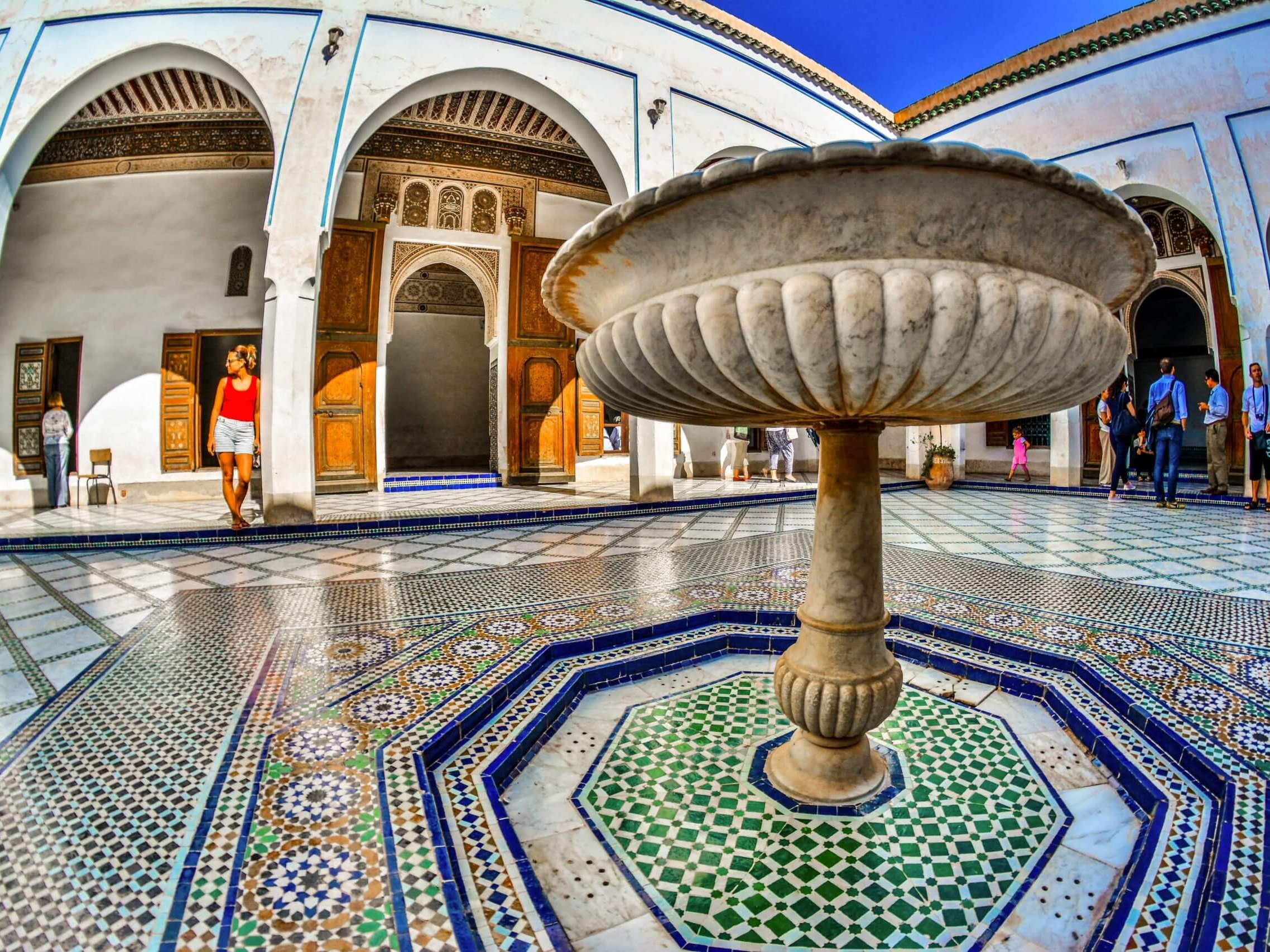
The Bahia Palace was built in the last years of the 19th century, the palace is a maze of patios planted with fruit trees, passageways and empty chambers with painted ceilings, the sunlights shines through wrought-iron bars creating beautiful patterns on the zellige tiles.
2
Stop 2
the Saadian Tombs: a series of chambers around a small garden, decorated with carved and plaster, is the final, and ultimately rathe moving, resting place of the Saadian family.
3
Stop 3
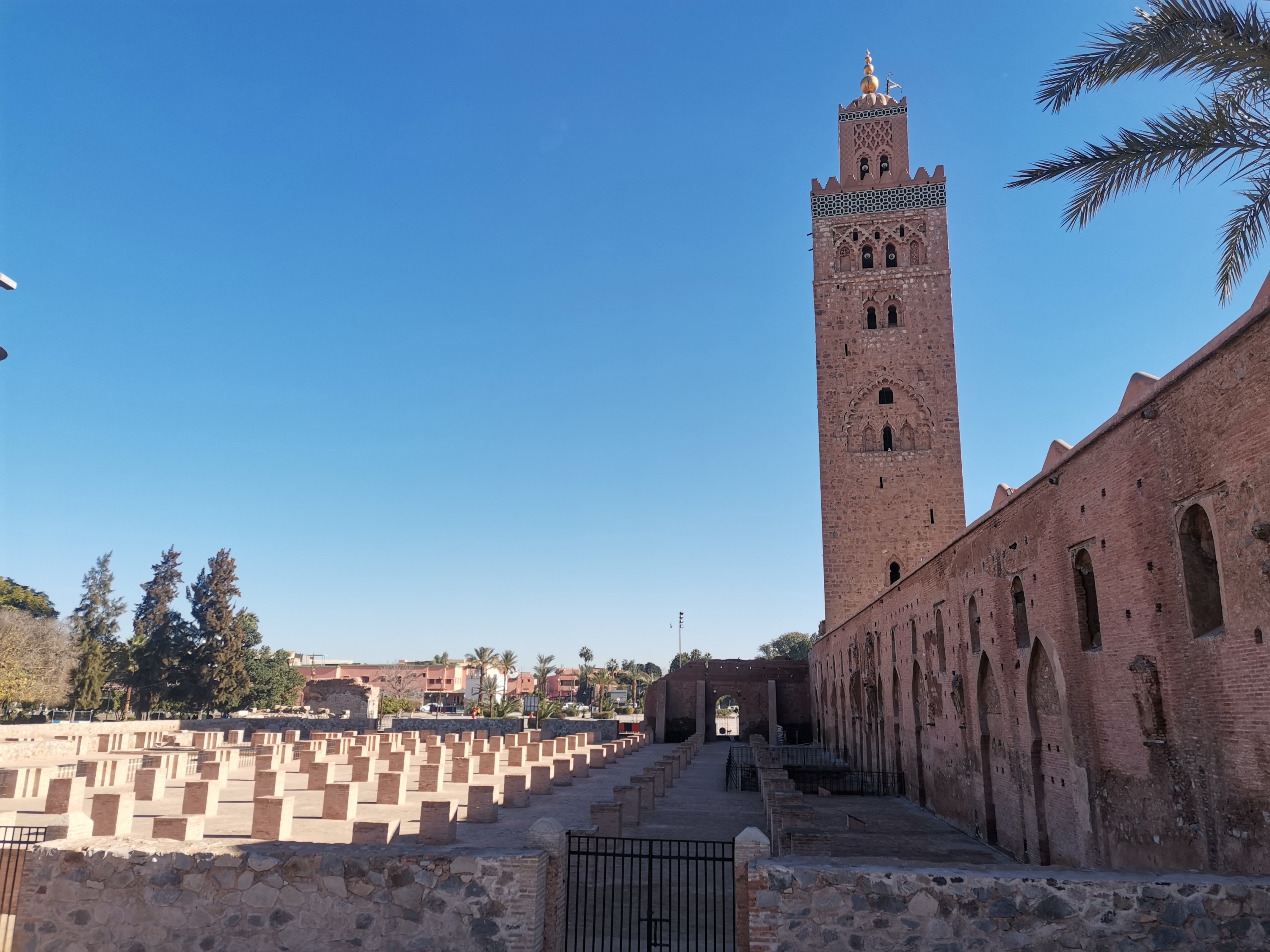
The mosque was founded in 1147 by the Almohad caliph Abd al-Mu'min right after he conquered Marrakesh from the Almoravids. A second version of the mosque was entirely rebuilt by Abd al-Mu'min around 1158, with Ya'qub al-Mansur possibly finalizing construction of the minaret around 1195.[4] This second mosque is the structure that stands today. It is considered a classic and important example of Almohad architecture and of Moroccan mosque architecture generally.[4] The minaret tower, 77 metres (253 ft) in height, is decorated with varying geometric arch motifs and topped by a spire and metal orbs. It likely inspired other buildings such as the Giralda of Seville and the Hassan Tower of Rabat, which were built shortly after in the same era.[5][6][7][8] The minaret is also considered an important landmark and symbol of Marrakesh.
4
Stop 4
The origin of its name is unclear: jamaa means "congregation" or "mosque" in Arabic, probably referring to a destroyed mosque on the site. Fnaʼ or fanâʼ can mean "death/extinction" or "a courtyard, space in front of a building". "finâʼ in Arabic commonly means "open area"; a straight translation would be "the gathering/congregation area". Other meanings could be "The assembly of death," or "The Mosque at the End of the World".[1] Another explanation is that it refers to a mosque with a distinctive courtyard or square in front of it.[2] A third translation is "assembly of the dead", referring to public executions on the plaza around 1050 CE.[3]
One specific explanation endorsed by some modern historians[4][5] comes from historical reports that the powerful Saadian sultan Ahmad al-Mansur (ruled 1578-1603) had embarked on the construction of a monumental Friday mosque in the middle of the square. However, due to a downturn in fortunes (probably outbreaks of the plague) the sultan was forced to abandon the project part-way through and the mosque remained unfinished and fell into ruins. The ruined outline of its walls was apparently still visible in the 19th century and corresponded roughly to the current site of the "Souk Jdid" (the "new souk" just north of the food-stalls).[4] In this way, "jamaa al-fna' " ostensibly refers to the place of the "ruined mosque". The name "Jamaa al-Fna' " appears in historical records for the first time in the 17th-century chronicle of the West African historian Abderrahman as-Sa'idi. As-Sa'idi claimed that the intended name of al-Mansour's unfinished mosque was jamaa al-hna, meaning "Mosque of Tranquility", but that after its abandonment it came to be known, by popular irony, as the "Mosque of ruination/annihilation", or jamaa al-fana'.[4][6] (The word fana' in this case meaning a state of being extinguished or totally ruined, etc.)
History
Marrakesh was founded by the Almoravid Dynasty in 1070 by Abu Bakr ibn Umar and subsequently developed by his successors. Initially, the city's two main monuments and focal points were the fortress known as Ksar el-Hajjar ("fortress of stone") and the city's first Friday mosque (the site of the future Ben Youssef Mosque). The Ksar el-Hajjar was located directly north of today's Koutoubia Mosque. The major souk (market) streets of the city thus developed along the roads linking these two important sites and still correspond to the main axis of souks today.[7] At one end of this axis, next to the Ksar el-Hajjar, a large open space existed for temporary and weekly markets. This space was initially known as Rahbat al-Ksar ("the place of the fortress").[6][8] Other historical records refer to it as as-Saha al-Kubra ("the grand square"), or simply as as-Saha or ar-Rahba.[4]
The Almoravid emir Ali ibn Yusuf (ruled 1106-1143) soon afterwards constructed a palace directly south of and adjacent to the Ksar el-Hajjar, on the actual site of the later Koutoubia Mosque. One part of this palace was a monumental stone gate on its east side which faced towards the Rahbat al-Ksar.[8] The gate likely played a symbolic role: it was the entrance to the palace for those seeking an audience with the sovereign, and it's possible the ruler himself would sit, enthroned, before the gate and publicly dispense justice on a weekly basis (a tradition which existed among other Moroccan and Andalusian ruling dynasties).[8] The importance of the great public square in front of the royal palace thus led it to become the place for public executions, military parades, festivals, and other public events until long afterwards.[9]
After a destructive struggle, Marrakech fell to the Almohads in 1147. Following this, Jamaa el-Fna was renovated along with much of the city. The city walls were also extended by Abu Yacoub Yusuf and particularly by Yacoub el Mansour from 1147–1158. The mosques, palace, hospital, parade ground and gardens around the edges of the marketplace were also overhauled, and a new royal kasbah (citadel) was erected further south. As the Almohad rulers moved to the new kasbah, the old Almoravid palace and fortress fell out of use and was eventually torn down (in part to make way for the new Koutoubia Mosque). Subsequently, with the fortunes of the city, the Jemaa el-Fna saw periods of decline and also renewal.[10]
Despite the encroachment of new constructions on the edge of the square over time, it never disappeared due to its role as an open market area and as the site of public events.[6] One attempt to fill a large part of the square is reported to have been made by the Saadian sultan Ahmad al-Mansour who attempted to build a monumental mosque in the square. The mosque would have likely followed the same model as the Bab Doukkala and Mouassine Mosques, being deliberately built in the midst of major traffic routes in the city, and would have been accompanied by a number of attendant civic and religious buildings.[4] The mosque was never finished, however, possibly due to disasters like the plague epidemics during al-Mansour's reign. Construction was abandoned part-way through and what had been built fell into ruin and was taken over by market stalls and other occupants. (It is probably also the site of a modern shop complex, Souk Jdid, just north of the food-stalls today, whose outline has the same compass orientation as the mosques of al-Mansour's time.) This ruined mosque may have given the square its current name, Jemaa el-Fna ("Mosque of Ruins") (see previous section above).
5
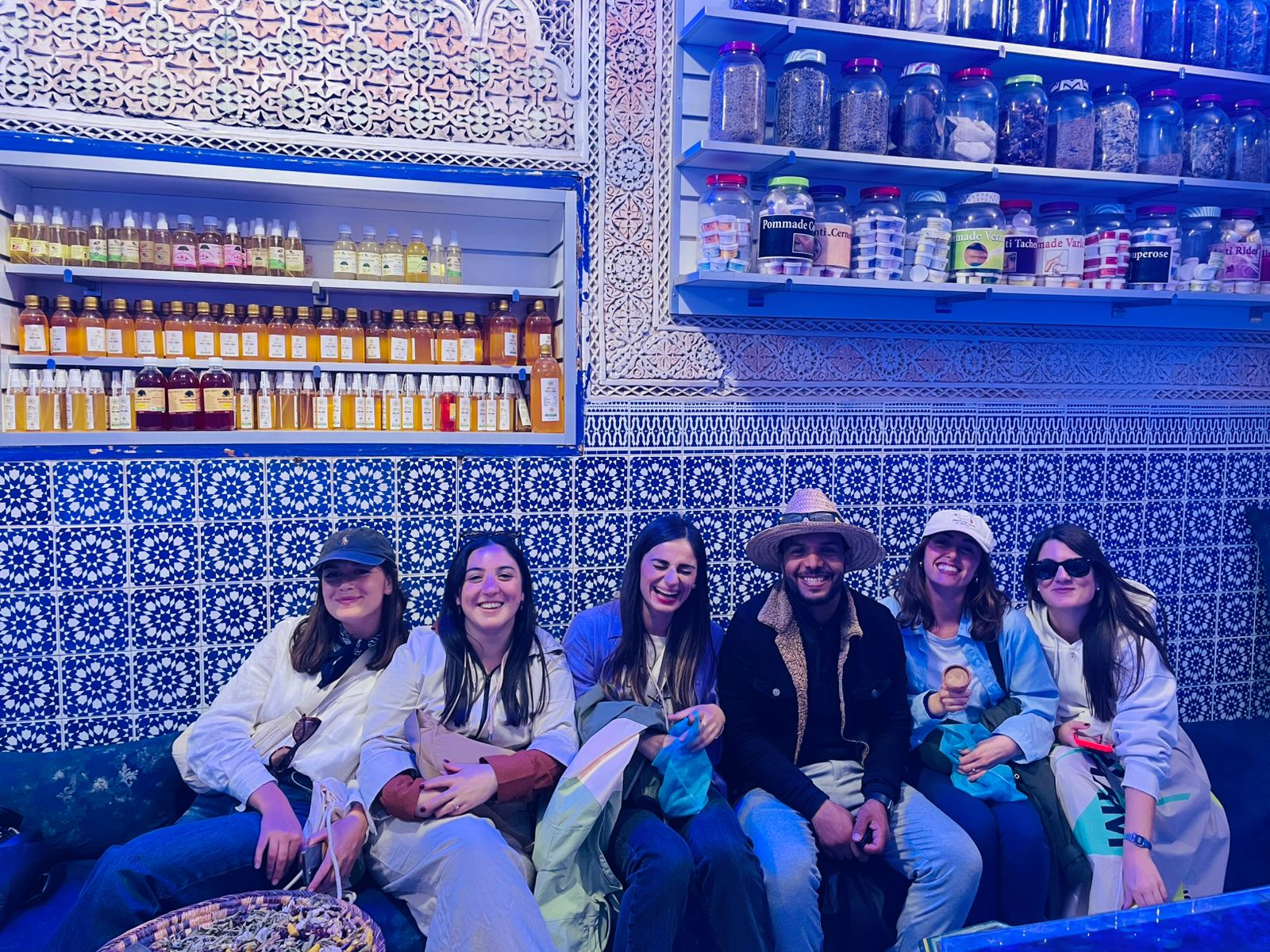
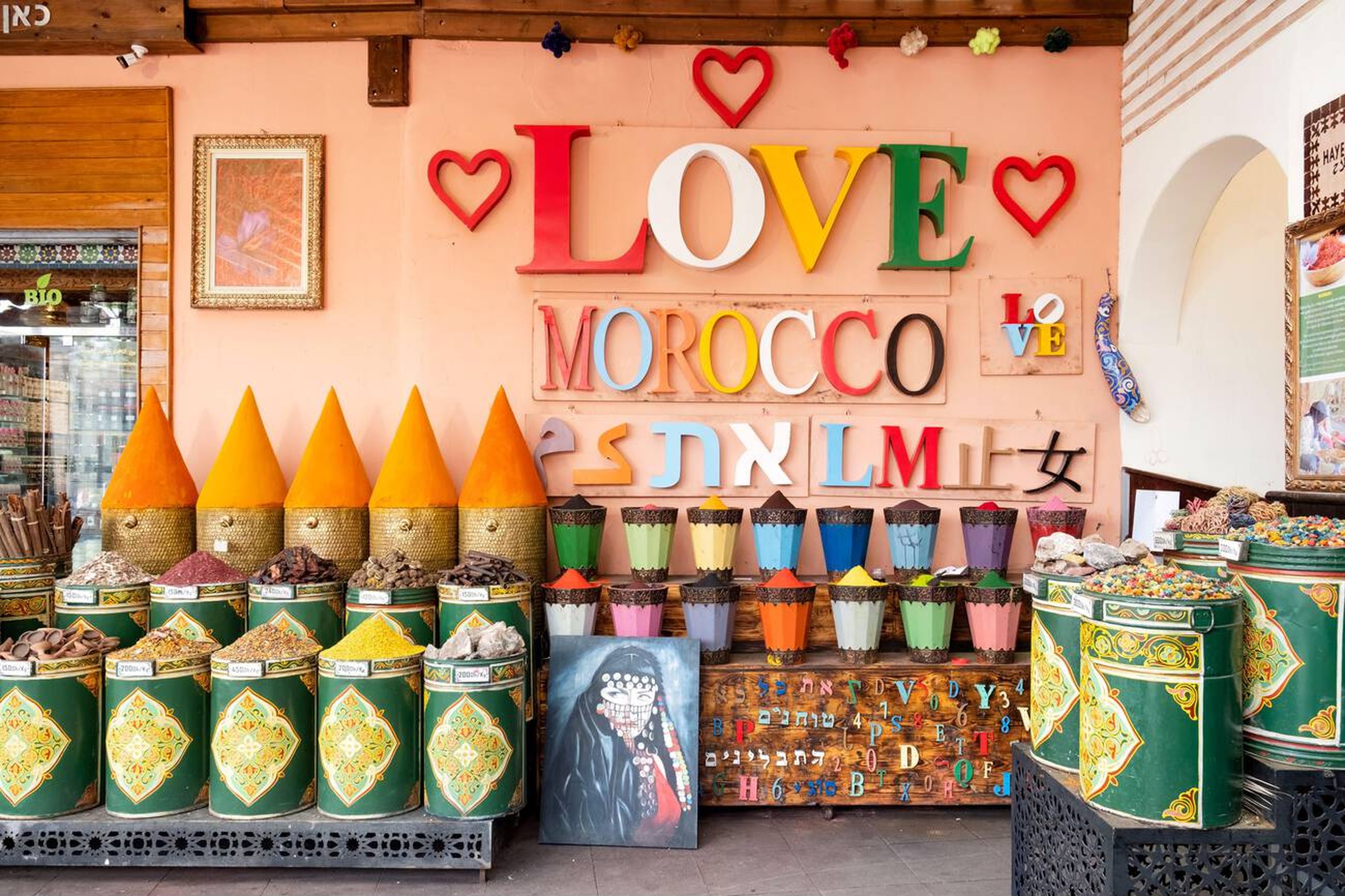
You can visit the souk and explore our moroccan artisanat (craftsman)
What's not included
Ticket for entry to bahia palace
Saadian Tombs
Available languages
Guide guide
AR
EN
FR
Reviews breakdown
Viator
1.0
1 reviews
5★
0
4★
0
3★
0
2★
0
1★
1
Tripadvisor
5.0
1 reviews
5★
1
4★
0
3★
0
2★
0
1★
0
Important information
Wheelchair accessible
Infants and small children can ride in a pram or stroller
Public transportation options are available nearby
Infants are required to sit on an adult’s lap
Specialized infant seats are available
All areas and surfaces are wheelchair accessible
Suitable for all physical fitness levels
About Marrakech
Marrakech is a vibrant city known for its rich history, bustling souks, and stunning architecture. It offers a blend of traditional Moroccan culture and modern amenities, making it a captivating destination for travelers.
Top Attractions
Jemaa El-Fnaa
Jemaa El-Fnaa is the heart of Marrakech, a bustling square filled with food stalls, entertainers, and souvenir vendors. It's a must-visit for its vibrant atmosphere and cultural experiences.
Cultural
2-3 hours
Free (food and souvenirs cost extra)
Koutoubia Mosque
The Koutoubia Mosque is one of the most iconic landmarks in Marrakech. Its minaret is a symbol of the city and can be seen from many parts of the medina.
Historical
1 hour
Free (non-Muslims cannot enter the mosque)
Bahia Palace
The Bahia Palace is a stunning example of Moroccan architecture, featuring intricate tile work, lush gardens, and beautiful courtyards. It offers a glimpse into the opulent lifestyle of the past.
Historical
1-2 hours
70 MAD
Majorelle Garden
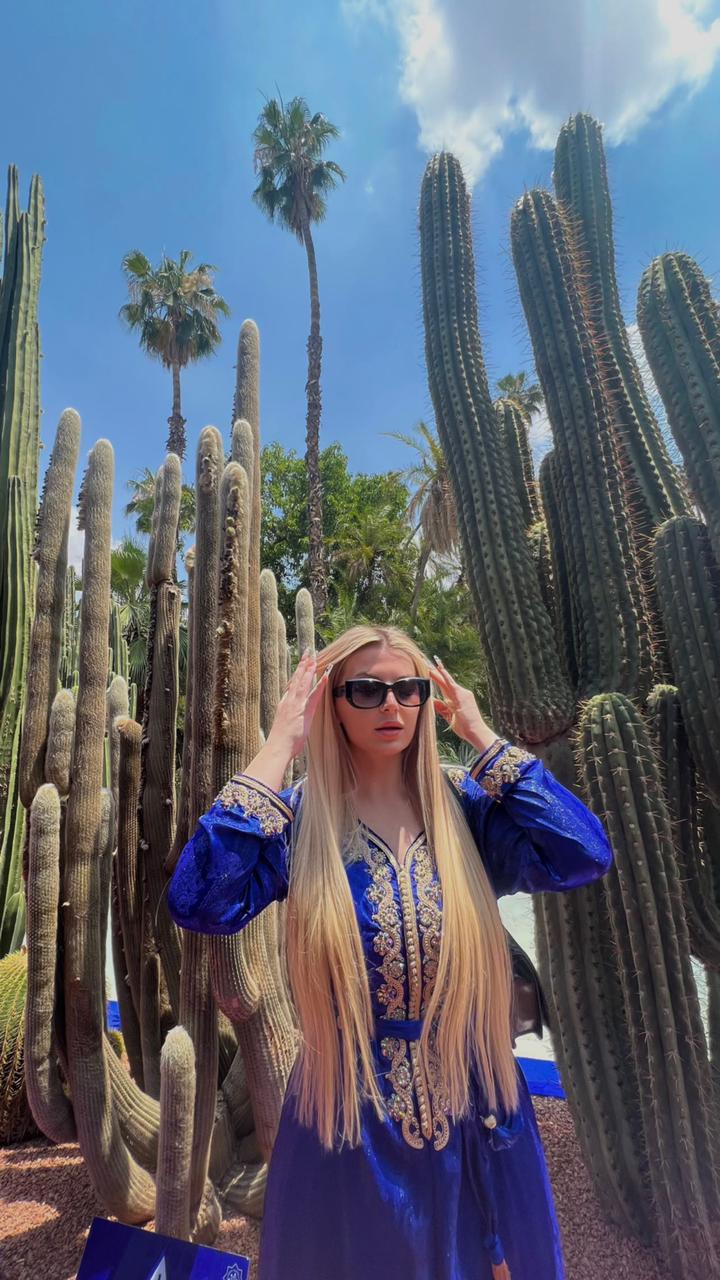
The Majorelle Garden is a beautiful botanical garden designed by French painter Jacques Majorelle. It features a variety of plants, a striking blue villa, and a museum dedicated to Yves Saint Laurent.
Nature
2-3 hours
70 MAD
Saadian Tombs
The Saadian Tombs are a collection of mausoleums dating back to the 16th and 17th centuries. They were discovered in 1917 and offer a fascinating look into the history of Marrakech.
Historical
1 hour
70 MAD
Must-Try Local Dishes
Tagine
A slow-cooked stew made with meat, vegetables, and spices, named after the earthenware pot it's cooked in.
Main course
Vegetarian options available
Couscous
A dish made with steamed semolina grains, often served with vegetables and meat.
Main course
Vegetarian options available
Pastilla
A savory-sweet pie made with layers of filo pastry, filled with spiced pigeon or chicken, almonds, and powdered sugar.
Main course
Contains nuts
Mint Tea
A traditional Moroccan tea made with green tea and fresh mint leaves, sweetened with sugar.
Drink
Contains caffeine
Popular Activities
Hiking in the Atlas Mountains
Surfing in Essaouira
Quad biking in the desert
Spa treatments
Yoga retreats
Relaxing in a hammam
Exploring the medina
Visiting museums
Best Time to Visit
Spring (March to May) and Fall (September to November)
The best time to visit Marrakech is during spring and fall when the weather is pleasant and ideal for exploring the city. The temperatures are mild, and the crowds are manageable.
15°C to 25°C
59°F to 77°F
Practical Information
Language
- Official: Arabic
- Widely spoken: French, Berber languages
- English: Moderately spoken in tourist areas
Currency
Moroccan Dirham (MAD)
Time Zone
GMT+0
Electricity
220VV, 50HzHz
Safety Information
Overall Safety Rating: Exercise caution
Marrakech is generally safe for tourists, but petty crime and scams can occur. Be cautious of your surroundings, especially in crowded areas.
Important Precautions:
- • Be cautious of your belongings in crowded areas.
- • Use reputable taxi services and agree on the fare before starting your journey.
- • Avoid walking alone at night in less crowded areas.
Getting there
By air
- Menara International Airport • 4 km from city center
By train
Marrakech Railway Station
By bus
Marrakech Central Bus Station
Getting around
Public transport
Buses are the most common form of public transport in Marrakech. They are affordable and cover most areas of the city.
Taxis
Available • Apps: Careem, Heetch
Rentals
Car, Bike, Scooter
Neighborhoods
Medina
Gueliz
Hivernage
Day trips
Atlas Mountains
60 km from Marrakech • Full day
The Atlas Mountains offer stunning landscapes, hiking trails, and traditional Berber villages. It's a great escape from the city for nature lovers.
Ourika Valley
30 km from Marrakech • Half day to full day
The Ourika Valley is known for its beautiful landscapes, traditional Berber houses, and waterfalls. It's a popular destination for day trips from Marrakech.
Essaouira
180 km from Marrakech • Full day to overnight
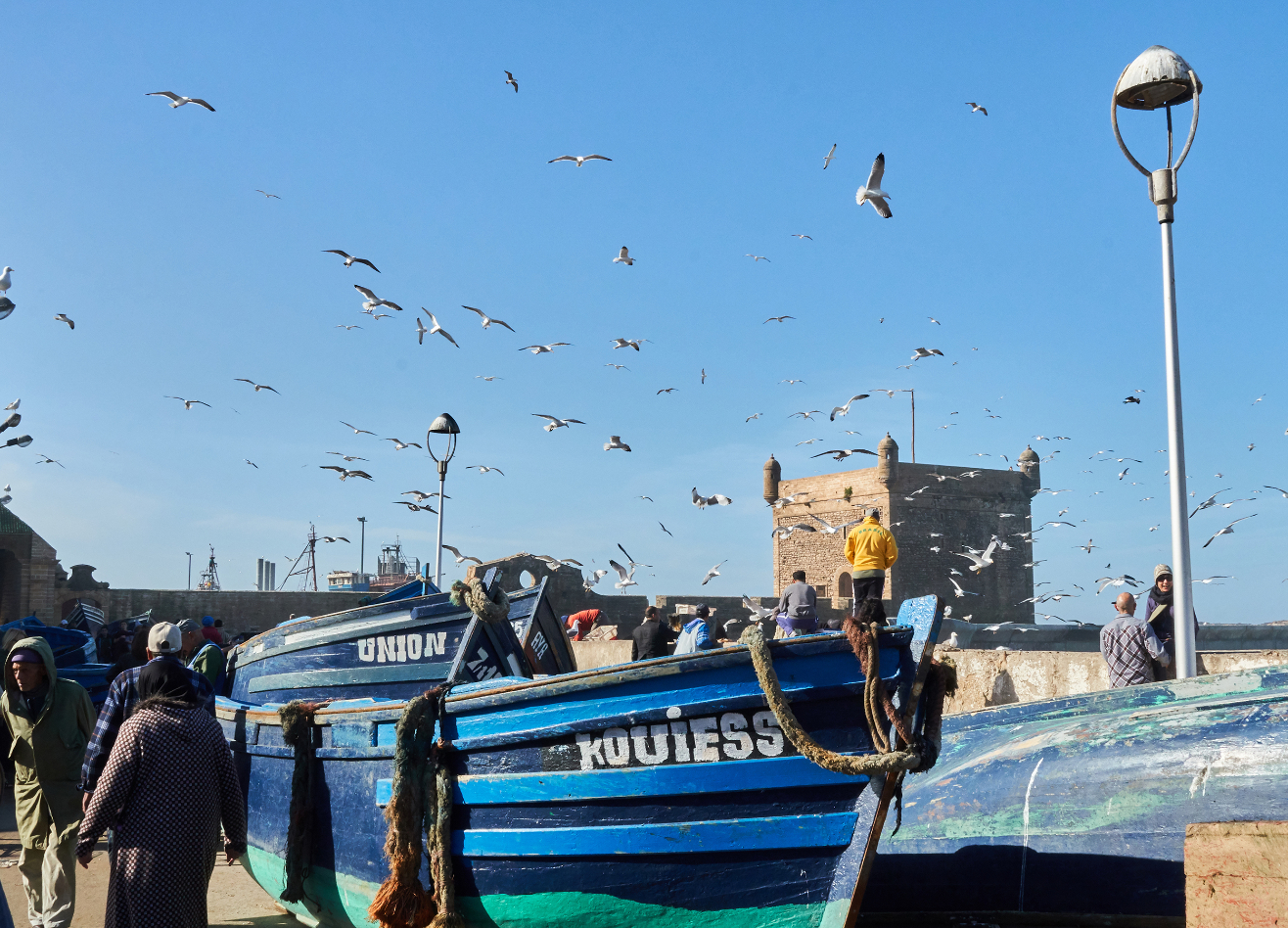
Essaouira is a charming coastal town known for its beautiful beaches, historic medina, and vibrant arts scene. It's a popular destination for surfing, windsurfing, and relaxation.
Festivals
Marrakech Popular Arts Festival • Every July
Marrakech International Film Festival • Every November/December
Ramadan • Dates vary (Islamic calendar)
Pro tips
- Hire a local guide for a more immersive and informative experience.
- Learn a few basic phrases in Arabic or French to enhance your interactions with locals.
- Visit the medina early in the morning or late in the afternoon to avoid the heat and crowds.
- Bargain politely when shopping in the souks, as prices are often negotiable.
- Try local street food for an authentic culinary experience, but choose stalls with high turnover.
From $25
per person
Price varies by option
Secure booking
Free cancellation available
Instant confirmation