

By uncharted Budapest by bike!
Active
4h
For a full refund, cancel at least 24 hours before the scheduled departure time.
Instant confirmation
Mobile or paper ticket accepted
About this experience
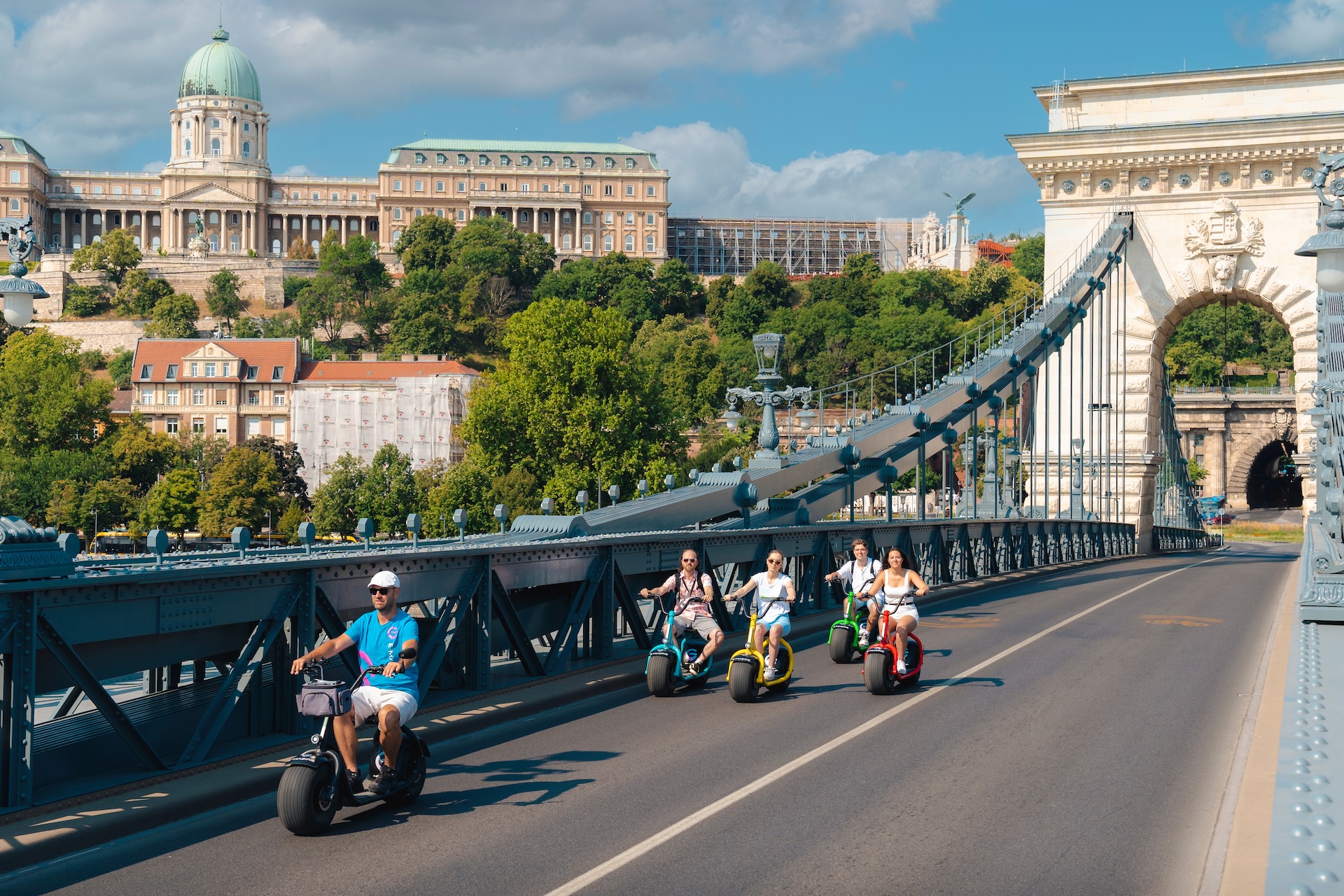
This gastro-cycling walk will open for you another Budapest - antique and modern, fashionable, tasty and completely unfamiliar to tourists. On bicycles we will race through the streets of Obuda, find Roman aqueducts and amphitheaters, and then relax on the Danube embankment, tasting langos, halasle, goulash and other masterpieces of Hungarian cuisine.
Available options
By uncharted Budapest by bike!
What's included
All Fees and Taxes
Bottled water
Use of bicycle
Detailed itinerary
1
At the center of our route is the ancient city of Obuda, which, together with Buda and Pest, is combined into modern Budapest. Driving along local bike paths, you will find out who was the owner of these lands before the arrival of the Hungarian tribes, and you will find traces of the large city of the Roman Empire, which had two amphitheaters, aqueducts, thermal baths and rich Roman villas. I will help you find artifacts hidden from the eyes of passers-by and tell you why the city of Aquincum was built and why it disappeared.
Modern Budapest and its gastro-masterpieces
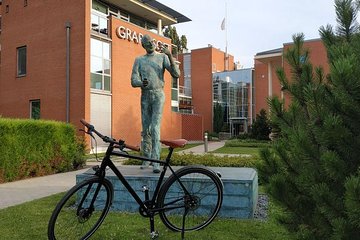
After a historical dive, we will return to modern Hungary, whose life and trends we will talk about. And then I will be happy to answer your questions with a cup of coffee at the iconic Melbourne Cafe. We will visit Steve Jobs in Grafisoft Park, see the largest Rubik's Cube. Take a ride along the 10-kilometer Roman promenade of the Danube - the best vacation spot in Budapest, where the gastronomic part of our walk will begin. Here you can enjoy the river coolness, inhale the aromas of fried fish and langos, lie on the sun loungers on the beach and enjoy your favorite drinks and Hungarian dishes in one of the local restaurants. Get ready to find out the main thing about the cuisine of Budapest and try Halalasse fish soup, goulash and, of course, hake!
Available languages
Guide guide
RU
EN
HU
Important information
Public transportation options are available nearby
Suitable for all physical fitness levels
Meeting point
Freedom Square, Budapest, Szabadság tér 10,
About Budapest
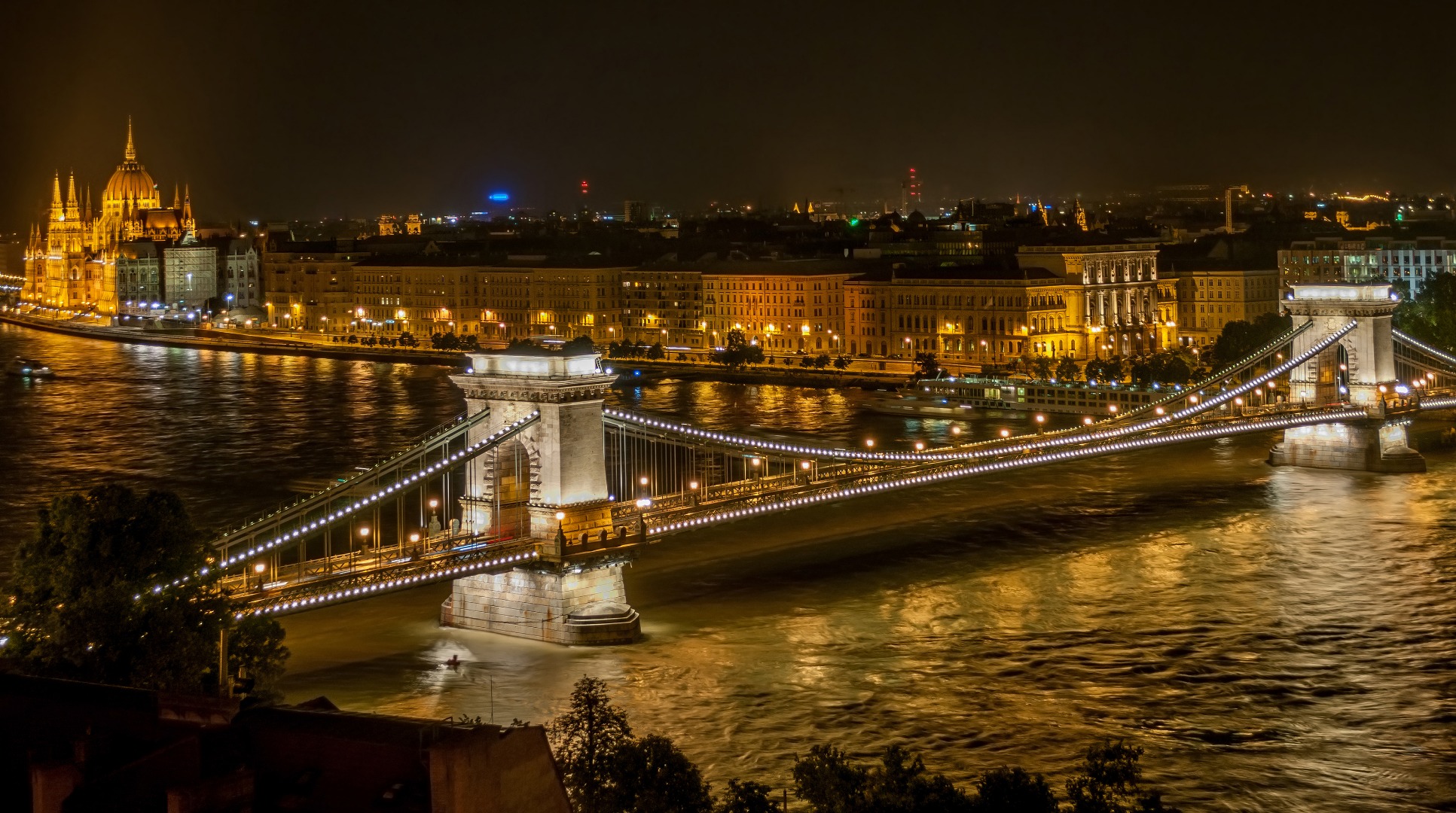
Budapest, the capital of Hungary, is a vibrant city known for its rich history, stunning architecture, and thermal baths. Straddling the Danube River, it offers a unique blend of Eastern and Western European cultures, making it a captivating destination for travelers.
Top Attractions
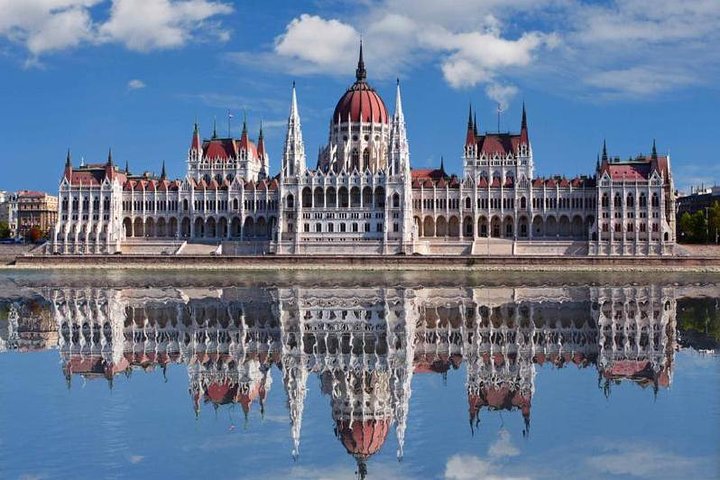
Budapest Parliament Building
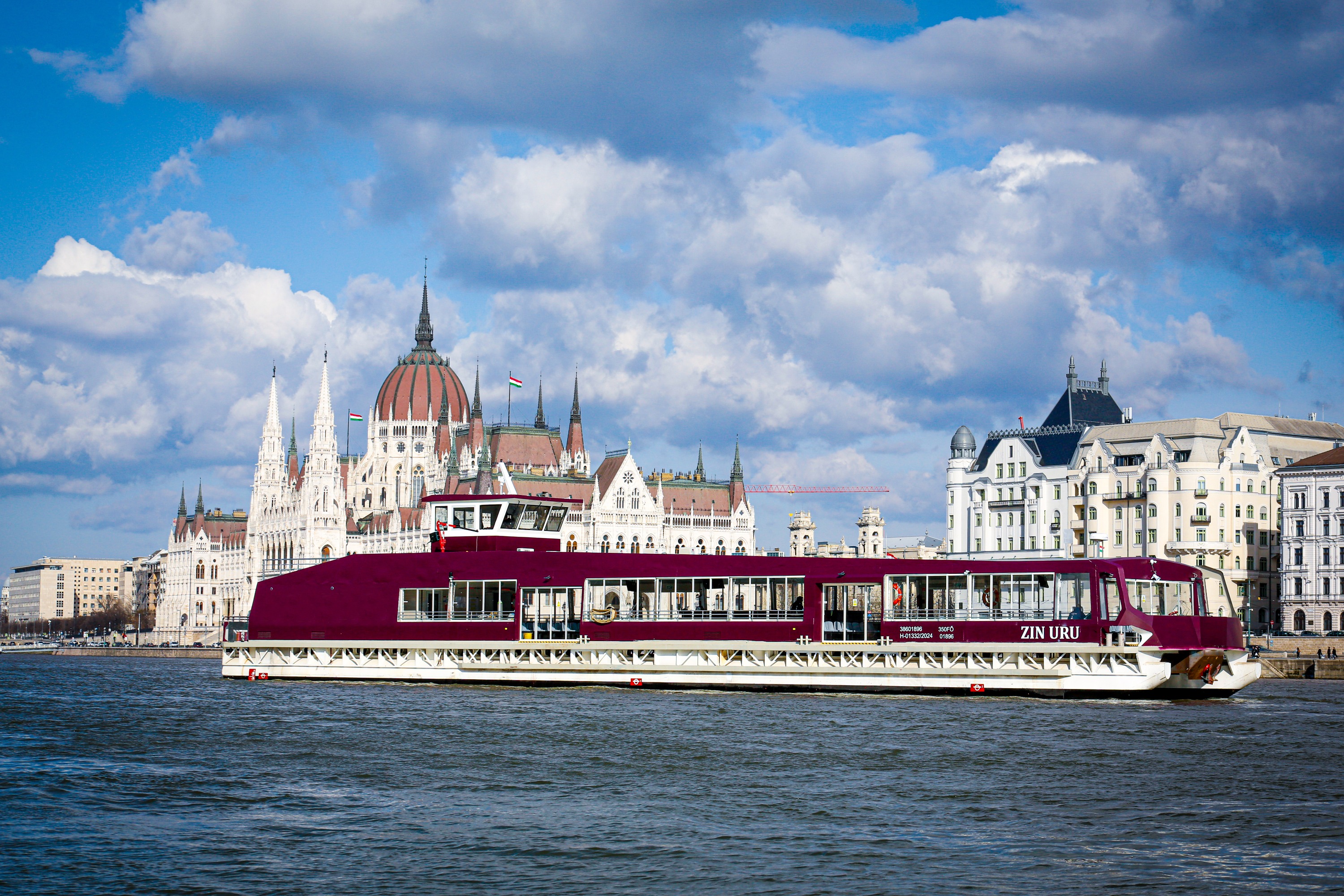
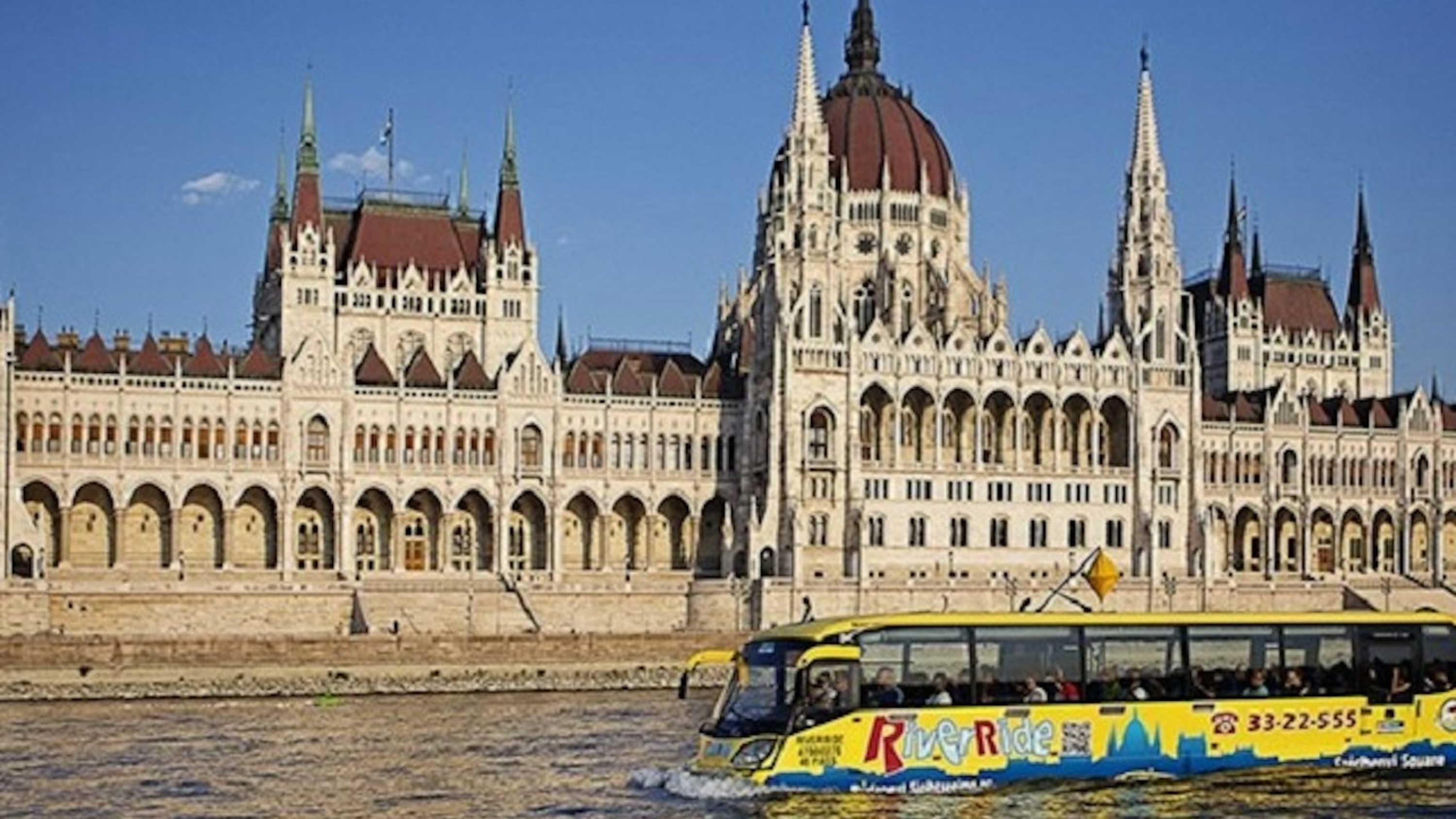
The Hungarian Parliament Building is a stunning example of neo-Gothic architecture and a symbol of Hungary.
Architecture
1-2 hours
€20-30
Buda Castle
Buda Castle is a historical castle and palace complex that offers panoramic views of the city.
Historical
2-3 hours
Free to explore, €3-5 for museums
Széchenyi Thermal Bath
Széchenyi Thermal Bath is one of the largest thermal baths in Europe, offering a relaxing experience in historic surroundings.
Relaxation
2-3 hours
€15-20
Fisherman's Bastion
Fisherman's Bastion is a neo-Gothic and neo-Romanesque structure offering panoramic views of the Danube and Pest.
Architecture
1 hour
Free (€3 for the tower)
Heroes' Square
Heroes' Square is a significant monument and a major landmark in Budapest, commemorating the heroes of Hungary's history.
Historical
1 hour
Free
Must-Try Local Dishes
Goulash
A traditional Hungarian soup made with beef, vegetables, and paprika.
Dinner
Contains beef, gluten (from bread or flour)
Lángos
A deep-fried dough topped with sour cream, cheese, and garlic.
Snack
Contains dairy, can be made gluten-free
Chimney Cake (Kürtőskalács)
A sweet, cylindrical pastry cooked over an open fire and coated with sugar and cinnamon.
Dessert
Contains wheat, sugar, can be made gluten-free
Töltött Káposzta
Cabbage rolls stuffed with minced pork and rice, cooked in a tomato sauce.
Dinner
Contains pork, gluten (from tomato sauce)
Popular Activities
Hiking in the Buda Hills
Cycling along the Danube
Kayaking on the Danube
Visiting thermal baths
Strolling along Andrássy Avenue
Relaxing in City Park
Visiting museums and galleries
Attending classical music concerts
Best Time to Visit
May to September
This is the best time to visit Budapest for warm weather and outdoor activities. The city is lively with festivals and tourists.
18°C to 30°C
64°F to 86°F
Practical Information
Language
- Official: Hungarian
- Widely spoken: English, German
- English: Moderately spoken
Currency
Hungarian Forint (HUF)
Time Zone
GMT+1 (Central European Time)
Electricity
230VV, 50HzHz
Safety Information
Overall Safety Rating: Generally safe
Budapest is generally safe for travelers, but petty crime and scams can occur, especially in tourist areas.
Important Precautions:
- • Be cautious with valuables in crowded areas
- • Use official taxis or app-based services
- • Check bills carefully at restaurants and bars
Getting there
By air
- Budapest Ferenc Liszt International Airport • 16 km from city center
By train
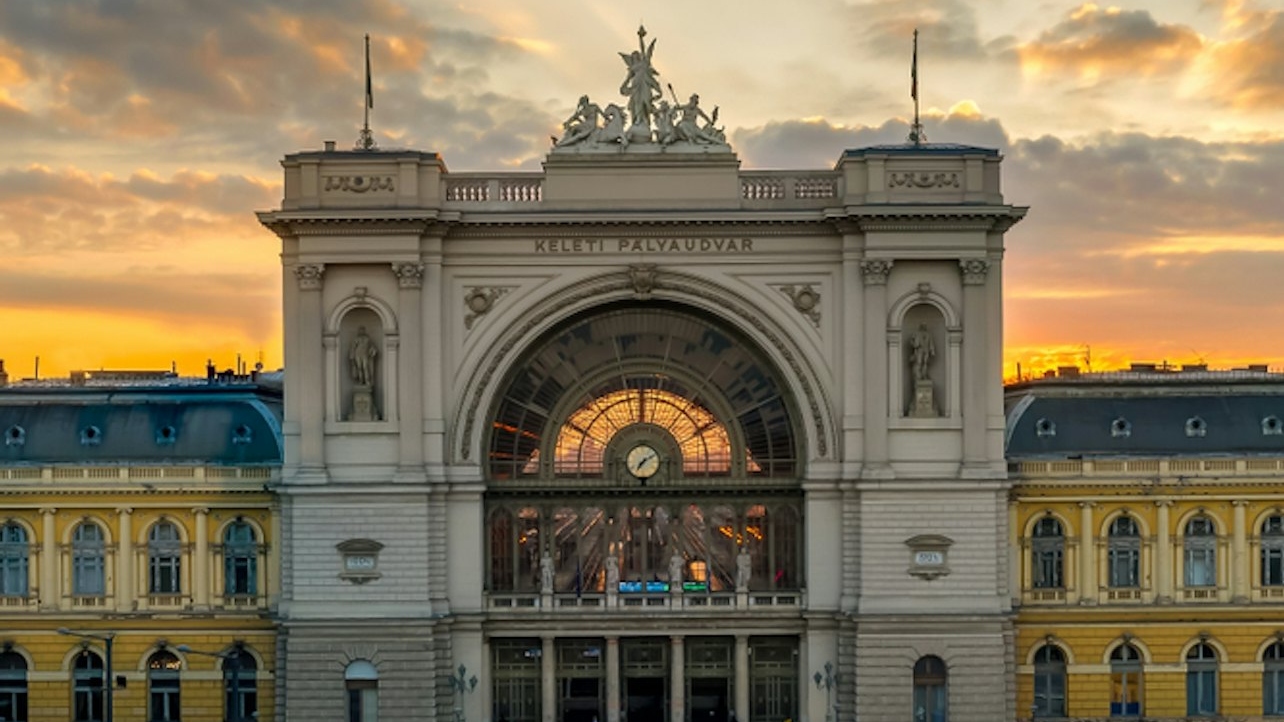
Budapest-Keleti Railway Station, Budapest-Nyugati Railway Station
By bus
Népliget Bus Station, Árpád Bridge Bus Station
Getting around
Public transport
The metro system is efficient and easy to use, with four lines connecting major attractions.
Taxis
Available • Apps: Bolt, Főtaxi
Rentals
Car, Bike, Scooter
Neighborhoods
District V (Belváros)
District VII (Jewish Quarter)
District VIII (Józsefváros)
District IX (Ferencváros)
Day trips
Szentendre
20 km from Budapest • Half day
A charming town known for its museums, galleries, and colorful houses.
Esztergom
50 km from Budapest • Full day
A historic town with a stunning basilica and a rich history.
Visegrád
40 km from Budapest • Full day
A historic town with a royal palace and scenic views of the Danube Bend.
Festivals
Budapest Christmas Market • Late November to early January
Budapest Spring Festival • March
Sziget Festival • August
Pro tips
- Use the Budapest Card for free public transport and discounts on attractions
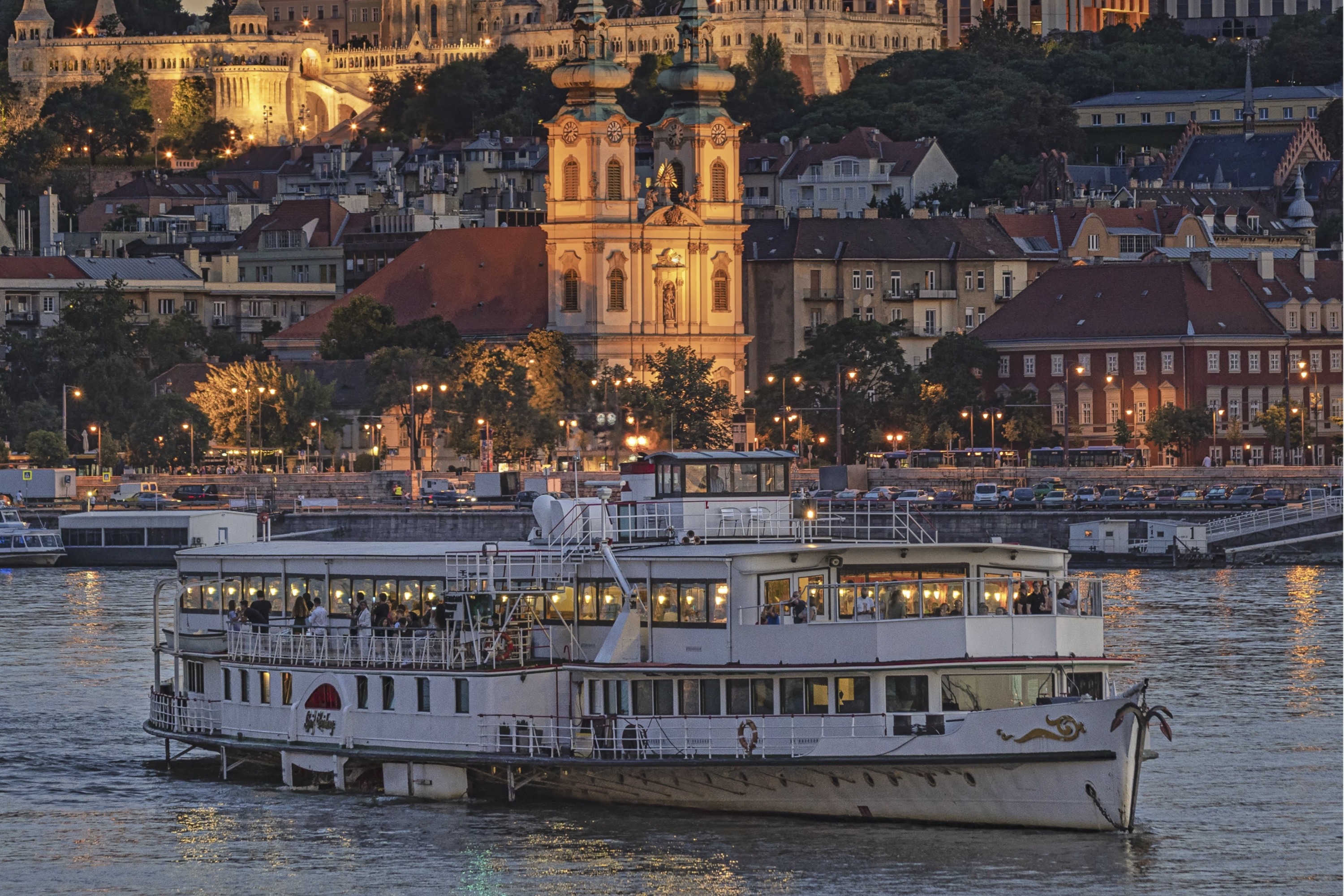
- Take a Danube River cruise for stunning views of the city
- Visit the thermal baths early in the morning or late in the evening to avoid crowds
- Explore the Jewish Quarter for its vibrant nightlife and historic sites
- Try local street food, such as lángos and kürtőskalács, for an authentic taste of Budapest
From $25
per person
Price varies by option
Secure booking
Free cancellation available
Instant confirmation