Philae temple & Motorboat Tour to Nubian Village
Active
5h
For a full refund, cancel at least 24 hours before the scheduled departure time.
Instant confirmation
Mobile or paper ticket accepted
About this experience
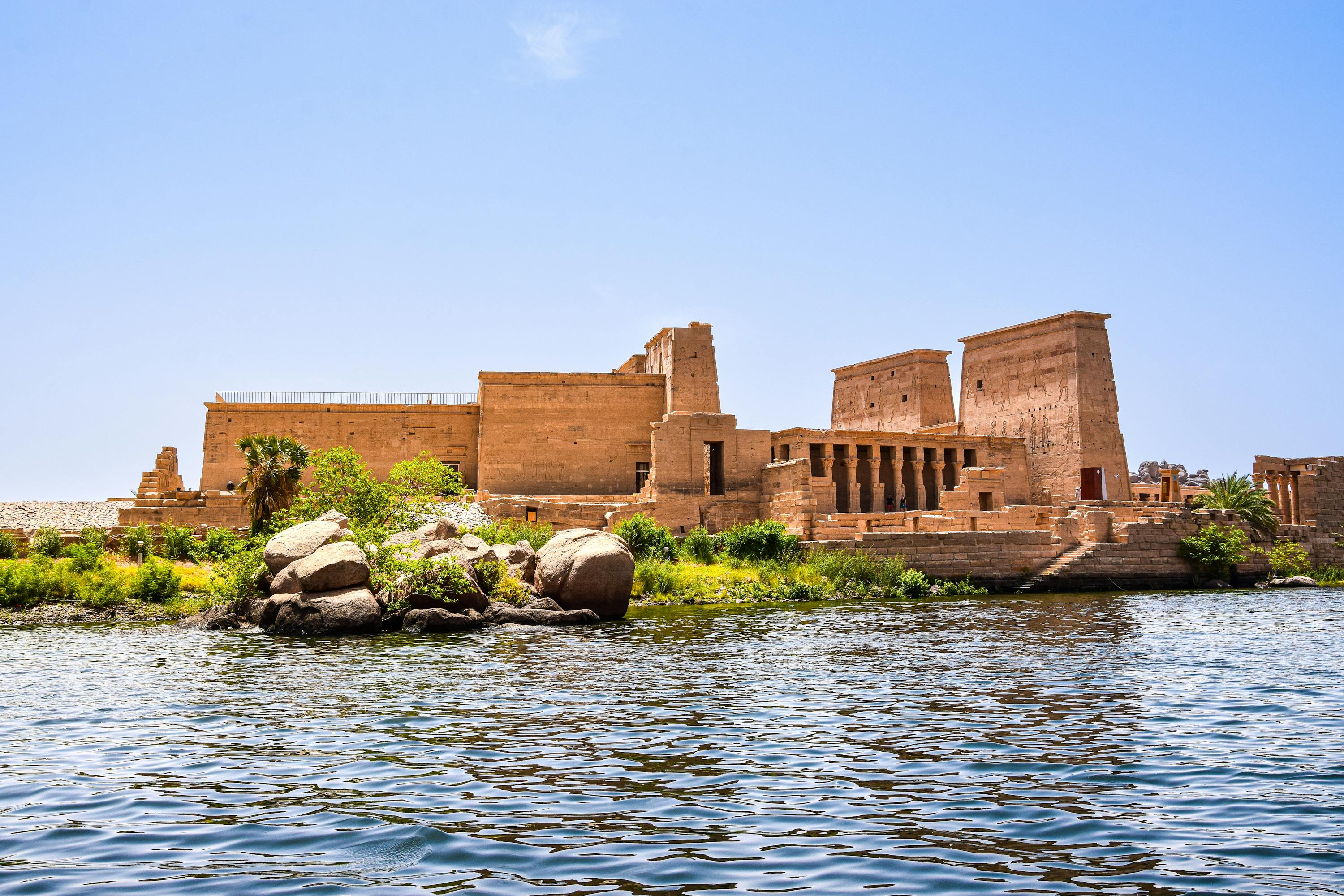
Visit the temple of Isis on Philae; It was one of the last outposts of Egyptian religion, surviving two centuries after the Roman Empire converted to Christianity.
Experience the different part of Egypt and visit the Nubian village where traditions and lifestyle of the Nubian still exist. Cruising the Nile aboard a traditional felucca's sail boat. You will spend about one hour with a Nubian family to share tea with the locals and wonder their way of life that has not changed since the time of the pharaohs.
Available options
Philae temple & Motorboat Tour to Nubian Village
Pickup included
What's included
welcome drink in one of the Nubian houses.
All transfers/pickup service from your Hotel/ Nile cruise and return by A/C vehicle.
All taxes and service charges
Motorboat to the Nubian village.
An expert and professional tour guide
Detailed itinerary
1
Stop 1
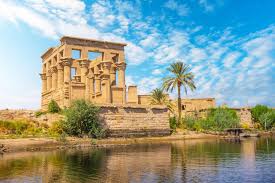
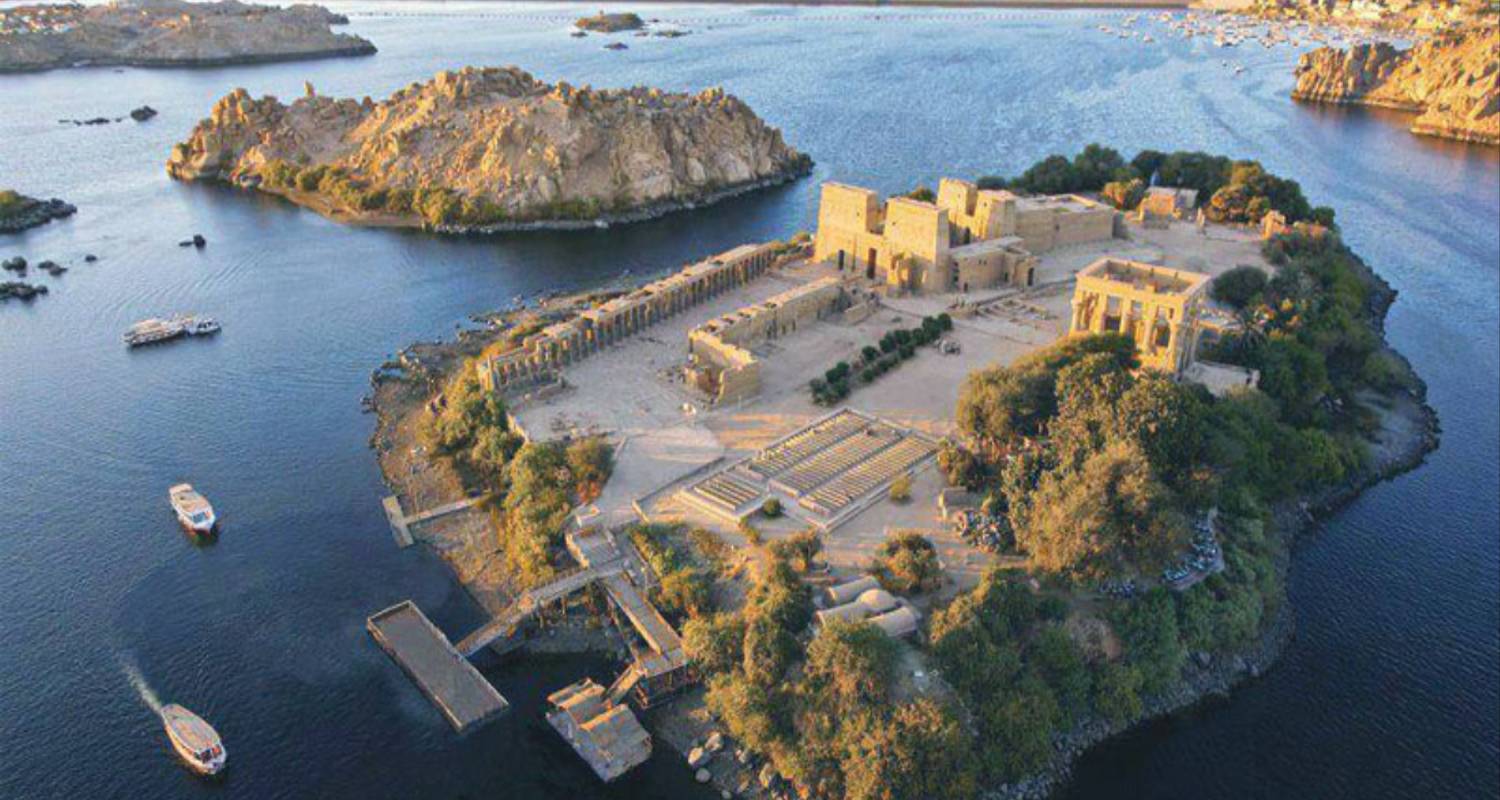
The original island is now completely submerged under the waters of Lake Nasser. But in a spectacular rescue operation, the great temples and monuments of Philae were pulled out of the water and re-erected on a nearby island, now renamed Philae.
The earliest building on the island of Philae was a small temple to Isis built in about 370 BC by Napktnebef Kheperkare (Nectanebo I). This was later expanded into a great Temple of Isis by a number of rulers, most notably Ptolemy II Philadelphius (285-246 BC) and Diocletian (284-305 AD).
What to See at Philae
(1) The Great Temple of Isis:
Outer Court, which dates from the end of the Ptolemaic period or the reign of Augustus
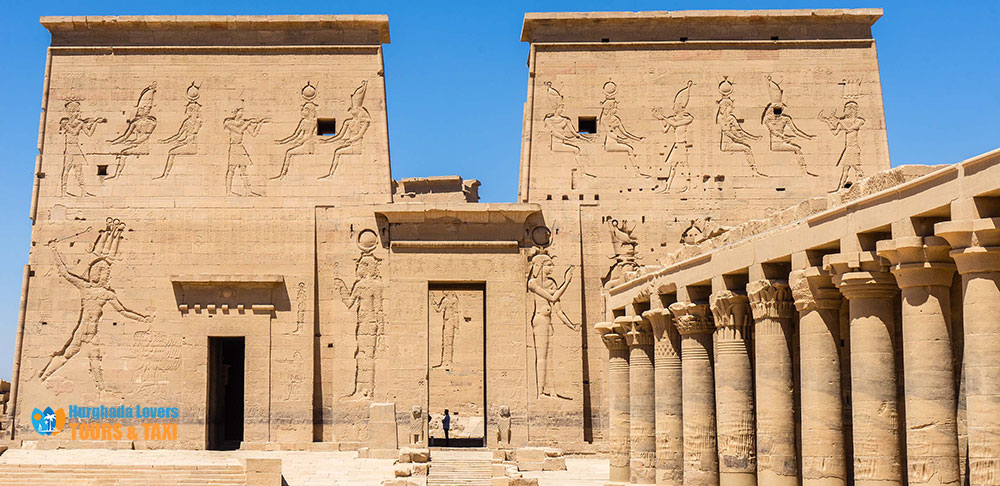
The first pylon is 150ft (45.5m) wide and 60ft (18m) high. It consists of two towers and a central doorway, which was decorated
with reliefs by Nectanebo.
The east colonnade is unfinished, with only 6 of 16 columns completed. The others are roughly hewn with unfinished capitals.
The west colonnade is 305ft (93m) long and has 31 (originally 32) plant columns 17ft (5.10m) high, with capitals in a variety of forms.
The second pylon is 105ft (32m) wide and 40ft (12m) high and covered in reliefs. Those on the central doorway are by Euergetes II.
The vestibule of the Temple of Isis has eight columns and was originally separated from the court by screens between the columns on the front. The vestibule and court were later transformed into a Christian church: Coptic crosses are incised in the walls and a Greek inscription states that "this good work" was done in the time of Bishop Theodore (during the reign of Justinian). Above the door is an inscription commemorating the archeological expedition sent to Philae in 1841 by Pope Gregory XVI.
The striking Hypostyle Hall conisists of ten huge pillars. Once beautifully painted, the pillars symbolize the first plants, trees and flowers of the earth which began to grow on the Primeval Mound (symbolized by the temple floor). On the ceiling (representing the sky), are images of the Day Boat and the Night Boat, and of the vultures of Upper and Lower Egypt.
(2) The Birth House (Mammisi). This was dedicated to Hathor-Isis in honor of the birth of her son Horus and was where the king conducted rituals securing his legitimate decendency from Horus.
(3) The small Temple of Hathor, built by Philometor and Euergetes II in honor of Hathor-Aphrodite. The vestibule and the sanctuary (now destroyed) were later added by Augustus.
(4) The Kiosk of Trajan. It dates from the Roman Imperial period, but was left unfinished: the capitals of the plant columns were intended to be surmounted by sistrum capitals.
2
Stop 2
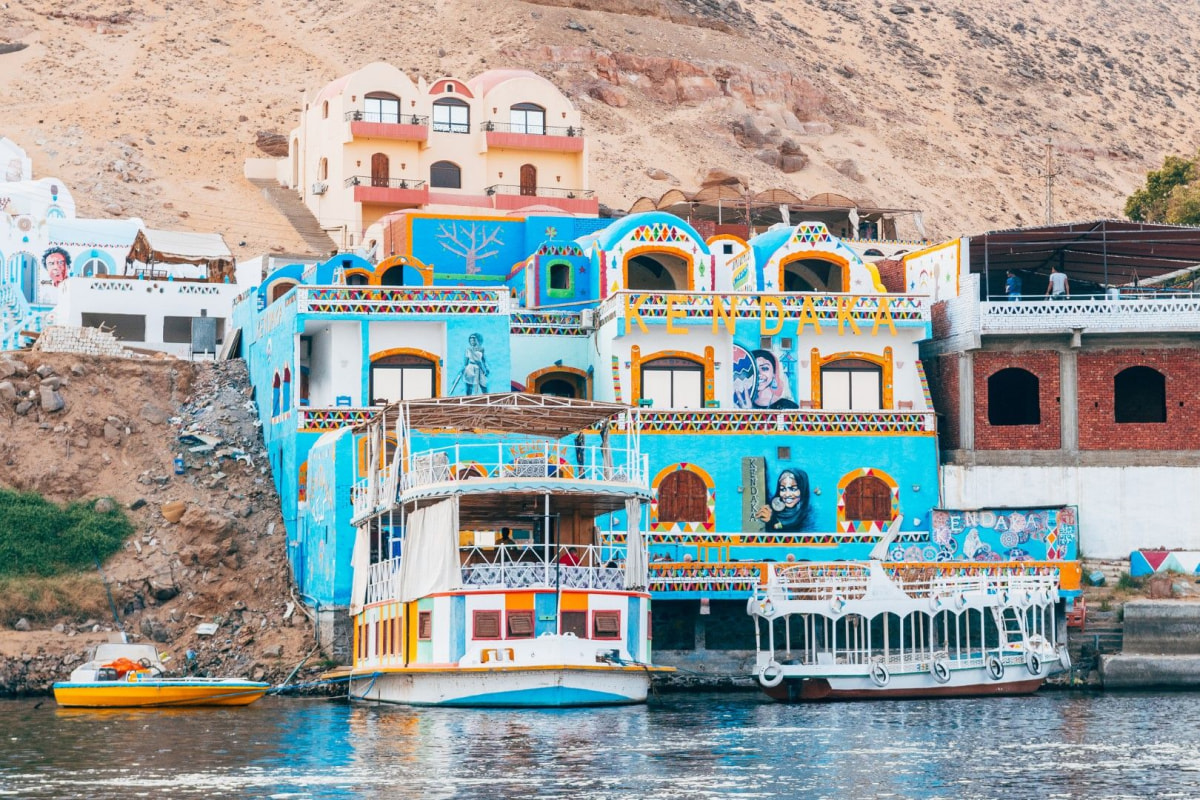
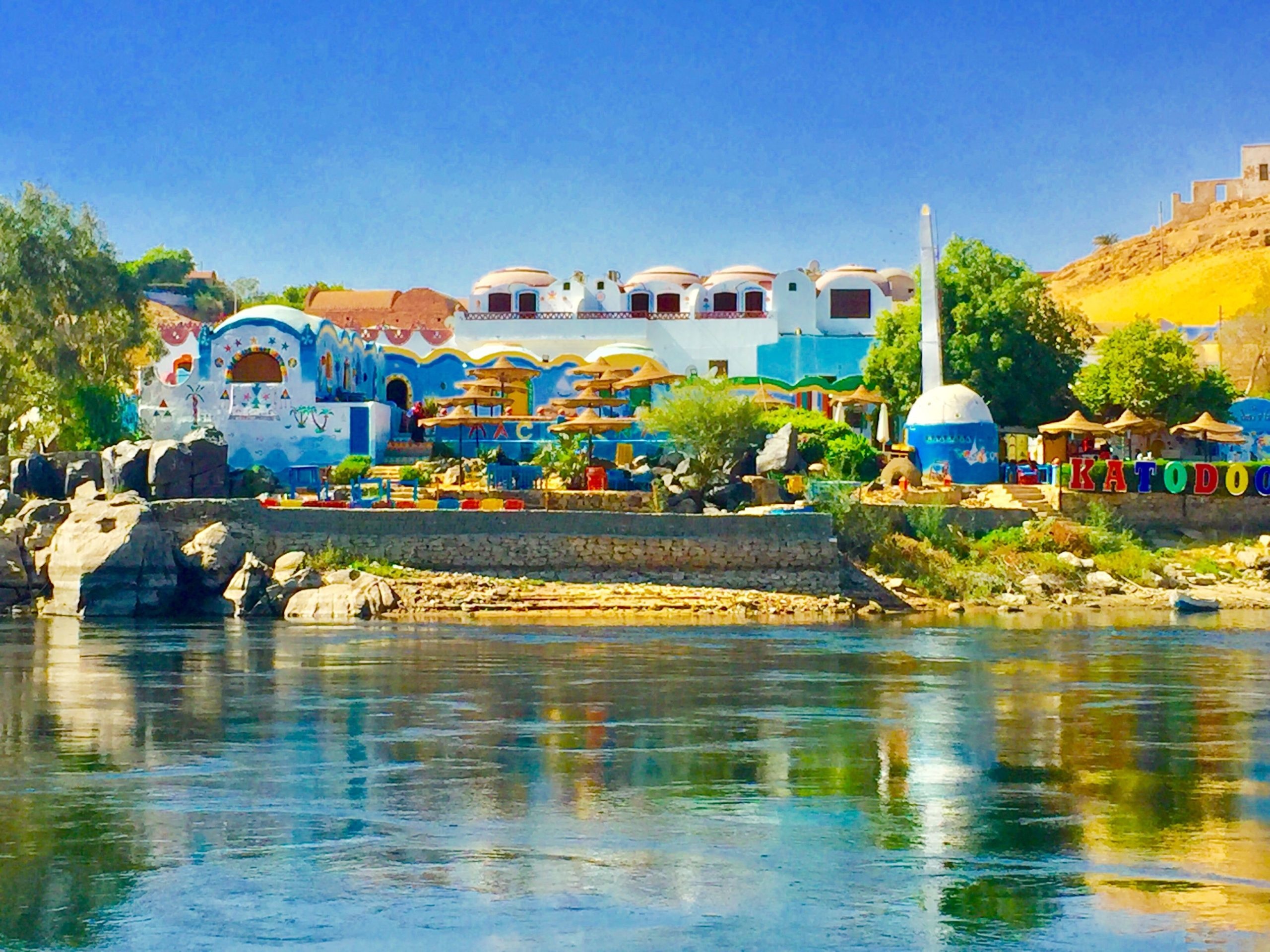
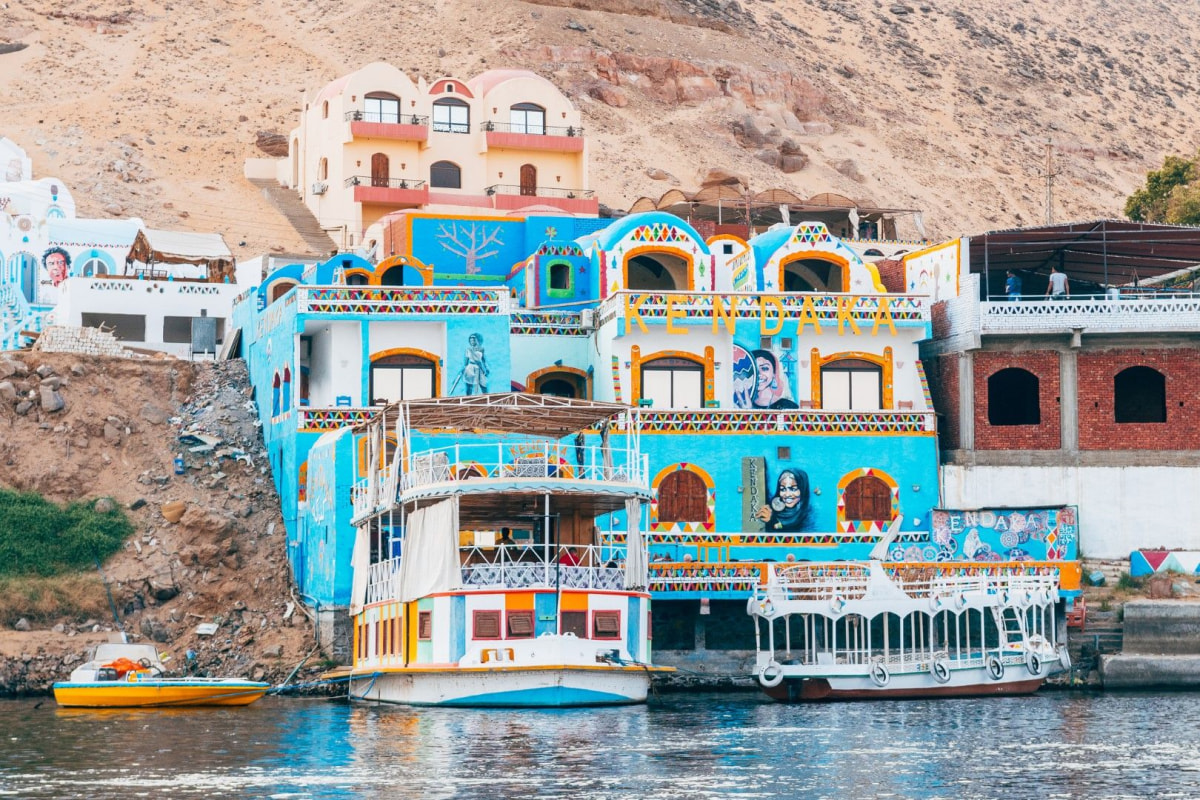
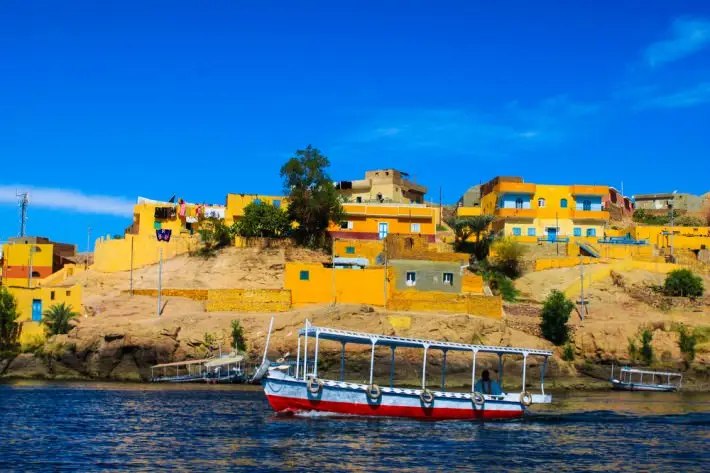
The famous colorful Nubian village is about 3 miles south of Aswan, Egypt on the west bank of the Nile River. We will get to the Nubian Village from Aswan in 25-minutes by a motor boat ride down the Nile River.
This little village is a preserved isle of one of the oldest civilizations in history. Nubian tribes have not only conserved their ancient traditions but also the Nubian language – which is only spoken and has no official alphabet.
What to do at the Nubian Village:
(1) Admire the Colors
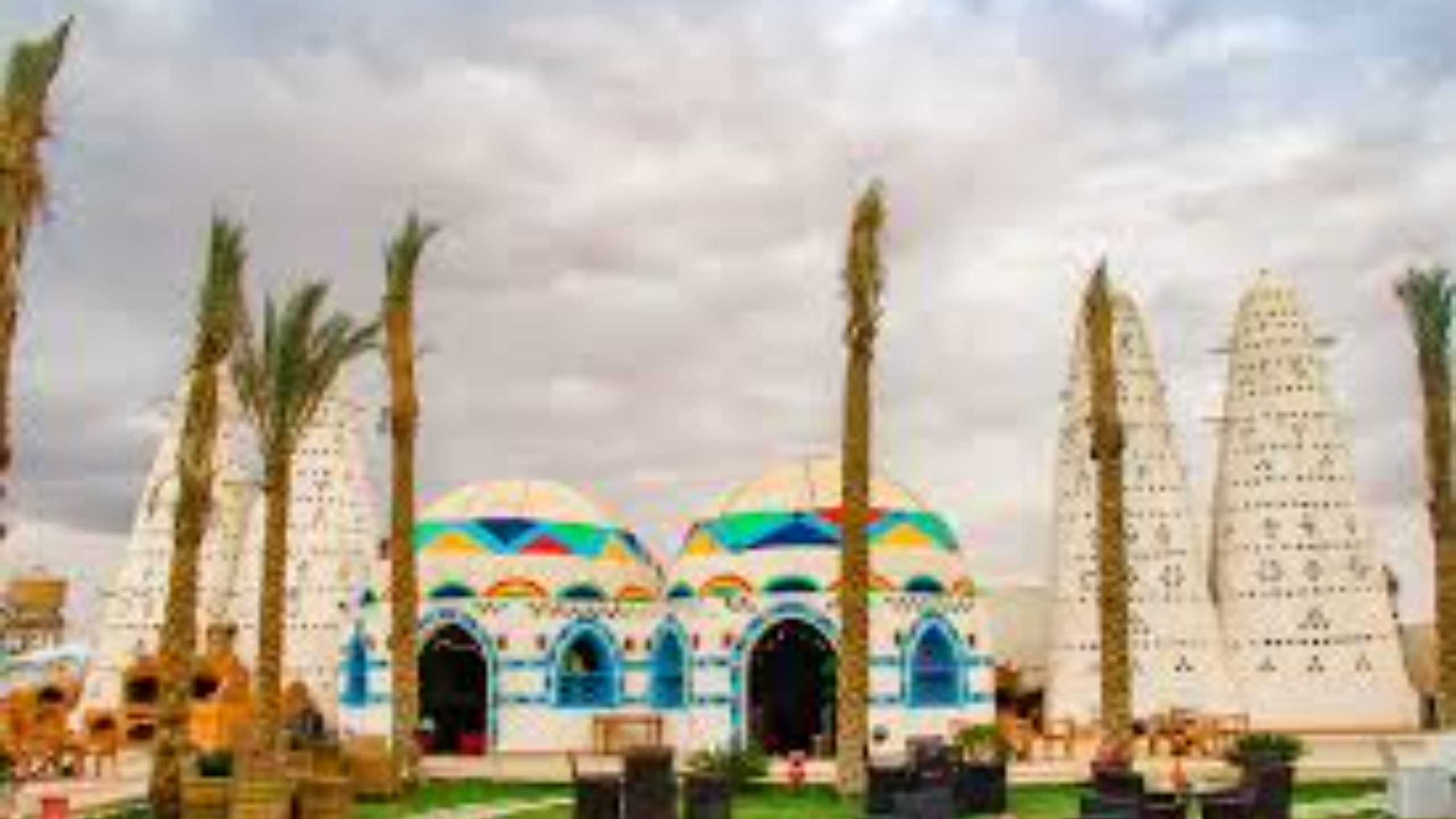
One of the best things to do in the Nubian Village is just wander around, explore, and admire all the beautifully painted rainbow buildings Spend a few moments wandering and peek the graffiti plastered on all the homes and buildings.
(2) See the Pet Alligators!
As crazy as it sounds, many of the Nubian people have real, live alligators as pets in their home! One of the main tourist attractions in Nubia is the alligator house. You will recognize it from all the alligators painted on it! They will gladly show you their pet alligators if you ask. If you go inside to see the alligators, be prepared to tip before you leave.
(3) Buy Spices
Nubia is famous for their spices. All of the shops in Nubia are selling spices. If you’re looking for a unique souvenir that someone will actually use, consider bringing back some authentic Nubian spices.
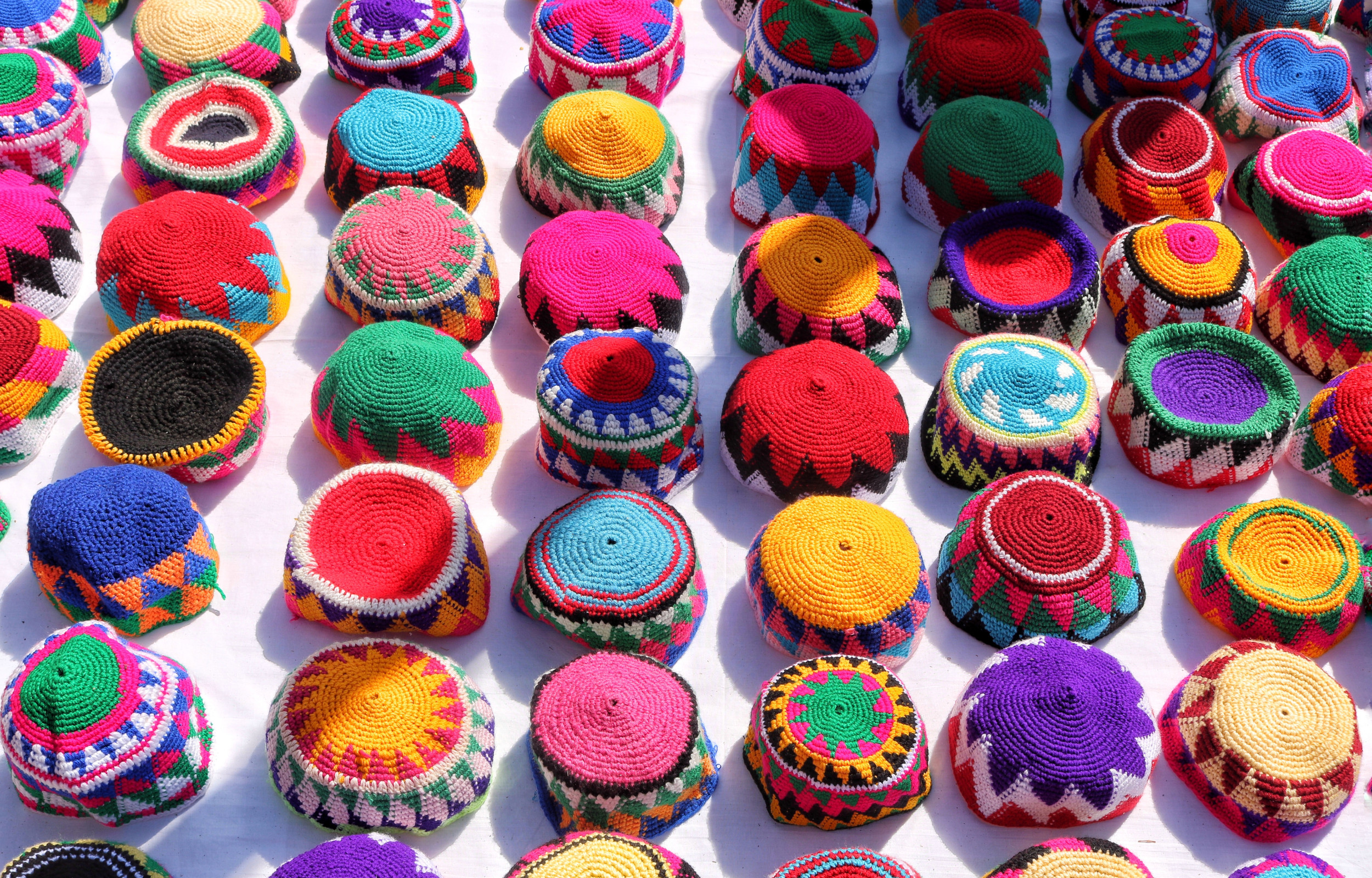
The busy market sells everything from spices, locally roasted nuts, souvenirs, trinkets, Nubian dolls and attires.
What's not included
Any Extras not mentioned in the itinerary.
Tipping (not mandatory but recommended).
Available languages
Guide guide
DE
EN
IT
FR
ES
Important information
Wheelchair accessible
Infants and small children can ride in a pram or stroller
Public transportation options are available nearby
Infants are required to sit on an adult’s lap
All areas and surfaces are wheelchair accessible
Suitable for all physical fitness levels
About Aswan
Aswan is a charming city on the Nile River, known for its rich history, ancient temples, and stunning Nile landscapes. It offers a more relaxed and authentic Egyptian experience compared to the bustling cities of Cairo and Luxor.
Top Attractions
Philae Temple
A stunning temple complex dedicated to the goddess Isis, relocated to Agilkia Island due to the Aswan High Dam.
Historical
2-3 hours
EGP 180
Aswan High Dam
A massive dam on the Nile River, built to control flooding and generate hydroelectric power.
Historical
1-2 hours
EGP 10
Abu Simbel
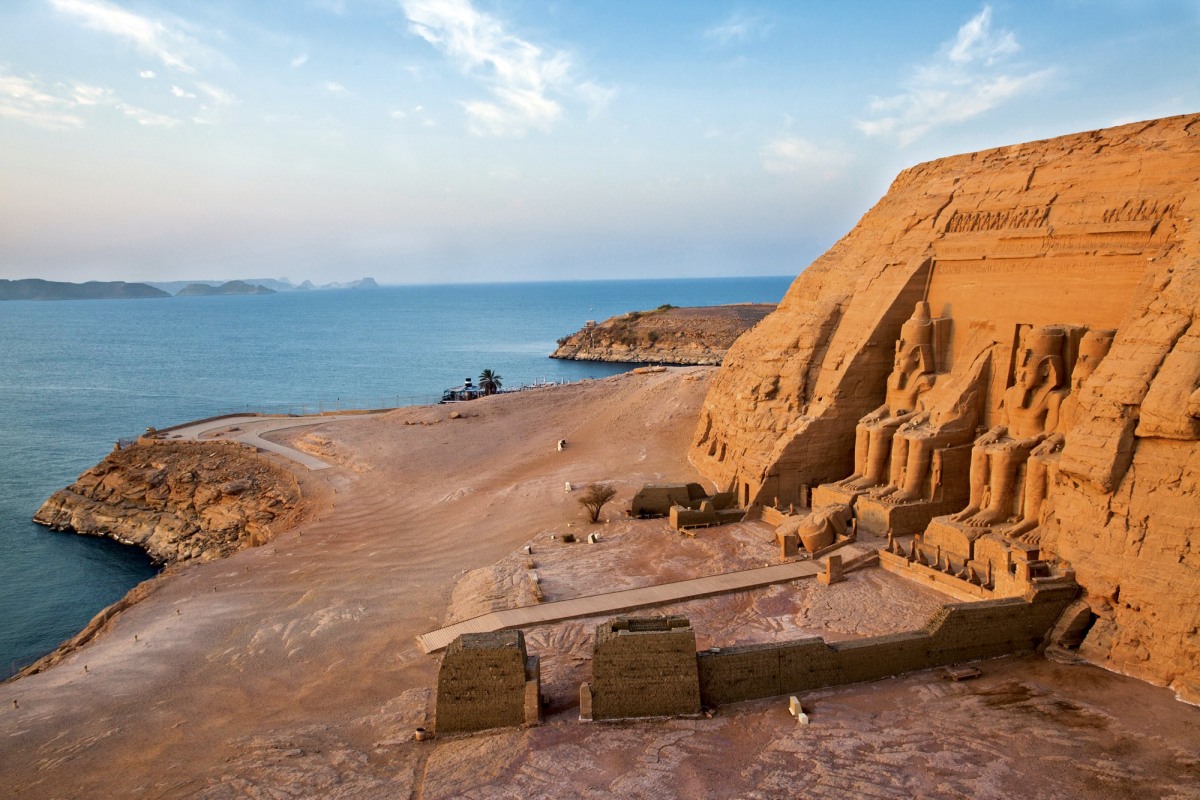
A magnificent temple complex built by Ramses II, featuring colossal statues of the pharaoh.
Historical
Full day
EGP 300 (including transport)
Elephantine Island
An island in the Nile River with ancient ruins and a rich history dating back to the Old Kingdom.
Historical
2-3 hours
EGP 100
Nubian Museum
A museum dedicated to the history and culture of the Nubian people, featuring artifacts and exhibits.
Museum
1-2 hours
EGP 100
Must-Try Local Dishes
Ful Medames
A traditional fava bean dish, often served with falafel and tahini.
Breakfast
Vegetarian
Grilled Nile Fish
Fresh Nile fish grilled and served with garlic sauce and vegetables.
Dinner
Gluten-free
Koshari
A popular street food made with rice, lentils, pasta, and crispy onions, topped with tomato sauce.
Lunch
Vegetarian
Basbousa
A sweet semolina cake soaked in syrup, often flavored with coconut or rosewater.
Dessert
Vegetarian
Popular Activities
Nile cruises
Fishing on Lake Nasser
Quad biking in the desert
Boat trips on the Nile
Spa treatments
Sunset cruises
Visiting Philae Temple
Exploring the Nubian Museum
Best Time to Visit
October to April
This period offers pleasant weather with cooler temperatures, making it ideal for sightseeing and outdoor activities.
18°C to 30°C
64°F to 86°F
Practical Information
Language
- Official: Arabic
- Widely spoken: English, French
- English: Moderately spoken
Currency
Egyptian Pound (EGP)
Time Zone
EET (GMT+2)
Electricity
220VV, 50HzHz
Safety Information
Overall Safety Rating: Generally safe
Aswan is generally safe for tourists, but standard precautions should be taken to avoid scams and petty theft.
Important Precautions:
- • Bargain for prices in markets and taxis.
- • Be cautious of strangers offering unsolicited help or tours.
- • Keep valuables secure and be aware of your surroundings.
Getting there
By air
- Aswan International Airport • 10 km from city center
By train
Aswan Railway Station
By bus
Aswan Bus Station
Getting around
Public transport
Buses are the most common form of public transport, connecting major areas within the city.
Taxis
Available • Apps: Uber, Careem
Rentals
Car, Bike, Scooter
Neighborhoods
Corniche El-Nil
Souq Area
West Aswan
Day trips
Abu Simbel
280 km • Full day
A stunning temple complex built by Ramses II, featuring colossal statues of the pharaoh.
Lake Nasser
50 km • Half day to full day
A vast artificial lake created by the Aswan High Dam, offering scenic views and water activities.
Kom Ombo
50 km • Half day
A temple complex dedicated to the crocodile god Sobek, offering insights into ancient Egyptian history.
Festivals
Aswan International Festival of Nubian Arts • February
Aswan Film Festival for Nubian Arts • October
Ramadan • Varies (Islamic calendar)
Pro tips
- Visit the Nubian villages for an authentic cultural experience.
- Take a felucca sailboat ride on the Nile at sunset for stunning views.
- Bargain for prices in markets and taxis to get the best deals.
- Carry small denominations of Egyptian pounds for tips and small purchases.
- Dress modestly and respect local customs, especially in religious sites.
From $25
per person
Price varies by option
Secure booking
Free cancellation available
Instant confirmation