Full Day Biblical Ancient Corinth Canal Mycenae Epidauvro Nafplio
Active
9h - 10h
For a full refund, cancel at least 24 hours before the scheduled departure time.
Instant confirmation
Mobile or paper ticket accepted
About this experience
One of the most beautiful towns in the area of Eastern Peloponnese as well as one of the most romantic cities all over Greece, Nafplio was the first capital of the newly born Greek state between 1823 and 1834.
Frankish, Venetian and Turkish conquerors left their mark in the town and strongly influenced its culture, architecture and traditions during the centuries. Ancient walls, medieval castles, monuments and statues, Ottoman fountains and Venetian or neoclassical buildings mesmerize the visitor with their unique architecture and beauty
As visitors go up or down the 999 steps of Palamidi, the image that is revealed to them is unique. Nafplio stretches out in front of them with the everyday sounds of a unique world and colors that overflow with culture and earthly and human beauty. With the blue of the sea and the sky matching the myth of the blue-eyed eyes of Nafplio, the son of Poseidon who founded it, the city of love unfolds in front of you the ornaments of its rich history.
Available options
Full Day Biblical Ancient Corinth Canal Mycenae Epidauvro Nafplio
Pickup included
What's included
Pick-up and drop-off service: Athens Hotel, Airbnb residence or Port
Groups of 1-3 people are transported in luxurious sedan vehicles.
This is a private tour, you can customize the program according to your needs
Transportation via modern, first-class private vehicle
Expert English-speaking Tour Drivers with extensive historical knowledge
All vehicles with WiFi, A/C, Bottled Water
Groups of 4-7 people are transported in comfortable mini vans.
Detailed itinerary
1
Stop 1
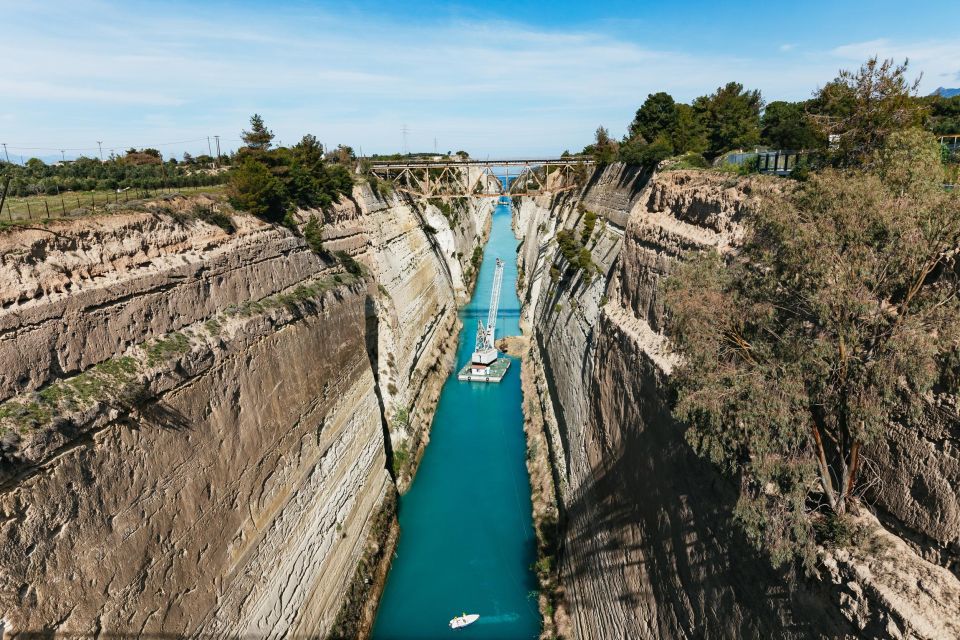
The Corinth Canal is a waterway that crosses the narrow isthmus of Corinth to link the Gulf of Corinth to the Saronic Gulf. As such, the canal separates the Greek mainland from the Peloponnese, turning it into an island
The canal, though executed in the late 19th century, has been a 2000-year-old dream. Before its construction, ships in the Aegean Sea that wanted to cross to the Adriatic or anchor in Corinth, a rich shipping city, had to circle the Peloponnese, which would prolong their journey an extra 185 nautical miles.
It is believed that Periander, the tyrant of Corinth (602 BC), was the first to conceive of the idea of digging the Corinth Canal. As the project was too complicated given the limited technical capabilities of the times, Periander constructed the diolkos, a stone road which allowed ships to be transferred on wheeled platforms.
2
Kechries is a village in the municipality of Corinth in Corinthia in Greece, part of the community of Xylokeriza. It takes its name from the ancient port town Kenchreai or Cenchreae (as mentioned in the Bible), which was situated at the same location.
Christianity also arrived at Kenchreai early in the religion's history. According to Acts 18:18, the Apostle Paul stopped at Kenchreai during his second missionary journey, where he had his hair cut to fulfil a vow, probably a Nazirite vow. Paul mentions the place and a woman named Phoebe in the local assembly in his epistle to the Romans
“And Paul after this tarried there yet a good while, and then took his leave of the brethren, and sailed thence into Syria, and with him Priscilla and Aquila; having shorn his head in Cenchrea: for he had a vow.”
3
During Paul‘s stay in Corinth, he was brought for judgment before the proconsul Lucius Junius Gallio Annaeanus, also known as Gallio, on the accusation of conducting illegal teachings. Gallio, however, refused to judge what he considered to be a mere religious dispute among the Jews. According to tradition, the site of Paul s trial was the Bema, a large elevated rostrum standing prominently in the centre of the Roman Forum of ancient Corinth and from where the city’s officials addressed the public. Probably because of the monument’s connection to Saint Paul, the Bema was transformed into a Christian church during the Byzantine period.
4
The Archaeological Museum of Ancient Corinth was Constracted between 1931 and 1932 with intentions to display the numerous recent archaeological excavetions . The nmuseum is located within the archaeological site of Ancient Corinth Greece and lies under the jurisdiction of the 37th Ephoreia of the Greek Archaeological Service.Key aspects of the Archaeological site of Ancient Corinth include Hadgimoustafa spring ,Lechaion Road ,Basilica , Fountain of Peirene , stoa , Agora , Odien
5
The Temple of Apollo at Corinth was constracted in 550 BC.Temple of Apollo one of the earliest Doric temples in the Peloponnese and the Greek Mainland with monolithic columns rare in the ancient world built around 560 BCE
6
Agora: A rectangular construction 160 m long and 70 m wide, consisting of central shops, small temples and altar and the renowned podium or Bema from where Apostle Paul addressed the Corinthians in 52 AD.
7
Acrocorinth, "Upper Corinth", the acropolis of ancient Corinth, is a monolithic rock overseeing the ancient city of Corinth, Greece.
With its secure water supply, Acrocorinth's fortress was repeatedly used as a last line of defense in southern Greece because it commanded the Isthmus of Corinth, repelling foes from entry by land into the Peloponnese peninsula.
8
The fortified citadel of ancient Mycenae, the seat of the mythical and mighty King Agamemnon. An impressive and well-preserved site, the city of Mycenae gave its name to an entire civilization. Admire sites such as the Tomb of Clytemnestra, the infamous Lion’s Gate, the Cyclopean walls and learn of their blood-stained past. In the second millennium BC, Mycenae was one of the major centres of Greek civilization, a military stronghold which dominated much of southern Greece, Crete, the Cyclades and parts of southwest Anatolia. The period of Greek history from about 1600 BC to about 1100 BC is called Mycenaean in reference to Mycenae. At its peak in 1350 BC, the citadel and lower town had a population of 30,000 and an area of 32 hectares.
9
The Lion Gate was the main entrance of the Bronze Age citadel of Mycenae, southern Greece. It was erected during the 13th century BC, around 1250 BC, in the northwest side of the acropolis and is named after the relief sculpture of two lionesses or lions in a heraldic pose that stands above the entrance.
The Lion Gate is the sole surviving monumental piece of Mycenaean sculpture, as well as the largest sculpture in the prehistoric Aegean. It is the only monument of Bronze Age Greece to bear an iconographic motif that survived without being buried underground, and the only relief image which was described in the literature of classical antiquity, such that it was well known prior to modern archaeology.
10
The archaeological site of Mycenae comprises the fortified acropolis and surrounding funerary and habitation sites, which are located mainly to its west and southwest. Most of the visible monuments date to the centre's great floruit, from 1350 to 1200 BC.
Great Cyclopean walls surround the almost triangular acropolis, which is accessed from the northwest through the famous Lion Gate, the symbol of the Mycenaean rulers' power. The gate was named after the two opposing lions carved in relief and set into the relieving triangle, a typical feature of Mycenaean architecture, over the door.
11
The Treasury of Atreus or Tomb of Agamemnon is a large tholos or beehive tomb on Panagitsa Hill at Mycenae constructed during the Bronze Age around 1250 BC. The stone lintel above the doorway weighs 120 tons, with approximate dimensions 8.3 x 5.2 x 1.2m, the largest in the world. The tomb was used for an unknown period. Mentioned by the Roman geographer Pausanias in the 2nd century AD, it was still visible in 1879 when the German archaeologist Heinrich Schliemann discovered the shaft graves under the "agora" in the Acropolis at Mycenae.
12
One of the most well-preserved castles in all of Greece, Palamidi offers spectacular views of the city from its loopholes, wonderful routes inside and terrifying terrain in the hole-prison of Kolokotronis,
Palamidi is a fortress to the east of the Acronauplia in the town of Nafplio in the Peloponnese region of southern Greece. Nestled on the crest of a 216-metre high hill, the fortress was built by the Venetians during their second occupation of the area (1686–1715).
The fortress commands an impressive view over the Argolic Gulf, the city of Náfplio and the surrounding country. There are 913 steps in the winding stair from the town to the fortress. However, to reach the top of the fortress there are over one thousand, while locals in the town of Nafplion will say there are 999 steps to the top of the castle.
13
Old Town
No wonder so many of its visitors fail to detach, and end up seeing nothing else: Its cobbled streets, which meander among doll mansions and under flowered balconies, are enough to fill an entire weekend. The stone steps that you will encounter every few steps lead to the above neighborhoods, where that dreamy silence that will bring to mind something from Monemvasia reigns.
In the center of it all, Syntagma Square with its impressive openness is the zero point of the old town.
From here we will travel through time towards a more recent history of Greece and to the city of Nafplion. Nafplion is considered the most scenic city which also functioned as the capital of Greece until 1834. It offers you an impressive combination of fortresses and castles (Palamidi, Bourtzi), an enormous port opened to the Aegean Sea and the unique architecture of the old city of Nafplion revealing Venetian, neoclassical and oriental elements.
Lunch will be at a traditional tavern by the sea.
14
It was built by the Venetians in 1473 and was called Castello dello Soglio, meaning Castle of the Throne. "Bourtzi" was said by the Ottomans who came later, that is, a fortress, and its name remained.
The small thousand-photographed fortress on the islet of Agioi Theodoroi has been a prison and later a luxury hotel in the honored 60s. Today, it is the perfect postcard setting for every Nafplio sunset - here you will arrive in less than 10 minutes by boat
15
tour of Syntagma( Constitution) SquareThe Parliament
Once upon a time, sometime in the 18th century, history tells us that two Venetians came to Nafplio to find a treasure that their father had hidden here while he was governor of the city. They met the Turkish Aga, in whose sarai the treasure was indeed found. But he killed them to keep him - a little later he regretted it, so he threw all the bloody money into the construction of a mosque, to ask God to forgive him. During his reign, during the reign of Kapodistrias, the Parliament of the newly formed Greek state was built. The Municipal Gallery of Nafplio can be visited on the ground floor today.
16
The Acronauplia is the oldest part of the city of Nafplion in Greece. Until the thirteenth century, it was a town on its own. The arrival of the Venetians and the Franks transformed it into part of the town's fortifications. Later, part of it was used as a prison until the Greek government decided that the view provided from its location would benefit the local tourism and built a hotel complex which still stands there today.
17
The Lion of the Bavarians
It's impressive, it's huge, it's carved into the rock above Michael Iatrou Street, with a small park under its feet. The sleeping lion is the work of German sculptor Christian Ziegel, commissioned by King Louis, father of Otto, in memory of the Bavarian soldiers of Otto's dynasty, who died in Nafplio in 1833 of a typhoid epidemic. The locals, of course, say that what killed them was the many bitter things they ate, hence the other, unofficial name of the monument (echm) Agouroon.
What's not included
Entrance fees for all the attractions
Airport pick-up and drop-off (additional cost)
Licensed guide to accompany you into archaeological sites
Optional airport pick-up, available at an additional cost.
Kindly note that gratuities and tips are not included in the price and are left to your discretion.
Meal in Nafplio - Lunch stops are scheduled, but meal costs are not included.
Available languages
Guide guide
EL
EN
Reviews breakdown
Viator
4.6
10 reviews
5★
9
4★
0
3★
0
2★
0
1★
1
Tripadvisor
5.0
17 reviews
5★
17
4★
0
3★
0
2★
0
1★
0
Important information
Infants and small children can ride in a pram or stroller
Public transportation options are available nearby
Specialized infant seats are available
Not recommended for pregnant travelers
Suitable for all physical fitness levels
Important notes
we do not issue tickets
About Athens
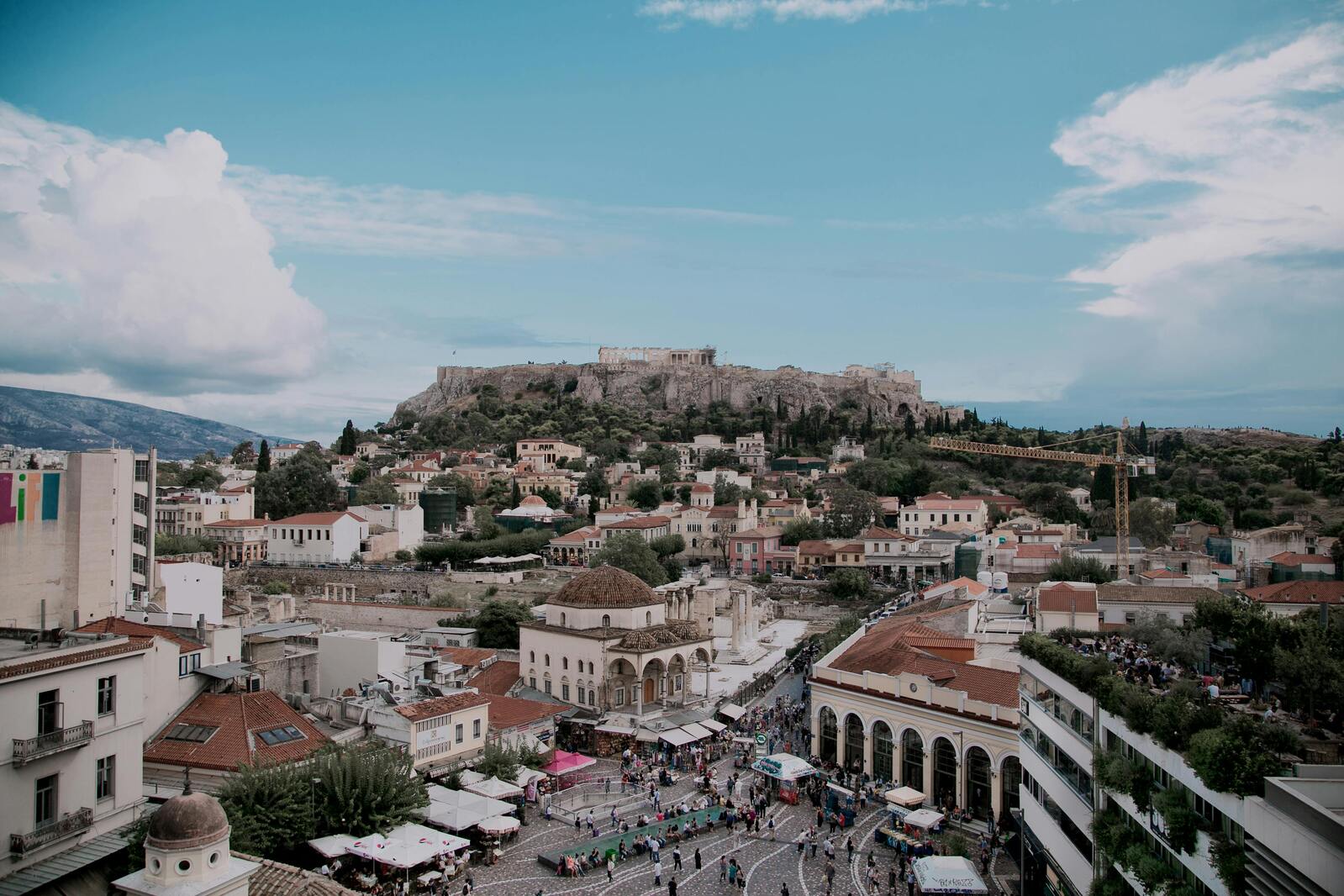
Athens, the capital of Greece, is a city rich in history and culture, often considered the cradle of Western civilization. It is home to iconic ancient landmarks, vibrant neighborhoods, and a thriving modern scene.
Top Attractions
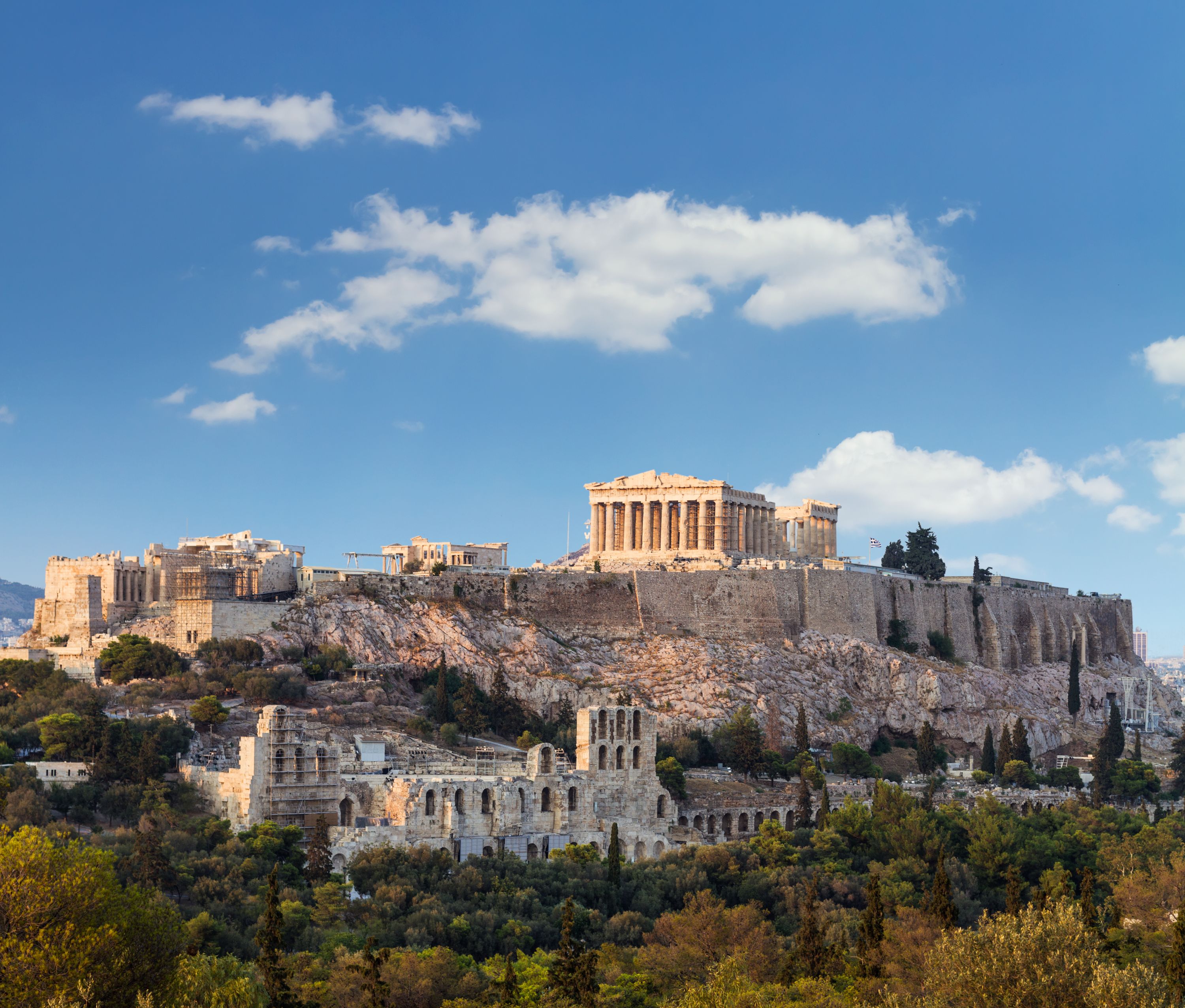
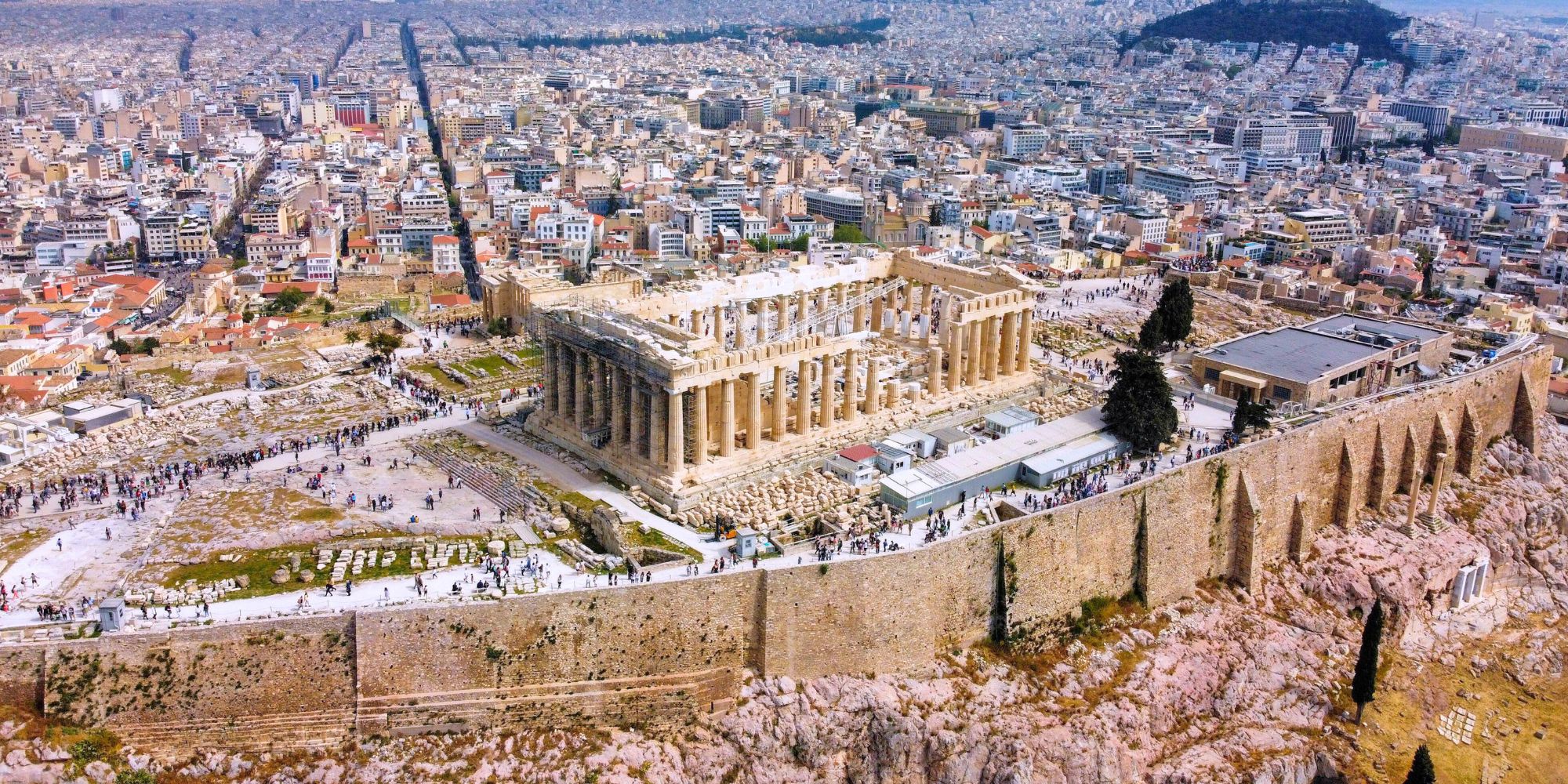
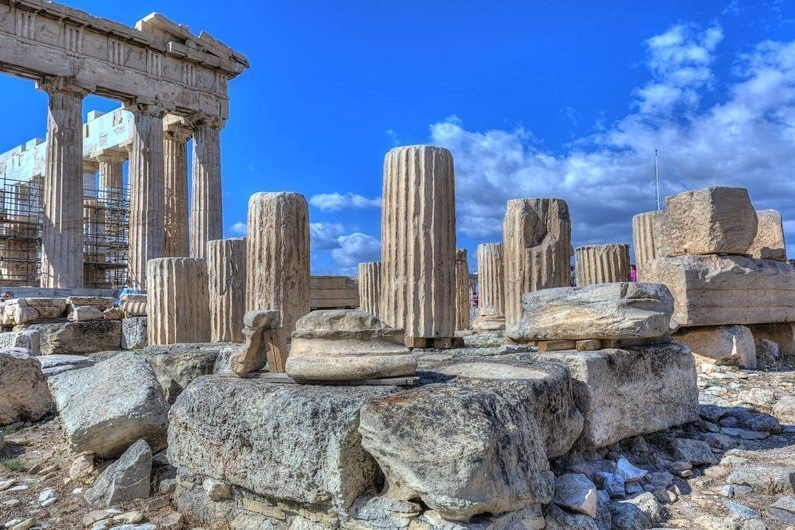
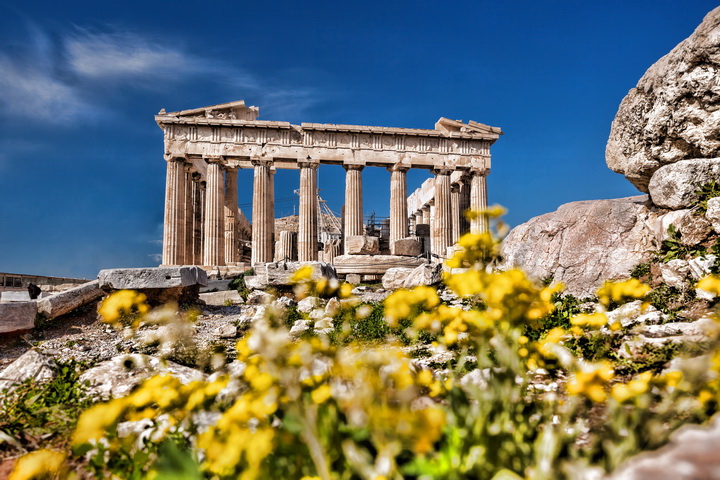
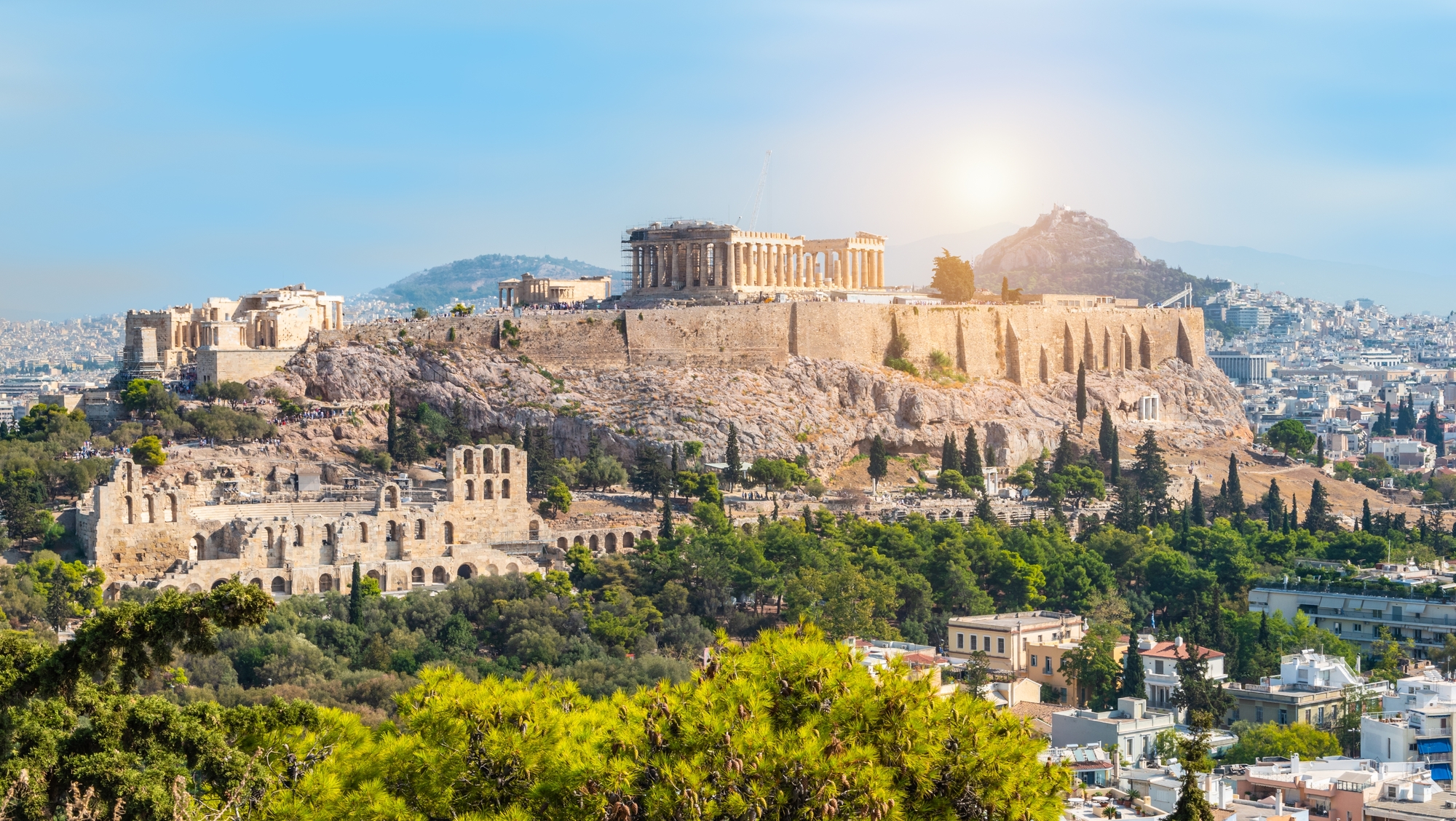
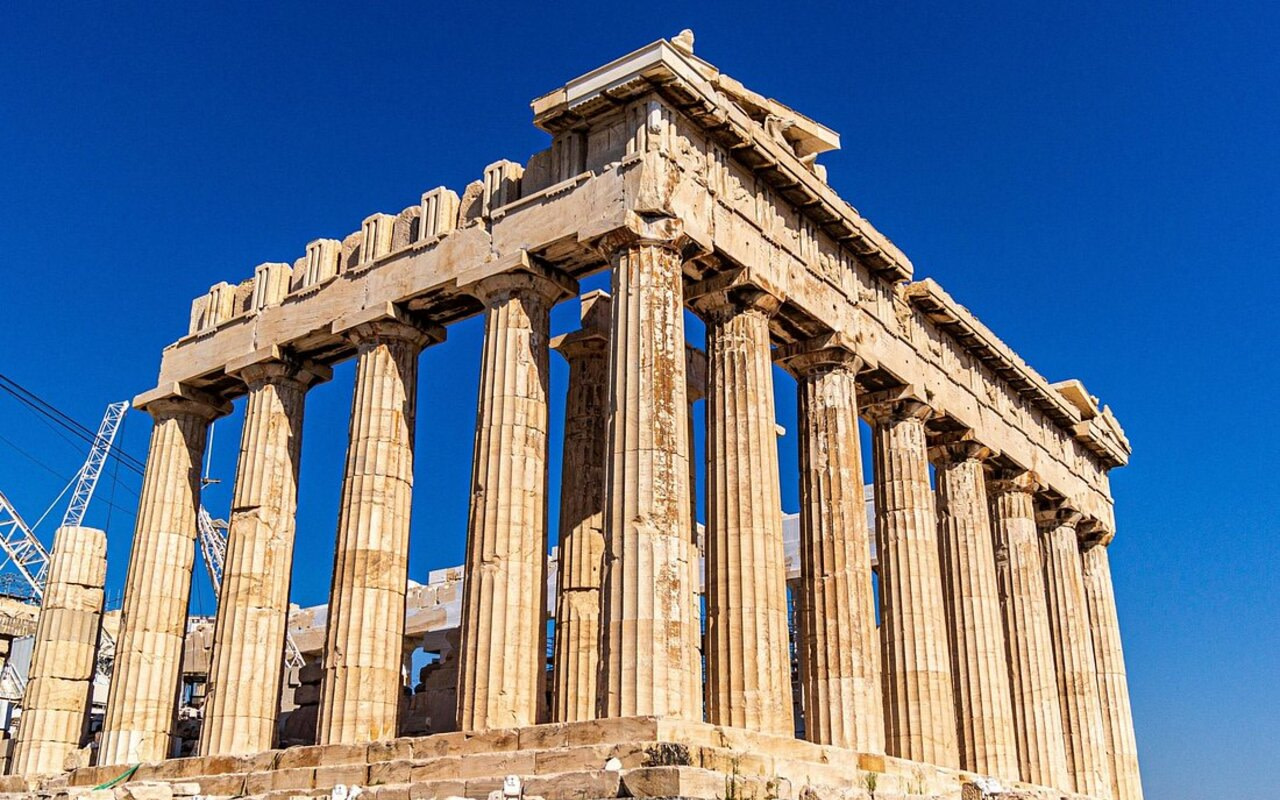
Acropolis of Athens
The Acropolis is the most iconic landmark in Athens, featuring ancient ruins and temples, including the Parthenon.
Historical
2-3 hours
€20 (combined ticket for multiple sites)
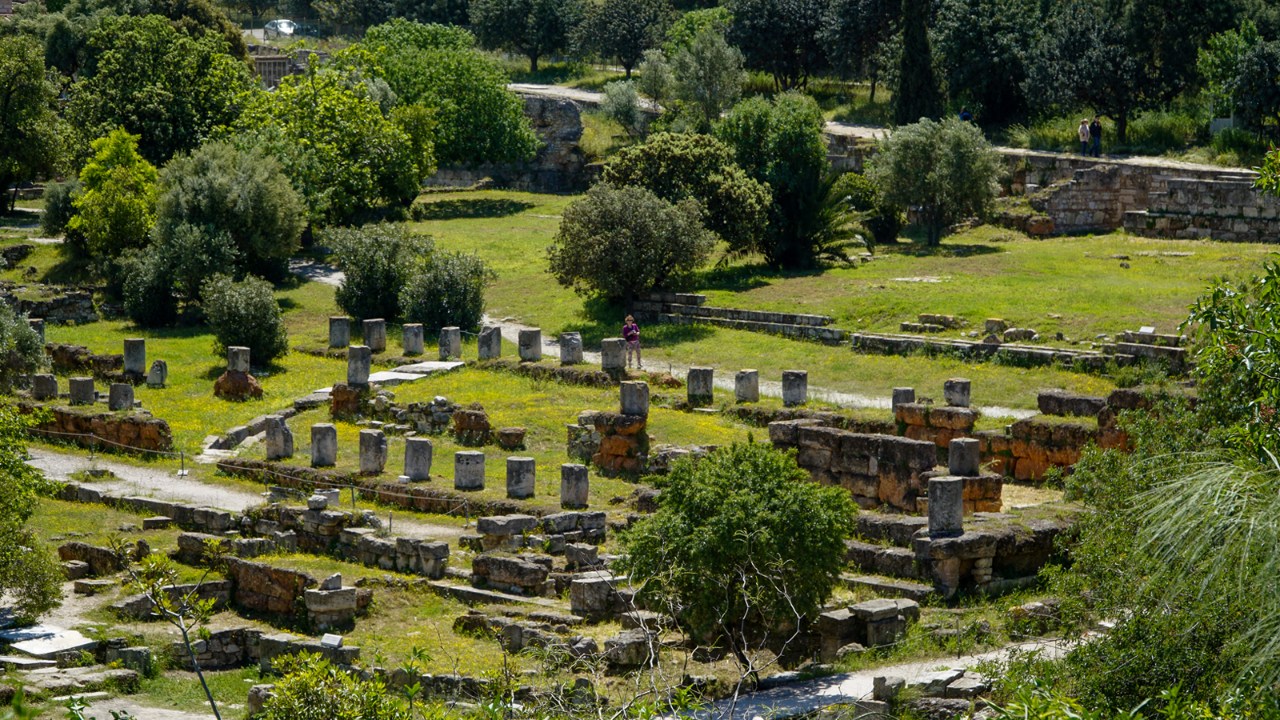
Ancient Agora of Athens
The heart of ancient Athens, featuring the Temple of Hephaestus and the Stoa of Attalos.
Historical
1-2 hours
€8 (included in the combined ticket)
Plaka
A charming, historic neighborhood with narrow streets, neoclassical houses, and vibrant nightlife.
Cultural
2-3 hours
Free to explore
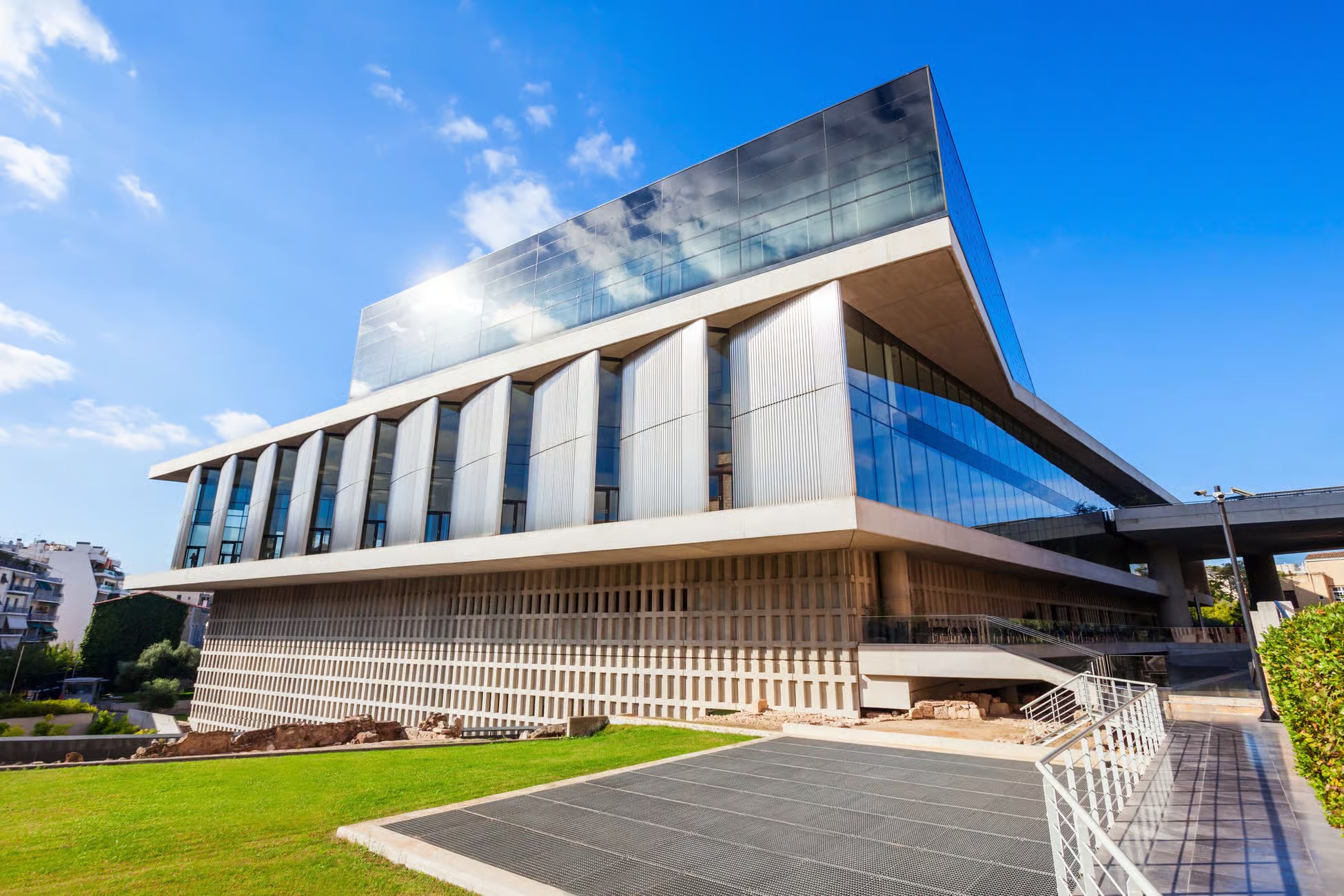
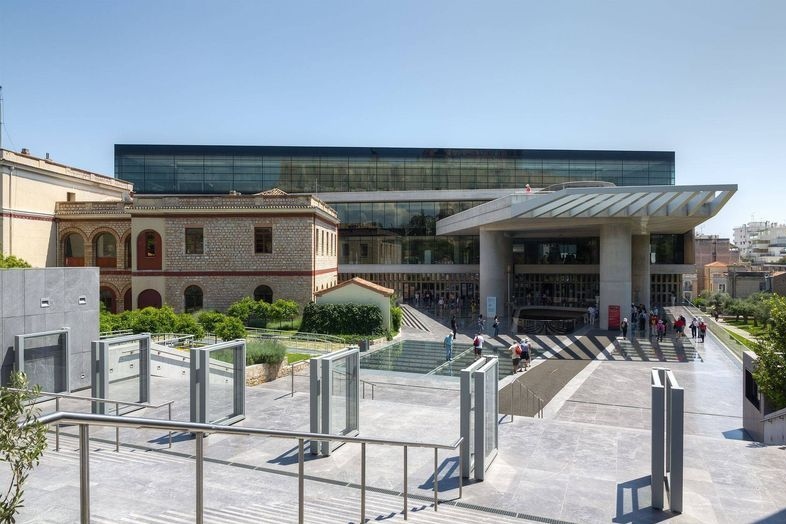
Acropolis Museum
A modern museum showcasing artifacts from the Acropolis and its surroundings.
Museum
1-2 hours
€10
Temple of Olympian Zeus
An ancient temple dedicated to Zeus, once the largest temple in Greece.
Historical
30 minutes to 1 hour
€6 (included in the combined ticket)
Must-Try Local Dishes
Moussaka
A baked dish with layers of eggplant, minced meat, and béchamel sauce.
Dinner
Vegetarian versions available
Souvlaki
Grilled meat skewers, often served with pita bread and tzatziki.
Snack
Can be made with chicken, pork, or vegetarian options
Tzatziki
A yogurt-based dip with cucumber, garlic, and herbs.
Snack
Vegetarian and vegan options available
Baklava
A sweet pastry made with layers of filo, nuts, and honey syrup.
Dessert
Vegetarian
Popular Activities
Hiking in the mountains
Rock climbing
Scuba diving
Beach visits
Spa treatments
Café hopping
Museum visits
Theater performances
Best Time to Visit
April to June, September to October
The best time to visit Athens is during the spring and autumn months when the weather is pleasant and the tourist crowds are smaller.
18°C to 32°C
64°F to 90°F
Practical Information
Language
- Official: Greek
- Widely spoken: English, French, German
- English: Moderately spoken
Currency
Euro (EUR)
Time Zone
GMT+2 (EET)
Electricity
230VV, 50HzHz
Safety Information
Overall Safety Rating: Generally safe
Athens is generally safe for travelers, but petty crime and pickpocketing can occur in tourist areas. Be cautious with your belongings and avoid poorly lit areas at night.
Important Precautions:
- • Keep valuables secure
- • Use licensed taxis or ride-sharing apps
- • Be cautious with ATMs and credit cards
Getting there
By air
- Eleftherios Venizelos International Airport • 30 km from city center
By train
Athens Central Railway Station
By bus
KTEL Bus Station
Getting around
Public transport
Clean, efficient, and air-conditioned. Easy to navigate with clear signage in English.
Taxis
Available • Apps: Beat, Uber
Rentals
Car, Bike, Scooter
Neighborhoods
Plaka
Monastiraki
Psiri
Koukaki
Kolonaki
Day trips
Cape Sounion
65 km from Athens • Half day to full day
A scenic coastal area featuring the Temple of Poseidon with stunning views of the Aegean Sea.
Delphi
180 km from Athens • Full day
An ancient archaeological site and home to the famous Oracle of Delphi.
Meteora
350 km from Athens • Overnight
A unique landscape featuring rock formations and medieval monasteries perched atop cliffs.
Festivals
Athens Festival • May to October
Athens Epidaurus Festival • June to August
Athens International Film Festival • October
Pro tips
- Visit major attractions early in the morning or late in the afternoon to avoid crowds and heat
- Use the metro for easy and efficient travel around the city
- Explore local neighborhoods for an authentic Greek experience
- Try local street food for a quick and delicious meal
- Learn a few basic Greek phrases to enhance your experience and connect with locals
From $25
per person
Price varies by option
Secure booking
Free cancellation available
Instant confirmation