Montmarte & Latin Quarter Private Tour with French Lunch
Active
5h
For a full refund, cancel at least 24 hours before the scheduled departure time.
Instant confirmation
Mobile or paper ticket accepted
About this experience
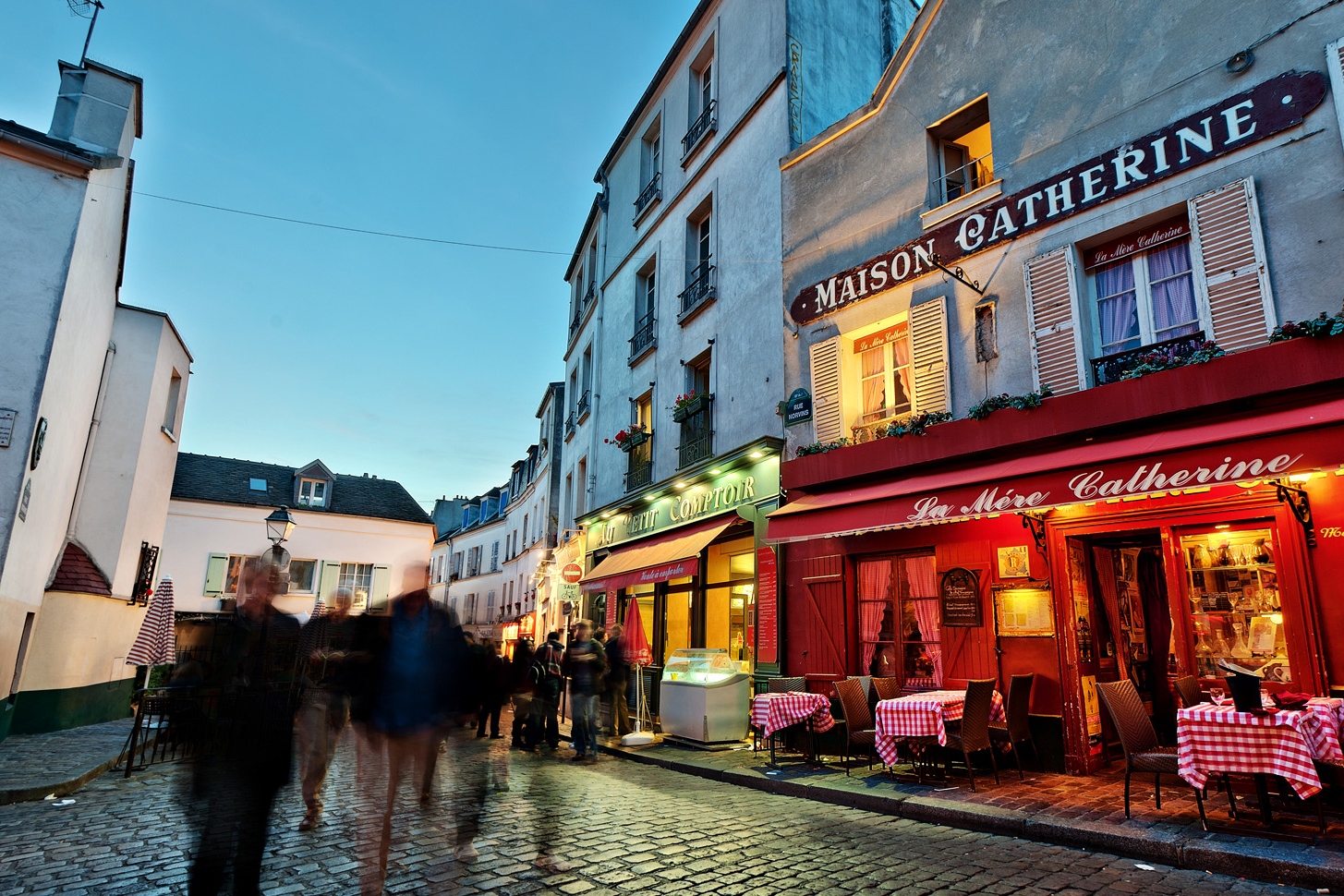
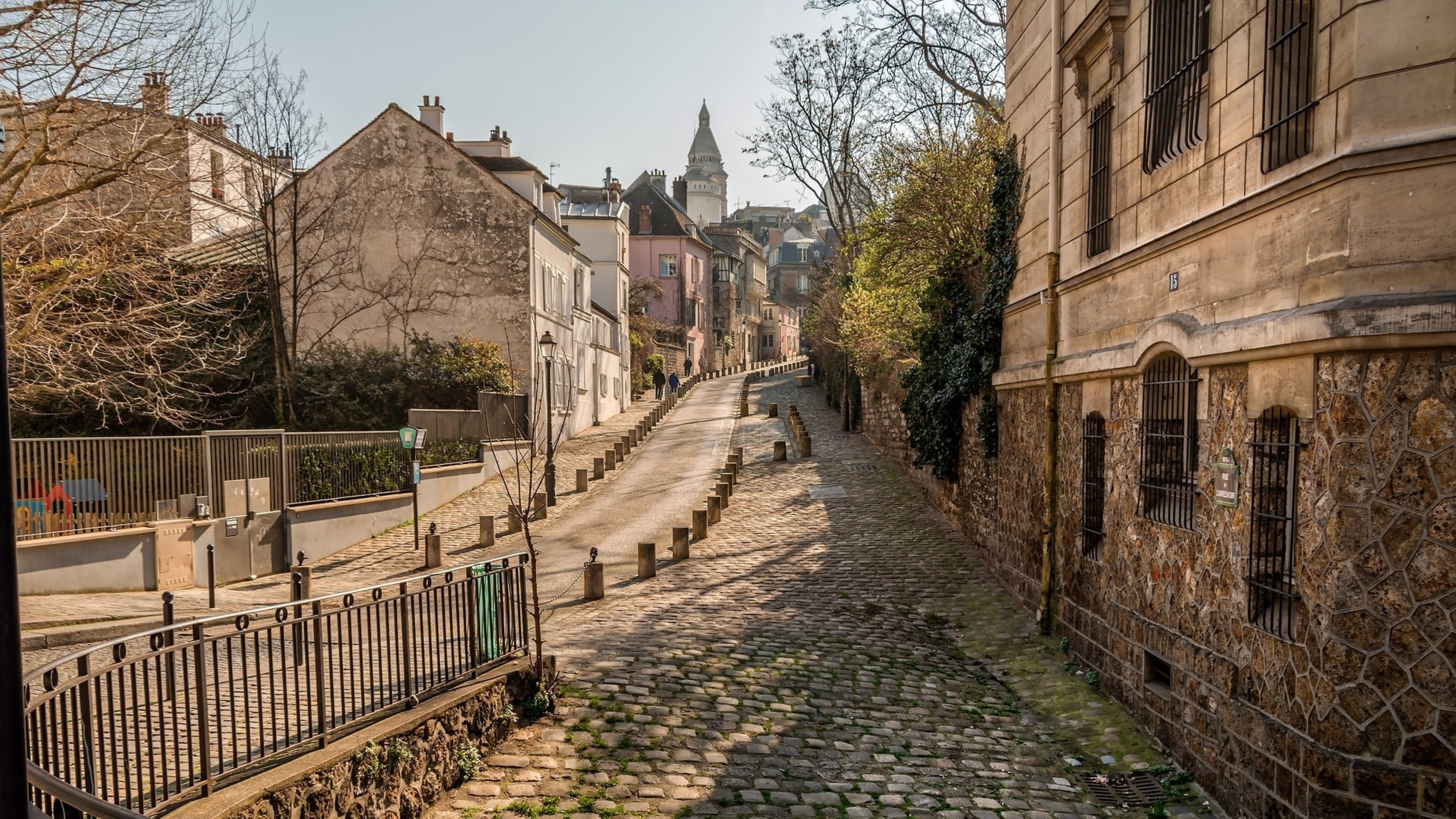
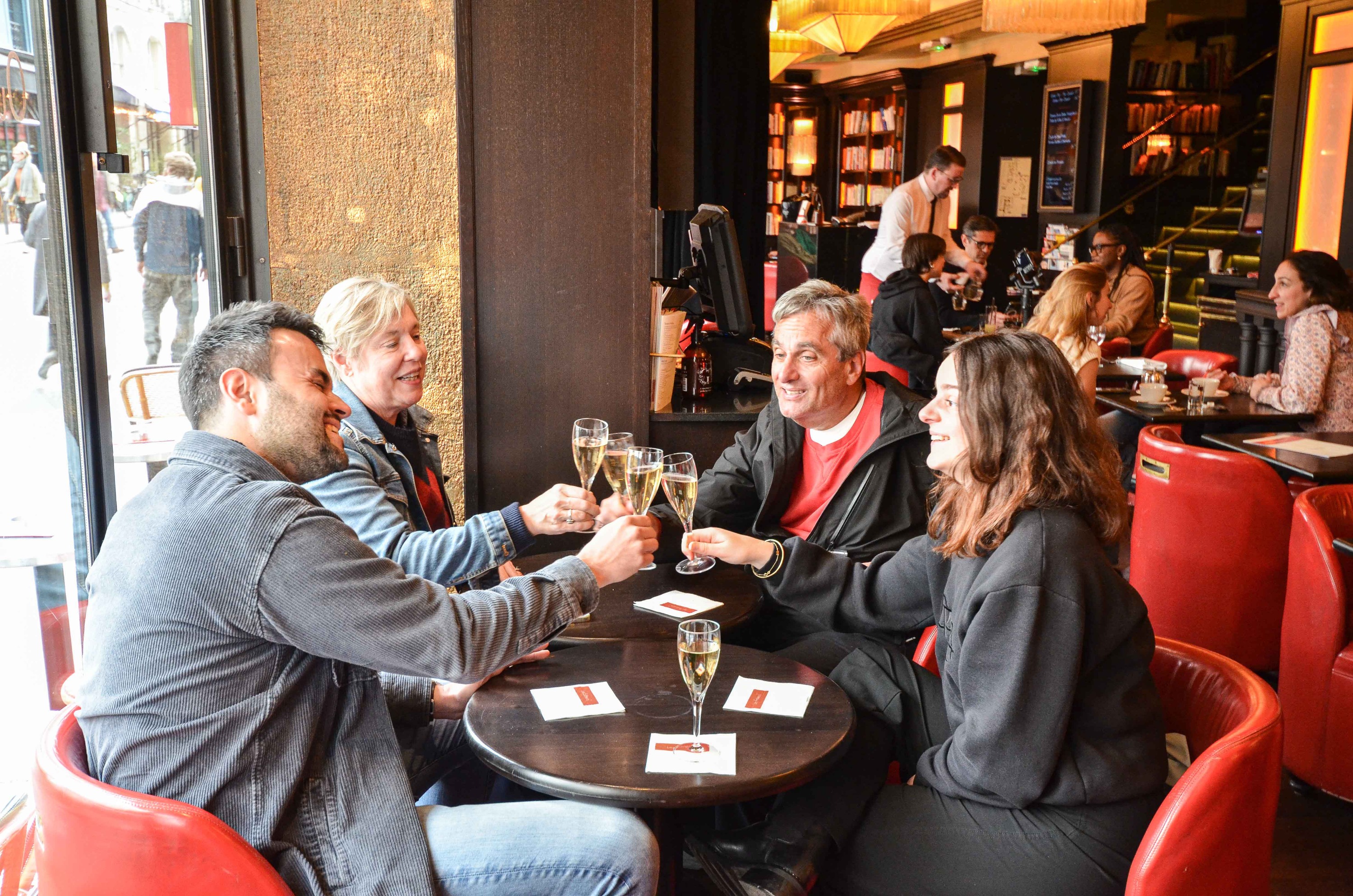
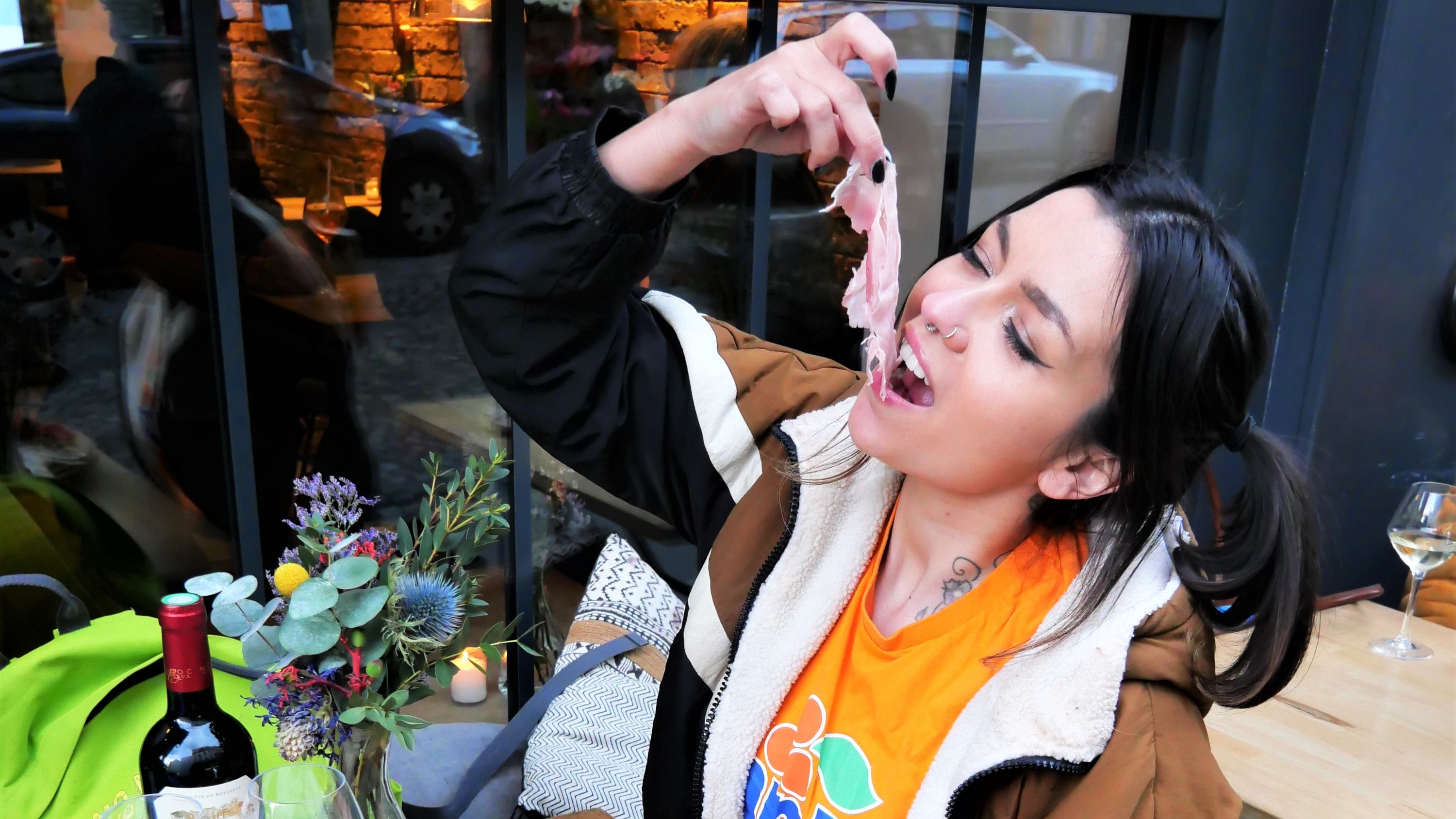
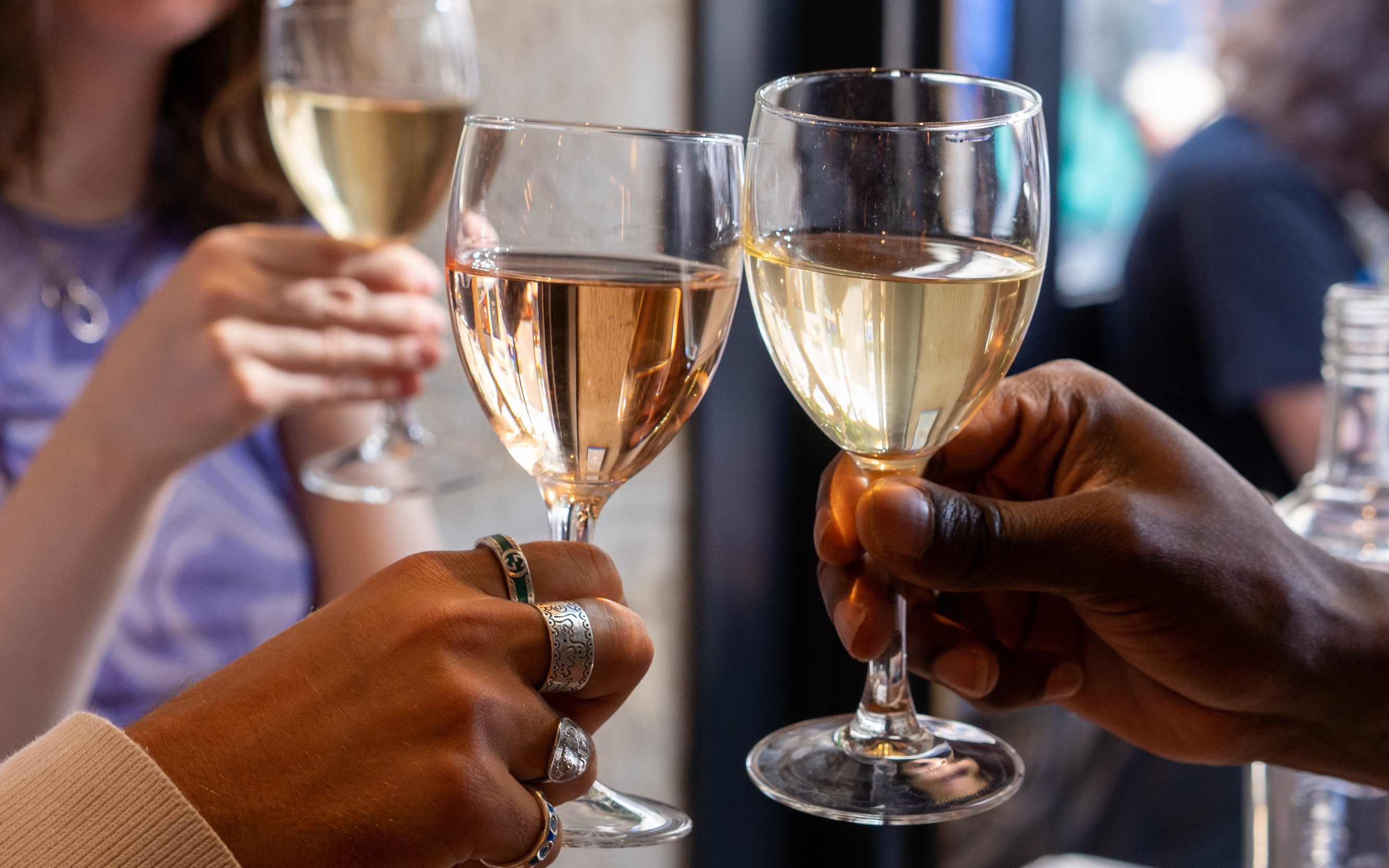
Explore Montmartre in all its charming corners: take the funicular that will take you up to the Basilica of the Sacred Heart, Place du Tertre with its painters and cafes, the Rose House, the Montmartre Vineyards, the Moulin de la Galette, the house of Van Gogh, the café of Amélie Poulin, the Moulin Rouge... Listen to the stories of painters who lived and worked in Montmartre (Picasso, Dali, Van Gogh, Toulouse-Lautrec, Suzanne Valadon, Modigliani...). Relax with a coffee accompanied by a delicious high-quality macaroon. Explore the Opera district and climb to the rooftop of Galeries Lafayette for a breathtaking view of Paris from the heart of the City of Light. Enjoy a memorable "French" lunch in a charming Parisian restaurant. Explore the Ile de la Cité and its monuments (Notre Dame and Sainte Chapelle) and let yourself be charmed by the romantic atmosphere of the Latin Quarter with its medieval squares, churches and alleys.
Available options
Montmarte & Latin Quarter Private Tour with French Lunch
What's included
Lunch
Public transportation
Coffee and/or Tea
Detailed itinerary
1
Stop 1
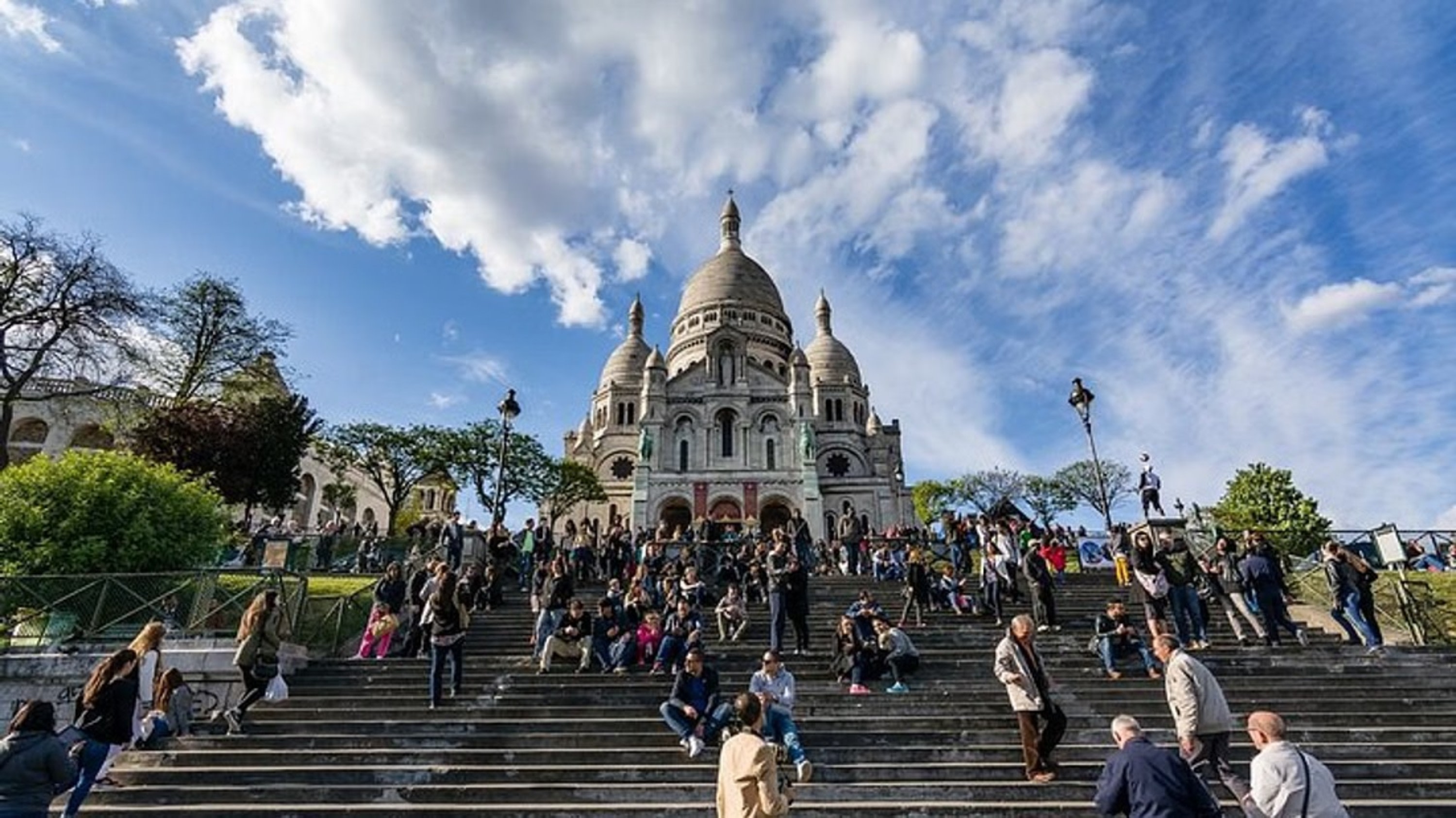
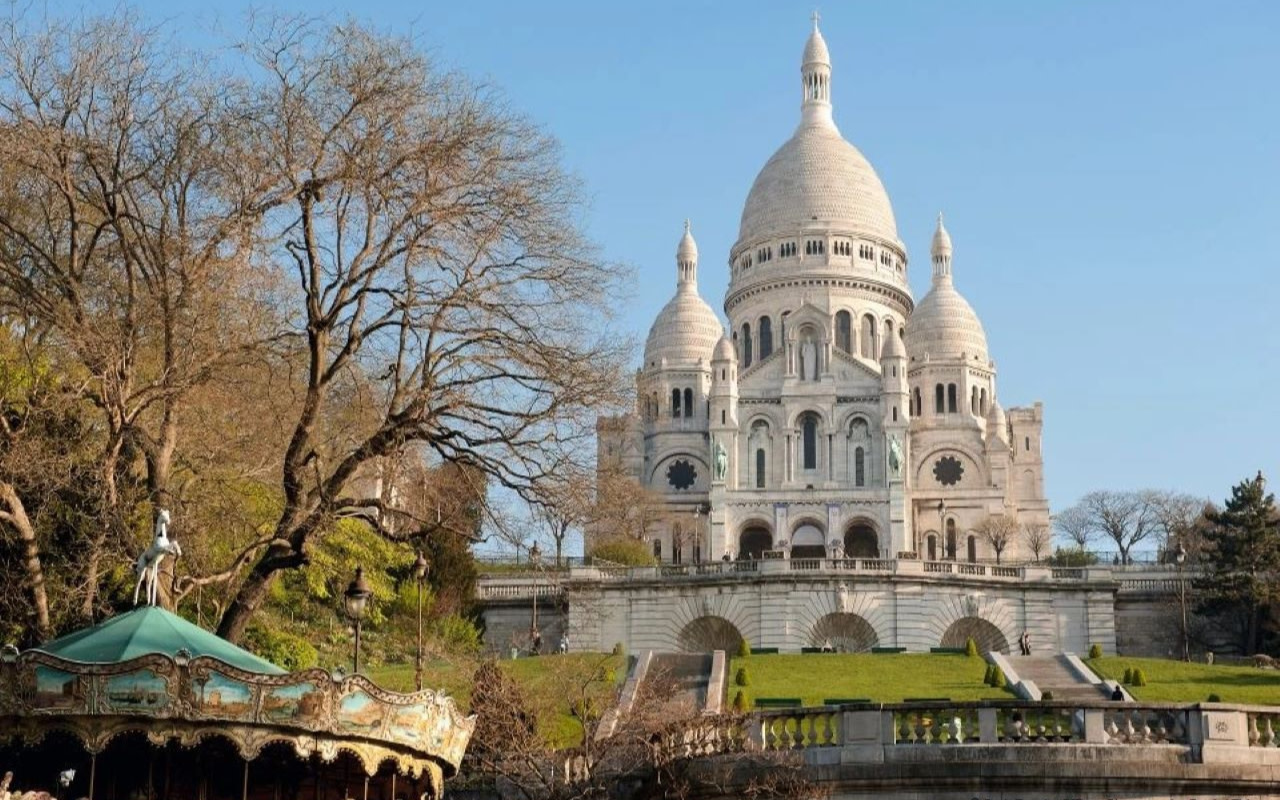
The Basilica of the Sacred Heart of Montmartre is a Roman Catholic church and a minor basilica located in Paris, dedicated to the Sacred Heart of Jesus. The Basilica of the Sacred Heart is located at the top of the Montmartre mound. From its dome, two hundred meters above the Seine, it offers panoramic views of the whole city of Paris and its suburbs. It is the second most visited tourist site in the capital after the Eiffel Tower. The construction of the basilica was first proposed by Felix Fournier in 1870, after the defeat of France and the capture of Napoleon III during the Battle of Sedan during the Franco-Prussian War. He attributed this defeat to the moral decline of the country since the French Revolution, and proposed the creation of a new Parisian church dedicated to the Sacred Heart of Jesus.
2
Stop 2
Place du Tertre is a square in the 18th arrondissement of Paris, France. Only a few blocks from the Sacred Heart Basilica of Montmartre and the Agile Rabbit, it is near the top of the elevated district of Montmartre. Place du Tertre was the heart of the prestigious Benedictine abbey of Montmartre, founded in 1133 by King Louis VI. Montmartre Abbey flourished over the centuries, until the French Revolution, under the patronage of the kings of France. Place du Tertre was opened to the public in 1635 as the central square of the village of Montmartre. From the end of the 18th century until the First World War, Montmartre’s bohemian spirit was everywhere: painters, singers and poets.
3
La Maison Rose is a historic Parisian restaurant located on rue de l'Abreuvoir in the Grandes-Carrières district of Montmartre in the 18th arrondissement of Paris, France, linked to Pablo Picasso.
Opened by dancer Germaine and painter Ramon Pichot in 1908, the establishment is the meeting place of Montmartre artists throughout the 20th century.
4
Stop 4
The Montmartre vine, whose official name is Clos-Montmartre, is a vine planted on the Montmartre mound, in the 18th arrondissement of Paris.
5
Jean Marais, French actor, film director, theatre director, painter, sculptor, visual artist, writer and photographer, has appeared in more than 100 films. He was the lover, muse and friend of the famous director Jean Cocteau. His sculpture Le Passe-Muraille can be admired in the Montmartre district of Paris.
6
Stop 6
“The Moulin Rouge is a cabaret located in Paris, on Boulevard de Clichy, at Place Blanche, at the intersection and at the end of Rue Blanche. The Moulin Rouge is best known as the cradle of the modern form of the French cancan. Originally, this seductive dance was practiced by courtesans who frequented the premises, but it has evolved into a real entertainment spectacle, resulting in the appearance of cabarets across Europe. Today, the Moulin Rouge is a tourist attraction that offers mainly musical dance performances to visitors from all over the world. The decoration of the club still retains much of the charm of late 19th century France
7
The Opéra Garnier, or Palais Garnier, is a national theatre with the vocation of being an academy of music, choreography and lyric poetry; it is a major element of the heritage of the 9th arrondissement of Paris and the capital. It is located on Place de l'Opéra, at the north end of Avenue de l'Opéra and at the crossroads of many roads.
The building stands out as a monument particularly representative of the eclectic architecture and historicist style of the second half of the 19th century. Designed by the architect Charles Garnier following a competition, its construction, decided by Napoleon III as part of the transformations of Paris led by Prefect Haussmann and interrupted by the War of 1870, was resumed at the beginning of the Third Republic, after the destruction by fire of the opera Le Peletier in 1873.
8
Stop 8
Rooftop of Galeries Lafayette Haussmann. Galeries Lafayette is a department store located on Boulevard Haussmann in the 9th arrondissement of Paris.
It is the largest department store in Europe and second only to Macy’s Herald Square in the world.
In 2014, it generated €1.8 billion in sales, surpassing Harrods in London, Bloomingdale's in New York and Isetan in Tokyo, becoming again the world's largest department store by revenue.
It belongs to the “Grands Magasins” branch of the Galeries Lafayette Group
9
Stop 9
The Panthéon is a monument located in the 5th arrondissement of Paris, France. It stands in the Latin Quarter, at the top of the Sainte-Geneviève mountain, in the centre of the Place du Panthéon, which takes its name from the building. The building was built between 1758 and 1790, according to plans by Jacques-Germain Soufflot, at the request of King Louis XV of France. The king wanted to make it a church dedicated to Saint Genevieve, the patron saint of Paris, whose relics were to be kept there. Neither Soufflot nor Louis XV lived long enough to see the church completed.
10
Stop 10
Saint-Étienne-du-Mont is a church located in Paris, France, on the Sainte-Geneviève mountain in the 5th arrondissement, near the Panthéon. It houses the reliquary of Saint Genevieve, the patron saint of Paris. The church also contains the graves of Blaise Pascal and Jean Racine. Jean-Paul Marat is buried in the church cemetery. The sculpted tympanum, The Stoneing of Saint Stephen, is the work of the French sculptor Gabriel-Jules Thomas. The famous organist, composer and improviser Maurice Duruflé was titular organist of Saint-Étienne-du-Mont from 1929 until his death in 1986.
11
The Medici Fountain is a monumental fountain located in the garden of Luxembourg, in the 6th arrondissement of Paris. Built around 1630, it was commissioned by Marie de Medici, widow of King Henry IV of France and regent of King Louis XIII. It was moved to its present location and largely rebuilt between 1864 and 1866.
12
Stop 12
La Crémerie-Restaurant Polidor is a historic restaurant located in the 6th arrondissement of Paris. The interior of the restaurant has remained virtually unchanged for over 100 years, and the cuisine is still prepared in the style of the late 19th century. The Polidor is located at 41, rue Monsieur-le-Prince, in the Odéon district, near the Luxembourg Gardens. Its name comes from the cream desserts it once served. Most guests sit at long shared tables, with salt shakers and jars of common mustard. Its toilets, unchanged for decades, have been called “legendary”. In addition to its décor and cuisine, the Polidor is best known for its illustrious clientele. It is said to have been a favorite of André Gide, and to have welcomed James Joyce, Ernest Hemingway, Jack Kerouac and Henry Miller. In 2011, he appeared in Woody Allen's film Midnight in Paris.
13
Stop 13
The University of Paris, known metonymously as the Sorbonne, was the main university in Paris, France, from 1150 to 1970, except for the period from 1793 to 1806 during the French Revolution. Emerging around 1150 as a corporation linked to the Cathedral School of Paris, it is considered the second oldest university in Europe.
Officially founded in 1200 by King Philip II of France and recognized in 1215 by Pope Innocent III, it owes its nickname to its theological college, the Collège de Sorbonne, founded by Robert de Sorbon and endowed with a charter by King Louis IX around 1257.
14
Stop 14
The Sainte-Chapelle is a Gothic royal chapel, located in the medieval palace of the City, residence of the kings of France until the 14th century, on the Ile de la Cité, in the heart of the Seine, in Paris, France. Its construction began shortly after 1238 and the chapel was consecrated on 26 April 1248. The Sainte-Chapelle is considered one of the greatest masterpieces of the radiant period of Gothic architecture. It was commissioned by King Louis IX of France to house his collection of relics of the Passion, including the Crown of Thorns of Christ – one of the most important relics of medieval Christianity. It was then kept in the nearby Notre-Dame Cathedral until the 2019 fire, which it survived.
15
Stop 15
Notre-Dame de Paris, commonly known as Notre-Dame, is a medieval Catholic cathedral located on the Île de la Cité (an island on the Seine), in the 4th arrondissement of Paris, France. The cathedral, dedicated to the Virgin Mary, is considered one of the finest examples of French Gothic architecture. Several features distinguish it from the earlier Romanesque style, including its pioneering use of pointed vaults and flying buttresses, its huge and colorful rosettes, and the naturalism and abundance of its sculptural decoration. Notre-Dame is also distinguished by its three organs (one of them historic) and its huge bells.
Available languages
Guide guide
EN
FR
ES
Important information
Infants and small children can ride in a pram or stroller
Service animals allowed
Public transportation options are available nearby
Suitable for all physical fitness levels
Meeting point
Meeting place at the exit of the metro station "Anvers" (line 2), next to the newsstand.
About Paris
Paris, the capital of France, is a city steeped in history, art, and romance. Known for its iconic landmarks, world-class museums, and charming neighborhoods, Paris offers a unique blend of timeless elegance and modern vibrancy. From the Eiffel Tower to the Louvre, the city is a treasure trove of cultural and historical gems.
Top Attractions
Eiffel Tower
The Eiffel Tower is Paris's most iconic landmark and a symbol of France. Built in 1889 for the World's Fair, it offers breathtaking views of the city.
Architecture
2-3 hours
€17.10-€26.80 (depending on the level)
Louvre Museum
The Louvre is the world's largest art museum and a historic monument in Paris. It houses thousands of works of art, including the Mona Lisa and the Venus de Milo.
Museum
3-4 hours
€17 (full price), free for under 18s and EU residents under 26
Notre-Dame Cathedral
Notre-Dame is a masterpiece of French Gothic architecture and one of the most famous cathedrals in the world. It has been undergoing restoration since the 2019 fire.
Historical/Religious
1-2 hours
Free (towers and crypts may have reopening fees in the future)
Montmartre
Montmartre is a historic and artistic district known for its bohemian past, charming streets, and the stunning Sacré-Cœur Basilica.
Cultural
Half-day
Free to explore (Sacré-Cœur dome visit €6)
Palace of Versailles
The Palace of Versailles is a grand royal château and garden located just outside of Paris. It was the principal royal residence of France from 1682 to 1790.
Historical
Full day
€18-€28 (depending on the pass)
Must-Try Local Dishes
Croissant
A buttery, flaky pastry made from laminated dough. Best enjoyed fresh from a local bakery.
Breakfast
Contains gluten and dairy
Baguette
A long, thin loaf of French bread with a crispy crust and soft interior. Often served with cheese or ham.
Breakfast/Lunch
Contains gluten
Steak Frites
A classic French dish consisting of steak and French fries, usually served with a side of salad and béarnaise sauce.
Lunch/Dinner
Contains gluten (if served with fries) and meat
Crêpes
Thin pancakes that can be filled with a variety of sweet or savory ingredients, such as Nutella, cheese, or ham.
Snack/Dessert
Can be made gluten-free and vegetarian/vegan options available
Popular Activities
Hot air balloon rides
Rock climbing in Fontainebleau forest
Kayaking on the Seine
Picnicking in the Luxembourg Garden
Boat tours on the Seine
Spa day at a luxury hotel
Visiting museums and galleries
Attending a cabaret show
Best Time to Visit
June to August
Summer is the peak tourist season in Paris, with warm weather and long daylight hours. This is the best time to enjoy outdoor activities and festivals. However, it's also the busiest and most expensive time to visit.
15°C to 25°C (59°F to 77°F)
59°F to 77°F
Practical Information
Language
- Official: French
- Widely spoken: English, Spanish, Arabic, Portuguese
- English: Moderately spoken
Currency
Euro (EUR)
Time Zone
GMT+1 (Central European Time, CET), GMT+2 (Central European Summer Time, CEST) during daylight saving time
Electricity
230VV, 50HzHz
Safety Information
Overall Safety Rating: Generally safe
Paris is generally safe for travelers, but pickpocketing and petty theft can be a problem in tourist areas. Be aware of your surroundings and take precautions to protect your belongings.
Important Precautions:
- • Keep valuables secure and out of sight
- • Be cautious of pickpockets in crowded areas and on public transport
- • Use licensed taxis or ride-sharing services
Getting there
By air
- Charles de Gaulle Airport • 25 km (15.5 miles) from city center
- Orly Airport • 14 km (8.7 miles) from city center
By train
Gare du Nord, Gare de Lyon
By bus
Bercy Seine, Porte Maillot
Getting around
Public transport
The Paris Metro is one of the most efficient and extensive subway systems in the world, covering all major attractions and neighborhoods.
Taxis
Available • Apps: Uber, G7
Rentals
Car, Bike, Scooter
Neighborhoods
Le Marais
Montmartre
Latin Quarter
Saint-Germain-des-Prés
Champs-Élysées
Day trips
Versailles
17 km (10.5 miles) from Paris • Full day
The Palace of Versailles is a grand royal château and garden located just outside of Paris. It was the principal royal residence of France from 1682 to 1790 and is famous for its opulent interiors and vast gardens.
Giverny
75 km (47 miles) from Paris • Half day to full day
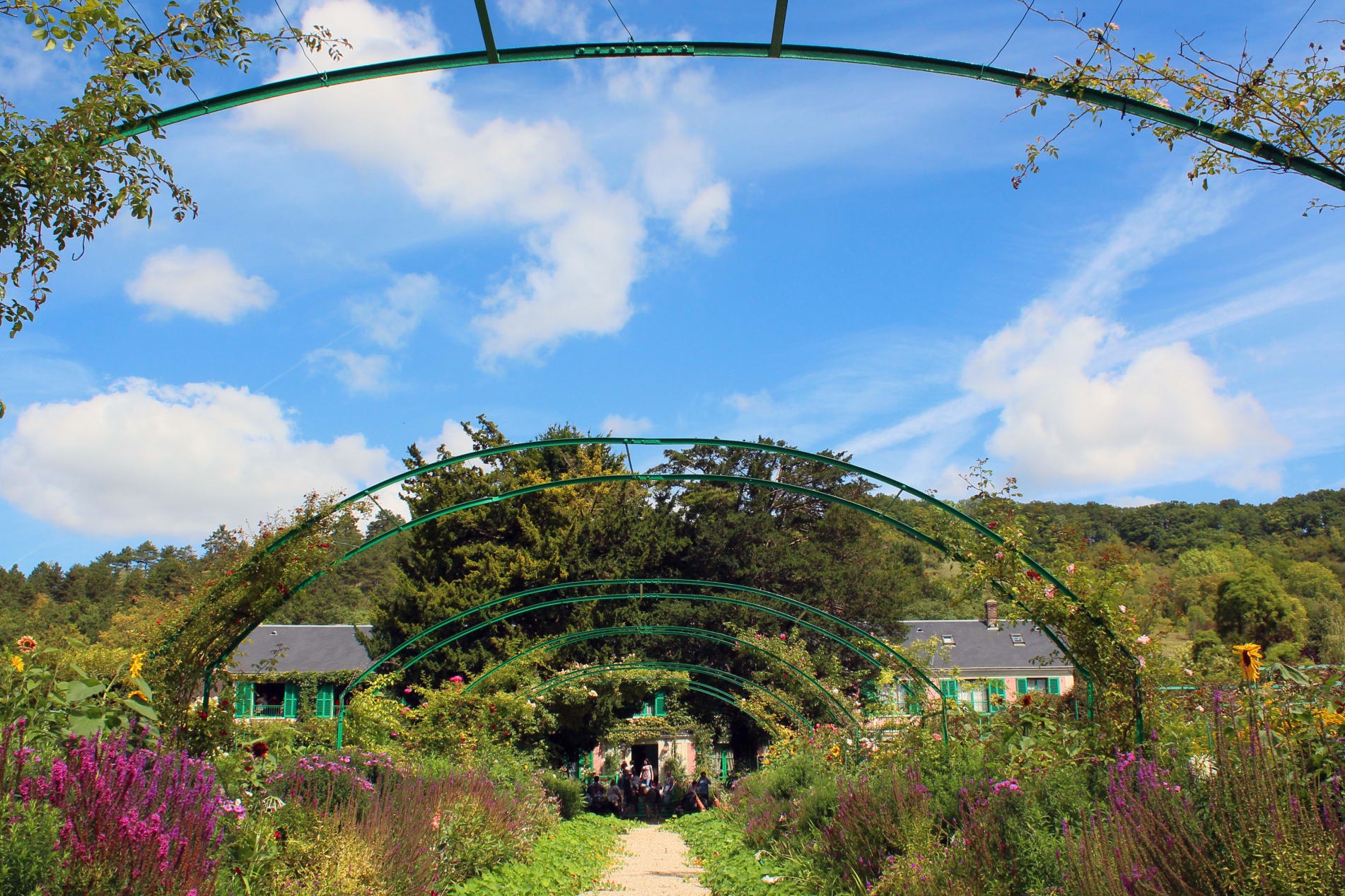
Giverny is a charming village known as the home of the famous impressionist painter Claude Monet. The village is home to Monet's House and Gardens, which inspired many of his most famous works.
Château de Fontainebleau
55 km (34 miles) from Paris • Full day
The Château de Fontainebleau is a grand royal château and park located just outside of Paris. It was a residence of the French monarchs from Louis VII to Napoleon III and is known for its beautiful architecture and vast forests.
Festivals
Fête de la Musique • June 21st (annual)
Paris Fashion Week • February and September (annual)
Nuit Blanche • First Saturday in October (annual)
Pro tips
- Learn a few basic French phrases to enhance your experience and show respect for the local culture
- Use public transport, walk, or bike to get around the city and avoid traffic and parking issues
- Consider purchasing a Paris Museum Pass or a multi-day public transport pass to save money on attractions and transport
- Explore the city's many neighborhoods and hidden gems, not just the major tourist attractions
- Try local specialties and enjoy the dining experience slowly and leisurely
From $25
per person
Price varies by option
Secure booking
Free cancellation available
Instant confirmation