Paris Landmarks & Crepes
Active
4h
For a full refund, cancel at least 24 hours before the scheduled departure time.
Instant confirmation
Mobile or paper ticket accepted
About this experience
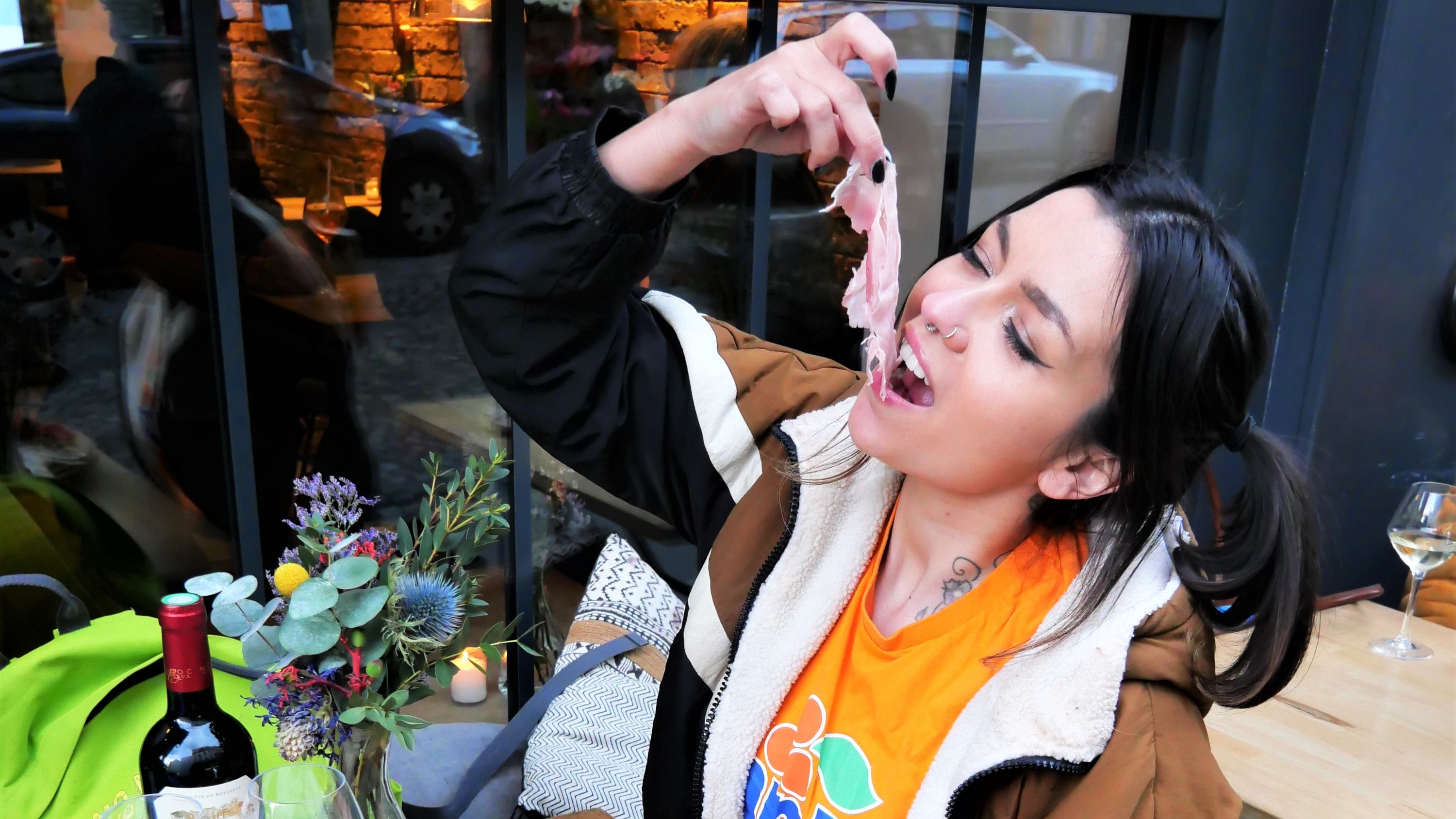
In this 4 hour private walking tour with your local guide you will be visiting plenty of Paris landmarks while absorbing interesting and fun historical facts about places and monuments. During your stroll, you will make a pause at a great crêperie (crêpe bar) in the Latin Quarter for enjoying a crêpe menu (savory and sweet crêpes with a drink). You will admire places like Place Bastille, Place des Vosges in the Marais district, Notre-Dame Cathedral, Saint Michael's Fountain, the Latin Quarter, Saint Germain-des-Prés, Pont des Arts, the Louvre, the Tuileries Garden... After a quick metro ride with your guide from Place de la Concorde you will end the tour in front of the Eiffel Tower. A must-do tour for covering Paris main places and monuments in a few hours, and enjoying delicious french crêpes too !
Available options
Paris Landmarks & Crepes
What's included
Lunch
Detailed itinerary
1
Stop 1
The Place de la Bastille is a square in Paris where the Bastille prison once stood, until the storming of the Bastille and its subsequent physical destruction between 14 July 1789 and 14 July 1790 during the French Revolution. No vestige of the prison remains.
The square straddles 3 arrondissements of Paris, namely the 4th, 11th and 12th. The square and its surrounding areas are normally called simply Bastille. The July Column (Colonne de Juillet) which commemorates the events of the July Revolution (1830) stands at the center of the square. Other notable features include the Bastille Opera, the Bastille subway station and a section of the Canal Saint Martin. Prior to 1984, the former Bastille railway station stood where the opera house now stands.
2
Stop 2
Place des Vosges, originally Place Royale, is the oldest planned square in Paris, France. It is located in the Marais district, and it straddles the dividing-line between the 3rd and 4th arrondissements of Paris. It was a fashionable and expensive square to live in during the 17th and 18th centuries, and one of the main reasons for the chic nature of Le Marais among the Parisian nobility.
3
The Hôtel de Sully is a Louis XIII style hôtel particulier, or private mansion, located at 62 rue Saint-Antoine in the Marais, IV arrondissement, Paris, France. Built at the beginning of the 17th century, it is nowadays the seat of the Centre des Monuments Nationaux, the French national organization responsible for national heritage sites. It has been listed since 1862 as a monument historique by the French Ministry of Culture.
4
The Hôtel de Sens or Hôtel des archevêques de Sens is a 16th-century hôtel particulier, or private mansion, in the Marais, in the 4th arrondissement of Paris, France. It nowadays houses the Forney art library.
5
Stop 5
Notre-Dame de Paris ; meaning "Our Lady of Paris", referred to simply as Notre-Dame, is a medieval Catholic cathedral on the Île de la Cité (an island in the Seine River), in the 4th arrondissement of Paris. The cathedral, dedicated to the Virgin Mary, is considered one of the finest examples of French Gothic architecture. Several attributes set it apart from the earlier Romanesque style, particularly its pioneering use of the rib vault and flying buttress, its enormous and colorful rose windows, and the naturalism and abundance of its sculptural decoration.[5] Notre-Dame also stands out for its three pipe organs (one historic) and its immense church bells.
6
Stop 6
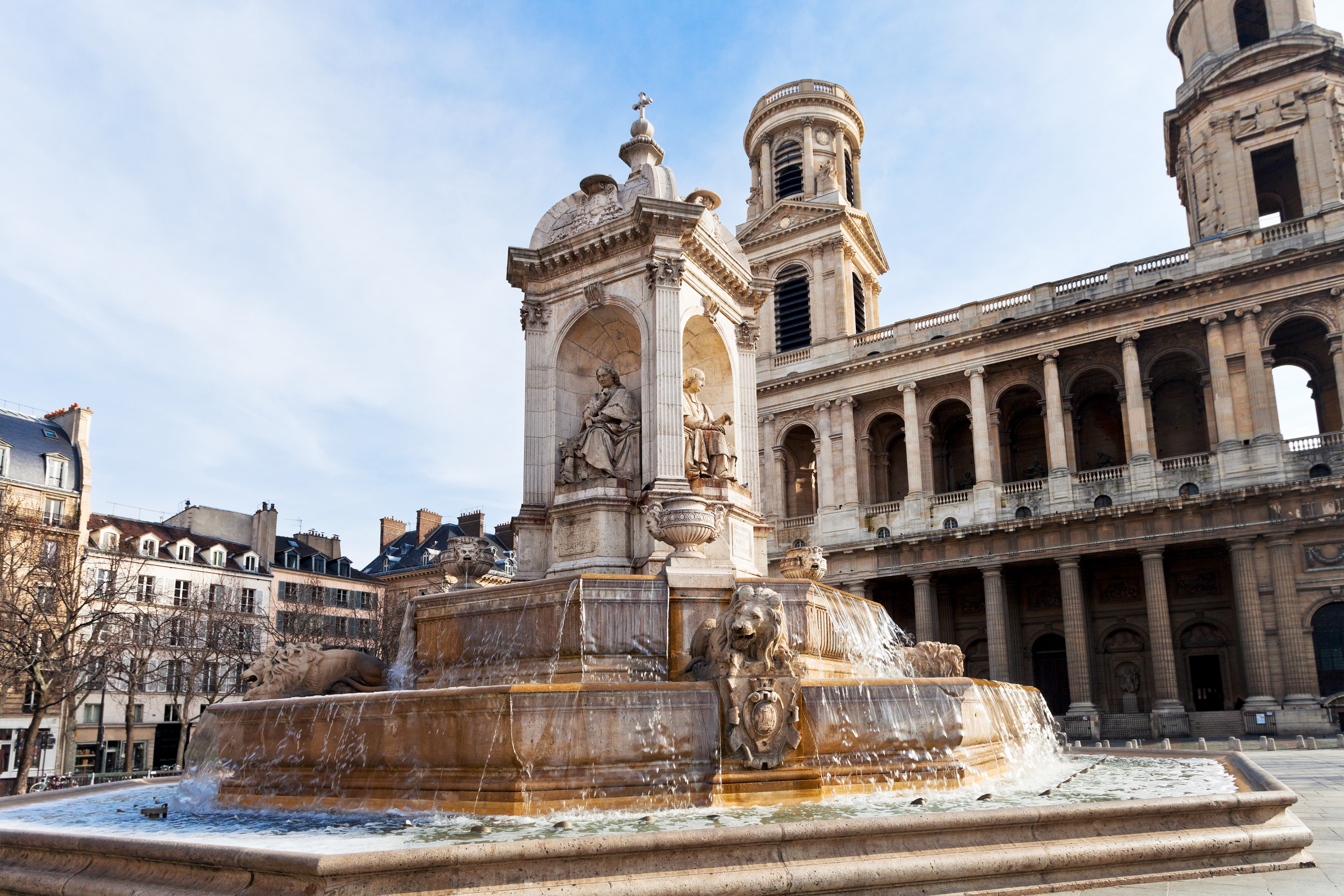
The Fontaine Saint-Michel is a monumental fountain located in Place Saint-Michel in the 6th arrondissement in Paris. It was constructed in 1858–1860 during the French Second Empire by the architect Gabriel Davioud. It has been listed since 1926 as a monument historique by the French Ministry of Culture.
7
Crêpe stop at a traditional french Crêperie.
8
Stop 8
Saint-Germain-des-Prés is one of the four administrative quarters of the 6th arrondissement of Paris, France, located around the church of the former Abbey of Saint-Germain-des-Prés. Its official borders are the River Seine on the north, the rue des Saints-Pères on the west, between the rue de Seine and rue Mazarine on the east, and the rue du Four on the south. Residents of the quarter are known as Germanopratins.
The quarter's cafés include Les Deux Magots, Café de Flore, le Procope, and the Brasserie Lipp, as well as many bookstores and publishing houses. In the 1940s and 1950s, it was the centre of the existentialist movement (associated with Jean-Paul Sartre and Simone de Beauvoir). It is also home to the École des Beaux-Arts, Sciences Po, the Saints-Pères biomedical university center of the University of Paris, the School for Advanced Studies in the Social Sciences, and the Musée national Eugène Delacroix, in the former apartment and studio of painter Eugène Delacroix.
9
The Church of Saint-Germain-des-Prés is a Roman Catholic parish church located in the Saint-Germain-des-Prés quarter of Paris. It was originally the church of a Benedictine abbey founded in the 6th century, by Childebert I, the son of Clovis, King of the Franks. It was destroyed by the Vikings, rebuilt, and renamed in the 8th century for Saint Germain, an early Bishop of the city. It is considered the oldest existing church in Paris.
10
Stop 10
The Pont des Arts or Passerelle des Arts is a pedestrian bridge in Paris which crosses the River Seine. It links the Institut de France and the central square (cour carrée) of the Palais du Louvre, (which had been termed the "Palais des Arts" under the First French Empire).
11
Stop 11
The Louvre is a national art museum in Paris, France. A central landmark of the city, it is located on the Right Bank of the Seine in the city's 1st arrondissement (district or ward) and home to some of the most canonical works of Western art, including the Mona Lisa and the Venus de Milo. The museum is housed in the Louvre Palace, originally built in the late 12th to 13th century under Philip II. Remnants of the Medieval Louvre fortress are visible in the basement of the museum. Due to urban expansion, the fortress eventually lost its defensive function, and in 1546 Francis I converted it into the primary residence of the French Kings.
12
The Arc de Triomphe du Carrousel (English: Triumphal Arch of the Carousel) is a triumphal arch in Paris, located in the Place du Carrousel. It is an example of Neoclassical architecture in the Corinthian order.[1] It was built between 1806 and 1808 to commemorate Napoleon's military victories in the Wars of the Third and Fourth Coalitions. The Arc de Triomphe de l'Étoile, at the far end of the Champs Élysées, was designed in the same year; it is about twice the size and was not completed until 1836.
13
Stop 13
The Tuileries Garden is a public garden located between the Louvre and the Place de la Concorde in the 1st arrondissement of Paris, France. Created by Catherine de' Medici as the garden of the Tuileries Palace in 1564, it was eventually opened to the public in 1667 and became a public park after the French Revolution. Since the 19th century, it has been a place where Parisians celebrate, meet, stroll and relax.
14
Stop 14
The Place de la Concorde is one of the major public squares in Paris, France. Measuring 7.6 ha (19 acres) in area, it is the largest square in the French capital. It is located in the city's eighth arrondissement, at the eastern end of the Champs-Élysées.
It was the site of many notable public executions, including those of King Louis XVI, Marie Antoinette and Maximilien Robespierre in the course of the French Revolution, during which the square was temporarily renamed Place de la Révolution.
15
Stop 15
The Champ de Mars is a large public green space in Paris, France, located in the seventh arrondissement, between the Eiffel Tower to the northwest and the École Militaire to the southeast. The park is named after the Campus Martius ("Mars Field") in Rome, a tribute to the Roman god of war. The name alludes to the fact that the lawns here were formerly used as drilling and marching grounds by the French military.
The nearest Métro stations are La Motte-Picquet–Grenelle, École Militaire, and Champ de Mars-Tour Eiffel, an RER suburban-commuter-railway station. A disused station, Champ de Mars, is also nearby.
16
Stop 16
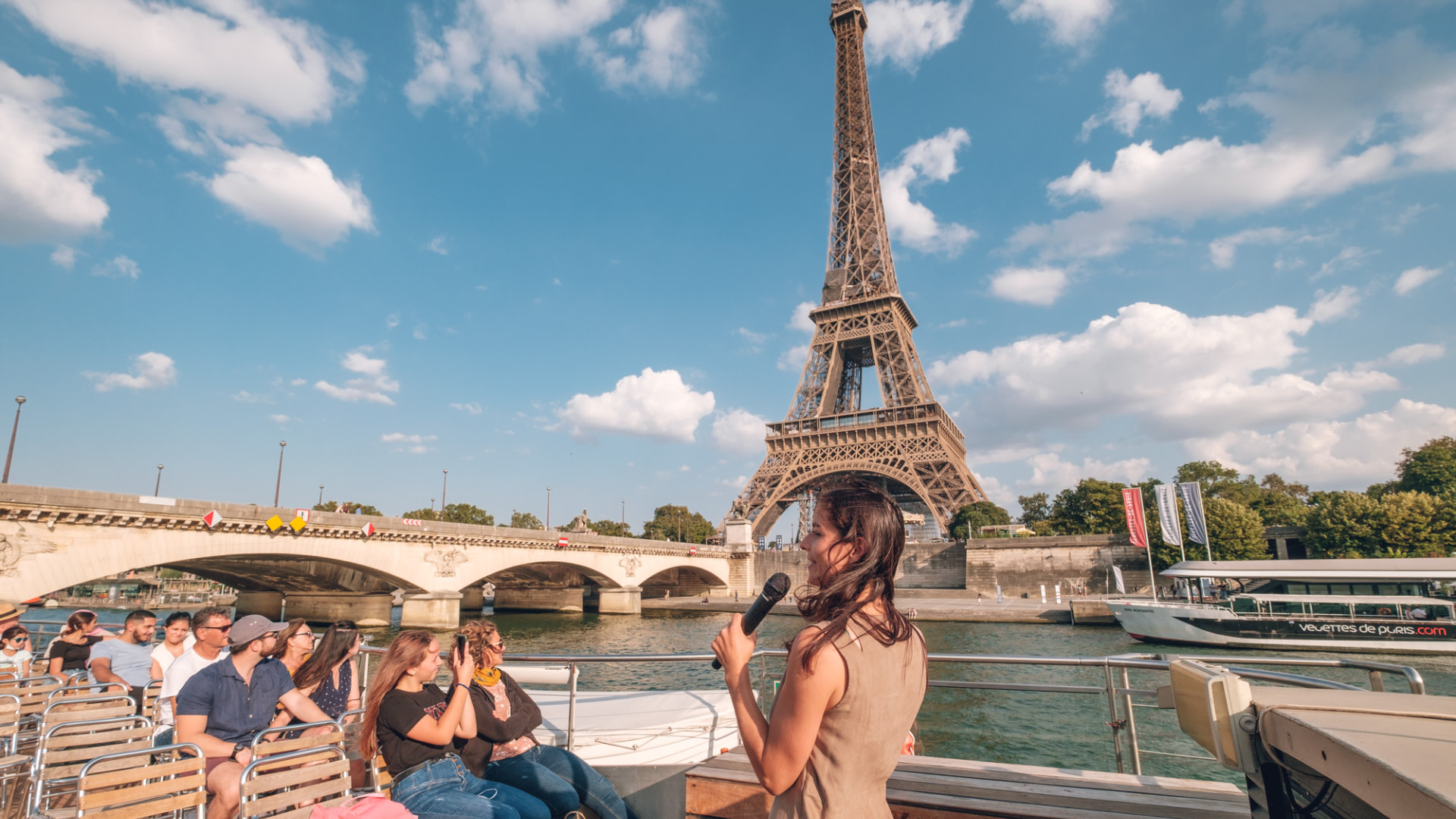
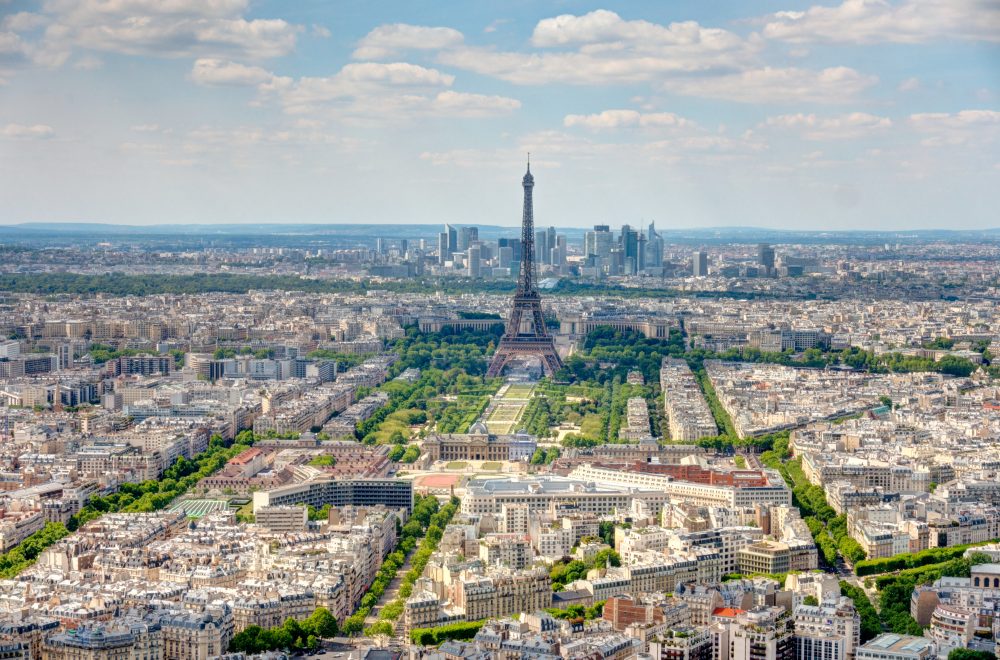
The Eiffel Tower is a wrought-iron lattice tower on the Champ de Mars in Paris, France. It is named after the engineer Gustave Eiffel, whose company designed and built the tower.
Locally nicknamed "La dame de fer" (French for "Iron Lady"), it was constructed from 1887 to 1889 as the centerpiece of the 1889 World's Fair. Although initially criticised by some of France's leading artists and intellectuals for its design, it has since become a global cultural icon of France and one of the most recognisable structures in the world. The tower received 5,889,000 visitors in 2022, up by 197 percent from 2021, when numbers dropped due to the COVID virus. The Eiffel Tower is the most visited monument with an entrance fee in the world: 6.91 million people ascended it in 2015. It was designated a monument historique in 1964, and was named part of a UNESCO World Heritage Site in 1991.
What's not included
Inside the Louvre Museum (we don't go inside the museum, only outside)
Up to the Eiffel Tower (we go right next to the Eiffel Tower, but we don't go up in it)
Available languages
Guide guide
EN
IT
FR
ES
Reviews breakdown
Viator
5.0
3 reviews
5★
3
4★
0
3★
0
2★
0
1★
0
Tripadvisor
5.0
5 reviews
5★
5
4★
0
3★
0
2★
0
1★
0
Important information
Infants and small children can ride in a pram or stroller
Public transportation options are available nearby
Suitable for all physical fitness levels
Meeting point
Meeting point in front of the front stairs of Bastille's Opera House.
About Paris
Paris, the capital of France, is a city steeped in history, art, and romance. Known for its iconic landmarks, world-class museums, and charming neighborhoods, Paris offers a unique blend of timeless elegance and modern vibrancy. From the Eiffel Tower to the Louvre, the city is a treasure trove of cultural and historical gems.
Top Attractions
Eiffel Tower
The Eiffel Tower is Paris's most iconic landmark and a symbol of France. Built in 1889 for the World's Fair, it offers breathtaking views of the city.
Architecture
2-3 hours
€17.10-€26.80 (depending on the level)
Louvre Museum
The Louvre is the world's largest art museum and a historic monument in Paris. It houses thousands of works of art, including the Mona Lisa and the Venus de Milo.
Museum
3-4 hours
€17 (full price), free for under 18s and EU residents under 26
Notre-Dame Cathedral
Notre-Dame is a masterpiece of French Gothic architecture and one of the most famous cathedrals in the world. It has been undergoing restoration since the 2019 fire.
Historical/Religious
1-2 hours
Free (towers and crypts may have reopening fees in the future)
Montmartre
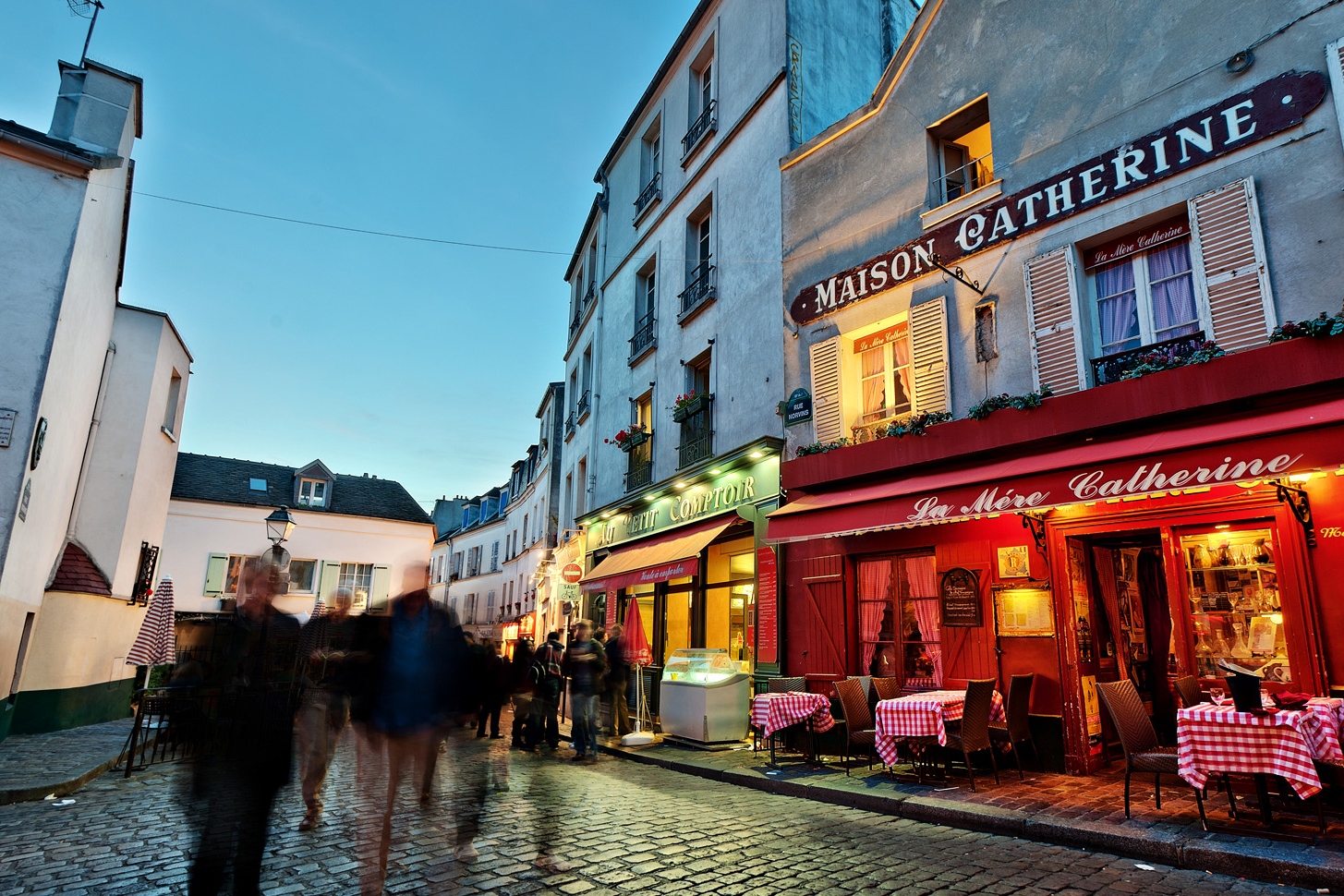
Montmartre is a historic and artistic district known for its bohemian past, charming streets, and the stunning Sacré-Cœur Basilica.
Cultural
Half-day
Free to explore (Sacré-Cœur dome visit €6)
Palace of Versailles
The Palace of Versailles is a grand royal château and garden located just outside of Paris. It was the principal royal residence of France from 1682 to 1790.
Historical
Full day
€18-€28 (depending on the pass)
Must-Try Local Dishes
Croissant
A buttery, flaky pastry made from laminated dough. Best enjoyed fresh from a local bakery.
Breakfast
Contains gluten and dairy
Baguette
A long, thin loaf of French bread with a crispy crust and soft interior. Often served with cheese or ham.
Breakfast/Lunch
Contains gluten
Steak Frites
A classic French dish consisting of steak and French fries, usually served with a side of salad and béarnaise sauce.
Lunch/Dinner
Contains gluten (if served with fries) and meat
Crêpes
Thin pancakes that can be filled with a variety of sweet or savory ingredients, such as Nutella, cheese, or ham.
Snack/Dessert
Can be made gluten-free and vegetarian/vegan options available
Popular Activities
Hot air balloon rides
Rock climbing in Fontainebleau forest
Kayaking on the Seine
Picnicking in the Luxembourg Garden
Boat tours on the Seine
Spa day at a luxury hotel
Visiting museums and galleries
Attending a cabaret show
Best Time to Visit
June to August
Summer is the peak tourist season in Paris, with warm weather and long daylight hours. This is the best time to enjoy outdoor activities and festivals. However, it's also the busiest and most expensive time to visit.
15°C to 25°C (59°F to 77°F)
59°F to 77°F
Practical Information
Language
- Official: French
- Widely spoken: English, Spanish, Arabic, Portuguese
- English: Moderately spoken
Currency
Euro (EUR)
Time Zone
GMT+1 (Central European Time, CET), GMT+2 (Central European Summer Time, CEST) during daylight saving time
Electricity
230VV, 50HzHz
Safety Information
Overall Safety Rating: Generally safe
Paris is generally safe for travelers, but pickpocketing and petty theft can be a problem in tourist areas. Be aware of your surroundings and take precautions to protect your belongings.
Important Precautions:
- • Keep valuables secure and out of sight
- • Be cautious of pickpockets in crowded areas and on public transport
- • Use licensed taxis or ride-sharing services
Getting there
By air
- Charles de Gaulle Airport • 25 km (15.5 miles) from city center
- Orly Airport • 14 km (8.7 miles) from city center
By train
Gare du Nord, Gare de Lyon
By bus
Bercy Seine, Porte Maillot
Getting around
Public transport
The Paris Metro is one of the most efficient and extensive subway systems in the world, covering all major attractions and neighborhoods.
Taxis
Available • Apps: Uber, G7
Rentals
Car, Bike, Scooter
Neighborhoods
Le Marais
Montmartre
Latin Quarter
Saint-Germain-des-Prés
Champs-Élysées
Day trips
Versailles
17 km (10.5 miles) from Paris • Full day
The Palace of Versailles is a grand royal château and garden located just outside of Paris. It was the principal royal residence of France from 1682 to 1790 and is famous for its opulent interiors and vast gardens.
Giverny
75 km (47 miles) from Paris • Half day to full day
Giverny is a charming village known as the home of the famous impressionist painter Claude Monet. The village is home to Monet's House and Gardens, which inspired many of his most famous works.
Château de Fontainebleau
55 km (34 miles) from Paris • Full day
The Château de Fontainebleau is a grand royal château and park located just outside of Paris. It was a residence of the French monarchs from Louis VII to Napoleon III and is known for its beautiful architecture and vast forests.
Festivals
Fête de la Musique • June 21st (annual)
Paris Fashion Week • February and September (annual)
Nuit Blanche • First Saturday in October (annual)
Pro tips
- Learn a few basic French phrases to enhance your experience and show respect for the local culture
- Use public transport, walk, or bike to get around the city and avoid traffic and parking issues
- Consider purchasing a Paris Museum Pass or a multi-day public transport pass to save money on attractions and transport
- Explore the city's many neighborhoods and hidden gems, not just the major tourist attractions
- Try local specialties and enjoy the dining experience slowly and leisurely
From $25
per person
Price varies by option
Secure booking
Free cancellation available
Instant confirmation